
China's Coatings Industry 2026: Market Size and Competitive Landscape
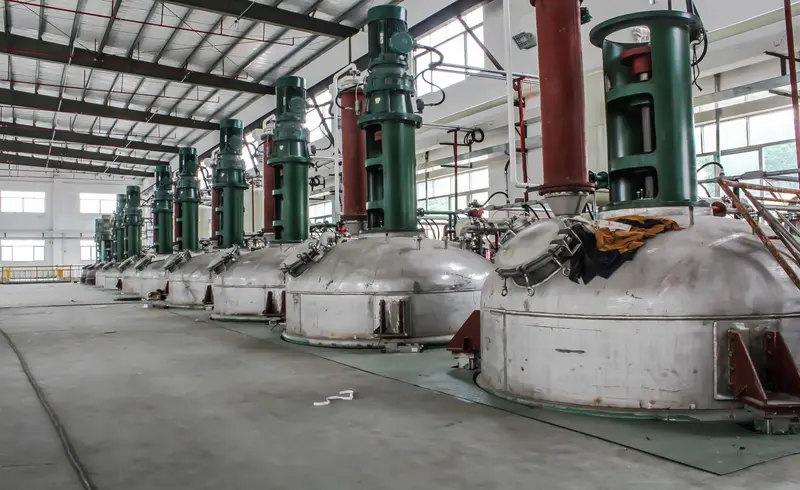
A systematic analysis of China's coatings industry in 2026: nearly 35 million tonnes produced a year and first worldwide for 15 straight years, yet a textbook large-industry-of-small-companies where the top ten hold only about 21.7% and foreign brands dominate the high end. Raw materials (resins, titanium dioxide) make up 80-90% of cost. Architectural coatings are dragged down by the property downturn and a wave of project bad debt, while industrial coatings have risen to about 66%.
China's Fastener Industry 2026: Market Size and Competitive Landscape
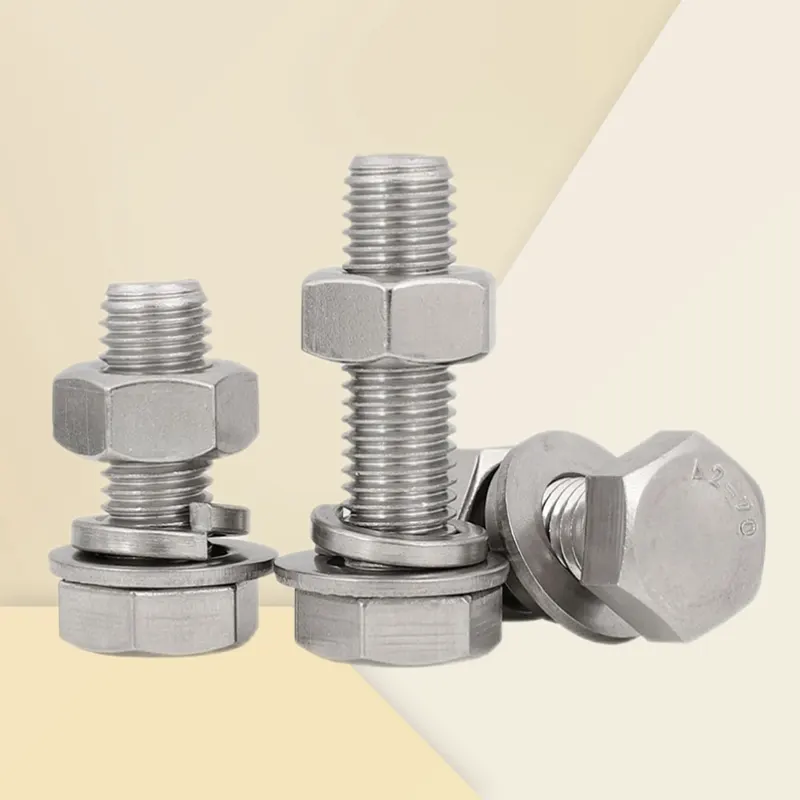
A systematic analysis of China's fastener industry in 2026: nearly 10 million tonnes produced a year and first worldwide, yet a fragmented pyramid of low-end overcapacity and high-end imports, where imported high-end fasteners fetch 8-9 times the price of exported standard parts. Demand concentrates in automotive (~58%); wind power, rail, and aerospace are the high-value growth tracks, with aerospace titanium-alloy fasteners the ultimate chokepoint.
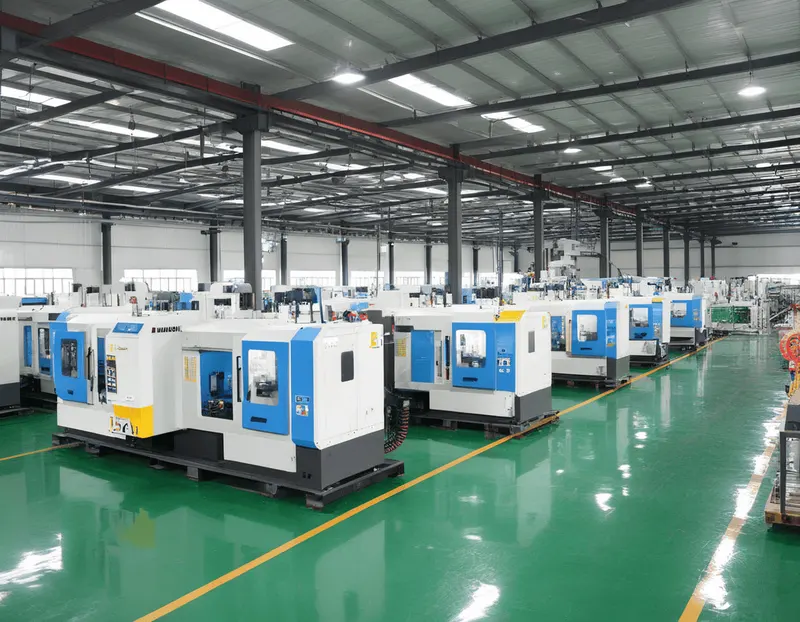
China's Injection Molding Industry 2026: Market Size and Competitive Landscape
A systematic analysis of the market size, value chain, and competitive landscape of China's injection molding industry in 2026: a highly concentrated machine segment (Haitian leads at home with 30%+ share, first worldwide) versus an extremely fragmented midstream of roughly 5 million molders. Chinese machines have moved from import substitution to export leadership, yet all-electric, precision, and large-tonnage high-end still belong to Japan and Germany.
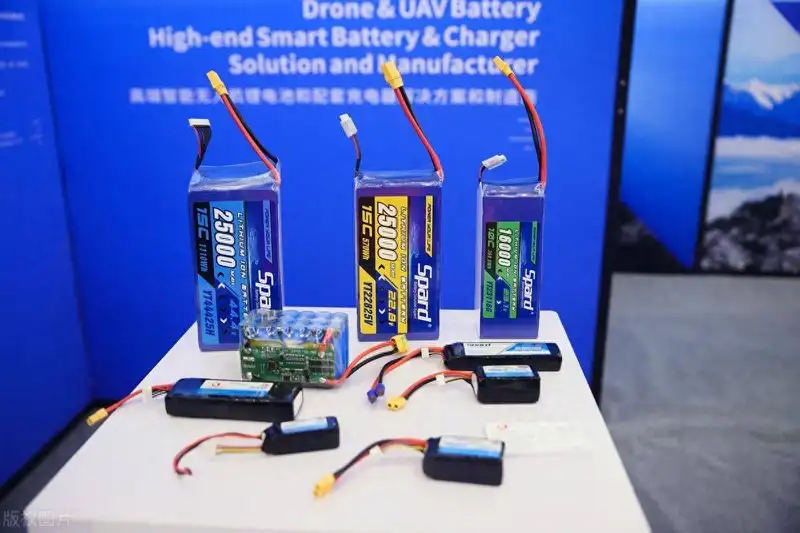
Sodium-Ion Battery 2026: How China Built the Industry's Second Card Alone After Lithium Crashed
From 2024 to 2025, foreign sodium-ion pioneers (UK's Faradion acquired by India, Sweden's Northvolt bankrupt, US's Natron shut down) collapsed almost entirely — while China's sodium-ion shipments grew from 0.7 GWh in 2023 to 3.7 GWh in 2024, then another 3.5 GWh in H1 2025, with energy storage taking 62%. This is a research-institute analysis on why the sodium-ion battery supply chain has consolidated to China and where it heads in 2026-2027.
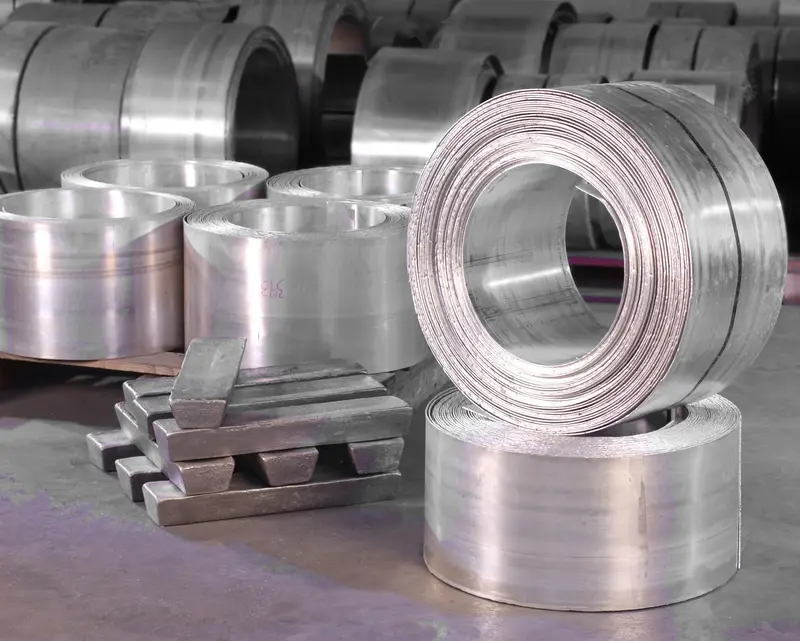
The Lightest Metal Waited Eighty Years: Sichuan Laiweimet and the Industrial Inflection Point of High-Strength Wrought Magnesium Alloys
From Pidgeon's process in 1941 to China's rare earth export controls in 2025, magnesium alloy — the lightest engineering metal — has never become a mainstream structural lightweight material. Sichuan Laiweimet uses solidification-strengthening plus continuous production to produce B91C2, a high-strength wrought magnesium alloy with yield strength 340–400 MPa, free of heavy rare earth dependency and SF₆, pushing the global high-strength wrought magnesium alloy landscape to a new tipping point.
Qinchuan Machine Tool Research Report: Dual-Engine Drive of High-End Five-Axis Machining and State-Owned Enterprise Reform
Qinchuan Machine Tool is a leading enterprise in China's machine tool and tooling industry. This report examines its four-segment business structure, progress in five-axis machine tool import substitution, the strategic rationale behind two rounds of private placement, and its comparative advantages and challenges in high-end manufacturing and new-energy vehicle drivetrains.
Cobalt Industry Research: Supply Acceleration and the Long Road to Rebalancing
Cobalt is a critical metal in the new-energy battery supply chain and one of the most structurally mismatched commodities of recent years. This report examines the supply structure, demand evolution, price cycle, industrial-chain positioning, and key market participants across five dimensions.
Aviation Transport and Airport Sector Research: Post-Pandemic Recovery, Competitive Dynamics, and Supply-Chain Opportunities
China's civil aviation sector climbed from near-total pandemic shutdown to a record 700 million passengers in 2024. This report maps the industry structure, the four key players in the chain, demand cycles, competitive landscape, and risks — and points to upstream opportunities in aviation equipment manufacturing.
Jingce Electronics Research Report: A Display-Inspection Leader's Push into Semiconductors and New Energy
Jingce Electronics grew from flat-panel display inspection and expanded along three lines — display, semiconductor metrology/inspection, and new-energy battery inspection. This report maps its business footprint, competitive position and growth, and examines the profit volatility behind its heavy R&D spending.
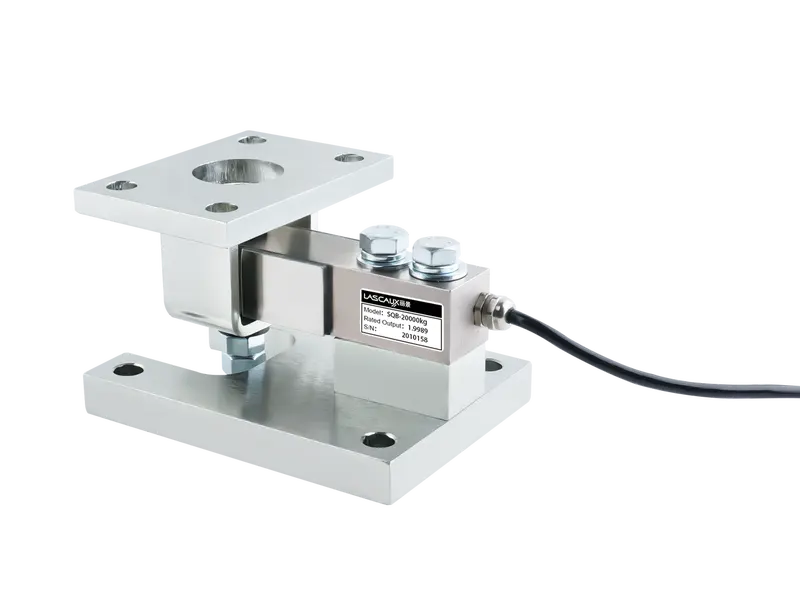
China Industrial Force Sensors 2026: The Hidden Champions Behind Weighing, Torque and Pressure
Comprehensive 2026 research on China's industrial force sensor industry: load cells, torque, pressure, 6-axis, dynamic piezoelectric, microbalance. 14 chapters covering RMB 22B China market, USD 10.5B global market, humanoid robot 6-axis ramp, COMAC C919/C929 + CJ-1000A high-end breakthrough, capacity expansion across Ningbo/Xi'an/Suzhou/Xiangyang/Beijing, OIML international recognition, price cycles, policy windfalls and six major risks.
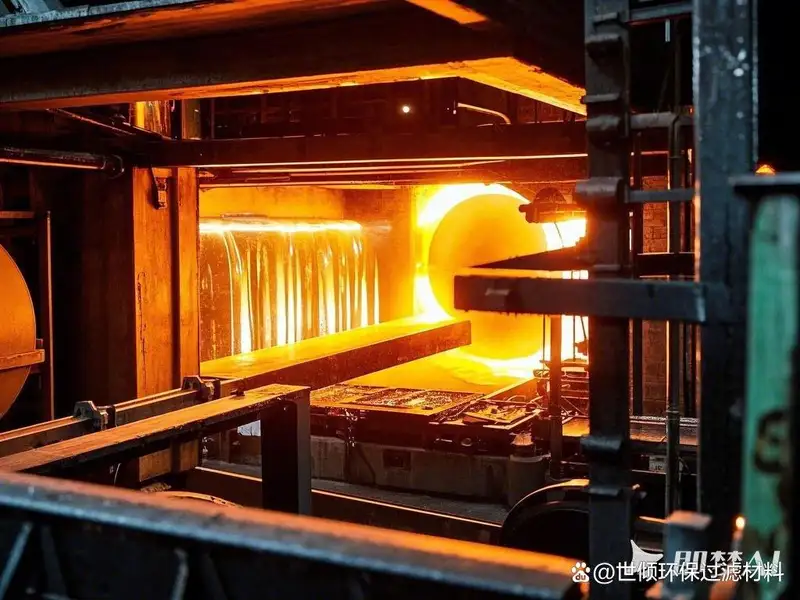
China Industrial Kiln and Furnace Equipment 2026: Cement, Glass, Ceramics, Metallurgy EPC and Overseas Expansion
This report maps China industrial kiln and furnace equipment in 2026 — cement, float glass, ceramic, EAF, semiconductor vacuum, and lithium-battery firing furnaces. It tracks the retreat of FLSmidth, KHD, Maerz, Vesuvius from China; the rise of Sinoma International, Triumph Group, Tangshan Hexiang, NHI, Beijing Lier, NAURA; and the structural surge of overseas EPC and new-energy furnace demand.
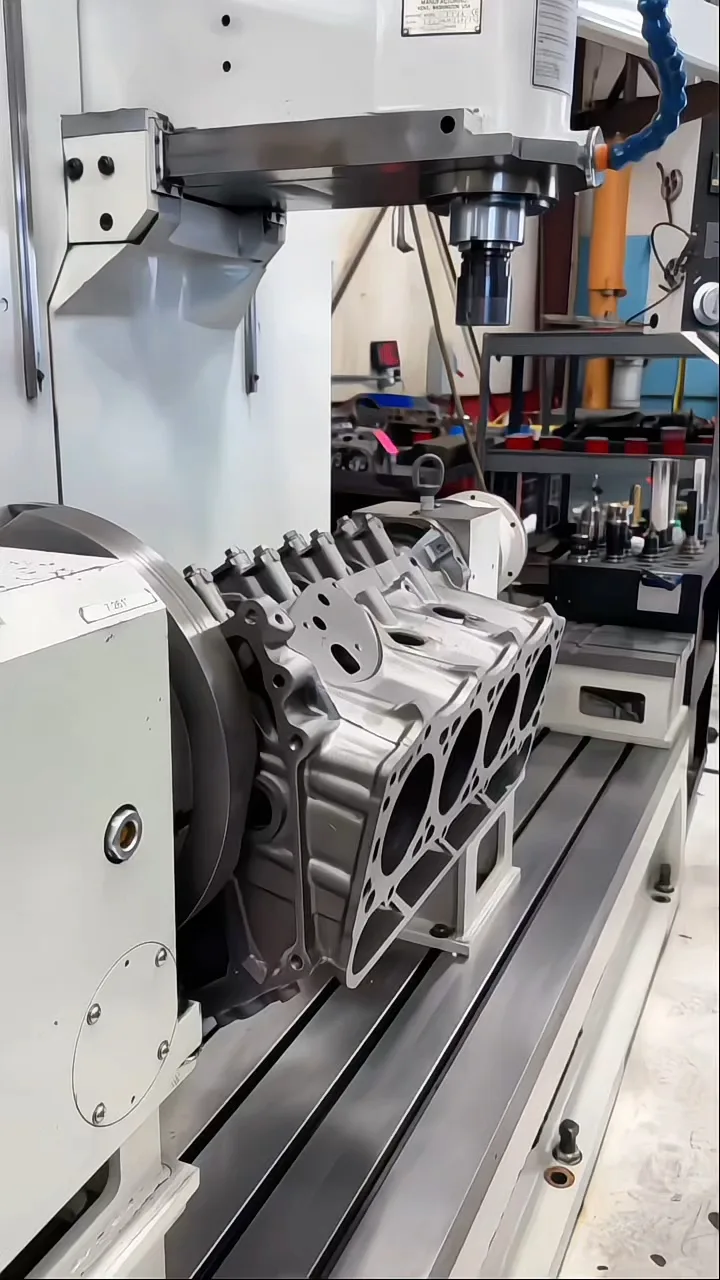
China Industrial Pneumatic Components 2026 — Localization of Cylinders, Solenoid Valves, and Vacuum Equipment
An in-depth research report on China's industrial pneumatic components industry in 2026, covering cylinders, solenoid valves, vacuum equipment, and domestic substitution by AirTAC, SMC China, Festo, and Ningbo Jialing.