



Yuxi Industry: A Second Venture After the Cigarette
Yuxi is a city shaped by a single cigarette: in 2024 its per-capita GDP of ~114,000 yuan ranked first in Yunnan, yet tobacco made up roughly 70% of above-scale industrial profit. This report dissects this 'tobacco city': from the rise of Hongta Group and a balanced look at Chu Shijian, to the Dahongshan steel tradition and a hundred-billion-yuan new-energy battery cluster led by global separator champion Semcorp, to Tonghai vegetables and Chu Orange—Yuxi's second venture 'after the cigarette.'
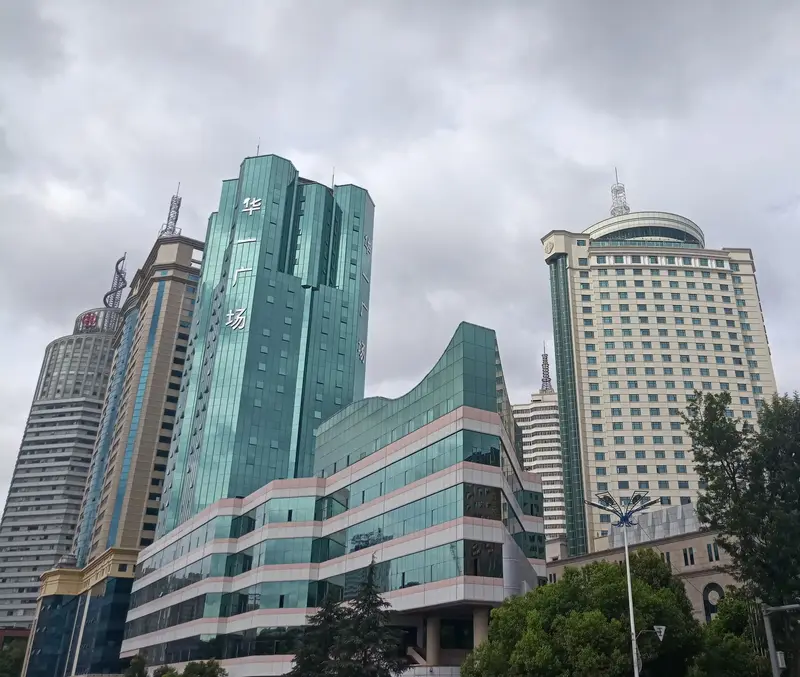
Kunming Industry: A Provincial Capital's Industrial Breakout
Kunming is an industrial city hidden behind its 'Spring City' image: in 2024 its GDP reached 827.5 billion yuan, a quarter of Yunnan's total. This report dissects this provincial capital's industry: from its Third Front equipment base, petrochemicals, and metallurgy, to a 'City of Medicine' (Yunnan Baiyao, Winona, Walvax) and Asia's largest flower market at Dounan, to the China-Laos Railway hub—and its breakout paths toward the high end, green, openness, and reform.
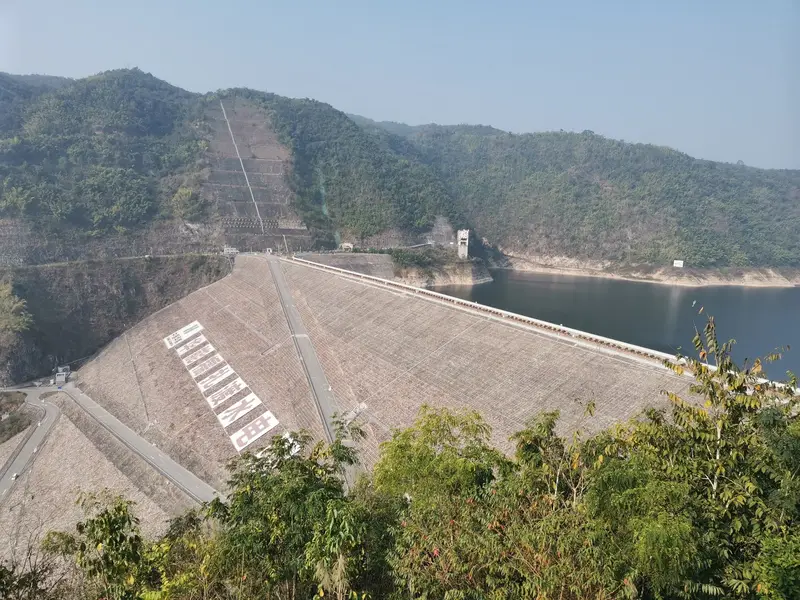
Yunnan Manufacturing: A Resource-Rich Province's Green Breakout
In 2024 Yunnan's GDP reached 3.15 trillion yuan, 18th in China, yet its industry has long been defined by three things: tobacco, nonferrous metals, and phosphate rock. This resource-based province now holds an enviable card: green power, with clean energy at 86.3% of generation. It examines how Yunnan is moving from tobacco dominance and resource dependence toward green manufacturing—hydropower aluminium and silicon, PV, and new-energy batteries—the green breakout of a resource-rich province.
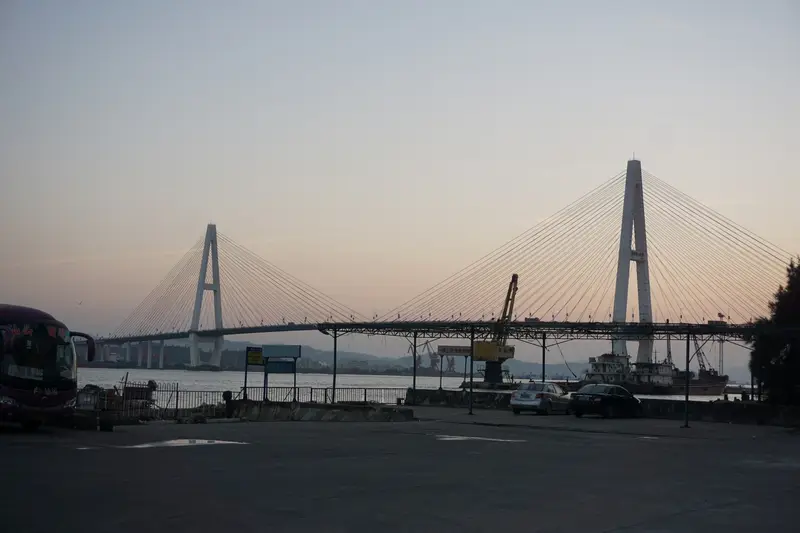
Shantou 1992–2026: The Decline and Restart of a Special Economic Zone
In 1980, Shantou had the highest starting GDP of China's four Special Economic Zones; by 2024, with 316.8 billion yuan and just 0.02% growth, it ranked last in Guangdong—under one-eleventh of Shenzhen. A century-old trading port and hometown of tycoons like Li Ka-shing and Pony Ma, why did it fall behind? This report dissects the causes—the 1991 split, the late-1990s tax-fraud case and collapse of credit, the 'blossoming outside the wall' paradox—and the hopes and risks of its restart.
China's 2024 Energy Transition Accelerates: National Targets and Provincial Roadmaps
The NEA's 2024 Guiding Opinions on Energy Work set a non-fossil power capacity share target of 55% and a wind-solar generation share target of 17%. Tianxia Gongchang Industrial Research Institute reviews all 31 provincial government work reports to map three structural storylines: western resource export, eastern grid absorption upgrades, and storage expansion. We also trace the manufacturing supply-chain implications of this policy cycle.
China's Chemical Project Map in 2024: Where the Investment Is and What Is Driving It
Drawing on China's 2024 active construction and planned chemical project pipeline, this report examines the regional distribution across East China, Northwest China, and South China, analyzes the industrial logic of five key provinces — Shandong, Jiangsu, Inner Mongolia, Xinjiang, and Guangdong — and assesses how the large-scale expansion of integrated refining-and-chemical bases and the policy push to 'reduce oil, grow chemicals' are redrawing the national industrial map.
China's Power Battery Capacity Landscape: Regional Map, Enterprise Competition, and Structural Overcapacity
China's power battery capacity has surpassed 1,500 GWh, forming a regional structure anchored by Fujian, Jiangsu, Sichuan, and Guangdong. CATL and BYD together hold more than 70% of the domestic market. This report maps provincial capacity distribution, the competitive dynamics among leading enterprises, and the structural contradictions behind falling utilization rates.
Jiangsu Manufacturing: Industry Composition, Regional Structure, and Industrial Clusters
Jiangsu is one of China's largest manufacturing provinces by output. This report examines its industry mix, north–south regional dynamics, and signature industrial clusters to give a structural picture of Jiangsu manufacturing.
Yunnan Vegetable Industry Research Report: Geographic Endowment and Industrial Chain Upgrading of China's Highland Vegetable Basket
Yunnan's tiered climate creates a year-round, uninterrupted vegetable supply system. Annual output has surpassed 30 million tonnes, with exports reaching over 40 countries and regions. This report maps the major production zones, category structure, outbound logistics, cold-chain gaps, and the supply chain opportunities for upstream sectors including agricultural inputs, seedlings, cold-chain equipment, and processing machinery.
Guizhou Tyre Research Report: Mastering Commercial Tyres and Driving International Expansion via Dual-Base Strategy
Guizhou Tyre has spent more than six decades deepening its position in truck/bus and off-the-road tyre manufacturing. This report maps its production footprint, the logic behind its Vietnam dual-base strategy, trade-barrier navigation, and the structural constraints that will shape its next phase of growth.
Inner Mongolia Petroleum, Coal and Other Fuel Processing Industry - Structure and Trajectory of China's Largest Modern Coal Chemical Base
Leveraging vast coal reserves and strategic location, Inner Mongolia has built China's largest modern coal chemical cluster, ranking first nationally in coal-to-gas capacity, while coal-to-oil and coal-to-olefins are also among the top tier, with the industry transitioning from primary fuel processing toward fine chemicals and new materials.
Inner Mongolia Rubber and Plastics: Coal-Chemical Downstream Extension Meets Mining-Zone Supply
Inner Mongolia's rubber and plastics sector rests on two pillars — downstream conversion of coal-based polyolefins and rubber/plastic components for mining operations. Ordos is emerging as China's largest coal-derived plastics feedstock zone, yet the region remains in a transitional phase from raw-material exporter to finished-product manufacturer.