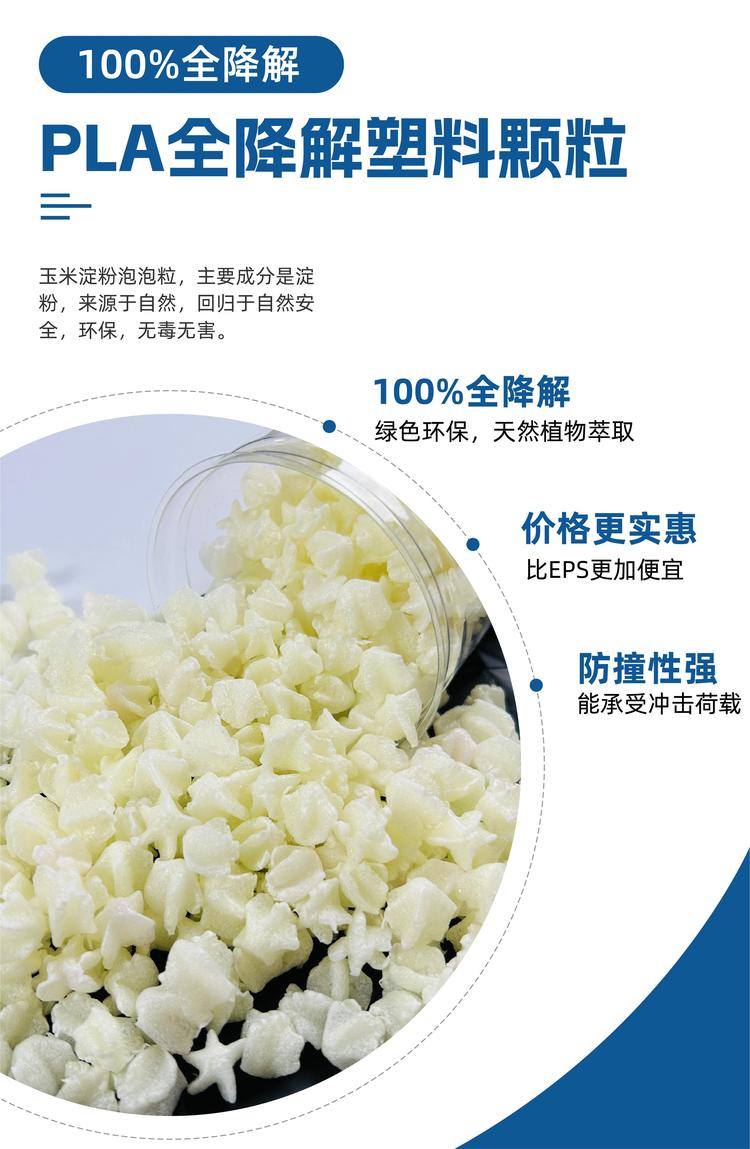

Executive Summary
Biodegradable plastics is the most-cited new-material track in China over the past decade. The promise is simple: use a polymer that natural microbes can chew through to replace ordinary polyethylene and polypropylene, so a shopping bag, a straw or a piece of mulch film breaks down into water, carbon dioxide and a little humus once discarded. Pull the camera in and the reality is messier. PLA and PBAT are two largely separate industrial routes. PHA, PGA and PCL each cover small but irreplaceable niches. Single-use-plastic restrictions are enforced unevenly across regions in China. Capacity overhang and brutal price competition played out simultaneously between 2024 and 2026. Overseas, NatureWorks (controlled by Cargill), the TotalEnergies–Corbion joint venture, BASF's ecoflex and Italy's Novamont effectively control the genuinely high-quality resin supply. Chinese players started late on upstream chemistry, struggle to design around foreign patents, and have been forced into a price war on the demand side. This report takes the first half of 2026 as its observation point and walks through twelve threads — upstream, process, manufacturers, single-use restrictions, capacity, the platform view, downstream, prices, policy, judgment, risk, sources — for industry researchers, sales professionals and policymakers who want a panoramic view of the track.
Headline conclusions:
- The industry sits between a single-use-plastic-restriction-driven pull and severe capacity overhang. Planned 2025 Chinese biodegradable-plastic capacity is roughly 4.2 million tonnes, of which only about 2.6 million tonnes is effective; utilisation has run below 40% for an extended period and prices are roughly half their 2021 peak.
- Only two process routes are genuinely mature: PLA two-step (corn → glucose → lactic acid → lactide → ring-opening polymerisation) and PBAT direct esterification. Other routes — PHA microbial fermentation, PGA from coal chemistry, PCL via caprolactone ring-opening — are limited by scale, cost or application scope.
- Upstream defines downstream. The PLA chain bottlenecks at lactide: fewer than four Chinese houses can reliably supply high-purity lactide. The PBAT chain is at the mercy of BDO (1,4-butanediol); when BDO fell to RMB 8,500/tonne in 2024 the whole PBAT chain went into the red.
- Single-use-plastic restrictions are the real demand engine, but enforcement is not uniform. Hainan, Beijing, Shanghai, Shenzhen, Zhejiang and Fujian enforce strictly; prefectural cities and central-western provinces enforce loosely. Food-delivery and supermarket bags are the deepest-penetration scenarios. The large-scale substitution of biodegradable mulch film is still walled off by cost and degradation speed.
- The overseas moat is patents and quality, not capacity. NatureWorks's Ingeo is the global PLA benchmark; the TotalEnergies–Corbion JV holds the key patents on lactide purification and stereocomplex alloys; BASF's ecoflex dominates the biggest PBAT installed base inside the EU composting certification system.
- Exports are the next variable. The EU's Single-Use Plastics Directive (SUP) introduces a new round of restrictions in 2026, the Carbon Border Adjustment Mechanism (CBAM) is expected to cover polymers in 2027, and Chinese exporters need to hold EN 13432, TÜV OK Compost, BPI and DIN-Geprüft certifications in parallel — the certification barrier is now higher than the tariff barrier.
Key data at a glance:
- 2025 Chinese biodegradable-plastic capacity is approximately 4.2 million tonnes nameplate and 2.6 million tonnes effective. Of the effective capacity, PBAT accounts for about 2.4 million tonnes, PLA 0.8 million, PHA and others a combined 1.0 million tonnes.
- 2025 actual output was about 0.95 million tonnes for an utilisation rate around 36%. Among downstream consumption: food-delivery single-use 36%, shopping bags 22%, mulch film 14%, 3D printing and medical 7%, other packaging 21%.
- Prices: PLA fell to RMB 13,500/tonne in Q4 2024 (peak RMB 25,000/tonne in 2021), PBAT fell to RMB 10,800/tonne in Q4 2024 (peak RMB 25,500/tonne in 2021), both recovered to roughly RMB 12,000/tonne by H1 2026.
- Leaders: Kingfa Sci & Tech 330,000 tonnes PBAT capacity (including operating 60,000 plus expansion plan), Cathay Biotech plans 70,000 tonnes PLA, Hisun Biomaterials currently 50,000 tonnes PLA, Anhui Bengbu Fengyuan plans 300,000 tonnes PLA and 200,000 tonnes PBAT, Lianhong New Materials plans 90,000 tonnes PLA.
- Four overseas leaders: NatureWorks US 150,000 tonnes plus 75,000-tonne Louisiana planned expansion, TotalEnergies Corbion 75,000 tonnes phase-one in Bangkok plus 100,000-tonne French plan, BASF 74,000-tonne ecoflex line at Schwarzheide Germany, Novamont 150,000 tonnes combined at Terni and Patrica in Italy.
- Exports: 2025 Chinese biodegradable-plastic exports were about 180,000 tonnes (mostly PBAT) to Germany, Japan, South Korea and Southeast Asia at an average FOB price of about USD 2,200/tonne.
I. Industry Overview: 2025 Global and Chinese Biodegradable-Plastic Capacity, Consumption and Exports
The discussion of this track should begin by drawing the boundary of "biodegradable plastic". Three common confusions deserve clearing up: first, bio-based plastic versus biodegradable plastic — the former emphasises feedstock from biomass (corn, sugarcane, algae) but is not necessarily degradable, the latter emphasises ultimate microbial degradation into CO2, water and biomass with feedstock potentially from petroleum. Second, degradable versus compostable: degradable means breakdown under some condition, compostable requires breakdown in industrial-compost conditions of high temperature and humidity within 180 days. Third, oxo-degradable versus biodegradable: the former mixes metal salts into conventional polyethylene to accelerate fragmentation, leaving large quantities of microplastic debris; the EU formally banned it in 2021. Oxo-degradable and genuine biodegradable plastics are entirely different routes.
The acronym soup of PLA, PBAT, PHA, PGA, PCL, PHB and PBS makes up the mainstream biodegradable-plastic product matrix. PLA (polylactic acid) is made from corn-derived lactic acid, is stiff but brittle, and is used for cups, cutlery and 3D-printing filament. PBAT (polybutylene adipate terephthalate) is flexible but not strong enough alone, and is commonly blended with PLA for mulch film and shopping bags. PHA (polyhydroxyalkanoates) is synthesised directly by microbial fermentation, degrades in marine environments but is very expensive. PGA (polyglycolic acid) is extremely dense and is used in oil-field downhole degradable bridge plugs and medical sutures. PCL (polycaprolactone) has low melting point and a wide processing window, and serves mainly as a blending modifier. PHB (polyhydroxybutyrate) is the most common member of the PHA family. PBS (polybutylene succinate) sits between PLA and PBAT in properties, used mainly for single-use cutlery and shopping bags.
The 2025 global biodegradable-plastic market is approximately USD 7.2 billion. European Bioplastics (EUBP) reports global bioplastic capacity of roughly 3.5 million tonnes in 2025, of which 2.2 million tonnes is biodegradable, or about 0.054% of total global plastic output of approximately 405 million tonnes. By region: Asia accounts for 55% of global biodegradable-plastic capacity (China about 45%), Europe 24%, North America 15%, South America 6%. By product: PBAT 37%, PLA 26%, starch blends 18%, PHA 9%, others (PBS, PCL, PGA) 10%.
The gap between nameplate and effective capacity is the most distinctive feature of the Chinese industry. Cumulative built-or-under-construction biodegradable-plastic capacity reached approximately 4.2 million tonnes by end-2025: PBAT 2.4 million, PLA 0.8 million, PHA 0.25 million, PBS 0.35 million, other 0.4 million. Industry-internal estimates put effective capacity — meeting downstream mass-production requirements, supplying stably and holding certification — at roughly 2.6 million tonnes. The 1.6-million-tonne gap comes from small- and medium-sized projects rushed in during the 2021–22 hype, projects still in equipment commissioning, and projects unable to supply EU or Japanese markets due to patent or certification issues.
2025 actual output of biodegradable plastic in China was about 0.95 million tonnes, an utilisation rate of about 36%. Utilisation has stayed below 50% because downstream demand has lagged capacity expansion. After the September 2020 release of the joint NDRC–MEE "Opinions on Further Strengthening Plastic Pollution Control", an investment wave brought roughly 3 million tonnes of new planned capacity in 2021 alone, but downstream conversion has been constrained by price (biodegradable plastics typically two to three times conventional), performance (strength, storage stability, processing window) and disposal infrastructure (industrial-compost facilities are scarce).
2025 exports were about 180,000 tonnes at an average FOB price of USD 2,200/tonne, totalling roughly USD 400 million. PBAT was the main export (130,000 tonnes), followed by PLA (30,000 tonnes) and PHA (~5,000 tonnes). Top destinations were Germany (23%), Japan (18%), South Korea (15%) and Southeast Asia (28% combined, mainly Vietnam, Thailand and Indonesia).
The biggest export-side uncertainty is the EU SUP and CBAM. SUP has tightened single-use-plastic restrictions since 2021 with new categories scheduled for 2026. CBAM originally covered only six sectors (steel, aluminium, cement, electricity, fertiliser, hydrogen); the European Commission proposed in 2025 to bring polymers into CBAM coverage starting 2027. Once polymers are covered, Chinese exporters will need to file carbon-footprint declarations for each shipment and pay the differential against the EU internal carbon price (about EUR 90/tonne CO2 in 2026), a meaningful cost shock.
Setting biodegradable plastics in the broader plastics coordinate system clarifies their scale and position. Chinese total 2025 plastic output was approximately 140 million tonnes: commodity plastics (PE, PP, PVC, ABS, PS) about 85 million tonnes, engineering plastics (PA, PC, POM, PBT, etc.) about 11 million tonnes, modified plastics about 29 million tonnes, recycled plastics about 23 million tonnes, biodegradable plastics about 0.95 million tonnes. Biodegradable plastics are roughly 1.1% of commodity plastics and 3.3% of modified plastics. By growth: biodegradable-plastic output has grown at about 33% CAGR over the past five years, far above commodity plastics' 3% and modified plastics' 8%.
The industry life-cycle position is at the transition from introduction to growth phase. The embryonic phase (pre-2010) was dominated by university labs and pilot plants; the introduction phase (2010–2020) saw mid-scale commercial exploration; the current growth phase (2020–2030) is marked by large-scale capacity build, brand uptake and policy push. The 2020 New Plastic Restrictions in China marked the start of this phase. The maturity phase (post-2030) is expected to feature penetration above 5% of total plastic, price gap to commodity plastics narrowed to 1.3–1.5×, industry concentration CR5 above 60%, and a clear market layering between overseas leaders and Chinese leaders.
Biodegradable plastic is commonly cited as "low-carbon plastic" and a circular-economy poster child, but actual performance depends on the disposal scenario. Life-cycle assessment shows PLA at net 0.6–1.0 t CO2/t (corn biomass partially offsets emissions), well below conventional PP/PE at 2.0–2.5 t CO2/t. PBAT is petroleum-based but composts to CO2 and water in industrial compost, avoiding methane from long-term landfill (methane has roughly 25× the CO2 warming potential), giving a marginal carbon advantage. LCA results are extremely sensitive to disposal: in incineration carbon benefits largely disappear; in industrial composting they are maximised; in landfill PLA degrades very slowly under anaerobic conditions and PBAT may release methane, so the benefit can turn negative. The environmental value of biodegradable plastics depends heavily on disposal infrastructure — the "end-of-life puzzle" the industry must solve in the coming years.
II. Upstream Chain: From Corn Starch to Lactide, Different Fates for PTA and BDO
The PLA upstream chain traces back to a single ear of corn. Approximately 8 kg of corn yields about 1 kg of PLA. The conversion rate is low, but because corn is cheap (average price around RMB 2,400/tonne in 2025) raw materials are not the largest cost item. The full chain is corn → starch → glucose → lactic acid → lactide → PLA, with each step posing its own challenges. The corn-starch and glucose stages are highly mature in China, with Shandong, Henan and the Northeast supplying combined capacity of over 30 million tonnes — wildly oversupplied for the PLA industry.
Lactic acid enters the PLA "semi-dedicated" chain. Global lactic-acid output is about 2 million tonnes; food and pharma grades are roughly 60%, PLA grade 35%, other 5%. PLA-grade lactic acid demands purity above 99.5% with heavy metals and furfural at parts-per-million levels. Chinese suppliers include Anhui Fengyuan (250,000 tonnes), Henan Jindan Tech (150,000 tonnes) and a Corbion China joint venture (~100,000 tonnes). Lactic-acid prices were around RMB 8,000/tonne in 2025, about 35% of PLA cost.
The real chokepoint is lactide. Lactide (the cyclic dimer of lactic acid) is the direct monomer for PLA ring-opening polymerisation. Producing lactide requires dehydration-dimerisation of lactic acid at 180–220 °C under vacuum, then distillation to high purity. Three challenges: lactide has L-, D- and meso-stereoisomers, and high-molecular-weight PLA requires single-stereo (L-lactide); lactide hydrolyses easily back to lactic acid, demanding strict water control; distillation requires high vacuum (millibar) and precise temperature control. Fewer than four Chinese plants supply PLA-grade lactide at scale: Hisun Biomaterials (50,000 tonnes), Anhui Fengyuan (250,000 tonnes planned, 50,000 in operation), Tongjieliang Bio (30,000 tonnes) and Lianhong New Materials (90,000 tonnes under construction). Hisun's process derives from the team of Professor Chen Xuesi at Zhejiang University, but compared with NatureWorks, reactor equipment, distillation efficiency and catalyst systems still lag in per-line scale and product stability.
PBAT is a copolymer of adipic acid, terephthalic acid and BDO — entirely petroleum-based. "Biodegradable" here refers to microbial breakdown ability, not biomass feedstock. PTA capacity in China is heavily oversupplied at about 85 million tonnes and is not a bottleneck. Adipic acid is roughly 3.6 million tonnes nameplate, supply-elastic, not a long-term bottleneck though short-term swings pass through to PBAT prices. BDO is the swing factor. By weight, BDO accounts for about 38% of PBAT formula. Chinese BDO capacity is about 3.6 million tonnes; downstream is PTMEG (35%), gamma-butyrolactone (18%), PBT (15%), PBAT (22%), other (10%). BDO prices have swung wildly: peak of RMB 38,000/tonne in 2021 during the single-use-plastic-restriction hype, RMB 8,500/tonne in 2024 amid weak demand, and stabilising at RMB 11,000/tonne in H1 2026 as new Xinjiang coal-chemical BDO capacity came online. Each RMB 1,000/tonne move in BDO shifts PBAT cost by roughly RMB 380/tonne.
The biggest BDO story is the Xinjiang coal-chemical route. Xinjiang Guobin, Tianye, Zhongtai, Ningxia Baofeng Energy and others use cheap regional power and coal in the Reppe process (coal-methanol-formaldehyde-acetylene-BDO) to press BDO cost down to about RMB 6,500/tonne, displacing coastal maleic-anhydride-route capacity. Xinjiang and Ningxia added about 800,000 tonnes of BDO capacity in 2025 and plan another 1.2 million in 2026, reshaping the BDO supply landscape.
PHA upstream is entirely different. PHA is made by microbial fermentation (Ralstonia, Alcaligenes and engineered strains) on glucose, oils, food waste or biogas in stainless-steel bioreactors, then extracted from cells. The bottlenecks are carbon source, strain performance, extraction efficiency and downstream processability (slow crystallisation, low heat resistance). Chinese players include Bluepha, Microbio Factory and Zhuhai COFCO Made-Up, with combined planned capacity of about 250,000 tonnes but operating capacity around 50,000 tonnes. PGA upstream is coal chemistry: coal-to-syngas via Fischer-Tropsch to glycolic acid, then polymerised. Shanghai Pujing, Inner Mongolia Jiutai and Zhongke Guosheng plan a combined 500,000 tonnes, with about 150,000 in operation for oilfield bridge plugs and absorbable medical devices.
A lactic-acid fermentation environment is more demanding than it looks. Industrial-grade L-lactic acid is made in 10–100 m³ fermenters with precise control of temperature, pH, dissolved oxygen and nutrient gradients. Lactic-acid bacteria operate at 20–45 °C, pH 5–6.5, on 10–15% glucose, converting at over 90% in 24–48 hours. The challenge is downstream separation: filtration, neutralisation (lime, ammonia or sodium hydroxide), activated-carbon decolouration, electrodialysis, ion exchange, crystallisation and distillation. Each step consumes water, chemicals and energy. Purification is roughly 40–50% of total lactic-acid cost — why fewer than ten companies globally supply PLA-grade lactic acid reliably.
Equipment is one of the most visible China-vs-overseas gaps. The lactide distillation column and PLA reactor in two-step PLA require imported or partially-domesticated equipment. Major foreign suppliers include Bühler, Buss, List, Comerio Ercole. Domestic suppliers include Nanjing Chenguang, Zigong Eastern and Zhangjiagang Shante. Domestic columns lag imports by roughly one generation in theoretical plate count, capacity and pressure drop, which translates directly into product molecular-weight distribution, residual monomer content and batch stability.
III. Process Routes: PLA One-Step and Two-Step, PBAT Direct Esterification, PHA Microbial Fermentation
PLA has two routes. Two-step is global mainstream: dehydration-condensation of lactic acid to low-MW poly-lactic acid (about 2,000–5,000 Da), then cracking to cyclic lactide, then ring-opening polymerisation with stannous octoate catalyst to high-MW PLA (100,000–300,000 Da). One-step is direct condensation of lactic acid to high-MW PLA, skipping lactide. One-step struggles to reach high MW (typically below 150,000 Da) and has colour and stability issues. Zhejiang University and Sichuan University have piloted one-step routes, but it has not displaced two-step at scale.
Even within two-step, the gap between NatureWorks and Chinese players remains material. NatureWorks's 150,000-tonne Blair, Nebraska plant has been running since 1997 through four generations of process optimisation; Ingeo PLA has narrow MW distribution, weight-average MW above 250,000, residual monomer below 0.3% and L-isomer purity above 99%. TotalEnergies Corbion's 75,000-tonne Bangkok plant holds patents on stereocomplex PLA, capable of producing PLA with heat resistance up to 180 °C. Hisun's PLA weight-average MW is 150,000–200,000 with residual monomer around 0.5% — fine for cutlery and bags but lacking for 3D printing, medical and high-end textile.
PBAT process is the direct-esterification of PTA, adipic acid and BDO at molar ratio about 1:1:2 in titanium-catalysed esterification at 220–240 °C, then polycondensation under high vacuum at 230–260 °C to target MW (Mn 20,000–50,000). The real difficulty is performance tuning. PBAT is a random copolymer in which the BT segment provides rigidity and melting point (~120 °C) and the BA segment provides flexibility; the BT/BA ratio (typically about 50:50) controls strength, elongation, heat-seal behaviour and degradation rate. BASF's ecoflex series has optimised this for thirty years — film performance and heat-seal width still lead Chinese suppliers.
PHA process is fermentation: engineered strains in stainless tanks convert glucose, oils or waste carbon into intracellular PHA granules (60–80% of dry cell mass) over 24–48 hours; cells are then ruptured (centrifugation, heat or mechanical), and PHA is extracted by solvent (chloroform, acetone) or enzymatic methods. Cost bottlenecks: strain performance, extraction efficiency, downstream processing (slow crystallisation, low heat resistance). Chinese players have reached the kilotonne scale, but per-tonne cost remains RMB 30,000–40,000 — two to three times PLA. The PHA selling point is marine degradation: PLA and PBAT take years in seawater; PHA degrades in months. This defines PHA's irreplaceable role in coastal pollution and marine-disposable scenarios.
PCL is from caprolactone ring-opening, mature and easy. But PCL's melting point is only ~60 °C, ruling out standalone use in cutlery or bags; it serves as a blending modifier or medical scaffold. PGA is from coal-syngas via Fischer-Tropsch to glycolic acid then polycondensation. PGA is highly dense and biodegradable — irreplaceable in oilfield degradable bridge plugs and absorbable sutures, but at over RMB 50,000/tonne is rare in mass single-use applications.
Blending and modification turn single resins into processable compounds, the real secret of moving biodegradable plastics from lab to industry. Common blends: PLA + PBAT (30:70 to 70:30, modified with compatibilisers, anti-hydrolysis agents, lubricants); PBAT + starch (Novamont's Mater-Bi); PLA + toughening agents (NatureWorks's Ingeo Tough). The know-how barrier is in formulation and batch consistency — Chinese leaders have the basics but lag overseas leaders in formulation diversity, batch consistency, processing window width and degradation-time consistency.
Process equipment compatibility with traditional plastic processing is reasonable. PBAT processes near LDPE temperatures; PLA approximates PS; PHA has a narrow window; PBS is compatible. Equipment vendors (Brückner, KraussMaffei, Wittmann Battenfeld, Toshiba Machine, Sumitomo Heavy Industries) offer dedicated machines and process packages for biodegradable plastics. Chinese equipment vendors (Jiangsu Jinwei, Guangdong Jinming, Carrick) have closed the gap.
The cost structure clarifies the path. For PLA in East China at 2025 prices, full cost is RMB 11,000–13,500/tonne: feedstock (corn, glucose, lactic acid) 35%, lactide processing 18%, PLA polymerisation 13%, energy 10%, labour and depreciation 17%, SG&A 7%. For PBAT, full cost is RMB 11,500–13,800/tonne: feedstock 75%, processing 10%, energy 6%, labour and depreciation 7%, SG&A 2%. PLA is processing-fee-driven; PBAT is feedstock-driven, especially BDO. This shapes capacity expansion, price cycles and leader concentration.
IV. Major Manufacturers: Chinese Leaders and Four Overseas Giants
Kingfa Sci & Tech is the indisputable Chinese leader and the largest single PBAT producer globally. 2024 biodegradable-plastic-segment revenue was RMB 2.73 billion, up 12.4% YoY; PBAT capacity is 330,000 tonnes with 2024 output 150,000 tonnes (45% utilisation). Plants are in Zhuhai (Guangdong), Benxi (Liaoning) and Nantong (Jiangsu), the largest single line being 150,000 tonnes at Nantong (started 2024). Its edge is the synergy between modified plastics and biodegradable plastics. Cathay Biotech, originally in long-chain dibasic acids and bio-based polyamides, announced PLA entry in 2023 with combined 70,000 tonnes planned in Shanxi Taiyuan and Xinjiang Wusu via a synthetic-biology route; it is still in commissioning as of H1 2026.
Hisun Biomaterials was China's earliest PLA industrialiser, building a 15,000-tonne PLA plant in 2008 in Taizhou, Zhejiang, the first in China and second in Asia. By end-2025 it operates 50,000 tonnes and has 150,000 tonnes planned. Anhui Fengyuan is the most fully integrated lactic-acid-to-PLA value chain in China, with 250,000 tonnes lactic acid, 50,000 tonnes lactide, 50,000 tonnes PLA and 200,000 tonnes PBAT in Bengbu, Anhui, plus 300,000 tonnes PLA planned for the 14th Five-Year Plan. Lianhong New Materials in Tengzhou announced a 90,000-tonne PLA project in 2023, with two-step route and lactide tech jointly developed with Nanjing University, targeting trial run in H2 2026. Tongcheng New Materials targets 100,000 tonnes PBAT in Nantong by 2026. Other Chinese players: Eastern Shenghong (300,000 tonnes PBAT planned), Wanhua Chemical (200,000 tonnes PBAT planned with MDI synergy), Shandong Ruifeng High-Polymer, Lanshan Tunhe (60,000 tonnes operating in Kuerle), Tongkun (100,000 tonnes planned in Tongxiang), Sinopec Yizheng Chemical Fibre (30,000 tonnes operating).
NatureWorks (Cargill-controlled) is the undisputed global PLA benchmark. Founded 1989 as a Cargill–Dow JV, Cargill became sole owner in 2005. Ingeo is the de facto standard in high-end PLA. Its Blair, Nebraska plant runs 150,000 tonnes since 1997; a USD 600 million, 75,000-tonne plant in Nakhon Lampang, Thailand is due in H2 2026. A China JV has been in negotiation for years but has not materialised due to patent-licensing and tech-transfer issues. 2024 PLA revenue was about USD 850 million at ~18% gross margin.
TotalEnergies Corbion (TotalEnergies + Corbion JV, established 2018) is the second-largest global PLA producer. It runs 75,000 tonnes in Bangkok and plans 100,000 tonnes at Grandpuits, France for 2027. Its stereocomplex-PLA patents enable PLA with heat resistance above 220 °C, opening high-temperature applications. BASF's ecoflex (commercialised 1998) is the PBAT quality benchmark — 74,000 tonnes at Schwarzheide, ~EUR 620 million revenue in 2024. Its film-blowing performance, heat-seal width and degradation-time consistency lead the EN 13432 ecosystem. ecovio (ecoflex + PLA blend) sells consistently into compost bags, coffee capsules and mulch film. Novamont (Italy, founded 1989) defined starch-blend leadership with Mater-Bi. It operates 150,000 tonnes combined at Terni and Patrica. Versalis (Eni) acquired 100% of Novamont in 2020.
Chinese mid-tier players form the long tail: Lanfeng Biochem, Zhejiang Youcheng New Materials, Shandong Tianren, Hunan Jinshali, Henan Longdu Biotech, Guangdong Zhongke Fuhai, Fujian Jingfeng, Jiangsu Huaxin and more. Combined market share is ~30% of Chinese capacity but gross margins are persistently weak; about 15 mid-tier players exited via shutdown, conversion or M&A in 2024–25; 10–20 more are expected to exit over the next three years. Overseas second-tier players include Synbra (Netherlands, BioFoam EPS substitute), Mitsubishi Chemical (Japan, BioPBS), Toray (Ecodear PLA fibre), SK Chemicals (Korea, Skygreen biodegradable copolyesters), Kingfa Malaysia.
Quantifying the China-vs-overseas gap across five dimensions: per-line scale, product stability, patent footprint, certification coverage, brand premium — Chinese leaders have matched on PBAT per-line scale but lag substantially on per-line PLA scale, product batch consistency (2–3× the variance of overseas leaders), patent breadth (Chinese leaders have 300–500 patents each, mostly application-level; overseas leaders have 900–1800 patents including foundational), certification coverage (overseas leaders cover EN 13432, OK Compost Industrial, OK Compost Home, BPI, DIN-Geprüft, GreenPla, AS 4736 in parallel; Chinese leaders cover three to four), and brand premium (Ingeo, ecoflex and Mater-Bi command 20–40% price premiums over equivalent Chinese product).
Project economics matter. A typical 60,000-tonne PBAT line costs about RMB 1.5 billion fixed plus RMB 200 million working capital, ~RMB 1.7 billion total. At full-load utilisation: revenue ~RMB 750 million, operating cost ~RMB 753 million, basically break-even at 0–2% gross margin. At 50% utilisation, cash flow gap exceeds RMB 100 million annually due to fixed depreciation and labour. PLA economics are slightly better: 50,000-tonne PLA line costs ~RMB 2.05 billion total; full-load revenue ~RMB 725 million against ~RMB 650 million cost for ~10% gross margin.
R&D intensity differs. Kingfa 2024 R&D was RMB 1.95 billion (2.5%); Hisun ~RMB 120 million (5.8%); Cathay Biotech RMB 350 million (8.5%); Anhui Fengyuan subsidiary segments RMB 280 million (4.2%). NatureWorks USD 85 million (10%); TotalEnergies Corbion USD 65 million (9%); BASF ecoflex segment EUR 35 million (6%); Novamont EUR 28 million (7%). Chinese leaders match in absolute R&D but trail in intensity due to diversified business mix. Single-business overseas leaders concentrate R&D — over time the technology gap may widen rather than narrow without focused investment.
Joint ventures and alliances are diverse. Domestic JV cases are limited and mostly chain-coordination (Kingfa with COFCO Biochem on lactic-acid supply, Eastern Shenghong with Baofeng on BDO). Chinese-overseas JV cases are repeatedly discussed but seldom land. The most successful overseas JV is TotalEnergies + Corbion (2018) — combining Total's capital with Corbion's lactic-acid technology produced the world's number-two PLA player. Versalis's 2020 acquisition of Novamont is a textbook vertical-integration case. Future three to five years should see more cross-border ventures: overseas leaders building China-located joint capacity, Chinese leaders partnering on niche species (PHA, PBS, starch blends), Chinese players setting up in Southeast Asia to avoid US anti-dumping duties, brand-owners signing long-term supply alliances with Chinese producers.
Financial leverage is a real risk. By end-2024, several listed players had debt-to-asset ratios above 60% and large interest-bearing debt. In the Q4 2024 industry-wide loss, debt risk meaningfully rose. Mitigation includes equity issuance, debt restructuring and strategic-investor introduction. Leaders have used directed share placements to optimise capital structure; smaller players have limited financing channels and weaker financial elasticity.
V. Single-Use-Plastic Restrictions: From Bans to Food-Delivery Penetration
China's plastic-restriction history dates to 2008. The 2008 notice banned plastic-shopping-bag manufacture, sale and use below 0.025 mm thickness and required paid supply at supermarkets. Enforcement was uneven, with almost no constraint on wet markets and food delivery. The 2020 "New Plastic Restrictions" formally elevated biodegradable plastics. Highlights: by end-2022, municipalities and provincial capitals ban non-degradable single-use shopping bags in their built-up areas (wet markets deferred to end-2025); by end-2022, food-delivery essentials (boxes, cutlery, straws, bags) nationwide ban non-degradable plastics; by end-2025, single-use plastic consumption intensity for food delivery in prefectural-level cities drops 30%.
The New Plastic Restrictions drove 2020–22 investment hype. Hainan is the strictest enforcer — island-wide ban since end-2020, deep penetration of biodegradable products (per-capita consumption ~8× national average). Beijing, Shanghai, Shenzhen, Zhejiang, Fujian are the next tier of strict enforcement. But local enforcement faces two realities: cost (biodegradable bag procurement is 2–3× conventional, drawing resistance from both merchants and consumers) and end-of-life (industrial composting is scarce, so biodegradable products often go to incineration or landfill anyway, blunting environmental benefit).
Food delivery and supermarkets are the deepest-penetration scenarios. Meituan and Ele.me launched "eco-cutlery" programmes in 2021. By end-2025 ~90% of food-delivery boxes in Meituan-covered cities use PP+PLA or PBAT-blend; straws are essentially fully PLA. Take-out bags are about 60% penetration, blocked by strength-flexibility trade-offs and cost. Supermarket penetration shows large-chain-strict, small-store-loose pattern. Walmart, Sun Art, Yonghui, China Resources Vanguard adopted biodegradable bags since 2022 at RMB 0.5–1.5/bag. Wet markets, convenience stores and street shops remain below 10% penetration due to cost and enforcement difficulty.
Biodegradable mulch film is the next big scenario. China consumes about 1.45 million tonnes of mulch film annually; ~90% is conventional polyethylene with recovery rate under 40% — the main source of rural white pollution. PBAT-based or PBAT+PLA blend biodegradable mulch film has been piloted in Xinjiang, Gansu, Inner Mongolia, Ningxia and Hebei. Xinjiang Bingtuan leads with the largest pilot area. Two real walls block scale: cost (RMB 30,000/tonne vs ~RMB 10,000/tonne for PE, 2–3× higher, hard for farmers to bear) and degradation rate matched to crop water-retention cycle. PBAT-based mulch matches cotton and maize cycles in Xinjiang but mismatches potato and grape.
Overseas timelines: 2002 Bangladesh became the first capital to ban single-use plastic bags. 2008 China nationwide. 2014 California first US-state ban. 2015 Kenya passed the world's strictest ban (up to 4 years in jail). 2016 France banned single-use plastic cutlery (full effect 2020). 2019 EU adopted SUP. 2019 Hainan first Chinese province-level ban. 2020 New Plastic Restrictions in China. 2020 New York City bans supermarket single-use plastic bags. 2021 California extended ban to straws and cutlery. 2022 Canada national single-use plastic ban (effective 2023). 2022 India nationwide ban. 2024 EU passed PPWR. 2025 California extended to take-out and restaurant single-use plastic containers. 2026 EU mandates reusable or compostable alternatives for beverage cups and take-out containers.
Restrictions impact varies by species and application: PBAT (the main bag and mulch resin) benefits most; PLA benefit is moderate (straws, coffee lids, 3D printing, medical); PHA, PBS, PGA niches benefit little; starch blends benefit mainly in European compost bag markets.
City waste-sorting and composting infrastructure is the limiter. China's industrial-compost capacity is 15 million tonnes/year, mostly for kitchen waste; biodegradable plastics are under 5%. Three reasons: high investment and long payback for compost facilities (RMB 80–150 million for 50,000 tonnes), high operating cost, limited markets for compost products (some have heavy-metal exceedance). Without compost infrastructure, environmental benefits of biodegradable plastics are blunted.
Competing alternatives further complicate the story: reusable plastics (PET, PP, TPE), paper alternatives (paper straws, boxes, bags, cups), aluminium and glass packaging, bio-based non-degradable plastics (bio-PE, bio-PP). Each has trade-offs. Biodegradable plastic's win in any specific scenario depends on cost, performance, recycling infrastructure and consumer preference rather than restriction-driven linearity alone.
VI. Capacity Race: Expansion Plans and Price Compression
Chinese PBAT capacity expanded from 200,000 tonnes in 2019 to over 2.4 million tonnes by end-2025 and is planned to exceed 3.8 million tonnes by 2027. Main expanders: Kingfa (330,000 → 450,000 tonnes), Eastern Shenghong (300,000 tonnes Lianyungang), Tongcheng (100,000 Nantong), Wanhua (200,000 Yantai), Shandong Ruifeng High-Polymer (40,000), Lanshan Tunhe (60,000 Kuerle), Tongkun (100,000 Tongxiang), Sinopec Yizheng (30,000), Lanfeng Biochem, Dan-Chem, Xinjiang Zhongtai, Ningxia Baofeng, Qinghai Salt Lake — combined 300,000+ tonnes planned. PBAT capacity is mostly commodity grade; price competition is unavoidable.
PLA expansion is more measured due to lactide technology barriers. End-2025 capacity is ~800,000 tonnes; 2027 plan is ~1.5 million tonnes. Major projects: Anhui Fengyuan (50,000 + 300,000 planned), Hisun (50,000 + 150,000 planned), Tongjieliang (30,000), Lianhong (90,000 under construction), Cathay Biotech (70,000 combined Taiyuan + Wusu planned), Zhejiang Youcheng (30,000 planned), Jiangsu Guowang (50,000 planned), Shandong Tianren (40,000 planned). PLA expansion is bottlenecked at lactide and product stability.
2024–25 was the price-compression year. PLA fell 46% from RMB 25,000 (Q4 2021 peak) to RMB 13,500 in Q4 2024; PBAT fell 58% from RMB 25,500 to RMB 10,800. BDO fell as well, but not as fast as PBAT, driving the PBAT industry into loss. At Q4 2024 prices, PBAT full cost was RMB 12,000–13,500/tonne against RMB 10,800 selling price — RMB 1,200–2,700/tonne loss, with industry utilisation forced below 40%. PLA at RMB 13,500 was above full cost (RMB 11,000–13,000) but gross margin was only 2–15%. By H1 2026, BDO recovery and demand pickup brought PBAT back to ~RMB 12,000 and PLA to ~RMB 14,500, hovering at break-even. Capacity overhang remains: ~800,000 tonnes new capacity in 2026, taking 1–2 years to absorb.
Capacity is heavily concentrated geographically. PBAT: Jiangsu (800,000 tonnes including Kingfa Nantong, Eastern Shenghong, Tongcheng, Dan-Chem, Tongkun, Yizheng), Guangdong (250,000), Liaoning (120,000), Xinjiang (150,000), Shandong (250,000), Ningxia (200,000), other (500,000). PLA: Anhui (50,000 operating, 300,000 planned at Fengyuan), Zhejiang (50,000 operating, 150,000 planned at Hisun; 30,000 at Tongjieliang; 30,000 planned at Youcheng), Shanxi (35,000 planned at Cathay Taiyuan), Xinjiang (35,000 planned at Cathay Wusu), Shandong (90,000 under construction at Lianhong; 40,000 planned at Tianren), Henan (50,000 planned at Jindan), other (100,000 combined). Jiangsu and Anhui are the two most concentrated provinces.
Industry CR3 is ~45% for PBAT and ~70% for PLA. PLA concentration is higher due to lactide barriers. Overseas capacity expansion is more measured at ~350,000 tonnes combined (NatureWorks Thailand +75,000, TotalEnergies Corbion France +100,000, BASF Korea +50,000, Novamont Italy/Spain +50,000, Mitsubishi Thailand +30,000, Indorama India +80,000 PLA+PBAT combined), focused on high-end applications and local markets to avoid direct mass-market competition with Chinese capacity.
Industry consolidation will follow predictable phases: 2026–27 mid-tier exits and leader-controlled utilisation push utilisation from 36% to 50%; 2027–28 M&A wave with three to five major deals, CR3 in PBAT rising from 45% toward 60%; post-2028 overseas-leader acquisitions and cross-industry-capital exits stabilise the landscape. Key variables: financing environment and regulatory stance.
Mid-tier exit forms include shutdown-with-shell-retention, conversion to other products, leader acquisition, and outright liquidation. In 2024 Q4–H1 2025, shutdown-with-shell was the dominant form. In 2026–28, acquisition and liquidation should rise. Local-government coordination often extends exit cycles. From first loss to full exit is typically 24–36 months, of which roughly half is local-government and creditor negotiation.
Up-and-downstream bargaining is uneven. Upstream lactide and BDO suppliers and downstream large brand owners have strong bargaining power; midstream resin, modification, blowing and injection-moulding players have weak power due to capacity overhang and homogeneous competition. Mid-tier escape paths: upstream integration (Kingfa's BDO play), downstream integration (Fengyuan making products), differentiated products (Hisun on high-end PLA, Mitsubishi on food-grade PBS), or brand building (entry to major brand-owner approved supplier lists).
Industry M&A valuation logic comes in three flavours: replacement-cost (used in overcapacity scenarios), EBITDA-multiple (used in stable-earnings scenarios), strategic-value-premium (used for patent, brand, share or customer value). The 2020 Versalis-Novamont deal exemplifies strategic-premium. The next 3–5 years should see all three logics applied across multiple deals.
VII. Platform View: Filtering Manufacturers by Process and Downstream
Tianxia Gongchang is a B2B factory-leads platform covering 4.8 million in-production factories. Different from corporate-info-query services, the data backbone is genuine factories verified individually for operating status, production site, equipment capacity and downstream category — making it possible to precisely match across narrow categories such as modified plastics, injection moulding, blowing, single-use cutlery and compost bags. This section unpacks the platform's ability to filter manufacturers by process and downstream using the biodegradable-plastic chain as the example.
By upstream process: the platform indexes eight process families along the biodegradable-plastic chain — lactide supply, PLA polymerisation, PBAT esterification, modification masterbatch, blend granulation, injection moulding, blowing, thermoforming, hot-pressing. For example, finding a PLA modification masterbatch factory the platform cross-filters on "twin-screw extruder + lactide/PLA feedstock + granulation line", returning a list of ~200 capable factories across China, then grading by capacity, region and customer profile.
By downstream application: the platform builds separate indices for single-use boxes, straws, shopping bags, compost bags, agricultural film, 3D printing filament. For shopping bags, of ~12,000 plastic-bag factories in China about 1,800 can make biodegradable bags (PBAT/PLA extrusion plus at least one EU or domestic certification), concentrated in Dongguan, Wenzhou, Suzhou, Quanzhou and Qingdao. Filter further by certification (EN 13432, BPI, GreenPla), annual capacity, customer group (food-delivery brands, supermarket chains, export traders).
By regional cluster: biodegradable-plastic processing clusters concentrate in Dongguan and Foshan (modified plastic granulation), Wenzhou (single-use cutlery), Quanzhou (eco plastic bags), Suzhou-Wuxi-Changzhou (precision injection moulding), Qingdao (export plastic products). The platform maps factory distribution, capacity concentration, export destinations and price ranges for each cluster.
Core value: for upstream raw-material, equipment, modification and additive sales, the platform offers two values — genuine-factory identification (avoid leads on shut or pivoted factories) and narrow-category matching (avoid blind filter in vast plastic-factory data). For downstream brands, food-delivery platforms and export traders, the value is rapid identification of compliant export-capable manufacturers by capacity, certification and region, bypassing inefficient trade shows and intermediaries.
A PBAT-procurement scenario: a national restaurant chain needs ~300 tonnes/month of biodegradable take-out bags for 2,000 outlets, supplier requirements including monthly delivery ≥30 tonnes, FOB Guangzhou ≤RMB 13,000/tonne, EN 13432 and GreenPla certifications, SGS third-party test report, 60-day first delivery. The traditional path of trade shows, association referrals and old-customer introductions yields 5–8 candidate suppliers over 3–6 months. With the platform, filter on "biodegradable plastic bag + monthly capacity ≥30 tonnes + EN 13432 and GreenPla + Guangdong/Fujian/Zhejiang clusters" yields 15–25 matched factories rapidly, grading by scale, customer group and export ability narrows to 5–8 candidates entering real negotiation, compressing the cycle to 4–8 weeks.
A PLA-modification-masterbatch sales scenario: a sales manager for a PLA + talc nucleating masterbatch needs to find single-use-cutlery and coffee-lid moulding factories with monthly demand above 5 tonnes and stable customer base (food-delivery brands, coffee chains, supermarket private labels). Filtering on "PLA injection + single-use cutlery + monthly capacity to take 5 tonnes of masterbatch" gives ~200 matched factories, narrowing to top 50 across Dongguan, Wenzhou and Quanzhou clusters.
Data backbone covers 4.8 million in-production factories. Main category, equipment capacity, customer group and export capability are updated monthly; certification, patent and registered capital are updated quarterly. Sources include public business data, market-supervision-bureau disclosures, association directories, customs data, tender databases, industry-journal data and brand/third-party-certifier disclosures. All data passes both automated cleansing and manual verification.
"Genuine-factory identification" in concrete terms means distinguishing shell companies from production sites, operating from shut or pivoted, primary-category from name-only, owned capacity from contract-manufactured. For a European brand seeking 100 tonnes of PBAT compost bags meeting EN 13432, monthly supply ≥20 tonnes, export experience and third-party reports, querying a corporate-info platform for "biodegradable plastic bag" might return 2,000+ registered companies, fewer than 30 of which would actually qualify. Pre-screening compresses this to 30 candidates and then to 5–10 negotiation finalists — savings of 3–6 months in procurement cycle.
Traditional B2B matching modes have limits in this narrow category: trade shows are infrequent and costly; association referrals are member-biased; old-customer introductions are limited in sample size; trading companies have shallow coverage and inflate prices; B2B e-commerce platforms have coarse category labels and no genuine-factory verification.
VIII. Downstream Applications I: Single-Use Cutlery, Bags, Mulch Film, Packaging
Single-use food-service cutlery is the largest single biodegradable-plastic consumption category at ~36% of 2025 demand and 0.34 million tonnes. Take-out boxes are the deepest-penetrated sub-category. Meituan and Ele.me's "eco-cutlery" partnership with Fengyuan, Kingfa, Hisun developed PP+PLA composite boxes, PLA injection boxes and PBAT thermoform boxes. ~90% of food-delivery boxes in Meituan-covered cities are now biodegradable. Box cost runs RMB 0.3–0.8 higher than PP — borne by platforms and brands, not directly visible to consumers.
Straws were the earliest to fully convert. The 2020 ban prompted near-total switch from PP/PE to PLA. PLA straws hold ~80% of the Chinese straw market with paper straws ~15% and reusable silicone/stainless ~5%. PLA straw consumption was ~120,000 tonnes in 2025, with manufacturing concentrated in Yiwu, Dongguan and Quanzhou.
Supermarket and take-out bags are the second-largest scenario at 22% of demand and 210,000 tonnes. Supermarket bags use PBAT-based or PBAT+PLA blends blown to 0.025–0.045 mm. Take-out bags are thicker (0.035–0.060 mm) and use PBAT+PLA+starch ternary blends. Top regional bases: Dongguan-Foshan blowing-and-bag-making (30%), Wenzhou plastic products (20%), Quanzhou plastic bags (15%), Suzhou blowing (10%), Qingdao export plastic bags (15%).
Brand-owner selection criteria for biodegradable straws include: GB 4806 food-contact compliance; mechanical stability across 5–45 °C; chemical-migration compliance for acidic, alkaline and oily beverages; full certification (GB 4806 licence, GreenPla for export, SGS reports); affordable pricing. Combined criteria narrow qualified suppliers to fewer than 50 nationwide.
Supermarket procurement is highly cost-sensitive. A national supermarket using ~500 million bags/year at ~5 g/bag, biodegradable bag at RMB 0.15–0.30/bag means RMB 75–150 million annually vs RMB 25 million for PE — premium of RMB 50–125 million. Absorbed via merchant cost, consumer per-bag fee (RMB 0.5–1.5/bag) or local subsidy.
Agricultural mulch film policy is supported by central finance. The 2022 MARA-MOF notice allocated RMB 500 million for biodegradable-mulch pilots in Xinjiang, Gansu, Inner Mongolia, Ningxia; 2024 budget extended to Hubei, Liaoning, Yunnan at ~RMB 800 million. Subsidy is RMB 100–150/mu covering the cost gap. Xinjiang Bingtuan's 1.5 million mu pilot at RMB 120/mu subsidy was RMB 180 million in 2025. With subsidy, farmer-borne cost is around RMB 30/mu, matching or below PE mulch.
E-commerce cushioning packaging is a small but growing scenario. Chinese express delivery exceeded 150 billion parcels in 2025 with 60 million tonnes of paper and cushioning material, of which biodegradable substitute share is under 1% due to extremely cheap PE bubble film (~RMB 6,000/tonne). JD's self-operated business and Amazon Global Selling pilot PBAT-based cushioning at ~10,000 tonnes/year, expected to grow to 50,000–80,000 tonnes over the next 5 years. Fresh-chain packaging at ~3 million tonnes per year, biodegradable substitution potential ~30,000–50,000 tonnes by 2030. Coffee capsules: European market 15 billion capsules per year, ~50,000 tonnes packaging material; Nestle, illy and Lavazza switched to aluminium and PBAT compostable. Chinese coffee-capsule market 1.5 billion capsules, PBAT compostable share ~30%. Other emerging scenarios: pet-product, baby-care and outdoor-sports packaging combined ~30,000–50,000 tonnes by 2030.
National regional cutlery clusters: Wenzhou (Ruian, Pingyang, Cangnan etc.) ~35% national share at ~800,000 tonnes; Dongguan-Foshan plastics ~20% at ~450,000 tonnes; Quanzhou plastics ~13% at ~300,000 tonnes; Suzhou (Changshu, Zhangjiagang) plastic packaging ~11% at ~250,000 tonnes; Qingdao export plastics ~9% at ~200,000 tonnes; other (Hebei, Henan, Hubei, Sichuan) combined ~12% at ~300,000 tonnes. Each cluster has differentiated positioning across product mix, export experience and customer base.
Mulch-film technical detail: by thickness (ultra-thin to thick), by mechanism (photo-degradable, biodegradable, dual), by crop adaptation (long, medium, short growth cycles). Edge strength is the unsung challenge — biodegradable mulch is typically weaker than PE, requiring blend modification or local thickness reinforcement.
IX. Downstream Applications II: 3D Printing, Medical, Textile
PLA is the dominant FDM 3D-printing filament globally (~80%). Reasons: melting point (170–190 °C) fits desktop nozzles; low cooling shrinkage limits warp; non-toxic and low-odour suit home and education use. Chinese manufacturers concentrate in Zhejiang, Guangdong, Jiangsu — Polymaker and eSun are leaders, with Polymaker exporting to Western markets and eSun running a large Shenzhen base. PLA filament Chinese consumption was ~30,000 tonnes in 2025 with ~20,000 tonnes exported. 3D printing PLA requires narrow MW distribution, low moisture and low residual monomer — NatureWorks Ingeo 3D series is the preferred feedstock for top Chinese filament producers.
3D-printing PLA further divides by use (home, education, industrial, medical) and modification (standard, toughened, high-heat, soluble, metal-filled, wood-filled, carbon-fibre-filled). Home and education combined are ~75% of volume; industrial and medical are higher-value niches. The next-generation high-speed PLA can run at 200–300 mm/s vs 30–80 mm/s for standard PLA.
Medical devices are the highest-value-density biodegradable-plastic niche. Absorbable surgical sutures (PGA, PLGA) globally are ~USD 1.5 billion. Ethicon's Vicryl is the global standard since 1974. Chinese players (WEGO Medical, Shanghai Puyi, Beijing Tianchen) have completed domestic replacement. Absorbable bone screws and plates (PLA, PLGA) globally ~USD 600 million for maxillofacial, paediatric and sports applications. Sweden's Inion, Finland's Bioretec, US Tepha lead globally; Chinese players (Shanghai Sanyou Medical, Beijing Beimax) are partially domesticated.
Drug-release microspheres (PLGA) are a major pharmaceutical use. FDA and NMPA-approved PLGA microspheres include Sandostatin LAR, Risperdal Consta, Lupron Depot. Chinese players: Luye Pharma, Livzon Pharma, Sunshine Lake Pharma, Beijing Tianchen — focused on generics and improved formulations. Core technology is microsphere processing (emulsification, solvent evaporation, spray drying) and high-quality PLGA feedstock (MW, copolymer ratio, end-group control). Chinese PLGA feedstock relies heavily on imports (Corbion, Mitsui, Evonik).
Absorbable vascular stents (Abbott Absorb withdrew 2017 due to thrombosis events) have had a difficult cycle; Chinese MicroPort Medical Firesorb, Lepu NeoVas and Huaan Bio Xinsorb are still in clinical promotion.
PLA fibre is the textile entry point. Good moisture absorption, antimicrobial, compostable — used in hygiene products (diaper and sanitary-napkin top sheets), agricultural non-woven, medical dressing, sportswear. Major producers cluster in Zhejiang (Shaoxing) and Fujian (Bohong Polyester) at the thousand-tonne scale; Hisun runs a 20,000-tonne PLA fibre line. Dyeing and heat resistance are major bottlenecks for clothing applications.
Industrial-grade 3D printing uses ABS, PA, PC, PEEK, TPU more than PLA, but toughened or high-heat PLA still has niches. Industrial PLA filament sells at 2–4× standard. PHA as 3D-printing material is exploratory: marine degradation and skin-friendliness are unique advantages, but narrow processing window and slow crystallisation limit scale to <500 tonnes/year.
Medical-device registration is a major hurdle: NMPA Class III review is typically 3–5 years for absorbable devices. Absorbable sutures are relatively mature; absorbable bone screws and plates are harder due to application diversity; absorbable vascular stents are longest (5–7+ years) due to long-term clinical follow-up. PLGA-based drug-release products are registered as drug formulations (5–8 years). Medical-grade PLA and PLGA feedstock is dominated globally by four players (Corbion PURASORB, Evonik RESOMER, Mitsui LACEA, Sanofi LACTEL) at 10–50× industrial PLA prices and tiny global volume (~2,000–3,000 tonnes per year). Chinese supply is essentially absent — a long-term supply-chain risk and replacement opportunity.
PLA spunbond non-wovens are extending into new scenarios: tea bags (replacing nylon and polyester non-wovens), flower wraps and gardening covers (compostable with flower residues), cosmetics and personal care (cotton pads, wipes, face-mask sheets). Aggregate emerging-scenario PLA non-woven volume is projected to grow from ~15,000 tonnes today to 50,000–80,000 tonnes by 2030. Medical-grade PLA micro-porous scaffolds for tissue engineering (bone, cartilage, skin, vascular) are mostly in pre-clinical and early-clinical phase; clinical commercialisation expected over the next 5–10 years.
X. Price Cycle: 2024–2026 PLA-vs-PBAT Spread and Conventional Plastics
PLA China-market price (East China, port delivery, with tax) over 2020–26 in four phases: 2020–Q2 2021 hype (RMB 14,000 → 22,000, +57%); Q3 2021–Q2 2022 high plateau (RMB 20,000–25,000, Q4 2021 peak 25,000); Q3 2022–Q4 2024 down cycle (RMB 22,000 → 13,500, -39%); 2025–H1 2026 bottom rebound (RMB 13,500 → 14,500, +7%). Drivers of the down cycle were 2022–24 capacity additions (~350,000 tonnes new) and demand short of expectation. Drivers of the rebound were mid-tier shutdowns, leader-controlled utilisation, and rising food-delivery and supermarket penetration.
PBAT 2020–26: 2020–Q2 2021 (RMB 11,000 → 25,500, +132%); Q3 2021–Q2 2022 plateau (RMB 22,000–25,500); Q3 2022–Q4 2024 down (RMB 22,000 → 10,800, -51%); 2025–H1 2026 rebound (RMB 10,800 → 12,000, +11%). PBAT swings exceed PLA due to BDO volatility, low entry barriers and homogeneous competition. Q4 2024 was the worst loss-making period in a decade.
Spread to conventional plastics: 2026 H1 PP at ~RMB 7,000/tonne, LLDPE ~RMB 7,200; PLA ~RMB 14,500, spread vs PP ~RMB 7,500 (multiple 2.07); PBAT ~RMB 12,000, spread vs PP ~RMB 5,000 (multiple 1.71); PBAT+PLA blends ~RMB 13,000, spread vs PP ~RMB 6,000 (multiple 1.86). At 1.7–2.1× multiples, biodegradable products are meaningfully more expensive at retail. Restrictions are the only practical mechanism to absorb this gap.
Export FOB is typically USD 2,200/tonne (~RMB 15,500), about RMB 2,500–3,000 above domestic. Premium absorbs export-certification fees, shipping and quality consistency requirements.
Price cycle and capacity-investment cycle correlate strongly. Up cycles occur when capacity addition lags demand expansion. With 800,000 tonnes of new capacity in 2026–27 vs only 150,000–250,000 tonnes of demand growth, narrow-band oscillation (PLA 12,000–15,000, PBAT 10,500–13,500) is the base case for 2026–28. Post-2028, mid-tier exits and export pull may restart moderate up-cycle, but a return to 2021 peaks is unlikely; "new normal" is RMB 12,000–18,000/tonne.
Regional spreads: East-China-vs-Northwest differential is RMB 500–800/tonne reflecting land transport. This creates arbitrage opportunities for traders and warehousers, also reflecting low liquidity and limited price transparency.
Long-term contracts: stable narrow-band expectations enable 3–5-year forward contracts between brand owners and leading producers. Mid-tier brand owners can lift biodegradable-plastic share for environmental positioning. Both decisions help downstream penetration recovery.
Futures: PLA and PBAT are not yet listed on Chinese commodity exchanges due to specification diversity, low liquidity and concentrated participants. Without futures, no standardised price-risk-management tool, but also no speculative distortion. Alternative tools: upstream PTA, corn, sugar futures provide partial coverage. BDO is not listed but is hedged by some via OTC derivatives.
International price links exist. NatureWorks Ingeo, Corbion Luminy, BASF ecoflex prices influence the high-end and export markets in China. NatureWorks Ingeo fell from ~USD 2.5/kg to ~USD 2.1/kg in 2024, an -16% move vs the -46% Chinese PLA drop. Exchange rate matters: USD/RMB stable at 7.0–7.3 in 2024–26 keeps USD-priced exports stable. Material moves either way affect competitiveness.
PLA-vs-PBAT spread historical band: 1.4 in 2020, 1.0–1.1 in 2021 (PBAT rose more), 1.2–1.3 in 2022–24, 1.25 in Q4 2024, ~1.2 in 2025–H1 2026. "Fair" PLA premium is 1.3–1.5×. Below 1.2 PLA profitability drops; above 1.5 demand shifts to PBAT. This guides downstream material choice across price regimes.
Application price-bearing ability ranges from extremely high (medical at RMB 50,000–1,000,000/kg) through 3D-printing filament (RMB 150–1,500/kg), cosmetics packaging (RMB 30–150/kg), specialty engineering injection (RMB 20–80/kg), food-delivery cutlery (RMB 5–20/kg), supermarket bags (RMB 2–8/kg), down to mulch film (RMB 1–5/kg). Industry profitability concentrates in medical, 3D printing, cosmetics-personal-care and specialty engineering; mass-market scale is high-volume-low-margin.
XI. Policy: Dual Carbon, Single-Use Restrictions, EU SUP and CBAM
China's dual-carbon targets (peak 2030, neutrality 2060) provide medium-term policy backdrop. Whole-life carbon: conventional PP/PE 2.0–2.5 t CO2/t; PLA (corn-based) 0.6–1.0 t CO2/t; PBAT 1.5–2.0 t CO2/t (composting avoids landfill methane). Carbon-trading market (launched July 2021, currently electricity) is expected to cover chemicals and plastics 2027–30, indirectly favouring biodegradable plastics. Green finance increasingly supports biodegradable-plastic projects via green credit, green bonds and provincial strategic-emerging-industry catalogues.
New plastic-restriction upgrades are expected 2026–27 covering: extension to prefectural and central-western enforcement; new categories (e-commerce cushioning, courier labels, fresh-chain foam boxes); unified national compostable-plastic certification; and government-backed industrial compost-facility build-out.
EU SUP (2019/904) is the world's strictest restriction framework, bans ten product categories since July 2021, requires 25% recycled content in beverage bottles by 2025 and 30% by 2030, mandates labelling, and introduces extended-producer-responsibility. 2024 PPWR raised packaging recycling and recycled-content targets. From 2026, EU mandates reusable or compostable alternatives for beverage cups and take-out containers. This gives Chinese biodegradable-plastic exports rigid EU demand but raises certification and quality thresholds.
EU CBAM (legislated May 2023, formal collection from 2026) covers six sectors initially (steel, aluminium, cement, electricity, fertiliser, hydrogen), with polymers (PLA, PBAT, PHA, bio-based and biodegradable plastics) proposed for 2027 inclusion. Once covered, Chinese exporters must declare per-shipment carbon footprint and pay the differential at EU internal carbon price (~EUR 90/t CO2 in 2026). For PBAT (1.5–2.0 t CO2/t) the CBAM add-on is RMB 200–400/tonne; for PLA (0.6–1.0 t CO2/t) it is RMB 80–200/tonne.
Anti-dumping and technical barriers also intensify. The EU opened a PBAT anti-dumping investigation in 2024. The US compostable-plastic-bag duty rose from 25% (2021) to 57% (2024), pushing some Chinese exporters to set up production in Vietnam, Thailand and Malaysia.
International composting certifications: EU EN 13432, US BPI (based on ASTM D6400), German DIN-Geprüft (DIN V 54900), Belgian TÜV AUSTRIA OK Compost (Industrial and Home), Japan GreenPla (JIS K6953), Australia AS 4736. EN 13432 requires 90% breakdown to CO2, water and biomass within 12 weeks of industrial composting and 90% disintegration within 6 months, plus ecotoxicity tests. OK Compost Home is stricter, requiring 90% degradation in 12 months at 25 °C.
China's certification system has been built since 2016. National recommended standards cover definitions, classification, marking and degradation requirements. Certification is by China Light Industry Federation, NCBM and CCRA, with limited international recognition. The 2023 SAMR labelling rule requires clear marking of degradation type, conditions, time and certifier — curbing "fake-degradable" abuse.
Industry-association activity: the Degradable Plastic Subcommittee of CPPIA is the most influential, coordinating statistics, technical exchanges and national-standard work; cooperation extends to Zhejiang, Tsinghua, BUCT, Nanjing, Sichuan University. Industry-academia projects: Zhejiang University's lactide commercialisation (Hisun), BUCT's PHA engineered strains (Bluepha), Tsinghua's PHA synthetic-biology route (Microbio Factory), Nanjing University's green PLA process (Lianhong).
US enforcement is state-level: ten-plus states (California, New York, NJ, Hawaii, WA, ME, CT, VT, DE, OR) have passed bans. California 2014 first, extended to straws and cutlery in 2021 and to take-out containers in 2025. Japan since July 2020 charges JPY 3–10 per supermarket bag. Korea, Australia, NZ, UAE and others have introduced varying-strictness regulations.
UN global plastic treaty negotiations launched 2022 with target binding text by end-2025. Core issues: limiting virgin plastic production, raising recycled content, plastic-waste management, banning oxo-degradables, harmonising biodegradable-plastic standards. Text not yet finalised; main disagreements on production limits, developing-country financial-technical support, and transition arrangements.
Local-government policies in China vary: Hainan (strictest, with tax/land/electricity preferences and local composting infrastructure), Anhui (Bengbu bio-based industrial park supports Fengyuan), Jiangsu (tax breaks, R&D and capacity subsidies for PBAT clusters), Guangdong (downstream-application subsidies for supermarkets and food delivery), Xinjiang/Ningxia (strong support for upstream BDO coal chemistry, plus dedicated subsidies for biodegradable mulch film).
International carbon market and cross-border carbon trade — the EU ETS's ~EUR 90/t CO2 carbon price affects internal EU plastics costs and indirectly favours biodegradable-plastic substitution. CBAM extends this to imports. Chinese exporters' response strategies include life-cycle carbon-footprint assessment and certification, switching to green electricity (wind, solar), process optimisation, CCUS exploration. These approaches add 5–8% to short-term operating cost but secure stable EU and North-American market access and brand premium over the long run. Major exporters are expected to publish LCA data and decarbonisation roadmaps over the next three years.
XII. Platform Research-House Judgment: 3-to-5 Year Trajectory
Tianxia Gongchang Research synthesises six dimensions (upstream feedstock, process routes, manufacturer expansion, policy push, end-market penetration, export environment) into the following five judgments for the next 3–5 years of Chinese biodegradable plastics.
Capacity absorption phase 2026–28: Chinese biodegradable-plastic industry stays in absorbing prior over-investment. With ~800,000 tonnes new capacity planned 2026–27, utilisation recovers from 36% slowly to 55–60% by 2028. PLA and PBAT trade in narrow bands (RMB 11,000–15,000/tonne, gross margins 5–15%). Mid-tier exits continue; concentration moves to Kingfa, Fengyuan, Hisun, Eastern Shenghong and BASF China JV.
Upstream lactide and BDO remain key variables. Four Chinese lactide suppliers combined are ~150,000 tonnes, insufficient for 800,000+ tonnes of PLA effective capacity — some PLA producers will continue to depend on external or university-pilot lactide. Xinjiang and Ningxia BDO additions in 2026–27 keep BDO at RMB 9,000–12,000/tonne, supporting PBAT.
Exports become the next variable. EU SUP, PPWR and CBAM provide stable demand and rigid barriers; US anti-dumping and Southeast Asian relocation divert some capacity. 2028 Chinese biodegradable-plastic exports projected at 350,000–400,000 tonnes, mainly to Europe and Japan. The growth curve depends on breaking through certification, quality and patent barriers held by NatureWorks, TotalEnergies Corbion and BASF.
PHA and PGA stay small but irreplaceable. PHA's marine-degradation niche is exclusive in coastal pollution control and marine-disposable products; 2028 capacity expected to grow from 50,000 to 150,000 tonnes but per-tonne cost remains above RMB 30,000. PGA's oilfield bridge-plug and absorbable medical-device niches expand from 150,000 to 300,000 tonnes.
End-brand and certification will drive value capture. Ingeo, ecoflex and Mater-Bi are established standards in EU, North America and Japan. Chinese players need 5–10 years to catch up in brand and certification even after closing capacity and cost gaps. Capacity players bear price pressure; brand-and-certification players enjoy premiums.
Will China grow a domestic NatureWorks? Likely yes in mass markets (capacity and price) within 5–10 years; matching high-end (brand and specialty) takes 10–15 years. Most likely candidates: Kingfa and Anhui Fengyuan (each with capacity scale, full chain integration and listed-company capital). Cathay Biotech also has potential via synthetic-biology route if it can scale.
Recommendations for upstream sales (equipment, raw materials, additives, modified compounds): focus on leaders and export-capable mid-tier; avoid wasted effort on loss-making small players; segment by process and downstream application; track overseas-leader China JV supply opportunities; watch PHA and PGA niches. Recommendations for downstream brand owners and supermarkets: sign long-term contracts with leaders to lock in cost; track overseas-leader China JV high-quality supply; pre-position for PPWR and CBAM compliance; explore high-premium scenarios (coffee lids, e-commerce cushioning, fresh-chain). Recommendations for industry researchers and policymakers: assess biodegradable-plastic carbon benefits in disposal-infrastructure context; establish national unified certification; promote industrial compost facilities; normalise mulch-film central-finance subsidies; pre-position PPWR/CBAM responses.
Ten key events to watch through 2030: NatureWorks Thailand 75,000-tonne PLA online H2 2026; EU CBAM polymer extension 2027; TotalEnergies Corbion France 100,000-tonne PLA online 2027; upgraded Chinese restrictions issuing 2026–27; mid-tier exits 2026–28 (15–25 projects); leader M&A wave 2027–28 (3–5 deals); UN plastic treaty finalisation 2025–27; Fengyuan PLA 300,000 tonnes completed 2026–29 making China #3 PLA player globally; biodegradable mulch-film expansion to 20 million mu by 2028–30; PHA and PGA niche breakthroughs.
Three scenarios: optimistic (30% probability) sees 2030 output 4.5 million tonnes, 75% utilisation, RMB 15,000–18,000 price band and 20%+ leader gross margins; neutral (50% baseline) sees 3 million tonnes, 60% utilisation, RMB 12,000–15,000, 15% margins; pessimistic (20%) sees 2 million tonnes, 50% utilisation, RMB 10,000–13,000, 5–10% margins.
Strategy types divide manufacturers' fates: scale-focused (Eastern Shenghong, Tongkun) face most pressure in 2026–28 but gain share long-term; quality-focused (Hisun, Cathay, Lianhong) hold up better in down cycles via differentiation; integrated full-chain players (Kingfa, Fengyuan, Wanhua) most likely to become globally competitive leaders.
By 2030: global biodegradable-plastic capacity ~5.8 million tonnes (EUBP forecast), China ~50% share, with 2–3 globally competitive Chinese players emerging. By 2035: ~10 million tonnes, 3–5% penetration, with marine-degrading PHA, specialty PGA and new-generation species claiming larger share. By 2040: penetration above 10% as global plastic treaty caps virgin plastic production.
XIII. Risks: Restriction Enforcement, Conventional-Plastic Price, Overcapacity
Restriction-enforcement uncertainty is the biggest demand-side risk. 2020 New Restrictions enforcement softened at the margin in 2023–24 in some provinces, driving downstream growth below plan. Key watch items: upgrade timing and scope of restrictions; industrial-compost infrastructure build-out; consumer awareness and acceptance.
Conventional-plastic price rebound risk: at 1.7–2.1× spread multiples, biodegradable plastics gain competitiveness when oil rises (e.g. PP back to RMB 11,000) and lose when oil falls (e.g. PP at RMB 6,800). 2025 oil at USD 65–75/bbl keeps the band; >USD 85 strengthens biodegradable competitiveness, <USD 55 stresses it.
Capacity overhang persistence: 2026 new capacity ~800,000 tonnes vs downstream growth 150,000–250,000 tonnes. Exit speed determines clearance pace. Fast exit (>200,000 tonnes/year) restores utilisation to 60%+ and margins to 15–20% by 2028; slow exit holds utilisation at 40–50% and margins at 5–10%.
Overseas-leader expansion and export anti-dumping: NatureWorks Thailand 2026, TotalEnergies Corbion France 2027, BASF China JV rumours — these divert high-end share. EU PBAT anti-dumping investigation and US compostable-plastic-bag duty escalation pressure Chinese export competitiveness.
Substitute-material risk: reusable plastics, paper substitutes, bio-based non-degradable (bio-PE) compete with biodegradable plastics. Paper straws and paper bags already substitute for PLA straws and PBAT bags in some scenarios. EU PPWR favours recyclable over biodegradable in some categories.
Microplastic and degradation by-product controversy: research suggests PBAT degrades much slower in ambient soil than in industrial compost, with fragments possibly persisting and producing microplastics. While no global regulatory consensus has formed, the controversy has prompted some EU governments and environmental NGOs to re-examine biodegradable-plastic environmental benefits.
Overseas leaders entering China: BASF China-JV PBAT discussion, NatureWorks tech partnership talks, Novamont licensing — these will accelerate over the next 3–5 years. Effect is dual: raises overall Chinese tech and quality bar but divides high-end share with Chinese leaders.
Raw-material price volatility: corn for PLA (RMB 2,200–2,600/tonne in 2025, PLA cost ±RMB 500–800/tonne), BDO for PBAT (RMB 9,000–12,000/tonne in 2025, PBAT cost ±RMB 1,100–1,500/tonne), glucose for PHA (RMB 2,800–3,200/tonne in 2025, PHA cost ±RMB 600–1,000/tonne). Full-chain players (Fengyuan corn-to-PLA, Kingfa BDO JV) less affected.
Payback periods extending beyond expectation: typical 7–10 years stretched to 15–20+ years under price-compression. PBAT 60,000-tonne project (RMB 1.5 billion) payback 15–18 years at break-even; PLA 50,000-tonne (RMB 1.8 billion) payback 12–15 years. Leaders with diversified product mix, export premium and long-term brand-owner contracts compress payback to under 10 years.
Policy uncertainty and policy collisions: restrictions push biodegradable substitution; dual-carbon pushes overall plastic-feedstock reduction; circular-economy pushes plastic recycling; food-contact safety regs add constraints. Policy directions sometimes conflict. Public awareness gap: ~70% of Chinese urban consumers have heard of biodegradable plastics but only ~30% accurately distinguish them; ~45% accept up to 20% premium, ~15% up to 50%, ~5% above 50%. "Bring-your-own-bag" behaviours partially substitute biodegradable purchases. Greenwashing controversy in Europe is intensifying; EU since 2023 requires concrete evidence for environmental claims, raising compliance burden on Chinese exporters.
Upstream concentration risk: PLA-grade lactide CR3 ~80%, BDO top-5 ~60%, adipic acid top-5 ~75%, high-purity lactic acid top-3 ~70%. Single-supplier failure cascades down. Domestic chain self-reliance (Fengyuan corn-to-PLA, Kingfa BDO JV, Wanhua MDI-to-PBAT) gradually mitigates the risk. Xinjiang–Ningxia BDO additions through 2028 will keep BDO at RMB 8,000–11,000/tonne, structurally supporting PBAT.
IP and tech-decoupling risk: 1,800/900/1,200 patents at NatureWorks/TotalEnergies Corbion/BASF respectively make catch-up structurally hard. Chinese players manage via university-developed alternative routes. Tech decoupling under US-China tensions limits imports of high-end columns and reactors and complicates medical-grade PLA/PLGA supply.
Human-capital and R&D capability shortfall: cross-discipline talent (polymer chem, biochem, chem-eng, materials, processing) is scarce. Top schools (ZJU, Tsinghua, BUCT, NJU, SCU) build limited teams. Greenwashing controversy and reputation risk: industry self-discipline and regulatory tightening needed; EU 2023 evidence-based environmental claim rules raise compliance burden.
Extreme weather and supply-chain disruption: 2023 EU heat and drought hit corn and sugar; 2024 Thai floods disrupted Bangkok PLA; 2025 Xinjiang cold snap stopped BDO plants for weeks. Cumulative climate effects on chemical infrastructure are growing. Mitigation: multi-source supply, higher buffer inventory, climate-resilient infrastructure design, industry-level climate-risk collaboration. Geopolitical risk (US-China trade tensions, Russia-Ukraine, Middle East) adds further unpredictability. Climate policy uncertainty (smog-response forced production cuts) requires risk-management discipline in annual planning. Operational resilience will be an increasingly important indicator of long-term competitiveness over the next 3–5 years.
XIV. Data Sources
This report draws on the following sources:
- Tianxia Gongchang factory-leads data covering 4.8 million in-production factories provides the micro-structure backbone for modification compounders, injection/blowing/thermoform processors, single-use cutlery and shopping-bag manufacturers including cluster distribution, scale tiers and export capability used throughout this report.
- China Plastics Processing Industry Association (CPPIA): China Plastics Industry Yearbook 2024 and China Biodegradable Plastics Industry Report 2025 for total capacity, output, consumption and modification rate macros.
- China Synthetic Resin Distribution Association monthly reports on PLA, PBAT and other species for price and cost data.
- Annual and interim reports of listed players: Kingfa, Hisun, Anhui Fengyuan subsidiary disclosures, Lianhong, Tongcheng, Eastern Shenghong, Dan-Chem, Wanhua, Tongkun, Baofeng, Lanshan Tunhe, Cathay Biotech, MicroPort, Shanghai Sanyou Medical, Polymaker.
- Annual and sustainability reports of overseas leaders: NatureWorks, TotalEnergies Corbion, Novamont, BASF.
- European Bioplastics (EUBP) Bioplastics Market Data 2025 for global capacity, output, regional and application breakdown.
- Nikkei Asia, Reuters, Bloomberg, BloombergNEF English coverage on global biodegradable-plastic markets, EU policy and overseas-leader developments.
- IEA Bioenergy and Bioplastics Outlook 2025 for global bioplastic energy use and carbon-emission data.
- EU SUP, PPWR, CBAM official texts and Commission policy interpretations.
- NDRC, MEE, MIIT, MARA notices and policy texts on plastic restrictions, mulch-film recovery and related areas.
- China Customs export-import data by HS codes 3907.7000, 3907.9999, 3907.5000.
- Composting-certification body directories: BPI, DIN CERTCO, TÜV AUSTRIA OK Compost, GreenPla.
- IEA, BloombergNEF, Rystad Energy on energy transition and bioeconomy with whole-life-carbon and energy analyses for biodegradable plastics.
- Peer-reviewed academic literature from EMBL, MIT, UC Berkeley, Tsinghua, ZJU, BUCT on polymer-degradation mechanisms, biomass conversion, synthetic biology and environmental impacts.
- Market-research firms: Frost & Sullivan, IHS Markit (now S&P Global), Wood Mackenzie, IMARC, Grand View Research on global biodegradable-plastic market size and forecast.
- Central and provincial-level policy documents on plastic-pollution control, biodegradable-plastic management, mulch-film recovery, bioeconomy plans.
- Local-government documents from Hainan, Beijing, Shanghai, Shenzhen, Zhejiang, Fujian, Jiangsu, Anhui, Guangdong, Xinjiang on enforcement details, subsidies and composting plans.
- Customs and trade-promotion organisations on import-export data, trade-friction alerts and overseas-market analyses.
- Disclosures from CSRC, SSE, SZSE, HKEX and listed players' company announcements, periodic reports, investor-relations records.
- SEC, ESMA and overseas regulatory filings of Cargill (NatureWorks holding), TotalEnergies, BASF and Eni (Versalis/Novamont holding).
- Trade and specialty media coverage including China Plastics, Plastics Industry, Synthetic Resin Industry, Rubber/Plastics Technology and Equipment, Bioplastics MAGAZINE, Plastics News, ICIS Chemical Business, Chemical Engineering News, Reuters Sustainability, Nikkei Asia.
- Industry conference observations and vendor interviews at Chinaplas, K-Show Düsseldorf, NPE, IPF Japan, ProPak Asia and other key events.
- Industry conference and forum talks at European Bioplastics Conference, Asia Bioplastics Conference, CPPIA Degradable Plastic Subcommittee Annual Meeting, China Synthetic Resin Distribution Association Forum.
- Sustainability and carbon databases including UNEP global plastic-pollution assessments, Ellen MacArthur Foundation circular-economy reports, World Economic Forum plastic-pollution-and-ocean-health reports, CDP carbon disclosures.
- Background interviews with R&D, sales and procurement leaders at Chinese biodegradable-plastic manufacturers and industry consultants, with cross-validation across sources where data were disputed.
- Observations from other domestic data platforms including B2B e-commerce, tender databases, shipping data and patent databases for cross-checking manufacturer activity, demand, trade flows and tech evolution.
- News-media and trade-press monitoring 2024–26 from China News Service, Xinhua, People's Daily, Economic Daily, Caixin, 21st Century Business Herald, Wall Street Journal, Financial Times, New York Times, Guardian, Der Spiegel.
Author: Research-House industry-research team Reporting moment: end-June 2026 Update cycle: rolling quarterly Contact: through research-house public channels
Research-House commitment: data and judgments in this report aim for accuracy, objectivity and independence; uncertainties are explicitly flagged; discrepancies across sources are reconciled with explanation. Readers using the data for real decisions should cross-verify with their own sources and bear responsibility for outcomes.
Data-use boundary: capacity, output, price and consumption data are aggregated from multiple sources with different statistical scopes and disclosure timing; deviations from individual manufacturer data or other agencies are possible. Use is for industry research, judgment and strategic reference only and does not constitute investment or commercial advice.
Revision record: this is the first version dated end-June 2026. Quarterly rolling updates planned. Readers seeking the latest version or in-depth exchange may reach out via the research-house public channels.