
Abstract
Lasers are industry's "scissors of light." Focusing an ordinary beam down to a point thinner than a human hair relies on just a few laser chips and several meters of specialty fiber inside the laser source. A 10 kW fiber laser can pierce a 20 mm steel plate in under two seconds — several times faster than flame cutting; a handful of DFB/EML laser chips inside a server optical module determine whether AI computing power can flow between data centers at 1.6T. China is the world's largest consumer of laser equipment and the world's largest producer of industrial lasers. In 2024, China's laser market exceeded RMB 50 billion and the broader laser equipment market surpassed RMB 120 billion; the domestic localization rate for low- and mid-power fiber lasers has exceeded 99%, and Raycus Laser has overtaken IPG to become China's number-one player with approximately 27% market share. Yet the "crown jewels" of value — high-power pump chips, ultrafast lasers, and the CO2 light sources for ASML EUV lithography machines — remain substantially controlled by IPG, TRUMPF, and Coherent. This report takes 2026 as its observation vantage point to systematically survey China's laser industry: market size, supply-chain structure, competitive landscape, segment markets, technology evolution, risks, and the five-year outlook.
Core findings:
- Domestic substitution advances rung by rung up the power ladder. Fiber lasers from watts to kilowatts have long been domestically produced; the domestic share at 10 kW and above broke through 70% in 2024. In September 2024, Raycus Laser completed the world's first commercial sale of a 200 kW fiber laser, pushing the power ceiling of industrial lasers to the 100 kW magnitude.
- On one side, domestic players have slashed prices to a fraction of IPG's; on the other, gross margins have been beaten down to 20%. Raycus's 2024 gross margin fell from 50%+ in prior years to 20.51%, and 10 kW-class laser prices declined approximately 60% over four years. The price war allowed domestic suppliers to displace IPG, but has also trapped domestic manufacturers in a race to the bottom.
- The true high ground lies in ultrafast, ultraviolet, and optical communications lasers — not in the laser body itself. The domestic localization rate for ultrafast lasers (ps/fs) is only 30%–50%; UV has already breached 90%+; semiconductor laser pump chips stand at approximately 40%; and the CO2 source for ASML EUV lithography remains exclusively supplied by TRUMPF at 250 W, while domestic alternatives remain at the ~10 W level.
- AI computing power is the most certain new growth engine for lasers. EML/VCSEL laser chips for data-communications optical modules are surging with the ramp of 800G/1.6T shipments. China's data-communications optical module market reached approximately RMB 24.9 billion in 2024, and InnoLight and Eoptolink hold seven of the top ten positions globally.
- The industrial belt is highly concentrated; downstream applications are highly fragmented. Wuhan Optics Valley, Shenzhen/Pearl River Delta, and the Jiangsu-Shanghai Yangtze River Delta form a three-pronged cluster. The top-3 concentration ratio (CR3) for laser sources exceeds 60%, yet downstream sheet-metal fabricators, power battery welders, consumer electronics precision-machining shops, and LiDAR OEM factories number in the tens of thousands, making factory identification a genuine pain point for matching upstream and downstream players.
Key data at a glance:
- China's laser market in 2024 was approximately RMB 50 billion, of which fiber lasers accounted for roughly RMB 16–18 billion; the broader laser equipment market exceeded RMB 120 billion.
- China's fiber laser CR2 is approximately 50%; CR3 exceeds 60%; CR5 exceeds 75%. Raycus's approximately 27% share already surpasses IPG's share in China.
- Raycus Laser (300747) 2024: revenue RMB 3.197 billion (−13.11%), net profit attributable to parent RMB 134 million (−38.24%), gross margin approximately 20.51%; units at 10 kW and above grew +135% year-on-year; the world's first commercial sale of a 200 kW unit was completed.
- IPG Photonics 2024 revenue approximately USD 977 million (−24%); China revenue fell approximately 31%; global fiber laser market share declined from approximately 70% in the 2010s to approximately 30%–40%.
- Global laser technology market approximately USD 20 billion in 2024, approximately USD 28.5 billion by 2030E (CAGR approximately 7.5%); global fiber laser CAGR approximately 11%; ultrafast laser CAGR approximately 15%.
Chapter 1 Definitions, Classifications, and Supply-Chain Overview
1.1 Definition of Lasers and the Principles of Laser Generation
Laser is an acronym for Light Amplification by Stimulated Emission of Radiation. A laser (Laser) is a device that converts electrical energy, chemical energy, or other forms of energy into coherent light output. Its output light possesses four fundamental properties that ordinary light sources cannot match: monochromaticity (extremely narrow spectral linewidth), coherence (temporal and spatial coherence), directionality (extremely low divergence angle), and high brightness (optical power per unit area per unit solid angle far exceeding that of sunlight). It is precisely the combination of these four properties that makes lasers the foundational light-source tool for industrial manufacturing, precision machining, information communications, and medical science.
1.1.1 Stimulated Emission: The Quantum-Mechanical Basis of Laser Generation
Three fundamental processes govern the interaction of light with matter: spontaneous emission, stimulated absorption, and stimulated emission. Spontaneous emission occurs when an atom spontaneously transitions from a high-energy state to a low-energy state, randomly releasing a photon; it is the dominant emission mechanism in ordinary light sources, producing photons with random phase, direction, and polarization. Stimulated emission is fundamentally different: when an atom in an excited state is driven by an incident photon whose frequency corresponds to the transition energy gap, it releases a new photon at the same frequency, same phase, same direction, and same polarization as the incident photon — effectively achieving coherent amplification of light.
For stimulated emission to dominate, the population of atoms in the high-energy state within the gain medium must exceed those in the low-energy state, i.e., population inversion must be achieved. Population inversion does not arise spontaneously under thermal equilibrium; an external pump source — current injection, optical pumping, or gas discharge — must continuously drive particles into the excited state to sustain the inverted condition in the gain medium.
1.1.2 The Resonant Cavity: From Amplification to Oscillation
A single pass of stimulated-emission amplification is insufficient to produce high-power laser output. The resonant cavity consists of two highly reflective mirrors (one totally reflecting, the other partially transmitting to serve as the output coupler) with the gain medium sandwiched between them. Photons bounce back and forth through the cavity, gaining amplification with each pass through the gain medium; specific wavelengths satisfying the cavity resonance condition are selectively enhanced, while others are suppressed by interference losses. When the gain exceeds all cavity losses (absorption, scattering, output coupling), oscillation builds up and stable coherent light is emitted through the output coupler — this is the laser output. The geometry of the resonant cavity determines the laser's transverse mode distribution and beam quality parameter M² (the closer M² is to 1, the closer the beam quality is to the diffraction limit).
1.1.3 The Gain Medium: The Core Determinant of Laser Wavelength and Performance
Among the three essential components of a laser (pump source, gain medium, resonant cavity), the gain medium is the key determinant of the output wavelength. Different gain media correspond to different transition energy levels and thus produce specific wavelengths; the bandwidth of the gain determines the wavelength-tuning range and the theoretical lower limit of pulse duration in the time domain. Common gain media include: ytterbium (Yb)- or neodymium (Nd)-doped silica fiber, Nd:YAG crystal, CO₂ gas molecules, semiconductor quantum-well structures, Ti:Sapphire crystal, and others. Despite all being "lasers," the differences in gain media result in output wavelengths spanning from deep-ultraviolet 157 nm to mid-to-far infrared 10.6 μm, with vastly different application scenarios.
1.2 Major Classification Systems for Lasers
Lasers can be classified along multiple dimensions; the industrial and academic communities typically describe them along four parallel axes: gain medium type, output temporal characteristics, output wavelength range, and power level.
1.2.1 Classification by Gain Medium
I. Gas Lasers (primarily CO₂ lasers)
The gain medium is a gaseous molecule or atom. The most representative type is the CO₂ laser, which uses a mixture of CO₂, N₂, and He as the working medium. CO₂ lasers emit at approximately 10.6 μm in the mid-infrared; they are absorbed extremely well by non-metallic materials (wood, plastic, leather, fabric, acrylic), delivering excellent cutting and engraving results. However, their absorption rate on metallic materials is significantly lower than that of fiber lasers, resulting in slower cutting speeds. Typical continuous-wave output ranges from tens of watts to several kilowatts; high-end models such as TRUMPF's TruLaser series can exceed 10 kW. Another strategic value of CO₂ lasers lies in extreme-ultraviolet (EUV) lithography: TRUMPF exclusively supplies ASML with the CO₂ drive laser source for EUV lithography machines (output power approximately 250 W), making it an irreplaceable key component in the current semiconductor front-end process.
The gas laser family also includes: helium-neon (He-Ne) lasers (output 632.8 nm visible red light, relatively low power, used for research and metrology), excimer lasers (ArF 193 nm, KrF 248 nm, used for deep-UV lithography and corneal surgery), copper vapor lasers (green/yellow visible light), and others.
II. Solid-State Lasers (Nd:YAG / Nd:YVO₄, etc.)
The gain medium is a solid-state crystal or glass doped with rare-earth ions. The most classic variety is neodymium-doped yttrium aluminum garnet (Nd:YAG), which emits at a fundamental frequency of 1064 nm and can be converted to 532 nm (green) or 355 nm (UV) using frequency-doubling crystals. Nd:YAG lasers support both continuous-wave and pulsed operation and formerly dominated the precision marking, engraving, and medical-aesthetic markets, with some applications now being taken over by fiber lasers; however, they remain indispensable for special crystal devices and high-peak-power pulse scenarios.
Another important member of the solid-state laser family is neodymium-doped yttrium orthovanadate (Nd:YVO₄), which has a higher slope efficiency than Nd:YAG and is well suited for high-repetition-rate pulses and low-power fine processing. Fujian Castech (Fujing) holds the top global market share in Nd:YVO₄ crystals, and nonlinear frequency-doubling crystals such as LBO (lithium triborate) and BBO (beta-barium borate) are also core product lines. Thin-disk solid-state lasers use Yb:YAG as the gain medium; TRUMPF's TruDisk series represents this technology path, offering high peak power density, low thermal effects, and suitability for precision welding and high-power continuous-wave applications.
III. Fiber Lasers (Yb / Er / Tm doped fiber)
Fiber lasers use rare-earth-ion-doped (primarily Yb-doped) double-clad fiber simultaneously as both the gain medium and the waveguide/resonator. Pump light is injected through the cladding and interacts with the rare-earth ions in the core to produce gain; the laser propagates along the core and exits through the fiber end face. The output fiber can be coupled directly to a cutting/welding head via a QBH connector, eliminating the need for free-space optical alignment. The core advantages of fiber lasers are: wall-plug efficiency (the conversion rate from electrical to optical energy) of 35%–52%, far exceeding the 10%–15% of CO₂ lasers; beam quality M² close to 1; no mirror maintenance required; compact form factor; and high power scalability (multi-beam combining can exceed 100 kW). These combined advantages allowed fiber lasers to rapidly displace CO₂ and conventional solid-state lasers from the late 2010s onward, becoming the mainstream technology for industrial lasers. Raycus Laser (300747) and IPG Photonics are the two most representative companies in the global fiber laser market.
IV. Semiconductor Lasers (LD / VCSEL / DFB / EML)
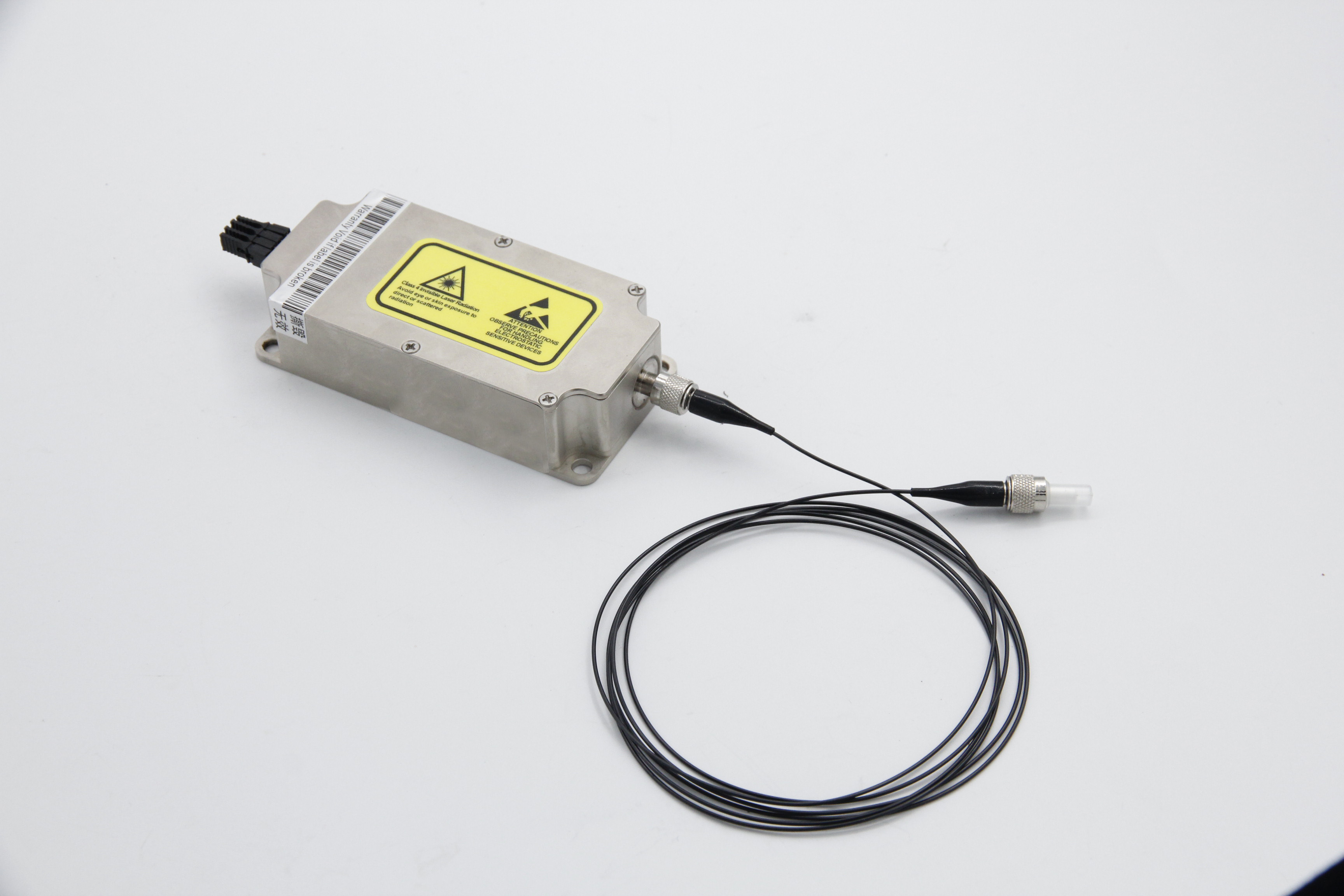
Lasers that use semiconductor quantum wells as the gain medium and achieve population inversion through P-N junction current injection are collectively referred to as semiconductor lasers, also known as laser diodes (LDs). Semiconductor lasers are the smallest in size and have the highest electrical-to-optical conversion efficiency (high-power LDs can exceed 70%), covering a broad wavelength range from 630 to 1900 nm. They serve as pump sources for fiber lasers (915 nm / 976 nm pumping of Yb fiber), as well as the core light sources for optical communications (1310 nm / 1550 nm DFB, EML), consumer electronics (VCSEL facial recognition), and LiDAR (905 nm / 940 nm / 1550 nm). The output beam quality of individual semiconductor laser chips is poor (asymmetric fast-axis and slow-axis divergence angles), which limits their direct processing applications; beam shaping or fiber coupling is generally required. Coherent, Lumentum, nLight, and domestic Everbright Photonics (688048) are representative suppliers of high-power LDs for pumping.
V. Ultrafast Lasers (Picosecond / Femtosecond)
Ultrafast lasers generally refer to laser systems with pulse widths shorter than 10 ps (picoseconds, 10⁻¹² s) or even 100 fs (femtoseconds, 10⁻¹⁵ s). They use Ti:Sapphire, Yb-doped fiber, or Yb:YAG thin-disk as the gain medium, employ mode-locking techniques to generate ultrashort pulse trains, and subsequently use chirped pulse amplification (CPA) to reach high peak powers. The core advantage of ultrashort pulses is a near-zero heat-affected zone (HAZ): heat cannot diffuse into the material before the pulse ends, so the material is directly ablated from solid to plasma, leaving extremely clean edges. This makes them suitable for precision micro-machining of glass, wafers, OLED display panels, corneal tissue, and other applications where zero thermal damage is required. InnoLaser (301021) is a representative listed domestic company in the ultrafast laser segment.
Supercontinuum lasers are a derivative of ultrafast lasers, using the nonlinear effects of ultrashort intense pulses in photonic crystal fibers to generate broad-spectrum white laser output. They are primarily used in optical coherence tomography (OCT), spectroscopic measurement, and other research and medical applications, with a relatively small market size. Hamamatsu Photonics entered this segment through its acquisition of NKT Photonics of Denmark.
1.2.2 Classification by Output Temporal Characteristics
- Continuous-wave (CW): Laser power is maintained at a constant output over time with no significant intensity fluctuations. Both fiber lasers and CO₂ lasers support CW mode, which is suitable for cutting, welding, cladding, and other processes requiring sustained heat input. High-power CW fiber lasers have peak power equal to average power, with typical applications including thick-plate metal cutting and automotive body-in-white welding.
- Pulsed Laser: Emits pulses of energy at a defined repetition rate. Pulse energy is concentrated, and peak power is far higher than average power, making it suitable for marking, drilling, and fine machining. Q-switching is a common method for generating nanosecond (ns) pulses, while mode-locking is used to generate picosecond and femtosecond ultrashort pulses. The MOPA (master oscillator power amplifier) architecture allows independent control of pulse waveforms and is the technical core of JPT Electronics (688025) MOPA pulsed lasers used in consumer-electronics fine machining.
- Ultrafast Pulse (Ultrafast / Ultrashort Pulse): Pulsed lasers with pulse widths < 10 ps, representing the extreme extension of pulsed laser technology. The global ultrafast laser market was approximately USD 2.68 billion in 2024; picosecond lasers account for approximately 85% of the domestic ultrafast laser market by share, while femtosecond lasers command a higher proportion in research and the most advanced precision medical scenarios.
1.2.3 Classification by Output Wavelength Range
The laser output wavelength determines how the beam interacts with the material (reflectivity, absorption depth, photon energy) and is the primary parameter for application selection.
- Infrared (IR): Wavelength >780 nm. Fiber lasers (approximately 1060–1100 nm, Yb-doped), Nd:YAG (1064 nm), CO₂ (10.6 μm), and semiconductor LDs (915 nm / 976 nm / 1550 nm) all fall in the infrared range. Near-infrared (NIR, 780–3000 nm) is the mainstream wavelength band for industrial metal processing; mid-infrared CO₂ is irreplaceable for non-metallic material cutting and EUV light-source driving.
- Visible: Wavelength approximately 400–780 nm. Frequency-doubled Nd:YAG output (532 nm green), He-Ne lasers (632.8 nm), and some semiconductor lasers fall in the visible range. Blue-green lasers (450–520 nm) have significantly higher absorption in highly reflective metals such as copper and gold compared to the near-infrared range, and have attracted attention in recent years for copper-foil welding in power batteries.
- Ultraviolet (UV): Wavelength 200–400 nm. Triple-frequency Nd:YAG (355 nm) is the mainstream industrial UV laser, widely used for PCB laser drilling, glass cutting, and flexible circuit board processing. Excimer lasers (193 nm ArF) serve as the light source for ASML immersion ArF lithography machines; domestic production capability at 355 nm UV has already reached a relatively high level (localization rate exceeding 90%).
- Deep Ultraviolet (DUV): Wavelength 120–300 nm, dominated by excimer lasers. ArF (193 nm) and KrF (248 nm) are core wavelength bands for lithography and ophthalmic surgery. Domestic production of DUV lithography light sources faces comprehensive technical barriers in equipment, gases, and optical thin films.
- Extreme Ultraviolet (EUV): Wavelength approximately 13.5 nm, generated by secondary radiation from tin (Sn) plasma driven by CO₂ laser — not directly from the laser itself. TRUMPF's 250 W CO₂ drive laser supplied to ASML is the only currently mass-produced EUV lithography light source; domestic solutions remain at approximately the 10 W level, representing a substantial gap.
1.2.4 Classification by Power Level
Power level is a practical dimension for stratifying laser applications, and in fiber lasers in particular it forms a clear ladder of technology and pricing.
- Watt-level (W, <100 W): Primarily for marking, engraving, medical aesthetics, and low-speed cutting. Technology is mature, competition is intense, and the domestic localization rate is extremely high.
- Kilowatt-level (kW, 1–10 kW): The main segment for mid-power cutting (thin to medium-thick metal plate) and the power range with the highest laser shipment volumes. Domestic companies such as Raycus and MAX Photonics have largely completed domestic substitution in this power range; the factory price of a single fiber laser has been compressed from approximately RMB 500,000 around 2018 to approximately RMB 70,000–100,000 in 2024, a decline of approximately 60%.
- 10 kW-level (10 kW–100 kW): The primary battleground for high-speed thick-plate cutting and high-strength structural component welding. Approximately 21,000 units of domestic 10 kW-and-above fiber lasers were shipped in 2024, up approximately 40% year-on-year; the domestic share is projected to exceed 70% in 2025. Raycus completed the world's first commercial sale of a 200 kW continuous fiber laser in September 2024.
- Above 100 kW (>100 kW): The current technical frontier, primarily targeting defense directed-energy (DE) applications and a small number of specialized industrial scenarios. The civilian market remains small and technological reliability is still being validated.
1.3 Cross-Comparison of the Five Mainstream Technologies
The following table summarizes the core parameters of five technology paths — fiber laser, CO₂ laser, solid-state laser (DPSS/Nd:YAG), direct diode laser (DDL), and ultrafast laser — for reference when selecting a laser.
| Technology | Gain Medium | Typical Wavelength | Typical Power Range | Beam Quality (M²) | Wall-Plug Efficiency | Key Advantages | Typical Applications |
|---|---|---|---|---|---|---|---|
| Fiber Laser | Yb-doped double-clad fiber | 1060–1100 nm (NIR) | 50 W–200 kW | Near diffraction-limited (M²≈1–1.5) | 35%–52% | High efficiency, excellent beam quality, high power scalability, low maintenance cost | Metal cutting, welding, marking, cladding, optical-communications pumping |
| CO₂ Laser | CO₂/N₂/He mixed gas | 10.6 μm (mid-IR) | 10 W–20 kW | Good (M²≈1.2–1.5) | 10%–15% | High absorption by non-metallic materials, large-area uniform illumination | Non-metal cutting/engraving, EUV lithography drive laser, marking |
| Solid-State Laser (DPSS/Nd:YAG) | Nd:YAG / Nd:YVO₄ / Yb:YAG crystal | 1064 nm / 532 nm / 355 nm | 1 W–tens of kW | Good to excellent (M²≈1.1–2) | 10%–20% | Wavelength flexibility (frequency-doubling to UV), high pulse peak power | Precision marking, medical aesthetics, research, precision welding, thin-disk cutting |
| Direct Diode Laser (DDL) | InGaAs/AlGaAs quantum well | 800–980 nm / 1300–1550 nm | 1 W–several kW | Poor (asymmetric fast/slow axis) | 50%–70% | Ultra-compact, extremely high efficiency, low cost, high reliability | Pump source, optical communications (DFB/EML/VCSEL), medical aesthetics, LiDAR |
| Ultrafast Laser (ps/fs) | Yb-doped fiber / Yb:YAG thin-disk / Ti:Sapphire | 1030–1060 nm / 800 nm / frequency-doubled UV | 1 W–hundreds of W (average power) | Excellent (M²≈1.1) | 10%–30% (architecture-dependent) | Minimal heat-affected zone, cold processing, ultra-high precision | Semiconductor wafer dicing, OLED display panels, precision medical, glass micro-machining |
Note: Wall-plug efficiency and beam quality values are representative ranges; the latest flagship products from individual manufacturers may exceed the ranges listed above. Power ranges are based on commercially available products as of 2024.
1.4 Supply-Chain Overview of the Laser Industry
The laser supply chain consists of three tiers: upstream core materials and key components, midstream laser manufacturing, and downstream application systems. The tiers are interlocked through technological barriers and cost structures.
1.4.1 Upstream: Core Materials and Key Components
The upstream tier has the highest value density in the entire supply chain and is also the tier with the most uneven progress in domestic substitution. In the upstream cost structure of fiber lasers, the pump source (including pump chips) accounts for approximately 30% of material costs, specialty gain fiber approximately 20%, and optical components (combiners, isolators, fiber Bragg gratings, end caps, etc.) a combined approximately 20%–25%; together these three categories account for more than 70%.
Laser chips (pump semiconductor laser diodes): Semiconductor chips that provide pump energy for fiber lasers, operating at wavelengths concentrated in the 915 nm and 976 nm windows. High-power single-emitter chips (>200 W continuous output) currently still rely mainly on overseas suppliers: Coherent (formerly II-VI's Nufern fiber + pump chips), Lumentum, nLight, and Germany's Osram. Domestically, Everbright Photonics (688048) mass-produces 50 W single-emitter chips and has developed a 132 W dual-junction prototype, making it the leader among domestic pump chip manufacturers; the overall domestic localization rate in 2024 was approximately 40%–60%. On the communications laser chip side, DFB, EML, and VCSEL are the core active components in optical modules; Advanced Fiber Resources (300620) is actively building out InP/SiPh chip capabilities on the fiber-component side.
Specialty fiber (Yb-doped double-clad gain fiber): The gain core of fiber lasers; unit prices can be thousands of times higher than ordinary telecommunications fiber. Domestically, YOFC (601869) is the global leader in telecom fiber and is also the primary domestic supplier of specialty laser fiber; its laser fiber business grew 62% year-on-year in 2024. The domestic localization rate for low-to-mid power Yb-doped fiber already exceeds 90%; for high-power large-mode-area fiber (>3 kW) it is approximately 60%–70%. Large-mode-area photonic crystal fiber (LMA-PCF) required for ultrafast lasers still relies heavily on imported suppliers such as Nufern and iXblue. Changjin Photonics and Hengtong Optic-Electric are also important domestic suppliers of specialty fiber.
Optical components (combiners, isolators, fiber Bragg gratings, mode-field adapters, end caps): Combiners merge multiple pump beams into the gain fiber; isolators prevent back-reflected light from damaging the laser; fiber Bragg gratings form the reflective end of the resonant cavity. Advanced Fiber Resources (300620) is the domestic leader in fiber laser components; its 10 kW laser combiners and output heads have reached advanced global levels; its 2024 revenue grew approximately 41% year-on-year. The overall domestic localization rate for conventional optical components exceeds 90%, though a gap remains for extreme high-power components.
Laser crystals (Nd:YAG / Nd:YVO₄ / LBO / BBO): Gain and frequency-conversion media for solid-state lasers and nonlinear frequency-doubling. Fujian Castech (Fujing) (002222) holds the number-one global market share in all three product categories — LBO, BBO, and Nd:YVO₄ — making it one of the few Chinese companies that has overtaken Western rivals at the upstream level of the global laser industry; 2024 revenue was RMB 876 million.
Control systems (CNC cutting systems): Comprising motion controllers, cutting process databases, and power-modulation software, these are the "brain" of laser cutting machines. Friendess (688188) is the uncontested domestic leader in laser cutting control systems, holding approximately 60% of the domestic low-to-mid-power market share; its 2024 gross margin was close to 80%, reflecting the exceptionally high moat of industrial software.
1.4.2 Midstream: Laser Manufacturing
Midstream manufacturers use upstream components as inputs, completing laser integration, testing, and calibration, and serve as the central hub connecting component supply to downstream applications. The midstream can be further subdivided into two categories:
The first is laser source manufacturing (fiber laser / solid-state laser / CO₂ laser), with representative companies including Raycus Laser (300747), MAX Photonics (Shenzhen, unlisted), JPT Electronics (688025), InnoLaser (301021), and others. The second is laser processing machines and system integration — building complete systems such as laser cutting machines, laser welding workstations, and laser marking machines by integrating a laser source with motion systems, CNC systems, and external optical paths/processing heads. Representative companies in this category include Han's Laser (002008), HGTECH (000988), United Winners Laser (688518), and HGLaser (688559). Some companies (e.g., Han's Laser, HGTECH) are active in both laser sources and complete machines, with a relatively high degree of vertical integration.
The midstream is currently the most fiercely competitive tier. Under the wave of domestic substitution, fiber laser complete-machine prices have declined sharply over a decade; 10 kW-class fiber laser factory prices have been compressed from approximately RMB 500,000 around 2018 to approximately RMB 70,000–100,000 in 2024. The price war has directly squeezed midstream gross margins from over 50% down to approximately 20%, pushing the industry as a whole into a phase of thin-margin, high-volume competition.
1.4.3 Downstream: Application Systems and End Markets
The ultimate value of lasers is realized in downstream applications. The downstream market is broad, with applications ranked by scale from largest to smallest as follows:
- Materials processing (industrial, approximately 62% of total laser applications): Laser cutting, laser welding, laser marking/coding, laser cleaning, laser cladding/additive manufacturing. Metal plate laser cutting is the largest single sub-application; the Chinese laser cutting equipment market was approximately RMB 36.85 billion in 2024. Power battery electrode cutting and cell welding have been the fastest-growing industrial subsegment in recent years, with laser processes replacing traditional slitting and ultrasonic welding to substantially improve process precision.
- Optical information and communications (approximately 22%): DFB and EML laser chips and fiber amplifier pump sources for 800G/1.6T data-center optical modules were one of the fastest-growing laser subsegments globally in 2024–2025; this was the core engine behind Coherent's record FY2025 revenue.
- Commercial applications (approximately 7%): Laser printing, laser projection (111.8 million domestic laser projector units shipped in 2024), retail label coding.
- Research and defense (approximately 5%): High-power ultrafast lasers (fundamental physics research, inertial confinement fusion), directed-energy weapon lasers, LiDAR R&D platforms.
- Medical (approximately 4%): Ophthalmology (femtosecond laser vision correction, glaucoma treatment), dermatology (hair removal, laser resurfacing, vascular treatment), urology (holmium laser lithotripsy), surgical tools (CO₂ surgery).
- Consumer electronics: VCSEL lasers for smartphone 3D facial recognition and ToF sensing; semiconductor lasers are the fundamental light source for both structured-light and time-of-flight solutions.
- Emerging segments (LiDAR / defense / EUV lithography): The global automotive LiDAR market was approximately USD 861 million in 2024 (+60% year-on-year), primarily using 905 nm and 1550 nm semiconductor lasers. CO₂ laser light sources for EUV lithography are the single highest-value-added product category in the downstream; TRUMPF currently monopolizes supply with no viable alternative.
1.4.4 Value Distribution Summary
Value is distributed unevenly across the three supply-chain tiers. Upstream core components (especially high-power pump chips and ultrafast gain media) have high technological barriers and high gross margins, with global pricing power concentrated in a few companies. Midstream complete-machine manufacturing faces commoditization pressures under the domestic-substitution wave, with extreme price sensitivity. Downstream application systems integration and software (such as Friendess's control software) can achieve gross margins approaching software-company levels in niche segments. For midstream laser manufacturers to break through the profit bottleneck, the core pathways are either to extend upstream (developing their own pump chips and specialty fiber) or to extend downstream (providing integrated processing solutions). The development trajectories of both Raycus Laser and IPG Photonics validate this logic.
Chapter 2 Global Laser Landscape and Overseas Leaders
2.1 Global Market Size: Distinguishing Statistical Scopes
Reported market sizes for lasers vary widely depending on the statistical scope; when reading reports, one must first clarify the tier under discussion, otherwise it is easy to conflate "total market" with "industrial light sources."
Broadest scope: total laser technology market. Firms such as MarketsandMarkets and Mordor Intelligence provide comprehensive statistics covering all applications — industrial processing, optical communications components, medical, consumer electronics sensing, and more. In 2024 this market was approximately USD 20 billion, projected to rise to approximately USD 28.5 billion by 2030, with a CAGR of approximately 7.5%. Within this scope, telecommunications semiconductor laser chips and consumer-end VCSELs account for a substantial share, fundamentally different from "industrial lasers" in the conventional sense.
Industrial scope: laser sources and processing systems. Optech Consulting is the most widely recognized independent research firm in the laser industry, publishing its annual International Laser Marketplace report. By its definition, the global industrial laser (light source) market was approximately USD 5 billion in 2024, down 7.5% from USD 5.4 billion in 2023. If laser cutting machines, laser welding machines, and other complete machine systems are included, materials processing systems as a whole were approximately USD 22.5 billion, down 4% year-on-year. The industrial laser market saw a pronounced cyclical downturn in 2024 — a rare occurrence since 2016 — rooted in a phase of softening demand for laser welding in the new-energy vehicle sector, combined with a continued decline in average selling prices for high-power cutting systems amid China's price war.
Subsegment scope: fiber lasers. Fiber lasers are currently the fastest-growing and largest-volume laser subsegment globally. The 2024 global market was approximately USD 6.87–7.7 billion (Grand View Research gives USD 6.87 billion; GM Insights gives USD 7.7 billion, reflecting slightly different scope definitions), with a CAGR of approximately 10.7%–11.1%. This growth rate is significantly higher than that of the overall industrial laser market, reflecting the ongoing substitution of CO₂ lasers and solid-state lasers by fiber lasers.
Subsegment scope: ultrafast lasers. Ultrafast lasers (pulse widths at the picosecond or femtosecond level) had a global market size of approximately USD 2.68 billion in 2024, with a CAGR of approximately 11.73%. They are a structurally growing market in high-end precision processing, driven by continuing expansion in semiconductor advanced packaging, OLED display cutting, and high-end medical applications.
2.2 Market Structure: Distribution by Type
From a type perspective, fiber lasers have established dominance in the industrial laser sector.
- Fiber lasers: By revenue, approximately 46%–52% of industrial lasers, commanding an absolute leading position in the three major applications of metal cutting, welding, and marking, with a CAGR of approximately 10%–11%. Fortune Business Insights data show that in the laser cutting systems subsegment alone, fiber lasers already account for 52.4% of revenue.
- CO₂ lasers: Approximately 33% by unit shipments, with a continuously shrinking revenue share and a year-on-year decline of approximately 14%. Primarily used for non-metallic material cutting and PCB drilling, CO₂ lasers have been displaced at scale in metal processing by fiber lasers.
- Solid-state lasers (DPSS): Approximately 21% by unit count, focused on precision marking, medical, and research applications, with stable market growth.
- Semiconductor (diode) lasers: When pump sources are included in the broader scope, revenue share is approximately 37.6%, participating in direct processing, pumping, and medical aesthetics on three parallel fronts.
- Ultrafast lasers: Independent sub-market of USD 2.68 billion; femtosecond lasers account for over 62% of the ultrafast market; fiber-type ultrafast lasers account for approximately 46% of the entire ultrafast market, making them the fastest-growing subsegment.
- Ultraviolet (UV) lasers: Predominantly at 355 nm, CAGR approximately 18% — the fastest-growing subsegment across all laser types, primarily benefiting from rapidly expanding demand for precision processing of medical devices and high-density interconnect (HDI) PCB manufacturing.
2.3 Regional Distribution
Asia-Pacific is the core consumption market for global industrial lasers, accounting for approximately 45.4% of the global fiber laser market in 2024, with China as the overwhelming majority. China's laser market was approximately USD 15.9 billion in 2024 (broad scope, including optical communications and industrial), growing at approximately 10% per year — significantly above the global average — reflecting dual demand from manufacturing upgrades and the expansion of downstream new-energy industries. The European market centers on Germany's TRUMPF as the core complete-machine manufacturing base, with dual attributes as both a producer and consumer of industrial lasers. The North American market is represented by IPG Photonics, maintaining a relatively strong position in high-power and specialty lasers, coupled with ongoing growth in defense directed-energy (DE) procurement.
In terms of end-user country structure, China leads globally in both consumption and production of low-to-mid-power fiber laser cutting equipment. Japan and South Korea contribute significantly to precision laser processing (semiconductor packaging, displays) and semiconductor laser components. Europe and the United States maintain a relatively firm leading position on the supply side for high-end categories such as ultrafast lasers and CO₂ lithography light sources.
2.4 Global Application Structure
Industrial materials processing is by far the largest laser application market, at approximately USD 22.5 billion on a systems basis in 2024, accounting for the absolute majority of total laser applications. The largest single sub-application underneath it is metal plate laser cutting, followed by laser welding (automotive body-in-white, power battery electrodes and cell enclosure sealing) and laser marking/coding.
Communications and data communications are the second-largest application direction. Telecommunications fiber laser pump sources, and DFB, EML, and VCSEL laser chips for data-center optical modules all fall under this scope; the communications subsegment accounts for approximately 43% of the semiconductor laser market. In 2024–2025, the data-center construction boom driven by artificial intelligence infrastructure caused a surge in demand for 800G/1.6T optical modules, making data communications the strongest-performing segment across the entire laser industry, partially offsetting weakness in the industrial processing end.
Medical and research constitute another important pillar, including ophthalmic surgery, dermatological laser aesthetics, laser lithotripsy, and high-precision medical device manufacturing. Ultrafast lasers have a long history in corneal surgery applications and femtosecond blades have become mainstream in ophthalmology. Research applications concentrate on large scientific installations such as particle accelerators and nuclear fusion, with ultrafast and high-power solid-state lasers as the primary types.
The defense sector maintains steady growth under U.S. policy tailwinds, with directed energy (high-energy laser weapons), laser ranging/target designation, and tactical laser sensing all in ongoing procurement. The semiconductor and microelectronics manufacturing sector is seeing rapidly rising demand for ultrafast lasers and UV lasers, driven by advanced packaging and HDI PCB requirements — a structural, high-growth subsegment direction.
On the consumer electronics side, the main applications are smartphone facial recognition VCSELs, laser projection, and short-range sensing. LiDAR maintains high growth with rising penetration of automotive autonomous driving; the global automotive LiDAR market was approximately USD 861 million in 2024, up approximately 60% year-on-year.
2.5 IPG Photonics: Global Fiber Laser Leader and Its Defense Against China
2.5.1 From a Russian Laboratory to Global Dominance
IPG Photonics (NASDAQ: IPGP) was founded in 1990 by Russian-born physicist Valentin Gapontsev, initially conducting fiber laser research within the Russian Academy of Sciences system. The company expanded to Oxford, Massachusetts in 1994 and went public on NASDAQ in 2006. The core of its commercial success lay in a judgment that was underestimated by the industry at the time: by fully internalizing pump diodes, gain fiber (Yb-doped specialty fiber), and the complete laser optical path, IPG built a vertically integrated moat from materials to systems, simultaneously leading on per-watt cost and electrical-to-optical conversion efficiency. By the early 2010s, IPG had at one point captured approximately 70% of the global industrial fiber laser market, with pricing power highly concentrated, representing a huge competitive gap versus traditional industrial laser manufacturers still relying on gas lasers and solid-state lasers.
Technically, IPG's high-power continuous-wave (CW) fiber laser wall-plug efficiency reached 52% in 2025, far above the industry norm of 35%–40%, meaning lower electricity costs for users at the same output power. Its patent portfolio exceeds 1,600 patents, and its AMB (wobble-beam) battery welding technology has established it as a specified supplier for EV electrode welding, with customers including Tesla and other top new-energy vehicle manufacturers.
2.5.2 Loss of Share Under China's Substitution Wave
Around 2015, Chinese domestic fiber laser manufacturers (Raycus Laser, MAX Photonics, etc.) began to establish substantive competition in the 1–6 kW low-to-mid power range, with pricing generally 20%–50% below IPG. Entering 2019–2020, domestic fiber laser shipments expanded rapidly, compressing IPG's global fiber laser share to approximately the 50% range. By 2024, various research firms estimated IPG's global fiber laser market share had declined to approximately 30%–40% (some firms give a wider 30%–47% range depending on whether specialty and medical applications are included).
Full-year 2024 revenue was approximately USD 977 million, down 24% year-on-year — IPG's largest annual decline in recent years. China revenue was approximately USD 245 million, representing 25.1% of total revenue, with the absolute value down approximately 31% from 2023. In the first quarter of 2024, China-region revenue fell as much as 38% year-on-year, the steepest decline of any region. For the full year, the company recorded an operating loss of USD 208.3 million, compared to operating income of USD 232 million in 2023, marking a fundamental deterioration in operating quality.
2.5.3 Three-Step Defense Against China Pricing
IPG's defensive strategy against China's substitution wave can be summarized as three mutually reinforcing layers.
Step 1: Proactive price defense. As early as January 2020 (on the eve of the COVID-19 outbreak), IPG publicly announced price reductions on specific power-range products for the Chinese market, earlier than most competitors' responses — reflecting a high degree of alertness to competitive pressure from China. According to industry comparison data (Arcus CNC, 2025), even after the price reductions, Raycus Laser's 6 kW+ product pricing was still approximately 35% lower than IPG's equivalent products, and pulsed laser products showed a differential of approximately 50%, suggesting that the price defense only slowed the share loss without reversing it.
Step 2: Product platform renewal. IPG introduced the YLS-RI series low-cost platform, using more compact engineering design to reduce per-watt material costs, enabling output expansion from 4 kW to 40 kW within the same footprint, directly narrowing the cost gap at low-to-mid power levels. This move is a classic "cost-leadership counterstrike," but in the face of the scale effects of Chinese domestic manufacturing, its impact was very limited.
Step 3: Proactive exit from commoditized competition, shifting toward high-barrier markets. IPG has deliberately reduced its business exposure to China's flat sheet metal cutting market, redirecting resources toward EV battery welding (AMB technology), medical lasers, and directed-energy defense applications. These three directions share a common characteristic: high technical certification barriers, strong customer stickiness, and low direct price competition intensity — representing the strategic pivot points on which IPG is attempting to rebuild its moat.
2.6 Coherent Corp.: Cross-Cycle Growth Driven by AI Data Communications
Coherent Corp. (NYSE: COHR) was formed by the integration of II-VI Incorporated's approximately USD 6.7 billion acquisition of the original Coherent Inc. in 2022, operating three major business segments: Lasers, Networking, and Materials. The company inherited II-VI's accumulated capabilities in semiconductor lasers and high-power solid-state lasers, as well as the original Coherent Inc.'s technical heritage in ultrafast lasers and excimer lasers, and through prior integration of companies such as Rofin-Sinar, formed a broad product matrix today covering industrial, communications, research, and defense sectors.
FY2024 (ended June 2024) full-year revenue was USD 4.708 billion; the Lasers business segment grew 6% year-on-year, and the data communications direction grew 79% year-on-year, with 800G optical module customers continuing to increase, making it the most notable growth increment in FY2024. FY2025 (ended June 2025) full-year revenue reached USD 5.81 billion, a company all-time record, with sequential improvement across all four quarters and the first batch shipments of 1.6T transceiver products in the fourth quarter. The large-scale build-out of AI computing infrastructure placed Coherent in an extremely favorable position within the laser chip (DFB, EML) and optical module supply chain, a trend that continued to accelerate into 2025.
Beyond the Lasers business, Coherent is one of the world's largest suppliers of optical communications optoelectronics, with pump lasers, VCSEL arrays (supplied to Apple and other consumer electronics for Face ID sensing), and industrial ultrafast lasers (Paladin, Monaco series) all generating meaningful revenue. In the fourth quarter of FY2025, Coherent also launched the world's first 600 W excimer laser, specifically for the manufacturing of high-temperature superconducting tapes, extending into frontier energy applications such as nuclear fusion.
2.7 TRUMPF: Machine Leader and Exclusive EUV Light Source
TRUMPF (TRUMPF GmbH & Co. KG) was founded in Stuttgart, Germany in 1923 and is currently the world's largest manufacturer of laser cutting and laser welding machine systems. It is also one of the few global companies that simultaneously masters proprietary laser sources (CO₂, ThinDisk TruDisk solid-state, TruFiber industrial fiber, TruMicro ultrafast) and complete machine systems.
FY2024/25 (ended June 2025) revenue was EUR 4.329 billion, down 16% year-on-year; EBIT margin dropped sharply from 9.7% in the prior fiscal year to 1.4%, pressured by a combination of global manufacturing cyclical downturn and structural transformation expenditures. FY2023/24 revenue was approximately EUR 5.2 billion, when profitability was far better than today — the sharp margin compression indicates TRUMPF is at a deep cyclical trough.
TRUMPF's most strategically valuable laser product is neither its TruLaser cutting machines nor its TruDisk solid-state lasers, but rather the CO₂ drive laser source it exclusively supplies for ASML EUV lithography machines. EUV lithography is the only path for chip manufacturing to enter sub-7 nm nodes, and the generation of EUV extreme-ultraviolet light depends on high-power CO₂ lasers bombarding tin droplets to produce plasma. TRUMPF's 250 W CO₂ laser source is the core component of this physical process; domestically, there is currently no equivalent product capability, with domestic solutions remaining at the ~10 W level. Although the number of EUV lithography machines shipped by ASML annually is limited, each system's reliance on TRUMPF's laser source is extremely rigid, constituting a high-barrier, high-unit-price recurring revenue stream and serving as TRUMPF's strategic anchor in the global high-end laser supply chain.
2.8 nLight: Semiconductor Lasers and Defense Directed Energy
nLight, Inc. (NASDAQ: LASR) is an American specialty manufacturer focused on semiconductor pump laser diodes. Its core technology is programmable fiber laser and variable beam quality (Beam Shaping) patents, enabling its lasers to dynamically switch beam spot shape when welding different materials to balance penetration depth and melt-pool control.
Full-year 2024 revenue was approximately USD 198.5 million, down 5.4% year-on-year; gross margin declined from 22.0% in 2023 to 16.6%, impacted by both price competition and demand softness. However, against the backdrop of weak commercial laser demand, nLight's Advanced Development business segment — primarily handling directed-energy and laser sensing contracts for the U.S. Department of Defense and DARPA — set multiple consecutive quarterly revenue records, with defense orders as a share of total revenue rising rapidly in 2024. Due to tightening U.S. export controls on China, nLight has virtually no direct sales in China's industrial laser market; its commercialization path is concentrated in North America and Europe.
2.9 Lumentum: From Telecom Trough to Data-Center Recovery
Lumentum Holdings (NASDAQ: LITE) is a globally important supplier of optical communications lasers and industrial solid-state lasers. Its product lines span DFB and EML laser chips (core components of 400G/800G data-center optical modules), telecom backbone reconfigurable optical add-drop multiplexers (ROADMs), consumer electronics VCSELs (Apple Face ID supplier), and industrial and research picosecond and nanosecond DPSS lasers.
In the second half of FY2024, Lumentum was affected by telecom operators reducing capex; quarterly revenue was around USD 300 million (Q4 FY2024 approximately USD 308.3 million). However, entering FY2025 Q1 (October 2024), data-center laser chip orders rebounded to record levels, signaling that AI-compute-driven data communications demand was offsetting the shortfall from traditional telecom. Lumentum's laser shipment mix has a degree of complementarity with Coherent's, and both benefit from sustained investment in computing infrastructure in the high-speed data communications space.
2.10 Hamamatsu: Photodetection Giant Moves into Ultrafast Lasers
Hamamatsu Photonics (TYO: 6965) is known for its photomultiplier tubes (PMTs) and photodetection devices, serving as the core sensing component supplier for large scientific installations in nuclear physics, positron emission tomography (PET), and similar fields, where it has long held a global monopoly. FY2024 (ended September 2024) net sales were approximately JPY 203.961 billion, down 7.9% year-on-year; operating profit fell 43.3% year-on-year, primarily due to a phase of declining demand from downstream research procurement and medical diagnostic equipment.
On the laser front, Hamamatsu completed its acquisition of NKT Photonics A/S of Denmark in FY2024. The latter is the technology leader in photonic crystal fiber (PCF) ultrafast lasers, holding core patents and product lines in ultrafast fiber laser technology. This acquisition enabled Hamamatsu to complete an important extension from light detection to light generation on the ultrafast laser source side; the Lasers business segment revenue grew 111.9% year-on-year. While the absolute volume (JPY 10.716 billion) still accounts for a small share of total revenue, the strategic direction is clear — leveraging ultrafast fiber lasers to enter precision processing and high-end medical markets.
2.11 Fujikura: Optical Fiber Super-Cycle for AI Data Centers
Fujikura Ltd. (TSE: 5803) is a Japanese integrated optical fiber manufacturer known for specialty fiber, fiber preforms, and fiber cables, and is also an important supplier of gain fiber (Yb-doped specialty fiber) for fiber lasers. FY2025 (ended March 2025) revenue was approximately JPY 979 billion, up 22.5% year-on-year; its share price rose over 400% cumulatively in 2024, making it one of the strongest performers in the Nikkei 225 index that year.
Fujikura's strong recovery was primarily driven by the optical fiber cable and preform super-cycle fueled by AI data-center construction. Both campus interconnects within hyperscale data centers and long-haul transmission network builds consume large amounts of high-bandwidth fiber, and globally tight supply of high-quality fiber preform capacity directly benefits suppliers like Fujikura that can quickly scale shipments. Within the laser supply chain, specialty fiber (especially Yb-doped gain fiber) supply capability is a fundamental input for high-power fiber lasers; Fujikura's technical accumulation in this direction provides it with stable pricing power at the raw-materials end of the fiber laser chain.
2.12 Overall Assessment of the Overseas Landscape
Drawing on the above seven representative overseas companies, the overall state of global laser overseas leaders in 2024 can be summarized as: industrial lasers declining, AI data communications filling the gap, ultrafast direction structurally rising.
IPG and TRUMPF represent the traditional mainstays of industrial lasers and both face varying degrees of revenue contraction and margin compression; the root cause is a global manufacturing cyclical downturn compounded by the ongoing impact of China's domestic substitution. Coherent has bucked the trend to set revenue records by pivoting toward AI data communications; Fujikura surged on the AI data-center fiber super-cycle. Both companies' strong growth reveals the broad spillover from AI infrastructure build-out into the photonics chain. nLight has maintained resilience amid weak commercial lasers by leveraging U.S. defense procurement. Hamamatsu's acquisition of NKT Photonics marks that the attractiveness of the ultrafast laser segment has now prompted traditional photodetection giants to proactively position themselves on the light-source side.
In high-end product categories, TRUMPF's exclusive supply of CO₂ light sources for ASML EUV lithography machines, Coherent's accumulated technology in high-power pump semiconductor laser chips, and IPG's engineering capability in ultra-high-power continuous-wave fiber lasers (YLS series at the 150 kW level) constitute the technological distance that the domestic Chinese laser industry must still honestly confront. This is not merely a gap in price or manufacturing capability, but a systemic barrier formed through years of R&D investment, process iteration, and customer qualification in specific application scenarios. The story of the global laser landscape is fundamentally one of Chinese manufacturers starting from low-to-mid-power industrial lasers and progressively climbing toward high-end categories — and the difficulty and progress of that climb will be explored in depth in subsequent chapters.
Chapter 3 PEST Environmental Analysis
3.1 Political Environment (P)
3.1.1 Institutionalization of the Strategic Emerging Industry Designation
Lasers entered the national industrial policy agenda during the Twelfth Five-Year Plan period, but genuine institutionalization of their strategic designation was achieved during the Fourteenth Five-Year Plan. The National Medium- and Long-Term Science and Technology Development Plan (2006–2020) listed lasers as a key frontier technology; the Thirteenth Five-Year Plan explicitly included laser manufacturing in the strategic emerging industries catalog, calling for deep integration of laser technology with high-end equipment. During the Fourteenth Five-Year Plan, lasers were written into the priority development list for high-end equipment manufacturing; the national policy orientation upgraded from "supporting R&D" to "building a complete industrial system" — the two differ significantly in intensity.
This institutionalization process has had structural effects on the industry at three levels. First, in terms of funding, multiple capital channels — including National Major Science and Technology Special Projects and the Ministry of Industry and Information Technology's high-quality manufacturing development program — have been directed toward R&D of core laser components, with laser chips, specialty fiber, and ultrafast gain media all on the list. Second, in terms of procurement, government-guided high-end equipment localization purchasing has provided domestic laser equipment companies with a reliable source of orders, particularly serving as a demonstration effect in priority manufacturing sectors such as aerospace, shipbuilding, and nuclear power. Third, in terms of talent, the establishment of the "Specialized, Refined, Differentiated, and Innovative" (SRDI / Zhuanjingte Xin) enterprise system has provided R&D tax relief and talent-recruitment policy support for small and medium-sized laser companies, supplementing the industrial ecosystem beyond leading companies.
Policy continuity is an advantage that distinguishes the laser industry from other strategic emerging industries. From the Twelfth to the Fourteenth Five-Year Plan, the main policy line has not undergone disruptive reversals, allowing companies to plan R&D investment with a more-than-ten-year horizon — this is uncommon in Chinese manufacturing policy.
3.1.2 The SRDI System and the Hubei Optics Valley Roadmap
Within the national strategic framework, the landing point for local policy is the combination of SRDI cultivation and industrial cluster planning. Hubei Province has the most concentrated local laser industry policies in the country, with over 20 national-level SRDI "Little Giant" enterprises — the highest industrial density nationwide.
In August 2024, the Hubei Provincial Government Office issued the Implementation Opinions on Promoting High-Quality Development of the Laser Industry, setting the most explicit phased production-value pathway to date for China's laser industry: "Year One: lay the foundation; Year Two: build momentum; Year Three: double output." In numerical terms, the production-value targets are RMB 28 billion in 2024, RMB 38 billion in 2025, and RMB 50 billion in 2026; enterprise cultivation targets aim to develop 1 company with revenue exceeding RMB 20 billion, 1 exceeding RMB 10 billion, and 2 exceeding RMB 5 billion, while simultaneously adding 3 or more listed companies.
The Wuhan Optics Valley Laser Industry Base (Zuoling New City) plays a central role within this framework. The base has a planned total area of approximately 5,800 mu, with "1 component + 5 equipment" as its concentrated development direction — "1 component" being core laser source components, and "5 equipment" covering cutting, welding, marking, cleaning, and other precision processing equipment. Wuhan Optics Valley launched a RMB 10 billion industrial fund in 2022; in December 2023, Wuhan City designated seven leading enterprises in the laser supply chain. The long-term plan extends to 2035, with a production-value target of RMB 300 billion for above-scale laser enterprises, and a goal of driving total revenue across the upstream and downstream supply chain to over RMB 1 trillion.
The replicability of the Hubei model is a current point of debate in policy analysis. The Optics Valley model relies on the dense concentration of universities and research institutes in Wuhan — Wuhan University, Huazhong University of Science and Technology, the Wuhan Institute of Physics and Mathematics of the Chinese Academy of Sciences, and others — as well as a cluster of laser companies (including more than 300 laser supply-chain enterprises including HGTECH (000988) and Raycus Laser (300747)) formed through early policy support. This first-mover accumulation constitutes a relatively high location barrier; the cost for other provinces to replicate it should not be underestimated.
3.1.3 The Bottleneck Technology List: Semiconductor Lasers and Lithography Light Sources
The most industrially binding part of the policy environment is the dual framework of support and control defined by the boundary of "chokepoint technologies" (卡脖子技术).
Pump chips are the core cost component of fiber lasers, accounting for 30%–40% of the complete-machine cost. High-power pump chips (single-emitter output power above 10 W, narrow-linewidth 976 nm pumping) have long depended on supply from IPG Photonics, Coherent, Lumentum, nLight, and Germany's Osram. The representative domestic company, Everbright Photonics (688048), has mass-produced 50 W single-emitter chips and introduced 132 W dual-junction samples; by 2025 the overall domestic localization rate has risen to approximately 40%. However, the domestic localization rate for high-end pumps (narrow linewidth, high brightness) remains below 30%, and import substitution is still in the ramp-up phase. It is precisely this dependency that has led pump chip R&D to be explicitly included in the national key core technology development agenda.
The EUV lithography light source represents a chokepoint of another magnitude. The drive laser source for ASML EUV lithography machines is exclusively supplied by Germany's TRUMPF: a high-power pulsed CO₂ laser system containing 457,329 parts, with a commercial system light-source power of 250 W, making TRUMPF the sole global supplier. China's current progress: a team at the Shanghai Institute of Optics and Fine Mechanics has been studying a solid-state laser alternative path, achieving an LPP-EUV energy conversion efficiency of 3.42%, but the laboratory light-source power is only approximately 10 W — a gap of 25× compared to the commercial system. Optimistically, a domestic EUV lithography light-source prototype may be achievable around 2030, with a longer timeline for commercialization.
The policy implications of these two categories of chokepoint technologies differ. Pump chips are a challenge that can be partially overcome within 5–10 years through sustained investment; industrial policy has explicitly listed them as a support area and progress is visible. EUV lithography light sources involve deeper physical engineering challenges; policy support's significance is more to maintain long-term R&D investment than to set near-term industrialization targets.
3.1.4 The Structural Pull of Defense Procurement
Laser weapons and directed-energy systems represent another defense demand channel for fiber lasers. High-energy laser weapon directed-energy applications — primarily for counter-drone, missile interception, and low-orbit satellite countermeasures — require high-power lasers in the range of tens to hundreds of kilowatts, technically overlapping heavily with industrial fiber lasers. Raycus Laser's annual reports explicitly disclose "aerospace and military research" as an important customized customer direction; JPT Electronics (688025) makes similar disclosures for its high-power product lines.
Defense directed-energy procurement is characterized by relatively small volumes compared to the industrial market, but extremely stringent requirements for ultra-high power, beam quality, and reliability; once admitted into the supply chain, high order barriers follow. The global military laser systems market was approximately RMB 24.678 billion in 2024, projected to reach RMB 45.731 billion by 2029; the annual market for military airborne laser applications in China is approximately RMB 792 million. Specific procurement figures are classified, but from the directions disclosed in public annual reports, the contribution of military business to leading domestic fiber laser companies is gradually increasing.
3.2 Economic Environment (E)
The economic drivers of China's laser market are fundamentally a dual logic of structural manufacturing upgrades and new technology penetration. In 2024, China's laser market was approximately RMB 50 billion and the broader laser equipment market exceeded RMB 120 billion; the economic engines driving this scale can be summarized along four main themes.
3.2.1 Manufacturing Upgrade: The Foundation of Metal Processing
Industrial applications account for approximately 62% of downstream laser demand, of which laser cutting is the largest single subsegment, with an equipment market size of approximately RMB 36.85 billion in 2024, projected to surpass RMB 40 billion in 2025. Fiber cutting machines account for 62%; 30 kW models have become mainstream configurations; approximately 21,000 units of domestic 10 kW-and-above lasers were shipped in 2024, up 40% year-on-year.
The resilience of metal processing demand stems from China's manufacturing volume base. The scale of retrofitting demand across sheet-metal fabrication, automotive structural components, construction machinery, shipbuilding, and other sectors is enormous, and laser cutting has yet to fully displace flame cutting and plasma cutting — particularly in medium-to-thick plate (20 mm and above) and small-to-medium-sized fabrication shops, where penetration headroom remains considerable. The rapid growth of new-energy vehicles has further reinforced this base: demand for laser cutting of power battery electrodes is growing at 150% per year, and new-energy vehicles plus aerospace together contribute over 50% of the incremental growth in the laser cutting market.
Laser welding equally benefits from manufacturing upgrades. In 2024, the Chinese market for complete laser welding equipment systems was approximately RMB 12.25 billion; the trend toward aluminum alloy lightweighting in automotive body-in-white continues to drive fiber laser welding to displace resistance spot welding.
3.2.2 Power Batteries: Specialized Demand from New-Energy Manufacturing
Power batteries are the most certain incremental source of demand on the laser side in recent years. The full lithium-battery production workflow — electrode cutting, pole welding, top-cover welding, module busbar welding — relies on high-power pulsed or CW fiber lasers, with relatively high technical barriers: copper-aluminum dissimilar-material welding places stringent requirements on laser pulse control precision, with process parameters tightly bound to material batches; once a supplier is validated, it is difficult to switch.
United Winners Laser (688518) holds approximately 26% market share in complete power battery laser welding equipment, with core customers including CATL and BYD. HGLaser (688559) also holds a leading position in lithium-battery laser automation. There is a trend toward integration between battery welding equipment and the laser source itself — some equipment manufacturers have developed in-house laser source capability, extending upstream to improve bargaining power.
In terms of demand magnitude, the Chinese laser welding equipment market in 2024 was broadly approximately RMB 16.5 billion, with power batteries as the core growth increment. As next-generation battery structures such as solid-state batteries and 4680 large-format cylinders advance, requirements for laser welding processes will further upgrade, placing new demands on laser power, beam mode, and response speed — representing a sustained demand pull.
3.2.3 The Optical Module Surge Driven by AI Computing
Demand for data center computing power from large AI model training and inference has, in a way that exceeded the expectations of traditional laser industry analytical frameworks, become the strongest incremental driver of the laser market since 2024. The chain runs: AI training clusters → high-speed interconnects (800G/1.6T optical modules) → laser chip (EML/VCSEL/DFB) demand surging sharply.
China's data-communications optical module market was RMB 24.92 billion in 2024, projected to exceed RMB 46.5 billion by 2029. Global 800G optical module shipments exceeded 9 million units, with Chinese manufacturers accounting for approximately 30%; InnoLight (300308) and Eoptolink (300502) hold 7 of the top-10 positions globally. Optical chips (laser chips plus detector chips) account for approximately 26% of optical module cost, and over 50% for high-speed products. Driven by AI computing demand, optical module lasers are projected to grow from approximately 22% of total industry volume in 2023 to approximately 62% by 2028.
EML (electro-absorption modulated laser) is the core component for 800G and above medium-to-long-distance optical modules. Shipments of 200G EMLs are expected to exceed 15 million units in 2025, growing over 200% year-on-year. The core suppliers for this demand remain overseas chip manufacturers such as Coherent; domestically, HGTECH and Zhongke Guangxin are at an early stage with limited capacity. The low domestic localization rate for optical module laser chips constitutes a supply chain risk, but is also the next domestic substitution direction under policy guidance.
From the laser industry's perspective, AI optical module demand and industrial laser demand have virtually no overlap in technology path — the two belong to two different sub-industries: semiconductor lasers (communications wavelength band) and fiber lasers (industrial wavelength band). However, both together underpin the scale figure of "China's RMB 50 billion laser market," and the optical module direction is growing faster with higher gross margins, driving the performance of InnoLight, Eoptolink, Coherent, and similar companies more directly.
3.2.4 LiDAR: The Mass-Production Inflection Point in Intelligent Driving
Automotive LiDAR completed its transition from the "introductory phase" to the "mass-production phase" in 2024. The global automotive LiDAR market was approximately USD 861 million in 2024, up 60% year-on-year; the Chinese LiDAR market was approximately RMB 13.96 billion. Hesai Technology's monthly deliveries broke through 100,000 units in December 2024, with planned annual production capacity exceeding 2 million units in 2025; RoboSense's H1 2024 automotive LiDAR sales were 234,500 units, up 487.7% year-on-year.
The demand structure of LiDAR for lasers is dominated by 905 nm gallium arsenide (GaAs) pulsed semiconductor lasers (approximately 69% of the global market), with 1550 nm indium phosphide (InP) lasers at approximately 14%. The domestic localization rate for 905 nm has already exceeded 60%; mainstream LiDAR manufacturers such as RoboSense, Hesai, and DJI have all achieved predominantly domestic sourcing. The 1550 nm threshold is higher, with more complex manufacturing processes and a lower domestic localization rate; some key chips still depend on overseas manufacturers such as Coherent/II-VI.
The demand pull from the LiDAR surge on upstream laser chips, overlaid with the AI optical module direction, together constitute a structural incremental demand for semiconductor laser chips — the most direct market-level tension produced by the "chokepoint" problem at the upstream of the entire laser supply chain.
3.3 Social Environment (S)
3.3.1 Green Manufacturing Substitution: From Chemical Cleaning to Eco-Friendly Processing
The penetration of lasers into manufacturing processes resonates highly with the social pressure of green transformation in Chinese manufacturing. Laser cleaning has replaced approximately 80% of chemical cleaning processes in new-energy vehicle production; pre-coating electrode surface cleaning for lithium batteries, decontamination and rust removal for components, and tire mold cleaning have all been implemented at scale. In 2024, China's laser cleaning machine market was approximately RMB 1.962 billion, and the global market approximately RMB 6.275 billion, with a CAGR of 14.61% — yet laser cleaning currently accounts for only approximately 1% of the total industrial cleaning market (which exceeds RMB 100 billion), leaving substantial substitution headroom.
The drive to abandon chemical cleaning comes from multiple compounding factors: rising procurement and waste-disposal costs for solvents; increasingly stringent environmental regulations, particularly with top new-energy vehicle factories already pioneering zero-liquid-waste discharge standards; and the continuing decline in the one-time capital expenditure cost of laser cleaning equipment as domestic production accelerates. In aerospace, the volume of high-power laser cleaning equipment procurement for titanium alloy component coating stripping is growing approximately 30% per year, validating that this logic holds at the high-end manufacturing level as well.
The substitution of flame cutting by laser cutting, and the partial substitution of resistance spot welding by laser welding, are equally valid from a green manufacturing perspective: laser processing is a non-contact process — no electrode wear, no weld spatter, narrow kerf (less material waste), and low noise. Against a backdrop of increasingly stringent factory environmental management, the green processing attributes provide additional impetus for laser substitution of traditional processes.
3.3.2 New-Energy Vehicle Penetration Rate and Its Structural Impact on Processing Technologies
The rapid rise in new-energy vehicle penetration in China's passenger car market is not only an economic driver of laser cutting and welding (as discussed above), but has also structurally changed the manufacturing sector's perception threshold for lasers at the process level.
Traditional fuel-vehicle body-in-white is predominantly steel, with resistance spot welding as the mature mainstream process; new-energy vehicles' lightweighting requirements have driven a substantial increase in aluminum alloy usage. Aluminum alloy has a lower melting point and higher thermal conductivity, which is unfavorable for spot welding, while laser flying welding performs markedly better than resistance welding for aluminum alloy body-in-white. Laser flying welding has been widely adopted in the integrated manufacturing of new-energy vehicle bodies and battery packs. This process shift is gradually diffusing from joint-venture and leading domestic automakers to second- and third-tier automakers, resulting in continued penetration of laser welding at the processing equipment level.
LiDAR adoption in vehicles represents another transmission chain from the social level (rising consumer acceptance of intelligent driving) to technical demand: rising L2+ and above autonomous driving configuration rates → growth in LiDAR unit installations → demand pull for 905/1550 nm laser chips. The pace of scale realization in this chain is closely related to consumer acceptance of intelligent driving features.
3.3.3 Domestic Demand Driver from Consumer Electronics Precision Processing
Consumer electronics is the core downstream market for MOPA pulsed lasers and ultrafast lasers. White-marking on dark anodized aluminum phone covers (e.g., serial numbers on iPhone bodies), FPC flexible circuit board cutting, OLED panel laser cutting, and 5G antenna LDS processing all rely on nanosecond or picosecond lasers. The scale of China's consumer electronics manufacturing — the 3C processing ecosystem centered on Huawei and Apple supply chains — constitutes the demand base for MOPA lasers.
JPT Electronics (688025) 2024 laser revenue exceeded RMB 700 million, with the core growth logic coming from penetration into consumer electronics fine machining. The global MOPA benchtop laser marking machine market was approximately RMB 740 million in 2023, projected to reach RMB 1.06 billion by 2030 (CAGR 5.3%). This demand is characterized by stability but moderate growth; the structural increments that truly bring step-change growth come from the accelerating penetration of ultrafast lasers into precision scenarios such as wafer dicing, OLED cutting, and Mini-LED via-drilling.
3.4 Technological Environment (T)
Chapter 9 will provide a systematic treatment of laser technology evolution trends; this section merely marks the core coordinates of the current technological landscape from a macro perspective, to provide background context for subsequent chapters.
3.4.1 Fiber Laser Power Ladder: From 10 kW to 100 kW
The power increase of fiber lasers follows a clear ladder logic, and each breakthrough at a power plateau is accompanied by a restructuring of the competitive landscape. Domestic production at the 1–6 kW segment is complete, with market share stable at above 95%; the domestic share of the 10 kW-and-above (>10 kW) segment is projected to exceed 70% in 2025. Raycus Laser completed the world's first commercial sale of a 200 kW continuous fiber laser in September 2024, advancing hundred-kilowatt-class lasers from laboratory concept into commercial application.
Advancing up the power ladder involves three major technical challenges: combiner design, beam quality control, and thermal management engineering. The pace of domestic progress in core components (high-power pump chips, ultra-high-power combiners) is the key variable determining how quickly the ladder advances. The technical details of this direction are deferred to Chapter 9.
3.4.2 Ultrafast Lasers: Cold-Processing Capability Opens the Boundary of High-End Applications
Ultrafast lasers (picosecond/femtosecond pulses, pulse widths at the ps-to-fs level) possess advantages in high-precision scenarios such as semiconductor wafer dicing, OLED cutting, and precision medical device processing that fiber lasers cannot replicate — advantages that stem from their "cold processing" characteristic: the pulse width is far shorter than the thermal diffusion time, so the heat-affected zone in the processing region is extremely small.
China's ultrafast laser market was approximately RMB 4.53 billion in 2024, with a CAGR of 16.61%; the global ultrafast laser market CAGR is approximately 11.73%, and China's growth rate is significantly above the global average. The domestic complete-machine localization rate is approximately 30%–50%; high-end femtosecond lasers still rely more heavily on overseas companies such as Coherent (Spectra-Physics). However, HGLaser's ultrafast component domestic localization rate has jumped from 30% to over 95%, representing the direction of domestic advancement. Detailed technology pathways for ultrafast lasers are deferred to Chapter 9.
3.4.3 UV Lasers and DDL: Two Differentiated Tracks
355 nm ultraviolet lasers (UV lasers) are primarily targeted at PCB micro-via drilling, consumer electronics glass cutting, and semiconductor packaging. In 2023, approximately 42,000 units of domestic UV lasers were shipped, with a market size of approximately RMB 1.25 billion; the domestic localization rate for nanosecond UV lasers already exceeds 90%, one of the highest among all laser subsegments. The technical challenge for UV lasers lies at the picosecond/femtosecond end — the domestic localization rate for high-precision UV ultrafast lasers is only approximately 30%–50%, representing the next substitution headroom.
Direct diode lasers (DDL) use semiconductor chips directly as the output source, with electrical-to-optical efficiency of 40%–60%; they are primarily used for metal surface heat treatment (hardening, cladding) and medical aesthetics. Domestic manufacturers have already developed considerable capability in the DDL segment, but still lag behind Germany's Laserline and Coherent in high-brightness beam combining (BPP optimization). DDL's growth potential lies in its high electrical-to-optical efficiency's competitiveness in industrial energy-saving applications, and the indirect pathway of driving down fiber laser costs by serving as pump sources.
3.4.4 Laser Integration: From Components to Industrial Foundation Parts
The development of ultra-high-power lasers is driving innovation in integration technology. The QBH output head as a standardized interface for 10 kW-class lasers supports quick-change heads; multi-module combiners are the core technology for achieving hundred-kilowatt-class lasers; intelligent control (closed-loop power feedback, real-time thermal management) has significantly improved laser reliability; and modular architecture reduces total lifecycle costs.
The strategic implication of integration is that lasers are evolving from "customized equipment" to "industrial standardized foundation parts." The higher the degree of standardization, the stronger the scale effects and the lower the substitution barriers — this tends to further intensify price competition in the low-to-mid power market, while for high-power and ultrafast segments it means expanding application scenarios and accelerating penetration.
3.5 PEST Summary
The environmental analysis across four dimensions converges on a common conclusion: China's laser industry faces an external environment that is favorable in the political, economic, and social dimensions, while the technological dimension presents a mix of opportunities and challenges — domestic substitution in low-to-mid power fiber lasers is essentially complete, while ultrafast, UV, and pump chips at the high end remain in a ramp-up phase.
The core support from the political environment is the long-term capital and procurement security brought by the institutionalization of the "strategic emerging industry" designation, plus the sustained incentive for domestic R&D in pump chips, EUV lithography light sources, and other chokepoint directions. The economic environment presents a four-engine configuration advancing in parallel: traditional manufacturing metal processing as the base, power batteries and AI optical modules providing structural increments, and the LiDAR mass-production inflection point opening up new semiconductor laser demand. In the social environment, green manufacturing pressure and new-energy vehicle penetration rates jointly drive laser substitution of traditional processes. On the technology front, the power ladder continues to advance, ultrafast lasers open the high-end application boundary, UV and DDL constitute differentiated tracks, and the integration trend reshapes competitive logic.
It is worth noting that the driving forces across these four dimensions are not synchronized in their time horizons: metal processing and power battery demand have the highest near-term realization certainty; AI optical modules are in an explosive phase but laser chip domestic localization lags; LiDAR is in an accelerating mass-production phase but price-war risk is emerging; and the effects of policy support for high-end technologies (ultrafast, EUV light sources) will need a longer time window to validate. This asynchrony defines the phase characteristics of the laser industry around 2026: scale growth is certain, structural differentiation continues to deepen.
Chapter 4 China Market Scale and Operations
4.1 Market Scale and Measurement Frameworks
Understanding China's laser market begins with clarifying three coexisting statistical frameworks: laser sources (the light source itself), laser processing equipment (complete systems), and the laser industry as a whole (including components, equipment, and services). Each successive tier is larger in scale, and the three are frequently conflated in industry reports — this is the most common source of error in comparative analysis.
Using 2024 as the baseline: China's laser source market was approximately RMB 50 billion, with fiber lasers accounting for roughly RMB 16–18 billion as the single most important sub-category; the laser processing equipment market as a whole was approximately RMB 89.9 billion, down 1.4% year-on-year, representing 56.6% of total global laser equipment output; under the broader laser industry framework (including components, equipment, services, and downstream system integration), the market exceeded RMB 120 billion. China is now both the world's largest consumer of laser equipment and the world's largest producer of industrial lasers.
The simultaneous existence of these three measurement frameworks reflects the depth of the laser industry's value chain: a laser source is merely a light source — between the source and a complete processing system lie numerous value-added steps including cutting heads, motion systems, control software, and cooling systems. The true driver of overall market scale is the equipment purchasing demand from the vast downstream universe of sheet metal workshops, power battery manufacturers, and consumer electronics precision machining factories.
4.1.1 Market Scale by Equipment Sub-Segment
Within the RMB 120 billion laser equipment market, growth rates and scale vary considerably across sub-categories:
Laser cutting equipment: approximately RMB 36.85 billion in 2024, the single largest laser equipment category, representing over 40% of total laser equipment. Fiber laser cutting machines accounted for 62% of this segment, with 30 kW models becoming the mainstream; CO2 laser cutting machines accounted for 18%; ultrafast laser cutting equipment accounted for 12% with annual growth exceeding 40%. The segment is expected to surpass RMB 40 billion in 2025.
Laser welding equipment: approximately RMB 16.5 billion on a broad basis in 2024 (including fully integrated systems); on a narrower basis of complete equipment sales revenue, approximately RMB 12.25 billion, up 6.3% year-on-year, primarily driven by power batteries and automotive body-in-white applications.
Ultrafast lasers: approximately RMB 4.53 billion in 2024, with a CAGR of approximately 16.61% from 2019 to 2024; picosecond products accounted for approximately 85%, making this one of the fastest-growing sub-segments.
Laser cleaning equipment: approximately RMB 1.962 billion in China in 2024; approximately RMB 6.275 billion globally; global CAGR of approximately 14.61% from 2024 to 2029. In new-energy vehicle production, laser de-oxidation processes have replaced approximately 80% of chemical cleaning procedures, yet laser cleaning still accounts for less than 1% of the overall industrial cleaning market — the substitution headroom is substantial.
4.2 Structural Distribution by Type and Power Level
4.2.1 Product Mix: Fiber Laser Dominance
In China's laser source market, fiber lasers are the undisputed leaders. Against a total laser source market of approximately RMB 50 billion, fiber lasers account for roughly RMB 16–18 billion, or approximately 32%–36% of the market; within the narrower industrial laser category, fiber laser dominance is even more pronounced, with a market share exceeding 60% in materials processing applications.
The remaining product categories occupy distinct niche applications: semiconductor lasers (direct-diode DDL and pump sources) contribute approximately 22% of optical communications/data center laser demand; CO2 lasers maintain a presence in non-metal processing (engraving, timber, leather) and PCB drilling; Nd:YAG solid-state lasers continue to serve high-reliability applications such as military ranging and medical uses; ultrafast lasers (picosecond/femtosecond) and UV lasers (UV 355 nm), while small in absolute scale, are growing faster than the market average and represent structural opportunities in the direction of precision manufacturing.
The downstream application mix corroborates this picture: industrial materials processing accounts for approximately 62%, optical communications/information approximately 22%, commercial uses (including laser projection) approximately 7%, scientific research approximately 5%, and medical approximately 4%. Industrial processing is the dominant domain, with cutting and welding together underpinning the majority of industrial applications.
4.2.2 Power-Level Distribution: Ten Kilowatts Goes Mainstream, Hundred Kilowatts Opens a New Chapter
The power-level distribution of fiber lasers mirrors the pace at which manufacturing is upgrading in successive steps.
The sub-1 kW low-power segment is already a fully competitive, mature market. Domestic localization exceeds 98%, price competition is severe, and room for value creation is extremely limited. The 1–6 kW mid-power segment is similarly close to saturation, with domestic penetration exceeding 95% as early as 2022; this segment primarily serves standardized cutting demand from small and medium sheet metal workshops.
The true incremental battleground is the 10 kW and above tier. In 2024, combined shipments of 10 kW+ fiber lasers by domestic brands including Raycus Laser (300747), MAX Photonics, and JPT Electronics (688025) totaled approximately 21,000 units, up approximately 40% year-on-year. Raycus's own 10 kW+ sales volume grew 135% year-on-year, with market share rising to 38%. The drivers are clear: cutting steel plate thicker than 30 mm requires power above 10 kW, and heavy industry applications including new-energy vehicle structural components, construction machinery, ship plate, and pressure vessels are migrating from plasma and flame cutting toward laser cutting. Power battery electrode laser cutting demand is growing approximately 150% annually and is one of the core incremental demand sources for 10 kW+ lasers.
The 100 kW+ tier crossed from laboratory to commercial application in 2024. Raycus Laser completed the world's first commercial sale of a 200 kW continuous fiber laser in September 2024, achieving four world firsts: the world's first commercial application, the highest brightness at the hundred-kilowatt class, the best price-to-performance ratio, and the highest cutting thickness and speed. This milestone means China has reached the global frontier in ultra-high-power fiber lasers — though hundred-kilowatt class products remain nascent in market volume and do not yet constitute mainstream shipments.
4.3 Export Structure
China's laser industry has made a substantial contribution to exports. Taking laser cutting equipment as the reference: China's laser cutting equipment exports were approximately RMB 14.1 billion in 2024, with an export-to-import ratio of approximately 100:1 — a figure that vividly illustrates China's international competitiveness in laser equipment, marking a complete transformation from net importer to dominant net exporter.
In terms of export destination mix, Europe and Southeast Asia together account for over 60%, with Germany, Vietnam, and India being the three markets showing the most significant incremental growth. HGTECH (000988), for example, grew overseas sales by nearly 30% year-on-year in 2024, and in April 2025 established a Southeast Asian integrated "R&D – manufacturing – sales – service" engineering and technology service center in Bắc Ninh, Vietnam. The underlying logic is twofold: RCEP tariff benefits, and the synchronous migration of laser processing equipment demand as global manufacturing capacity shifts toward Southeast Asia.
It is worth noting that the export mix is dominated by mid- and low-power cutting machine complete units; the export share of high-end ultrafast lasers and precision UV laser equipment is relatively limited. This aligns precisely with the degree of domestic localization: categories with higher localization rates have greater export competitiveness, while high-end categories still dependent on imports have simply not yet accumulated the capacity for large-scale export.
4.4 Localization Rate: The True Picture by Sub-Category
The localization rate is the most worthwhile topic to examine in depth in Chapter 4. The broad statement that "laser localization rates are high" is inaccurate; the analysis must be broken down by product category and power level. The distribution across sub-segments spans the full spectrum from "essentially complete" to "near zero."
4.4.1 Fiber Lasers: Low Power Complete, High Power Ramping Rapidly
This is the category with the highest localization rate and the most complete domestic substitution narrative, yet significant internal variation remains.
Low power (<1 kW and 1–3 kW): localization exceeds 97%–99%, substitution essentially complete. Price competition is the primary dynamic; average selling prices continue to decline, and technological moats are no longer the decisive factor in this segment.
Mid-power (3–6 kW): domestic penetration has reached approximately 96%, the single power segment with the highest completion of localization. The rapid ramp from 2018 to 2022 serves as a textbook case of domestic substitution — domestic penetration was approximately 15.8% in 2018 and exceeded 95.7% within just four years.
Ten-kilowatt class (6–30 kW): domestic penetration in the 6–10 kW band is approximately 60%–70%; above 10 kW it is close to 70%, with domestic market share expected to exceed 70% in 2025. This segment still includes IPG and other foreign installed base, but the trend line points in one direction.
Ultra-high power (>100 kW): Raycus's 200 kW is a technological breakthrough rather than a market mainstream. The ultra-high-power fiber laser market remains small in volume; while localization has seen a breakthrough, mass-production experience, reliability data, and downstream acceptance all require time to validate. This is a genuinely emerging frontier category, but one that is still in the market education phase.
4.4.2 Ultrafast Lasers: Approximately 30%–50%; High End Dependent on Imports
Ultrafast lasers are currently one of the weakest mainstream categories in terms of localization rate. Overall system-level localization is approximately 30%–50%, with significant variation across power levels and application scenarios.
Domestic leader InnoLaser (301021) has mass-production products across the full picosecond and femtosecond range, achieving a gross margin of 44.01% in 2024 — one of the few domestic companies able to maintain high profitability in the ultrafast segment. Wuhan Huari Laser has raised the domestic component rate of its ultrafast laser core parts from approximately 30% to over 95% through continuous replacement of key components — an extreme positive example of localization depth. However, viewed across the industry as a whole, high-end femtosecond lasers (pulse width <100 fs, peak power in the TW range) remain primarily dependent on overseas brands including Coherent's Spectra-Physics division, IPG, and TRUMPF.
The localization bottleneck in ultrafast lasers is not at the complete-system level but in the upstream: electro-optic modulation crystals (e.g., BBO, Pockels cells), ultra-broadband polarization-maintaining fiber, chirped fiber Bragg gratings, and mode-locked seed sources — the domestic supply chain for these key components remains incomplete. The path to improved localization runs through the linkage between upstream component localization exemplified by Fujian Castech (002222) nonlinear crystals and breakthroughs at the system level by manufacturers such as InnoLaser and Huari.
4.4.3 UV Lasers (UV 355 nm): Nanosecond Complete, Picosecond Still Ramping
UV laser localization presents a two-stage pattern: nanosecond complete, ultrafast still to be achieved.
Nanosecond UV lasers: localization exceeds 90%, making this one of the most completely localized precision laser categories. Approximately 42,000 units of nanosecond UV lasers for precision laser processing were shipped in China in 2023, with domestic equipment accounting for over 90%. Applications are concentrated in PCB microvia drilling (HDI boards, FPC blind vias), consumer electronics glass cutting, and semiconductor packaging ceramic substrate scribing.
Picosecond/femtosecond UV lasers: localization is approximately 30%–50%, for the same reason as ultrafast lasers — the domestic supply chain for gain media and short-pulse modulation components has not yet been fully established. In 3C precision processing, high-end picosecond UV laser processing stations (such as OLED panel cutting and precision drilling in the Apple supply chain) continue to use imported laser sources in large numbers.
This divergence has a clear policy logic: nanosecond UV laser technology is relatively accessible, and Chinese industrial capital caught up rapidly; picosecond/femtosecond UV lasers share their roots with ultrafast technology, with the bottleneck in upstream components — this is a matter of "technology generation gap" rather than "insufficient investment."
4.4.4 Pump Chips: 40%; the Most Critical Upstream Bottleneck
High-power semiconductor laser pump chips (single-emitter/bar chips, primarily at 976 nm wavelength) are the foundational building block of the entire fiber laser supply chain; each kilowatt of output power corresponds to the consumption of multiple high-brightness pump chips. The localization rate for this category directly determines whether China's fiber laser supply chain is truly self-sufficient.
The current overall localization rate is approximately 40%. For mid- and low-power pump chips (moderate brightness, non-narrow linewidth), domestic localization is approximately 40%–60%. Leading domestic company Everbright Photonics (688048) has achieved mass production of 50 W single-emitter chips, with a breakthrough 132 W dual-junction prototype, and overall domestic localization is expected to reach approximately 40% in 2025. High-end pump chips — narrow linewidth (<0.5 nm), high-power single emitters (>200 W) — remain highly dependent on overseas suppliers including Coherent, Lumentum, nLight, and Osram (ams OSRAM).
The localization challenge for pump chips lies not in packaging but in epitaxy: the epitaxial growth process for III-V semiconductors (primarily GaAs) demands extremely high equipment precision and process stability, and the core MOCVD equipment is dominated by Veeco and Aixtron. Everbright Photonics still faces a dependency on imported epitaxial wafers. This is the genuine obstacle standing in the way of the "last mile" of fiber laser localization.
On the cost side, laser chips + specialty fiber + combiners + isolators + pump sources together account for 60%–70% of total fiber laser cost. Every 10-percentage-point increase in upstream localization rates could translate into a 2–3 percentage point recovery in complete-system gross margins.
4.5 Price War and Profitability Structure
If the localization rate demonstrates progress along the technological dimension, the profitability structure reveals the commercial cost of that progress. The two are two sides of the same historical record.
4.5.1 Ten-Kilowatt Lasers: 60% Price Decline in Four Years
The price trajectory of 10 kW fiber lasers epitomizes the price war across the entire fiber laser industry. In 2020, a domestic 10 kW fiber laser carried a market price of approximately RMB 1.5 million; by 2024 that price had fallen to approximately RMB 600,000 — a decline of approximately 60% in four years. The market price of a 12 kW laser has fallen to approximately RMB 150,000, with profit margins sharply compressed.
Price pressure came from two directions simultaneously: first, defensive price reductions by foreign brands led by IPG. From 2018 to 2024, IPG proactively reduced pricing on high-power products multiple times in an attempt to defend market share through pricing, but with limited ultimate effect; second, direct competition among domestic manufacturers — Raycus, MAX Photonics, FeiBo Laser, and others competing head-to-head at the same power levels, with small and mid-sized laser manufacturers following suit, continuously breaking the industry pricing floor.
This is the inevitable outcome of trading scale for market share, and the inevitable destination for fiber laser mid- and low-power segments once domestic substitution is complete: technological barriers are no longer the decisive factor; manufacturing cost and scale effects become the primary competitive dimensions, and prices converging toward cost is an expression of market forces.
4.5.2 Gross Margin: From 50%+ Down to 20%
Raycus Laser's gross margin trajectory is the most direct data proxy for changes in the industry's profitability structure.
In the early phase of domestic substitution for fiber lasers, Raycus leveraged its first-mover technology advantage to sustain gross margins consistently above 50% — a genuinely high-margin manufacturing company. As the competitive landscape matured and price wars intensified, gross margins declined continuously, falling to 20.51% in 2024, down 5.49 percentage points year-on-year. Full-year 2024 revenue was RMB 3.197 billion (down 13.11% year-on-year), with net profit attributable to shareholders of RMB 134 million (down 38.24% year-on-year) and shipments of 174,700 units (up 9.77% year-on-year) — volume up, earnings down, the common predicament of today's fiber laser system manufacturers.
At the same time, viewed from the downstream transmission perspective, gross margin compression at laser cutting complete-system manufacturers is also exerting upward pressure on laser source suppliers, forming a chain-link price transmission effect. Some small and mid-sized laser manufacturers have fallen into losses; extreme cases of annual losses reaching RMB 1.184 billion have already appeared in the industry.
Worth noting for contrast is Friendess (688188) — laser cutting control systems, with a domestic market share exceeding 60% — which maintained a gross margin of 79.94% and net profit of RMB 883 million in 2024. The profit margin structure of software plus control systems has created a sharp contrast with that of laser hardware. What this reveals is that in a price war environment, the high-value point in the chain is not the laser source itself, but control intelligence and process software.
4.5.3 Structural Causes of Gross Margin Compression
The decline in gross margins is not the product of any single factor but of three overlapping forces:
Cost rigidity from incomplete upstream localization: pump chip localization is only 40%, with high-end variants dependent on imports, creating a rigid floor on material costs that constrains pricing flexibility.
Technological commoditization in mid- and low-power products: the 1–6 kW segment has domestic localization exceeding 95%, meaning all manufacturers can produce these products, differentiation has vanished, and price is the only variable.
Increased bargaining power of downstream equipment manufacturers: as the number of domestic laser source suppliers grows, downstream complete-system manufacturers can compare offerings among multiple suppliers, creating increasingly buyer-friendly market conditions that further compress laser source supplier pricing leverage.
These three overlapping factors together determine that systematic gross margin recovery in mid- and low-power fiber lasers is unlikely in the near term. The industry logic points clearly: mid- and low-power segments, where scale and cost control are the core competitive advantages, are beta-characteristic markets. The segments with genuine potential to rebuild high-margin structures are ultrafast, UV, 100 kW+, and pump chips — sub-segments where localization rates remain low and technological moats have not yet been fully eroded by competition.
4.6 Phased Assessment of Market Conditions
Synthesizing the above dimensions, a phased assessment of current conditions in China's laser market can be made.
China's laser market is in an intensifying-differentiation phase of maturation. Domestic substitution in mid- and low-power fiber lasers is essentially complete; the industry has pivoted from incremental growth driven by "rising localization rates" to an installed-base contest defined by "margin competition and scale effects." Shipment volumes continue to grow — Raycus shipped 174,700 units in 2024, up 9.77% year-on-year — but revenues are declining and profits are shrinking; the trend of volume up, price down shows no near-term inflection point.
At the same time, the share of shipments at 10 kW and above continues to rise. The average selling price per unit is higher than mid- and low-power products, providing an important counterweight against the price war's erosion of aggregate revenue. Raycus's 10 kW+ sales volume grew 135% year-on-year in 2024, providing partial support for its revenue mix.
Ultrafast lasers, at approximately RMB 4.53 billion in 2024 (CAGR approximately 16.61%), are the fastest-growing segment across all laser categories. UV lasers in PCB precision processing and consumer electronics glass cutting are simultaneously benefiting from demand pull from AI server hardware upgrades for high-density HDI substrates, with sentiment clearly more positive than the mainstream fiber cutting segment.
In one sentence: scale has reached the hundred-billion level; the structure is transitioning from "growing bigger" to "growing stronger"; the high-value points lie in the high-end sub-segments where localization rates remain low, not on the mainstream fiber laser platform where domestic substitution has been completed.
Chapter 5 Supply Chain Dissection: Value Distribution, Localization Progress, and Bottleneck Analysis
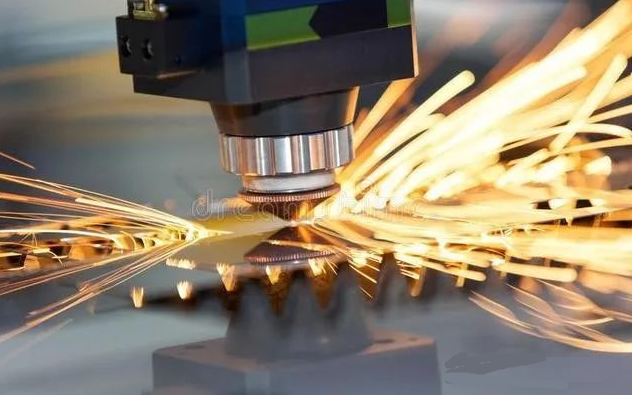
5.1 Upstream Overview: Value Highly Concentrated at the Component Level
The cost center of gravity in lasers lies upstream. Using the bill of materials for mainstream fiber lasers as reference: pump sources (including pump chips) account for approximately 30% of total system material cost; specialty gain fiber approximately 20%; combiners, isolators, fiber Bragg gratings, end caps, and other optical components collectively approximately 20%–25% — the three categories combined exceed 70% of total laser cost. In other words, no matter how fierce the complete-system price war becomes, the pricing power of the upstream does not disappear accordingly — domestic laser system ex-factory prices were compressed from approximately RMB 50,000 per kilowatt to under RMB 10,000 per kilowatt over six years, yet the import dependency on pump chips was not relieved as prices fell.
The degree of localization across five upstream segments varies considerably, roughly presenting a pattern of "optical component layer close to self-sufficiency, specialty fiber self-sufficient at the mid-to-low end, laser crystals overtaking the West, and high-power pump chips still subject to external control." Each segment has distinct bottleneck characteristics and breakthrough pathways. The following presents a layer-by-layer analysis.
5.2 Laser Chips (Pump Chips): The Core Strategic Bottleneck
5.2.1 Global Landscape: Four Western Players Dominate
Semiconductor laser pump chips are the energy-input unit of fiber lasers; their electro-optical conversion efficiency and maximum continuous output power directly determine the power ceiling and electro-optical efficiency of the laser. The global market has long been controlled by American and German manufacturers.
Coherent (formerly II-VI, which completed its acquisition of the old Coherent in 2022) is the world's largest pump laser diode supplier, with unique advantages in VBG wavelength-stabilized devices and vertically integrated manufacturing; it began mass production of 793 nm pump modules using micro-channel cooling technology in early 2026, with 50 W continuous output per module and MTBF of 100,000 hours. nLight's 976 nm fiber-coupled module delivers 400 W per module, and in 2025 the company invested USD 22 million to expand indium phosphide wafer capacity at its Washington State facility. Lumentum accounts for approximately 18%–22% of global laser component revenue, maintaining competitive position through vertically integrated manufacturing. Osram (now ams OSRAM) has deep accumulated strength in high-power pump and industrial-use laser diodes. These four leaders together with TRUMPF collectively account for approximately 38% of global pump and laser diode market revenue (2025 estimate).
5.2.2 Domestic Landscape: Everbright Photonics Leads, Gap Remains
Everbright Photonics (688048) is the unchallenged domestic leader in high-power semiconductor laser chips. Per its 2024 annual report, the company introduced a 9xx nm, 330 μm emitter-width 50 W high-power semiconductor laser chip with electro-optical conversion efficiency of no less than 62%, achieving large-scale shipments — among the highest-power single-emitter chips in mass production globally; dual-junction single-emitter chip room-temperature CW power exceeded 132 W, placing it at the global frontier; 9xx nm fiber laser pump source packaging power was raised to 1,000 W, while 8xx nm solid-state laser pump source power was raised to 500 W. In addition, the company achieved a breakthrough in the VCSEL field by overcoming low-loss multi-junction structure technology, raising surface-emitting chip efficiency from 61% to 74%.
The Wuhan Optics Valley semiconductor laser industry cluster also hosts supporting enterprises including Huaguang Photoelectric, Wuhan Donghu Semiconductor, and Wuhan Ruijing. Overall, domestic pump chips have achieved a localization rate of approximately 60%–70% in the low-power segment (single emitter <100 W), with an overall estimated localization rate of approximately 40%–60%.
5.2.3 The Bottleneck: Single-Emitter >200 W CW Output
The core bottleneck is concentrated in high-power pump chips with single-emitter >200 W continuous output. Everbright Photonics's 50 W production and 132 W dual-junction prototype represent the highest domestic level, while Coherent and nLight have achieved mass production of 300–400 W fiber-coupled modules — a gap of roughly two power steps.
Higher power density demands more precise epitaxial wafer design — InGaAs/AlGaAs strained quantum-well structure doping uniformity and emitter design — as well as micro-channel cooling packaging processes. The core equipment required for these two steps (MOCVD epitaxial growth equipment, precision bonding equipment) and high-purity metal-organic source materials are primarily imported, constituting a three-layer overlapping constraint of "equipment — materials — process." Against the backdrop of continuing deepening of the China–US technology contest, high-power pump chips represent the most immediate long-term supply chain risk facing domestic laser system manufacturers.
5.3 Specialty Fiber: Domestic Yb-Doped Fiber Approaching Self-Sufficiency; Ultrafast Segment Remains a Weakness
5.3.1 Market Characteristics: Small Volume, High Unit Value
Specialty fiber is a high-barrier, low-volume market. Global annual specialty fiber demand is approximately 1 million fiber-kilometers, less than 0.5% of total communications fiber demand; but rare-earth-doped gain fiber unit prices can reach as high as approximately USD 50,000 per kilometer, nearly three orders of magnitude above standard communications fiber. The global specialty fiber market is expected to reach approximately RMB 42.1 billion in 2025, with a compound growth rate of approximately 17.9% over the eight years from 2017 to 2025.
5.3.2 Yb-Doped Fiber: Tiered Localization
Yb-doped fiber is the gain core of fiber lasers. Localization rates by power level show a clear gradient: low-power (<100 W) segment has exceeded 90% localization, with relatively low technical barriers; mid-power (100–1,000 W) segment is approximately 80% localized, with domestic suppliers competing on cost-performance; high-power (>1,000 W) segment has approximately 70% localization, with international manufacturers still holding a significant share. Single-fiber power capacity has jumped from the hundred-watt level to 12 kW in mass production, with 20 kW at the R&D stage.
The international reference benchmark is Nufern (now part of Coherent), covering the full range of Yb- and Er-doped gain fibers. France's iXblue Photonics specializes in high-power double-clad Yb-doped fiber and holds special supply qualifications in aerospace and defense. Coherent's control of Nufern creates potential leverage over domestic customers' specialty fiber supply.
5.3.3 YOFC (601869): Primary Domestic Supplier of Laser Specialty Fiber
YOFC has ranked first globally in optical fiber preform, fiber, and cable sales for eight consecutive years, with a global market share exceeding 40% in communications fiber — this is its core business foundation. In the laser specialty fiber sub-segment, YOFC's industrial laser fiber sales (for applications such as new-energy vehicle battery welding) grew 62% in 2024; it has achieved mass-production supply capability for high-power fiber Bragg gratings, with over 90% of core optical components produced in-house. Hengtong Optic-Electric (600487) and FiberHome (600498) are YOFC's domestic competitors in the specialty fiber segment; Wuhan Changjin Photonics specializes in high-power Yb-doped fiber and is continuously expanding its product range.
Overall, domestic localization of mid- and low-power Yb-doped fiber has risen from approximately 70% to over 90% — one of the most visible domestic substitution achievements in the laser upstream over the past three years.
5.3.4 Ultrafast Laser Gain Media: The Other Bottleneck Pole
Large-mode-area photonic crystal fiber (LMA-PCF) and radiation-resistant specialty fiber for ultrafast lasers (femtosecond/picosecond pulses) continue to be highly dependent on imports from Nufern, iXblue, and Fibercore. This means that even with complete-system manufacturing capability in place, the gain medium supply chain for ultrafast lasers in high-end applications such as semiconductor lithography and precision medicine remains a hidden vulnerability in China's laser supply chain. China holds the world's largest reserves and output of rare-earth feedstock materials (Er, Yb, Tm, etc.) for doping, but the process barriers from rare-earth oxides to high-purity rare-earth salt precursors and MCVD process control have not yet been fully overcome.
5.4 Optical Components: Essentially Achieved Domestic Substitution; Gap Remains at High Power End
5.4.1 Overall Situation
Combiners, isolators, acousto-optic modulators, fiber Bragg gratings, end caps (pigtail output heads), and other optical components have all achieved full domestic substitution at the specifications required for pulsed fiber lasers. Domestic companies have achieved major technical breakthroughs in components for pulsed lasers with average powers of 200 W, 300 W, and 500 W. Localization rates for combiners and isolators in mainstream power ranges already exceed 90%, making them the most highly localized sub-category in the upstream.
High-power fiber Bragg gratings (>10 kW sustained tolerance) have a localization rate of approximately 70%–80%, with sustained high-power tolerance remaining the primary technical gap. Mode-field adapters and other high-precision passive components still have limited import dependency at high-end specifications.
5.4.2 Advanced Fiber Resources (300620): Domestic Leader in Optical Components
Advanced Fiber Resources is a core domestic supplier of fiber laser components, with products sold in more than 40 countries and regions. Total operating revenue in 2024 was RMB 999 million, up 40.71% year-on-year; its isolator products hold a leading market share in the industry, and its fiber Bragg grating market share leads domestically. Independently developed products including the 10 kW laser combiner, 10 kW laser output head, 500 W isolator, and 3 kW fiber Bragg grating have reached globally advanced levels.
It is worth noting that the high growth rate at Advanced Fiber Resources in 2024 did not come entirely from industrial laser components: optical communications components, pulled by the explosion in data center demand, saw production and sales volumes surge by 111.47% and 107.54% respectively, becoming an incremental engine that surpassed industrial lasers. This shift in revenue composition means Advanced Fiber Resources has evolved into a component supplier straddling both industrial lasers and data communications optics — its growth logic differs from that of pure laser component companies.
5.5 Laser Crystals: China Overtakes the West; Three Global Firsts in Nonlinear Crystals
The core gain medium for solid-state lasers (Nd:YAG, etc.) is laser crystals — one of the rare "China leads" segments in the entire laser upstream.
Fujian Castech (002222) is the dominant global leader in laser crystals and nonlinear optical crystals. Its LBO (lithium triborate), BBO (beta barium borate), and Nd:YVO4 (neodymium-doped vanadate) products each hold the number-one global market share; LBO crystal devices once received a "single-champion product" designation from China's MIIT and are the only nonlinear crystal product to have continuously held this title internationally; overall nonlinear optical crystal industry market share is estimated to exceed 80%, with gross margins of approximately 70% — a classic small-volume, high-barrier niche.
2024 financial performance was solid: operating revenue RMB 876 million, up 12.04% year-on-year; nonlinear optical crystal revenue up 14.89%; Nd:YAG and other laser crystal revenue up 8.63%; precision optical components revenue up 24.18%; net profit attributable to shareholders RMB 219 million; R&D investment RMB 97.54 million, representing 11.14% of revenue.
Nd:YAG is the most mainstream gain medium for 1064 nm solid-state lasers, widely used in marking, engraving, medical aesthetics, and precision processing. Fujian Castech's crystal growth process barriers derive from its accumulated rare-earth materials system expertise linked to the Chinese Academy of Sciences background and cannot be replicated in the short term — the core reason its global market share remains at a high level.
5.6 Laser Cutting Control Systems: Friendess's Software Moat
Control systems occupy the space between the laser and the complete system in the strict value chain sense, but their position in the laser cutting complete-system value chain cannot be bypassed — they determine cutting precision, process parameter optimization, and motion control capability.
Friendess (688188) is the domestic market leader in laser cutting control systems. 2024 operating revenue was RMB 1.735 billion, up 23.33% year-on-year; net profit attributable to shareholders was RMB 883 million, up 21.10% year-on-year, setting a historical record; gross margin was close to 80%, fully reflecting the high-barrier nature of industrial software. Domestic market share in mid- and low-power laser cutting control systems exceeds 60%; domestic share in the high-power segment ranks first.
However, in the 10 kW+ high-power market, international competitors (Germany's Beckhoff, PA, Siemens, etc.) together still hold approximately 81% share. Friendess is advancing domestic substitution through cost-performance and local service capabilities, but this process is closely linked to the pace of high-power pump chip localization — increases in complete-system power compel simultaneous upgrades in control systems.
5.7 Cost Structure: Seventy Percent of Cost Locked in Five Upstream Component Categories
From a complete-system cost breakdown perspective, laser chips + specialty fiber + combiners + isolators + pump sources collectively account for 60%–70% of fiber laser costs. This proportion determines several corollaries:
First, the gross margin headroom in the complete-system price war is constrained by the rigidity of upstream component costs. Domestic laser complete-system gross margins fell from approximately 50%+ in 2018–2019 to just 20.51% for Raycus Laser in 2024; the price transmission pathway is clear. Compressing assembly costs through scale effects alone contributes very little to overall gross margin improvement; genuine profitability recovery must depend on a substantive increase in upstream localization rates.
Second, as long as domestic substitution for high-power pump chips remains incomplete, domestic laser complete-system manufacturers have limited bargaining power in this segment — effectively allowing the most important "cost card" to remain in the hands of the other side. Coherent and nLight's pricing to Chinese customers has no transparent benchmark, and pricing flexibility during periods of geopolitical tension is even harder to predict.
Third, every 10-percentage-point increase in upstream localization rates produces structural improvement in complete-system gross margins. This is the fundamental rationale for viewing upstream companies such as Everbright Photonics and YOFC as the investment focal points for the next phase of supply chain investment. If high-power pump chip localization rises from the current approximately 40%–60% (overall) to 70% between 2026 and 2028, the gross margin contribution to mainstream 10–30 kW class lasers would be meaningful.
From a cross-sectional comparison perspective, localization rates for laser crystals (dominated by Fujian Castech) and optical components (dominated by Advanced Fiber Resources) have both exceeded 80%, and cost pressure from these two component categories has essentially been released; specialty fiber (with YOFC as the primary supplier) at the mid-to-low end is likewise approaching self-sufficiency, with cost pressure tending to stabilize. Only in the high-power segment of pump chips does the cost improvement potential remain largest and the breakthrough timing most difficult to predict.
5.8 In-Depth Analysis of Bottlenecks
5.8.1 High-Power Pump Chips (Single Emitter >200 W CW Output)
This is the strategic core bottleneck in the laser supply chain — the segment with the largest current gap and the highest difficulty of breakthrough.
Globally, mainstream mass-production single-emitter chip power is in the 50–150 W range; Everbright Photonics's 50 W production represents the highest domestic mass-production level, and the 132 W dual-junction prototype is frontier exploration. By comparison, Coherent and nLight's mass-production modules have reached 300–400 W — a gap of approximately twofold. Higher power density demands more precise strained quantum-well epitaxial design and micro-channel cooling packaging, while the core constraint is the import dependency on MOCVD equipment and high-purity metal-organic sources. Without access to advanced MOCVD, epitaxial wafer consistency cannot be guaranteed — the fundamental bottleneck in scaling up domestic high-power chip production.
5.8.2 Ultrafast Laser Gain Media (Large-Mode-Area Photonic Crystal Fiber and Femtosecond Oscillator Crystals)
Large-mode-area Yb-doped photonic crystal fiber (LMA-PCF) required for ultrafast lasers currently has virtually no genuine mass-production capability domestically, relying on Nufern (under Coherent) and iXblue for supply. Yb:KGW, Yb:KYW, and other novel laser crystals used in femtosecond oscillators have immature domestic growth processes, with corresponding localization rates estimated below 20%. This is the greatest obstacle to ultrafast laser localization transitioning from "complete-system assembly" to "self-sufficiency in core components."
5.8.3 EUV Lithography CO2 Laser Source: The Largest-Magnitude Gap
ASML's EUV lithography machine works by using a CO2 laser beam to irradiate high-speed flying tin droplets, generating plasma, which then emits 13.5 nm extreme ultraviolet light for lithography exposure. This CO2 laser drive system is supplied exclusively by TRUMPF; the mass-production product exceeds 250 W output power at 50 kHz operating frequency with extremely high peak power. ASML and TRUMPF's exclusive pairing makes this light source the highest-barrier laser application scenario in the world. Domestic CO2 EUV laser sources are currently only at the laboratory prototype stage at approximately 10 W power — approximately 25 times below the 250 W commercial mass-production level. This gap cannot be bridged in the short term — it is not merely a laser problem; it is also a combined challenge of tin droplet target control, synchronization precision, and overall system reliability.
5.9 Midstream Overview: Laser Manufacturing, Small but Moderately Concentrated
The midstream is the complete-system laser manufacturing segment. By gain medium, fiber lasers are the absolute dominant category in China's midstream, accounting for over one-third of the overall laser market; solid-state lasers (Nd:YAG), CO2 lasers, and semiconductor lasers (direct-emitting DDL) each have their application scenarios, but differ significantly in scale from fiber lasers. CO2 lasers are primarily used for non-metal cutting and engraving (fabric, wood, acrylic) and specialized industrial applications, concentrated among a small number of manufacturers such as Jin Yun Laser (300220). DDL semiconductor lasers are used directly for metal surface treatment and certain welding applications, with rapidly increasing power, but beam quality remains inferior to fiber lasers and they have not yet formed a direct competitive challenge to the latter.
From a competitive landscape perspective, China's fiber laser market is highly concentrated. Among domestic manufacturers, Raycus Laser (300747) and MAX Photonics (Shenzhen, unlisted) together hold over 50% of the China market; CR3 exceeds 60%; CR5 exceeds 75% (2023 data) — a high-concentration structure rare among major industrial product categories. Raycus Laser leads with 174,700 units shipped in 2024, with 10 kW+ model sales up 135% year-on-year, and completed the world's first commercial sale of a 200 kW fiber laser. MAX Photonics reportedly introduced a 160 kW (tested at 170 kW) prototype in 2024, running neck-and-neck with Raycus in the ultra-high power segment. Behind this concentrated structure lies fierce price competition: ex-factory prices for 10 kW class fiber lasers declined approximately 60% over four years, with complete-system gross margins sharply compressed. Detailed financials, competitive dynamics, and key company analysis for midstream enterprises are presented in Chapter 6.
5.10 Downstream Overview: Dispersed Applications, Understanding Through Tiered Frameworks
Downstream laser application statistics involve a systematic divergence; understanding the industry requires distinguishing between frameworks:
Using the laser complete-system/component level as the framework (Qianzhan Industry Research Institute, most widely cited in 2024), industrial applications (cutting, welding, marking, cleaning, etc.) account for approximately 62%; information and optical communications (data communications optical modules, fiber communications laser chips, etc.) approximately 22%; commercial (laser projection, laser printing) approximately 7%; scientific research approximately 5%; medical approximately 4%. This framework includes the contribution of data communications optical module laser chips, making the "information" segment much larger than intuition might suggest.
Switching to the laser processing equipment system framework, materials processing accounts for essentially all of it. China's laser processing equipment market was approximately RMB 89.9 billion in 2024, representing approximately 56.6% of total global laser equipment scale; laser cutting equipment accounted for over 40% of laser equipment as a whole.
The specific market scale, technology trajectories, and competitive dynamics of downstream sub-markets — 10 kW+ cutting, power battery welding, consumer electronics MOPA marking, data communications optical modules, ultrafast laser precision processing, LiDAR, and lithography light sources — will be addressed in turn in Chapter 8. This section establishes only the framework of definitions, to avoid misinterpretation from mixing frameworks when looking at individual figures.
Chapter 6 Competitive Landscape and Key Companies
6.1 Global Landscape: IPG's Long Dominance and the Domestic Counteroffensive
The competitive landscape of the global industrial laser market underwent a structural reshaping over the past decade. In the 2010s, IPG Photonics (IPG) leveraged a vertically integrated strategy — self-producing laser diodes, specialty fiber, fiber Bragg gratings, and complete laser systems — to push its global fiber laser market share to approximately 70%. This was a near-monopoly position built by an American company through engineering discipline and cost advantage in an emerging product category.
Yet that position did not survive the impact of China's manufacturing upgrade. IPG's global fiber laser market share had declined to approximately 30%–40% by 2024; China-region revenue fell approximately 24% year-on-year for the full year; high-power continuous-wave laser revenue experienced a maximum single-quarter decline of 34%. IPG's strategic response was to proactively reduce its China exposure and pivot toward non-cutting applications, medical, and defense — in essence, a retreat acknowledging lost ground.
Taking their place is the Chinese domestic camp, with Raycus Laser and MAX Photonics as the dual core. In the China fiber laser market, concentration data clearly depicts the post-localization landscape: CR2 approximately 50%, CR3 exceeding 60%, CR5 exceeding 75% (2023 data). This concentration level is above average for Chinese manufacturing and well above the fragmented competition at the complete cutting machine level — meaning most of the value chain profit is captured by the top three to five players.
Beyond the global dimension, it is also necessary to examine the actual continuing presence of foreign players in China: IPG maintains sales and service operations in Beijing, primarily serving maintenance of the installed base and high-end applications (high-power welding, medical, defense) where domestic alternatives do not yet reach; Germany's TRUMPF sells high-end solid-state lasers and laser systems in China, with deep penetration in precision applications such as automotive body-in-white welding; Coherent continues to supply ultrafast lasers and high-power pump chips through distribution channels, with no near-term domestic substitute available. Foreign players have not exited entirely, but have contracted to the sub-segments where localization rates remain low and where they can continue to exercise pricing power.
6.2 Domestic Fiber Lasers: The Raycus–MAX Photonics Duopoly Structure
6.2.1 Raycus Laser (300747): Shipment Volume Growth, Profit Under Pressure
Raycus Laser (300747) is China's largest fiber laser manufacturer by shipment volume, with a domestic market share of approximately 27% in 2023, surpassing IPG to rank first in China. The 2024 financial data exhibits the characteristics typical of extreme price war pressure: operating revenue RMB 3.197 billion, down 13.11% year-on-year; net profit attributable to shareholders RMB 134 million, down 38.24% year-on-year; gross margin 20.51%, narrowed by 5.49 percentage points year-on-year. The profit decline substantially exceeds the revenue decline — the direct expression of industry-wide price deterioration flowing through to the income statement.
However, shipment data tells a different story: full-year shipments of 174,700 units, up 9.77% year-on-year; 10 kW and above product sales up 135% year-on-year, with 10 kW+ market share rising to 38%. The "volume-for-price" strategy has approached its limits in mid- and low-power segments, and Raycus's incremental logic is migrating toward high power.
In the ultra-high-power direction, Raycus completed the world's first commercial sale of a 200 kW fiber laser in September 2024, setting multiple records for highest brightness of its class, best cost-to-performance ratio, and best cutting thickness and speed at equivalent power, with bulk orders already secured in shipbuilding and heavy industry. The significance of this 200 kW laser extends beyond a technological milestone — it is a market signal of Raycus establishing first-mover advantage in the ultra-high-power segment: cutting efficiency approximately 30% better than comparable imported products, with commercial delivery completed rather than remaining at the laboratory prototype stage.
Raycus's competitive moat lies in vertical integration: partial in-house production of pump sources, fiber Bragg gratings, specialty fiber, and other key components, compressing complete-system costs to approximately 60% of IPG's equivalent products. This is both the basis of its price competitiveness and the reason 10 kW product gross margins remain higher than those of mid- and low-power segments. Operating cash flow of RMB 510 million (up 78.42% year-on-year) indicates improvement in collections quality, with near-term liquidity risk manageable.
6.2.2 MAX Photonics (Unlisted): Estimated Scale and High-Power Breakthrough
MAX Photonics (Shenzhen, MaxPhotonics) is China's second-largest fiber laser manufacturer, co-branded with Raycus as the "domestic dual giants." As it is not yet listed, there are no public annual reports; based on media and broker estimates, revenue for the first half of 2023 was approximately RMB 1.9 billion, up over 75% year-on-year; estimated full-year revenue of approximately RMB 3.5–4 billion, broadly comparable in scale to Raycus.
On the technology front, MAX Photonics released a 160 kW industrial-grade fiber laser in 2024 with tested output power of 170 kW, capable of meeting cutting demands for super-thick plates exceeding 200 mm. In the 30 kW power segment, domestic localization has risen to approximately 65%, with MAX Photonics and Raycus together breaking the foreign monopoly that previously existed at this power level. The two companies combined shipped approximately 21,000 units of 10 kW+ lasers in China in 2024 (up 40% year-on-year).
MAX Photonics has planned a new "Smart Manufacturing Laser Valley" project in Bao'an, Shenzhen, with an investment of approximately RMB 2 billion and expected annual output exceeding RMB 10 billion, indicating continued strong confidence in capacity expansion.
6.2.3 FeiBo Laser: Representative of the Third Tier
FeiBo Laser (Shanghai/Suzhou) is a representative company in the CR3 tier of domestic fiber lasers; together with Raycus and MAX Photonics, the three collectively form the foundation for over 60% of the China fiber laser market. FeiBo primarily focuses on mid- and low-power continuous lasers; it is not yet listed, and public financial data is limited. Beyond the CR3, JPT Electronics, IPG, and others together constitute the remaining CR5 market.
6.3 Pulsed and Ultrafast Lasers: Representatives of Differentiated Competition
6.3.1 JPT Electronics (688025): Leader in MOPA Precision Processing
JPT Electronics (688025) is China's leading company in MOPA pulsed lasers. 2024 operating revenue was RMB 1.454 billion, up 18.62% year-on-year; net profit attributable to shareholders RMB 133 million, up 23.53% year-on-year. Within the revenue mix, laser products contributed approximately RMB 700 million (up 5.36% year-on-year), while laser and optical intelligent equipment contributed RMB 628 million (up 44.02% year-on-year) — equipment business growth clearly outpacing device business, with the "device + equipment" integrated strategy beginning to bear fruit.
MOPA (master oscillator power amplifier) architecture allows pulse width and repetition rate to be independently controlled, providing a technical advantage in precision marking of highly reflective materials such as aluminum, copper, and gold — the core light source for fine processing applications including consumer electronics housing marking, ceramic cutting, and FPC trimming. Compared to conventional Q-switched lasers, MOPA allows precise thermal input control, handling highly reflective materials without carbonization or spatter, creating a technological moat in 3C manufacturing applications. JPT also has positions in photovoltaic TOPCon SE doping light sources and lithium battery welding, with a more diversified customer mix than pure fiber laser manufacturers. R&D investment of RMB 168 million, with 68 new patents and a cumulative 126 invention patents, represents ongoing investment in maintaining technical barriers.
6.3.2 InnoLaser (301021): Domestic Challenger in Ultrafast Lasers
InnoLaser (301021) focuses on picosecond (ps) and femtosecond (fs) ultrafast lasers — the most premium sub-category in the current laser technology chain. 2024 operating revenue was RMB 447 million, up 21.41% year-on-year; net profit attributable to shareholders RMB 21.83 million, up 585% year-on-year (prior year base was only RMB 3.18 million); gross margin 44.01%, up 6.65 percentage points year-on-year.
The high gross margin reflects the structural value of ultrafast lasers. The "cold processing" characteristic of picosecond/femtosecond lasers — extremely short pulses, minimal heat-affected zone — makes them an irreplaceable light source for high-precision applications including consumer electronics glass cutting (mobile phone cover glass, VR lenses), semiconductor wafer dicing, IC package delayering, and medical ophthalmic micro-processing. These applications demand far higher precision than industrial cutting, with both equipment unit prices and gross margin headroom significantly higher than for continuous lasers.
The number of domestic companies capable of mass-producing and delivering picosecond lasers is extremely small, and InnoLaser is among the most prominent. Although absolute revenue scale remains small, against the backdrop of an overall low domestic ultrafast laser localization rate (approximately 30%–50%), InnoLaser's high gross margin points to a clear growth logic: as ultrafast laser applications continue to expand, import substitution headroom remains substantial. If its in-progress project "Key Technologies and Industrialization of High-Power Thin-Disk Ultrafast Lasers" achieves progress, it will propel the company into the 100 W+ picosecond power segment.
HGLaser Precision (Wuhan) is another domestic ultrafast laser representative, focused on femtosecond laser applications in semiconductor and precision manufacturing; it is not yet listed, and public information is limited.
6.4 Control Systems: Friendess (688188) and the "Shovels" Logic
Friendess (688188) is one of the financially strongest companies across the entire laser processing supply chain — not because it manufactures lasers, but because it produces the "brain" of laser cutting equipment: CNC systems and motion control cards.
2024 operating revenue RMB 1.735 billion, up 23.33% year-on-year; net profit attributable to shareholders RMB 883 million, up 21.1% year-on-year; gross margin 79.94%. The ratio of net profit to revenue approaches 51% — an extraordinarily rare profitability structure in manufacturing, rooted in the dual moat of software licensing and proprietary ASIC chips — software has near-zero marginal cost, and once embedded in a system manufacturer's design specifications, migration costs are extremely high.
Friendess holds over 60% domestic market share, with downstream customers spanning thousands of laser cutting complete-system manufacturers including Han's Laser, Hymson, Pentium Laser, and Hongshan Laser. Rapid growth in 10 kW+ laser cutting machine shipments is a pure tailwind for Friendess: higher-power cutting machines require stronger control precision, and Friendess's high-end control system unit prices rise accordingly. Overseas sales accelerated in 2024, gaining incremental revenue as certain complete systems were exported to Southeast Asia and the Middle East.
From an industry logic perspective, Friendess's business model resembles "selling shovels in a gold rush" — price wars and overcapacity in the laser cutting complete-system industry do not directly impact Friendess's control systems; on the contrary, they drive sales volume through growth in complete-system shipments. This natural immunity to downstream competitive pressure makes Friendess one of the rare players in the laser supply chain capable of maintaining high profitability regardless of market cycle.
6.5 Integrated Laser Equipment Companies
6.5.1 Han's Laser (002008): China's Largest Laser Equipment Revenue
Han's Laser (002008) is China's largest laser equipment company by revenue. 2024 operating revenue RMB 14.771 billion, up 4.83% year-on-year; net profit attributable to shareholders RMB 1.694 billion, up 106.52% year-on-year, but this included RMB 1.249 billion in non-recurring gains (including RMB 1.061 billion in asset disposal gains) — recurring net profit was only RMB 445 million, down 4.39% year-on-year, reflecting stable but unimpressive underlying operating profitability.
Han's Laser's product line spans from low-power marking to ultra-high-power cutting and welding, and extends into semiconductor precision laser equipment (wafer dicing, package delayering, micro-processing, etc.). The 2024 new-energy equipment business was under pressure from a slowdown in power battery industry capacity expansion, partially offset by a recovery in 3C/consumer electronics equipment demand. The second phase of the Zhangjiagang East China headquarters, with a total investment of approximately RMB 10 billion, is planned to break ground in September 2025, representing the company's long-term strategic manufacturing investment.
6.5.2 HGTECH (000988): Dual Engine of Lasers + Optical Modules
HGTECH (000988) grew out of Huazhong University of Science and Technology and is among China's earliest companies to develop industrial lasers. 2024 total revenue was RMB 11.709 billion, up 13.57% year-on-year; net profit attributable to shareholders RMB 1.221 billion, up 21.17% year-on-year. Notably, laser and intelligent manufacturing business revenue was RMB 3.492 billion (up 9.45% year-on-year), already below connectivity business (optical modules) revenue of RMB 3.975 billion (up 23.75% year-on-year) — the explosive demand from AI computing power for high-speed optical modules has caused HGTECH's optical module business to surpass its founding laser business in scale.
On the laser side, overseas sales grew approximately 30% year-on-year in 2024; HGTECH established a Southeast Asian R&D and manufacturing service center in Bắc Ninh, Vietnam in April 2025 — international expansion is a distinctive feature setting it apart from most peer companies. R&D investment at 9.8% of revenue reflects solid technology accumulation.
6.5.3 United Winners Laser (688518): Focused on Power Battery Welding
United Winners Laser (688518) has deep expertise in power battery laser welding, serving as a core equipment supplier to leading battery manufacturers including BYD and CATL, with approximately 26% domestic market share in complete laser welding equipment for power batteries. 2024 operating revenue was RMB 3.150 billion, down 10.33% year-on-year; net profit attributable to shareholders RMB 166 million, down 42.18% year-on-year. The fundamental cause of the performance decline is contraction in the downstream capital expenditure cycle, not a deterioration of competitiveness — power battery manufacturers broadly compressed capacity expansion in 2024, directly translating into a decline in laser welding equipment orders.
A bright spot against the trend is IT/consumer electronics business gross margin of 48.1%, up 2.6 percentage points year-on-year; foldable screens and wearable devices have opened a new incremental window. The solid-state battery mass-production milestone (expected 2026–2028) will bring a new round of laser welding equipment upgrade demand, and United Winners's technical accumulation positions it to maintain a long-term competitive position.
6.5.4 Hymson (688559): Lithium Battery Laser Automation
Hymson (688559) is similarly focused on lithium battery laser automation, forming the primary competitive dynamic with United Winners Laser in the power battery laser welding equipment market. The company integrates laser equipment with automation production lines to offer system-level solutions to battery manufacturers; 2024 performance was similarly affected by the power battery industry capex cycle.
6.6 Upstream Core Companies: Optical Components, Fiber, and Crystals
6.6.1 Everbright Photonics (688048): Pioneer in Pump Chip Localization
Everbright Photonics (688048) is the most representative listed company in China's high-power semiconductor laser chip sector. High-power laser chips — the core pump source for fiber lasers — were long monopolized by foreign companies including Coherent (post II-VI acquisition), Lumentum, nLight, and Osram. Everbright Photonics has achieved mass production of the single-emitter 50 W product and introduced a 132 W dual-junction prototype, advancing high-power laser chip domestic localization to approximately 40% by 2025.
That 40% figure represents progress — but also means over half of upstream supply remains dependent on imports. High-end epitaxial wafers in particular: domestic back-end processing capability exists, but core epitaxial technology is not yet mature, and >200 W single-emitter pump chips remain the primary import dependency. Pump chips together with specialty fiber combiners, isolators, and other key components account for 60%–70% of fiber laser complete-system costs — meaning the upstream localization rate has a direct and significant impact on complete-system cost.
6.6.2 YOFC (601869): Primary Domestic Supplier of Laser Specialty Fiber
YOFC (601869) holds over 40% global market share in communications fiber, ranking as the world's largest communications fiber supplier. In laser specialty fiber, YOFC is the primary domestic supplier — Yb-doped double-clad fiber domestic localization rate rose to over 90% in 2024; laser fiber business grew approximately 62% in 2024, one of the fastest-growing segments in its overall business. The two frameworks must be carefully distinguished: global market leadership in communications fiber and domestic leadership in laser specialty fiber describe different market dimensions.
6.6.3 Fujian Castech (002222): Global Triple Crown in Nonlinear Crystals
Fujian Castech (002222) is the unchallenged global leader in nonlinear optical crystals, holding the number-one global market share in each of three product categories: LBO (lithium triborate), BBO (beta barium borate), and Nd:YVO4 (neodymium-doped yttrium vanadate). Nonlinear crystals are the core functional component enabling frequency doubling and tripling (generating green and ultraviolet light) in solid-state and ultrafast lasers. 2024 operating revenue was RMB 876 million — one of the few Chinese suppliers in the laser supply chain with global pricing power, dominating both the Western laboratory laser market and the Chinese industrial ultrafast laser market.
6.6.4 Advanced Fiber Resources (300620): Fiber Components and Data Communications Upgrade
Advanced Fiber Resources (300620)'s core products are fiber optic components — combiners, isolators, splitters, etc. — all critical passive upstream components in fiber lasers. 2024 operating revenue was RMB 999 million, up approximately 41% year-on-year; net profit attributable to shareholders RMB 66.98 million, up 12.32% year-on-year. The primary driver of high revenue growth was the acquisition of a 52% stake in Baian Industrial, combined with the ramp-up of new LiDAR light source module business. The company also has positions in thin-film lithium niobate high-speed modulator chips, entering the 800G/1.6T high-speed optical interconnect space, benefiting from AI computing infrastructure demand.
6.7 Optical Communications Lasers: New Growth Engine Under Data Communications Explosion
The wave of AI computing infrastructure buildout in 2024 created a growth narrative in the laser industry entirely different from industrial lasers — data communications lasers (laser chips for optical modules) are experiencing unprecedented demand explosion.
InnoLight (300308) and Eoptolink (300502) are the representative Chinese companies in this segment. Chinese companies hold 7 of the top 10 positions in global data communications optical module suppliers; 800G optical module shipments in 2024 were approximately 9 million units, with InnoLight and Eoptolink both ranking among the global top tier. EML (electro-absorption modulated lasers) and VCSEL (vertical-cavity surface-emitting lasers) are the core laser chips for 800G/1.6T optical modules; Coherent currently holds an important position in this sub-segment, with domestic substitution progress more lagged than in industrial lasers, though the explosion on the demand side is accelerating the investment pace of domestic chip manufacturers.
HGTECH (000988)'s connectivity business (optical modules) surpassed its laser manufacturing business in 2024, entering the LightCounting global top-eight optical module manufacturers list for two consecutive years — confirming the divergence in growth rates between industrial lasers and data communications lasers within the same company. The logic of data communications lasers is fundamentally different from industrial lasers: the former is driven by capex in computing infrastructure and is tightly bound to the AI large model training and inference cycle; the latter is tied to overall manufacturing capex. The two curves traced completely different slopes in 2024, presaging that data communications lasers will be the most certain structural incremental source for the entire laser industry over the coming years.
6.8 Structural Characteristics of the Competitive Landscape and Profit Distribution
Synthesizing 2024 financial data, profit distribution across China's laser supply chain presents a clear structural stratification.
- Control systems (Friendess): gross margin close to 80%; the most profitable segment in the supply chain; software characteristics render it nearly immune to price wars.
- Ultrafast lasers (InnoLaser): gross margin 44%; premium category, low localization rate, large import substitution headroom.
- Upstream components (Advanced Fiber Resources, Fujian Castech, Everbright Photonics): gross margins vary by category, but technological barriers provide some pricing protection; Fujian Castech's global monopoly position is particularly distinctive.
- Fiber laser complete systems (Raycus Laser): gross margin 20.51%; under heavy price war pressure, approaching cost floor; scale effects and vertical integration are key to maintaining profitability.
- Laser equipment (United Winners Laser, Han's Laser): gross margin 25%–31%; in the middle ground, with profitability elasticity highly tied to downstream capex cycles.
This profit landscape reveals a counterintuitive but clear logic: in the laser industry, the further removed from the "light source" and the closer to "control" and "upstream materials/components," the more robust the profit margins tend to be. The main battleground of the price war is precisely the laser complete-system manufacturing segment, which is also the most easily observable.
From another dimension, the 2024 profit divergence also appeared within the same category. Among laser complete systems, the gap between InnoLaser (ultrafast, 44% gross margin) and Raycus Laser (continuous fiber, 20.51% gross margin) exceeds 23 percentage points. A single ultrafast laser unit can command hundreds of thousands of RMB, while a mid-to-low-power continuous fiber laser ex-factory price has been compressed by price wars to tens of thousands of RMB or less. This price differential is not simply a technology difficulty premium — it is the mirror image of localization rates: fiber continuous lasers at over 80% localization are in full competition; ultrafast lasers at 30%–50% localization, with the scarcity of import dependency supporting domestic product pricing.
The continued presence of foreign players in China — IPG's Beijing sales operations, Coherent's pump chip and ultrafast laser supply, TRUMPF's high-end solid-state lasers and automotive welding systems — is concentrated precisely in the high-end segments with lower localization rates, and this is the fundamental reason they can maintain pricing power in the face of the domestic substitution wave. Coherent, as an important global data communications laser chip supplier, simultaneously provides core laser chips such as EML to Chinese optical module manufacturers including InnoLight and Eoptolink — the stickiness of this supply relationship is difficult to break in the short term during the 800G/1.6T large-scale shipment cycle.
Domestic lasers have completed the full substitution of mid-to-low-power fiber lasers, but several details at the top of the value chain — high-power pump chip epitaxy, ultrafast gain media, EUV CO2 light sources — remain in foreign hands, representing the hills on the company landscape map of this chapter that domestic forces have not yet scaled. The current state of the competitive landscape is a direct reflection of the current boundaries of technological capability; and these outstanding hurdles constitute the core topics for Chapter 9 on technology evolution and Chapter 10 on risk analysis.
Chapter 7 Midstream Industrial Belts and the "Factory Identification" Landscape
7.1 Industrial Belts: A Three-Pole Geographic Concentration Pattern
China's laser industry geography is not evenly distributed. Over three decades of industrial evolution, it has formed a triangular pattern with Wuhan Optics Valley as the dominant core, the Pearl River Delta as the consumer electronics-driven pole, and the Yangtze River Delta as the high-end manufacturing support pole, overlaid with R&D nodes in Beijing, Xi'an, and Chengdu. The formation of this pattern reflects both the historical inertia of university and research institute placement and the locational pull of downstream application markets — laser equipment is heavy and inconvenient to transport long distances, and industrial clusters on the application side exert a strong force pulling laser equipment and laser manufacturers to co-locate.
7.1.1 Wuhan Optics Valley — The Highest-Density Laser Core
Wuhan East Lake High-tech Development Zone (Optics Valley) is the single geographic unit with the highest concentration of laser industry in China. As of 2024, Optics Valley hosts over 300 laser-related enterprises with annual output of approximately RMB 28 billion. Under Hubei Province's laser industry plan of "one year to lay the foundation, two years to build momentum, three years to double," the 2025 output target is RMB 38 billion and the 2026 target is RMB 50 billion.
Optics Valley's competitiveness stems first from the technology spillover of Huazhong University of Science and Technology. HUST's National Engineering Research Center for Laser Processing is the most important knowledge source for China's industrial lasers; HGTECH (000988) grew directly out of it. HUST ranks first nationally in laser technology patent holders (119 new patents in 2023), and Optics Valley consistently ranks first nationally on technology innovation metrics. What Optics Valley concentrates is not only laser complete-system manufacturers but the entire vertical chain from pump sources and specialty fiber gratings to laser complete systems to laser processing equipment:
- Raycus Laser (300747): approximately 27% domestic fiber laser market share (2023), surpassing IPG to rank first in China. Shipped 174,700 units in 2024; 10 kW+ segment sales up 135% year-on-year; completed the world's first commercial sale of a 200 kW fiber laser in September 2024.
- HGTECH: laser intelligent manufacturing system integration; overseas business up nearly 30% year-on-year in 2024; established Southeast Asia manufacturing service center in Bắc Ninh, Vietnam in April 2025.
- Dier Laser (300776): photovoltaic solar cell laser processing; orders contracted due to industry overcapacity in 2024; pivoting to automotive and consumer electronics applications.
- Chutian Laser, Yifei Laser: with deep experience in general laser processing equipment and power battery welding equipment respectively.
- YOFC (601869): world's largest in communications fiber (by communications fiber metrics); its laser specialty fiber business is an important upstream support for Optics Valley, with laser fiber business revenue up 62% year-on-year in 2024.
Hubei Province now has 7 listed laser companies; Optics Valley's voice in the national laser industry derives from the dual weight of manufacturing scale and R&D density.
7.1.2 Shenzhen and the Pearl River Delta — Deepest Consumer Electronics Laser Application Pool
Guangdong Province has the largest number of laser supply chain enterprises of any province in China, approximately 12,000, covering the full chain of lasers, laser equipment, optical components, and laser application services. The driving force is rooted in the Pearl River Delta's role as the aggregation point for the global consumer electronics supply chain. Cutting and welding of smartphone metal frames, drilling and dicing of glass cover panels, drilling and marking of flexible PCBs, and laser annealing of the new generation of OLED screens — each precision processing step is deeply bound to laser sources, making Shenzhen and surrounding areas the highest-density region for deployed laser equipment.
Representative companies in the Pearl River Delta span multiple levels of equipment, components, and applications:
- Han's Laser (002008): China's largest laser equipment company by revenue; second phase of Zhangjiagang East China headquarters to break ground in September 2025 with total investment of approximately RMB 10 billion.
- JPT Electronics (688025): 2024 revenue RMB 1.454 billion (up 18.62% year-on-year); MOPA pulsed lasers dominant in the consumer electronics precision processing segment.
- United Winners Laser (688518): complete laser welding equipment for power batteries; approximately 26% domestic market share; deeply tied to leading battery manufacturers.
- Hymson (688559): laser and automation equipment for lithium batteries; business focus on power and energy storage battery laser welding.
- Advanced Fiber Resources (300620): 2024 revenue RMB 999 million (up 41% year-on-year); leading domestically in upstream components including fiber combiners and isolators.
- MAX Photonics (Bao'an, Shenzhen, unlisted): reportedly approximately 20% domestic fiber laser market share; combined with Raycus exceeding 50%; Bao'an Smart Manufacturing Laser Valley project with RMB 2 billion investment, expected annual output exceeding RMB 10 billion.
What makes the Pearl River Delta distinctive is this: it is simultaneously a production hub for laser sources and equipment, and China's largest laser consumption base, with consumer electronics OEM assemblers, EMS factories, and component precision machining factories constituting an extremely dense application-side demand network.
7.1.3 Yangtze River Delta — High-End Manufacturing Support and Capital-Intensive Belt
Jiangsu Province has approximately 6,931 laser supply chain enterprises; Zhejiang Province approximately 5,216; with Suzhou, Wuxi, and Shanghai as the core nodes. Unlike the Pearl River Delta's consumer electronics drive, the primary laser application scenarios in the Yangtze River Delta are automotive manufacturing, semiconductor packaging, and precision instruments.
- Everbright Photonics (688048, Suzhou): domestic leader in high-power semiconductor laser chips; 50 W single-emitter chip in mass production in 2024; dual-junction single-emitter room-temperature CW power exceeding 132 W; high-power laser chip domestic localization rate rising to approximately 40% by 2025, a core node in the upstream chip localization process.
- Han's Laser Zhangjiagang East China headquarters, United Winners Laser East China manufacturing base: the two major companies both choosing Zhangjiagang reflects the strong procurement pull of Yangtze River Delta automotive and precision manufacturing industries for laser equipment.
- AWI (002559, Yangzhou): laser sheet metal cutting equipment; deeply tied to the Yangtze River Delta sheet metal manufacturing belt.
- Shanghai FeiBo Laser: significant participant in fiber lasers, developing on the foundation of Shanghai's high-end manufacturing base.
The Yangtze River Delta capital markets are highly active — Suzhou and Shanghai are the most densely concentrated regions for A-share listed laser companies and Pre-IPO financing; the STAR Market's preference for laser semiconductor segments provides companies with lower-cost financing channels.
7.1.4 Beijing, Xi'an, Chengdu — R&D Nodes
The laser industry roles of these three inland cities are fundamentally R&D and incubation oriented. The Chinese Academy of Sciences Institute of Physics in Beijing and Tsinghua University's Department of Precision Instruments are high grounds for basic research in ultrafast lasers and high-power solid-state lasers; the Xi'an Institute of Optics and Precision Mechanics (XIOPM) is the national team in solid-state lasers and optoelectronics, having incubated multiple laser technology companies; Chengdu concentrates precision optics and laser sensing companies, forming synergies with the Chengdu Electronic Information Industry Park and serving some laser processing equipment demand from the Chengdu–Chongqing automotive supply chain. These three cities cannot compete with the three major industrial belts in manufacturing scale, but contribute continuously to the entire industry in knowledge production and talent supply. Particularly for the ultrafast and UV laser tracks — where domestic localization is still in the middle phase of ramping — whether the R&D achievements of institutes in Beijing and Xi'an can be successfully translated into commercially scalable products will directly affect the localization trajectory of these two high-value categories.
7.2 Structural Divergence Between the Core Device and Its Applications
Understanding the true landscape of the laser industry requires looking not only at the concentration level of laser source manufacturing itself, but also at the structural divergence between the downstream application side and the upstream small and mid-sized support side. The concentration characteristics of the three levels are entirely different, constituting three completely distinct competitive forms within the same supply chain.
Laser sources (fiber laser complete systems) are highly concentrated: CR2 close to 50%, CR3 exceeding 60%, CR5 exceeding 75% (2023 data). Raycus and MAX Photonics together hold over half the market; the industry is in a clear oligopolistic competitive structure with well-defined competitive boundaries, known players, and trackable financial data.
Upstream small and mid-sized optical support manufacturers are moderately concentrated with a long tail: for specialized components including combiners, isolators, fiber Bragg gratings, and pump source packaging, Advanced Fiber Resources (300620) leads domestically in isolators and fiber Bragg gratings, but the overall components market includes a large number of small specialized suppliers with annual revenues between RMB 30 million and RMB 300 million, distributed across Optics Valley, Guangzhou, Suzhou, and Shenzhen. These companies typically make one or two specialized components, with customers concentrated among laser complete-system manufacturers. They are unlisted, have no public financial data, and are extremely difficult to identify externally.
Downstream application factories (the direct buyers of lasers) are highly dispersed — the primary focus of scrutiny in this chapter.
7.3 The Identification Challenge for Downstream Application Factories
The laser source CR3 exceeds 60%, yet the downstream it serves presents an entirely opposite picture — enormous in number, dispersed, dynamically fluid, and cross-industry nested; one of the most difficult application ecosystems in Chinese manufacturing to delineate with clear boundaries.
7.3.1 Sheet Metal Cutting Factories: Largest Scale, Most Dispersed Distribution
Laser cutting is the single largest application scenario for lasers; the China laser cutting equipment market was approximately RMB 36.85 billion in 2024, with fiber laser cutting machines accounting for approximately 62%. Yet the equipment buyers — various types of sheet metal cutting and processing factories — are extremely dispersed, ranging from 200-square-meter individual processing shops to scale factories occupying tens of thousands of square meters, all actual users of laser cutting equipment.
The identification pain point for this category of factory is not visibility but rather active production status and process compatibility. A single factory may have a 3 kW fiber cutting machine for ordinary carbon steel while simultaneously operating a 20 kW machine for medium-thickness stainless steel. Process upgrade timing, equipment configuration generation, and whether a factory is genuinely taking orders cannot be read from business registration information. Among the approximately 43,100 laser equipment-related enterprises nationally (Qianzhan Industry Research Institute, 2025), downstream processing application factories constitute the vast majority, far exceeding the laser sources and equipment manufacturers themselves. The rhythm of sheet metal factory laser equipment purchasing is highly correlated with heavy industry capex cycles and the overflow of new-energy vehicle body component orders — this pull signal is difficult to capture in advance on the equipment sales side without direct tracking of factory production status.
7.3.2 Power Battery Factories: Concentrated at the Top, Dispersed in the Mid-Tier and Energy Storage
Power battery laser welding is one of the fastest-growing application segments in China's laser industry; the associated complete welding equipment market was approximately RMB 12.25 billion in 2024. The production status of leading manufacturers including CATL, BYD, CALB, and EVE Energy has public tracking channels, but the market is not constituted only by the top tier. The rapid expansion of energy storage cabinets and commercial and industrial energy storage has spawned a tier of second- and third-tier battery manufacturers with annual revenues between RMB 500 million and RMB 5 billion, whose laser welding equipment purchases are primarily covered through distributors; production status and process segment are difficult to sense from listed company announcements. When solid-state batteries enter the mass-production validation phase (expected 2026–2028), new types of factories with laser welding process requirements different from those for liquid batteries will emerge — these factories currently mostly exist in pilot line form, making identification even more challenging.
7.3.3 Consumer Electronics Precision Processing Factories: Deep Process Nesting, Multi-Tier Contract Manufacturing
Consumer electronics precision laser processing (smartphone metal parts, glass cover panel drilling, FPC drilling, OLED cutting) has formed a complex contract manufacturing network in the Pearl River Delta and Yangtze River Delta: below the OEM brand is the ODM assembly factory, below the assembly factory are component precision machining factories, and within those are specialized subcontractors doing laser processing. The actual end users of laser sources are often not the "customers" as typically understood by laser manufacturers but some inconspicuous subcontractor somewhere in the supply chain. The main users of MOPA pulsed lasers are precisely these component precision machining factories, with extremely granular process specialization: dedicated to AG texture marking on phone back panels, dedicated to laser welding of camera modules, dedicated to drilling of Bluetooth earphone metal parts — process requirements and procurement budgets differ by factors of several to tenfold, and simple industry category classification completely fails to distinguish procurement potential.
7.3.4 LiDAR Support Factories and Medical Aesthetics Equipment Factories
The manufacturing of laser emission modules for automotive LiDAR is extending outward from complete-system manufacturers (Hesai, RoboSense, Innovusion) to create a support manufacturing tier: precision optical assembly of 905 nm emitter tubes, VCSEL arrays, and 1550 nm fiber laser emission modules is spawning a cluster of LiDAR optical component machining factories and module packaging factories. These factories are typically less than five years old, mass-producing automotive-grade parts requiring IATF 16949 certification; they look indistinguishable from ordinary electronics contract manufacturing factories when viewed from the outside, but their laser process equipment purchasing is a high-value signal that emerges periodically.
Medical aesthetics laser equipment manufacturers are also accelerating their geographic spread — as the medical aesthetics market expands to third- and fourth-tier cities, large numbers of medical aesthetics equipment manufacturers with annual revenues between RMB 30 million and RMB 300 million have appeared in mid-sized cities in Hunan, Zhejiang, and Guangdong. Their procurement rhythm for Q-switched Nd:YAG and semiconductor laser diodes is small-to-mid batch, multi-SKU, and fast-iteration — entirely different from the standardized large-order logic facing large industrial laser manufacturers.
7.4 Identification Barriers for Upstream Small and Mid-Sized Support Manufacturers
Within laser material costs, pump sources (including chips) account for approximately 30%, specialty fiber approximately 20%, and optical components (combiners, isolators, fiber Bragg gratings, etc.) collectively approximately 20%–25% — the three categories combined exceeding 70%. Within this 70% cost composition, the proportion directly supplied by listed companies is not high — a large volume of intermediate components comes from small specialized suppliers focused on single categories, with annual revenues ranging from a few million to tens of millions of RMB.
Taking combiners as an example: Advanced Fiber Resources (300620) is the domestic market share leader, but Optics Valley, Suzhou, and Shenzhen are home to more than a dozen combiner specialists with annual revenues below RMB 30 million, serving non-leading laser complete-system manufacturers with lower prices or more flexible custom specifications. Business registration names for these companies may include various combinations of "optics," "photonics," "optoelectronics," "laser," and "fiber," but the name alone cannot reveal which specific component they produce or whether they are genuinely in production. A similarly fragmented landscape exists for fiber Bragg grating specialists, pump source packaging factories, laser scanning galvanometer factories, and field lens/F-theta lens factories. These niche markets are all small in scale, but they are indispensable standard component sources for laser complete-system manufacturer supply chains — the 2023 high-power combiner shortage directly constrained complete-system production capacity, confirming this reality.
Upstream small and mid-sized support manufacturers primarily acquire customers through industry trade shows (such as Munich Laser World of PHOTONICS China) and word-of-mouth referrals; there is no public financial disclosure; the correlation between registered address information and actual production status is extremely unstable — registered at an industrial park address while actual production capacity may have relocated, shut down, or been upgraded. This opacity creates blind spots in laser complete-system manufacturers' ability to assess the health of their own supply chains, and also means that laser equipment buyers seeking alternative supply channels lack effective industry data support.
7.5 The "Factory Identification" Landscape: Structural Blind Spots Along the Laser Chain
From the geographic layout of industrial belts, to the high concentration of laser source manufacturing, to the extreme dispersion of the downstream application side and the upstream support side, this structural divergence determines that the supply of commercial information in the laser industry has a fundamental asymmetry: the dynamics of leading companies are easy to track, while the tens of thousands of small and mid-sized sheet metal factories, second- and third-tier power battery factories, consumer electronics precision processing contract manufacturers, and laser optical support factories that actually constitute the primary transacting entities in the market are nearly invisible to conventional data sources.
For the sales operations of laser equipment and laser source manufacturers, the core question has never been "how many factories in China are using lasers" as a statistical matter, but rather the identification question: "which factories are genuinely in active production right now, have equipment upgrade needs, and have process specifications matching my products." Tianxia Gongchang, drawing from its database of approximately 4.8 million genuinely active factories, can identify which sheet metal factories are in active production versus having ceased operations or pivoted; distinguish between "laser precision machining factories" doing consumer electronics marking versus semiconductor packaging — where the process requirements and procurement budgets differ by two orders of magnitude; and differentiate, among power battery support factories, between the genuine battery cell assembly factories doing laser welding processes and the packaging component factories only doing housing injection molding. The identification capability underlying this is based on continuous tracking of actual factory operating behavior, not static indexing of business registration information.
Once domestic substitution in laser sources is complete, the competitive center of gravity will inevitably shift from the manufacturing side to the sales side; whether the sales side can precisely reach the genuine downstream customers scattered across various industrial belts will become one of the core variables determining competitive divergence among laser source and equipment manufacturers. The three-pole industrial belt pattern provides geographic coordinates — but identifying, within each geographic unit, the factories that are genuinely in production and genuinely sending procurement signals is the critical step that determines whether those coordinates can be converted into commercial value.
Chapter 8 Vertical Market Deep Dive: Landscape and Dividing Lines Across Ten Segments
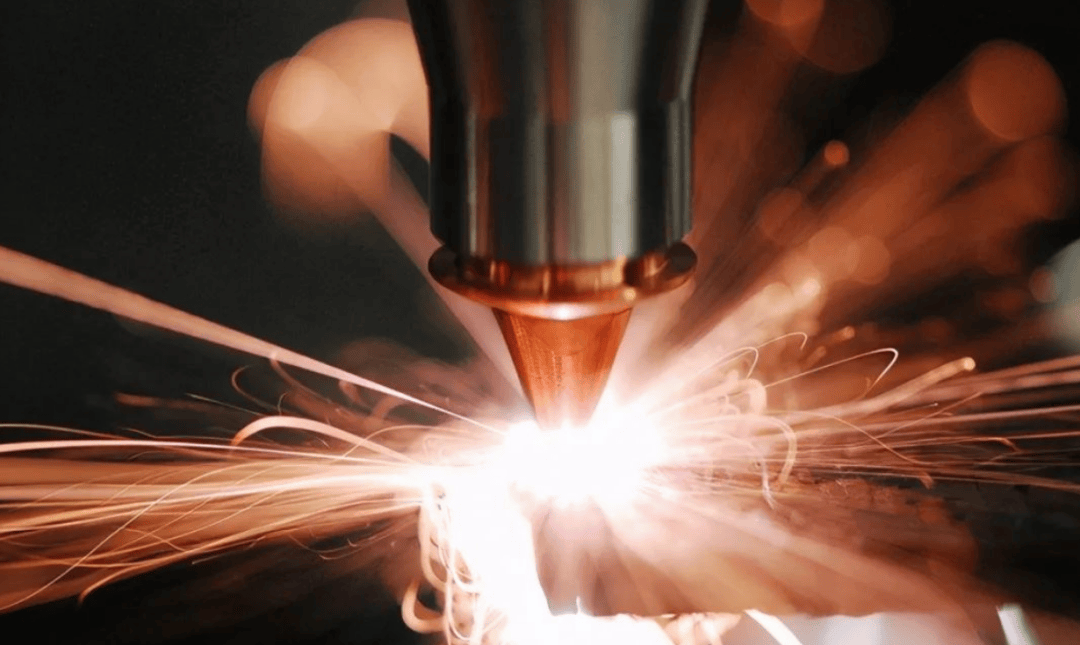
The downstream applications of laser sources are extraordinarily diverse — cutting, welding, marking, cleaning, optical communications, medical, precision machining, sensing, defense, and lithography — and each segment has its own independent growth logic and localization rhythm. This chapter breaks down ten core verticals one by one and closes with a cross-segment comparison table to provide a reference framework for investment and research.
8.1 Laser Cutting: The Ten-Kilowatt Race and the New Engine of Battery Cell Production
8.1.1 Market Size and Structure
Laser cutting is the single largest application segment in the entire laser industry. The Chinese laser cutting equipment market reached approximately RMB 36.85 billion in 2024 and is expected to exceed RMB 40 billion in 2025. In terms of technology mix, fiber laser cutting machines account for approximately 62%, with 30 kW machines having become the mainstream configuration; CO2 laser cutting machines account for approximately 18%; ultrafast laser cutting equipment accounts for approximately 12%, growing at an annual rate exceeding 40%; and specialty laser cutting systems account for approximately 8%. Fiber lasers operating at approximately 1,070 nm are absorbed by metals far more efficiently than CO2 lasers, have a smaller focused spot size, and require lower operating and maintenance costs, giving them a dominant position in metal cutting.
8.1.2 Domestic Breakthroughs in the 10 kW+ Tier
The power segment above 10 kW has been the most fiercely contested arena in the laser cutting industry over the past four years. Domestic 10 kW+ fiber laser shipments reached approximately 21,000 units in 2024, growing 40% year-on-year; by 2025, the domestic market share in the 10 kW+ fiber laser segment is expected to exceed 70%, a dramatic leap from a share of less than 30% during the mid-power era. The transformation is driven by the dual-engine of Raycus Laser (300747) and MAX Photonics — Raycus's sales of 10 kW+ products grew 135% year-on-year in 2024, lifting its market share to 38%; MAX Photonics also released a high-power product in 2024 that was reported by media to have achieved a measured output of 170 kW.
Price pressure and market share shifts are two sides of the same coin. Prices for 10 kW lasers fell by approximately 60% over four years; after domestic substitution, procurement costs for cutting machine OEMs dropped sharply, continuously raising laser processing penetration among sheet metal manufacturers while essentially squeezing IPG out of this segment.
8.1.3 Battery Electrode Cutting: The New Engine with 150% Annual Growth
New energy vehicles and aerospace together contribute more than 50% of the incremental demand for laser cutting. Among these, demand for laser cutting of lithium-ion battery electrodes is growing at approximately 150% per year, the fastest-growing sub-direction in the entire cutting segment. Electrode cutting requires high speed, a small heat-affected zone, and burr-free edges; high-power continuous-wave fiber lasers and ultrafast lasers are forming a complementary supply: the former for high-speed cutting of thick materials, the latter for ultra-thin precision electrodes. The Yangtze River Delta contributes approximately 45% of output value, the Pearl River Delta holds approximately 40% of market share, and Wuhan Optics Valley is the center of technological innovation — this three-pole structure underpins the sector's resilience.
8.2 Laser Welding: Full-Process Coverage for Power Battery Manufacturing
8.2.1 Market Size and Segmentation
The Chinese laser welding equipment market in 2024 was approximately RMB 16.5 billion in the broad definition (including complete turnkey systems) and approximately RMB 12.25 billion in the narrow definition of laser welding turnkey equipment revenue, representing year-on-year growth of 6.3%. These two figures coexist depending on whether automated line bodies and fixture integration are included. In terms of application scenarios, power battery welding and automotive body-in-white welding together constitute the backbone of industry demand.
8.2.2 Power Batteries: End-to-End Coverage from Electrode to Module
Laser welding demand for power batteries spans the full workflow — electrode sheets, terminals, top caps, and module busbars — with each step requiring high-power pulsed or continuous-wave fiber lasers. United Winners Laser (688518) is deeply focused on this direction, possesses in-house laser manufacturing capability, supplies core equipment to leading battery manufacturers such as CATL and BYD, and holds approximately 26% of the domestic market share. Copper–aluminum dissimilar metal welding achieves improved weld metallurgical quality through precision micro-pulse timing control. The energy storage boom combined with growing new energy vehicle volumes represents the most certain source of incremental demand for laser welding from 2024 to 2026.
8.2.3 Automotive Body-in-White and Aluminum Lightweight Trends
Fiber laser welding has been widely adopted to replace resistance spot welding on body-in-white components including roof panels, side panels, doors, and floor panels, delivering higher joint strength and narrower weld beads. The aluminum lightweighting trend has increased laser welding penetration; aluminum is sensitive to heat input, and the small heat-affected zone of laser processing precisely compensates for the stability shortcomings of resistance spot welding. Laser flying welding has been deployed at scale in new energy vehicle body and battery pack integrated manufacturing.
8.3 Laser Marking: MOPA Precision for Consumer Electronics
8.3.1 Segment Size and Technical Logic
Laser marking is one of the highest-volume, lowest-average-power, and most thoroughly penetrated subcategories in the laser product family. Consumer electronics (QR codes and serial numbers on phone components), semiconductor wafer identification marking, and permanent identification of medical devices and automotive parts are the three core application scenarios.
The MOPA (master oscillator power amplifier) architecture is the mainstream technical approach for consumer electronics marking. Its core advantage lies in the ability to independently control pulse width and repetition rate, enabling white marking on dark anodized aluminum panels (the typical process for iPhone body serial numbers) and completing fine identification marks without damaging the substrate. The global MOPA benchtop laser marking machine market was approximately USD 740 million in 2023 and is expected to grow to approximately USD 1.06 billion by 2030, representing a CAGR of approximately 5.3%.
8.3.2 JPT Electronics' Competitive Moat
JPT Electronics (688025) is China's leading MOPA laser manufacturer. Revenue in 2024 reached RMB 1.454 billion (+18.62%), with the laser product segment exceeding RMB 700 million, covering leading consumer electronics customers and new energy lithium battery applications. The marking segment's growth rate is moderate, closely tied to the consumer electronics upgrade cycle; because power levels are low and the technical barrier is relatively modest, the domestic content rate is extremely high, and competition has shifted to precision, reliability, and service.
8.4 Laser Cleaning: The "Slow Variable" of the Industrial Cleaning Market
8.4.1 Market Size and Growth Rate
The Chinese laser cleaning machine market was approximately RMB 1.962 billion in 2024, while the global market was approximately RMB 6.275 billion, with a global CAGR of approximately 14.61% from 2024 to 2029. The absolute scale is not large, but growth ranks in the upper-middle tier among laser segments. Laser cleaning currently accounts for only approximately 1% of the total industrial cleaning market (which exceeds RMB 100 billion), and the long-term narrative for this segment is built on abundant substitution headroom.
8.4.2 New Energy Vehicles and Aerospace Are the Core Drivers
In new energy vehicle manufacturing, laser de-oxidation processes have replaced approximately 80% of chemical cleaning workflows, and laser electrode pre-coating cleaning and component rust and contamination removal have also been deployed at scale. Environmental compliance pressure on chemical cleaning provides additional policy tailwinds for laser cleaning substitution. Coating stripping from titanium alloy components in aerospace applications is another high-value direction, with purchases of high-power laser cleaning equipment growing approximately 30% annually; tire mold cleaning is a mature, high-volume but lower unit-price scenario.
The commercialization pace of laser cleaning is slow, constrained by high per-unit equipment prices and the need for specialized operation. As high-power laser costs continue to decline, accelerated market penetration is expected between 2026 and 2030.
8.5 Datacom Lasers: Structural Explosion Under the AI Compute Boom
8.5.1 Datacom Optical Modules: RMB 24.92 Billion and the 800G Shipment Wave
Optical communications lasers are the laser segment most directly impacted by the AI compute wave. The Chinese datacom optical module market was approximately RMB 24.92 billion in 2024 and is expected to exceed RMB 46.5 billion by 2029; on a global basis, the market exceeded USD 62.5 billion in 2023 and is expected to reach USD 258 billion by 2029, representing a CAGR of approximately 27% — the highest growth rate across all laser segments.
Global 800G optical module shipments exceeded 9 million units in 2024, with China accounting for approximately 30%; 1.6T optical module demand is expected to reach approximately 3–5 million units in 2025. The share of laser chips in optical module cost rises from below 26% to above 50% as speeds increase, making them the most critical incremental value layer in the optical module chain.
8.5.2 EML, VCSEL, and the Laser Chip Landscape
Optical communications laser device architecture is divided by speed and distance: DFB (distributed feedback lasers) dominate 100G and below at short to medium distances; EML (electro-absorption modulated lasers) dominate 100G+ at medium to long distances, with 200G EML shipments in 2025 expected to exceed 15 million units, growing more than 200% year-on-year; VCSEL (vertical-cavity surface-emitting lasers) serve short-distance high-density interconnects. Internationally, Lumentum, Coherent (formerly II-VI), and Broadcom/Avago dominate high-end chip supply; domestically, HGTECH is one of the few enterprises capable of developing DFB/EML in-house, but its high-speed EML production capacity remains limited.
8.5.3 InnoLight and Eoptolink: China's Advantage on the Packaging Side
InnoLight (300308) ranks first globally among optical module vendors, and Eoptolink (300502) ranks third; together they contribute 7 of the global top 10. China's advantage is concentrated in the module packaging and integration layer, while upstream laser chips remain predominantly imported. The longer the AI compute expansion cycle lasts, the longer the high growth rate in this segment can be sustained.
8.6 Medical and Aesthetic Lasers: Multi-Segment, Consumer Upgrade-Driven
8.6.1 Market Size
The Chinese aesthetic laser instrument market was approximately RMB 3.8 billion in 2024; the global aesthetic laser market was approximately USD 1.845 billion and is expected to reach approximately USD 13.191 billion by 2030, representing a CAGR of approximately 11.14%. The overall aesthetic medicine market (including non-laser modalities) is approximately RMB 309.3 billion; lasers account for only a portion of this, but penetration continues to rise.
8.6.2 Sub-Scenarios and Laser Types
Ophthalmology is the most mature laser medical application: femtosecond laser corneal refractive surgery (LASIK/SMILE) achieves damage-free ablation with ultra-short pulses; ophthalmic laser equipment is predominantly imported, with domestic substitution progressing; retinal laser photocoagulation (532 nm green light) and glaucoma YAG lasers already have domestically made devices in clinical use. Dermatology covers pigmentation removal (picosecond lasers, Q-switched Nd:YAG), hair removal (long-pulse semiconductor lasers), and fractional CO2 resurfacing; picosecond instruments and IPL (intense pulsed light) devices are penetrating the home-use market. On the surgical side, CO2 laser scalpels and Ho:YAG lithotripsy machines are established clinical tools. Overall gross margins are high, but Class III medical device registration requirements represent a significant barrier to entry.
8.7 Ultrafast Lasers: The Crown of Precision Processing, Domestic Substitution Mid-Climb
8.7.1 Market Size and High Growth Rate
Ultrafast lasers (picosecond/femtosecond, with pulse widths in the ps–fs range) are among the highest-growth and most strategically valuable segments for domestic substitution in the current laser industry. The Chinese ultrafast laser market was approximately RMB 4.53 billion in 2024, with a CAGR of approximately 16.61% from 2019 to 2024; it is expected to reach approximately RMB 5.12 billion in 2025 and approximately RMB 15.8 billion in 2030. In terms of product mix, picosecond lasers account for approximately 85% and femtosecond lasers account for a smaller share but are growing faster — femtoseconds offer irreplaceable performance in micro-nano manufacturing and biomedical applications and represent the primary incremental direction for the next phase.
The core value of ultrafast lasers lies in "cold processing" — ultra-short pulses deposit energy before heat can diffuse through the material, reducing the heat-affected zone to near zero and making them the only viable solution for semiconductor wafer dicing, OLED screen cutting, and fine processing of consumer electronics glass.
8.7.2 Semiconductor Wafers and OLED Displays: Demand Anchors with Volume and Price Rising Together
In wafer dicing for semiconductor advanced packaging (TSV, Chiplet heterogeneous integration), ultrafast lasers replacing blade dicing can reduce chipping from several micrometers to sub-micrometer levels. 5G phone antenna LDS (laser direct structuring) processing, OLED screen edge cutting, and Mini-LED substrate micro-hole processing are the highest-density ultrafast laser demand scenarios. In lithium-ion electrode cutting, ultrafast lasers improve thin electrode quality with minimal heat-affected zones and are being added to high-end production lines; laser doping and scribing for photovoltaic PERC/TOPCon cells are also sources of volume demand.
8.7.3 Domestic Substitution: InnoLaser and HGLaser Lead, High-End Femtosecond Still Lags
Among representative domestic ultrafast laser enterprises, InnoLaser (301021) achieved revenue of RMB 447 million in 2024, growing 21.41% year-on-year, with a gross margin of 44.01% and net profit growing 585% year-on-year — one of the financially strongest domestic ultrafast laser candidates; HGLaser (Wuhan) covers industrial picosecond/femtosecond applications. However, high-end femtosecond lasers (particularly those for scientific research and the most precise micro-machining applications) remain predominantly dependent on imports from Coherent (Monaco series), Spectra-Physics (a subsidiary of MKS Instruments), and TRUMPF (TruMicro series). Domestic parameters have approached the commercial-use threshold, but gaps in reliability and consistency represent a genuine obstacle rather than a technical routing problem — this is the hardest stretch in the last mile of ultrafast laser domestic substitution. Overall, the domestic content rate for domestic ultrafast lasers is approximately 30%–50%, still in the middle of the climb.
8.8 UV Lasers (355 nm): A Rapid Domestic Breakthrough Exceeding 90% Localization
8.8.1 Home Ground for PCB Drilling and Glass Cutting
UV lasers (wavelength 355 nm, third-harmonic Nd:YVO4 solid-state lasers) are a critical tool for PCB micro-hole processing and precision glass cutting. In PCB laser processing, UV lasers can drill minimum hole diameters of 25 μm, dedicated to high-density interconnect (HDI) boards and IC substrates; CO2 lasers account for approximately 79% of unit volume but UV lasers are irreplaceable in the highest-end aperture precision scenarios. The global PCB laser drilling machine market was approximately USD 967 million in 2024 and is expected to reach USD 1.527 billion by 2031, representing a CAGR of approximately 6.8%, with communications applications accounting for approximately 34% as the largest downstream segment.
Precision glass cutting is another core application for UV lasers: consumer electronics cover glass, OLED substrates, and optical glass components all rely on UV lasers' high photon energy and minimal heat-affected zone. Laser direct imaging (LDI), replacing traditional film exposure, is also widely used in mid-to-high-end PCB precision alignment scenarios (with line width/spacing achievable below 30 μm).
8.8.2 Domestic Content Rate >90%: The Path to Rapid Breakthrough
The UV laser (355 nm) domestic content rate has exceeded 90%, with substitution progressing noticeably faster than ultrafast femtoseconds (approximately 30%–50%). The technical path is relatively clear (third-harmonic solid-state laser, with core value in nonlinear crystals); Fujian Castech (002222) holds three global number-one positions in the nonlinear crystal fields of LBO, BBO, and Nd:YVO4, providing critical upstream support for domestic UV lasers. It should be noted that domestic UV lasers still lag behind imports in reliability for top-tier 3C precision machining scenarios; the 90%+ figure reflects penetration in the low-to-mid-end market, not full quality-grade coverage.
8.9 Automotive LiDAR: 60% High Growth, Hesai and Huawei in the Lead
8.9.1 Market Size and Vehicle Installation Acceleration
The global automotive LiDAR market was approximately USD 861 million in 2024, growing approximately 60% year-on-year — among the highest growth rates of any hardware sensor category that year. The Chinese LiDAR market was approximately RMB 13.96 billion. The penetration of intelligent driving features from premium flagship vehicles into vehicles priced below RMB 200,000 is the direct driver of rapid LiDAR installation growth; Hesai Technology's December 2024 monthly deliveries exceeded 100,000 units, and its 2025 planned production capacity exceeds 2 million units per year; RoboSense sold 234,500 automotive LiDAR units in the first half of 2024, up 487.7% year-on-year — both reflecting the scale of this trend.
Competitive landscape in the Chinese market for the first half of 2025: Hesai approximately 33%, Huawei approximately 30.2%, RoboSense approximately 27.4%, with the top three together accounting for approximately 90%.
8.9.2 905/940/1550 nm and Detection Scheme Routes
Automotive LiDAR laser wavelength routes divide into three branches: 905/940 nm pulsed semiconductor lasers are low-cost, have a mature supply chain, and are the current mainstream for mass vehicle installation; 1550 nm is safer for human eyes and offers longer detection range but at higher cost; SPAD (single-photon avalanche diode) and FMCW (frequency-modulated continuous wave) coherent detection are two detection approaches, with FMCW additionally capable of velocity measurement and strong interference rejection, viewed as the next mainstream direction. LiDAR extending into robotics, low-altitude aviation, and other scenarios will provide long-term incremental demand beyond the automotive segment.
8.10 Defense Lasers and EUV Lithography Light Sources: The Two Poles of Strategic High Barriers
8.10.1 Military Lasers: RMB 24.678 Billion and Directed Energy
The global military laser systems market was approximately RMB 24.678 billion in 2024 and is expected to reach approximately RMB 45.731 billion by 2029; the military laser weapons sub-segment is approximately RMB 4.34 billion, with a CAGR of approximately 9%.
Military laser applications cover laser ranging and target designation (Nd:YAG 1,064 nm pulsed, domestically localized), laser guidance (1,064 nm encoded pulses), laser communications (1,550 nm narrow-linewidth fiber lasers with bandwidth more than 100 times higher than radio frequency), directional infrared countermeasures (DIRCM), and directed energy weapons (tens to hundreds of kilowatts, for counter-UAV and missile intercept). nLIGHT's (U.S.) directed energy defense orders have set consecutive records, providing a direct illustration of how defense laser demand drives the supply chain. China's military airborne laser market was approximately RMB 792 million in 2024, primarily within the defense science and industry system, dominated by non-listed enterprises.
8.10.2 EUV CO2 Lithography Light Source: TRUMPF at 250 W Exclusive, Domestic Only at 10 W
EUV lithography light sources represent the single-point technology with the highest barriers in the global laser industry. ASML's EUV lithography machines use CO2 lasers to bombard tin droplet plasma to generate 13.5 nm extreme ultraviolet light; the CO2 drive laser system is exclusively supplied by TRUMPF, requiring power exceeding 30 kW, with global production capability resting solely with that one company. Domestic production currently only reaches approximately the 10 W scale, more than two orders of magnitude below TRUMPF's 250 W production level. EUV machines are subject to export controls, and China cannot obtain the complete system; the technology gap in CO2 light sources also means there is no near-term domestic substitution path in this direction.
At the DUV excimer laser (ArF 193 nm, KrF 248 nm) level, the global market is dominated by Cymer (acquired by ASML in 2013) and Japan's Gigaphoton; domestically, Keyi Photonics (incubated by the Institute of Semiconductors, Chinese Academy of Sciences) has broken the excimer laser light source monopoly, with products entering certain markets, but performance still falls short of Cymer. Lithography light source localization is one of the most difficult nodes in the entire semiconductor manufacturing self-reliance chain, with strategic value far exceeding its share of the laser market by volume.
8.11 Downstream Segment Cross-Comparison Table
| Segment | 2024 China Market Size | Growth / CAGR | Core Drivers | Domestic Content | Representative Companies |
|---|---|---|---|---|---|
| Laser cutting | ~RMB 36.85 billion | High, 10 kW+ +40% | NEVs, sheet metal, electrodes | 10 kW+ >70% (2025E) | Raycus, MAX Photonics, Han's Laser |
| Laser welding | ~RMB 12.25–16.5 billion | Steady +6%+ | Power batteries, body-in-white, energy storage | Mid-high, United Winners leads | United Winners Laser, HGTECH, Han's Laser |
| Laser marking (MOPA) | ~USD 740 million globally | CAGR 5.3% | Consumer electronics serial number marking | Extremely high, fully localized | JPT Electronics |
| Laser cleaning | ~RMB 1.962 billion | CAGR 14.61% | NEV replacement of chemical cleaning | Mid-high, hardware already domestic | Fragmented, no clear leader |
| Datacom optical module lasers | ~RMB 24.92 billion | CAGR 27% (global) | AI compute 800G/1.6T | Packaging strong, chips weak | InnoLight, Eoptolink |
| Medical and aesthetic lasers | ~RMB 3.8 billion | CAGR 11.14% | Dermatology aesthetic medicine upgrade | Mid-low, imports still dominant | Fragmented, import brands dominant |
| Ultrafast lasers | ~RMB 4.53 billion | CAGR 16.61% | Wafer/OLED/consumer electronics glass | ~30%–50%, mid-climb | InnoLaser, HGLaser |
| UV lasers (355 nm) | Included in PCB/glass cutting | CAGR 18.14% (global) | PCB HDI drilling, cover glass | >90%, rapid breakthrough | JPT Electronics and other domestic vendors |
| Automotive LiDAR | ~RMB 13.96 billion | Global +60% | Intelligent driving feature democratization | Mid-high, domestic leads vehicle installs | Hesai, Huawei, RoboSense |
| Defense lasers | ~RMB 24.678 billion (global) | CAGR 9% | Directed energy, laser guidance, communications | Differentiated (low-end localized) | Defense science and industry system |
| EUV CO2 light source | Strategic importance exceeds market size | — | Sub-7 nm advanced process nodes | Domestic only ~10 W, gap is enormous | TRUMPF exclusive, domestic blank |
8.12 Consolidated Assessment: Structural Dividing Lines Across Ten Segments
A cross-segment comparison of ten verticals yields three structural judgments.
First, the largest by volume is not the fastest growing. Laser cutting commands absolute dominance at RMB 36.85 billion, but its growth rate is anchored to overall manufacturing activity; datacom optical module lasers (CAGR 27%) and ultrafast lasers (CAGR 16.61%) grow far faster than the core base, representing the structural direction of industry evolution toward greater precision and intelligence.
Second, domestic content rates exhibit a "low at both ends, high in the middle" distribution. Mid-to-low-power fiber lasers, marking, and UV lasers have domestic content rates exceeding 90%; the competitive battleground has shifted from "can we make it?" to "can prices fall further?"; ultrafast femtoseconds (30%–50%) and optical communications laser chips (import-dominated) are in the "mid-climb" zone and represent the areas with the greatest domestic substitution upside over the next five years; EUV lithography light sources are in the "no current path" category — the gap does not lie in production engineering capability but in the accumulated foundation of fundamental physics and engineering.
Third, AI compute and new energy are the common engines across segments. Datacom optical module lasers directly benefit from the bandwidth demands of AI training clusters; cutting, welding, and cleaning have each found high-growth sub-directions within battery manufacturing; ultrafast lasers continue to open incremental space as advanced packaging and OLED capacity expands. These three segments share the same macro driver, giving the laser industry a degree of counter-cyclical buffering against fluctuations in manufacturing activity.
Chapter 9 Technology Evolution Trends
The technology roadmap for laser sources is not a one-way street. Fiber lasers, ultrafast lasers, ultraviolet lasers, semiconductor lasers, and CO2 lasers — five main lines evolving in parallel, yet intertwined on the application side. Within each line, three dimensions are simultaneously rolling forward: the power ladder, the wavelength window, and the pulse format. Understanding the evolution dynamics of these dimensions is a prerequisite for assessing the progress of domestic substitution and the investment logic of the industry.
This chapter focuses on mechanisms and paths: why fiber lasers can progress from kilowatts to 200 kW; how the "cold processing" advantage of ultrafast lasers is industrialized; why UV lasers could complete domestic substitution in a short time; what distinct challenges each of the three directions of semiconductor lasers faces; and exactly where the six hardest-to-crack bottlenecks in the current domestic substitution chain actually lie.
9.1 Fiber Laser Power Ladder: The Domestic Leap from Kilowatts to 200 kW
9.1.1 Ladder Logic: Why Power Can Keep Doubling
The path to higher power in fiber lasers is essentially the co-optimization of three physical quantities: pump brightness (photon density injected per unit area), the per-fiber load limit of the gain fiber, and the coherent combining efficiency of beam combiners for multiple modules.
Pump brightness determines the output ceiling of a single laser module. As the power of a single-emitter pump chip rises from 20 W to 50 W and then to above 100 W, the number of pump modules required per laser decreases, the thermal dissipation path shortens, and overall system efficiency improves. On the gain fiber side, the design of Yb-doped double-clad fiber determines the stimulated amplification efficiency of photons within the core; at high power levels, large mode area (LMA) cores are needed to suppress nonlinear effects while maintaining good beam quality (M² value). Beam combining technology linearly stacks power by merging the outputs of multiple independent laser modules in spatial or wavelength dimensions, and is the core means of reaching the 100 kW scale.
Continuous breakthroughs across these three dimensions mean that fiber laser power is able to scale by roughly an order of magnitude every three to four years.
9.1.2 <1 kW and 1–6 kW: Domestic Substitution Essentially Saturated
The domestic content rate for fiber lasers below 100 W exceeds 98%, and the market has entered a phase of full competition. Technical barriers in this power range are low; the primary competitive dimensions have shifted from technology to cost and delivery time.
In the 1–3 kW power segment, domestic laser market share was 97.3% in 2022; in the 3–6 kW segment, domestic penetration jumped from 15.8% in 2018 to 95.7% in 2022, essentially completing the substitution of imported brands such as IPG. The speed of substitution in this phase was closely associated with Raycus Laser (300747), MAX Photonics, and other enterprises achieving significant factory-gate price reductions through scaled production — the factory-gate price of a 6 kW fiber laser fell by more than 60% within five years, directly lowering the complete-machine cost threshold for laser cutting equipment and driving broader adoption of laser processing among small and medium-sized manufacturers.
9.1.3 10 kW+ (>10 kW): From Breakthrough to Mainstream
The 10 kW tier is the true watershed in the industrial laser market. Cutting thick steel plate above 20 mm, ship profiles, and heavy engineering structural components all rely on this power segment. Raycus Laser developed China's first 10 kW industrial fiber laser in March 2013, making China the second country in the world to master the technology.
By 2023, the domestic penetration rate in the 6–10 kW power segment reached 58.6%, with the above-10 kW segment approaching 70%. In 2024, domestic 10 kW+ fiber laser shipments reached approximately 21,000 units, growing approximately 40% year-on-year. The domestic market share in the 10 kW+ segment is expected to exceed 70% in 2025, meaning domestic substitution in this power tier has moved from a "breakthrough phase" into a "mainstream phase."
On the application side, penetration of 10 kW lasers in shipbuilding, heavy industry, and rail transit equipment manufacturing is accelerating. Battery electrode laser cutting demand is growing approximately 150% annually, providing ample incremental room for the cutting equipment that pairs with 10 kW+ lasers.
9.1.4 100 kW+ (>100 kW): Raycus Sets a Global Record at 200 kW
Ultra-high-power lasers are the current frontier of technology and the most visible showcase for domestic substitution progress.
Raycus Laser has expanded its ultra-high-power product line to cover multiple power nodes at 60 kW, 80 kW, 100 kW, and 120 kW, and in September 2024 completed the world's first commercial sale of a 200 kW continuous fiber laser. The product achieves four world firsts: the world's first 200 kW commercial application, highest brightness in the 100 kW+ class, best price-to-performance ratio, and highest cutting thickness and speed.
The technical breakthrough in the 200 kW system is not simply a matter of stacking modules. Raycus collaborated with the University of South China over six months to independently develop a new-generation R-QS output cable, ultra-high-power beam combiner, and intelligent control system, solving the two major challenges of beam quality degradation and thermal effect accumulation in high-power transmission paths. Compared to conventional solutions, cutting efficiency improves by approximately 30%, and the system is being extended to batch orders in the shipbuilding and heavy industry sectors.
MAX Photonics (unlisted) also released a 160 kW (tested at 170 kW) product in 2024; media and broker estimates indicate that its revenue in the first half of 2023 was approximately RMB 1.9 billion (up approximately 75% year-on-year), and the 100 kW+ segment has taken on a dual-leader format with Raycus and MAX Photonics running in parallel.
From a technical mechanism standpoint, the key to achieving the 100 kW+ level lies in simultaneously advancing beam combining efficiency and thermal management capability. A beam combiner merges the outputs of multiple independent gain modules in the spatial dimension; the beam quality (M²) of each individual module must be sufficiently good for the combined total brightness to approach the theoretical ceiling. At the same time, nonlinear effects in high-power fiber such as stimulated Brillouin scattering (SBS) and stimulated Raman scattering (SRS) intensify markedly as power increases; suppressing these effects requires specially designed large-mode-area gain fiber and strict signal modulation strategies.
9.2 Ultrafast Lasers: Precision Machining Advantages of Picosecond and Femtosecond
9.2.1 Cold Processing Mechanism and Application Boundaries
The core advantage of ultrafast lasers lies in their extremely short pulse width (picosecond ps = 10⁻¹² s, femtosecond fs = 10⁻¹⁵ s); the interaction time between the laser pulse and the material is far shorter than the material's thermal diffusion time (approximately 10⁻¹⁰ s). This means energy cannot conduct to surrounding material; only at the focal point does multiphoton absorption and plasma ablation occur, producing the so-called "cold processing" effect — clean cuts, a near-zero heat-affected zone, no remelted layer, and no micro-cracks.
This characteristic is irreplaceable in the following scenarios:
- Ultra-thin glass and OLED panel cutting: phone cover glass and flexible screen FPC substrates — femtosecond lasers can cut smooth cross-sections, avoiding the chipping and cracking of conventional cutting methods;
- Semiconductor wafer scribing and stealth dicing: laser focus inside the wafer generates a modification layer along the crystal plane, which is then cleaved by external force, yielding significantly better results than diamond scribing;
- Precision medical device machining: catheter fenestration and cardiac stent carving, with precision requirements at the micrometer level;
- Photovoltaic cell precursor fine groove processing: laser edge isolation scribing for high-efficiency heterojunction cells (HJT).
9.2.2 Picosecond as Mainstream, Femtosecond Extending to the High End
The Chinese ultrafast laser market was approximately RMB 4.53 billion in 2024, with a CAGR of approximately 16.61%; picosecond lasers account for approximately 85% of the share. Picosecond strikes a good balance between pulse width and system complexity — it can achieve "quasi-cold processing" while being more easily operated in stable industrial environments than femtosecond lasers, and the design freedom for oscillators and amplifiers is also greater.
Femtosecond lasers are indispensable in scenarios requiring higher precision, but system integration is more complex; the long-term stability of pulse compression elements (chirped pulse amplification, CPA architecture) and ultra-precision optical alignment are engineering challenges.
On the domestic side, InnoLaser (301021) is one of only a handful of enterprises globally with the core technology and mass production capability for the full series from nanosecond, sub-nanosecond, picosecond to femtosecond. Revenue in 2024 reached RMB 447 million (up 21.41% year-on-year), with a gross margin of 44.01% — significantly above fiber laser complete-machine manufacturers. HGLaser (Wuhan) has raised the domestic content rate of the core components of ultrafast laser sources — seed sources, polarization-maintaining fiber, specialty fiber, chirped gratings, and pump modules — from 30% to over 95%, one of the most comprehensive domestic substitution cases for ultrafast lasers in China.
9.2.3 High-Power Thin-Disk Ultrafast: The Technology Frontier
One frontier direction in high-power ultrafast lasers is the thin-disk (Thin-Disk) architecture. A thin-disk laser uses an extremely thin (approximately 0.1–0.3 mm) gain crystal as the active medium, with a heat sink bonded to its back surface, virtually eliminating the thermal lens effect, while pushing average power to the kilowatt level while maintaining high beam quality (M² approaching 1). TRUMPF is the inventor of this technology, and its TruMicro series thin-disk ultrafast lasers are globally leading in industrial applications. China is still in a catch-up phase in the direction of high-power thin-disk ultrafast lasers, with an estimated domestic content rate below 20%, making it one of the key ultrafast laser technology development targets for the next five years.
9.3 UV Lasers (355 nm): The Fastest-Completed Domestic Substitution
9.3.1 Material Processing Advantages of Short Wavelengths
355 nm UV lasers convert 1,064 nm fundamental light to 355 nm short-wavelength output via third-harmonic generation; single-photon energy is approximately three times that of infrared light. The shorter wavelength delivers two direct advantages: first, a smaller focused spot size (diffraction limit is proportional to wavelength), enabling spatial resolution at the sub-micrometer level; second, for most materials (glass, ceramics, resin), absorption coefficients in the UV band are significantly higher than in the infrared, so photons directly break bonds and processing efficiency is higher.
This makes UV lasers the preferred tool for PCB micro-hole drilling: HDI high-density interconnect boards and FPC flexible circuits require blind-hole diameters below 50 μm with smooth hole walls and accurate positioning — these metrics can only be reliably achieved by UV lasers. Beyond PCBs, ultra-thin consumer electronics glass cutting, semiconductor packaging ceramic substrate scribing, and AR/VR optical glass microstructure processing are also major applications.
9.3.2 Domestic Content Rate Exceeding 90%: Why It Outpaced Other Categories
Approximately 42,000 UV lasers for precision laser processing were shipped in China in 2023, for a market size of approximately RMB 1.25 billion; domestically made equipment accounted for more than 90%, with nanosecond UV lasers holding approximately 70% market share. This domestic content rate is second only to low-power fiber lasers among all Chinese laser sub-categories, surpassing ultrafast lasers (approximately 30%–50%) and high-power pump chips (approximately 40%–60%).
Three reasons account for the rapid substitution: first, the core gain medium for UV lasers is primarily Nd:YVO4 and similar crystals, and Fujian Castech (002222) ranks globally first across three categories of nonlinear crystals (LBO/BBO/Nd:YVO4), forming a complete domestic upstream crystal materials supply chain; second, the system integration complexity of nanosecond pulsed UV lasers is lower than for ultrafast lasers, allowing domestic manufacturers to close the performance gap with imported products relatively quickly; third, the PCB manufacturing supply chain is highly domesticized, domestic procurement decision-makers have substantial bargaining power over equipment purchases, and buyers have a clear willingness to shift to domestic alternatives.
In the picosecond/femtosecond UV laser (355 nm ultra-short pulse) area, the domestic content rate is approximately 30%–50%, with considerable remaining import substitution potential; this is the focus of product competition in the next phase. Representative enterprise InnoLaser already has batch supply capability for industrial deep UV (DUV) lasers and holds a first-mover advantage in this direction.
9.4 Semiconductor Lasers: Three Directions, Three Challenges
Semiconductor lasers (LDs) are the energy foundation layer of the entire laser industry — the pump sources for fiber lasers come from them, direct diode lasers (DDL) for direct processing are them, and the transmitter chips for automotive LiDAR are also them. Three directions share the same technical foundation (semiconductor epitaxial wafer growth and chip fabrication), yet address completely different application scenarios; the domestic substitution challenges each faces are not the same either.
9.4.1 Pump Chips: Single-Emitter >200 W is the Hardest Bottleneck
Driving a 10 kW fiber laser requires multiple high-brightness 976 nm pump laser diodes to be coupled into the gain fiber. The higher the pump chip power, the fewer pump modules a single laser needs, the shorter the thermal dissipation path, and the higher the system integration level.
Currently, Everbright Photonics (688048), the leading domestic enterprise, has a mass-produced 50 W high-power semiconductor laser chip with a 330 μm emitter width and electro-optical conversion efficiency no less than 62%; its dual-junction single-emitter chip has broken through 132 W continuous room-temperature output. This represents the highest domestic level, but there is still a clear technology gap compared to the 300–400 W fiber-coupled modules already in mass production from Coherent (formerly II-VI) and nLight — in 2025, nLight completed an upgrade of its epitaxial wafer capacity, with single-module power now reaching 400 W.
The root of the gap lies in two process steps: epitaxial wafer design (InGaAs/AlGaAs strained quantum well structures, with extremely high MOCVD growth precision requirements) and thermal packaging process (microchannel cooling). The core equipment (MOCVD systems) and materials (high-purity metalorganic precursors) that these two steps depend on come predominantly from Europe and the United States, constituting a dual constraint. The overall domestic content rate for pump chips is approximately 40%–60%, but for high-end narrow-linewidth (<0.5 nm) high-power pump chips the domestic content rate is below 30%, representing the most critical strategic choke point in the laser industry supply chain.
9.4.2 Direct Diode Lasers (DDL): Practical Breakthrough in Electro-Optical Efficiency
DDL uses semiconductor chips directly as the processing light source, eliminating the laser chip → gain fiber → output conversion chain in fiber lasers; electro-optical efficiency can reach 40%–60%, offering unique advantages in industrial heating, metal surface quenching and cladding, medical aesthetic curing illumination, and similar applications.
The core technical challenge for DDL is optimizing the beam parameter product (BPP). Semiconductor chip fast-axis (perpendicular to junction) divergence is large and slow-axis (parallel to junction) divergence is relatively small; beam quality is asymmetric between the two axes, and the aggregate BPP after multi-beam combining degrades noticeably. German companies Laserline and Coherent still lead in high-brightness combining; domestic manufacturers can meet mid-to-low-end application needs, but high-brightness DDL products targeting high-precision processing still have a gap.
9.4.3 LiDAR Chips: 905 nm Largely Self-Sufficient, 1,550 nm Awaits Breakthrough
Automotive LiDAR is one of the highest-growth downstream markets for semiconductor lasers. The global automotive LiDAR market was approximately USD 861 million in 2024, growing approximately 60% year-on-year.
LiDAR primarily operates at two wavelengths, 905 nm (gallium arsenide, GaAs) and 1,550 nm (indium phosphide, InP), with the global market split approximately 69% for 905 nm and 14% for 1,550 nm. The 905 nm supply chain is relatively mature, with domestic content exceeding 60%; the main procurement of mainstream LiDAR manufacturers such as RoboSense, Hesai Technology, and DJI's Livox has been localized.
The challenges are greater for 1,550 nm. InP epitaxial process complexity is significantly higher than GaAs; both manufacturing yield control and high-temperature reliability qualification require more engineering time to accumulate. The current domestic content rate for 1,550 nm laser chips is below 30%, with key components depending on overseas suppliers such as Coherent (II-VI). At the same time, for SPAD single-photon avalanche diode detectors, Sony still dominates high-end 1,550 nm SPAD supply, and Chinese domestic production is primarily in low-to-mid-end 905 nm SPAD; 1,550 nm SPAD is another weak link in the domestic LiDAR supply chain.
FMCW (frequency-modulated continuous wave) LiDAR represents the next-generation architecture, enabling velocity measurement through coherent detection and imposing extremely high requirements on laser narrow linewidth and frequency stability; domestic R&D enterprises are catching up but have not yet formed mass-production products.
9.5 CO2 Lasers and EUV Lithography Light Sources: The Highest Ceiling
CO2 lasers (wavelength 10.6 μm) are a mature category for general industrial applications — non-metallic cutting, engraving, and marking — with a high domestic content rate (>70%); enterprises such as Kinglaser (300220) already have the capability for scaled supply.
But the highest-end application of CO2 lasers — EUV lithography light sources — constitutes the highest technical divide in the entire laser industry and the ceiling most difficult for China's laser industry to reach.
ASML's EUV lithography machines use the high-power pulsed CO2 laser system exclusively provided by TRUMPF, illuminating tin (Sn) droplets with high-power pulsed lasers to generate 13.5 nm extreme ultraviolet (EUV) light. Commercial system light source power reaches 250 W, energy conversion efficiency exceeds 5%, and the entire system contains 457,329 components; TRUMPF is ASML's sole global laser source supplier. TRUMPF's FY24/25 revenue was approximately EUR 4.329 billion; although overall profit was pressured by the downstream semiconductor capital expenditure cycle, the EUV light source business remains an irreplaceable competitive moat.
China's current status regarding EUV lithography light sources is objectively one of a very large gap: Lin Nan's team at the Shanghai Institute of Optics and Fine Mechanics is exploring a solid-state laser alternative approach and has achieved LPP-EUV energy conversion efficiency of 3.42%, but the laboratory light source power is only approximately 10 W — a gap of approximately 25× from the commercial 250 W. Optimistically, a domestic EUV lithography light source prototype could appear at the earliest around 2030, with the commercialization timeline even further out. This is not a question of insufficient funding, but is constrained by the engineering accumulation of high-precision pulsed CO2 laser systems, the mechanism for generating ultra-high-purity tin droplet targets, and the millimeter-level assembly precision of the complete optical collection system — a breakthrough in any one of these subsystems takes time.
9.6 Laser Integration: From Single Light Source to Industrial Infrastructure
The development of ultra-high-power lasers is driving the evolution of laser sources from "functional components" to "industrial infrastructure," with integration serving as the core vehicle of this evolution.
The QBH output head is the standardized interface for 10 kW+ lasers, supporting quick-change heads that enable flexible pairing of laser sources with different cutting heads, reducing the integration and commissioning cost of laser processing systems. As 10 kW lasers gradually become standardized, unification of the QBH interface standard becomes a structural force reducing overall industry cost.
Adjustable power and spot size is another important direction for integration. Through ring-core (Ring-Core) technology or dual-path coaxial output, a laser can dynamically adjust the power ratio between the central spot and the ring spot during processing, enabling a single piece of equipment to balance cutting efficiency with heat-affected zone control — particularly important for battery electrode cutting, where a narrow heat-affected zone directly affects battery yield.
On the intelligent control front, Raycus's new generation of ultra-high-power lasers has a built-in intelligent control system supporting closed-loop power feedback and real-time thermal management, enabling automatic optimization of output parameters based on cutting conditions and improving consistency over long-duration runs.
Integration with robots and AGVs represents the direction of lasers entering flexible manufacturing systems. Laser welding robot workstations and laser cleaning AGVs in new energy vehicle production lines have entered a scaled deployment phase; the automated production line for laser welding of battery pack cover plates — exemplified by United Winners Laser (688518) — holds approximately 26% domestic market share. Integration transforms laser sources from tools into production line nodes, shifting purchasing decisions from "buying a laser" to "buying a process solution."
9.7 Six-Layer Bottlenecks in Domestic Substitution: Broken and Unbroken
After the analysis across all directions above, the distribution of bottlenecks in the domestic laser technology chain exhibits a clearly hierarchical structure — the closer to the fundamental energy supply layer, the greater the difficulty of breakthrough.
9.7.1 High-Power Pump Chips (Single-Emitter >200 W Continuous Output)
This is the hardest bottleneck and one of the fundamental reasons why complete-machine costs for laser sources cannot fall further. Mainstream mass-produced single-emitter chip power globally is 50–150 W; Everbright Photonics's 50 W mass-production chip and 132 W dual-junction sample represent the highest domestic level, a clear generation behind the 300–400 W products in mass production from Coherent and nLight. The path to breakthrough lies in the simultaneous improvement of MOCVD epitaxial wafer growth precision and thermal packaging process; the core equipment for both of these process steps is primarily imported, making this a slow variable under a dual constraint.
9.7.2 Ultrafast Laser Gain Media
The large-mode-area photonic crystal fiber (LMA-PCF), specially doped rare-earth fiber (such as high-concentration Yb-doped PCF) required for femtosecond/picosecond ultrafast lasers, as well as Yb:YAG and Yb:KGW crystals needed for thin-disk lasers, are currently still highly dependent on imported supply from Nufern (a Coherent subsidiary), iXblue, and others; the estimated domestic content rate is below 20%. China holds dominant control of global rare earth reserves, but bridging from rare earth oxides to the high-purity rare earth salt precursors suitable for specialty fiber drawing, and then to precision MCVD processes, still requires overcoming process barriers.
9.7.3 Specialty Rare-Earth-Doped Fiber (High Power Segment)
For Yb-doped double-clad fiber targeting the >3 kW power range, the domestic content rate is approximately 60%–70%, with YOFC (601869) and Wuhan Changji Photonics as the main suppliers. In 2024, YOFC's laser fiber business grew 62%, and single-fiber mass-production power has been increased to 12 kW, with 20 kW reached in the development phase. However, more specialized grades needed for high-power ultrafast lasers — large-mode-area polarization-maintaining PCF fiber and radiation-hardening specialty fiber — remain blind spots for domestic production, creating potential supply disruption risk in high-end applications such as semiconductor lithography and aerospace research.
9.7.4 High-Power Beam Combiners (100 kW+ Level)
Beam combiners are the core components for achieving 100 kW+ lasers, precisely aligning and superimposing the outputs of multiple laser modules in the spatial dimension. The 10 kW laser beam combiner independently developed by Advanced Fiber Resources (300620) has reached globally advanced levels, with 2024 revenue growing 41% year-on-year. Raycus independently developed an ultra-high-power beam combiner for its 200 kW system, completing domestic supply chain integration. However, the processing precision and high-power-capable coatings of combiners above 200 kW still have room for improvement; batch manufacturing consistency is the next engineering challenge.
9.7.5 Batch Consistency of Optical Components
Domestically produced individual high-end optical components (high-power fiber Bragg gratings, end caps, isolators) have largely achieved domestic substitution, but batch-to-batch consistency in large-scale mass production — primarily reflected in coating uniformity, stability of splice loss between batches, and consistent attainment of laser-induced damage threshold (LIDT) — remains an implicit threshold constraining the scaled deployment of domestic optical components in high-reliability applications. Leading enterprises such as Advanced Fiber Resources are gradually narrowing the consistency gap with imported products through automated coating production lines and rigorous sampling inspection systems.
9.7.6 EUV Lithography Light Source (CO2 Ultra-High-Power Pulsed Laser)
As noted earlier, the domestic EUV lithography light source is at laboratory level of only 10 W, approximately 25× below the commercial 250 W; this gap is not a simple power engineering problem, but involves system engineering challenges across multiple subsystems including pulse shaping, target material generation, optical collection, and ultra-clean cavity design. A substantive breakthrough in this direction before 2030 is relatively unlikely; this is the only "currently non-localizable" critical node in China's laser industry supply chain.
9.8 Summary: Principal Axes and Judgments in Technology Evolution
The evolution pattern of the fiber laser power ladder is clear: each breakthrough at a new power level requires simultaneous advancement across three dimensions — pump brightness, per-fiber load limit of the gain fiber, and beam combining efficiency. China's commercial realization of 200 kW marks the transition from "catching up" to "running in parallel," but for the 100 kW+ product line to achieve sufficient market scale and accumulate adequate process consistency, another three to five years of volume production validation is still required.
Ultrafast lasers and UV lasers are categories with high technical content but relatively focused market scale. UV laser domestic content has exceeded 90%, benefiting from the domestic crystal materials foundation; ultrafast laser complete-machine domestic content is approximately 30%–50%, with import dependence on gain media as the core bottleneck; the catch-up trajectories of InnoLaser and HGLaser are worth ongoing tracking.
Among the three directions of semiconductor lasers, the 905 nm LiDAR chip has approached maturity domestically and is a near-term realization; high-power pump chips and 1,550 nm LiDAR chips are medium-term development targets, with breakthrough points most likely falling in the 2025–2028 window.
EUV lithography light sources are a long-term goal with a complex engineering path that does not constitute a meaningful variable for investment assessment in the near term. Meanwhile, improvements in beam combiners, specialty fiber, and optical component batch consistency are engineering improvements that can be steadily advanced on the existing foundation and will continue to support cost reduction for domestic laser complete machines.
Chapter 10 Risks and Challenges
10.1 Upstream Import Dependence: Structural Deficits in Chips and Specialty Fiber
In the cost structure of laser sources, upstream components such as laser chips, specialty fiber, beam combiners, and isolators together account for 60%–70% of complete-machine material cost. This proportion means that the gross margin space of midstream laser complete-machine manufacturers is largely constrained by the bargaining power and substitutability of the upstream supply chain.
10.1.1 High-Power Pump Chips: The Most Concentrated Choke Point Risk
Pump source laser chips (pump diodes) are the energy core of fiber lasers, directly determining the output power ceiling and beam quality. The current domestic substitution landscape exhibits a clear power stratification: low-power segment (<50 W single-emitter) domestic supply is stable; in the mid-to-high-power segment (100 W–200 W single-emitter), Everbright Photonics (688048) has achieved the breakthrough of a 50 W single-emitter in mass production and a 132 W dual-junction sample; the overall domestic content rate for high-power laser chips is approximately 40% (2025), a clear improvement from three years ago.
However, the market supply of single-emitter high-power chips above 200 W continues to be dominated by three American companies: Coherent/II-VI, Lumentum, and nLight. All three are U.S.-listed companies; nLight's defense directed energy orders have set historical records in recent years, and Coherent's AI data center laser business has driven its FY25 revenue above USD 5.81 billion. Their commercial focus is tilting toward the higher-margin defense and datacom directions, with the priority placed on the Chinese market not increasing but declining, creating implicit supply risk.
The deeper technical bottleneck lies in epitaxial structure. Domestic laser chip manufacturers generally have back-end packaging and coating capabilities, but the maturity of critical InP (indium phosphide) and GaAs (gallium arsenide) epitaxial wafers still lags behind the international advanced level, and certain key epitaxial wafers still need to be procured from overseas foundries. This structural deficit is especially prominent in the ultrafast laser and high-power UV laser segments — chips required for these two segments have higher specifications and more stringent epitaxial requirements, and domestic substitution progress is relatively slow.
10.1.2 Specialty Fiber and Rare-Earth-Doped Materials
Yb-doped double-clad fiber is the gain medium of fiber lasers and one of the core consumables even harder to substitute than laser chips. In 2024, YOFC's (601869) laser specialty fiber business grew 62% year-on-year; the overall domestic content rate for domestic Yb-doped fiber has risen from approximately 70% in earlier years to over 90%, the most notable upstream branch of domestic substitution progress over the past several years.
By contrast, for high-end grades targeting ultrafast lasers and high-power solid-state lasers — hollow-core photonic crystal fiber, large-mode-area specialty fiber, and high-doping-concentration rare-earth fiber — domestic products still have a technology gap compared to overseas suppliers such as NKT Photonics (UK, acquired by Hamamatsu) and Fujikura (Japan). The gain media for ultrafast lasers — Yb-doped phosphate glass and Ti:sapphire crystals — depend more on specialized suppliers; Fujian Castech (002222) is the global leader in nonlinear crystals (LBO/BBO/Nd:YVO4), but domestic supply capability for Ti:sapphire and other ultrafast laser gain crystals is relatively weak.
Overall, upstream dependency risk is manageable in the mid-to-low-power fiber laser segment, but in high-power ultrafast, deep ultraviolet, and high-power solid-state laser segments, the penetrating impact of supply chain disruption or price increases on complete-machine manufacturers should not be underestimated.
10.2 IPG's Defensive Price Cuts: Active Bleeding to Suppress Competitors
Facing continuous pressure from Chinese domestic manufacturers between 2018 and 2024, IPG Photonics chose to maintain its market share in the high-power segment through multiple rounds of proactive price reductions. This strategy has its own internal logic: by virtue of a highly vertical integration (self-producing laser chips, fiber Bragg gratings, fiber, and complete laser machines), IPG's actual production cost is lower than the procurement cost of most Chinese complete-machine manufacturers, giving it a unique structural advantage in a price war.
Specifically, the market selling price of 10 kW+ (≥10 kW) fiber lasers fell from approximately RMB 1.5 million in 2020 to approximately RMB 600,000 in 2024, a drop of approximately 60% over four years. In the mid-power segment (around 6 kW), by 2024, the price differential between domestic products and imported products of the same specification had narrowed to approximately 40%, substantially smaller than five years earlier. From 2023 to 2024, the average market price of 10 kW+ products fell a further approximately 20%, reflecting both IPG's proactive price pressure and follow-on competition from major domestic manufacturers.
The cost of this strategy is the continuous contraction of IPG's own profit: in 2024, IPG's global revenue was approximately USD 977 million, down 24% year-on-year; Chinese market revenue fell approximately 31% in absolute terms; and global industrial laser market share fell from a peak of approximately 70% in the 2010s to approximately 30%–40% in 2024. IPG has announced a strategic shift toward non-cutting applications (medical, defense, micro-machining) and reducing China exposure.
For domestic manufacturers, IPG's strategic retreat is a long-term positive, but its residual price deterrence in the high-power tier is a real and present pressure — especially while import demand still exists in the 10 kW+ market; if IPG chooses to launch another price offensive at a specific power node, the gross margin space of domestic manufacturers will come under further pressure.
10.3 Mid-to-Low Power Price War: Sustained Attrition of Volume Offsetting Price
The 1–6 kW power segment is the most thoroughly substituted subsegment; domestic share is approximately 97.3% in 1–3 kW and approximately 95.7% in 3–6 kW (2022 data). The other face of market maturity is the disappearance of technology premiums and the dominance of price competition.
Raycus Laser's (300747) 2024 annual report provides the clearest mirror: full-year shipments of 174,700 units, up 9.77% year-on-year, but operating revenue of RMB 3.197 billion, down 13.11% year-on-year; net profit attributable to shareholders of RMB 134 million, down 38.24% year-on-year; gross margin of 20.51%, contracting by approximately 30 percentage points from the 50%+ peak around 2022. Volume rising while price falls — the volume-offsetting-price path has entered a zone of diminishing marginal returns.
At the industry level, some mid-sized and small laser manufacturers experienced large losses in 2024; OFweek Laser Network recorded an extreme case of an annual laser sector loss of RMB 1.184 billion. The overall landscape has been summarized by outside observers as "capacity excess layered on brand fragmentation wars, with the industry entering a low-margin involution period."
The transmission logic of this pressure is not complex: downstream laser cutting complete-machine manufacturers see their margins compress and turn to laser source suppliers demanding price reductions; laser source manufacturers' margins fall, in turn squeezing the relative proportion of R&D investment, which may in the long run erode the speed of technology accumulation in high-end categories such as ultrafast and UV lasers — forming a negative feedback loop from the mature segment to the future segment.
A cross-sector comparison: in the same period, JPT Electronics (688025), focused on MOPA pulsed laser precision machining, achieved 2024 revenue of RMB 1.454 billion (+18.62%) and net profit growth of 23.53%; InnoLaser (301021), focused on ultrafast lasers, achieved a 2024 gross margin of 44.01% and net profit growth of 585%. The performance divergence driven by category differences demonstrates that the price war's destructive force is concentrated in standardized products where domestic substitution has been completed; differentiated categories where technical barriers are still climbing can still maintain reasonable profit levels.
10.4 Downstream Cycles: Demand Concentration and Synchronized Capex Swings
Laser equipment is a classic capital-expenditure intermediate product; its demand growth is tightly bound to the capex cycles of downstream industries. When multiple major downstream industries simultaneously contract their capex, laser source and equipment manufacturers will face systemic pressure from concentrated order declines.
10.4.1 Consumer Electronics: Apple Supply Chain and Upgrade Cycles
Consumer electronics laser applications are primarily UV and ultrafast lasers, covering phone screen cutting, precision glass drilling, and FPC flexible board laser drilling. The capex window for the Apple supply chain is typically concentrated around major model upgrade cycles once every two to three years; in ordinary years outside the window, routine equipment demand is relatively subdued. Consumer electronics capex for the non-Apple Android camp has been constrained by slowing market penetration growth, and overall expansion momentum has not returned to the 2018–2021 peak.
10.4.2 Power Batteries: Customer Concentration and Capacity Shakeout
Power battery laser welding is one of the fastest-growing laser downstream markets in recent years; United Winners Laser (688518) and Hymson (688559) are respectively the first and second largest laser welding equipment suppliers domestically. However, demand in this segment is concentrated among a handful of leading battery manufacturers such as CATL, BYD, and EVE Energy — CATL and BYD together account for approximately 60% of China's power battery installed capacity, so adjustments to their capex budgets directly penetrate into the order booking pace of laser equipment manufacturers.
From 2025 onward, the power battery industry is entering a capacity shakeout and consolidation phase; second- and third-tier battery manufacturers are contracting capital expenditure, and the pace of expansion at leading manufacturers is becoming more rational. The growth rate of overall laser welding equipment demand is expected to narrow from double-digit rates in prior years to single-digit growth. Solid-state battery mass production (expected in the 2026–2028 window) may trigger a new equipment replacement cycle, but the timing is still uncertain.
10.4.3 Solar: Lessons from Cyclical Reversal
The solar capex boom of 2022–2023 directly boosted demand for silicon wafer laser cutting and perovskite laser annealing equipment, benefiting companies such as Delphi Laser (300776) that specialize in solar laser equipment. In 2024, the oversupply crisis in the solar industry spread; module prices fell sharply, and upstream equipment expansion demand contracted abruptly. This case clearly illustrates the risk of high dependency on a single downstream: capacity that laser equipment manufacturers built out at the solar capex peak quickly became a burden in the downcycle.
10.4.4 PCB and AI Servers: The Structural Exception
In contrast to the cyclical downstream sectors above, AI server-driven demand for UV laser drilling of high-end HDI/ABF substrate exhibits relatively strong structural growth characteristics: precision requirements continue to rise (micrometer level), and Zhen Ding Technology's 2025 RMB 5 billion expansion of high-end HDI production lines represents a direct order signal for upstream UV laser equipment. However, AI infrastructure investment itself also has cycles; if large-model training compute demand reaches a stage of saturation, this incremental demand will face contraction risk as well.
10.5 U.S. Export Controls and Geopolitical Pressure
For China's laser industry, the direct impact of U.S. export controls is concentrated at two levels: blocked imports and restricted exports.
10.5.1 Import Side: High-End Laser Technology Embargo
The U.S. Department of Commerce's Bureau of Industry and Security (BIS) has placed high-end UV lasers (355 nm/266 nm) and ultrafast femtosecond/picosecond laser instruments on the dual-use technology export control list (EAR/CCL), subjecting Chinese buyers to license review. This control directly affects Chinese semiconductor, OLED, and other precision manufacturing companies' ability to procure high-end laser systems from Coherent, IPG, and TRUMPF, creating a dual pressure that layers on top of low domestic content rates: the most advanced imported products cannot be purchased, while domestic substitutes have not yet fully covered high-end requirements.
Controls on EUV lithography light sources are even stricter: TRUMPF exclusively provides the 250 W CO2 laser light source to ASML; domestic lasers reach only approximately 10 W in this application, the gap is enormous, and the product is protected by coordinated multi-country export controls.
On the sanctions list front, the U.S. placed 31 Chinese entities on the "Unverified List" in October 2022, including 4 laser enterprises; in June 2024, sanctions related to Russia-Ukraine expanded to cover more than 300 entities, including 2 Chinese laser enterprises. The boundary of controls is uncertain, and constitutes a potential obstacle to both domestic laser equipment exports to Europe and the Americas and the procurement of certain imported laser sources by domestic users.
10.5.2 Export Side: Tariff Escalation and Trade Friction
The U.S. substantially raised tariffs on Chinese goods in 2025, affecting exports of laser cutting machines and laser marking machines, among others. In China's laser cutting machine exports, Europe and Southeast Asia together account for more than 60%, but the North American market has become less attractive under tariff barriers, creating medium-term suppression for complete-machine manufacturers that rely on exports as a source of incremental revenue.
It is worth noting that the asymmetry of control policies creates a reversed operational window in the short term: some major domestic laser manufacturers accelerated overseas procurement or export arrangements before new control rules took effect, using the time window to secure inventory and channel safety. This strategy can buffer short-term shocks but cannot fundamentally resolve the technology rupture risk.
10.6 Southeast Asian Capacity Absorption: Diversion Pressure and Overseas Opportunity Coexist
The capacity migration of low-end laser processing services to Southeast Asia is accelerating. HGTECH (000988) established a "R&D–manufacturing–sales–service" integrated manufacturing center in Bắc Ninh, Vietnam in April 2025; Hongshan Laser established a manufacturing base in Thailand in June 2024 with annual capacity of 2,000 units; multiple domestic complete-machine manufacturers have successively established presence in Indonesia, Vietnam, and other locations.
Three factors drive this: RCEP tariff preferences reduce regional intra-trade costs; labor costs in Southeast Asia remain lower than in China's coastal areas; and large numbers of manufacturing customers (garment, electronics, automotive parts) have moved capacity to Southeast Asia, with laser equipment follow-on local supply needs arising as a result.
Distinguishing the impact by layer: for domestic small and medium-sized laser processing service providers absorbing low-end laser processing outsourcing, Southeast Asian capacity migration constitutes direct business diversion; for complete-machine equipment manufacturers using exports as a growth vector, localized manufacturing close to customers actually expands the service radius, representing a positive opportunity. The difference lies in the enterprise's position in the value chain — component and complete-machine manufacturers going overseas export Chinese manufacturing capability; purely processing service businesses face competitive substitution.
In the long run, Southeast Asia's absorption is primarily of low-to-mid-power standardized laser processing; high-precision ultrafast laser and UV laser applications (semiconductor, OLED) will remain concentrated in China, Japan, South Korea, and Taiwan for a considerable time; there are boundaries to the scope of manufacturing capability migration.
10.7 Capital-Intensive Capacity Expansion: Overcapacity Concern
More than 70 major laser projects were successively launched nationwide in 2024–2025, covering major cluster areas in the Yangtze River Delta, Pearl River Delta, and central China, involving the full laser industry chain of laser sources, chips, equipment, and materials. Among the larger-scale projects: Han's Laser's Phase II East China headquarters base in Zhangjiagang, total investment of RMB 10 billion, construction beginning in September 2025; MAX Photonics' Bao'an smart manufacturing laser valley in Shenzhen, investment of approximately RMB 2 billion, planned annual output value exceeding RMB 10 billion; and Wuhan Optics Valley's overall 2026 output value target of RMB 50 billion.
Against the background of domestic capacity already exceeding demand in the same power segments, multiple large projects releasing capacity simultaneously in 2025–2027 will further intensify price competition in the mid-to-low power segment. Raycus's current gross margin of 20.51% may be a preview of the situation more participants will face after the expansion wave is complete.
For MAX Photonics, its unlisted status means insufficient financial disclosure and weaker external constraints; the funding source and capacity utilization rate of its large-scale expansion plans lack independent verification channels. According to media and broker estimates, MAX Photonics' revenue in the first half of 2023 was approximately RMB 1.9 billion (up approximately 75% year-on-year), placing it in a period of rapid growth; but in an environment of overall industry gross margin pressure and sustained price wars, whether the high-capital-investment expansion plan can achieve profit balance within the expected cycle carries considerable uncertainty.
10.8 A-Share Laser Company Performance Divergence: Structural Opportunities and Traps Coexist
The 2024 results of laser-related A-share listed companies clearly display the structural logic of category divergence:
- Raycus Laser: revenue -13.11%, net profit -38.24%, gross margin declined to 20.51% — a direct casualty of the mid-to-low-power fiber laser price war.
- JPT Electronics: revenue +18.62%, net profit +23.53% — the MOPA pulsed laser precision machining segment still has premium space; consumer electronics customer base is diversified.
- InnoLaser: revenue +21.41%, net profit +585%, gross margin 44.01% — ultrafast laser domestic substitution is still in early stages, competitive intensity is lower than fiber lasers, and while volumes are small, unit prices and margins are notably superior.
- Friendess: revenue +23.33%, net profit +21.1%, gross margin 79.94% — primarily a control software business; the software nature delivers significantly stronger pricing power than hardware.
The gross margin distribution across four companies spans nearly 60 percentage points from 20.51% to 79.94%; the fundamental reason is not management differences but essential differences in the competitive stage of each category: standardized hardware → differentiated hardware → software/control systems, with value density rising in sequence.
It is worth noting that this divergence will intensify further over the next two to three years: as more mid-to-low-power capacity is released in 2025–2026, the downward pressure on fiber laser complete-machine gross margins has not yet bottomed out; while in the ultrafast laser and UV laser space, if domestic manufacturers achieve mass-production breakthroughs at key power nodes between 2026 and 2028, they may enjoy a relatively long technology dividend window in the new incremental market. Risk and opportunity in the industry are not evenly distributed; understanding category differences is the basic prerequisite for grasping the investment logic of the laser industry.
Chapter 11 2026–2030 Forecasts: Scale, Localization, and Structural Opportunities
11.1 Forecast Framework and Base Assumptions
The prerequisite for any five-year forecast of an industry is to separate the drivers from the risk factors, rather than citing the most optimistic scenario directly as the baseline. This chapter employs three-tier assumptions — conservative, neutral, and optimistic — with the neutral scenario serving as the baseline when writing down figures, and ranges used to reflect uncertainty bounds.
The core assumptions of the neutral scenario are as follows: first, overall capital expenditure in Chinese manufacturing recovers moderately, new energy vehicle penetration remains above 50% before 2030, and AI compute infrastructure continues to expand; second, geopolitical controls do not undergo a systemic escalation (existing controls maintained but not substantially extended to industrial fiber laser complete machines), with high-end ultrafast and UV laser imports partially restricted, forcing domestic acceleration; third, the fiber laser price war bottoms out in stages in 2026–2027, with gross margins in the 10 kW+ segment recovering modestly; fourth, global AI server investment maintains intensity in 2026–2028, sustaining high growth in optical communications laser chip demand.
The conservative scenario layers two pessimistic variables on top of the neutral assumptions: global manufacturing capex contraction (worsening trade friction) plus acceleration of Southeast Asian absorption of Chinese mid-to-low-end laser processing capacity. The optimistic scenario layers on: solid-state battery volume production in 2027 triggering a welding equipment replacement wave plus ultrafast/UV domestic content rate crossing the commercial-use reliability threshold before 2028.
11.2 Global Laser Market Size Forecast (2026–2030)
11.2.1 Global Total Laser Technology Market
Using Mordor Intelligence's 2025 report as baseline: the global laser technology market (including laser devices, materials processing systems, optical communications lasers, and application equipment) is approximately USD 19.89 billion in 2025, with a 2030 forecast of approximately USD 28.5 billion, CAGR approximately 7.5%. MarketsandMarkets' scope is close to this (approximately USD 29.5 billion by 2029, CAGR approximately 8.0%). Grand View Research focuses on laser processing systems, forecasting approximately USD 42.7 billion in 2030 with a CAGR of approximately 10.0%, a wider scope.
In aggregate, using the neutral scenario, the global laser technology market range in 2030 is approximately USD 27–30 billion, with a midpoint of approximately USD 28.5 billion. This growth rate (7.5%–8.0%) is not aggressive — the core growth of industrial lasers essentially reflects the global manufacturing automation upgrade, and will not fly independent of the macroeconomic environment.
The global industrial laser (light source scope) was approximately USD 5 billion in 2024 (down 7.5% year-on-year, affected by the price war and a large drop in IPG revenue). In 2025–2030, this sub-scope is expected to recover to approximately 5%–6% annual compound growth as power upgrades and new applications drive demand.
11.2.2 Global Fiber Lasers
Global fiber lasers were approximately USD 6.87–7.7 billion in 2024, growing at approximately 10.7%–11.1% CAGR, to reach approximately USD 13–14.5 billion by 2030. The growth driver is the rising penetration of high power (10 kW+ and 100 kW+ accelerating into shipbuilding, steel, and non-ferrous metal welding) and the opening of incremental markets in global emerging manufacturing through overseas expansion by China's domestic laser forces.
It is noteworthy that global fiber laser growth (approximately 11%) is significantly higher than the global laser technology total market growth (approximately 7.5%), meaning that the fiber route's share within the laser technology family continues to expand — CO2 and solid-state Nd:YAG continue to be eroded.
11.2.3 Global Ultrafast Lasers
Ultrafast lasers are the fastest-growing mainstream category in the five-year window. Mordor Intelligence and MRFR 2025 forecasts are highly consistent: global ultrafast laser market approximately USD 2.83–2.86 billion in 2025, approximately USD 5.75–5.83 billion in 2030, CAGR approximately 15.2%–15.5%. At the midpoint, more than doubling in five years.
Structural demand driving high ultrafast growth: first, semiconductor wafer dicing and advanced packaging vias (CoWoS/SoIC packaging density increases directly driving femtosecond laser procurement); second, OLED flexible screen cutting (domestic panel maker capacity continuously expanding); third, new energy battery electrode micro-hole processing (reducing heat-affected zone, improving battery energy density); fourth, high-end medical device precision manufacturing (ophthalmology, dentistry, stents). All four demand lines point to visible incremental demand in 2026–2030.
Global ultrafast laser 2030 forecast range: approximately USD 5.5–6.2 billion, midpoint approximately USD 5.8 billion, CAGR approximately 15%.
11.3 China Laser Market Size Forecast (2026–2030)
11.3.1 China Overall Laser Source Market
This is the segment with the widest scope divergence in the analysis, and the layers must be clearly separated.
Laser sources (light source/device scope): China 2024 approximately RMB 50 billion (fiber lasers approximately RMB 16–18 billion). Extending to 2030 at an 8%–12% CAGR, the range is approximately RMB 80–100 billion, with a median of approximately RMB 90 billion. The driver is rising penetration at the high power tier and volume ramp-up in ultrafast/UV categories; the constraint is the price war in mid-to-low power suppressing total volume expansion.
Laser equipment (including downstream processing systems scope): approximately RMB 89.9–91 billion in 2024 (Rongge Industrial Media / China Optical Society data), at 8%–10% CAGR, approximately RMB 140–160 billion in 2030.
Full laser industry chain (including optical modules, laser projection, LiDAR, and other wide-scope inclusions): Qianzhan Industrial Research Institute projects exceeding RMB 230 billion in 2025; extrapolating from this baseline, potentially exceeding RMB 450 billion in 2030 — but this scope is already close to the full optoelectronics industry landscape, substantially diverging from the "laser source" context; this chapter does not use this as its primary reference scope.
This chapter uses the laser source (light source/device) scope; 2030E range approximately RMB 80–100 billion.
11.3.2 China Ultrafast Lasers
China's ultrafast laser market was approximately RMB 4.53 billion in 2024, with a CAGR of 14.46% (Qianzhan Industrial Research Institute / Rongge Industrial Media 2025 forecast). By 2030, approximately RMB 15.8 billion (approximately USD 2.19 billion).
Picosecond lasers will remain the mass-production mainstay before 2030 (approximately 85% in 2024); femtosecond lasers, benefiting from accelerating penetration in semiconductor and medical demand, are expected to reach 20%–25% by 2030. Domestic substitution is the largest structural variable in this segment — currently still predominantly supplied by imports from Coherent, IPG, and TRUMPF; once the domestic content rate crosses the 60% commercial reliability threshold before 2028, the revenue elasticity of domestic ultrafast enterprises will far exceed the total market growth rate.
11.3.3 China Optical Communications Lasers (AI Compute-Driven)
The Chinese datacom optical module market was approximately RMB 24.92 billion in 2024; driven by AI compute infrastructure investment and the 800G-to-1.6T iteration, it is expected to exceed RMB 46.5 billion by 2029 (CAGR approximately 13%–15%). Optical chip (EML/VCSEL/DFB) cost share in optical modules exceeds 50% for high-speed products, directly driving optical communications laser chip demand.
The AI-driven share of optical module laser market is expected to expand from 22% in 2023 to approximately 62% in 2028 (CIOE industry observation data). In other words, the datacom optical module laser chip growth trajectory will remain far faster than the overall industrial laser market through 2030. This demand line is relatively decoupled from the cyclical logic of industrial lasers and is one of the rare high-certainty threads in China's laser industry.
11.3.4 Automotive LiDAR
Global automotive LiDAR was approximately USD 861 million in 2024 (+60% year-on-year); China domestic 2024 approximately RMB 13.96 billion. China domestic 2025 estimated at approximately RMB 10.5 billion (some estimates use USD scope; note differences in exchange rates and statistical coverage when mixing RMB and USD scopes). Hesai's 2025 planned capacity exceeds 2 million units per year; the vehicle installation rate at end-2024 had risen to approximately 6%.
By 2030, the global automotive LiDAR market could exceed the RMB 100 billion (CNY) scale; L2+ autonomous driving penetration is the primary driver. China's global market share has jumped from 26% in 2021 to approximately 84% in 2024, with Hesai, RoboSense, Innovusion, and Huawei together accounting for more than 95% globally; the beneficiary landscape in this expansion is essentially locked in.
A risk that requires separate notation: if solid-state LiDAR costs fall below USD 100 per unit before 2028, it will trigger rapid migration from mechanical/hybrid solid-state to pure solid-state among vehicle manufacturers, with current major competitors' product definitions at risk of being iterated. The continuously improving cost-performance ratio of 4D millimeter-wave radar also represents potential substitution pressure.
11.3.5 Power Battery Laser Welding
China's laser welding equipment was approximately RMB 12.25 billion in 2024 (turnkey equipment scope), with a long-term CAGR of approximately 6.6% (Gelonghui data). By 2030, approximately RMB 17.8–19 billion. This is a "steady volume" curve rather than a "high-growth" segment.
Potential nonlinear elasticity comes from solid-state battery mass production: expected in the 2026–2028 window, solid-state batteries entering batch production, with electrode, current collector, and all-solid-state packaging processes all requiring laser welding parameters different from liquid lithium batteries, triggering a new round of equipment replacement for major suppliers such as United Winners Laser (688518) and Hymson (688559). This elasticity point is a structural increment beyond the 6.6% baseline CAGR, but the timing and scale still carry significant uncertainty.
11.4 Domestic Content Rate Trajectory Table (2020 / 2024 / 2030E)
Domestic content rate is the most intuitive coordinate axis for assessing the "battle progress" of each category. The table below is stratified by category; the meaning behind each number differs — 99% for low-power fiber lasers means "substitution complete," 40% for pump chips means "mid-climb," 30%–50% for ultrafast means "entering mid-stage," and near 0% for EUV CO2 sources means "still at the foot of the mountain."
| Category | 2020 (Estimated) | 2024 (Actual) | 2030E (Neutral Forecast) | Key Constraints |
|---|---|---|---|---|
| Fiber lasers (1–6 kW low power) | ~80%–90% | ~99% | Holds at 99%, price war phase | No technical constraint, fully competitive |
| Fiber lasers (10 kW+, >10 kW) | ~30% | ~70% (2024 actual), ~70%+ forecast for 2025 | 85%–90% | High-brightness pump chips, specialty double-clad fiber |
| Ultra-high-power fiber lasers (30 kW–200 kW) | Near 0% | Raycus 200 kW commercial, overall still low | 40%–60% | Beam combiners, cooling systems, application scenario development |
| Ultrafast lasers (picosecond/femtosecond) | ~10%–20% | ~30%–50% | 55%–65% | Gain media (Yb crystals), cavity mirrors/dispersion compensation elements, high-end femtosecond still weak |
| UV lasers (355 nm) | ~60% | ~90%+ (low end breached) | Holds at 90%+, high-end reliability catching up | PCB high-density HDI precision requirements still prefer imports |
| Pump chips (high power, >200 W single-emitter) | ~20%–30% | ~40% (Everbright Photonics 2025 data) | 60%–70% | InP/GaAs epitaxial wafers, high-brightness beam quality |
| Optical communications laser chips (EML/VCSEL, 800G+) | ~5%–10% | ~10%–15% (high-speed EML still import-dependent) | 25%–35% | InP substrate domestic content rate below 15%, epitaxial process gap |
| EUV CO2 light source (lithography) | ~0% | ~0% (domestic ~10 W, TRUMPF 250 W exclusive) | <5% (lab level only) | Triple barrier: photon physics + precision engineering + embargo |
Several notes: first, the 90%+ domestic content rate for UV lasers is the achievement in the "low-end/volume production" tier; in high-end HDI precision drilling and high-power UV cutting applications, imported equipment still has a strong market position; second, the domestic content path for optical communications laser chips (EML/800G+) is constrained by InP substrates and epitaxial processes, and is a key development focus for 2026–2030, though whether it can break through 30% before 2030 remains uncertain; third, EUV CO2 drive lasers are essentially outside this report's forecast scope — their constraints are not only engineering technology but the systemic isolation of the entire lithography ecosystem under export controls.
11.5 Structural Opportunities: Six High-Growth Segments
11.5.1 10 kW+ and 100 kW+ Fiber Lasers — Climbing the Power Ladder
Over the past four years, the price of 10 kW+ fiber lasers fell approximately 60% (from approximately RMB 1.5 million per unit in 2020 to approximately RMB 600,000 in 2024), but this price decline simultaneously opened up a batch of thick-plate applications that previously could not use laser cutting — cutting stainless steel above 20 mm, precision cutting of copper and aluminum non-ferrous metals, shipbuilding structural components, and offshore platform steel. After prices crossed below the threshold, downstream penetration accelerated; 10 kW+ shipments reached approximately 21,000 units in 2024 (+40% year-on-year).
Incremental demand in 2026–2030 comes from two directions. First, horizontal penetration: laser cutting/welding substitution of traditional processes in capital-intensive industries such as shipbuilding, heavy industry, nuclear power, and rail transit is still in early stages; second, vertical upgrade: pushing from the 10–30 kW mass-production mainstream to ultra-high-power levels of 50 kW, 100 kW, and 200 kW — Raycus (300747) completed the world's first commercial sale of a 200 kW fiber laser in September 2024, signaling that 100 kW+ domestic capability is established. Applications in this power range are primarily heavy industry custom work, with a per-unit average price far higher than the 10 kW segment and a gross margin structure that will be better than the mid-to-low-power price war phase.
11.5.2 Ultrafast Lasers — The Domestic Breakthrough Window
Ultrafast lasers are the category in China's laser industry with the greatest technology variable and highest profit elasticity over five years. Global CAGR of approximately 15% and China 2030E of approximately RMB 15.8 billion are widely acknowledged figures.
More important is the narrative that: domestic ultrafast laser parameters have now approached the commercial reliability threshold; InnoLaser's (301021) 2024 gross margin of 44.01% is far above the fiber laser industry average, indicating that the ultrafast category has not yet entered a price war phase. This profit margin essentially comes from barriers on both sides: upstream gain media (Yb-doped fiber/crystals, cavity mirrors) and the switching cost of downstream customers' process development — ultrafast laser process parameter tuning cycles are long, and customer stickiness is high.
2026–2028 will be the critical validation window for whether domestic ultrafast lasers can enter semiconductor and OLED supply chains at scale. If they pass volume production certification by mainstream customers, the pace at which the domestic content rate jumps from the current 30%–50% to 60%+ will be steeper than fiber laser domestic substitution, because total demand is still expanding rapidly.
11.5.3 UV Lasers — AI Compute Server PCB-Driven
UV laser (355 nm) domestic content exceeds 90%; technical barriers are primarily concentrated in micrometer-level precision requirements for high-end HDI/IC substrate applications. The largest incremental source for this segment in 2026–2030 comes from AI servers' sustained demand for high-density substrates: AI GPU motherboard ABF substrate drilling precision requires micrometer-level accuracy, forcing continuous upgrades in UV laser equipment precision and reliability. Zhen Ding Technology's 2025 investment of RMB 5 billion to expand high-end HDI production lines is a direct order pull signal.
China's laser drilling equipment market (including UV) is expected to grow from approximately RMB 21 billion in 2024 to approximately RMB 60 billion in 2031, CAGR approximately 15%. The UV 355 nm OLED cutting sub-segment grows at a CAGR of 18.14%, one of the fastest-growing sub-segments within the ultrafast laser market.
11.5.4 Optical Communications Lasers (AI Compute Infrastructure)
Datacom optical module laser chips are the category in China's laser industry most directly linked to AI compute logic in 2026–2030. Global 800G optical module shipments exceeded 9 million units in 2024, and 1.6T has entered mass-production ramp. The iteration rhythm of doubling AI data center per-rack bandwidth density every 18–24 months determines that optical module laser chip demand has high visibility and relatively weak cyclical volatility.
Coherent's (FY25 revenue approximately USD 5.81 billion, a record) AI datacom lasers are the overseas validation of this logic. On the China side, HGTECH (000988) optical communications laser chips (DFB/EML), Advanced Fiber Resources (300620) silicon photonics/InP chips, and InnoLight (300308) and Eoptolink (300502) module integration are the domestic beneficiary nodes in this demand chain.
The core bottleneck for optical communications lasers — InP substrates and high-speed EML epitaxial growth — is expected to still be unresolved in 2030, but benefiting from domestic substitution pressure and sustained industrial investment, the share of domestic chips in high-speed optical modules is expected to rise from the current approximately 10%–15% to 25%–35% by 2030.
11.5.5 Power Battery Laser Welding — Solid-State Battery New Elasticity
Power battery laser welding baseline CAGR of approximately 6.6% for 2026–2030 represents steady growth. Cyclical elasticity depends on the solid-state battery mass-production timeline: if solid-state batteries first enter mass production in premium EVs in 2027–2028, changes in welding process parameters (solid electrolyte membrane, integrated packaging) will trigger equipment replacement, with United Winners Laser and Hymson as the primary beneficiaries. If solid-state battery mass production is delayed to beyond 2029, this elasticity will have limited manifestation within this report's forecast window, and power battery laser equipment will continue to show mid-to-low growth following industry consolidation.
11.5.6 Overseas Expansion: Southeast Asia / Middle East / Europe
Clear acceleration signals have emerged in Chinese laser source and laser equipment exports. HGTECH (000988) 2024 overseas revenue +30% year-on-year, with the Vietnam Bắc Ninh manufacturing base launched in April 2025; Hongshan Laser's Thailand manufacturing base started production in 2024 with annual capacity of 2,000 units; Europe and Southeast Asia together account for more than 60% of Chinese laser cutting machine exports.
The strategic significance of going overseas is not only bypassing domestic price wars, but establishing localized service capabilities in global emerging manufacturing regions (Vietnam, Indonesia, Mexico, Saudi Arabia) — laser equipment after-sales service and process commissioning are the source of customer stickiness, not purely product transactions. Chinese laser overseas expansion scale is expected to grow at 15%–25% CAGR in 2026–2030, becoming an important source of incremental revenue for leading enterprises.
11.6 Investment Logic (Research Institute Perspective, Not a Stock Recommendation)
11.6.1 Alpha Segments: High-Barrier Breakthroughs Crossing the Price War
The following three segments share a common characteristic: domestic content rate is still low, technical barriers have not yet been eroded by price wars, and demand-side growth is far faster than supply-side capacity expansion.
Ultrafast and UV laser domestic breakthrough. 2026–2028 is the critical validation period. The profit moat for ultrafast laser sources comes from the process accumulation of gain media and the switching cost of customer process certification; once approved as a supplier by mainstream semiconductor/OLED manufacturers, gross margins may be sustained at 40%+ for several years. UV lasers benefit from a dual-track drive of AI server PCB and OLED panel, with clear high-precision-tier demand.
100 kW+ ultra-high-power fiber lasers. The 30 kW–200 kW power segment currently has small mass-production scale; application scenarios (shipbuilding/heavy industry/nuclear power/large non-ferrous metal welding) have limited but high per-unit value customer numbers, and the competitive landscape has not yet exhibited the homogeneous involution seen in mid-to-low power. Raycus's first-mover commercial launch of the 200 kW product establishes technical credentials for this power tier, but whether it can form stable scaled revenue depends on the heavy industry capex cycle and the pace of application scenario development.
Optical communications lasers (AI compute). This is the laser sub-segment most tightly bound to global AI infrastructure investment logic over five years, with high demand certainty, clear import dependency (Lumentum and Coherent dominate high-speed laser chips), and large domestic substitution space. Chinese optical module manufacturers already hold 7 of the global top 10 positions; this manufacturing capability is the strategic starting point for penetrating upstream laser chips, but the breakthrough requires engineering accumulation in InP epitaxial growth.
11.6.2 Beta Segments: Scale Foundation Resonating with the Manufacturing Cycle
Mid-to-low-power fiber lasers (1–6 kW) have reached 99% domestic content — the "infrastructure" of manufacturing automation. Growth in 2026–2030 is highly correlated with macroeconomic manufacturing capex. The price war landscape has been essentially established in stages (Raycus and MAX Photonics combined market share exceeds 50%); subsequent elasticity primarily comes from overseas expansion and upward migration to higher power tiers; the existing business exhibits pronounced cyclicality. Raycus's 2024 gross margin of only 20.51% and net profit decline of 38% are the direct manifestation of this logic — large volume, fixed competitive landscape, weak profit elasticity, more resembling a "basic materials stock" than a growth stock in the manufacturing sector.
Power battery laser welding is in a similar position: the market structure is already fairly concentrated (United Winners holds approximately 26%), baseline CAGR approximately 6.6%; the prerequisite for elasticity is solid-state battery mass production triggering equipment replacement, and the timing of this point carries uncertainty.
Automotive LiDAR is transitioning from growth phase to maturity: China's share is already highly concentrated among Hesai/RoboSense/Huawei, competitive barriers increasingly come from algorithm software and OEM design-win relationships, and the technical differentiation of the hardware laser source itself is gradually narrowing. Overall the segment remains a growth segment through 2030, but the growth rate gradually normalizes to the 15%–20% range.
11.6.3 Risk Recalibration
Aligning risk factors with segment logic is a necessary part of a complete investment framework. The following four risks have substantial impact over the five-year cycle:
IPG sustained price cuts. IPG's 2024 revenue has already declined to approximately USD 977 million (-24%), with a larger drop in China, but its strategic adjustment is a transformation toward non-cutting/medical/defense, not an exit from competition. In the 10 kW+ power segment, IPG still has technological reserves; if Chinese demand recovers and IPG again trades price for share, domestic fiber laser gross margins will be directly suppressed.
Southeast Asian low-power capacity absorption. Hongshan Laser (Thailand) and HGTECH (Vietnam) have moved first; subsequently more laser equipment manufacturers will establish manufacturing bases in Southeast Asia. This creates some diversion of domestic mid-to-low-power laser cutting equipment internal demand, while also serving as a channel for Chinese brands to enter European and American markets by bypassing trade barriers. Net effect is roughly neutral — an opportunity for equipment manufacturers overall, pressure for domestic processing service businesses.
U.S.-China controls escalation. Existing controls are concentrated on high-end ultrafast (femtosecond/picosecond precision instruments) and laser weapons-related equipment, not yet broadly extended to industrial fiber laser complete machines. If the scope of controls expands to include 10 kW+ industrial laser exports (e.g., restricting Chinese laser equipment from entering ally-country markets), it would have a significant impact on the overseas expansion logic — a low-probability, high-impact tail risk.
Capital clustering in expansion and overcapacity. More than 70 major laser projects were launched consecutively in China in 2024–2025; MAX Photonics' Bao'an smart manufacturing laser valley plans annual output value exceeding RMB 10 billion, and Han's Laser's East China headquarters Phase II represents a total investment of RMB 10 billion. If this batch of capacity is released simultaneously in 2026–2027 while downstream capex has not yet recovered, the mid-to-low-power price war will further intensify, with gross margins potentially declining from the 20% range further to below 15%. This is the most prominent risk of the beta character of the fiber laser segment.
11.7 Forecast Summary Table
| Sub-market | 2024 Base | 2030E Forecast (Neutral) | CAGR (Neutral) | Growth Type |
|---|---|---|---|---|
| Global total laser technology market | ~USD 20 billion | ~USD 27–30 billion | ~7.5%–8% | Steady growth |
| Global fiber lasers | ~USD 6.87–7.7 billion | ~USD 13–14.5 billion | ~10.7%–11.1% | Mid-pace growth |
| Global ultrafast lasers | ~USD 2.68 billion | ~USD 5.5–6.2 billion | ~15% | High-speed growth |
| China laser sources (light source scope) | ~RMB 50 billion | ~RMB 80–100 billion | ~8%–12% | Mid-pace growth |
| China ultrafast lasers | ~RMB 4.53 billion | ~RMB 15.8 billion | ~14.5% | High-speed growth |
| China datacom optical module market | ~RMB 24.92 billion | ~RMB 46.5 billion (2029) | ~13%–15% | High-speed growth |
| Automotive LiDAR (global) | ~USD 861 million | RMB 100 billion+ scale (CNY) | High growth | Growth phase |
| Power battery laser welding (China) | ~RMB 12.25 billion | ~RMB 17.8–19 billion | ~6.6% | Steady volume |
The above forecasts are built on the cross-validation of available third-party market research data (Mordor Intelligence, Qianzhan Industrial Research Institute, Zhiyan Consulting, Rongge Industrial Media, etc.) and field data from each chapter of this report. The range settings reflect the bounds of uncertainty introduced by changes in assumptions, not precise estimates from linear extrapolation. The five-year trajectory of the laser industry will ultimately be determined by the intersection of three lines: the manufacturing sector capital expenditure cycle, the pace of AI compute expansion, and the timing of domestic substitution breakthroughs.
Chapter 12 Conclusions and Industrial Research Institute Assessment
To compress the entire report into one sentence: the challenge for China's laser industry is how to sharpen the value edge on the "light scissors" of industry — grinding it away from contract manufacturing and price wars, toward materials, chips, and that most cutting-edge beam of light.
Laser sources never exist in isolation. The laser that cuts steel plate in a factory, the chip that injects a bitstream into optical fiber in a data center, the pulse that shapes the cornea in a hospital, the flash that illuminates 13.5 nm extreme ultraviolet in an ASML lithography machine — they are all laser. China is the world's largest consumer of laser equipment and producer of industrial laser sources; it has driven fiber lasers from the watt level all the way up to the 100 kW scale. Raycus Laser completed the world's first commercial sale of a 200 kW fiber laser in 2024; that single machine knocked a hole in the "power ceiling" that IPG had long held — a hole big enough for domestic production to enter. But looking back at the gross margin table, the other side of the story becomes sober: Raycus's 2024 gross margin fell from over 50% in earlier years to 20.51%, and 10 kW laser prices dropped approximately 60% over the past four years. Domestic substitution is real, but what it has substituted is not only IPG — it has also displaced its own price list from the year before.
The root of this gap is not in the complete machine itself, but further upstream, at a more fundamental level. A 200 W single-emitter pump laser chip, a continuous-output double-clad fiber doped with Yb-bearing rare earth, a high-purity gain crystal for femtosecond lasers, a complete TRUMPF machine providing 250 W stable CO2 light source for ASML EUV lithography — these are the real competitive moats standing in front of China's laser industry even after achieving 99% domestic content in mid-to-low power and being first globally at 10 kW. Domestically, Everbright Photonics has mass-produced the 50 W single-emitter and 132 W dual-junction sample; YOFC has pushed its laser specialty fiber business to +62% growth; Fujian Castech has reached global number one in nonlinear crystals — yet in the segments going further upstream, higher power, higher bandwidth, and more precise coherence, China's laser industry still needs time.
But the direction of change is clear. AI compute has suddenly lifted 800G and 1.6T optical module demand to a scale of tens of billions of RMB, opening a large door for datacom laser chips and fiber devices; automotive LiDAR grew 60% year-on-year in 2024, pushing 905 nm and 1,550 nm semiconductor lasers and fiber laser pumps into volume production; power battery welding, ultrafast laser precision machining, and UV laser PCB drilling — these segments deeply bound to domestic substitution and high-end breakthroughs are precisely the parts of the laser industry with the greatest structural elasticity over the next five years. Every step forward in domestic content rate corresponds to a share actually taken back from IPG, Coherent, and TRUMPF.
And it is precisely in a chain like this — one where laser sources are highly concentrated while downstream sheet metal cutting shops, power battery welding manufacturers, consumer electronics precision machining factories, LiDAR OEMs, aesthetic medicine equipment manufacturers, and PCB drilling factories number in the tens of thousands, and upstream optical components, beam combiners, crystals, and pump chip small suppliers are scattered across Hubei, Guangdong, Jiangsu, and Shanghai — that identifying "which factory is truly in production, at what scale, using which laser process, and serving which industrial chain" becomes a shared challenge for upstream component suppliers, laser source complete-machine manufacturers, equipment integrators, and procurement parties alike. Factory data platforms like Tianxia Gongchang identify approximately 4.8 million in-production genuine factories from among the vast ocean of registered business entities, making the step of "first understand the factory landscape, then do business" one that no longer requires a trial-and-error human wave. In an industry where highly concentrated complete machines and highly dispersed applications coexist, clarity of vision is itself a form of competitive advantage.
The laser story is, in the final analysis, a microcosm of China's high-end equipment industry: getting to world number one in scale is not the hard part — what is hard is capturing the high ground of value inch by inch in every laser chip, every specialty fiber, every gain crystal. The internal strength cultivated on this "blade of light" is precisely the course that Chinese manufacturing must master in its journey from large to strong.
Data Sources
Factory entity identification and in-production verification for this report are based on the factory database of Tianxia Gongchang (www.tianxiagongchang.com); industry data are synthesized from the following public sources and cross-validated:
- Industry research institutions and media: Optech Consulting International Laser Marketplace, Laser Focus World, Strategies Unlimited, Mordor Intelligence, MarketsandMarkets, Grand View Research, BCC Research, Verified Market Research, GM Insights, Qianzhan Industrial Research Institute, Zhiyan Consulting, Huajing Industrial Research Institute, Laser Manufacturing Network, Laser World, OFweek Laser Network
- CAS Wuhan Document and Information Center, 2024 China Laser Industry Development Report; publicly available planning documents from Hubei Provincial Department of Industry and Information Technology and Wuhan Municipal People's Government
- A-share listed company annual reports and announcements: Raycus Laser (300747), Han's Laser (002008), JPT Electronics (688025), InnoLaser (301021), Friendess (688188), HGTECH (000988), United Winners Laser (688518), Hymson (688559), Everbright Photonics (688048), YOFC (601869), Fujian Castech (002222), Advanced Fiber Resources (300620), InnoLight (300308), Eoptolink (300502), Hengtong Optic-Electric (600487), FiberHome Telecommunication Technologies (600498)
- Overseas listed company financial reports: IPG Photonics (IPGP), Coherent (COHR), TRUMPF (private, FY annual report), nLight (LASR), Lumentum (LITE), Hamamatsu Photonics (6965.T), Fujikura (5803.T)
- Brokerage research: Hua'an Securities, CITIC Securities, Ping An Securities, Huaxi Securities, Huatai Securities, Dongwu Securities, Great Wall Securities, and other specialized reports on laser sources, optical communications, and AI compute
- Policy documents: Ministry of Industry and Information Technology "14th Five-Year Plan" Robot Industry Development Plan, Implementation Opinions on Improving Manufacturing Reliability, Guidance Catalogue for the Promotion and Application of First-of-Its-Kind Major Technical Equipment (articles related to laser sources and laser processing); National Development and Reform Commission Catalogue for Guiding Industrial Structure Adjustment
Note: Different institutions use different scopes for the same metric (e.g., global industrial laser market at USD 5 billion vs. total laser technology market at USD 20 billion); this report has noted major discrepancies side by side or presented them as ranges. Figures involving future forecasts are subject to uncertainty and are intended solely for research reference; they do not constitute investment advice.