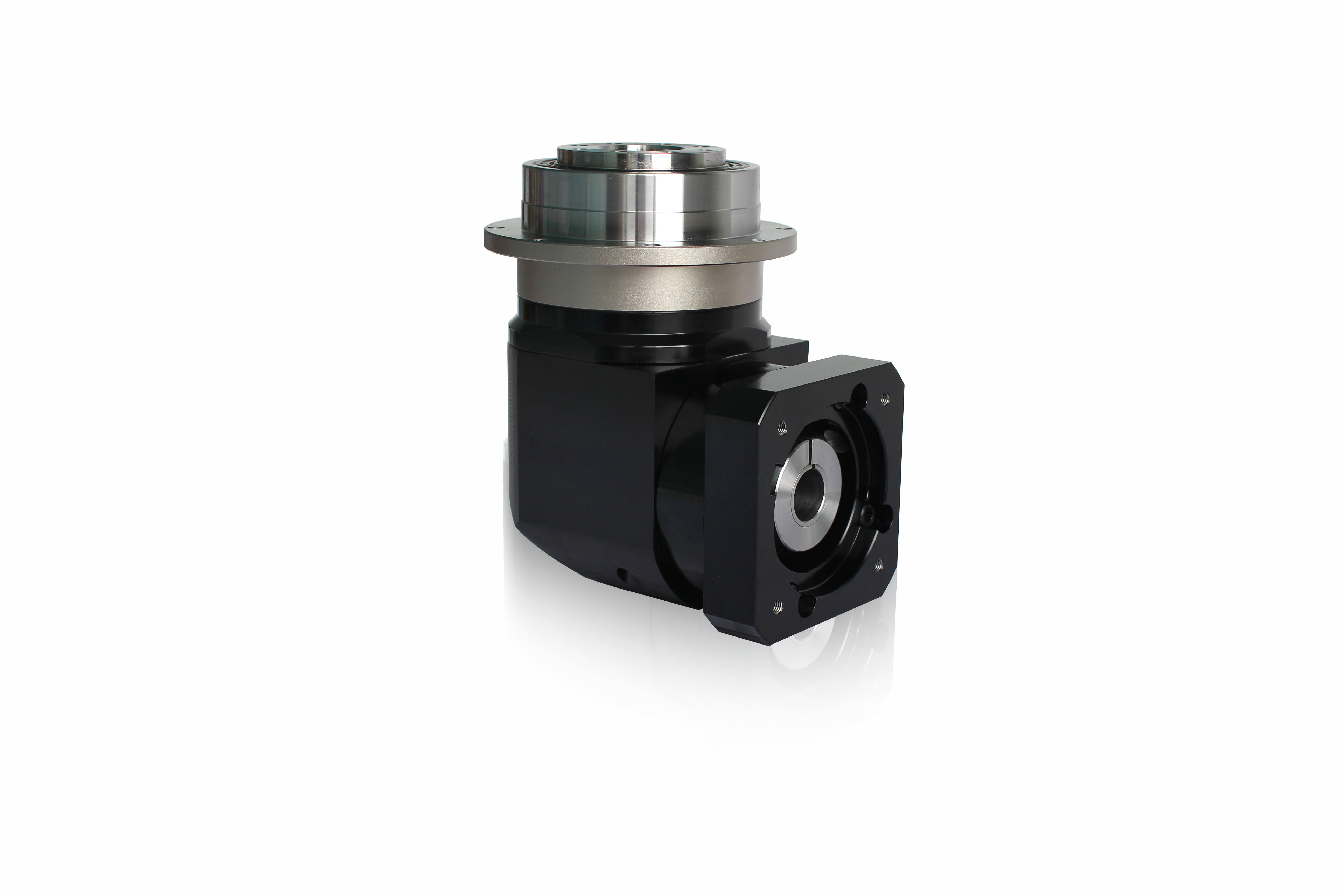

Abstract
The reducer is the "joint" of manufacturing. Motors spin fast but produce little torque; machines, however, need to work slowly and powerfully — converting high-speed, low-torque rotation into low-speed, high-torque output is precisely the job of the meshing gears inside a reducer. A six-axis industrial robot conceals six to eight reducers within its six joints, which together account for one-third of the robot body's cost; a humanoid robot may use as many as forty to fifty reducers. From the ball mills of mining operations to the nacelles of wind power turbines, from the electric drive axles of new energy vehicles to the wrists of robots, wherever power transmission occurs, reducers are almost invariably present.
China's reducer industry has two faces. On one side is the "small and scattered" general-purpose gear reducer segment: more than five thousand reducer manufacturers crowd into the red-ocean competition of gear, worm gear, and planetary general-purpose products, with the leading player holding less than two percent market share and price wars that have raged for years without end. On the other side is the precision reducer duopoly: the RV reducers and harmonic (drive) reducers that are the most expensive components inside industrial robot joints have long been firmly held by Japan's Nabtesco and Harmonic Drive Systems. The story of domestic substitution has grown from the cracks between these two faces. Using 2026 as its vantage point, this report systematically surveys China's reducer industry — covering market size, industry chain structure, competitive landscape, market segments, technological evolution, risks, and the outlook for the next five years.
Key findings are as follows:
- The two faces are the key to understanding the entire industry. Domestic production of general-purpose reducers already exceeds ninety percent, and competition is on cost and distribution; precision reducers are the high-value territory and the primary battlefield for domestic substitution, with the RV and harmonic lines determining the industry's ceiling.
- Domestic substitution in precision reducers is genuinely happening. The domestic market share of Chinese RV reducers rose from approximately 11% in 2014 to approximately 60.8% in 2024, surpassing foreign brands for the first time; the domestic share of harmonic reducers (by volume) has exceeded 80%. Behind this share reversal, service life and consistency remain unfinished work.
- The bottleneck is upstream, not in assembly. The real barriers lie in the ultra-clean smelting of specialty gear steel, harmonic flexible bearings, five-axis gear-grinding equipment, and batch-to-batch consistency — high-end gear-grinding machines cost more than ten million RMB per unit and some are subject to export restrictions to China, representing the last few barriers to domestic advancement into the high end.
- Humanoid robots represent the greatest upside potential and also the greatest uncertainty. Per-unit reducer consumption is four to six times that of industrial robots; a scale of one million units corresponds to a market of tens of billions of RMB — but 2025 shipments were still dominated by universities and research institutions, and factory-scale deployment may be two to three years away.
- Growth is diverging. General-purpose reducers track fixed-asset investment steadily, wind turbine gearboxes are driven by upscaling and offshore wind, while robot precision reducers and the humanoid track represent high-growth, high-volatility structural opportunities.
Key data at a glance:
- China's overall reducer market was approximately RMB 144.8 billion (narrow definition) in 2024 and approximately RMB 151.0 billion in 2025; precision reducers approximately RMB 9.1 billion (+10%), and general-purpose reducers approximately RMB 60–70 billion.
- Demand for reducers used in industrial robots in 2024 was approximately 1,366,000 units, of which approximately 796,000 were harmonic and approximately 570,500 were RV.
- The domestic market share of Chinese RV reducers was approximately 60.8% (2024, by volume), with Huandong Technology holding approximately 25% to rank first among domestic brands; Nabtesco's share of the RV market in China declined from approximately 54.8% in 2020 to approximately 40.17% in 2023.
- Precision reducers account for approximately 35% of industrial robot body cost; the service life of domestic harmonic reducers is approximately 10,000 hours, compared with approximately 20,000 hours for the Harmonic Drive Systems benchmark.
- China added 295,000 new industrial robot installations in 2024 (54% of global installations, the world's top position for 12 consecutive years), with a robot density of approximately 470 units per 10,000 workers.
Chapter 1 Definitions, Classification, and the Full Industry Chain Landscape
The reducer is an underappreciated protagonist in manufacturing. Motors spin fast but produce little torque; machines, however, need to work slowly and powerfully — converting high-speed, low-torque rotation into low-speed, high-torque output is precisely the task of the precisely meshing gears inside a reducer. From harbor hoists to every joint of a six-axis industrial robot, from the drivetrain of a megawatt-class wind turbine to the electric drive assembly of a new energy vehicle, reducers are everywhere — yet they rarely appear in the public eye. Understanding reducers is the starting point for understanding China's manufacturing power transmission technology landscape.
1.1 Definition and Basic Operating Principles of the Reducer
The standard mechanical engineering definition of a reducer (Speed Reducer / Gear Reducer) is: a mechanical transmission device installed between a prime mover and a working machine that uses the transmission ratio of gears (or other meshing elements) to convert the prime mover's high-speed, low-torque output into a low-speed, high-torque output. Its core function can be summarized in three phrases: speed reduction, torque multiplication, and speed matching.
The basic operating principle is built on the geometric relationship of gear meshing. For a pair of externally meshed spur gears, where the driving gear has Z₁ teeth and the driven gear has Z₂ teeth, the transmission ratio i = Z₂ / Z₁; output speed n₂ = n₁ / i, and output torque T₂ ≈ T₁ × i × η (where η is transmission efficiency). The greater the tooth ratio, the higher the reduction ratio and the greater the output torque. The transmission ratio of a single-stage spur gear drive is typically between 2 and 8; to achieve larger ratios, multi-stage series arrangements, planetary differential mechanisms, or special tooth-profile mechanisms (such as cycloidal-pin wheel drives or harmonic drives) may be used.
Three key performance indicators for reducers run throughout this report:
- Transmission ratio (reduction ratio): the ratio of input speed to output speed, determining the degree of speed reduction; precision reducers typically range from 30 to 160, and some harmonic reducers can reach 320.
- Transmission accuracy (backlash): measures the angular error during forward-to-reverse switching, expressed in arc-minutes (arc-min); precision reducers for robot joints require 1–3 arc-min or less, while general-purpose reducers are generally above 10 arc-min.
- Transmission efficiency (η): the ratio of output power to input power; worm gear reducers have the lowest efficiency (40%–90%), planetary gears and RV reducers have the highest (up to 96%), and harmonic reducers fall in the middle (approximately 80%–85%).
Beyond these three indicators, torque density (torque transmitted per unit of mass or volume), service life (MTTF, Mean Time To Failure), and noise level are also important criteria for reducer selection, especially in the precision reducer segment.
1.2 The Reducer Classification System
Reducers come in many types, and different classification dimensions give rise to various cross-cutting systems. This report uses two parallel classification frameworks: the first distinguishes by transmission mechanism and product form, and the second distinguishes by end-use application scenario. The two frameworks complement each other and together form the basic coordinate system for the analyses in subsequent chapters.
1.2.1 Classification by Transmission Mechanism
General-purpose industrial reducers are the oldest and highest-volume category, covering heavy industrial scenarios such as mining, ports, building materials, metallurgy, and textiles. They are divided into the following main types by tooth-profile mechanism:
- Gear reducers: encompassing two main branches — cylindrical gears (spur/helical/double-helical) and bevel gears. Cylindrical gear reducers are the most basic form; they offer high efficiency (95%–99%), low manufacturing cost, and a single-stage transmission ratio generally not exceeding 8, with multiple stages stackable to approximately 30. Bevel gear reducers are used where the input and output shafts are at a right angle to each other, as commonly found in mixers, mine hoists, and similar equipment.
- Worm gear reducers: the worm and worm wheel mesh in a crossed-axis configuration (typically 90°), with a single-stage transmission ratio of 10–80; compact structure and good self-locking properties make them suitable for applications requiring frequent reversal or anti-reversal (such as elevators and hoisting equipment). The trade-off is relatively low transmission efficiency (40%–90%) and high heat generation; the worm wheel ring typically requires tin bronze to reduce friction and wear.
- Planetary reducers (general-purpose): formed by a differential gear train comprising a sun gear, planet gears, and ring gear; multi-path power splitting results in a compact structure, wide transmission ratio range (3–100+), and self-balancing radial forces. General-purpose planetary reducers have lower accuracy grades than precision planetary units, but their load capacity is strong, making them widely used in construction machinery and port machinery.
- Cycloidal-pin gear reducers (Cyclo type): the planet wheel with a cycloidal tooth profile meshes with pin teeth on the housing; simultaneous multi-tooth contact provides strong load capacity and good impact resistance, with a single-stage transmission ratio of 6–87. Sumitomo's Cyclo® series is the international benchmark for this type; domestic equivalent products are mainly used in mid-to-low-end general industrial scenarios.
Precision reducers are the core focus of this report, designed specifically for scenarios with extremely high demands on transmission accuracy, such as robots, CNC machine tools, and semiconductor equipment. The three mainstream technology routes for precision reducers are as follows:
- RV reducer (Rotary Vector Reducer): formed by a two-stage series composite of a front-stage involute planetary gear reduction and a rear-stage cycloidal-pin gear reduction, achieving a combination of large transmission ratio and high rigidity. Key components include the cycloidal disc, pin housing, and crankshaft, with tooth profile accuracy requirements at ISO grades 3–4 and the roundness of the pin housing bore needing to be controlled within 1 μm. RV reducers offer high rigidity and good impact resistance and are the preferred choice for the waist (first axis), upper arm (second axis), and forearm base (third axis) of large six-axis industrial robots.
- Harmonic reducer (Harmonic Drive): uses the elastic deformation of a metal flexspline to achieve transmission, consisting of three major components: flexspline, circular spline, and wave generator. The wave generator drives the flexspline to produce a continuously undulating deformation at the point of meshing with the circular spline; the two have a tooth number difference of only 2, generating an extremely high transmission ratio (typically 50–320). Harmonic reducers are extremely compact and lightweight with near-zero backlash, at the cost of lower rigidity than RV reducers and an efficiency of approximately 80%–85%. They are widely used in robot wrist joints, all joints of collaborative robots, upper limbs of humanoid robots, and precision scenarios such as medical devices and semiconductor wafer handling.
- Precision planetary reducers: built on the general planetary architecture, through high-precision ground gears (IT4/IT5 grade), preloading to eliminate clearance, and tight tolerance fits, backlash is compressed to below 3–5 arc-min while maintaining the inherent high efficiency (92%–97%) and compact structure of the planetary mechanism. Humanoid robot manufacturer Fourier uses 32 precision planetary reducers to construct joint drives, demonstrating the competitiveness of precision planetary units when cost and rigidity balance is emphasized.
The core differences among the three precision reducer technology routes are summarized in the technology comparison table in the next section.
1.2.2 Classification by Application Scenario
From the perspective of end markets, reducers can be divided into the following main scenario categories, each with significant differences in product specifications, accuracy requirements, and market structure:
- Industrial reducers: covering heavy industrial scenarios such as cement and building materials, metallurgy and mining, and lifting and transportation, mainly general-purpose reducers; rated torque per unit ranges from hundreds to millions of Newton-meters, with an emphasis on reliability and service life, lower accuracy requirements, and intense price competition.
- Wind turbine gearboxes: installed inside wind turbine nacelles to convert the low-speed, high-torque rotor input (approximately 12–20 rpm) into high-speed generator input (approximately 1,200–1,800 rpm), with a transmission ratio of 60–100; this is a key component accounting for approximately 9.3% of complete turbine cost. As single-unit capacity continues to expand (onshore at the 6 MW level, offshore already at the 26 MW level), the requirements for torque density, large-scale manufacturing capability, and reliability of gearboxes continue to escalate.
- Automotive electric drive reducers: fixed-ratio speed reduction devices in the electric drive assemblies of new energy vehicles; the vast majority use single-stage or two-stage helical cylindrical planetary/parallel-shaft structures to reduce the speed of high-speed motors (maximum speeds up to 18,000–20,000 rpm) before driving the wheels. The core difference from conventional gearboxes is: no gear-shifting required, fixed transmission ratio, and extremely high requirements for NVH (noise, vibration, harshness).
- Robot precision reducers: used in industrial robots (six-axis/collaborative), humanoid robots, service robots, and other applications; dominated by RV and harmonic types with precision planetary as a supplement; the single largest demand market for precision reducers and the most fiercely contested battlefield for domestic substitution.
- Rail transit traction gearboxes: installed between the traction motors and wheels of high-speed rail and urban rail vehicles; mainly parallel-axis helical gear drives, requiring extremely high fatigue life (design life over 30 years) and quiet operation; domestic localization rate has exceeded 90%, with supply mainly integrated within the CRRC system.
1.3 RV, Harmonic, and Precision Planetary: A Technical Comparison of the Three Major Precision Reducers
The three major precision reducer technology routes have long coexisted and are not mutually substitutable; rather, each has its applicable domain under different load, rigidity, size, and efficiency requirements. The table below provides a cross-sectional comparison across six dimensions: mechanism, rigidity, efficiency, load, weight/size, and typical applications.
| Dimension | RV Reducer | Harmonic Reducer | Precision Planetary Reducer |
|---|---|---|---|
| Transmission mechanism | Two-stage composite: involute planetary + cycloidal-pin gear | Flexspline elastic deformation (strain wave gear) | Involute planetary gears (high-precision ground) |
| Transmission ratio range | Approx. 30–200 | Approx. 50–320 | Approx. 3–100 |
| Transmission efficiency | Approx. 90%–96% | Approx. 80%–85% | Approx. 92%–97% |
| Rigidity (torsional) | High, suitable for heavy-load impact | Lower, flexspline is an elastic element | Medium-high, multi-tooth-face contact |
| Backlash | Very low (≤1 arc-min in top-tier products) | Very low (theoretically near zero, depending on flexspline accuracy) | Low (typically 3–5 arc-min) |
| Weight and size | Heavier, larger volume | Light, extremely compact structure | Relatively compact, between the other two |
| Rated torque density | High | Medium | Medium-high |
| Service life (domestic) | Approx. 8,000 hours | Approx. 10,000 hours | Typically ≥ 10,000 hours |
| Service life (international benchmark) | ≥10,000 hours (Nabtesco) | ≥20,000 hours (Harmonic Drive Systems) | ≥10,000 hours |
| Manufacturing challenges | Cycloidal disc grinding accuracy, pin housing bore roundness | Flexspline thin-wall machining, flexible bearing | Planet carrier accuracy, preload clearance-elimination process |
| Typical applications | Industrial robot waist/upper arm/forearm base, heavy-duty cobots | Industrial robot wrist axis, collaborative/service/humanoid robot upper limbs, medical, semiconductor | Humanoid robot lower limbs, CNC machine tool FA axis, automation equipment |
| Global leading companies | Nabtesco | Harmonic Drive Systems | SEW-EURODRIVE, Neugart, multiple domestic manufacturers |
A few notes: First, "near-zero backlash" is an advantage of harmonic reducers at the principle level, but in practice the flexspline's elastic fatigue toward the end of service life will cause backlash to widen; Harmonic Drive Systems' process advantage lies precisely in its ability to maintain low backlash throughout the entire service life. Second, the "heavier" trade-off of RV reducers is a relative cost, but their high rigidity and impact resistance make them irreplaceable in large robot joints — even in humanoid robots, RV solutions are retained for lower-limb load-bearing requirements. Third, precision planetary reducers have a natural advantage in cost control — they do not rely on non-standard proprietary components such as flexsplines, have a higher degree of standardization, and are expected to benefit from cost reduction once humanoid robots enter mass production.
1.4 Full Industry Chain Landscape: From Specialty Steel to End Equipment
The reducer industry chain can be divided into three levels: upstream materials and components, midstream reducer manufacturing, and downstream end applications. The three levels do not have a simple linear relationship; rather, there is a cascading transmission of technical bottlenecks: whether bottlenecks in the upstream are broken directly determines whether midstream enterprises can challenge high-end categories; the rise in the domestic rate in the midstream, in turn, reshapes the cost structure and supply chain security of downstream terminal equipment.
1.4.1 Upstream: Materials, Components, and Equipment
The upstream of reducers can be organized into three levels:
Raw materials layer
Gears are the core transmission components of reducers, and the quality of gear steel fundamentally determines the performance ceiling of the reducer. The mainstream material for industrial reducer gears is low-alloy carburizing steel, with typical grade 20CrMnTi (conforming to GB/T 3077 standard); after carburizing and quenching, surface hardness can reach HRC 58–62 while the core retains toughness. For precision reducers, material requirements are significantly elevated: the wall thickness of a harmonic reducer's flexspline is less than 1 mm and it endures approximately two reverse bending deformations per revolution; the mainstream material is 40Cr or 40CrNiMo (Japanese grade SNCM439), requiring ultra-clean smelting with impurity content controlled below 0.015%. Domestic producers Baosteel and CITIC Special Steel have production capabilities, but the supply of dedicated high-end grades for robot precision reducers is still ramping up and there is a gap relative to specialized suppliers such as Japan's Daido Steel. In terms of castings, industrial reducer housings are mostly formed from gray cast iron or ductile iron, with ample supply and full competition — not a bottleneck. The worm wheel rings of worm gear reducers use copper alloys such as tin bronze to meet the requirements of good wear-resistant tribological pairs.
Core components layer
Precision bearings are the highest-volume general components inside reducers, serving the triple functions of support, friction reduction, and precision retention. The bearing requirements differ fundamentally across reducer types: in RV reducers, multiple high-precision bearings are installed between the crankshaft and cycloidal disc, operating in confined spaces with difficult lubrication; in harmonic reducers, the flexible bearing built into the wave generator is one of the three core components — its inner and outer rings must continuously elastically deform following an elliptical profile, making it a highly non-standard proprietary component whose fatigue strength and material purity requirements are no less demanding than those of the flexspline itself. China's bearing production in 2024 was approximately 29.6 billion sets; ordinary-precision products (P0/P6 grade) are domestically dominant, but more than 50% of P4/P2 ultra-precision bearings still rely on imports from SKF (Sweden), FAG (Germany), NSK, NTN (Japan), and other foreign brands. The localization of flexible bearings is one of the core weaknesses limiting domestic harmonic reducers from closing the service life gap with Japan's top-tier products.
Servo motors are the direct upstream pairing for reducers in robot joint applications. As the trend toward integrated joint modules (reducer + frameless motor + dual encoder + torque sensor + driver) accelerates, the supply chain coupling between reducer manufacturers and motor manufacturers is deepening continuously; domestic motor enterprises such as Inovance Technology and Hechuan Technology have formed deep ties with multiple reducer companies.
Key equipment layer
Gear grinding machines are the final finishing equipment for precision gear machining, determining the accuracy grade (ISO grades 3–5) and surface quality achievable by gears, and directly affecting the backlash and noise level of reducers. The high-end gear-grinding market has long been monopolized by three European companies: Reishauer (Switzerland), specializing in continuous generating grinding; Gleason (USA), with a product line covering the full range from hobbing to grinding; and Klingelnberg (Germany), renowned for bevel gear grinding — the cost of a single top-tier machine exceeds RMB 15 million. Some high-end Japanese equipment is subject to export restrictions to Chinese reducer companies, constituting a clear technology blockade. Qinchuan Machine Tool (000837) is the largest domestic gear-grinding equipment manufacturer, with an approximately 60% domestic market share; it has achieved breakthroughs in the mid-range gear-grinding machine segment, but equipment for high-end precision robot reducer grinding remains a shortcoming.
Heat treatment equipment is equally critical. The standard process route for reducer gears is "blanking → forging → annealing → rough and finish machining → carburizing & quenching → precision grinding"; carburizing & quenching is the core process step that establishes the "hard surface, tough core" performance gradient. Thermal distortion from quenching is one of the main challenges for dimensional stability in precision reducers; domestic engineering capabilities have established a foundation in this area, but batch-to-batch consistency still lags behind Japanese companies and is an important factor affecting the service life consistency of domestic reducers.
1.4.2 Midstream: Reducer Manufacturing
Midstream reducer manufacturers exhibit a pronounced bipolar divergence — a characteristic that will recur throughout subsequent chapters and is a key prerequisite for understanding the entire industry's competitive structure.
One pole consists of the small number of leading enterprises in precision reducers. In RV reducers, Nabtesco has long dominated globally, with domestic substitution led by Huandong Technology under Shuanghuan Driveline (002472); in harmonic reducers, Harmonic Drive Systems has held more than half the global share, with domestic Leaderdrive (Lvde Harmonic) (688017) as the most important domestic challenger. The core capabilities of these enterprises lie in long-term accumulation in high-precision tooth-profile machining, proprietary material formulations, and heat treatment processes — entry barriers are extremely high.
The other pole consists of the vast number of small and medium-sized manufacturers in the general-purpose reducer segment. There are approximately 5,766 reducer companies nationwide (2023 data), predominantly small and medium-sized private enterprises with highly homogeneous products, intense competition, and below-average profit margins. Although the geographic concentration of these enterprises is relatively notable, at the firm level the industry is extremely fragmented — the leading player, Guomao (603915), holds only approximately 1.7% market share, and price wars are the norm.
1.4.3 Downstream: Diversified End-Use Applications
The downstream of reducers covers almost all motion control scenarios in manufacturing. The core end markets focused on in this report include the following four categories:
- Industrial robots: China added 295,000 new industrial robot installations in 2024 (IFR data), with the installed base reaching 2,027,000 units, ranking first globally for 12 consecutive years. Each six-axis industrial robot uses approximately 3–4 RV reducers (for higher-load joints such as waist, shoulder, and elbow) and approximately 2–4 harmonic reducers (for precision joints such as wrist and hand), totaling approximately 6–8 precision reducers, with precision reducers accounting for approximately 35% of industrial robot body cost — the highest cost share of any single component category. Domestic brand installation share has exceeded foreign brands for the first time (57%), accelerating the release of demand for domestic reducers.
- General industry: heavy industrial scenarios such as cement and building materials, metallurgy and mining, and lifting and transportation are the largest downstream group for general-purpose reducers, accounting for more than 50% of general-purpose reducer demand in aggregate. Cyclical fluctuations in downstream demand (infrastructure investment, manufacturing capital expenditure) are directly transmitted to the pace of general-purpose reducer demand.
- Wind power: wind turbine gearboxes are among the highest per-unit-value reducer categories. China added approximately 86 GW of new wind power installations in 2024, with cumulative installations exceeding 520 GW; the industry continues to scale up unit size, with the proportion of offshore wind increasing year by year, placing higher demands on the technical specifications and supply chain assurance of gearboxes.
- New energy vehicles: China's new energy vehicle sales in 2024 were approximately 12.9 million units, with a penetration rate of approximately 44%, accounting for approximately two-thirds of global sales. Electric drive reducers have grown rapidly with electric vehicle sales; fixed-ratio single-stage planetary or parallel-axis helical gear structures have become the standard configuration for electric drive assemblies; the domestic production rate is extremely high, and competitive dynamics have entered a phase of cost control and NVH performance competition.
Beyond the four core markets above, rail transit traction gearboxes, construction machinery planetary reducers, elevator hoist reducers, and agricultural machinery transmissions are all reducer downstream sub-segments with varying volumes; each will be addressed in dedicated sections in subsequent chapters.
1.5 Chapter Summary: Two Faces and One Main Thread
The reducer classification system reveals an essential contradiction: while product forms are numerous and application scenarios broad, the technical barriers and industrial value are highly unequal. General-purpose reducers are large in volume with relatively low barriers, forming a highly fragmented landscape dominated by price competition; precision reducers are smaller in volume but with extremely high technical barriers, long dominated globally by a small number of Japanese and European companies, with domestic substitution a protracted and costly process.
The industry chain perspective reveals another main thread: from upstream specialty steels, ultra-precision bearings, and high-end gear-grinding equipment, to midstream cycloidal disc grinding and flexspline heat treatment, to the integrated verification in downstream robot bodies — the technical bottlenecks of the reducer industry are systemic, not solvable with a single-point breakthrough. The state of upstream materials and equipment localization determines whether midstream enterprises can truly achieve mass production consistency for high-end precision reducers; the leap in midstream domestic rates, in turn, reshapes the supply chain landscape and cost structure of downstream industries such as industrial robots, humanoid robots, and wind power equipment.
The definitions, classifications, and industry chain landscape set out above form the basic coordinate system for the analyses in all remaining chapters of this report. Subsequent chapters will progressively unfold from global dynamics, policy environment, China market size, upstream bottlenecks, corporate competition, industrial cluster ecology, and market segments to technology trends.
Chapter 2 The Global Reducer Landscape and the Overseas Duopoly
The global map of the reducer industry is underpinned by two fundamentally different competitive logics: in the general industrial reducer segment, several century-old German, Japanese, and Italian manufacturers have long held leading positions through gear-motor platforms and global distribution networks; in the precision reducer segment, two Japanese specialist companies — Nabtesco and Harmonic Drive Systems — have almost exclusively occupied the robot joint track for decades. Understanding the origins of these two structures is a prerequisite for observing the pathways by which China's reducer industry is breaking through.
2.1 Global Market Size: Fragmented Scope Definitions and True Scale
When discussing global reducer scale, one must first clarify a scope-definition dilemma that has long troubled market researchers.
Taking industrial gearboxes as an example, baseline-year figures from different research institutions differ by nearly a factor of three: Precedence Research, using a narrow "industrial gearbox" definition, puts the 2025 global market at approximately USD 11.5 billion; SNS Insider, IMARC Group, Market Research Future, and others, by including gear motors in their statistics, arrive at a broad-scope figure of approximately USD 32–32.7 billion. The two figures are not contradictory — they result from different statistical boundaries. In the broad-scope market, gear motors account for approximately 54% of total revenue, making them the true dominant segment. When reading market research reports, comparisons between figures are meaningless without first confirming the scope definition.
Global industrial gearbox annual production (2024) exceeded 24 million units, supplied by more than 16,000 companies in 72 countries. In terms of regional shipment structure, Germany, China, and the United States together account for approximately 37% of global shipments, making them the absolute manufacturing centers. By region: Europe produces approximately 5.7 million units per year, centered on Germany with contributions from Italy and Northern Europe; Asia-Pacific totals more than 7.9 million units, with China alone contributing approximately 4.3 million and Japan, South Korea, and India each holding shares; North America is primarily oriented toward domestic consumption, with relatively concentrated manufacturing.
The precision reducer market is far smaller than the general gearbox market, but its growth rate is significantly higher. Combining harmonic reducers and RV reducers, the 2024 global market was approximately USD 2.1 billion (approximately RMB 15.2 billion), and projections from multiple institutions suggest this could grow to approximately USD 3.15 billion around 2031, corresponding to a CAGR of approximately 6%. The annual growth rate of precision reducers for robot joints is noticeably faster than the 4%–5% overall pace for general industrial reducers. This growth differential is fundamentally rooted in the divergence of downstream application structures: the main downstream of general-purpose reducers is heavy industry and basic manufacturing, which has entered a mature phase dominated by stock replacement; the main downstream of precision reducers is industrial robots and automation, which is still in an incremental phase with penetration rates continuously rising.
Within the precision reducer segment, data divergence also exists. Under the industrial robot precision reducer scope, some institutions project a 2025 market of approximately USD 3.1 billion; counting only harmonic and RV reducers, the combined 2025 total is approximately USD 1.88 billion. Taken separately, the RV reducer market in 2024 was approximately USD 2.08 billion, projected to reach approximately USD 3.8 billion by 2033; the harmonic reducer market in 2024 was approximately USD 1.2 billion, projected to reach approximately USD 2.5 billion by 2034. The key source of divergence among institutions is whether precision planetary reducers and collaborative-robot-specific reducers are included in the scope. This report's precision reducer aggregate scope is primarily based on harmonic plus RV, without double-counting the precision planetary component.
The core variable driving expansion of precision reducer demand is installation growth in industrial robots and emerging humanoid robots. Global new industrial robot installations in 2024 have exceeded 500,000 units; China accounts for 54% of the global increment, and domestic brands have for the first time surpassed a 57% market share. Each six-axis industrial robot requires 6–8 precision reducers, with RV units handling the heavy-load joints such as waist and upper arm, and harmonic units covering light-load end effectors such as wrists. This installation base constitutes the most stable demand floor for precision reducers.
2.2 Nabtesco: The Global Dominant in RV Reducers
If the entire precision reducer industry is a pyramid, Nabtesco (Tokyo Stock Exchange: 6268) has long sat at the RV reducer apex.
Nabtesco's RV reducers (Rotate Vector, cycloidal-pin gear drives) account for more than 35% of global industrial robot RV consumption; their market share in the waist and upper-arm joints of medium-to-heavy robots once exceeded 90%. This dominance was not formed naturally: Nabtesco began deep partnerships with Japanese robot manufacturers such as FANUC and Yaskawa in the 1980s, transplanting the precision cycloidal-pin structure from aircraft landing gear systems into industrial robot joints, and built a technological moat through more than thirty years of process accumulation. The core barrier of RV reducers lies in the machining tolerance control for precision cycloidal discs and pin housings — meshing clearances are typically required to be at the micron level, and any process variation is directly reflected in transmission accuracy and service life. Nabtesco has long provided strict service life and accuracy guarantees (rated life exceeding 10,000 hours) to downstream robot manufacturers; this certification barrier is extremely difficult to quickly circumvent in industrial settings.
In terms of capacity layout, Nabtesco's production network spans Japan and China. The Tsu plant in Japan is the primary production base; in 2024, a new plant in Hamamatsu, Japan, commenced operations with a designed annual capacity of 1.2 million units specifically for emerging demand from humanoid robots and similar applications. The combined capacity of the Tsu plant in Japan and the wholly-owned plant in Changzhou (Wujin), China is approximately 1.06 million units per year. The company has publicly announced plans to double total RV reducer production capacity by 2026, reflecting its anticipation of continued expansion in the robotics market.
In terms of its China business, Nabtesco's Changzhou plant is the only local production base among foreign RV reducer companies in China, with advantages in proximity to downstream customers and reduced transportation costs. However, the pace of domestic substitution has exceeded external expectations: Nabtesco's share of the Chinese RV reducer market fell from 54.80% in 2020 to 40.17% in 2023, and by around 2024 had dropped into the 30%-plus range. Meanwhile, the domestic market share of Huandong Technology, a subsidiary of Shuanghuan Driveline, surged from approximately 5% to approximately 25%, becoming the leading domestic RV brand. Nabtesco's share decline is the most direct illustration of domestic substitution in China's precision reducer sector.
2.3 Harmonic Drive Systems: Founder and Guardian of Harmonic Drive Technology
The history of harmonic reducers is nearly inseparable from Harmonic Drive Systems (Tokyo Stock Exchange: 6324). The harmonic drive principle was invented by American engineer C.W. Musser in 1955; Harmonic Drive Systems commercialized it in the 1970s and has dominated the global market ever since.
Harmonic Drive Systems holds more than 50% of the global harmonic reducer market, and under some statistical scopes the figure is even higher. China is one of its most important single markets; estimated China sales as a share of total revenue were approximately 40% (around 2022). On a financial level, Harmonic Drive Systems' net sales for FY2025 (ending March 2025) were approximately JPY 55.65 billion, with net profit of approximately JPY 3.47 billion; though modest in scale, it is one of the most representative companies for profitability in the precision reducer sector.
Noteworthy is the potential impact of humanoid robots on Harmonic Drive Systems' business structure. In FY2024, Harmonic Drive Systems' reducer revenue from humanoid robot customers was less than JPY 100 million; the target for FY2025 has been revised upward to approximately JPY 3.4 billion — a more than 30-fold increase in less than two years, though this still represents approximately 6% of total revenue. This change indicates that the commercial validation of harmonic reducers in the humanoid robot track has moved from concept to orders.
On its China strategy, Harmonic Drive Systems chose a path completely different from Nabtesco: it established a sales subsidiary in Shanghai, with all products imported from Japanese plants — no local production in China. This arrangement maintains centralized control over core processes, but it also means that in the event of exchange rate fluctuations, tariff adjustments, or supply chain disruptions, Harmonic Drive Systems' China delivery capability faces higher policy and logistics risks. Domestic competitor Leaderdrive's pricing is approximately 40%–60% of Harmonic Drive Systems' comparable products, and Leaderdrive has already passed Tesla's supply chain qualification — the price scissors between the two are accelerating the migration of downstream customer choices.
2.4 General-Purpose Reducer Global Leaders: A Model of Platform-Based Competition
Global competition in the general industrial reducer segment presents a landscape fundamentally different from precision reducers: leading companies build their moats through gear-motor platforms and globally distributed service networks, not through single-point technology monopolies.
- SEW-EURODRIVE (Germany): FY2024 revenue approximately EUR 4.5 billion, global industrial gearbox market share approximately 23.5%, confirmed as the largest player by scale. The company has operations in 57 countries, with approximately 22,000 employees and 17 production plants. In 1931, SEW-EURODRIVE was the first to introduce integrated gear motors; since then, it has built high repeat-purchase barriers through a standardized platform and localized service system — no other single company's market share approaches this level in general industrial reducers.
- Flender (Germany, owned by Carlyle Group): originally Siemens' drive technology division, acquired by Siemens for approximately EUR 1.2 billion in 2005 and sold by Siemens to Carlyle Group for approximately EUR 2.025 billion in 2021, at which time revenue was approximately EUR 2.2 billion with approximately 8,600 employees. Flender's wind power gearbox brand Winergy is one of the major suppliers in the global wind power drivetrain.
- Bonfiglioli (Italy): FY2024 revenue approximately EUR 1.191 billion, with three business segments in industrial automation, off-road mobile equipment, and wind power; primarily family-owned, maintaining a stable position in the mid-size industrial gear motor track.
- Sumitomo (Japan): its Cyclo® brand is the primary manufacturer of cycloidal gear reducers globally; the global cycloidal gear market in 2024 was approximately USD 1.7 billion. Sumitomo Drive Technologies has long-established customer bases in textiles, logistics, food processing, and other industries.
- ZF (Germany): Bosch Rexroth's large gearbox and wind power gearbox divisions were integrated into ZF in 2015, along with the former Bosch Rexroth production base in Wuhan. ZF also consolidated the Winergy wind power gearbox brand (which subsequently appears alongside Flender in industry literature, with ownership relationships complicated by multiple rounds of M&A), focusing on large drivetrain systems and wind power.
The common characteristics of the above five companies are: broad and deep product lines, customers diversified across industries, downstream lock-in achieved through certification systems and distribution density — not through the technology dominance of a single product. This stands in sharp contrast to the "single-point monopoly" logic of the precision reducer segment.
In terms of growth drivers, the earnings elasticity of these general-purpose reducer leaders comes more from cyclical fluctuations in industrial automation investment than from structurally driven demand expansion led by technology upgrades. SEW-EURODRIVE's revenue grew from approximately EUR 3.5 billion in 2021 to approximately EUR 4.5 billion in 2024, a three-year CAGR of approximately 8.8%, benefiting in part from global manufacturing inventory restocking and warming automation investment; Bonfiglioli's growth trajectory over the same period was highly correlated with European industrial output indices. In other words, the "wide moat" of general-purpose reducer leaders is essentially a risk-diversification platform, not a technology dependency on a small number of suppliers as in precision reducers. China's domestic production rate in general-purpose reducers has already exceeded 95%; foreign general-purpose leaders' China business is mainly in high-end custom orders, certified scenarios, and installed-base maintenance — with quite limited room for scale expansion.
2.5 Global Robot Demand: The Primary Growth Engine for Reducers
Industrial robots are the most direct engine pulling precision reducer demand, and humanoid robots are becoming the next order-of-magnitude imaginative space — although the commercial pace of the latter remains highly uncertain.
The logic on the industrial robot side is already quite clear: a standard six-axis robot typically uses 3–4 RV reducers (for higher-load joints such as waist, shoulder, and elbow) plus 2–4 harmonic reducers (for precision joints such as wrist), totaling 6–8 units. RV and harmonic together account for 15%–20% and 10%–15% of robot body cost, respectively; combined they represent approximately 35%, the highest value share of any single component. According to IFR statistics, global industrial robot RV reducer demand in 2024 has exceeded 4.6 million units, with Nabtesco supplying more than 35% of that.
The logic of humanoid robot reducer demand differs fundamentally from industrial robots: more joints, higher requirements for lightweighting and miniaturization, and a greater proportion of harmonic reducers. According to third-party estimates, current mainstream humanoid robot solutions require approximately 25–50 reducers per unit; highly integrated solutions can reach 40–50 units, four to six times that of industrial robots. Taking Tesla's Optimus as an example: according to publicly available third-party analysis, a single unit contains approximately 14 harmonic reducers and 14 planetary roller screws; actuators as a whole account for approximately 56% of the total BOM, with harmonic reducers accounting for approximately 16%. An alternative solution, the Fourier humanoid robot, uses approximately 32 precision planetary reducers, following a different technology path.
At the volume-value estimation level, according to third-party estimates, if humanoid robot annual production reaches the one-million-unit scale, the corresponding reducer market could exceed RMB 23 billion; projections that the global humanoid robot reducer market could grow from approximately USD 520 million in 2025 to approximately USD 5 billion in 2035 have also been modeled by some institutions, corresponding to a CAGR of more than 13%, with more aggressive high-growth forecasts giving a range of 40%–46%. It must be made clear that 2025–2027 is still a validation period: global humanoid robot shipments in 2025 are approximately 14,400 units (according to third-party estimates), a significant proportion of which flows to universities and research institutions, with the inflection point for large-scale factory deployment perhaps not arriving until around 2028.
From the perspective of the overseas duopoly, humanoid robots present a structural challenge rather than a pure opportunity: the rapid growth in harmonic reducer demand both brought Harmonic Drive Systems approximately JPY 3.4 billion in new humanoid customer revenue in FY2025, and opened a window for competitive entry by Chinese domestic substitution enterprises — because the formation period of the humanoid robot supply chain coincides almost exactly with the time window during which domestic harmonic reducers are completing quality certification. The long-term dominance of the duopoly is now facing the most concentrated wave of challenges from China's industrial cluster.
2.6 Overseas Manufacturers' China Strategies: Two Strategies, Two Risk Profiles
The China strategies of Nabtesco and Harmonic Drive Systems represent the two archetypal choices available to foreign precision reducer companies facing the Chinese market, and each carries different risk exposures.
Nabtesco chose deep localization. The wholly-owned plant in Changzhou Wujin can respond quickly to local downstream customer rapid delivery needs and to some degree insulates against the exchange rate and transportation costs of Japanese plants. However, local production did not prevent market share erosion — as domestic RV reducers gradually closed the reliability gap, the responsiveness advantage of local capacity could no longer support premium pricing. According to industry data, Nabtesco's share of the Chinese RV market declined from 54.80% in 2020 to approximately 30% around 2024, with the pace of domestic substitution erosion clearly visible.
Harmonic Drive Systems chose centralized control. The Shanghai subsidiary handles only sales; all products are shipped from Japanese domestic plants. This arrangement maintains Harmonic Drive Systems' lockdown on core processes, but also means that its China delivery is entirely dependent on cross-border logistics chains. Should the trade environment tighten or exchange rates fluctuate significantly, cost advantages will shift further to domestic competitors. Harmonic Drive Systems' share of the Chinese harmonic market is approximately 40% (by sales value), still holding first place, but Leaderdrive's pricing strategy and Tesla supplier qualification are keeping this landscape under sustained pressure.
For foreign companies in the general-purpose reducer segment, China strategies are mainly joint ventures or wholly-owned production; SEW-EURODRIVE and Bonfiglioli both have manufacturing bases in China, primarily serving large local industrial customers. Domestic substitution in this sub-market has already exceeded 95%; foreign companies' presence in China is more about serving high-end customers and special-scenario applications than mainstream competition.
Looking across the global reducer landscape, a structural judgment has gradually come into focus: the main battlefield of general industrial reducers is efficiency, cost, and distribution — foreign leaders' advantages persist but incremental room is limited; the main battlefield of precision reducers is technology certification and mass production consistency — the moat of the overseas duopoly is being systematically eroded, and the accelerator of this process is precisely the local demand density generated by the scale of China's robotics industry, a structural condition that Nabtesco and Harmonic Drive Systems cannot replicate in the Japanese market.
Chapter 3 PEST Environmental Analysis: Four Driving Forces of Policy, Economy, Society, and Technology
Reducers are not random beneficiaries of a cyclical industry — they are structural beneficiaries of manufacturing upgrading. Understanding the medium-to-long-term logic of this industry requires simultaneous observation along four dimensions: targeted policy support, the switching of economic engines, the accumulation of social variables, and the convergence of technology pathways. The superposition of these four driving forces constitutes the fundamental backdrop against which precision reducer domestic substitution has accelerated and general-purpose reducers have moved toward consolidation over the past decade.
3.1 Policy (P): From "Key Research" to "Inclusion in National Plans"
3.1.1 Industrial Foundation Program and Mother Machines: The Foundational Status of Precision Reducers
China's industrial policy attention to reducers originated from a systematic identification of "bottleneck" issues. The Industrial Foundation Program listed high-precision gears and high-end reducers alongside high-end bearings and precision ball screws as core foundational components requiring breakthroughs in mechanical power transmission. This designation established the policy priority of precision reducers and laid the foundational logic for a series of specialized policies that followed.
In June 2023, five ministries including the Ministry of Industry and Information Technology (MIIT) jointly issued the "Implementation Opinions on Improving Manufacturing Reliability," explicitly requiring that efforts be focused on "improving the reliability, consistency, and stability of dedicated components such as ball screws, guideways, and spindles for mother machines and precision reducers for industrial robots, as well as general foundational components such as high-end bearings and precision gears." This was the first time at the policy level that precision reducers were included alongside mother machine reliability in a joint ministerial document. Notably, the document's focus was not on "making reducers" but on "making them dependably" — the policy shift from coverage rate to reliability reflects that domestic substitution has entered its second half.
In September of the same year, seven ministries including MIIT jointly issued the "Mechanical Industry Stable Growth Work Plan (2023–2024)," listing precision reducers for industrial robots in the scope of specialized components to be prioritized for improvement, driving the industry toward comprehensive domestic substitution across three dimensions: capacity, accuracy, and service life. The dense issuance of two documents in the same year sent a clear signal.
"Mother machines" were re-emphasized in the "15th Five-Year Plan" recommendations released in 2025, indicating that the policy priority of precision reducers as core transmission components for mother machines will continue through the next five-year period.
3.1.2 Dedicated Robot Industry Plans: RV and Harmonic Reducers Enter National Documents for the First Time
The policy turning point came in December 2021. Fifteen ministries including MIIT jointly issued the "14th Five-Year Plan for Robot Industry Development," for the first time including the core technology breakthroughs for RV reducers and harmonic reducers in a national-level industry plan, explicitly stating the goal to "develop advanced manufacturing technologies and processes for RV reducers and harmonic reducers, improving reducer accuracy retention (service life) and reliability." The plan proposed that manufacturing robot density double by 2025, with robot industry revenue growing at an average annual rate of more than 20%. National-level targets translate directly into hard demands for reducer output and quality.
In November 2023, MIIT issued the "Guidance on Innovative Development of Humanoid Robots," targeting the breakthrough of key "brain, cerebellum, and limb" technologies and achievement of batch production by 2025, and a comprehensive capability reaching world-leading levels by 2027. The document listed precision transmission (reducers) alongside perception and encoders as key limb technologies. Humanoid robots were positioned as "an important new engine of economic growth" — this designation means precision reducers have been elevated from robot components to core components of strategic emerging industries, with commensurately increased allocation of policy resources.
Beijing simultaneously released the "Robot Industry Innovation Development Action Plan (2023–2025)," listing high-precision reducers, high-performance servo motors, and drivers as key breakthrough targets, with supporting funding and opening of application scenarios. The follow-through of local policies creates a complete policy coverage chain for precision reducers from the national to the provincial and municipal levels.
3.1.3 First-Unit Equipment Catalogue and Specialized & Sophisticated SMEs: Clearing the Last Mile of "Getting It Used"
Domestic precision reducers face not only technical challenges but also market access challenges: robot system integrators, under established certification systems, tend to stick with Japanese products, and even when domestic newcomers' performance meets standards it is difficult to quickly enter the mainstream supply chain. The first-unit equipment policy was designed to address this pain point.
In September 2024, MIIT issued the "Guidance Catalogue for Promotion and Application of First-Unit (Set) Major Technical Equipment (2024 Edition)," including high-precision industrial robot reducers in the scope of first-unit equipment promotion. By using policy insurance to reduce the risk to buyers purchasing domestic new products, this policy helps reducer companies break through the commercial closed loop of "develop → get it used → iteratively improve." The updated "Industrial Structure Adjustment Guidance Catalogue" issued by the National Development and Reform Commission in the same year also explicitly lists "high-precision reducers for industrial robots" under the encouraged category.
The specialized & sophisticated "little giants" cultivation policy continues to tilt toward the precision transmission sub-segment. Leaderdrive (688017) and Huandong Technology under Shuanghuan Driveline (002472) have received national-level specialized & sophisticated SME recognition, enjoying policy dividends in tax incentives, credit support, and capital market green channels. This kind of recognition is not an honorary title — it is a substantive resource lever.
Taken together, from Industrial Foundation Program breakthroughs to dedicated industry plans, to first-unit equipment promotion and specialized & sophisticated SME cultivation, the policy system for precision reducers now covers the entire chain of R&D, production, certification, application, and financing. The depth of policy penetration into the industry is among the top tier in Chinese manufacturing sub-segments.
3.2 Economy (E): Four Demand Engines in Resonance
The effect of the economic environment on the reducer industry is not a single cyclical pull, but the superposition of multiple demand curves. Industrial robots, humanoid robots, new energy vehicle electric drives, and wind power installations — four growth curves are at different ramp-up stages, together constituting the structural upward support for the precision reducer market.
3.2.1 Industrial Robots: Volume Accumulation and Qualitative Migration
According to IFR's World Robotics 2025, China's new industrial robot installations in 2024 reached 295,000 units, a historical high, accounting for 54% of global total installations and ranking first globally for 12 consecutive years. China's industrial robot installed base exceeded 2,027,000 units. The figure with greater structural significance is: domestic brands' market share rose to 57% for the first time in 2024, surpassing foreign brands. This means the growth of domestic robot systems simultaneously drives demand for domestic reducer supplies.
Each six-axis industrial robot's standard configuration is approximately 3–4 RV reducers (for high-load joints such as waist, shoulder, and elbow) and 2–4 harmonic reducers (for precision joints such as wrist and hand), totaling 6–8 units. Precision reducers account for approximately 30%–35% of industrial robot body cost, the highest cost share of any single component. In 2024, harmonic reducer consumption in the industrial robot sector was approximately 796,000 units (up 18.86% year-on-year), RV reducer consumption was approximately 570,500 units (up 9.69% year-on-year), totaling approximately 1,366,000 units, up approximately 14.85% year-on-year according to Zhiyan Consulting statistics. The absolute scale and growth rate of demand volumes cement industrial robots' position as the largest downstream engine for precision reducers.
3.2.2 Humanoid Robots: The Highest-Upside and Highest-Risk Incremental Track
Humanoid robots' per-unit reducer consumption is four to six times that of industrial robots. Tesla's Optimus uses approximately 14 harmonic reducers for its rotary joints, plus planetary roller screws and other actuators, bringing total actuator count to over 40 per unit; domestic Fourier's humanoid robot uses 32 precision planetary reducers. Per-unit humanoid robot reducer consumption is in the range of 25–50 units (basic biped approximately 25–35 units, highly integrated versions including dexterous hands approximately 40–50 units); according to third-party estimates, the value of reducers per unit accounts for approximately 13% of the total BOM.
Global humanoid robot shipments in 2025 were approximately 14,400 units, of which Chinese companies accounted for approximately 84.7%; Zhiyuan Robotics shipped 5,168 units, Unitree Robotics shipped more than 5,500 units, and UBTECH delivered more than 500 units. Global shipments in 2026 may exceed 50,000 units. According to Qianzhan Industry Research Institute estimates, at one-million-unit scale the humanoid robot reducer market would exceed RMB 23 billion.
It must be emphasized that these figures are in a highly uncertain range. 2025–2027 is the commercial validation period for humanoid robots; shipments flow mainly to research institutions and leading customers, with large-scale factory deployment possibly not appearing until after 2028. The actual scale of humanoid robots' pull on precision reducer demand will remain in the category of elastic space rather than certain incremental demand until 2027. For this reason, this track offers directional opportunity, not a basis for linear projection.
3.2.3 New Energy Vehicle Three-in-One Electric Drive: Large in Volume but Limited Pull on Precision Reducers
China's new energy vehicle sales in 2024 were approximately 12.9 million units, with a penetration rate of approximately 44%, accounting for approximately two-thirds of global new energy vehicle sales. The reducers in the electric drive systems of pure electric vehicles (BEV) use a fixed-ratio design, primarily single-stage planetary gears or helical gears — far simpler in structure than robot precision reducers, but enormous in volume. Global electric vehicle reducer production in 2024 was approximately 18.26 million units, with an average selling price of approximately USD 117, giving a global market of approximately RMB 15.5 billion and a CAGR of approximately 19.3%.
For the reducer industry, the significance of the new energy vehicle electric drive track lies in volume support — the technical barrier of automotive electric drive reducers is between general-purpose reducers and precision reducers, with lower domestic substitution difficulty but also lower value per unit than robot precision reducers. Shuanghuan Driveline (002472) is the leading domestic automotive gear company, having smoothly transitioned from fuel vehicle transmission gears to new energy electric drive gears — a typical pathway for traditional general-purpose reducer companies extending into new emerging tracks.
3.2.4 Wind Power Installations: Scale-Up Driving Higher Per-Unit Value
Under the "dual carbon" targets, China's newly connected wind power installations in 2024 were approximately 86 GW, with cumulative installations exceeding 520 GW, representing nearly 50% of global cumulative wind power installations. Wind turbine gearboxes, as the core scenario for large reducers, had a Chinese market size of approximately RMB 17.9 billion in 2023 (according to Sina Finance scope) and approximately RMB 43.5 billion globally. They account for approximately 9.3% of complete turbine cost (as disclosed by Ming Yang Smart Energy).
Scale-up to larger megawatts is the core theme of the wind turbine gearbox track: a 3 MW turbine gearbox costs approximately RMB 2–3 million, while a 10 MW or above turbine exceeds RMB 8 million per unit. Dongfang Electric released a 26 MW offshore wind turbine in May 2025 (reported as a world record for single-unit capacity), continuously driving per-unit gearbox value higher. This trend is a structural positive for domestic leading suppliers such as NGC (China High Speed Transmission) and Chongqing Gearbox — the pace of value increase per unit is outpacing production volume growth, tightening industry concentration.
It should be noted that rising penetration of semi-direct drive and direct drive turbine types creates sustained structural pressure on geared solutions, but in the large-megawatt offshore segment above 10 MW, semi-direct drive solutions still dominate due to weight and economic advantages, and substitution of the main transmission gearbox has not yet formed a trending impact.
3.3 Society (S): The Dual Lock-In of Labor Costs and Robot Density
3.3.1 Rising Labor Costs: The Fundamental Driver of Machine-for-Human Substitution
The sustained rise in manufacturing wage levels is the fundamental economic driver behind Chinese factories deploying industrial robots. From 2005 to 2024, average manufacturing wages in China increased by more than five times; in parts of the eastern coastal regions, the average annual wage for manufacturing workers has exceeded RMB 80,000. At the same time, recruitment difficulties in labor-intensive industries became significantly more acute after the pandemic; electronics assembly, automotive stamping, welding, and other positions requiring high precision or repetition are the areas where robot penetration is advancing fastest.
For the reducer industry, rising labor costs create a predictable, sustained demand curve rather than a pulsed policy stimulus. Factory owners' investment decisions are driven by payback periods — when the ratio of industrial robot acquisition cost to labor cost falls to a sufficiently low level, substitution occurs. This threshold has now been crossed in an increasing number of industries.
3.3.2 Robot Density: China Has Taken the Global Top Spot and Is Still Accelerating
The most intuitive indicator of manufacturing roboticization is robot density (number of industrial robots per 10,000 manufacturing workers). According to IFR data, China's manufacturing robot density in 2023 reached 470 units per 10,000 workers, entering the top position globally for the first time. This figure was approximately 68 units in 2016 — a nearly sevenfold increase in seven years.
The rapid rise in density is driven by simultaneous progress at both ends: on the denominator side, the total manufacturing workforce gradually contracts due to aging demographics and industrial upgrading; on the numerator side, annual new industrial robot installations continue to set historical highs. With both variables moving in the same direction, the rise in robot density carries long-term certainty.
It should be added that while the 470 units per 10,000 workers figure is the highest globally, internal distribution is highly uneven: automotive and electronics manufacturing density far exceeds the average, while labor-intensive industries such as food, textiles, and wood still have ample penetration space. This means the domestic market for industrial robots is far from saturated, and the demand ceiling for precision reducers has not been reached.
3.3.3 Manufacturing Upgrading: Migration from Quantity to Quality
The core proposition of China's manufacturing industry during the 14th Five-Year Plan period is the shift from scale expansion to quality improvement. In the reducer sector, the concrete manifestation of this proposition is: general-purpose reducers migrating from price competition toward reliability and customized service competition; precision reducers migrating from "being able to source them" to "using them dependably."
The quality consciousness of downstream system integrators is also upgrading in parallel. System integrators in new energy vehicles, high-end machine tools, collaborative robots, and other fields have begun proactively incorporating reducer service life and accuracy consistency (CPK metrics) into supplier evaluation systems, rather than purely making selections on price. This change places higher systemic engineering demands on precision reducer suppliers while also constructing higher competitive barriers.
3.4 Technology (T): Four Convergent Pathways — Details Deferred to Chapter 9
The impact of technology trends on the reducer industry is essentially the reshaping of demand structure. This chapter marks only the directions; the mechanistic details are systematically developed in Chapter 9.
Integrated joint module design is the most closely watched direction at present. Highly integrating the reducer, frameless motor, dual encoder, torque sensor, and drive controller into a unified actuator is the mainstream technology path for humanoid robots and high-end collaborative robots. This trend requires reducer manufacturers to transform from "supplying components" to "supplying actuation systems," shifting the value center of gravity in the industry chain toward the integration layer. Kinco, Zhaowei Electromechanical, Moons' Industries, and others have already made commercial deployments in this direction.
The deepening of domestic substitution is reflected along two main lines in precision reducers. The domestic rate of RV reducers (by volume) has risen from approximately 11% in 2014 to approximately 60.8% in 2024, for the first time achieving comprehensive surpassing of foreign brands; the domestic rate of harmonic reducers (by volume) also exceeded 80% in 2024. However, a significant gap remains between the volume metric and the revenue metric — domestic manufacturers win share with pricing approximately 40%–60% below Japanese products, meaning foreign brands still account for a substantial portion by market value. In the next phase of technology catch-up, the core challenge shifts from "being able to make them" to "making them dependably and consistently."
The cost reduction pathway for harmonic reducers is quite predictable. Mainstream domestic brand pricing is already equivalent to 30%–60% of Harmonic Drive Systems' comparable products. As annual production capacity of one million units progressively forms, harmonic reducer unit prices are expected to decline a further 20%–30% over the next two to three years. Cost reduction will further lower the total BOM of industrial robots and humanoid robots, stimulating downstream demand and forming a positive cycle.
Lightweighting and miniaturization are the special technical requirements that the humanoid robot track places on precision reducers. Dexterous hands' demand for micro harmonic reducers at the outer diameter of approximately 10 mm and requirements for backdrivability exceed the standard specifications of industrial robot applications. This track is still in the technology development stage, but will catalyze a product spectrum fundamentally different from that of industrial robot precision reducers.
3.5 PEST Summary: The Cross-Effects of Four Variables
The analysis across four dimensions points to a single conclusion: the external environment surrounding precision reducers is, among Chinese mechanical sub-sectors over the past decade, one of the combinations with the strongest policy support, most certain demand growth, and most intensive technology iteration.
At the policy level, coverage extends from foundational breakthroughs to first-unit equipment promotion, clearing the full commercialization chain; at the economic level, the four major engines are at different ramp-up stages, avoiding dependence on a single track; at the social level, rising robot density and increasing labor costs provide a long-term stable demand foundation; at the technology level, joint module integration and deepening domestic substitution are reshaping the competitive landscape.
The superposition of these four variables is not simple addition — there are cross-amplification effects. Policy promotes first-unit equipment, helping domestic products overcome certification barriers; domestic substitution cost reduction, in turn, amplifies the pull of economic engines on robot installation volumes; rising robot density further reinforces the legitimacy of continued policy support. The four driving forces constitute a mutually reinforcing system — which is also the deep logic behind how precision reducer domestic substitution was able to accomplish the leap from 11% to 60% in just ten years.
Of course, a favorable environment does not mean the absence of risk. Service life gaps at the high end, certification lock-in, and humanoid robot mass production ramp-ups falling short of expectations are all known uncertainties. These risks will be discussed specifically in Chapter 10. The conclusion of this chapter is: the external environment in which the industry finds itself is, overall, in the most favorable window of the past ten years; the question is not whether demand exists, but whether the supply side's technical capability and consistency can keep pace.
Chapter 4 China Market Scale and Dynamics
4.1 Defining the Scope: Getting the Numbers Straight First
China's reducer industry market size varies from 144 billion yuan to nearly 300 billion yuan across different reports — a gap so wide that the root cause lies not in data quality but in fundamentally different statistical boundaries. Before examining specific figures, these two definitions must be separated and clarified.
Narrow scope: covers only industrial reducers (general-purpose industrial reducers, precision reducers, and wind turbine gearboxes), excluding passenger-car automatic transmissions and industrial integrated gear motors. According to research institutions including Zhiyan Consulting, the narrow-scope market size of China's reducer industry in 2024 was approximately 144.8 billion yuan, up 4.4% year-on-year; in 2025 it is projected at approximately 151 billion yuan, with a CAGR of 4%–5%. This scope is the baseline used throughout this report and is appropriate for cross-comparisons with listed-company revenues and robot component market-share metrics.
Broad scope: adds passenger-car and commercial-vehicle automatic transmission systems and integrated industrial gear motors on top of the narrow scope. The 2025 estimate is approximately 291 billion yuan, spanning virtually all power-transmission products from desktop miniature planetary reducers to megawatt-class mine gearboxes. The broad scope more closely approximates the complete concept of the "power transmission market" and is better suited for macro-level industry-size reference, but is not directly comparable to component-manufacturer market-share analysis.
The two scopes must not be conflated. The broad scope is approximately twice the narrow scope; the difference primarily reflects the automotive powertrain and industrial gear motor markets — both large yet highly fragmented. Unless otherwise stated, all subsequent chapters of this report use the narrow scope.
4.2 Internal Structure of the Overall Market
Within the 144.8-billion-yuan narrow-scope market, the landscape is far from uniform. Breaking down by product category reveals three tiers that differ sharply in scale, growth rate, and profit margin.
The first tier is general-purpose industrial reducers — the largest, most foundational segment. In 2024, China's general-purpose industrial reducer output was approximately 15.32 million units, demand approximately 12.24 million units, and market size approximately 60–70 billion yuan, accounting for 40%–50% of the narrow-scope total. This tier covers traditional heavy-industry applications: hoisting and transportation (approximately 25% of downstream), cement and building materials (approximately 15%), metallurgy and mining (approximately 10%), and electric power and wind power (approximately 9%). Average selling prices per unit are low; gross margins are generally 15%–30%; industry concentration is extremely low — segment leader Guomao holds approximately 1.7% market share, and the overall CR5 for general-purpose industrial reducers is below 15%. This is a textbook incumbent-competition market.
The second tier is precision reducers — the aggregate of harmonic drive reducers, RV reducers, and precision planetary reducers. In 2024 the market size was approximately 9.1 billion yuan, up more than 10% year-on-year. In absolute scale this is a fraction of the general-purpose segment, but the growth rate is more than double the industry average, and profit margins are substantially superior. The growth engine for precision reducers is the continued expansion of the industrial robot and collaborative robot (cobot) industry — a sharp contrast to the sluggishness of general-purpose reducers. This divergence is explored further in the domestic-substitution-rate section of this chapter.
The third tier is wind turbine gearboxes. In 2023, China's wind turbine gearbox market size was approximately 17.9 billion yuan by Sina Finance's scope (with a broader 27.57-billion-yuan figure that includes the full drivetrain), according to available data. Wind turbine gearboxes carry high per-unit value: a gearbox for a 3MW wind turbine costs approximately 2–3 million yuan, while the main gearbox for an offshore unit above 10MW exceeds 8 million yuan per unit. The overall market is driven by both installed-capacity additions and the trend toward larger turbines; in 2024, China's new wind power installations of approximately 86 GW continued to expand the segment.
Combining all three tiers and adding sub-markets such as EV electric-drive reducers (global production approximately 18.26 million units in 2024, with China contributing approximately two-thirds) yields the 144.8-billion-yuan narrow-scope base. Within this, the segment with the highest per-unit value, the fastest growth, and the greatest domestic-substitution potential is the precision reducer market — a segment of under 10 billion yuan.
4.3 Industrial Robot Demand: The Core Pull Factor for Precision Reducers
The growth logic of precision reducers is tightly bound to industrial robot installation volumes. In 2024, China's new industrial robot installations reached 295,000 units — an all-time high, representing 54% of the global total; the installed base surpassed 2.027 million units, which according to IFR data has been the world's largest for twelve consecutive years.
Each six-axis industrial robot is typically equipped with 3–4 RV reducers (for high-load joints such as the waist, upper arm, and forearm) and 2–4 harmonic drive reducers (for precision low-load joints such as the wrist and hand), totaling 6–8 units. Collaborative robots, with relatively uniform joint loads, typically use harmonic drive reducers in all joints — approximately 6–7 per unit. Applying these ratios, 2024 demand for precision reducers from industrial robots was approximately:
- Harmonic drive reducers: approximately 796,000 units, up 18.86% year-on-year
- RV reducers: approximately 570,500 units, up 9.69% year-on-year
- Combined industrial-robot precision reducer demand: approximately 1.366 million units, up 14.85% year-on-year
Both sub-categories achieved double-digit growth, but divergence has emerged — harmonic drives benefit from rising cobot penetration and are growing faster, while RV growth is more moderate, partly because the traditional downstream markets served by six-axis heavy-load robots (automotive welding and material handling) are expanding more slowly.
According to Zhiyan Consulting forecasts, 2025 demand for harmonic drive reducers will grow to approximately 958,000 units and for RV reducers to approximately 646,000 units. Combined, this is close to 1.6 million units — approximately 17% growth over 2024. The implied premise behind this growth forecast is that industrial robot output continues the expansion trajectory of 556,400 units in 2024 (+14.2%) and that domestic robot brands continue increasing penetration (domestic-brand market share in 2024 exceeded foreign brands for the first time, reaching 57%). The rise of domestic robots has a "double-layered amplification" effect on precision reducer demand: robot output growth itself drives demand volume, while domestic robots preferentially source domestic reducers, simultaneously lifting the domestic localization rate.
4.4 Precision Reducer Sub-Market Size
Although demand volumes for harmonic drive and RV reducers can be reported together, their absolute market-size figures differ considerably.
RV reducers are supported by a larger downstream base: in 2023, China's RV reducer market size was approximately 5.022 billion yuan, with a 2018–2023 CAGR of approximately 12.72%. The per-unit value of RV reducers is higher than that of harmonic drives — heavy-load joints in industrial robots require high rigidity and impact resistance, and the two-stage transmission design of RV reducers (an involute planetary stage combined with a cycloidal-pin wheel stage) delivers higher torque density, naturally commanding a higher price.
Harmonic drive reducers are a somewhat smaller market: approximately 2.43 billion yuan in 2023, with a 2018–2023 CAGR of approximately 16.76%, growing faster than RV. Harmonic drives are more compact and applicable to a wider variety of joints (including full-joint configurations in cobots), and miniaturization (outer diameters down to around 10mm, suitable for dexterous hands) has opened new application scenarios. Leaderdrive (688017) has extended harmonic drive reducer service life beyond 10,000 hours and achieved a 30% weight reduction at equivalent output torque.
The fragmented-scope problem for precision planetary reducers requires separate clarification: the narrow scope covering only robotics and precision-automation applications was approximately 3.536 billion yuan in 2023, with a CAGR of approximately 11.63%; the broader scope covering the full industrial range (including mid- and low-precision planetary reducers) was approximately 17.3 billion yuan in 2024. These figures are not interchangeable. The "9.1 billion yuan precision reducer" scope used in this report is the sum of the three narrow-scope figures: harmonic drives + RV + precision planetary.
4.5 Domestic Localization Rate: Two Different Accounts — Volume and Revenue
The domestic localization rate is the most critical analytical dimension of this chapter, and also the most easily misread figure. A key clarification must come first: the following discussion is based on the volume scope (market share measured in unit counts), not the revenue scope. A systematic gap exists between the two because domestic reducers universally sell at lower per-unit prices than foreign-brand products — Leaderdrive's pricing is approximately 40%–60% of Harmonic Drive Systems', and Huandong Technology's average RV reducer price is likewise below Nabtesco's. A higher volume-scope localization rate coexists with a lower revenue-scope localization rate: this is the industry reality and must be presented separately.
General-purpose industrial reducers: localization rate is highest, exceeding 95% — a mature, domestically dominated market. Foreign brands (such as SEW-EURODRIVE, Flender, Bonfiglioli, and Sumitomo) retain a meaningful presence in ultra-heavy-load or specialty transmission niches, but the standard general-purpose market is essentially covered by domestic enterprises. The issue for general-purpose reducers is not the localization rate but low-end homogenization and price wars — this is addressed in Chapter 7.
Wind turbine gearboxes: localization rate exceeds 98%, the most thoroughly substituted category of all. NGC (China High Speed Transmission, 0658.HK) held approximately 34% of the domestic market in 2024 and is one of the world's largest wind turbine gearbox suppliers by shipment volume; Chongqing Gearbox (CGMC, under China State Shipbuilding Corporation) holds approximately 20%; ZF (Zahnradfabrik Friedrichshafen), though a foreign player, has been compressed to approximately 22% of the China market, primarily in high-end products for large offshore units. Domestic substitution in wind turbine gearboxes is not in question; the real variable is the technical competition driven by the move toward larger turbines and offshore wind.
Harmonic drive reducers: the volume-scope domestic localization rate exceeded 80% in 2024 — the most deeply substituted category among precision reducers. In terms of global production capacity, domestic brands collectively hold more than 35% (Leaderdrive approximately 12% and Nidec Shimpo approximately 14.7% of global capacity). However, the revenue scope tells a different story: Harmonic Drive Systems still holds approximately 40% of the China market by revenue, which is an exact reversal of the volume-scope figures — demonstrating that the pricing premium gap persists. Domestic harmonic drive reducers have opened up a volume gap through cost-performance advantages, but the competition for high-end value has not concluded.
RV reducers: the category where the evolution of the domestic localization rate has been most dramatic, and the key focus of this chapter's analysis.
In 2014, domestic RV reducers held approximately 11% of the China market by volume, and Nabtesco almost monopolized the China industrial-robot RV market with a share of over 70%. At that time, China's industrial robot bodies and core components were highly dependent on Japanese supply; domestic substitution was barely in its infancy.
Over the following decade, domestic substitution followed a steadily rising curve: in 2020, Nabtesco's volume-scope share in China was approximately 54.80%, while Huandong Technology (under Shuanghuan Driveline) held approximately 5% at the time; in 2022, the domestic share rose to approximately 41.59%, with foreign brands still maintaining an absolute majority; in 2023, the domestic share broke through 50% for the first time to approximately 52.89% — a clear milestone; by 2024, the domestic volume-scope share in RV reducers rose to approximately 60.8%, surpassing foreign brands in aggregate for the first time. Nabtesco's in-China share fell concurrently to approximately 30%+, while Huandong Technology rose to approximately 25% — becoming the domestic leader — and Zhongda Leader (002896) held approximately 12%, forming a three-player structure at the top.
Two supplementary points must be noted regarding this figure. First, the volume-scope figure of 60.8% and the revenue-scope figure are entirely different concepts: by revenue, domestic RV reducers hold approximately 30% of the market, with foreign brands retaining relative advantages in revenue terms because Nabtesco and others still supply the core axes of high-end six-axis robots at higher per-unit prices. Second, the volume-scope breakthrough relied heavily on surging demand from mid- and low-end industrial robots and collaborative robots — applications where RV precision requirements are relatively relaxed, domestic product performance is sufficient, and cost-performance advantages are clear. For the critical waist joints of top-tier six-axis robots, some high-end domestic OEMs (such as Inovance and Estun) still partially rely on imported RV reducers.
The volume-scope breakthrough is a milestone, but there is still a considerable distance before the revenue-scope can be matched. This judgment will inform the financial analysis logic for key companies in Chapter 6 and the domestic-substitution trajectory forecast in Chapter 11.
4.6 Structural Causes of the Domestic Localization Rate
Why did domestic substitution accelerate during the 2020–2024 window? The causes span both the supply side and the demand side, and neither alone is sufficient.
On the supply side, the core driver is a combination of technological breakthroughs and capacity investment. For RV reducers: Huandong Technology has expanded annual capacity to 300,000 units, with products covering the full range of robots from 6 to 1,000 kg; Qinchuan Machine Tool's precision reducer subsidiary has achieved noise levels approximately 3 dB below Nabtesco's and extended service life beyond 10,000 hours. On the harmonic side, Leaderdrive's self-developed "P-profile tooth" geometry reduces tooth surface contact pressure, improving both service life and torque capacity, offering a differentiated approach from Harmonic Drive Systems' double-circular-arc profile — and this technology has secured Leaderdrive a place in Tesla's supply chain. Supply-side breakthroughs have given domestic products sufficient credibility in mid-market applications.
On the demand side, the rise of domestic robot brands is the most critical structural variable. Foreign robot brands (Fanuc, KUKA, Yaskawa, ABB) have long specified Nabtesco or Harmonic Drive Systems for core axes, making switching difficult; domestic robot brands (Inovance, Estun, JAKA, etc.) have flexibility in supply-chain selection and maintain closer co-development relationships with domestic reducer manufacturers. The fact that domestic robot brands captured more than 57% of the domestic market in 2024 — surpassing foreign brands for the first time — directly opened the channel for domestic reducers to achieve volume deployment. This is the synergistic effect of "domestic robots + domestic reducers," not a reducer-only breakthrough.
On the policy side, support was applied simultaneously at both the industrial robot and precision reducer ends. The "14th Five-Year Plan for Robot Industry Development" (2021) was the first national-level plan to specifically address RV and harmonic drive reducer core technologies; the 2024 version of the First-Unit Equipment Catalogue included high-precision robot reducers, reducing the risk premium for users purchasing new domestic products; the Specialized & Sophisticated SME designation has provided financing advantages for Leaderdrive, Huandong Technology, and others. Policy's direct contribution was to substantially shorten the validation cycle from "domestic product developed" to "domestic product actually adopted by the market."
4.7 Growth Divergence: Precision Accelerating, General-Purpose Under Pressure
The industry's overall 4.4% growth rate masks deeply divergent internal dynamics.
On the precision reducer side, growth is clearly elevated: the aggregate 9.1 billion yuan grew more than 10% in 2024, with harmonic drive consumption up 18.86% year-on-year and RV up 9.69%. The drivers are new industrial robot installations (+14.2%), deepening cobot penetration, and early-stage validation purchases for humanoid robots (global humanoid robot shipments in 2025 approximately 14,400 units, with China accounting for approximately 84.7%). The high growth of the precision reducer segment is a structurally sound, high-conviction growth story with low correlation to macro fixed-asset investment cycles.
On the general-purpose industrial reducer side, the pressure is clearly elevated. The two largest downstream sectors for general-purpose reducers — building materials and metallurgy — are both weighed down by the property downturn. The cement industry was in a capacity-contraction phase in 2024–2025; new construction investment in metallurgy and mining was also weakening. Output of 15.32 million units significantly exceeds demand of 12.24 million units; excess inventory pressure has flowed back to manufacturers, and price wars are further compressing margins. General-purpose reducer leader Guomao's 2024 revenue was approximately 2.589 billion yuan (down 2.7% year-on-year), net profit approximately 294 million yuan (down 25.8% year-on-year); Ningbo Dongli's revenue was approximately 1.462 billion yuan (down 1.7%), with both recording negative growth — a stark contrast to the expanding precision reducer segment. The profitability difficulties of general-purpose reducers stem partly from weak downstream demand and partly from the industry's inherent low concentration and internal price competition — a CR5 below 15%, thousands of small and medium-sized manufacturers across Shandong and Zhejiang — structural problems that cannot be resolved quickly.
Wind turbine gearboxes sit between the two: volume growth in installations provides demand support, but the larger turbine trend demands higher technical investment and stronger certification barriers, making it difficult for smaller enterprises to participate. The trend toward concentration at the top is clear: Deligia (603092) reported 2024 revenue of approximately 3.715 billion yuan, and Hangzhou Advance Gearbox (601177) recorded 91% year-on-year growth in its wind power business — both operating in high-growth territory.
The growth divergence across these three tiers reflects the most fundamental structural variable in China's reducer industry: the migration from high-volume, low-price general-purpose power transmission toward high-precision, high-value-added precision transmission. This migration is both the result of natural market selection and an inevitable direction under the triple drivers of widespread industrial robotics, the emergence of humanoid robots, and the new-energy transition.
4.8 Profitability Structure and Pricing Logic
Beyond market scale, profitability divergence is equally worthy of attention.
Gross margins for precision reducers are significantly higher than for general-purpose industrial reducers. Leaderdrive's 2024 overall gross margin was approximately 34.77% (down 5.62 percentage points year-on-year, mainly due to competitive pricing pressure and product-mix changes) — still far above the 15%–30% ceiling for general-purpose reducers. The high gross margins of precision reducers arise from technology barriers (complex processes, demanding material requirements, lengthy consistency-validation cycles) and customer stickiness (high switching costs for robot OEM certifications), not from monopoly pricing — in fact, domestic harmonic drive reducers already carry a 40%–60% price discount relative to imported counterparts; without this, the volume-scope breakthrough would have been slower. As domestic capacity continues to expand (Leaderdrive's targeted new production capacity upon full ramp-up will add 1 million harmonic reducer units per year), downward pricing pressure persists.
Thin margins in general-purpose industrial reducers stem fundamentally from product homogenization and strong buyer bargaining power. Downstream customers in hoisting and transportation, cement and building materials, and similar sectors typically seek multiple quotes and choose the lowest price; brand premiums are limited, and quality differentiation cannot sustain consistently higher prices. Against a backdrop of soft raw-material prices (China's 2024 steel output was 1.39 billion tonnes, with prices trending down overall), there is some near-term cost relief — but this is not enough to offset weak demand-side conditions.
The core contradiction of domestic substitution lies here: the volume-scope victory has been achieved, but translating that advantage into sustainable revenue-scope profitability requires domestic precision reducers to complete two transitions — first, further improvements in service life and consistency (domestic harmonic drive flexsplines approximately 10,000 hours vs. Harmonic Drive Systems approximately 20,000 hours; domestic RV approximately 8,000 hours vs. international standards of 10,000+ hours), and second, entry into the core certification lists of higher-end robot OEMs. These two objectives are interdependent, and both require time. This chapter does not elaborate on specific company technology roadmaps (reserved for Chapter 6) or analyze geographic distribution by industrial belt (reserved for Chapter 7); it simply establishes the following judgment: the 2024 volume-scope breakthrough in domestic localization is a milestone — and also the starting line for the next phase of the revenue-scope catch-up.
Chapter 5 Supply Chain Breakdown: From Specialty Steel to Joint Modules
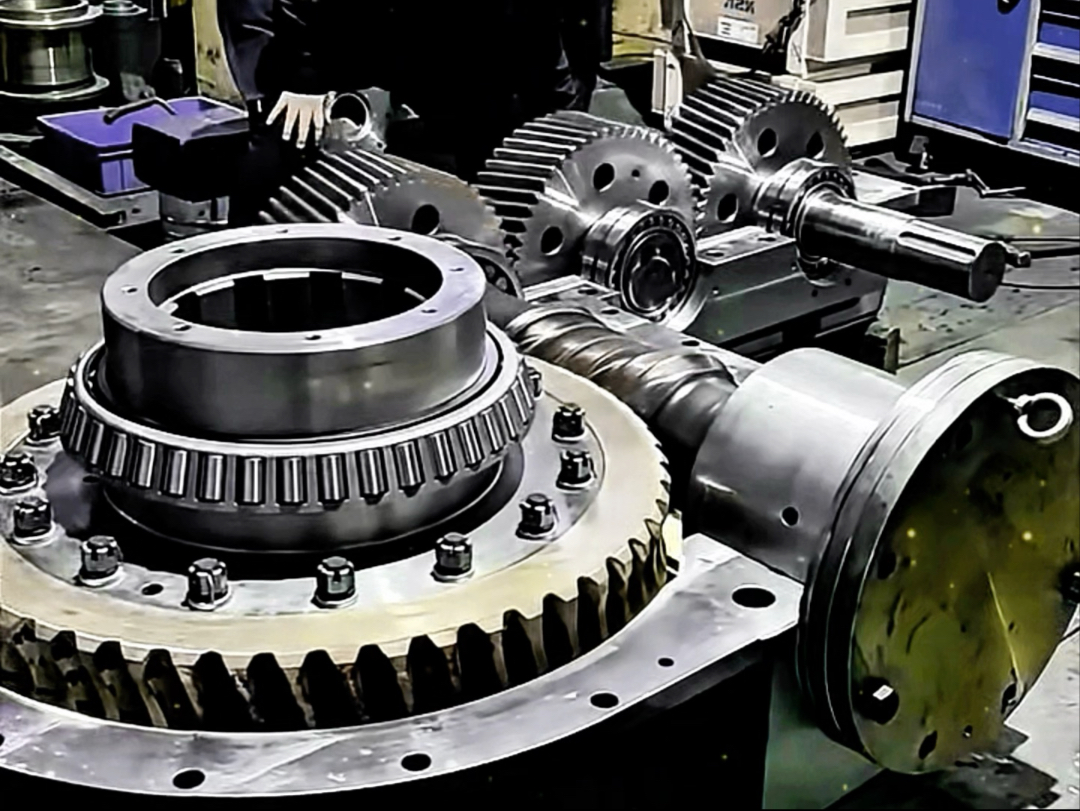
A reducer is not an isolated mechanical component; it depends on a supply chain of considerable depth — upstream specialty steel, precision bearings, cast housings, servo motors, and the gear-grinding equipment that locks in all precision at the final stage. Every layer of this supply chain has its own barriers and its own bottlenecks. Downstream presents two completely different faces: traditional heavy industry treats general-purpose reducers as consumables, while the robotics industry treats precision reducers as soul components. The price gap between these two worlds is tenfold; the process barrier is a generation apart. This chapter breaks down the supply chain layer by layer — from upstream materials to core-part machining, cost structure, midstream landscape, and downstream applications.
5.1 Upstream Raw Materials: Specialty Gear Steel Is the Foundation; Ultra-Clean Smelting Is the Barrier
The highest-volume raw material for reducers is low-alloy carburizing steel. The primary grade for gears and shafts in general-purpose reducers is 20CrMnTi, produced to GB/T 3077 standards, with carbon content approximately 0.17%–0.23%, chromium 1.00%–1.30%, titanium 0.04%–0.10%, and manganese 0.90%–1.20%. After carburizing and quenching, 20CrMnTi achieves a surface hardness of HRC 58–62 with core toughness retained at HB 220–260 — load-bearing and fatigue-resistance properties sufficient for the vast majority of industrial applications. Baosteel and CITIC Special Steel have long had the capacity to supply this grade; supply is not a bottleneck.
The real challenge lies in the material system used for harmonic drive reducer flexsplines. A flexspline is a thin-walled elastic metal cup — wall thickness often under 1 mm — that undergoes approximately two cycles of alternating bending deformation per revolution as it is driven by the wave generator, with fatigue cycles accumulating on the order of 10⁷. This demands simultaneously high yield strength, high impact toughness, and an extremely low inclusion content. The mainstream material is 40Cr alloy steel or 40CrNiMo (the Japanese grade SNCM439); impurity content must be controlled below 0.015%, requiring a dedicated ultra-clean smelting process. Harmonic Drive Systems' self-developed SNCM439, combined with a proprietary surface modification process, establishes a material-level barrier. Domestic companies including Xianglou New Materials and Jindi Co. have attempted joint development of flexspline-specific formulation steels, but for the dedicated high-end grades tailored to precision robot applications, a gap remains relative to suppliers such as Japan's Daido Steel; supply is still ramping up.
18CrNiMo7-6 and similar high-strength carburizing steels are commonly found in heavy-load RV reducer cycloidal discs and crankshafts; they require fine, uniform grain and controllable quenching distortion. Domestic availability for this grade is largely manageable — the core issue is batch-to-batch heat-treatment consistency, discussed further in the cost-structure section below.
Cast iron and castings are another category of upstream basic raw material. Reducer housings are typically cast from gray cast iron or ductile iron; some versions of the circular spline in harmonic drive reducers also use ductile iron. The upstream casting market is competitive and supply is stable; its influence on the overall supply chain is far less than that of specialty steel.
Tin bronze alloy used for the worm wheel rim in worm gear reducers is likewise a mature supply category; prices fluctuate with copper prices but there is no risk of supply shortages.
5.2 Precision Bearings: Flexible Bearings Are the Most Visible Bottleneck in Harmonic Drive Reducers
Precision bearings occupy a position in the reducer supply chain that is closer to the core than the raw-material layer. Bearings support gear shafts, reduce friction, and maintain transmission accuracy; the quantity per reducer ranges from a few to over a dozen.
Looking at the domestic localization rate, the overall bearing industry figure appears impressive — China's bearing output in 2024 was approximately 29.6 billion sets, projected to exceed 30 billion sets in 2025. But the output figure masks structural stratification: P0/P6 ordinary-grade bearings are now domestically dominated; P5 precision-grade bearings (used in precision machine tool spindles) are competitively domestic; but more than 50% of P4/P2 ultra-precision bearings still depend on overseas brands such as SKF, FAG, NSK, NTN, and GRW. Robot-specific precision reducers require exactly this last category. Luoyang Bearing Research Institute, LYC, Luoyang Hongyuan Bearings, and others have achieved partial domestic volume production, but a gap in fatigue life and precision consistency relative to Japanese products persists.
The flexible bearing embedded in the wave generator of a harmonic drive reducer is the most concentrated manifestation of the bearing bottleneck — and the single most technically challenging component among the three core harmonic drive parts. Flexible bearings are not variants of ordinary rolling bearings: both the inner and outer races must continuously deform elastically to conform to the elliptical profile of the wave generator while simultaneously supporting radially alternating loads under accuracy requirements approaching IT4 grade, imposing stacked demands on bearing steel purity, cage design, and machining precision. Very few suppliers globally can produce flexible bearings in stable volume. Domestic Laifual Harmonic has pursued an in-house development path; Luoyang Bearing Research Institute is advancing concurrently — but production capacity and service-life validation cycles are long, and some domestic harmonic drive reducer manufacturers still externally source imported flexible bearings, creating dual constraints on cost and supply chain.
The precision bearing challenge in RV reducers is somewhat different: the high-precision bearings between crankshafts and cycloidal discs also require P4/P5 grade; space is constrained, lubrication is difficult, and temperature variation is severe — placing reliability rather than flexibility requirements on the bearings. As domestic RV reducers rapidly scale output, precision bearings remain one of the service-life weak points — closely linked to the logic that "without resolving upstream, service life cannot be improved."
5.3 Gear-Grinding Equipment: Equipment Restrictions Are the Hardest Ceiling
If materials and bearings form the raw-material layer of reducer quality, gear-grinding equipment is the final gateway to precision. Gear grinding is the last operation in precision gear machining; it determines tooth-profile shape accuracy (ISO grades 3–5), surface roughness, and backlash, directly affecting reducer noise, transmission accuracy, and service life.
The high-end gear-grinding machine market is dominated by three European companies: Switzerland's Reishauer pioneered continuous gear-profile grinding technology; the United States' Gleason covers the full range from gear hobbing to bevel gear grinding; Germany's Klingelnberg specializes in high-end bevel and cylindrical gear markets. High-end equipment for grinding the pin housings and cycloidal discs that are the core components of RV reducers costs more than 15 million yuan per unit. Japanese equipment of a comparable technical specification is better suited to RV precision-part requirements but is subject to export restrictions to Chinese reducer enterprises, meaning domestic manufacturers cannot purchase it and must rely on European channels. This restriction is not a hidden obstacle — it is an explicitly encoded export-control list that directly limits the headroom for domestic enterprises to break through to higher precision levels.
Domestic Qinchuan Machine Tool (000837) has achieved a substantive breakthrough in the mid-range gear-grinding market, holding approximately 60% of the domestic market share. Its YK7326 CNC gear-grinding machine can control tooth-profile deviation within 1 micrometer; it has entered volume supply to customers including BYD and Tesla in volume, breaking Klingelnberg's and Mitsubishi Heavy Industries' monopoly across several mid-range specifications. However, the full suite of gear-grinding process equipment required for the most sophisticated robot reducer applications — specifically for ISO IT3–IT4 ultra-precision tooth-profile grinding — remains a high-end gap that Qinchuan Machine Tool has yet to close. The deficiency in gear-grinding equipment constrains not only the precision ceiling of precision reducers but also brings extremely high depreciation costs: the operating cost of imported high-end gear-grinding machines directly inflates the fixed costs of the precision reducer machining process, compressing gross margins.
Flexspline tooth-profile machining is another extreme challenge. The thin-walled structure (wall thickness less than 1 mm) is highly susceptible to elastic deformation from clamping stress, which can cause tooth-profile errors to exceed the IT4–IT5 tolerance window; dedicated clamping solutions and special process strategies are required to achieve repeatable high-precision manufacturing. EMAG (Germany) has developed an integrated vertical turning-plus-gear-hobbing solution specifically for flexsplines; this capability in China is still at the small-batch in-house development stage, with insufficient generalizability.
Heat treatment is an equally critical step that must not be overlooked before gear grinding. The standard process sequence for precision reducer gear components is: stock cutting → forging → annealing → rough/semi-finish machining → carburizing & quenching → precision grinding. Carburizing and quenching creates the "hard surface, tough core" performance gradient, but the quenching process inevitably introduces thermal distortion. Precision reducers specify strict distortion-control standards for this step. Domestic engineering capability is in place, but the batch-to-batch consistency gap relative to Japanese companies remains one of the most important process factors affecting the service-life consistency of domestic reducers — not yet fully resolved through equipment or process innovation.
5.4 The Three Core Harmonic Drive Parts: Specific Forms of the Machining Challenge
A harmonic drive reducer consists of three core components: the flexspline, the circular spline, and the wave generator. Understanding the machining challenges of each is equivalent to understanding the complete technology barrier map of harmonic drive manufacturing.
The flexspline is the most fragile and most critical component of a harmonic drive reducer. This thin-walled metal cup with external flexible teeth is subject to fatigue propagation in the stress-concentration zone at the tooth root during every transmission cycle; the failure mode is almost always fatigue fracture. From material selection (40Cr or 40CrNiMo, inclusions below 0.015%) to machining (dedicated fixtures to manage elastic deformation; tooth-profile tolerance IT4–IT5) to inspection (fatigue life verification across full batches), each step makes engineering-management demands. Harmonic Drive Systems' flexspline design life exceeds 20,000 hours; leading domestic companies (Leaderdrive (688017), Laifual Harmonic, and others) have achieved design lives of approximately 10,000 hours — the gap has narrowed but persists. More critical is batch consistency: a single prototype passing testing versus every unit in volume production passing testing represents a different order of magnitude in yield management.
The circular spline is a fixed internal-gear-ring component requiring extremely high accuracy; it is typically made of ductile iron or carbon steel, with internal gear grinding (ISO accuracy grade 4–5) as the core process. Huandong Technology (under Shuanghuan Driveline (002472)) has mastered high-precision internal gear grinding technology and applied it to pin housing production for RV reducers; domestic circular spline machining capability has matured progressively with the expansion of the industry and is no longer a major bottleneck.
Flexible bearings were detailed in the previous section; one manufacturing-fundamentals note is worth adding: flexible bearings fall outside any standard bearing specification — they are dedicated non-standard parts, with the inner and outer races at all times in an elliptically deformed state. This means standard bearing production lines cannot be directly repurposed; dedicated tooling and production processes must be designed. The number of global suppliers capable of true volume production can be counted on one hand. While Chinese companies' in-house development efforts have achieved milestone validations, a time window is still required to reach volume production and pass service-life certification.
5.5 RV Core Components: Precision Stacks Layer by Layer, Tolerances Cannot Escape
An RV reducer is a compound unit comprising a front-stage involute planetary reduction unit and a rear-stage cycloidal-pin wheel reduction unit; precision components are concentrated in three locations.
The cycloidal disc is the core bearer of RV reducer transmission accuracy. Material is high-alloy carburizing steel; accuracy requirement is ISO grade 3–4; the manufacturing challenge lies in conjugate cycloidal tooth-profile grinding — the cycloidal disc tooth profile is not an involute and requires a dedicated CNC grinding program, where cumulative distortion at any stage of the process maps directly into transmission error. Among domestic RV manufacturers, Huandong Technology has overcome consistency control in cycloidal disc grinding; its domestic market share reached approximately 25% in 2024 with annual capacity of 300,000 units.
The pin housing has extremely high roundness requirements; the internal bore roundness must be controlled within 1 micrometer, while simultaneously imposing stringent requirements for precision internal cylindrical grinding of multiple bore systems and angular indexing precision. The degree of dependence of this operation on equipment accuracy and fixture solutions is directly linked to the technical level of the gear-grinding machine. Huandong Technology lists pin-housing internal gear grinding as a self-developed critical process; based on information disclosed in its prospectus, this is one of the core process steps that differentiates domestic RV reducer quality.
The crankshaft is the power-transmission pivot that drives the eccentric rotation of the cycloidal disc in the RV reducer; its coaxiality requirements are extremely tight, and the process chain spans multiple steps of precision machining. Material is carburizing alloy steel; the controllability of dimensional distortion after heat treatment directly affects assembly accuracy and final service life.
The precision requirements of these three core components stack layer by layer; inaccuracy in any single component cannot be fully compensated at the assembly stage. This is the intrinsic reason why RV reducers have not been amenable to quick cost reduction through loosened process standards. Nabtesco's rare 15%–20% price cut to the China market in 2024 — its first in more than 20 years — reflects direct pressure from the rapid domestic-substitution process: domestic RV's volume market share rising from approximately 45% in 2020 to approximately 60.8% in 2024. Yet on a revenue basis, the pricing premium of imported RV reducers has continued to support relative share stability — the volume-revenue divergence reflects that the service-life premium gap remains real and has not yet been closed.
5.6 Cost Structure: Raw Materials and Machining Are the Two Pillars
Breaking down the manufacturing cost of precision reducers by function reveals roughly a three-layer structure.
- Raw materials (gear steel, castings, bearings): approximately 40%–55% of total cost. Precision steel (especially ultra-clean 40CrNiMo) commands prices far above general industrial steel; P4/P2-grade bearings, still partly imported, cost several times more than standard bearings. Cost rigidity in this layer is high; significant compression through domestic substitution is not achievable in the near term.
- Machining and manufacturing (precision grinding, heat treatment): approximately 25%–35%. Depreciation amortization of high-end gear-grinding machines, energy and maintenance costs of carburizing and quenching equipment, and wear of dedicated fixtures collectively constitute this cost range. Imported gear-grinding machines cost more than 15 million yuan per unit; at ten-year depreciation, equipment depreciation alone is a non-negligible fixed cost component per precision reducer unit.
- Assembly and quality inspection: approximately 10%–15%. Precision assembly must be performed in a temperature-controlled clean environment; inspection equipment (including backlash testers and precision gear measurement centers) is predominantly imported; per-unit inspection time far exceeds that of general-purpose reducers. Leaderdrive's 2024 overall gross margin of approximately 34.77%, down more than 5 percentage points year-on-year, is partly the result of price competition compounded by high raw-material costs squeezing from both sides.
Compared with international competitors, domestic precision reducers are universally priced at 40%–60% of Harmonic Drive Systems' comparable specifications, leaving actual gross-margin headroom in the cost structure quite limited. Cost-reduction paths concentrate in two directions: first, continued domestic substitution of upstream key materials and bearings, which could reduce raw-material costs by 5–15 percentage points; second, further breakthroughs in domestic gear-grinding equipment to reduce equipment depreciation amortization. Both paths require more than 3–5 years of technical accumulation and supply-chain restructuring.
5.7 Midstream Structure: Small and Scattered Is a Structural Feature; Precision Leaders Are the Rare Exception
The reducer midstream manufacturing sector presents two distinctly different ecosystems.
In precision reducers, a dual-track structure has formed domestically: Leaderdrive as the harmonic drive leader, Huandong Technology as the domestic number-one in RV. Also distributed across different precision grades and application scenarios are Haozhi (300503), Zhongda Leader (002896), Laifual Harmonic, Zhitong Precision, and others. The common characteristics of this tier are concentrated capacity, R&D investment significantly above the industry average, and product certification cycles measured in years.
The general-purpose industrial reducer sector is a textbook small-and-scattered ecosystem. There are approximately 5,766 reducer-related enterprises nationwide (2023 data), geographically concentrated in Shandong (approximately 1,694 enterprises), Taizhou and Wenling in Zhejiang, and similar industrial belts; the majority are small and medium-sized manufacturers with revenues of a few million to tens of millions of yuan, with highly homogenized products and routine price competition. Guomao (603915) is the highest-revenue listed leader in general-purpose industrial reducers, with 2024 revenue of approximately 2.589 billion yuan and a corresponding nationwide market share of only approximately 1.7% — a number that is itself a summary of how fragmented the industry is. A detailed breakdown of the industrial belt ecosystem and small and medium-sized manufacturers will follow in subsequent chapters; this chapter does not elaborate further.
5.8 Downstream Applications: Two Scopes, One Dividing Line
Downstream reducer applications present two entirely different demand-structure pictures depending on the statistical scope; both must be read side by side to avoid confusion.
General-purpose industrial reducer scope (with traditional heavy industry as the base): hoisting and transportation approximately 25%, cement and building materials approximately 15%, metallurgy and mining approximately 10%, electric power and wind power approximately 9%, construction machinery approximately 8%, with the remainder distributed across long-tail applications such as food packaging and textile chemicals. In this scope, reducers are industrial-infrastructure consumables — low unit price, high volume, growth fluctuating with heavy-industry cycles. In 2024, macro-level impacts from the real-estate downturn and export substitution weakened downstream sectors such as cement and construction machinery; total general-purpose industrial reducer demand was approximately 12.24 million units, with a market size of approximately 60–70 billion yuan.
Precision reducer scope (with robotics and automation as the main axis): industrial robots approximately 36%, machine tools and FA automation equipment approximately 23%, collaborative robots and service robots approximately 21%, medical devices approximately 8%, other approximately 12%. In this scope, reducers are precision cores of high-end equipment — high unit prices, thick margins, growth positively correlated with the robotics industry. In 2024, precision reducers for industrial robots (harmonic drives 796,000 units + RV 570,500 units = approximately 1.366 million units combined) grew approximately 14.85% year-on-year — far above the general-purpose reducer growth rate.
The dividing line between the two scopes is essentially a cross-section of China's manufacturing upgrade path: traditional heavy industry consumes volume, while the robotics segment contributes value and growth. With humanoid robots still in the validation phase, industrial robots remain the most certain demand support for precision reducers; general-purpose reducers are more dependent on cyclical recovery and export increments — a stable but unglamorous base. Detailed volume-and-price breakdowns and competitive dynamics for each sub-segment will be explored in dedicated sections in subsequent chapters; this chapter provides only a directional overview.
5.9 Overall Assessment of Upstream Bottlenecks
The degree of domestic localization across the reducer upstream supply chain can be described in three tiers.
First tier, largely under control: standard gear steel (20CrMnTi family), gray and ductile iron castings, and standard bearings (P0/P6 grade) are stably supplied domestically and do not constitute bottlenecks.
Second tier, actively being overcome: P4/P5 precision bearings for RV reducers, mid-range gear-grinding equipment (Qinchuan Machine Tool has achieved approximately 60% domestic market share), and the RV core-component process chain — technology validation is complete, and the critical window is now volume production scale-up and consistency breakthrough.
Third tier, still constrained: P4/P2 ultra-precision flexible bearings (harmonic drive-specific), top-tier gear-grinding equipment at the Reishauer/Gleason/Klingelnberg level (over 15 million yuan per unit, with some Japanese equipment embargoed), ultra-clean smelting of 40CrNiMo specialty steel, and batch stability in precision heat treatment — all remain core constraints limiting the ability of domestic precision reducers to compete with Harmonic Drive Systems and Nabtesco on quality.
The order in which these three tiers must be overcome broadly corresponds to the source of the service-life gap in domestic reducers: flexsplines approximately 10,000 hours vs. Harmonic Drive Systems approximately 20,000 hours; domestic RV approximately 8,000 hours vs. international standards of 10,000+ hours. These gaps do not originate from a single deficiency but are the combined result of three stacked constraints: material purity, grinding precision, and heat-treatment consistency. Only by breaking through each layer one by one can the service-life gap truly be closed.
Chapter 6 Competitive Landscape and Key Companies
China's reducer industry competitive landscape is fundamentally two entirely different market structures coexisting in parallel: the precision reducer segment is highly concentrated, globally dominated by a Japanese duopoly, with a domestic tier in rapid pursuit; the general-purpose industrial reducer segment is extremely fragmented, with 5,766 enterprises crowded into the same low-price arena, and the leader holding less than 2% market share. The causes of these two structures differ, as do their evolutionary trajectories. Understanding the division between them is the prerequisite for reading the competitive logic of the entire industry.
6.1 A Comparison of Two Market Structures
Precision Reducers: A Global Duopoly at the Top
Industrial robot joint reducers have long been divided between two Japanese companies — Nabtesco and Harmonic Drive Systems. Nabtesco accounts for more than 35% of global industrial robot applications in the RV reducer segment; Harmonic Drive Systems holds approximately 40.4% of global harmonic drive reducer production capacity and approximately 40% of the China market by revenue. The competitive moat of these two companies lies not only in product precision but also in decades-accumulated patent portfolios, the supplier-certification systems of the "Big Four" Japanese robot OEMs (Fanuc, Yaskawa, Kawasaki, and Nachi), and the yield advantages that come from stable volume production. These three layers stacked together mean that domestic substitution cannot be accomplished merely by matching a prototype's specifications; it requires clearing the certification cycle of complete-machine OEMs.
In the harmonic drive sub-segment, Japan's Nidec Shimpo holds approximately 14.7% of global production capacity, ranking third. Three Japanese companies together hold the vast majority of global harmonic drive capacity; this structure was only broken in recent years as Chinese companies accelerated volume production.
General-Purpose Industrial Reducers: A Low-Concentration Competition Among 5,766 Enterprises
The market structure of general-purpose industrial reducers stands in sharp contrast to the precision segment. According to Enterprise Check (Qichacat) statistics, as of October 2023, there were 5,766 reducer manufacturing enterprises nationwide, with Shandong Province having the most at 1,694, followed by Guangdong, Jiangsu, and Zhejiang. Ranked by enterprise revenue, the CR5 for general-purpose industrial reducers by enterprise is below 15% — leader Guomao (603915) holds approximately 1.7% market share, and no single company in the industry can independently control pricing.
Although the production-capacity CR5 by region is approximately 81% and CR10 approximately 93%, indicating that capacity does indeed concentrate in core industrial belts such as Taizhou-Wenling in Zhejiang and Changzhou in Jiangsu, this concentration is geographic and does not equate to enterprise-level market control. In a general-purpose reducer market dominated by price competition, small and medium-sized enterprises compete on low prices to capture volume, and industry gross margins are universally compressed to the 15%–30% range. Details of the industrial belt ecosystem are reserved for Chapter 7; this chapter focuses on the financial performance of listed leaders and key companies.
6.2 Precision Reducer Tier: From Catching Up to Breaking Through
The Historical Turning Point in Domestic Localization
Domestic substitution in precision reducers is the main storyline most worth examining in this chapter. Taking RV reducers as the example: Nabtesco's China market share fell from 54.80% in 2020 to 40.17% in 2023, and further to approximately 30%+ in 2024; simultaneously, Huandong Technology (under Shuanghuan Driveline) saw its share rise from approximately 5% to approximately 25% — completing the leap from negligible to significant. Overall, the domestic localization rate (volume scope) for China's RV reducers has risen from approximately 11% in 2014 to approximately 60.8% in 2024, surpassing foreign brands for the first time — one of the representative cases of domestic manufacturing breaking through high-end precision components.
The harmonic drive reducer landscape is similar: Harmonic Drive Systems still holds approximately 40% of the China market by revenue, but the domestic volume-scope rate has already exceeded 80%. The volume-revenue scissors divergence in the domestic localization rate — volume-scope leading, revenue-scope still lagging — reflects that price remains the primary competitive weapon for domestic products rather than brand premium.
The following is a company-by-company analysis of key enterprises in the precision reducer sector.
Leaderdrive (688017) — China's Harmonic Drive Leader
Leaderdrive is China's representative harmonic drive reducer company, headquartered in Suzhou. 2024 revenue was approximately 387 million yuan, up 8.8% year-on-year; net profit approximately 56 million yuan, down 33.3% year-on-year; overall gross margin approximately 34.77%, down approximately 5.62 percentage points year-on-year. The primary reasons for the net-profit decline are increased R&D and capacity investment and pricing pressure from intensified industry competition.
In terms of market share, Leaderdrive holds approximately 26% of the domestic harmonic drive reducer market (by the harmonic drive sub-segment scope) and approximately 12%–15% globally. On the product side, Leaderdrive's self-developed "P-profile tooth" geometry has extended flexspline life beyond 10,000 hours; the lightweight version reduces weight approximately 30%; and it has entered the supply chain for Tesla's Mexico factory, with pricing at approximately 40%–60% of Harmonic Drive Systems' comparable products. Through a targeted share placement, a new Suzhou factory is expected to begin production in 2026, adding 1 million harmonic reducer units per year and 200,000 integrated joint modules per year in new capacity — building production reserves for humanoid robot increments.
Leaderdrive's strategic logic is clear: use price advantages to penetrate domestic robot body customers while precision parity is still in pursuit, while simultaneously investing in the integrated joint module trend to move toward higher-value products. The challenge is that the sustained decline in gross margins means the window for simultaneous volume and price gains is not wide; further improvement in service life and batch consistency is required before breaking into the core axis certifications of high-end robot OEMs.
Shuanghuan Driveline (002472) and its subsidiary Huandong Technology — Domestic RV Number One
Shuanghuan Driveline's main business is automotive gears, a globally leading position; 2024 revenue was approximately 8.781 billion yuan, up 8.8% year-on-year; net profit approximately 1.024 billion yuan, up 25.4% year-on-year — one of China's largest listed companies by revenue in the precision drivetrain sector.
Shuanghuan Driveline entered the robotics segment through the subsidiary Huandong Technology, dedicated to RV reducers, with current annual capacity of 300,000 units and approximately 25% domestic RV reducer market share — the number-one domestic brand. Huandong Technology's technical accumulation partly derives from Shuanghuan Driveline's years of precision automotive gear machining process experience — giving it a relative advantage over pure-start-up competitors in gear surface grinding precision and heat-treatment consistency.
Notably, Shuanghuan Driveline's scale gives it capital-expenditure and R&D investment flexibility that pure-play precision reducer companies cannot match. As robot customer demand ramps up, if Huandong Technology's RV capacity utilization and yield improvement continue, its 25% domestic share has room to grow further.
Zhongda Leader (002896) — Concurrent Development in Precision Planetary, RV, and Harmonic
Ningbo Zhongda Leader (stock code 002896) is one of the few domestic manufacturers simultaneously covering precision planetary reducers, RV reducers, and harmonic drive reducers, and has extended into integrated gear-motor modules. 2024 revenue was approximately 976 million yuan, down 10.1% year-on-year; net profit approximately 73 million yuan; gross margin on reducer business improved approximately 9.72 percentage points — indicating that structural adjustment toward higher-margin precision products has been partly effective, but the overall revenue contraction reflects pressure on the general-purpose gear-motor business.
Zhongda Leader's annual RV capacity is approximately 80,000 units — smaller in scale than Huandong Technology — but the multi-category strategy helps smooth demand fluctuations in individual segments. Taizhou as its manufacturing base also means the company benefits from the dense supply ecosystem of the local gear-transmission industrial belt.
Haozhi (300503) — From Spindles to Precision Reducers
Haozhi started in high-speed electric spindles; 2024 revenue was approximately 1.307 billion yuan, up 30.6% year-on-year — an all-time high; net profit grew 142.7% year-on-year. The high growth rate reflects the rapid ramp-up of humanoid robot component orders. Haozhi has built positions in harmonic drive reducers, RV reducers, and precision planetary reducers across all three categories, while simultaneously entering robot core-component integration.
Haozhi's advantage lies in the synergistic R&D foundation spanning spindle motors and reducers, providing integration potential for the joint-module trend. The high growth rate in 2024 makes it one of the highest-elasticity names in the precision reducer sector, but low base, yield and consistency validation during capacity ramp-up remain the key focus for the next two years.
Laifual Harmonic and Zhitong Precision — Unlisted New Entrants
Laifual Harmonic is headquartered in Shaoxing, Zhejiang, specializing in harmonic drive reducers with a clear robot-customer orientation; it is not yet publicly listed. Zhitong Precision (Beijing) focuses on RV reducers for robot joint applications and is likewise not publicly listed. Both companies are emerging forces in the domestic precision reducer tier, actively expanding during the rapid formation of humanoid robot supply chains; capacity and volume-production yield data are not yet fully publicly disclosed.
Qinchuan Machine Tool (000837) — Gear-Grinding Equipment Crossing into Reducers
Qinchuan Machine Tool entered the reducer segment through gear-grinding machines, with a unique logic: approximately 60% domestic share of the gear-grinding equipment market gives it a distinctive barrier through deep understanding of reducer manufacturing processes. Qinchuan Machine Tool has established a presence in the RV reducer space; its related products reportedly achieve noise levels approximately 3 dB below Nabtesco's. Since Qinchuan Machine Tool's reducer business represents a cross-sector entry by an equipment manufacturer, financial data with a dedicated reducer revenue line has not been separately disclosed; however, its "gear-grinding machine + reducer" co-development model represents a relatively rare vertically integrated path in the industry.
6.3 General-Purpose Industrial Reducer Leaders: Holding Scale, Bearing Pressure
Guomao (603915) — The Scale Representative of General-Purpose Reducers
Guomao is the highest-market-share listed enterprise in domestic general-purpose industrial reducers, headquartered in Changzhou, focused on worm gear, planetary, and cylindrical gear reducer series, with downstream customers primarily in cement, metallurgy, ports, and other heavy industries.
2024 revenue was approximately 2.589 billion yuan, down 2.7% year-on-year; net profit approximately 294 million yuan, down 25.8% year-on-year. The double decline in revenue and profit reflects the reality of sluggish fixed-asset investment in general-purpose reducer downstream markets — de-capacity and capex contraction in cement and metallurgy sectors have transmitted directly to Guomao's main product lines.
Even so, Guomao's approximately 1.7% market share is already the highest for any single enterprise in the industry — fully illustrating the degree of fragmentation in this segment. Guomao's competitive moat lies in the dealer-channel network and industry reputation accumulated over many years, as well as the breadth of its product line — full-range specifications capable of covering the diverse equipment needs of heavy industry. During periods of low industry sentiment, brand and channels are defensive assets; when downstream industrial investment recovers, the rebound elasticity of general-purpose reducer leaders is worth watching.
Ningbo Dongli (002164) — General-Purpose Reducers Plus Intelligent Manufacturing Equipment
Ningbo Dongli's 2024 revenue was approximately 1.462 billion yuan, down 1.7% year-on-year; net profit approximately 46 million yuan, up 13.6% year-on-year. Revenue slightly declining while net profit recovered suggests improved cost control or product mix shift toward higher-margin categories. Ningbo Dongli is extending from traditional general-purpose reducers into intelligent manufacturing equipment, attempting to escape the low-margin price-war swamp through product upgrading.
Hangzhou Advance Gearbox (601177) — Dual-Engine Drive: Wind Power and Marine
Hangzhou Advance Gearbox Group (601177, abbreviated Hangqi Qianjin) is the standout performer financially among general-purpose reducer companies; 2024 revenue was approximately 2.301 billion yuan, up 22.2% year-on-year — an all-time high — with wind power business up 91% year-on-year as the main growth engine. The three concurrent product lines of marine, construction machinery, and wind power, combined with the rapid scale-up of wind power capacity, give Hangzhou Advance Gearbox a clear performance differentiation advantage within the general-purpose reducer sector.
6.4 Wind Turbine Gearboxes: A Three-Way Balance Under Multiple Pressures
Wind turbine gearboxes are another important precision sub-market downstream of reducers; their market scale, competitive landscape, and industry risks are materially different from robot precision reducers. In 2024, the China domestic wind turbine gearbox market saw NGC, CGMC, and ZF collectively holding more than approximately 75% of the market, with Deligia rapidly rising to approximately 10%.
NGC (China High Speed Transmission, 0658.HK) — Shadows of Global Leadership
NGC (commonly known as Nangaochi) is one of the world's highest-volume wind turbine gearbox suppliers; its domestic market share in 2024 was approximately 34%, with annual shipments of approximately 9,000 units, occupying a central position in the supply chains of leading wind turbine OEMs.
However, financial data disclosed in the 2024 annual report creates dual pressure on the company: first, a full-year loss of approximately 656 million yuan; and second, company announcements indicate that NGC is involved in a criminal investigation related to approximately 6.6 billion yuan of funds. Based on the objective description in company announcements, the investigation is ongoing; the continuing impact on company operations is yet to be clarified in subsequent announcements. The coexistence of absolute market-share leadership and financial-level risk is the most notable investment contradiction for NGC at present.
The wind turbine gearbox industry also faces structural pressure: semi-direct-drive and direct-drive wind turbine configurations pose a long-term substitution threat to the geared-transmission route; onshore turbine upsizing is increasing per-unit average prices but slowing the growth rate of installation unit counts; only the high-power-rating trend in offshore wind power can provide genuine per-unit average-price growth logic for gearbox companies — in May 2025, Dongfang Electric released a record-setting 26MW offshore wind turbine with the highest single-machine power rating in the world, representing a high per-unit gearbox value and an important direction for future premium products.
CGMC — Stability Through State-Enterprise Background
Chongqing Gearbox (CGMC) is a subsidiary of China State Shipbuilding Corporation, with large hard-tooth-surface and herringbone-gear marine and industrial reducers as its core; products are widely used in marine, offshore engineering, cement, metallurgy, and solid-waste-processing applications. It maintained approximately 20.6% domestic wind turbine gearbox market share in 2023 — part of the top-tier structure alongside NGC (approximately 34%) and ZF (approximately 22%). The state-enterprise background provides stable defense-industry and marine orders as a counter-cyclical buffer; however, in speed of technological innovation and commercial efficiency it lags private-sector competitors.
Deligia (603092) — Wind Power Specialist and 2025 IPO
Deligia Transmission (603092) is a domestic wind turbine gearbox specialist; 2024 revenue was approximately 3.715 billion yuan, down 16.4% year-on-year, but non-GAAP net profit was approximately 535 million yuan — indicating relatively healthy profitability was maintained in an environment of both volume and price decline following the wind power installation rush. Deligia completed its A-share IPO in 2025, with proceeds targeted at capacity expansion and continuous market-share improvement. Compared with NGC's leading position, Deligia is smaller in scale and its customer concentration is higher, reducing its risk resilience accordingly; but the specialist approach keeps it competitive in process capability and cost control.
6.5 Foreign Players in China: Defending Incumbents and Adjusting Strategy
Nabtesco Changzhou Factory
Nabtesco's primary production base in China is located in Changzhou, dedicated to supplying the China industrial robot RV reducer market. As its China RV market share fell from 54.80% in 2020 to approximately 30% in 2024, Nabtesco's response strategy has been proactive price reductions and accelerated local service response, while maintaining quality and service-life certification standards on par with Japan-origin products as its competitive moat. The defensive price cuts have slowed the domestic substitution pace in the short term, but in the medium to long term, as the yield performance of domestic products such as Huandong Technology continues to improve, the downward trend in Nabtesco's share is difficult to reverse.
Harmonic Drive Systems Shanghai Factory
Harmonic Drive Systems' China production and sales center is located in Shanghai; its revenue-scope share of the China market in 2024 was approximately 40%, still the largest single supplier. Harmonic Drive Systems' competitive moat is concentrated in the precision mating technology between the wave generator and the flexspline, and in decades of application certification in high-end scenarios including medical equipment, semiconductors, and aerospace. As domestic companies such as Leaderdrive price at approximately 40%–60% of Harmonic Drive Systems', Harmonic Drive Systems has progressively lost price advantages in low-to-mid-precision demand layers; however, in high-end axis positions where service life and reliability requirements are extremely high, it retains clear share resilience from the technology gap.
6.6 Dynamic Evolution of the Market Structure
Placing the financial data of the above companies side by side, several conclusions are relatively clear.
First, domestic substitution in precision reducers is a genuine structural change, not a short-term policy-driven flash. Huandong Technology's leap from 5% to 25% RV market share took approximately four years, backed by the transfer of Shuanghuan Driveline's automotive gear precision manufacturing capabilities and the ecosystem shift of domestic robot body manufacturers willing to accept domestic reducers.
Second, the price advantage of domestic products is real but carries visible pressure. Leaderdrive's 2024 gross margin declining 5.62 percentage points reflects the cost of exchanging price for volume in the volume-price game. Only by simultaneously pushing the revenue-scope localization rate to catch up as the volume-scope rate continues to rise can domestic precision reducers demonstrate that they are moving toward quality premium rather than purely low-price competition. The current gap of approximately 30 percentage points between the RV volume-scope rate of approximately 60.8% and the revenue-scope rate of approximately 30% is the core challenge for the entire precision reducer industry upgrade.
Third, divergence has already emerged within general-purpose reducers. Hangzhou Advance Gearbox's 22.2% revenue growth and Guomao's 2.7% revenue decline occurring simultaneously demonstrate that a clear performance divergence has appeared between companies that bet on high-growth downstream segments such as wind power and marine, and those that stayed with traditional customers in cement and metallurgy. In the general-purpose reducer landscape, the speed of product-line migration toward high-growth segments determines whether a company can find incremental growth within the incumbent competition.
Fourth, the competitive structure in the wind turbine gearbox segment is relatively concentrated, but the challenges facing leading companies are more complex — NGC's financial risk coexisting with market leadership, CGMC relying on state-enterprise system stability, and Deligia facing R&D pressure from accelerating technology iteration toward larger turbines on its expansion path. Whoever first achieves volume-production capability in the 15MW+ offshore wind turbine gearbox segment will hold first-mover advantage in the premium market over the next five years.
The domestic substitution logic for precision reducers remains intact, but should not be understood simply as the linear narrative of "replace imports, double the market." Narrowing the technology gap takes time; top OEM certification cycles will not shrink because of policy intent; and the defensive price cuts by the Japanese duopoly are not without effect. The true test for domestic precision reducer companies is whether they can maintain stable precision and service-life metrics as volume production scales up — this is the core battleground of the next competitive phase.
Chapter 7 The Midstream "Small and Scattered" Structure and Industrial Belt Ecosystem
China's reducer industry midstream is an extremely polarized market. At one end are the handful of precision reducer listed companies — high product unit prices, deep technology barriers, and a countable number of competitors; at the other end are thousands of general-purpose reducer manufacturers — moderate barriers, transparent pricing, and mutual trading of margin for share. Both ends coexist within the same supply chain yet present entirely different competitive logics. Understanding this polarization is the prerequisite for reading the structure of China's reducer industry.
7.1 Why Are General-Purpose Reducers "Small and Scattered"?
The fragmented structure of general-purpose reducers is not a temporary state of insufficient industry development; it is a structural outcome jointly locked in by product characteristics and downstream demand.
The entry barrier occupies an intermediate zone. The core processes of general-purpose reducers — gear machining, housing casting, heat treatment — require process precision far below that of precision reducers, yet higher than pure standard-parts assembly. This "intermediate zone" determines that the entry barrier is low enough for any company with basic machining capabilities to enter, yet high enough to prevent low-end electronic-type micro-workshops from crossing over. The result is a large nationwide proliferation of homogenized small and medium-sized enterprises, with very limited space for genuine technology moats to form.
The fragmentation of downstream demand further consolidates the small-and-scattered structure. General-purpose reducers have no single dominant downstream. Cement kilns require low-speed, high-torque hard-tooth-surface reducers; textile machinery demands compact structures and low noise; mine hoists require impact-load-bearing capacity; grain conveyor belts use worm gear reducers; agricultural machinery applications have unique sealing and waterproofing requirements. Each downstream sub-segment creates a dedicated specification set, yet the size of each sub-market itself is insufficient to sustain a nationally dominant large manufacturer focused exclusively on it. Proximity to customers and rapid response to custom requirements become the core competitiveness that enables small and medium-sized enterprises to survive. This logic maps directly onto geography: large numbers of reducer manufacturers cluster in and around the industrial cities where their customers are concentrated, forming industrial belts.
Price competition is the inevitable product of this structure. Homogeneous products, transparent information, concentrated-procurement customers — these three conditions stacked together make price competition almost unavoidable. General-purpose reducer leader Guomao (603915) holds only approximately 1.7% market share; industry CR5 is below 15%; gross margins universally fall in the 15%–30% range. In such a market, the returns from scale expansion and technology investment are extremely limited; most small and medium-sized enterprises choose to maintain existing product lines and defend incumbent customers through low prices.
In sharp contrast is the precision reducer market. Harmonic Drive Systems, leveraging harmonic drive reducer patents and brand certifications, still holds approximately 40% of China market revenue; Nabtesco's RV reducers, despite years of domestic substitution pressure, maintained more than 30% in-China market share in 2024. The moat of the duopoly is not coincidental — it comes from multiple stacked layers of material, machining, consistency verification, and customer certification. These barriers are nearly impossible for small and medium-sized enterprises in the general-purpose reducer segment to replicate.
7.2 Enterprise Stratification: Precision Leaders and the Sea of Small and Medium-Sized Manufacturers
From the enterprise distribution perspective, China's reducer midstream can be divided into two entirely different tiers.
The first tier is precision reducer companies, represented by listed companies. Leaderdrive (688017), Huandong Technology (under Shuanghuan Driveline), Zhongda Leader (002896), Haozhi (300503), Laifual Harmonic, and others are all deeply bound to the industrial robot and humanoid robot segments, with clear technology roadmaps (each emphasizing RV, harmonic, or precision planetary), high capital-market attention, and active capacity expansion. This tier has very few enterprises but accounts for the majority of the domestic-source share within the approximately 9.1-billion-yuan precision reducer market.
The second tier is the sea of small and medium-sized manufacturers primarily making general-purpose reducers. According to enterprise data, as of October 2023, there were 5,766 reducer manufacturing enterprises nationwide, with Shandong Province having the most at 1,694, followed by Guangdong, Jiangsu, and Zhejiang in order. The vast majority of enterprises in this tier have annual revenues of several million to tens of millions of yuan; product lines are primarily gear reducers, worm gear reducers, and planetary reducers; customers are spread across traditional manufacturing sectors including heavy chemicals, light industry, and agricultural machinery.
Mobility between the two tiers is almost one-directional — crossing from general-purpose to precision is extremely difficult, because the process capabilities, inspection means, and customer certification systems required by precision reducers are worlds apart from the production logic of general-purpose reducers. Zhongda Leader is one of the few companies to have completed this transition, but its transformation took more than ten years.
7.3 Industrial Belt Profiles
The "small and scattered" character of general-purpose reducers is not geographically uniform; instead, it is highly clustered in several industrial belts. Different industrial belts have formed distinct ecosystems owing to differences in historical accumulation, local supply infrastructure, and the dominant sub-markets they serve.
7.3.1 Zhejiang Taizhou-Wenling: The Highest-Density Single Cluster for Small and Medium-Sized Gear Reducers
Taizhou Wenling is China's highest-density single industrial belt for small and medium-sized gear reducers, and the most elaborately specialized assembly of general-purpose reducer companies in the country. As of 2024, the Wenling machine-tool equipment (including gear transmission) industrial cluster had more than 1,200 enterprises, with output value exceeding 30 billion yuan — approximately three-quarters of Taizhou's city-wide output in the same industry.
This cluster's competitiveness comes from an extraordinarily refined division of labor. Casting manufacturers, heat-treatment shops, standard-parts suppliers, and reducer assembly factories form a complete local ecosystem; any single component can be sourced within the industrial belt, resulting in short lead times and low changeover costs. Cluster leader Tailong has for many years maintained a leading position in the small and medium-sized hard-tooth-face reducer sub-segment, supplying traditional equipment manufacturers; Zhejiang Juyue Gear has entered high-end sub-segments with a "hidden champion" posture, with monthly orders breaking 100 million yuan and contracts signed with multiple Fortune 500 companies.
A clearly visible recent change is the increasing density of Specialized & Sophisticated SMEs. As of September 2024, the Wenling industrial belt had 30 Specialized & Sophisticated "Little Giants" — leading Taizhou city as a whole. This trend indicates that companies that have first completed product differentiation under price-war pressure are gaining greater pricing power and risk resilience — the Taizhou cluster is evolving from "quantity clustering" toward "quality stratification."
Zhongda Leader (002896) is also from Taizhou — the landmark enterprise within the cluster to have completed the leap to precision; its product line has extended from general-purpose reducers to precision planetary reducers, RV reducers, and harmonic drive reducers, with annual RV capacity of approximately 80,000 units — a microcosm of the Taizhou industrial belt's upward migration from general-purpose to precision.
7.3.2 Jiangsu Changzhou–Nanjing–Suzhou: An Integrated Drivetrain Manufacturing Belt
The Jiangsu drivetrain industrial belt is characterized by broad coverage and a complete enterprise tier. Changzhou's Guomao (603915) is the domestic general-purpose reducer leader, with annual revenue of approximately 2.589 billion yuan, primarily supplying cement, metallurgy, ports, and other heavy industries; it is renowned for its worm gear, planetary, and cylindrical gear reducer series, having built a relatively stable competitive moat in channel depth and customer stickiness — though its approximately 1.7% market share clearly illustrates the inherently fragmented nature of the general-purpose segment.
Suzhou's Leaderdrive (688017) represents a different dimension of Jiangsu — precision reducers. As the domestic harmonic drive reducer leader, Leaderdrive holds approximately 26% of the China harmonic drive reducer market and approximately 12% of global production capacity, placing it in the first tier behind Harmonic Drive Systems and Nidec Shimpo. Leaderdrive's self-developed "P-profile tooth" technology has achieved breakthroughs in both service life and weight reduction; its products are priced at approximately 40%–60% of Harmonic Drive Systems', it has entered the Tesla supply chain, and it continues expanding harmonic reducer capacity and joint module capacity.
Nanjing is anchored by Nanjing High Precision Gear (NGC, China High Speed Transmission, 0658.HK, abbreviated Nangaochi), focused on wind turbine gearboxes — a sub-segment whose technology path is completely different from general-purpose reducers, more closely resembling customized manufacturing for large engineering equipment. NGC shipped approximately 9,000 units in 2024 with approximately 34% domestic market share, leading the industry.
7.3.3 Shanghai and the Yangtze River Delta: Hub for Precision Reducers and Humanoid Robot Supply Chains
The Shanghai metropolitan area and surrounding region is the zone with the highest density of precision reducers and robot core components nationwide, and also the area with the highest integration of China's humanoid robot supply chain.
This structure has formed over years of co-evolution between robot body manufacturers and their upstream suppliers. Leading robot companies such as Unitree Robotics have established a "2-hour supply circle" in the Yangtze River Delta — within a 100-kilometer radius, brushless DC motors, harmonic drive reducers, strain wave gears, and aluminum alloy structural components can all be sourced, with samples available within as little as one week. This high-density supply clustering is virtually unmatched in global robot supply chains.
The Yangtze River Delta precision reducer ecosystem also benefits from deep vertical binding between upstream and downstream. Harmonic drive reducer companies such as Leaderdrive (Suzhou) and Laifual Harmonic (Shaoxing) have formed close co-development relationships with robot body manufacturers in the region; the density of local suppliers of precision bearings, high-precision castings, and servo motors is likewise nationally unmatched. Shanghai is also the core operational center for Harmonic Drive Systems' China operations; the Japanese duopoly's localized service networks compete head-on with domestic substitution companies here.
Looking at the direction of investment and capacity expansion, the Yangtze River Delta continues to attract capital into the precision reducer sector — Leaderdrive's targeted share placement, when fully ramped, will add 1 million harmonic reducer units per year and 200,000 joint module units per year, with the chosen site also in the core Yangtze River Delta area.
7.3.4 Chongqing: The Southwest Stronghold for Heavy-Duty Reducers
Chongqing is China's most important manufacturing base for large heavy-duty reducers. Chongqing Gearbox (CGMC) was founded in 1966 and is a subsidiary of China State Shipbuilding Corporation; its core products are large hard-tooth-surface and herringbone-gear marine and industrial reducers, widely used in marine, offshore engineering, cement, metallurgy, and solid-waste-processing applications. It simultaneously maintains approximately 20.6% domestic market share in wind turbine gearboxes — part of the top-tier structure alongside NGC (approximately 34%) and ZF (approximately 22%).
Another pillar of Chongqing's manufacturing is the automotive sector. With CHANGAN Automobile and Seres new-energy capacity continuously expanding, a relatively complete localized automotive electric-drive reducer supply chain has formed locally — a differentiated complement to CGMC's heavy-duty transmission products. Chongqing's positioning on the reducer map is that of a professional cluster for "high power density, heavy-load scenarios, and non-standard custom work" — a completely different path from Zhejiang Taizhou's small general-purpose segment and the Jiangsu-Shanghai precision high-end segment.
7.3.5 Guangdong Shenzhen–Pearl River Delta: The New Precision Pole Driven by Humanoid Robots
Guangdong is the region on the precision reducer industry map that has changed most rapidly in recent years. The Guangdong–Hong Kong–Macao Greater Bay Area, centered on Shenzhen, is forming a new precision reducer cluster driven by the rapid rise of the humanoid robot industry.
Domestic humanoid robot companies such as Unitree Robotics and AgiBot have created dense local component sourcing demand in Guangdong. New domestic entrants in harmonic drive and precision planetary reducers are simultaneously building capacity in Guangdong and the Yangtze River Delta; the financing and capacity-expansion pace of companies such as Laifual Harmonic has clearly accelerated. The Pearl River Delta's deep foundations in electronics manufacturing and precision machining also provide a base for precision reducer manufacturing support.
Unlike the general-purpose path of the Taizhou cluster, the clustering logic of Shenzhen is demand-pull rather than supply accumulation — humanoid robot body manufacturers serve as demand anchors, attracting precision reducer and supporting component companies to gather nearby. This path is more dependent on continuous volume ramp-up in specific application scenarios, which also means a higher near-term sensitivity to the pace of humanoid robot mass production.
7.4 Upstream Supply Infrastructure: A Dense and Fragmented Support Network
The foundation of the industrial belt ecosystem is not just the reducer assembly manufacturers themselves, but also the upstream supply network deeply embedded within each cluster. It is this supply layer that determines whether an industrial belt truly possesses the ability to self-replicate and withstand risk.
In Taizhou Wenling, heat-treatment shops and foundries are distributed in almost equal proportion to reducer manufacturers; around Suzhou Industrial Park, precision bearing and flexspline specialty steel suppliers for harmonic drive reducers form tight collaborative circles with the finished-product manufacturers; in the humanoid robot supply circle of the Yangtze River Delta, servo motors, encoders, and aluminum alloy structural components are equally embedded.
The degree of fragmentation among these suppliers exceeds even that of the reducer finished-product manufacturers. Casting shops price by weight; heat-treatment shops schedule by furnace cycle; bearing suppliers stratify by precision grade — the entire upstream is a highly specialized, highly fragmented network of small manufacturers. In the long-tail general-purpose reducer segment, this fragmentation is the most efficient organizational form, because no single supplier has the scale to support large-scale vertical integration.
But in the precision reducer sector, fragmentation itself is a risk. The flexible bearing in harmonic drive reducers is a universally acknowledged bottleneck component — the outer and inner races must continuously elastically deform, with manufacturing precision and material purity requirements far exceeding those of ordinary bearings, and globally only a handful of suppliers can produce them in stable volume. Domestic institutions such as Luoyang Bearing Research Institute have been working steadily on the problem, but service-life validation cycles are long. High-end gear-grinding equipment is similarly concentrated at Reishauer (Switzerland), Gleason (United States), and Klingelnberg (Germany); single-unit prices for core-component grinding machines exceed 15 million yuan, and Japanese equipment is subject to export restrictions for Chinese reducer companies.
This means that for companies attempting to move from general-purpose to precision segments, weak upstream supply infrastructure is a barrier harder to overcome than finished-product design — the finished product can be imitated and improved, but the service-life gap in flexible bearings and the consistency of grinding precision require full-chain breakthroughs spanning materials, equipment, processes, and inspection.
7.5 The Factory Identification Challenge and the True Face of Industrial Belt Information
The small-and-scattered nature of general-purpose reducers creates serious identification blind spots at the data level. The 5,766 registered reducer enterprises nationwide is a business-registration number — not a true active-production number. A significant proportion of these enterprises are in states of shutdown, seasonal production, or transition; and large numbers of manufacturers registered under broad names such as "mechanical equipment" or "transmission devices" — who actually engage in reducer manufacturing — are not captured in the statistical scope. At the same time, the dense network of harmonic drive reducer supply shops within the Yangtze River Delta "2-hour supply circle" — casting suppliers, heat-treatment outsourcing shops, bearing distributors — similarly operates in a fragmented, low-profile manner, making it difficult to directly identify their true active-production status and main business directions through corporate registration data.
When a procurement team or B2B sales professional faces this market, the real challenge is not "how many reducer companies are there?" but rather "which ones are truly in production, at what scale, making what specifications, serving which supply-chain position?" Tianxia Gongchang identifies the active-production status, primary sub-segment, and capacity scale of reducer finished-product manufacturers and supply-chain suppliers from among approximately 4.8 million actively producing genuine manufacturers — serving precisely this identification need. This is especially true in the scenario of general-purpose reducers with tens of thousands of small and medium-sized manufacturers, highly fragmented upstream casting and heat-treatment supply, and the need to quickly locate qualified supply-chain partners within the Yangtze River Delta robotics supply circle — identifying "truly in production" is the starting point of information value.
7.6 Structural Judgment: Structure Locked In, with Localized Evolution
Returning to the core proposition of this chapter: the small-and-scattered structure of general-purpose reducers is structurally locked in; it will not change in the near term due to any single company's forceful consolidation. The pressure of price wars will continue squeezing the profit margins of small and medium-sized manufacturers; industry attrition will occur slowly, but it will not be disruptive. Against this backdrop, the rising density of Specialized & Sophisticated SMEs within the Taizhou Wenling cluster is the most notable evolutionary signal — companies that first complete product differentiation will gain the ability to decouple their pricing from the incumbent market.
The precision reducer landscape is being rapidly restructured. The duopoly's defensive line is being steadily broken open from the middle by domestic substitution; Nabtesco's approximately 15%–20% price cut to the China market in 2024 — its first in more than 20 years — is precisely confirmation of the reality of this competitive pressure. The high-density supply-chain clustering in the Yangtze River Delta is becoming the geographic advantage that enables domestic precision reducer companies to accelerate capacity expansion and shorten validation cycles.
The humanoid robot pull from Guangdong Pearl River Delta is another evolutionary thread still in its early stages. The per-unit demand for precision reducers from humanoid robots is 4–6 times that of industrial robots, but global shipments in 2025 are still only approximately 14,400 units; substantial large-scale factory deployment may be 2–3 years behind market expectations. Therefore, the formation of the Shenzhen pole depends on the speed at which humanoid robots move from research institutions to factory floors — this is both the key variable in the future industrial belt landscape and the greatest uncertainty in the current analysis.
Chapter 8 Segment Deep Dives: From Robot Joints to Wind Turbine Main Shafts
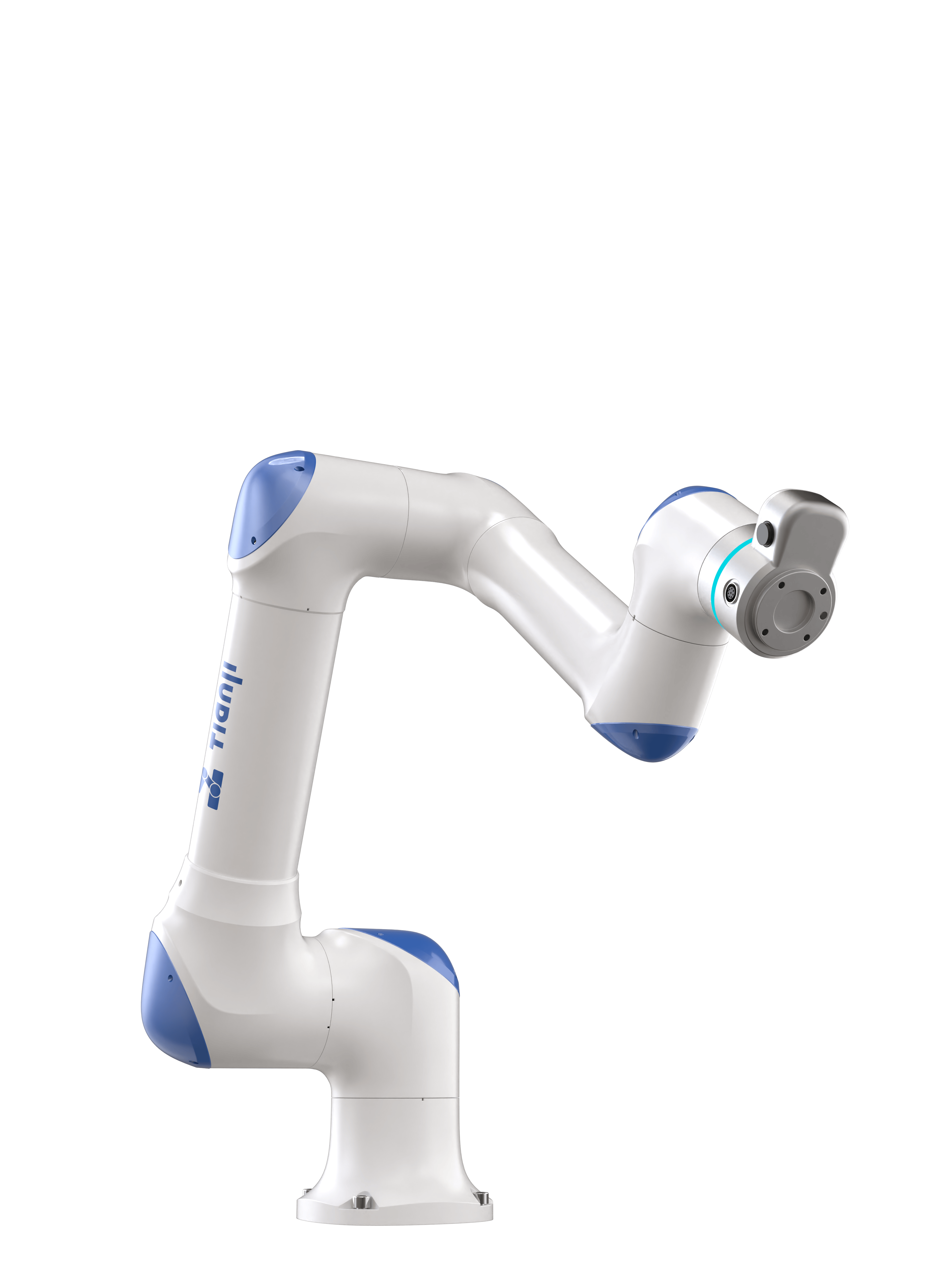
The demand landscape for precision reducers has never been a single market expanding at a uniform pace. It is a mosaic of segments moving at very different speeds — some already in a mature harvest phase, some passing through a critical window for domestic substitution, and some still in a stage where "the market's imagination far exceeds actual shipments." This chapter examines the four main tracks — industrial robots, humanoid robots, wind turbine gearboxes, and new-energy vehicle (NEV) electric-drive reducers — then briefly covers rail transit, construction machinery, elevators, and agricultural machinery as associated scenarios, concluding with a comparison table of each segment's scale, growth rate, and demand logic.
8.1 Industrial Robots: The Ballast of Precision Reducer Demand
Industrial robots remain the most important single downstream market for precision reducers, a judgment reinforced yet again by 2024 data.
According to the IFR's World Robotics 2025, China's new industrial robot installations in 2024 reached 295,000 units, a historic record, representing 54% of global installations and maintaining China's position as the world's top market for the 12th consecutive year. By end-2024, China's installed base of operational industrial robots stood at 2.027 million units, more than half the global total. Even more noteworthy is the reversal in market structure: domestic Chinese robot brands captured a 57% share of the domestic market in 2024, surpassing foreign brands for the first time and completely overturning the 28% domestic share of a decade ago.
From a reducer consumption perspective, a mainstream six-axis industrial robot requires 6–8 precision reducers — RV reducers for the heavy-load joints at the waist, upper arm, and forearm root (approximately 3–4 units), and harmonic reducers for the wrist and smaller joints (approximately 2–4 units). Collaborative robots are more compact, using harmonic reducers at all six joints, totaling 6–7 units. According to calculations by Zhiyan Consulting, China's industrial robot sector consumed approximately 796,000 harmonic reducers in 2024 (up 18.86% year-on-year) and approximately 571,000 RV reducers (up 9.69% year-on-year), totaling approximately 1.366 million units — nearly 15% more than 2023.
This consumption volume underpins a substantial market. According to Huajing Intelligence data, China's RV reducer market was approximately RMB 5.022 billion in 2023, with a CAGR of approximately 12.72% from 2018–2023; the harmonic reducer market was approximately RMB 2.43 billion, with a CAGR of approximately 16.76% over the same period. Together, these two types of precision reducers account for approximately 35% of industrial robot body cost — the highest share of any single component. RV reducers contribute approximately 15%–20% of robot body cost, and harmonic reducers approximately 10%–15%.
Domestic substitution in this segment has moved from a "breakthrough phase" to a "consolidation phase." China's domestic RV reducer market share by volume reached 60.8% in 2024, surpassing the foreign camp led by Nabtesco for the first time — whereas as recently as 2020, Nabtesco alone held approximately 54.80% of China's RV market. This structural reversal was completed in just four years, driven primarily by the rapid expansion of Huandong Technology (under Shuanghuan Driveline, 002472) from approximately 5% to approximately 25%. On the harmonic reducer side, domestic market share by volume exceeded 80% over the same period; Leaderdrive (688017) has penetrated Tesla's supply chain at prices approximately 40%–60% of Harmonic Drive Systems' equivalent products, establishing itself as the benchmark price anchor in the substitution narrative.
Looking at 2025 estimates, Zhiyan Consulting projects annual industrial robot harmonic reducer consumption will grow to approximately 958,000 units and RV reducer consumption to approximately 646,000 units. The industrial robot segment's growth logic is clear and verifiable: China's manufacturing automation penetration still has room to grow — robot density has reached 470 units per 10,000 workers (2023, highest globally), but still trails Germany's approximately 600-unit level — and the upgrade cycles of the automotive and 3C electronics industries, the two largest robot users, continue to generate incremental demand. On top of this, the market share redistribution driven by precision reducer domestic substitution provides an additional source of elasticity beyond industry growth rates.
8.2 Humanoid Robots: The Greatest Imagination, the Greatest Uncertainty
The significance of the humanoid robot segment for the reducer industry is first a technology pull, and only second a shipment pull. These two effects operate on different timelines in the current phase and must be assessed separately.
The technology pull is real and already quantified. The number of precision reducers required per humanoid robot is estimated by third-party research institutions at approximately 25–35 (for a bipedal standard configuration distributing across waist, legs, arms, and wrists), with highly integrated versions (including multi-finger dexterous hands) potentially reaching 40–50 — four to six times the quantity in a six-axis industrial robot. Specific configurations vary by model: the Tesla Optimus features approximately 14 harmonic reducers and 14 planetary roller screws per unit, with total actuators exceeding 40; Fourier Intelligence covers all body joints with 32 precision planetary reducers. Harmonic reducers account for approximately 25% of a humanoid robot's per-unit reducer cost, making them the most directly benefited sub-type at present. According to broker-house estimates, if global humanoid robot annual shipments reach the one-million-unit scale, the corresponding reducer market would exceed RMB 23 billion.
Shipment-side progress requires a restrained reading. 2025 global humanoid robot shipments are estimated by third-party data at approximately 14,400 units, with Chinese companies accounting for approximately 84.7%: AgiBot shipped approximately 5,168 units for the full year (per Securities Times, January 2026), ranking first globally; Unitree Robotics shipped over 5,500 units (per CNR, January 2026); UBTECH's industrial Walker S2 has cumulatively delivered over 500 units. In absolute terms, 14,400 units is a "startup phase" rather than a "mass production phase" shipment scale. More critically, a significant proportion of 2025 shipments went to universities and research institutions; the share actually deployed on factory production lines in genuine commercial operations is limited. Third-party estimates for 2026 global shipments suggest they may exceed 50,000 units, with China's two leading companies, Unitree and AgiBot, targeting a combined 30,000–50,000 units, though actual delivery pace remains highly uncertain.
The Institute's judgment is that 2025–2027 is a validation period for the humanoid robot segment, during which the industry must resolve three core questions: Can total unit cost fall from the current small-batch price of approximately USD 40,000 to below the large-batch target of USD 20,000? Can the yield rate and consistency of key actuators support continuous two-shift operation in factory environments? Will end customers place follow-on orders after validation and establish a predictable procurement cadence? The answers to these three questions will determine the time window in which reducer manufacturers actually benefit. From a more conservative perspective, scale-driven demand is not reliably materializing before 2028. Before then, humanoid robots' incremental contribution to the reducer market is real but small in absolute terms. Global humanoid robot reducer market is estimated by some institutions at approximately RMB 300–400 million in 2025 (with the domestic figure even lower), and the high growth rate's absolute base does not support the current market's optimistic pricing of upstream reducer suppliers — this mismatch is a risk requiring ongoing monitoring.
8.3 Wind Turbine Gearboxes: Large-Scale Machines Reshape Per-Unit Value, but Structural Pressures Cannot Be Ignored
Wind turbine gearboxes are among the highest per-unit value categories in the reducer family. For turbines above 10 MW, the main drive gearbox per unit is valued at over RMB 8 million — far exceeding the hundreds to thousands of yuan range for industrial robot RV reducers. China's sustained wind power expansion provides long-term baseline demand for this segment, but its internal structure is experiencing a divergence in transmission technology paths.
In terms of market scale, citing industry data via Sina Finance, China's wind turbine gearbox market was approximately RMB 17.9 billion in 2023, representing an annualized growth of over 12% from approximately RMB 6.4 billion in 2014. China's new wind power installed capacity in 2024 was approximately 86.4 GW (including approximately 81 GW onshore and approximately 5.6 GW offshore), with cumulative installed capacity exceeding 520 GW — the global leader. Gearboxes account for approximately 9.3% of turbine cost (based on Mingyang Smart Energy data), with the absolute dollar value significantly higher for turbines above 10 MW.
The competitive landscape in wind turbine gearboxes is highly concentrated. NGC (China High Speed Transmission, 0658.HK) held approximately 34% domestic market share in 2024 with approximately 9,000 units shipped, maintaining its industry-leading position; Chongqing Gearbox (CGMC) held approximately 20.6%, ZF approximately 22%, and Deligia (603092) approximately 10%. Notably, NGC reported a loss of approximately RMB 656 million in its 2024 annual report and is subject to a criminal investigation involving approximately RMB 6.6 billion in funds according to company announcements — the operational stability of the leading player is a variable the industry must closely monitor. Deligia completed its IPO in 2025, with wind power revenue growing 91% year-on-year in 2024, demonstrating the momentum of market share redistribution.
Technology path divergence is the most fundamental structural variable in this segment. Direct-drive turbines (permanent magnet synchronous, without a main gearbox) continue to gain share in the small-to-medium power range, theoretically compressing absolute demand for traditional geared configurations. However, the semi-direct drive approach (medium-speed transmission) has demonstrated stronger competitiveness in the multi-megawatt range — in May 2025, Dongfang Electric launched a 26 MW offshore turbine using its third-generation fully integrated semi-direct drive technology (integrated shafting, gearbox, and generator), setting a new world record for single-turbine capacity. The core rationale for semi-direct drive is that if a very large turbine's generator were to follow the direct-drive path and increase the number of poles, the volume and weight would approach the practical limits of construction and installation, whereas introducing a medium-speed gearbox can dramatically reduce generator size while preserving efficiency advantages. This technical judgment means that large-scale deployment is not a unilateral negative for gearboxes — the recovery of medium-speed main drive solutions in very large turbines may partially offset demand losses from direct-drive adoption in smaller models.
From a per-unit value expansion perspective, the scale-up trend itself is a positive: gearboxes for 3 MW turbines are valued at approximately RMB 2–3 million, while those above 10 MW exceed RMB 8 million — more than four times the per-unit value, partially compensating for reduced unit volumes. According to Fortune Business Insights forecasts, the global wind turbine gearbox market is expected to add approximately USD 4.66 billion from 2024–2029 (CAGR approximately 6.3%), with offshore wind CAGR of approximately 13.9% as the core growth driver.
8.4 NEV Electric-Drive Reducers: Highest Volume, Lowest Price, Fastest Growth
NEV electric-drive reducers are the fastest-growing segment in the reducer industry today, but the average selling price per unit is vastly lower than that of precision reducers for industrial robots. This combination — high incremental volume, low value density — defines the unique nature of this segment's contribution to industry scale.
According to an LP Information market report, global electric vehicle reducer production in 2024 was approximately 18.26 million units at an average selling price of approximately USD 117 per unit, corresponding to a global market of approximately RMB 15.5 billion (approximately USD 2.14 billion); the 2025–2031 CAGR forecast is approximately 19.3%, growing the global market to approximately USD 7.2 billion by 2031. China is the world's largest production and consumption market: China's NEV sales in 2024 were approximately 12.9 million vehicles, a penetration rate of approximately 44%, representing approximately two-thirds of global NEV sales.
Battery electric vehicles (BEVs) use fixed-ratio reducers in their electric drive systems — single-stage planetary reducers or helical gear configurations — without the need for a conventional multi-speed transmission. This technological simplification is the most important structural characteristic of the automotive reducer market: per-unit value is far below that of a traditional automatic transmission, but for reducer manufacturers it represents standardized, large-batch procurement — margins are compressed but volumes are stable. Domestic leader Shuanghuan Driveline (002472) is a deep participant in this segment; in the first three quarters of 2024, its automotive gear-related revenue grew 14.83% year-on-year, accounting for a significant share of total annual revenue of approximately RMB 8.781 billion.
Compared to the precision contract-manufacturing logic of industrial robots, automotive electric-drive reducers are closer to a large-batch precision manufacturing competitive paradigm, where barriers come from production line efficiency, consistency control, and Tier 1 certification systems rather than from core algorithms or materials science. This characteristic gives companies like Shuanghuan Driveline with automotive-grade manufacturing capabilities a structural advantage, while the barriers to entry for pure precision robot reducer manufacturers attempting to cross over are relatively high.
8.5 Brief Overview of Other Sub-Segments
Rail transit traction gearboxes are the reducer sub-type with the highest technical barriers and extreme application specificity. Domestic suppliers are dominated by the CRRC system — CRRC Qishuyan, CRRC Zhuzhou Times Electric, and others firmly control high-speed train and EMU transmission systems, with a domestic content rate exceeding 90%. The global railway gearbox market was approximately USD 480 million in 2023 and is expected to grow to approximately USD 660 million by 2030, at a CAGR of approximately 4.2% (QY Research data). With steady but limited growth, a completed domesticization process, and high barriers to foreign entry, this segment's structure is entrenched — it is not a primary storyline in the precision reducer domestic substitution narrative.
Construction machinery planetary reducers were at a cyclical trough in 2024. Affected by continued contraction in real estate investment and limited incremental infrastructure spending, new demand for excavators, loaders, cranes, and other major construction equipment remained sluggish, leaving planetary reducer manufacturers relying on a combination of aftermarket maintenance and exports to stay afloat. Chinese construction machinery exports benefited from Belt and Road infrastructure demand, with approximately 20% overseas incremental volume partially filling the domestic demand gap, but insufficient to drive systematic growth in this segment.
Elevator traction machines face a long-term trend that is unfavorable for the reducer industry — gearless traction machines (permanent magnet synchronous motors, without reduction gearing) already account for over 80% of new elevator installations, pushing geared traction machines (with worm gear reducers) into the aftermarket. China's elevator installed base exceeds 10 million units, and retrofit policies for aging elevators provide some replacement demand for geared traction machines, but the incremental logic has essentially ceased to apply.
Agricultural machinery reducers represent a typical long-tail market — demand from tractors, combine harvesters, rice transplanters, and other agricultural equipment for bevel gear differentials and gearbox assemblies grows modestly in line with government agricultural machinery subsidy policies, but precision reducer penetration is extremely low, reliable public market size data is scarce, and it remains a peripheral application scenario for the reducer industry.
8.6 Segment Comparison: Scale, Growth, and Demand Logic
| Segment | Estimated 2024 domestic scale | Growth rate | Core demand logic | Precision reducer density |
|---|---|---|---|---|
| Industrial robot precision reducers | Approx. RMB 10 billion (RV 5 billion + harmonic 2.43 billion) | High (approx. 15%–20%) | Installation growth + domestic substitution share redistribution | Very high (6–8 per unit) |
| Humanoid robot reducers | Estimated approx. RMB 100–300 million (early stage) | Explosive (high uncertainty on base) | Mass production breakthrough + per-unit quantity 4–6× industrial robots | Very high (25–50 per unit) |
| Wind turbine gearboxes | Approx. RMB 17.9+ billion | Medium-high (approx. 12%) | Installation growth + per-unit value uplift from large-scale machines | Low (1 per unit, but very high value) |
| NEV electric-drive reducers | Approx. RMB 15 billion | Very high (approx. 19%) | Continued NEV penetration rate increase + exports | Low (1 per unit, low unit price) |
| Construction machinery | Approx. RMB 8–10 billion | Negative/flat | Cyclical trough, exports partially compensate | Medium (multiple planetary reducers per unit) |
| Rail transit | Approx. RMB 3.5–5 billion | Low (approx. 4%) | Stable infrastructure investment | Medium (domesticization complete) |
| Elevator traction machines | Approx. RMB 2–3 billion | Flat | Existing stock retrofits | Low (gearless dominates new installations) |
| Agricultural machinery | Tens of billions (estimated) | Low growth | Agricultural machinery subsidy policies | Low (primarily general-purpose mechanical reducers) |
Several key comparisons are worth highlighting separately:
- Wind turbine gearboxes have the highest per-unit value in the entire reducer family — over RMB 8 million per unit for turbines above 10 MW; industrial robot RV reducers range from thousands to tens of thousands of yuan per unit; NEV electric-drive reducers average only approximately USD 117 (approximately RMB 850), with scale driven by volume rather than price.
- Although per-unit reducer quantity for humanoid robots is 4–6× that of industrial robots, 2025 total shipments of approximately 14,400 units represent only approximately 4.9% of the annual new-installation scale of industrial robots — the magnitude difference in demand pull between the two is enormous, and it would be inappropriate to simply extrapolate near-term market contribution using a "multiplier."
- Industrial robots form the current foundation of the precision reducer market, with the domestic substitution window still open; wind turbine gearboxes are the most certain growth segment among traditional heavy-duty reducers; NEV electric-drive reducers are the fastest-growing new base; humanoid robots are the most elastic but least certain strategic segment. Each of the four main tracks has its own logic; together they constitute the primary demand drivers for the precision reducer industry from 2026–2030.
From a broader perspective, the divergence among downstream segments reflects a deeper industry characteristic: the growth drivers of the reducer industry have evolved from a single manufacturing fixed-asset investment cycle into multiple relatively independent demand engines — robot automation, green energy, and electric transportation each have independent policy drivers and technology maturity curves. This diversification reduces the industry's sensitivity to any single cycle's volatility, while also requiring reducer companies to make clearer choices about segment positioning in product definition and manufacturing capabilities, rather than drifting along on general-purpose capabilities.
Chapter 9 Technology Evolution Trends
The technological competition in the reducer industry has never been a story of single-point breakthroughs, but a systems-engineering effort advancing simultaneously across four dimensions: materials, processes, equipment, and integration. Since 2024, the anticipated explosive demand from humanoid robots has again accelerated the pace of this race: harmonic reducer tooth-profile technology paths are diverging, domestic RV reducer precision is approaching Japanese benchmarks, planetary reducers are rapidly iterating toward lower backlash, and the deeper transformation — integrated joint module assemblies — is now pushing reducer manufacturers toward a fundamental transformation of their business models. At the same time, the six layers of technical bottlenecks blocking domestic reducers from breaking into high-end markets remain the true backdrop of this race.
9.1 Integrated Joint Modules: The Most Profound Industrial Restructuring
Integrated joint module assemblies represent the most central technology evolution direction in the current precision reducer industry. Their impact extends far beyond product form iteration — they fundamentally reshape the position of reducer manufacturers within the supply chain.
In traditional industrial robots, joints are supplied separately by a reducer manufacturer, a motor manufacturer, an encoder manufacturer, and a driver manufacturer, with the robot body manufacturer responsible for integration. This model worked smoothly in the six-axis industrial robot era, but has encountered structural challenges in the humanoid robot scenario: a humanoid robot has 25 to 50 actuated joints per unit (with rotary joints in the majority), four to six times the joint count of a six-axis industrial robot, and with extremely stringent constraints on axial length, weight, and dynamic response. The old model of decentralized procurement and decentralized integration is too inefficient and carries too high a weight penalty for the development pace of humanoid robots.
The integrated joint module concept emerged in response: combining a reducer (harmonic or planetary), a frameless torque motor, dual encoders (one on the input side and one on the output side, for full closed-loop torque control), a torque sensor, and a drive controller into a sealed module with axial length kept within 100 mm, communicating with the robot's main controller through a standardized electrical interface. This design shifts the electromechanical integration challenge previously borne by robot manufacturers upstream to the actuator supplier, requiring the latter to simultaneously possess capabilities in precision mechanics, motor design, and embedded control.
Actuators as a whole account for approximately 55% of a humanoid robot's total BOM, of which frameless motors are approximately 16% and reducers approximately 13%, with dual encoders and drivers accounting for the remaining portion. Integration design does not change the physical value of each component, but it profoundly changes the question of who captures that 55% — component sub-suppliers will progressively give way to actuator system integrators.
Multiple domestic companies have entered the layout phase of this segment. Kinco (002527), building on its servo driver base, is extending toward joint modules and has introduced compact actuators integrating harmonic reducers and frameless motors. Zhaowei Electromechanical (003021), originating in micro-transmissions, is positioning in small joint modules targeting dexterous hand and collaborative robot applications. Moons' Industries (603728) is entering through stepper motors, collaborating with harmonic reducer suppliers to co-develop joint module solutions. Leaderdrive (688017), in its late-2024 private placement fund-raising, planned production capacity for joint modules (electromechanical integrated products) at 200,000 units per year, alongside harmonic reducer capacity of 1 million units per year, as two parallel main business lines.
The difficulty of this transition lies in the fact that reducer manufacturers' DNA is precision mechanics — motors and embedded control are not their historical strengths; while motor manufacturers entering the joint module space must supplement their manufacturing capabilities in high-precision reducers. Both types of companies are extending toward the middle ground from their respective genetic boundaries; the suppliers that can truly and completely integrate the four capability sets will establish system-level pricing power in the humanoid robot supply chain. This race remains undecided during the 2025–2027 validation period, but the direction has been established.
9.2 Harmonic Reducers: Tooth-Profile Innovation, Lifespan Breakthroughs, and Miniaturization
Harmonic reducer technology evolution in the mid-2020s exhibits three relatively clear main threads: differentiated innovation in tooth profiles, systematic improvement of lifespan specifications, and extreme miniaturization targeting humanoid robot dexterous hand applications.
Tooth-profile path divergence
Harmonic Drive Systems has long built its technological moat on its dual-arc involute patent, making it difficult for followers to compete on the same tooth-profile path. Leaderdrive independently developed its proprietary "P-tooth" profile, adopting a design different from Harmonic Drive Systems' dual-arc involute — by reducing tooth height and increasing root hardness, the gear mesh area contact pressure is reduced by approximately 30%, effectively reducing tooth surface fracture risk while improving output efficiency and load-bearing torque. This approach, while circumventing patent constraints, creates genuine performance differentiation; it is not merely an avoidance route but an innovation with independent technical content.
In terms of precision, the backlash of top-tier domestic harmonic reducers can now be held to no more than 1 arc-minute, meeting the precision threshold for humanoid robot rotary joints. The precision gap with Harmonic Drive Systems has narrowed from more than 3× in the early days to approximately 1.5×. The core of this precision improvement lies in consistency control of flexspline tooth profiles and elliptical profile accuracy of wave generators, both of which depend on concurrent advances in gear grinding equipment and inspection capabilities.
Lifespan breakthroughs and lightweighting
Lifespan is one of the most difficult indicators to overcome in domestic harmonic reducer substitution. The flexspline undergoes approximately 10^7 fatigue cycles under alternating bending loads of approximately twice per revolution, demanding extremely high material purity, heat treatment consistency, and root stress concentration control. Leaderdrive's next-generation products have surpassed the 10,000-hour lifespan threshold, narrowing the gap with Harmonic Drive Systems' approximately 20,000-hour level — though the gap remains.
In response to humanoid robots' extreme weight sensitivity, lightweight harmonic reducers achieve over 30% weight reduction at equivalent output torque through optimizing flexspline wall thickness distribution, adopting lightweight circular spline materials, and simplifying wave generator structures. The miniaturization direction targets dexterous hand applications, compressing outer diameter to the 10 mm range — requiring maintenance of flexspline tooth profile precision and wave generator stiffness within an extremely confined space, one of the most manufacturing-challenging sub-scenarios.
Cost reduction pathway
Scale effects are the primary driver of cost reduction for domestic harmonic reducers. Current domestic harmonic reducers of equivalent performance sell at approximately 30%–60% of Harmonic Drive Systems prices; Leaderdrive has entered the supply chains of international top-tier robot manufacturers such as Tesla at prices approximately 40%–60% of Harmonic Drive Systems products. As annual production capacity at the million-unit scale forms, industry estimates suggest domestic harmonic reducer unit prices will continue to fall 20%–30% over the next 2–3 years, further lowering the overall BOM cost of industrial and humanoid robots.
9.3 RV Reducers: Stiffness Breakthroughs and Precision Catch-up
RV reducers, through their two-stage transmission structure — a front-stage involute planetary gear set and a rear-stage cycloidal-pin wheel — achieve significantly higher torsional stiffness and shock resistance than harmonic reducers, making them the mainstream solution for heavy-load joints such as the waist and upper arm of industrial robots. Domestic market share by volume reached 60.8% in 2024, surpassing foreign players for the first time, but gaps in stiffness, precision consistency, and lifespan compared with Nabtesco remain.
Precision and noise specifications are the most visible manifestation of recent technical breakthroughs in domestic RV reducers. Products from the precision reducer subsidiary of Qinchuan Machine Tool (000837) have noise levels approximately 3 dB lower than Nabtesco and have broken the 10,000-hour lifespan threshold, reaching international advanced levels. Huandong Technology's (a subsidiary of Shuanghuan Driveline, 002472) RV reducer product line covers the full range of industrial robots from 6 to 1,000 kg load capacity, with annual production capacity of 300,000 units and a domestic market share of approximately 25% in 2024 — the leading domestic position.
Nabtesco implemented an approximately 15%–20% price reduction in the Chinese market in 2024 — the first in over 20 years — directly reflecting the impact of domestic competition pressure on its pricing structure. This defensive price cut is not a signal that Nabtesco's technological advantage has weakened; rather, it is a commercial move in a market-share defense battle. Against the backdrop of domestic RV reducers gaining both volume and price, price concessions have become a necessary means to maintain relationships.
The main remaining shortcomings of domestic RV reducers are concentrated in: micron-level machining consistency of key parts such as the cycloidal disc and crankshaft (batch-to-batch variation causes excessive lifespan dispersion); and dependence on Japanese bearing brands such as NSK and IKO for internal needle roller bearings (domestic P4/P2-grade bearings have not yet fully matched fatigue lifespan). These two factors together determine that the actual service life of domestic RV reducers is approximately 8,000 hours, still below the international standard of 10,000+ hours.
9.4 Planetary Reducers: Mid-Range Domestic Substitution at Low Backlash
Precision planetary reducers are known for high transmission efficiency (generally no less than 97%), compact structure, and high power density, and are widely used in collaborative robots, electric linear actuators, and machine tool FA applications. The main technology evolution direction is continuous reduction of backlash.
Currently, top-tier foreign brands such as Germany's Neugart dominate in high-end applications with precision better than 1 arc-minute and output torques exceeding 10,000 N·m. Domestic companies have already established strong competitiveness in the mid-range market at precision of 3–5 arc-minutes, achieving substantive replacement of imported products. With Fourier Intelligence's humanoid robot adopting 32 precision planetary reducers (precision better than 3 arc-minutes) as its full-body joint solution, penetration of low-backlash planetary reducers into the humanoid robot scenario has become a new source of incremental demand.
It is expected that from 2025–2028, mid-range precision planetary reducers (backlash within 3 arc-minutes) will substantially complete domestic substitution in collaborative robot and small-to-medium industrial manipulator applications, driving domestic companies toward the 2 arc-minute and even 1 arc-minute precision frontiers.
9.5 Six Layers of Technical Bottlenecks in Domestic Substitution
The improvement in domestic content rate figures — RV by volume at 60.8%, harmonic by volume exceeding 80% — obscures a structural fact: the share gains have been primarily driven by scale expansion in mid-to-low-end markets, while domestic penetration in high-end precision applications (high-dynamic humanoid robot joints, top-tier industrial robot waist joints) remains low. The technical bottlenecks restricting domestic reducers from breaking into high-end markets are not a single problem but a systemic deficiency across six levels.
Layer 1: Materials — Ultra-clean specialty steels
Harmonic reducer flexsplines use 40Cr or 40CrNiMo (SNCM439) high-strength alloy steel, requiring ultra-clean smelting processes with impurity content controlled below 0.015%. RV reducer cycloidal discs use high-alloy carburizing steel (typically the 20CrMnTi family), which also has extremely strict requirements for steel homogeneity and inclusion control. Domestic producers Baosteel and CITIC Special Steel have relevant production capabilities, but dedicated high-end grades for robot reducers are still in a ramp-up phase, with visible batch-to-batch stability gaps compared with specialized steel suppliers such as Japan's Daido Steel. The gap at the materials level is primarily not a lack of alloy grades but a failure of consistency control during large-scale supply.
Layer 2: Heat treatment — Distortion control and consistency in carburizing and quenching
The standard process route for reducer gears must pass through carburizing and quenching before precision grinding, to establish a performance gradient of high-hardness surface (HRC 58–62) and high-toughness core. The quenching process inevitably introduces thermal distortion; precision reducers must control distortion within extremely tight bounds, otherwise the distribution of grinding allowances will become uncontrollable, ultimately affecting tooth profile precision and shaft coaxiality. Domestic gear heat treatment processes have achieved engineering-level capability, but the consistency of batch-to-batch distortion — reflecting furnace temperature uniformity, atmosphere control, and fixture repeatability — shows a marked gap compared to Japanese manufacturers, and is the key factor limiting yield rate and lifespan consistency in high-end reducer mass production.
Layer 3: Gear grinding precision — Import dependence for five-axis gear grinding equipment
Gear grinding is the final critical process step determining the ultimate precision grade (ISO grade 3–5) and surface quality of gears, directly affecting backlash, noise levels, and contact fatigue lifespan. Top-tier gear grinding equipment is monopolized by three firms: Switzerland's Reishauer, USA's Gleason, and Germany's Klingelnberg. The precision grinding equipment for key RV reducer components (cycloidal discs, pin housings) costs over RMB 15 million per unit, with Japan imposing some export restrictions on China. Qinchuan Machine Tool (000837) holds approximately 60% of the domestic gear grinding equipment market, achieving a mid-range breakthrough, but independent manufacturing capability for high-end precision robot reducer gear grinding equipment remains a weakness, and machining of gears to the highest precision levels remains highly dependent on imported equipment. This equipment-level dependency is the single hardest link in the technology bottleneck chain to resolve independently in the near term.
Layer 4: Inspection capability — Transmission error and torsional stiffness test benches
Factory inspection for precision reducers centers on two key categories: transmission error measurement (reflecting overall tooth profile precision) and torsional stiffness testing (reflecting structural rigidity). The domestic commercialization of high-precision transmission error measurement instruments (exemplified by the Klingelnberg gear measurement center) and torsional stiffness test benches is limited, with many companies still relying on imported inspection equipment. Insufficient inspection capability directly affects outgoing quality consistency — precision dispersion among batch products cannot be fully detected, making root-cause analysis difficult when quality issues emerge after integration into the complete machine. Achieving independent inspection equipment is a prerequisite for systematically improving batch consistency CPK values, but this link has long ranked behind equipment and materials in the priority of domestic substitution efforts.
Layer 5: Bearing supply — Dependence on Japanese brands for internal precision bearings
Internal needle roller bearings (P4/P2 precision grades) for RV reducers and flexible bearings for harmonic reducers are two categories of highly specialized bottleneck components. The core challenge for needle roller bearings is the combined requirement of small space, high load, and high fatigue life; flexible bearing inner and outer rings must undergo continuous elastic deformation after assembly, with demands on steel purity and cage design equivalent to those of the flexspline itself — universally recognized as one of the most difficult-to-manufacture specialized components. More than 50% of P4/P2 ultra-precision bearings overall still depend on imports from SKF, FAG, NSK, NTN, GRW, and other foreign brands; domestic institutions such as the Luoyang Bearing Research Institute and Luoyang LYC have been working persistently on robot-dedicated bearings, but the fatigue life gap with Japanese brands has not been eliminated, and flexible bearing production capacity and lifespan verification cycles remain long.
Layer 6: Batch consistency — CPK and precision retention rate
The first five bottleneck layers ultimately converge on Layer 6: batch consistency. Meeting performance specifications on a single prototype and maintaining consistent precision distribution across tens of thousands of batch-produced units are two entirely different capability propositions. The core metrics for measuring batch consistency are CPK (process capability index) and precision retention rate (the rate of backlash degradation over a reducer's design life). Mainstream domestic harmonic reducer flexspline lifespan products have broken the 10,000-hour threshold, but the lifespan dispersion of batch products is significantly higher than that of Japanese products meeting Harmonic Drive Systems' approximately 20,000-hour standard; domestic RV reducers have a typical lifespan of approximately 8,000 hours, still below the international 10,000-hour-plus level, and low batch-to-batch consistency causes hesitation among high-end complete machine manufacturers when certifying procurement. Systematic improvement of precision retention rate and CPK values depends on the coordinated improvement of the five layers above, and represents the final threshold domestic reducers must cross to move beyond the "share substitution" stage and truly enter high-end markets.
9.6 Phased Assessment of Technology Evolution
Synthesizing the six bottleneck layers and the evolution trajectories of the three product types, a relatively clear phased pathway emerges.
Mid-range substitution phase (present to 2027): Domestic RV and harmonic reducers have achieved large-scale volume-basis replacement in mid-tier industrial robot applications, and planetary reducers are approaching the completion of domesticization in the mid-range market. The core driver of this phase is cost reduction through scale effects and the responsiveness of localized supply chains, rather than pure technological leadership.
High-end catch-up phase (2027–2030): Incremental breakthroughs in domestic gear grinding equipment, improved large-scale supply capability for ultra-clean specialty steels, and validated domestic production capacity for flexible bearings will drive domestic precision reducers to progressively qualify for high-end precision (backlash ≤ 1 arc-minute) and high-lifespan (exceeding 15,000 hours) applications. The key milestone of this phase is entry onto the approved supplier lists of top-tier industrial robot OEMs (ABB, FANUC level), with certification cycles typically running 2–3 years.
Integration restructuring phase (2026–2030, advancing in parallel): Integrated joint module assemblies will create a new market structure — neither a simple continuation of the traditional reducer landscape nor an independent expansion by motor manufacturers, but a convergent competition in which the boundaries between the two types of companies blur. In this direction, companies that first complete the integration of electromechanical-software capabilities will establish system-level pricing power in the humanoid robot mass production supply chain — the most strategically valuable and least predictable variable in the current technology evolution of the precision reducer industry.
Chapter 10 Risks and Challenges
China's reducer industry is experiencing a rapid expansion cycle, propelled by domestic substitution, demand growth, and capital inflows. However, several structural risks underlie this expansion, spanning technical shortfalls, demand timing, raw material supply, and the trade environment. These risks are not isolated from one another; they transmit through supply chains and market expectations, constituting the real resistance the industry must confront as it seeks to move from "quantitative accumulation" to "qualitative breakthrough."
10.1 Precision Reducers: High-End Gaps and Certification Lock-in
Domestic precision reducers have achieved a phased volume-basis surpassing of foreign players — China's RV reducer domestic rate was approximately 60.8% and harmonic reducer domestic rate exceeded 80% in 2024. But volume-basis leadership does not equate to technological parity. On the most critical lifespan and consistency metrics, a quantifiable gap persists between domestic products and Japan's top-tier standards.
For harmonic reducer flexspline rated service life, Leaderdrive's (688017) flagship products have exceeded the 10,000-hour threshold, but Harmonic Drive Systems' mature production lines generally achieve 20,000 hours — a gap of approximately twofold. For RV reducers, domestic mainstream product rated lifespan is approximately 8,000 hours, while Nabtesco's equivalent products exceed 10,000 hours with more stable precision retention. Precision retention refers to the ability of a reducer to avoid significant degradation of backlash after sustained operation — measured by MTTF (mean time to failure), domestic RV reducers in high-load cycling conditions overall fall below Nabtesco's equivalent products.
The root cause of the lifespan gap lies in upstream accumulation. Harmonic flexsplines require steel with impurity content below 0.015%, necessitating ultra-clean smelting; RV cycloidal disc conjugate tooth profile grinding must achieve ISO grade 3–4; harmonic-dedicated flexible bearings must maintain continuous elastic deformation after assembly without fatigue cracking. While domestic smelting processes, gear grinding equipment, and bearing materials are rapidly improving, batch-to-batch consistency variation and heat treatment distortion control remain shortfalls that limit long-term product reliability and cannot be eliminated in the short term through any single breakthrough.
Technical gaps translate directly into commercial barriers. Top-tier robot OEMs such as KUKA, FANUC, and Yaskawa have rigorous certification procedures for RV suppliers for critical axis positions (axes 1 and 2). The two-way lock-in Nabtesco has established through long-term collaboration — products embedded in complete machine designs, dimensional interfaces and control parameters deeply adapted — means that even when domestic suppliers approach parity on performance specifications, they still need years of installed-base validation before entering the mass production supply list. This certification lock-in effect means domestic penetration of core-axis positions in high-end six-axis industrial robots is far slower than in consumer robots or lower-axis supply.
10.2 General-Purpose Reducers: Overcapacity and Price-War Attrition
The risk profile of the general-purpose reducer segment is entirely different from that of the precision end: not insufficient technology but excessive competition. Nationwide there are 5,766 reducer manufacturing enterprises; the industrial belt in Wenling, Zhejiang alone has over 1,200 enterprises with total output exceeding RMB 30 billion, and Shandong leads nationally with 1,694 enterprises. In traditional heavy industries such as hoisting and transportation, cement and building materials, and metallurgy and mining, reducer products have moderate technical barriers and highly standardized designs, leading to a flood of small and medium enterprises with very low entry barriers and persistent homogeneous competition.
General-purpose reducer demand in 2024 was approximately 12.24 million units, but domestic annual production already reached 15.32 million units — output exceeding demand by approximately 25%, with clear structural oversupply characteristics. Gross margins of leading companies such as Guomao (603915) and Ningbo Dongli (002164) are generally in the 15%–25% range, with actual gross margins at smaller companies even lower. Price wars compress profits while also inhibiting companies' capacity for R&D reinvestment, forming a negative cycle of low profits → low R&D → commoditization → even lower profits.
A more serious obstacle is the absence of international certification. Purchasers of reducers from European and American industrial customers typically require TÜV or UL safety certification, and the EU market also requires CE compliance. Chinese small-to-medium reducer manufacturers generally have not completed the relevant certification frameworks, making the actual barrier to exporting to Europe and the US higher than the technical difficulty of the products themselves. In emerging markets such as Southeast Asia and the Middle East, Chinese reducers have established some export foothold, but the path to high-value markets remains blocked by the lack of certification and insufficient brand equity.
10.3 Robot Demand Timing: Two Temporal Mismatch Risks
The growth logic for reducers is closely tied to robot demand, which itself carries two structural timing risks, from the industrial and humanoid ends respectively.
The cyclical dependence of industrial robots. China's new industrial robot installations in 2024 were 295,000 units, with an installed base of 2.027 million units and a robot density of 470 units per 10,000 workers — all world-leading figures. But industrial robot capital expenditure is heavily concentrated in two industries — automotive (approximately 30% of equipment demand) and 3C electronics (approximately 25%), which together account for more than half. If the automotive industry experiences a slowdown in new-energy vehicle model transitions, or the 3C industry enters a destocking cycle, reducer orders will slow in tandem. Some domestic RV manufacturers experienced inventory build-up in 2023, directly linked to a temporary contraction in automotive industry capital expenditure. This demand structure overly concentrated in a few downstream industries is a natural cyclical vulnerability of the precision reducer market.
Uncertainty in humanoid robot mass production timing. Humanoid robots represent the most imaginative incremental opportunity for reducers — 25–50 units per machine, four to six times that of a six-axis industrial robot. 2025 global humanoid robot shipments were approximately 14,400 units, with China accounting for approximately 84.7%, and companies such as AgiBot, Unitree, and UBTECH in the early stages of volume ramp-up. However, a large proportion of 2025 shipments went to universities, research institutions, and corporate showcase applications, with very limited deployments actually running continuously on factory production lines.
According to estimates from multiple third-party institutions, the timing of large-scale factory deployment of humanoid robots may be 2–3 years later than current optimistic expectations, primarily constrained by three factors: first, the perception and manipulation reliability of current humanoid robots in unstructured environments has not yet met factory-grade continuous operation standards; second, overall unit costs remain high — Unitree's R1 at approximately RMB 43,000 represents a payback period too long for most labor-intensive factory applications; third, factory task orchestration and safety standards for humanoid robots have yet to form industry consensus, with system integration costs layered on top of unit prices further raising early deployment thresholds. If the mass production timeline slips, reducer companies relying on humanoid demand to absorb capacity expansion will face phased absorption pressure. Meanwhile, fierce price competition among complete machine manufacturers is compressing per-unit BOM value, transmitting downward pressure on per-unit procurement prices for companion reducers.
10.4 Raw Materials and Components: Import Dependencies and Export Controls
For specialty gear steels, stable supply of the ultra-clean 40CrNiMo (SNCM 439 family) required for harmonic reducer flexsplines still treats Japan's Daido Steel as the technical benchmark. While domestic Baosteel and CITIC Special Steel have some supply capability, batch-to-batch stability for robot-reducer-dedicated grades still lags Japanese products by a process generation. For high-end precision bearings (P4/P2 grades), industry estimates suggest that more than 50% of domestic ultra-precision bearings still depend on foreign brands such as SKF, FAG, NSK, and NTN. As one of the three core components of harmonic reducers, flexible bearings have very few global volume suppliers, and the domestic substitution pathway is still under validation, with self-developed advances by companies such as Laifual Harmonic still requiring time.
The risk dimension of rare-earth magnetic materials is more systemic. Frameless torque motors are core components of joint modules, and high-performance motors make extensive use of NdFeB permanent magnet materials. Since 2023, export control policies on rare-earth raw materials have been progressively tightening; if related controls expand further, they will create expectational disruption for global robot OEM procurement decisions, indirectly affecting reducer companion procurement through order delays and inventory accumulation. While the direct rare-earth consumption of reducer bodies themselves is limited, the supply chain ecosystem in which they operate is highly sensitive to rare-earth prices and accessibility — the transmission chain cannot be ignored.
10.5 Technology Substitution: Boundary Competition from Direct Drive and Engineering Plastics
Direct-drive motors have a clear substitution logic in specific applications — semiconductor lithography stages, high-precision imaging equipment rotary mechanisms, and other scenarios with extreme dynamic response requirements and relative tolerance for heat and weight, where torque motor direct drive is replacing traditional reducer solutions. But the fundamental limitation of direct drive is that under high reduction ratio conditions, direct drive requires an extremely large motor to output sufficient torque, with cost and heat generation both amplified, making it economically unviable in mainstream applications such as six-axis industrial robots and heavy-load mechanical arms. The mainstream direction of recent industrial robot joint module development is to integrate reducers with frameless motors, dual encoders, and torque sensors into integrated modules — not to eliminate reducers using direct drive. Technology substitution does not pose a substantive threat to core precision reducer demand in the near term; it is more a diversion in edge applications involving low power, high speed, and low load.
Engineering plastic gears (PEEK and similar) continue to advance in the lightweighting direction. By 2025, some companies have launched PEEK-material harmonic reducers achieving 40% weight reduction, approximately 3× the lifespan of traditional steel solutions, and 20% axial size reduction, suitable for weight-sensitive applications such as dexterous hands and collaborative robots. However, the rigidity, impact resistance, and high-temperature reliability of engineering plastics fundamentally differ from steel gears, and in high-load applications such as industrial robot main arms and heavy-load handling, steel solutions cannot be substituted in the near term. The penetration space for engineering plastics is currently limited to specific sub-segments with low power, light weight, and low impact — the degree of disruption to the overall steel reducer market is limited.
10.6 Export Barriers: Tariff Increases and Defensive Price Cuts
In 2025, the United States substantially increased tariffs on Chinese mechanical components, directly raising the overall cost of Chinese reducer exports to the US market and creating substantive order pressure for the few companies that have established European and American customer channels. The EU market, in addition to tariffs, has CE certification technical barriers and TÜV and UL safety certification requirements. Chinese small-to-medium reducer manufacturers' export paths are constrained by their certification deficiencies, confining them to emerging markets with relatively lenient certification requirements — but unit prices and profit margins in emerging markets are both limited.
The response of Japanese manufacturers deserves special attention. Nabtesco implemented an approximately 15%–20% price reduction in the Chinese market in 2024 — the first time in over 20 years. Harmonic Drive Systems has also accelerated deployment of localized service and customized response capabilities. The active price-cutting strategy of the Japanese duopoly directly compresses the price differential advantage of domestic substitution — domestic precision reducers have long used pricing at 40%–60% of import prices as their primary competitive weapon; once foreign players respond by moving prices down, the penetration rate of domestic brands in mid-tier customer markets will be noticeably slowed. This is not only commercial defense but also a signal: foreign players maintained high prices when technologically ahead, and adjusted pricing only when sensing a real threat — indicating that domestic substitution has entered the zone of substantive foreign defense, but also that a more intensely competitive phase is beginning.
10.7 Capital Influx and Overcapacity
The 2023–2025 period saw a dense wave of capital and capacity investment in the precision reducer segment. Leaderdrive (688017) planned a private placement to add 1 million units of annual harmonic reducer capacity and 200,000 units of joint module capacity; Huandong Technology (under Shuanghuan Driveline) announced an RV annual capacity target of 300,000 units; Haozhi (300503), Zhongda Leader (002896), Laifual Harmonic, Zhitong Precision, and others are also expanding capacity or fundraising. At the same time, multiple new entrants are entering with capital, and some capacity has yet to undergo effective market validation.
On the demand side, China's industrial robot RV reducer consumption in 2024 was approximately 570,000 units and harmonic approximately 800,000 units — growth rates are high, but the base is still limited. If multiple companies' planned capacities come online simultaneously, the precision reducer sub-segment faces short-term supply-exceeds-demand pressure, particularly in mid-to-low-end product lines. Combined with the risk of humanoid robot mass production being slower than expected, this could lead to insufficient capacity utilization and continued price declines at some companies in 2026–2027. The already-emerging trend of gross margin decline (Leaderdrive's overall gross margin fell 5.62 percentage points year-on-year in 2024) may extend across the industry.
10.8 The Underlying Logic of the Risk Structure
Placing the above risks side by side reveals a common underlying structure: China's reducer industry's competitive advantage is primarily built on price-performance ratios and domestic substitution logic, and both are being simultaneously squeezed at the same time by external suppression — foreign defensive price cuts compress price differentials, trade barriers limit export, demand timing fluctuations undermine the basis for capacity expansion — and internal attrition — homogeneous price wars compress general-purpose segment margins, excessive capital concentration inflates precision segment supply.
Accumulating technical capability takes time; building brand trust requires validation cycles; obtaining international certification requires sustained investment. On these key dimensions, Chinese reducer companies are at a crossroads between "functional" and "reliable," between "adequate" and "world-class." The density and intensity of the challenges are closely matched to the industry's historical position: it is precisely because domestic substitution has advanced to the edge of foreign players' defense perimeters that all forms of resistance are now appearing in concentrated form. Understanding this structure is the prerequisite for maintaining clear-headed judgment in subsequent forecasting and opportunity identification.
Chapter 11 Market Forecasts and Structural Opportunities, 2026–2030
Forecasting is work with a cost. The reducer industry spans four entirely different growth curves — heavy chemicals, industrial automation, new energy, and humanoid robots — and the drivers, timing, and uncertainty of each curve differ. This chapter does not pursue a single figure, but instead provides range assumptions for each product category, domestic content rate pathways, and the structural opportunities worth watching in that context. The investment logic section represents only the Industrial Research Institute's industry analysis perspective and does not constitute any investment advice.
11.1 Overall Market Scale: Narrow-Definition CAGR of 4%–5%
Using a narrow definition (pure reducers, excluding automotive transmissions and the full industrial gear series) as the baseline: China's reducer market in 2024 was approximately RMB 144.8 billion, up approximately 4.4% year-on-year; 2025 is estimated at approximately RMB 151 billion. Projecting forward to 2030, under baseline assumptions, the overall CAGR is approximately 4%–5%, placing the market in the RMB 189–193 billion range.
This growth rate is not evenly distributed. General-purpose reducers are large in scale and grow moderately — they are the ballast of the overall base; precision reducers are smaller in scale but grow far above the average — they are the elastic source that raises the overall CAGR; wind turbine gearboxes fluctuate significantly in single-year data following large-scale machine deployment and offshore wind policy timing. The following sections address each product category in turn.
Core assumptions:
- China's annual new industrial robot installations maintain low double-digit growth (supported by capital expenditure in automotive and 3C electronics);
- Offshore wind grid-connected capacity advances steadily toward "14th Five-Year Plan" targets, with the large-scale trend unabated;
- Humanoid robots remain in a validation phase in 2026–2027, with large-scale factory deployment expected after 2028;
- Domestic manufacturing fixed-asset investment maintains mild positive growth overall, with no systemic contraction.
If any of the above assumptions deviate, the corresponding product category will deviate from the range; sensitivity is addressed separately in each section.
11.2 Precision Reducers: High-Growth Segment, Two Curves at Different Speeds
11.2.1 RV Reducers: CAGR 15%+
RV reducers are currently the single largest product category by scale in the precision reducer sub-market. According to third-party research institution calculations, China's RV reducer market in 2023 was approximately RMB 5.022 billion, with a CAGR of approximately 12.72% from 2018–2023. Entering 2024, industrial robot consumption accelerated demand growth, with full-year RV reducer consumption of approximately 570,500 units, up approximately 9.69% year-on-year.
Looking ahead to 2026–2030, RV reducers are expected to maintain CAGR of 15%+, driven by three factors:
- Industrial robot installed-base renewal demand. As of end-2024, China's industrial robot installed base was approximately 2.027 million units, with early products installed in 2015–2019 progressively entering maintenance or replacement cycles, creating a dual-driver structure of aftermarket demand stacked on new incremental demand.
- Market share redistribution through domestic substitution. Nabtesco's RV market share in China has fallen from approximately 54.8% in 2020 to approximately 30% in 2024, while Huandong Technology (under Shuanghuan Driveline) rose from approximately 5% to approximately 25% over the same period. Domestic manufacturers still have room to penetrate mid-to-low-end six-axis robots, and every percentage point of market share gain represents pure incremental volume for domestic suppliers.
- Medium-term humanoid robot pull. Based on the Tesla Optimus configuration, each humanoid robot uses approximately 14 harmonic reducers and 14 planetary roller screws; the Fourier Intelligence configuration uses approximately 32 precision planetary reducers. Different technology paths imply different direct RV usage, but overall, humanoid robots use approximately 4–6× the precision reducers of an equivalent industrial robot — once humanoid shipments scale, RV markets will see nonlinear incremental demand.
Risk note: If humanoid robot factory deployment is delayed beyond 2028, the high RV growth rate in 2026–2027 will depend primarily on industrial robot demand, which is highly concentrated in automotive and 3C downstream industries and sensitive to capital expenditure cycles.
11.2.2 Harmonic Reducers: CAGR 20%+
Harmonic reducers are the highest-growth sub-category in precision reducers, and simultaneously the single component type most used in humanoid robot actuator technology. China's harmonic reducer market in 2023 was approximately RMB 2.43 billion, with a CAGR of approximately 16.76% from 2018–2023; 2024 consumption was approximately 796,000 units, up approximately 18.86% year-on-year, with absolute growth rate already exceeding that of RV reducers.
2025–2030 forecast CAGR of 20%+, driven primarily by two directions:
- Rapid volume growth in collaborative and service robots. Each collaborative robot uses approximately 6–7 harmonic reducers (all-harmonic configuration), and collaborative robot growth rates have consistently led those of traditional six-axis industrial robots in recent years.
- Heavy dependence of humanoid robots on harmonic reducers. Tesla Optimus uses approximately 14 harmonic reducers per unit — among the highest per-unit harmonic usage of any currently produced humanoid technology path. According to third-party estimates, if global humanoid robot shipments reach the one-million-unit scale by 2030, the corresponding incremental harmonic reducer market would reach the tens-of-billions-of-yuan range. It must be emphasized that this estimate carries highly uncertain premise assumptions and represents an optimistic scenario, not a baseline forecast.
Harmonic reducers also have a noteworthy cost reduction curve: current domestic harmonic reducers are priced at approximately 40%–60% of imported Harmonic Drive Systems products, and industry institutions estimate a further 20%–30% reduction over the next 2–3 years. Price decreases will further broaden collaborative and service robot application scenarios, forming a positive "price reduction → market expansion" cycle.
11.3 Wind Turbine Gearboxes: Dual Engine of Large-Scale Machines and Offshore Wind
The forecast logic for wind turbine gearboxes is entirely different from that of precision reducers — incremental value comes from per-unit value increases rather than unit count increases, which is the core meaning of the large-scale machine trend.
According to calculations by Mordor Intelligence and other institutions, the global offshore wind market CAGR is approximately 13.9% (2025–2030), with Chinese wind turbine manufacturers accounting for approximately 80% of global new installed capacity. In May 2025, Dongfang Electric launched a 26 MW offshore turbine, setting a global single-turbine power record, with per-unit main gearbox value multiplied compared to early 5 MW machines.
The reasoning path is as follows:
- Unit count: China's annual new offshore wind installed capacity is steadily increasing, but as mainstream models concentrate above 18 MW, unit count growth slows, and the absolute number of complete machines will not double;
- Per-unit value: Per-MW gearbox value declines with scale-up (economies of scale), but absolute value rises sharply with single-turbine power leaps; after these two effects offset each other, average unit price still trends upward;
- Stable market structure: NGC (China High Speed Transmission, 0658.HK), CGMC (under China State Shipbuilding Corporation), and ZF together account for approximately 75% market share, a structure unlikely to change in the near term; Deligia (603092) continues to expand capacity from an approximately 10% share base.
Onshore wind power has entered a cycle dominated by installed-base replacement, but old turbine replacements involve major gearbox overhauls, creating incremental service market demand — this is not pure growth stagnation.
Uncertainty: Semi-direct drive and direct-drive technology paths are squeezing the share of geared configurations, with some OEMs preferring gearless solutions to reduce operation and maintenance costs. This is the medium-term technology substitution pressure facing wind turbine gearboxes. If direct-drive penetration rises above expectations, wind turbine gearbox growth will face structural suppression.
11.4 General-Purpose Reducers: Steady Growth, Scale Determined by Base Size
The general-purpose reducer logic is the simplest, and also the least likely to produce upside or downside surprises. Primarily supplying heavy chemical scenarios such as cement, metallurgy, mining, and ports, its growth rate is highly positively correlated with domestic fixed-asset investment.
Forecast 2026–2030 CAGR of approximately 3%–5%, with the following core rationale:
- Steady replacement demand for heavy-chemical infrastructure, with cement clinker capacity trending toward contraction but aftermarket replacement of existing equipment remaining a continuous demand;
- New energy supporting applications (wind turbine tower hoists, solar tracker drives, energy storage equipment auxiliaries) create new scenarios, partially generating demand for small-to-medium general-purpose reducers;
- Export direction: rising manufacturing in Southeast Asia, the Middle East, and Africa drives demand for mechanical equipment; Chinese brands have incremental opportunity in these markets thanks to pricing and lead-time advantages.
General-purpose reducer domestic content rate has already exceeded 95%, leaving essentially no remaining import substitution space; future growth depends on total volume expansion rather than share capture, with steady but structurally unsurprising growth.
11.5 Humanoid Robot Reducers: High Elasticity, Low Base, Validation-Phase Assessment
Humanoid robot reducers are the most uncertain part of this chapter's forecasts, requiring strict separation of baseline forecasts from optimistic scenarios.
According to third-party estimates, global humanoid robot shipments in 2025 were approximately 14,400 units, with China accounting for approximately 84.7%; 2026 global shipments may exceed 50,000 units. However, current-phase shipments are flowing largely to universities and research institutions rather than actual factory production deployments, with commercial validation still incomplete.
Using one million units as the baseline shipment scale, with approximately 25–50 precision reducers per unit (highly integrated configurations reaching 40–50 units), which is 4–6× that of a traditional six-axis industrial robot, corresponding incremental reducer market according to Qianzhan Industry Research Institute and other institutions could exceed RMB 23 billion. However, the delivery timeline corresponding to this scale — the Institute's judgment — will most likely not be reflected in actual orders until after 2028.
According to broker-house calculations, the global humanoid robot dedicated reducer market (all types) was approximately USD 52.3 million in 2025 and is projected at approximately USD 580 million by 2032, with a nominal CAGR of approximately 46% — these numbers' high CAGR stems primarily from an extremely low base, not from reflecting current mass production reality; their reference value lies in direction rather than magnitude.
The following is the Institute's phased assessment:
- 2025–2027 (Validation phase): Shipments remain primarily in the hundreds-to-thousands range; incremental reducer demand is limited; the market more reflects small-batch strategic stockpiling and trial orders;
- 2028–2029 (Ramp-up phase): If leading humanoid manufacturers complete factory scenario validation and achieve large-scale delivery, harmonic and precision planetary reducer annual demand could see a million-unit-level leap, at which point the reducer supply chain will undergo rapid capacity expansion;
- 2030 (Start of scaling): If domestic precision reducer suppliers pass humanoid OEM mass production validation, they will simultaneously capture demand from both humanoid robot ramp-up and industrial robot incremental growth, offering the greatest market capitalization elasticity.
What requires vigilance: multiple listed precision reducer companies have densely announced capacity expansion plans in 2023–2025; if humanoid mass production is slower than expected, expanding capacity will face phased overcapacity pressure, and competitive intensity may arrive before the demand explosion in 2026–2027.
11.6 Domestic Content Rate Pathway: Three Tiers, Different Progress
The domestic content rate pathway is the core coordinate for understanding long-term value distribution in the reducer industry. The following summarizes estimated data for the three time cross-sections of 2020, 2024, and 2030 by product category.
| Category | 2020 | 2024 | 2030 Forecast |
|---|---|---|---|
| RV reducers (by volume) | Approx. 40% | Approx. 60.8% | 70%–75% |
| Harmonic reducers (by volume) | Below 60% | Over 80% | 85%–90% |
| General-purpose reducers | Over 90% | Over 95% | Mature, no significant change |
| Wind turbine gearboxes | Over 95% | Over 98% | Fully domesticized |
(Sources: Huajing Industrial Research Institute, East Money, multi-source composite estimates)
Several notes:
- Volume-basis and revenue-basis figures in the table above diverge significantly. RV volume-basis 60.8% corresponds to a revenue-basis of approximately 30%+, because domestic products are still priced below Nabtesco; the "high volume, low price" characteristic of domestic share means revenue share lags volume share. By 2030, if domestic product pricing gradually converges toward imported products, revenue-basis domestic content rate will accelerate its catch-up with volume-basis;
- Harmonic reducer volume-basis domestic content has exceeded 80%, surpassing RV, but revenue-basis still lags, because Harmonic Drive Systems maintains a relatively high revenue share through high unit prices;
- General-purpose reducers and wind turbine gearboxes have entered a "mature phase" of domesticization; subsequent discussion of domesticization has limited meaning, with competitive focus shifting to branding, service, and global expansion;
- Precision reducer (RV + harmonic combined) revenue-basis domestic content rate — the Institute projects it may break through 50% by 2030, at which point a "domestic substitution + technology export" dual-engine structure will begin to form — the former from continuing to erode Nabtesco's and Harmonic Drive Systems' China share, the latter from domestic harmonic reducers using their significant price advantage to penetrate low-end collaborative robot supply chains in Southeast Asia and Europe and America.
11.7 Structural Opportunities: Three Dimensions Worth Watching
11.7.1 Robots and Humanoid Robots: The Pricing Logic of Elastic Assets
Industrial robots use 6–8 precision reducers per unit — the most stable incremental source for reducers, growing at the same frequency as the robotics industry; humanoid robots use 25–50 per unit, with higher precision, weight, and consistency requirements, and once scaled will bring nonlinear incremental demand. Together, precision reducer suppliers face a potential market scale that is several times current levels beyond 2030.
In the current phase, the robotics sector overall is in "forward-expectation pricing" mode; the pace of humanoid robot demand realization directly determines the volatility amplitude of precision reducer supplier valuations. These assets carry high elasticity and high volatility, requiring value judgments to be repeatedly calibrated between "technology validation milestones" and "shipment timing data."
11.7.2 Global Expansion and Technology Export: The Channel Is Opening, Value Not Yet Fully Priced
Chinese wind turbine manufacturers already account for approximately 80% of global new installed capacity, meaning domestic wind turbine gearboxes have entered the global supply chain; but overseas penetration rates for general-purpose reducers and precision reducers remain low, with European and American markets constrained by CE/TÜV certification barriers, and Southeast Asian and Middle Eastern markets constrained by lack of brand recognition and localized service networks.
The structural window for export opportunities comes from two directions: following Chinese complete machine manufacturers into exports (construction machinery, industrial robots, wind turbine complete machines driving companion components to export simultaneously); and proactively cutting into overseas mid-to-low-end equipment markets on price-performance terms (greenfield procurement, not brand substitution). Harmonic reducers already have a significant price advantage — domestic products at approximately 40%–60% of import prices — which provides an export entry point in the low-end collaborative robot sector.
Technology export is still in its nascent stage, but some domestic harmonic reducer manufacturers have begun sending samples to Japanese and Korean robot complete machine manufacturers; if certified, this will open the strategic leap for Chinese precision reducers from "import substitution" to "technology export."
11.7.3 Integrated Joint Modules: Value Chain Extension Upward
The value of standalone reducer sales is limited, but integration with frameless motors, encoders, and drivers into joint modules can increase value by 3–5×. This trend is most pronounced in the humanoid robot supply chain — complete machine manufacturers tend to purchase complete joint modules rather than individual components to reduce R&D difficulty and supply chain management complexity.
Leaderdrive's private placement project already includes joint module capacity (200,000 units/year); Zhaowei Electromechanical (with a technology path of precision planetary + micro-motor integration) and Kinco are also positioning in similar directions. The joint module trend means for reducer suppliers: companies with core reducer technology that can extend into modules will obtain higher unit added value; those remaining at the component level face the long-term risk of being pressured on price by downstream integrators.
11.8 Investment Logic: α, β, and Risk Points
The following is the Industrial Research Institute's industry structure analysis framework and does not constitute investment advice of any form.
Precision reducers (RV/harmonic) are the structural α assets in this industry: strongly linked to humanoid robots, with clear growth logic, but high volatility; short-term valuations are dominated by humanoid shipment timing, with relatively low correlation to macroeconomic fixed-asset investment. These assets merit close attention when technology milestones are clear and shipment timing is trackable, and require cautious evaluation when validation-phase data is unclear.
General-purpose reducers are typical cyclical β assets: growth rates are highly positively correlated with macroeconomic fixed-asset investment, valuation elasticity is low, and moats come from channel depth and product breadth — they do not enjoy the valuation premium of the robotics sector. They carry stable allocation value during fixed-asset investment upswing cycles, but are unlikely to achieve excess growth.
Wind turbine gearboxes fall between the two: driven by both policy (offshore wind planning targets) and technology upgrading (large-scale machines, global expansion), with per-unit average price increase as the core logic, a relatively stable competitive landscape, but direct-drive technology substitution as a medium-term variable requiring continuous tracking.
Two risk points that deserve special mention:
- Humanoid robot mass production timing risk. Most current industry forecasts place the timeline for large-scale humanoid robot factory deployment at 2026–2028, but 2025 shipment data shows the primary buyers are still research institutions, with commercialization validation lagging expectations. If the timeline is delayed by 2–3 years, the new capacity that precision reducer suppliers are intensively bringing online in 2026–2027 will face absorption pressure.
- Capital-crowding capacity expansion risk. The 2023–2025 period attracted large amounts of capital to the precision reducer segment, with multiple listed companies densely announcing capacity expansions, and combined harmonic capacity as planned already far exceeds near-term demand. Before humanoid robot demand materializes, the industry may first experience a period of oversupply, price pressure, and adjustment; this process will have profound implications for reshaping the industry's internal structure, but in the near term is a pressure on profitability.
In conclusion, the Institute's judgment on the reducer industry for 2026–2030 is: overall steady growth is expected; the precision segment offers high-elasticity opportunities, but the timing of opportunity realization is deeply bound to the commercialization progress of humanoid robots — currently in a "expectation-priced" rather than "earnings-driven" phase; general-purpose reducers and wind turbine gearboxes offer more predictable growth, but with more limited upside. An industry of two faces will continue to diverge over the next five years — breaking through 50% domestic content rate in the precision segment is the qualitative inflection point, at which time the "domestic substitution + technology export" dual-engine structure will truly begin to take shape.
Chapter 12 Conclusions and the Industrial Research Institute's Assessment
Summing up the entire report in one sentence: the proposition for China's reducer industry is how to reclaim, joint by joint, the share of value that others have been holding — in the very "joints" of manufacturing.
Reducers are easy to overlook. They hide inside the joints of machines, without the constant spotlight that chips receive, yet they are equally an unavoidable gateway — without them, a motor's high-speed spinning cannot be transformed into a robotic arm's precise force output, a wind turbine's stable power generation, or a robot's every lift and step. China is the world's largest producer and consumer of reducers, yet beneath the word "largest" lies a two-sided reality: on the general-purpose reducer side, tens of thousands of small and medium manufacturers have pushed domestic content rates above ninety percent, but have also driven margins into the mire of price wars; on the precision reducer side, volumes have risen and market share has reversed, yet a considerable portion of value and standards remains in the hands of two Japanese companies.
The root of this gap lies not in the assembly stage, but in more upstream, more foundational places. Harmonic reducer flexsplines require ultra-clean steel with impurities below 0.015% by weight; flexible bearings must undergo repeated elastic deformation in every revolution without fatigue; RV reducer cycloidal discs and pin housings must be ground to micron-level consistency; and the high-end gear grinding equipment capable of achieving that precision costs over ten million yuan per unit, with a significant portion subject to China export restrictions. Market share can be recaptured quickly on price-performance terms, but the gaps in lifespan, consistency, and high-end equipment must be filled through long-term accumulation in materials, heat treatment, and processes. Domestic reducers have closed the lifespan gap from half of the Japanese standard to today's seventy or eighty percent — and this was achieved through exactly this kind of unglamorous, diligent work.
But the direction of change is clear. Industrial robots have been installed at high rates for consecutive years, robot density has surged to the world's highest, humanoid robots have raised single-machine reducer usage by four to sixfold in one step, and wind power's scale-up and global expansion have opened new channels for heavy-duty gearboxes. Every percentage point of domestic content rate gain corresponds to share tangibly reclaimed from the duopoly — the elasticity of this business is quantifiable and realizable. Integrated joint module assemblies, the sustained cost reduction of harmonic reducers, and domestic breakthroughs in specialty steels and high-end bearings are, one by one, at each sub-point, turning "bottlenecks" into "substitutable."
And it is precisely in an industry where general-purpose reducer companies number in the thousands, where upstream gears and castings and heat treatment and precision bearing suppliers are highly fragmented, and where the Yangtze River Delta robotics supply circle must rapidly source complete components within a hundred-kilometer radius, that identifying "which reducer manufacturer is truly in production, at what scale, serving general-purpose or precision markets, supplying which industrial chain" has become a shared challenge for upstream materials suppliers, OEMs screening qualified partners, and procurement teams building supply chains. Factory data platforms such as Tianxia Gongchang identify approximately 4.8 million truly active manufacturers from the vast universe of registered business entities, allowing the step of "first understand the factory, then do business" to no longer depend on trial-and-error at scale. In a chain that becomes more fragmented the further upstream one looks, and where information is correspondingly less transparent, the ability to see clearly is itself a form of competitive advantage.
The reducer story is, in the final analysis, a microcosm of China's high-end equipment industry: reaching the world's largest scale is not the hard part — the hard part is, in the precision, lifespan, and consistency of every gear set, capturing the high ground of value, inch by inch. The inner strength required at this "joint" is precisely the discipline that Chinese manufacturing must cultivate on its journey from large to strong.
Data Sources
Factory entity identification and active-production verification in this report are based on the Tianxia Gongchang (www.tianxiagongchang.com) factory database. Industry data are synthesized from the following public sources and have been cross-validated:
- International Federation of Robotics (IFR): World Robotics 2025 (industrial robot installations, installed base, robot density)
- Ministry of Industry and Information Technology and other agencies: "14th Five-Year Plan" for Robotics Industry Development, Guiding Opinions on Innovative Development of Humanoid Robots, Implementation Opinions on Improving Manufacturing Reliability, Catalogue for the Promotion and Application of First-Unit (First-Set) Major Technical Equipment (2024 Edition)
- National Bureau of Statistics, China General Machinery Industry Association Reducer Branch (production volume, demand, and industry operations)
- Listed company annual reports and announcements: Leaderdrive (688017), Shuanghuan Driveline (002472), Zhongda Leader (002896), Guomao (603915), Ningbo Dongli (002164), Hangzhou Advance Gearbox (601177), Haozhi (300503), Deligia (603092), China High Speed Transmission (0658.HK), Qinchuan Machine Tool (000837)
- Nabtesco (TSE: 6268), Harmonic Drive Systems (TSE: 6324) investor relations disclosures
- Broker-house industry research: Huaan Securities, China Post Securities, Huachuang Securities, Ping An Securities, Zheshang Securities, Wanlian Securities, Zhongyuan Securities, and other reducer and humanoid robot thematic reports
- Third-party research institutions: Zhiyan Consulting, Huajing Industrial Research Institute, Qianzhan Industry Research Institute; Precedence Research, SNS Insider, IMARC Group, Straits Research, GlobalInfoResearch, Mordor Intelligence, Fortune Business Insights, QYResearch, and others
- Industry media and associations: China Energy News, China Transmission Network, Sina Finance, 36Kr, Securities Times; GMInsights, ResearchInChina, TrendForce, Digitimes
Note: Different institutions exhibit definitional differences for the same metric (e.g., global industrial gearbox market size, humanoid robot shipments and per-unit reducer usage, etc.); this report has noted major discrepancies side by side or used range expressions. Numbers relating to future forecasts carry uncertainty and are provided for research reference only; they do not constitute investment advice.