
Abstract
Beer is a business where "volume has peaked, but pricing power remains." China's beer output dropped roughly 30% from its 2013 peak of approximately 50.62 million kiloliters, yet industry revenue and profit have hit successive highs — and the secret lies in two words: price per kiloliter. Swap Brave the World for Heineken, swap glass bottles for aluminum cans, swap the roadside barbecue stall for the craft beer taproom, and the revenue per tonne climbs from around CNY 3,000 to over CNY 5,000. This is a market where total volume has topped out and every player is fighting over the same single battlefield: premiumization. Using 2026 as the observation point, this report systematically reviews China's beer industry across market size, supply chain structure, competitive landscape, market segments, technological trends, risk factors, and the outlook for the next five years.
Key findings:
- Volume has peaked; pricing is still rising. China's beer output has fallen roughly 30% from its peak and entered a zero-sum competition, yet 2023 revenue from above-scale enterprises still reached approximately CNY 186.3 billion, up 8.6% year-on-year. Premiumization — compensating for volume loss with price gains — is the industry's only growth logic.
- This is one of China's most concentrated FMCG sectors. The top-five CR5 stands at roughly 92% — China Resources, Tsingtao, Budweiser APAC, Yanjing, and Chongqing Brewery together command nine-tenths of the market. After two decades of M&A and plant closures, the industry has moved from regional fragmentation to oligopoly.
- Extreme concentration at the center, extreme fragmentation at the edges. Five players monopolize mass-market (industrial) beer, while craft beer is a long-tail market of approximately 13,000 to 24,000 enterprises. Together with upstream malt, hops, glass bottles, aluminum cans, and brewing equipment, this constitutes a fragmented ecosystem in sharp contrast to the Big Five.
- Premiumization is the industry's only battlefield, but the ceiling is showing. The price-per-kiloliter gap between Budweiser APAC's CNY 5,000+ and China Resources' CNY 3,000+ clearly illustrates the tier hierarchy. China's retail price per kiloliter is only about half of the US and Japan, suggesting room still exists; but in 2024 all major players saw volume declines, and the ultra-premium tier came under pressure amid consumer segmentation.
- Growth engines are clear: premiumization, craft beer, canning, non-alcoholic/low-alcohol products, and instant retail are among the few definite incremental opportunities in this saturated market.
Key data at a glance:
- China's 2024 beer output was approximately 35.21 million kiloliters (down roughly 30% from the 2013 peak of 50.62 million kiloliters); 2023 above-scale enterprise revenue was approximately CNY 186.3 billion, with profit of approximately CNY 26 billion.
- Industry CR5 approximately 92% (China Resources 31.9%, Tsingtao 22.9%, Budweiser APAC 19.5%, Yanjing 10.3%, Chongqing Brewery 7.4%, 2022 basis).
- Price-per-kiloliter tiers (2024, CNY/kiloliter): Budweiser APAC 5,300+ > Chongqing Brewery 4,900+ > Tsingtao 4,189 > Zhujiang (Pearl River) 3,828 > Yanjing 3,666 > China Resources Beer 3,355; China's retail price per kiloliter is approximately half of the US and Japan.
- Packaging accounts for approximately 50% of beer factory-gate cost; barley import dependency is close to 90%; canning rate approximately 32.5% (2023).
- Craft beer penetration rate approximately 7% (US approximately 14%–15%); craft beer-related enterprises nationwide approximately 13,000 to 24,000; global beer output approximately 187.5 billion liters, dominated by the Big Five.
Chapter 1 Beer Definitions, Classification, and Full Industry Chain Overview
Beer is one of humanity's oldest fermented beverages and today's largest-selling alcoholic beverage category by global volume. In China it is simultaneously a commonplace affordable drink at roadside barbecue restaurants and a status symbol through which urban professionals express taste with craft IPA — this cross-class universality determines beer's special position within the FMCG landscape. Understanding this industry starts with three questions: what is it made of, how is it classified, and where does the money flow along the chain.
1.1 Definition and Brewing Principles
Under China's national standard GB/T 4927, beer is defined as: a low-alcohol (generally 2%–8% vol) fermented beverage made from malt and water as primary ingredients, with the addition of hops (including hop products), fermented by yeast, and containing carbon dioxide. The combination and proportion of these four core ingredients determines virtually all of a beer's sensory characteristics.
Malt is the backbone of beer. Barley undergoes steeping, germination, and kilning to produce malt; the germination process activates amylase enzymes, enabling barley starch to be broken down into fermentable sugars. Malt also confers color and aroma — lightly kilned malt yields a pale golden lager, while deeply kilned dark malt brings caramel or even coffee notes. Wheat malt and oat malt appear frequently in craft recipes, providing a smooth mouthfeel and hazy appearance.
Hops are the source of bitterness and aroma, and also a natural preservative. Alpha acids dissolve into wort during boiling to produce bitterness that balances the sweetness from malt; the volatile oils of different hop varieties impart a wide range of aromas, from citrus and pine resin to tropical fruit. Industrial lagers use minimal hops (IBU approximately 8–15), while craft IPAs are renowned for dry-hopping with large quantities of hops (IBU can exceed 60).
Yeast is the core microorganism that converts sugars into alcohol and carbon dioxide, while simultaneously producing a broad range of flavor by-products — esters, higher alcohols, and organic acids — that together form a beer's complex flavor profile. The choice of yeast strain is the fundamental distinction between the two great brewing families of lager and ale, and is also one of each brewery's most prized proprietary assets.
Water accounts for more than 90% of finished beer by weight, and its mineral composition profoundly affects flavor. Historically, the soft water of Bohemia in the Czech Republic gave rise to crisp Pilsner, while the hard water of Burton-on-Trent in England produced assertively bitter pale ales; modern industrial brewing can now dial any water source to a target mineral profile through water treatment.
The brewing process comprises four main stages:
- Mashing: crushed malt is mixed with hot water and held at 62–72°C to activate amylase, hydrolyzing malt starch into maltose; the clarified wort is boiled with hops to sterilize and extract bitterness and aroma. Mash efficiency and wort yield directly determine raw material cost per unit of output.
- Fermentation: cooled wort is pitched with yeast; ales ferment at 15–24°C for 7–14 days (top-fermentation), lagers at 8–14°C for several weeks (bottom-fermentation); yeast consumes fermentable sugars to produce alcohol, carbon dioxide, and flavor compounds. The metabolic characteristics of different strains are a key variable in differentiating product style.
- Filtration and stabilization: fermented beer is filtered through diatomaceous earth (or newer DE-free membrane filters) to remove yeast and protein precipitate; whether to pasteurize depends on product positioning — industrial beers are generally pasteurized for extended shelf life, while draft (fresh) beer and some craft beers retain live yeast or use only microfiltration in exchange for a more vibrant palate, but at the cost of stricter cold-chain and shelf-life requirements.
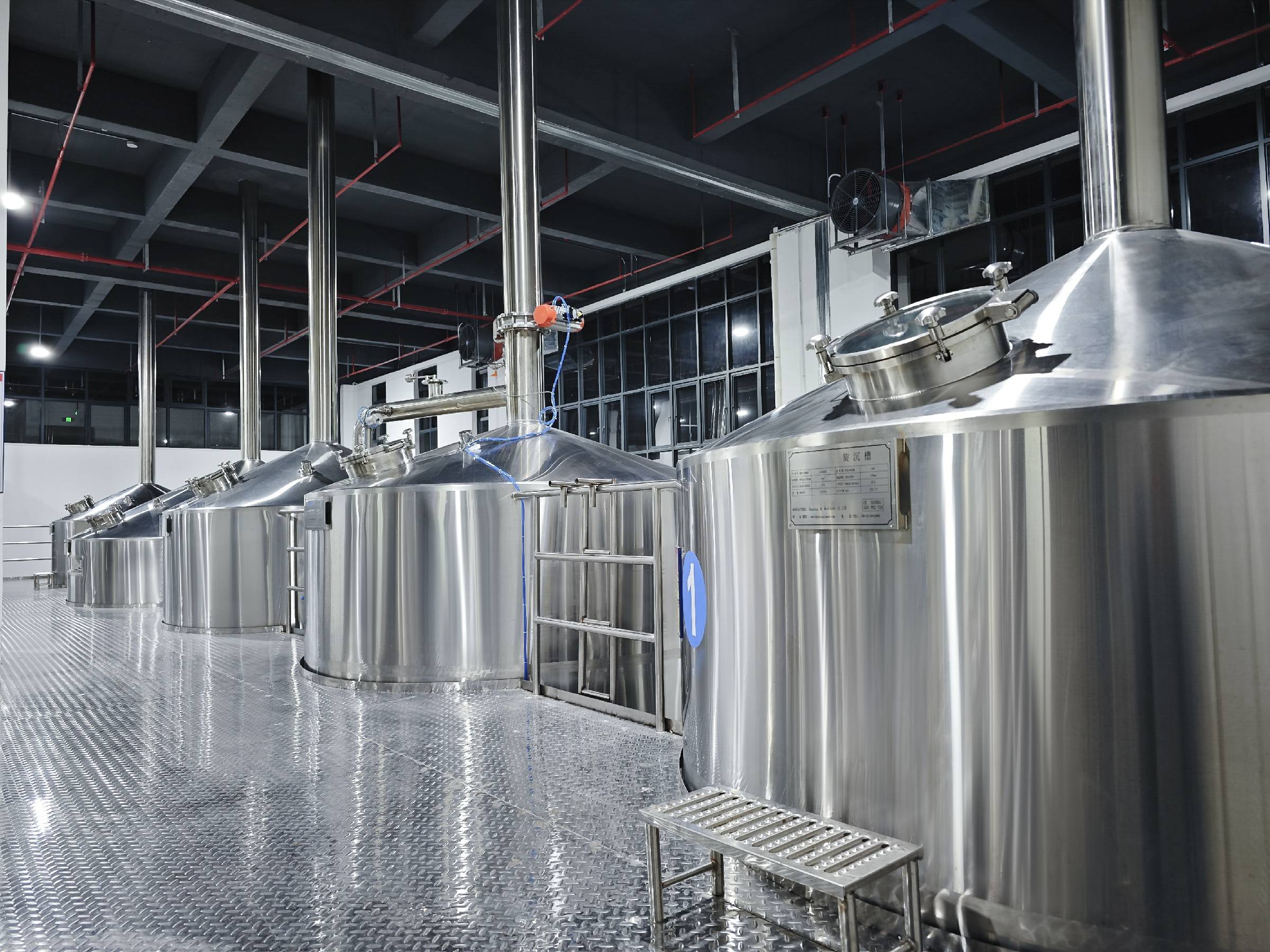
- Packaging: after carbonation and nitrogen purging, beer is filled into glass bottles, aluminum cans, or kegs (draught kegs are generally not re-pasteurized); filling line speed and pasteurization consistency are the key quality control points for industrial beer leaving the factory, and represent the core equipment bottleneck that determines production capacity.
From raw material input to finished product shipment, a typical batch of industrial lager takes 3–4 weeks; craft ales can be completed in as little as 2 weeks; while some premium lagers emphasizing a "lagering" style (such as bock and Dortmunder) may require 8–12 weeks of conditioning. This time dimension also constrains the speed at which craft products can scale up production.
1.2 Classification System
Beer can be classified along multiple dimensions; the industry conventionally uses four intersecting — rather than mutually exclusive — levels.
1.2.1 By Fermentation Method: Lager and Ale
This is the most fundamental technical division in beer and the root distinction in product style. The two yeast families diverged over thousands of years of domestication along entirely different physiological paths, giving rise to two worlds of beer with radically different flavor profiles.
Lager uses bottom-fermenting yeast (Saccharomyces pastorianus); after slow fermentation at low temperatures, the beer must be lagered (stored) for an extended period near freezing ("lager" derives from the German for "storage"). The finished product is clean and crisp with gentle bitterness — the world's highest-volume beer style by far, and the overwhelming mainstream of China's industrial beer segment: Pilsner-style lager accounts for roughly 90% or more of China's beer consumption.
Ale uses top-fermenting yeast (Saccharomyces cerevisiae), fermenting at higher temperatures over a shorter cycle; the yeast generates abundant esters that produce fruity and floral aromas. Ale styles include IPA (India Pale Ale), wheat beer, stout, porter, and Belgian witbier (wheat beer), among others — the core categories of the craft movement and the fastest-growing segment in China's premiumization wave, growing far faster than lager.
1.2.2 By Price Tier: Four Price Ladders
This is the most commercially significant classification in the beer industry, and the key reference frame for understanding China's "falling volume with rising price" logic:
- Economy (mass-market): factory-gate price typically CNY 1,500–2,000/tonne; retail approximately CNY 2–4/bottle; represented by China Resources Snow (standard packaging), Yanjing (standard packaging), and Blue Ribbon. High-volume distribution, price-sensitive, primarily served through trade channels and catering down-tier markets.
- Mainstream: factory-gate approximately CNY 2,000–3,000/tonne; retail approximately CNY 4–7/bottle; represented by Tsingtao Classic, Snow Brave the World SuperX, and Yanjing U8 (approximately CNY 8, already approaching the lower boundary of the premium sub-tier). Broad channel coverage; forms the volume base of all major breweries.
- Premium (sub-premium): factory-gate approximately CNY 3,000–5,000/tonne; retail approximately CNY 8–15/bottle; represented by Tsingtao 1903, Snow SuperX, Budweiser (gold can), Carlsberg (canned), and 1664 witbier. This tier has been the most fiercely contested battleground for all major breweries over the past five years.
- Ultra-premium: factory-gate above CNY 5,000/tonne; retail over CNY 15; represented by Corona, Heineken Silver, Budweiser Gold Reserve, Hoegaarden witbier, and Tsingtao 100th Anniversary. Foreign brands' market share in this bracket was once close to 50%, and has been partially eroded in recent years by domestic premium brands.
The 2024 price-per-kiloliter (CNY/kiloliter) tiers for major companies clearly reveal the brand positioning gap: Budweiser APAC (1876.HK) approximately 5,300+ > Chongqing Brewery (600132) approximately 4,900+ > Tsingtao (600600) approximately 4,189 > Zhujiang (Pearl River) (002461) approximately 3,828 > Yanjing (000729) approximately 3,666 > China Resources Beer (0291.HK) approximately 3,355.
1.2.3 By Industrial Scale: Mass-Market (Industrial) Beer vs. Craft Beer
This is the most closely watched structural divide in China's market over the past decade.
Mass-market (industrial) beer uses highly standardized recipes, commonly incorporating adjuncts such as rice and corn to reduce cost, and is replicated consistently on large-scale production lines (typically with single-plant annual capacity in the hundreds of thousands of kiloliters); lager style, clean and uniform in flavor, targeted at mainstream consumers, with transparent pricing. The five major industrial breweries (China Resources, Tsingtao, Budweiser APAC, Yanjing, Chongqing Brewery) together hold approximately 92% market share in a highly concentrated structure.
Craft beer typically refers to handcrafted or semi-handcrafted beer produced by independent or small-scale breweries that emphasize ingredient quality and process individuality, without restriction on style (both ale and lager qualify), and with an emphasis on flavor complexity and regional character. China officially issued the Workshop Beer Group Standard T/CBJ in 2019, defining workshop beer as small-batch brewing with annual output below 10,000 kiloliters using malt as the primary ingredient, although the industry definition of "craft" remains unsettled. In 2025, craft beer-related enterprises numbered approximately 13,000 to 24,000 (the variance reflects differing definitions), with a penetration rate (by retail value) of approximately 7%, far below the US rate of approximately 14%–15%.
1.2.4 By Packaging Type
Packaging type not only affects cost structure but also profoundly influences consumption occasions and channel strategy:
- Glass bottle: the traditional dominant packaging for China's beer industry, supported by a deposit-and-return system and suited to on-premise consumption occasions (catering, nightlife venues); large bottles (600–640 mL) are common in lower-tier products, while small bottles (330 mL) are increasingly used for premium products; relatively low cost, but heavy to ship and prone to breakage.
- Aluminum can: China's canning rate (approximately 32.5% in 2023) continues to rise, with forecasts suggesting 40%–45% by 2025; still well below mature markets such as Europe and the US (approximately 65%) and Japan; cans are portable, require no deposit return, and have a longer shelf life — highly correlated with premiumization and the rise of off-premise channels, and the primary direction for packaging upgrading. Packaging accounts for approximately 50% of beer factory-gate cost, making it the largest single cost item; every 1% increase in aluminum prices compresses industry profit by approximately 3.2%.
- Keg (draught beer keg): primarily supplies on-premise channels such as restaurants, bars, and nightlife venues; available in capacities from 20 L to 50 L; not pasteurized, offering a fresh flavor, but with a short shelf life and strict cold-chain requirements; coexistence of industrial draught kegs and craft taproom self-brewed kegs.
- Other novel packaging: paper carton beer (Tetra Pak), aluminum bottles, and foil pouches appear in specific occasions (gifts, outdoors) but remain minor in volume.
1.3 Full Industry Chain Overview
Beer's complete supply chain extends from farmland all the way to the point of consumption; the chain is relatively clear-cut, but concentration levels vary enormously across links.
1.3.1 Upstream: Raw Materials, Packaging, and Equipment
The upstream segment divides into three sub-sectors, all directly linked to downstream brewing costs and product pricing.
Raw materials encompass four core inputs.
Barley is beer's largest agricultural raw material. China's import dependency for brewing barley is close to 90% — domestic annual output is approximately 900,000–1.2 million tonnes, while annual industry demand is approximately 5–5.3 million tonnes (per Ministry of Commerce trade data), with the gap filled by imports. Import sources are concentrated in Australia, Canada, France, and Argentina. During the 2020 China-Australia trade dispute, China imposed combined anti-dumping and countervailing duties totaling 80.5% on Australian barley, forcing a pronounced shift in import sourcing toward France and Canada; in August 2023, the measures were revoked as the Ministry of Commerce ruled their continuation "no longer necessary," and Australian barley re-entered the Chinese market — annual barley imports nearly doubled in 2023. Barley price fluctuations pass directly through to malt and finished beer production costs: according to estimates, a 10% increase in malt prices reduces industry profit by approximately 9.7%.
Malt sits between barley and brewing, converting barley into a fermentable input. China's leading malt producer, Supertime (Asia's largest malting capacity, fourth-to-fifth globally), has total capacity of 850,000 tonnes and surpassed 1.06 million tonnes of actual output in 2024; total industry output is approximately 3.47 million tonnes.
Hops account for the smallest volume of all raw materials (typically only grams to kilograms per 100 liters), yet their contribution to flavor is irreplaceable. China imports approximately 30% of total hop usage, with Germany accounting for approximately 50% of imports and the Czech Republic approximately 25%; craft hop usage is highly dependent on the US (which accounts for over 80% of craft imported hops). Domestic hop production is concentrated in Xinjiang and Gansu, with cultivated area expanding approximately 73% in recent years, though the variety richness of aromatic cultivars still lags behind the core European and American growing regions.
Yeast is the biological engine of fermentation; the domestic market is highly concentrated. Angel Yeast (002505.SZ) has long held over 55% of China's yeast market, ranks second globally by scale, and reported 2024 revenue of approximately CNY 15.2 billion; the international brand Lesaffre (France) accounts for approximately 14% of the domestic market. Brewing yeast strains are core assets at the strain level, and leading breweries all maintain proprietary strain libraries.
The packaging segment carries the highest upstream cost weight, accounting for approximately 50% of factory-gate cost (per Tsingtao Brewery annual report breakdown):
- Glass bottles continue to use a deposit-and-return circulation model, but a fragmented recovery system and safety risks are driving all major breweries to accelerate the shift toward aluminum cans.
- The aluminum can (two-piece aluminum can) market is highly concentrated: following ORG Packaging (002701.SZ) completing its acquisition of COFCO Packaging (00906.HK) in 2024, the two companies together hold close to 40% market share; Baosteel Packaging (601968.SH) is another major supplier; aluminum price volatility presents a far greater sensitivity risk to beer company profits than grain raw materials.
- Corrugated paper/cardboard as secondary outer packaging material exhibits relatively lower price volatility compared to aluminum and glass.
The equipment segment divides into two categories: for industrial-scale large equipment, Ningbo Lehui International Engineering Equipment (603076.SH) is the domestic leader, with 2024 equipment segment revenue of CNY 1.35 billion, covering complete brewing systems including mashing, fermentation, filtration, and filling, with exports overseas; small craft equipment (100–2,000 L) is primarily sourced from Shandong manufacturers, with domestic craft taproom expansion driving continued growth in small equipment orders.
1.3.2 Midstream: Brewing and Filling
The midstream is the highest-concentration link in the entire supply chain. The five major industrial breweries — China Resources Beer (0291.HK), Tsingtao Brewery (600600/0168.HK), Budweiser APAC (1876.HK), Yanjing Beer (000729), and Chongqing Brewery (600132) — together hold approximately 92% market share, an extremely concentrated structure by the standards of any major global beer market.
The core competencies of midstream brewing manifest across three dimensions: production capacity scale and regional distribution (nationwide centralized dispatch vs. regional production splitting), cost management capability (large-scale plant closures to improve efficiency have been the dominant theme in recent years — China Resources has reduced its plant count from 98 to approximately 60), and the construction of a premium-oriented brand matrix. Filling line speed, equipment reliability, and quality control systems are the core barriers to quality in industrial beer; the craft segment, by contrast, relies more heavily on brewer expertise and strain assets.
In addition, craft microbreweries and chain craft taprooms (some with in-house brewing capability) constitute the long tail of the midstream, with approximately 13,000 to 24,000 related enterprises nationwide; typical annual production capacity is below 1,000 kiloliters per entity, highly fragmented, and with wide variation in profitability.
1.3.3 Downstream: Channels and Consumption Occasions
Downstream channels divide into two major formats — on-premise and off-premise — whose structural evolution profoundly influences product tier and packaging choices.
On-premise channels — including catering restaurants, quick-service restaurants, nightlife venues (bars/KTV/nightclubs), and craft taprooms — have long been the primary sales occasion for China's beer, and especially the core outlet for premium bottled and draught keg beer. In 2024, nationwide nightlife venue beer sales were down approximately 12% from the 2021 peak; the catering channel was also hit by the closure of approximately 4.09 million restaurant outlets nationwide. On-premise's share has now fallen to approximately 48%, dipping below off-premise for the first time.
Off-premise channels — including large supermarkets/hypermarkets (RT-Mart, Walmart, Freshippo), chain convenience stores (7-Eleven, FamilyMart, Meiyijia), e-commerce (Tmall, JD.com, Douyin), and the rapidly emerging discount stores (HotMaxx, ALDI, etc.) and instant retail (Meituan Flash Sale, JD Daojia) of the past two years — surpassed 52% for the first time in 2024, and further expanded to approximately 60% in the first half of 2025. Discount store channel beer GMV grew approximately 180% year-on-year in 2024, making it the fastest-growing new offline channel.
The rise of off-premise channels is highly correlated with aluminum can packaging — cans are portable, require no deposit return, and are suited for home stockpiling. This is one of the core drivers pushing China's beer canning rate from approximately 23% in 2016 to approximately 32.5% in 2023.
1.4 Beer's Position in FMCG and Catering Consumption
Beer's position in China's consumer goods landscape combines "large volume" and "large upgrading headroom" — a rare combination in FMCG.
By scale, China's above-scale beer enterprises generated retail revenue of approximately CNY 186.3 billion in 2023, with output of approximately 35.21 million kiloliters (2024 data), making China simultaneously the world's largest producer by volume and the second-largest domestic alcohol category by value after baijiu. At the same time, China's average retail price per kiloliter of beer is approximately 50% of the US level and approximately 39% of Japan's — meaning that even without relying on volume growth, the revenue ceiling has by no means been reached purely through price increases and structural upgrading.
Within the FMCG system, beer competes with beverages (soft drinks/mineral water/tea drinks) for the same end-shelf space, yet differs in channel classification and marketing regulation due to its alcoholic content. Beer's dependence on on-premise (catering) channels means its performance is closely tied to the health of the catering sector — which is the main external factor behind volume pressure over the past three years, and also the core rationale for the industry's broad expectation of a catering recovery in 2025. Unlike baijiu's strong gift-giving attributes, beer's mass-consumption character makes it more directly sensitive to macroeconomic consumer confidence: its volume elasticity is greater, but this also means its price ceiling is constrained by consumers' everyday spending tolerance rather than face-saving gift logic — this is the fundamental source of the difference between beer's premiumization trajectory and that of baijiu.
In terms of consumer demographics, the post-85 to post-95 generations now account for nearly half of beer consumers. This generation's demands for flavor quality, brand narrative, and occasion experience far exceed those of their predecessors who were satisfied with "big enough, cold enough, cheap enough." The rise of craft beer and low-alcohol beer, and premium beer's penetration into both gift-giving and self-consumption occasions, are all structural variables produced by this consumer cohort transition.
Worth noting is that beer plays a unique role as a "social lubricant" in on-premise dining occasions, with a single-unit price elasticity far greater than baijiu's cultural payload. A CNY 6 beer and a CNY 25 craft beer coexist at the same dining table without any class contradiction, yet represent radically different profit margins — this is precisely the driving logic behind the entire supply chain migrating upmarket, and the starting point for understanding the analysis in all subsequent chapters.
From a supply chain perspective, another structural feature of the beer industry is its dumbbell shape — "highly concentrated midstream, relatively fragmented upstream and downstream." Upstream barley sources span multiple countries; malt producers, hop growers, yeast suppliers, glass bottle manufacturers, and aluminum can makers all belong to different industries, and no single supplier can dominate the overall raw material market; downstream consists of millions of fragmented retail touchpoints (restaurants, supermarkets, convenience stores, nightlife venues). It is only at the brewing stage in the middle that five factories have achieved a concentration of approximately 92% — precisely because of this structure, every swing in upstream cost volatility (barley prices, aluminum prices) and downstream channel change (on-premise to off-premise) is faithfully recorded in those five companies' financial statements. This structure also determines the analytical framework of this report: understanding this industry requires examining both the choices the Big Five make on product mix and price tiers, and understanding the geopolitical dynamics of the upstream raw material chain and the generational migration of downstream channels.
Chapter 2 Global Beer Industry: Current Status and Competitive Landscape
The global beer industry stands at a delicate inflection point: overall output has essentially peaked, yet the sector has not fallen into decline — value continues to grow steadily, emerging markets are adding incremental volume, and the Big Five continue to lift revenue on a premiumization logic even as volume declines. This is not a contracting industry; it is a mature market undergoing "total volume stabilization and structural reorganization."
2.1 Global Output: Peaked or Stabilized?
According to the 2024/2025 Global Beer Market Report published by German hop research firm BarthHaas, global beer output in 2024 was approximately 187.5 billion liters, down 0.3% year-on-year, oscillating within a narrow band of 185–190 billion liters for several consecutive years. Separately, Kirin Holdings' 2024 data measured on a consumption basis puts global beer consumption at approximately 1,941.2 million kiloliters (approximately 194.1 billion liters), up 0.5% year-on-year. The two datasets differ slightly in scope — the former measures brewing output while the latter is adjusted for trade flows — but both point to the same conclusion: global beer volume has essentially peaked, entering neither sustained expansion nor systemic contraction.
By regional output, the Americas produced approximately 61.7 billion liters in 2024, leading all continents but down 1.3% year-on-year; Asia produced approximately 56.5 billion liters, down 2.3% year-on-year, primarily due to China's output declining approximately 5%; Europe produced approximately 51.4 billion liters, bucking the trend with a marginal increase of 1.1%, partly benefiting from summer weather and tourism on-premise consumption; Africa produced approximately 16.1 billion liters, up 6.7% year-on-year, the world's fastest-growing continent, with Nigeria, South Africa, and Ethiopia all expanding rapidly.
The marginal growth drivers for global consumption are primarily Asian emerging markets. India's 2024 single-year consumption growth was approximately +14.6%, one of the highest rates among major global beer markets in recent years; Thailand grew approximately +5.8%; Vietnam approximately +11.9%. These markets share a common profile: per capita consumption still well below global averages, with urbanization, young population structures, and an expanding middle class all advancing simultaneously. By contrast, Europe, the US, and China — the three major traditional markets — have stagnated or declined in volume, with "volume contraction, price increase" becoming the dominant theme.
On a value basis, estimates vary widely across institutions: Grand View Research's measurement stands at approximately USD 839.3 billion (2024, inclusive of retail and full channel); Benchmark International's broad-scope estimate (including taxes, covering both on-premise and off-premise) is approximately USD 1.1 trillion. Differences stem mainly from whether taxes are included and the scope of channel coverage. For forecasting, the global beer market value CAGR from 2025 to 2030 is projected at approximately 6.5%–6.8%, driven not by volume growth but by premiumization-led increases in price per unit. Volume flat, price rising — this is the clearest long-term structure of the global beer industry.
2.2 Regional Landscape: Americas, Asia-Pacific, and Europe as Three Pillars
By consumption volume, China has been the world's largest beer-consuming nation for over two consecutive decades. According to Kirin Holdings' 2024 report, China's annual consumption is approximately 405.34 million kiloliters (approximately 40.5 billion liters), far ahead of second-place United States (approximately 22.3 billion liters) and third-place Brazil (approximately 15.3 billion liters). The three countries together account for approximately 40% of global consumption.
From a production perspective, BarthHaas data shows China's 2024 output at approximately 34.1 billion liters, equivalent to approximately 35.21 million kiloliters (broadly consistent with China's domestic above-scale figure), also the world's largest. China is simultaneously the world's largest producer and the largest consumer, but with its total volume in continued decline, its contribution to global output growth has turned from positive to negative — China's market contraction is precisely the main reason Asia's output declined year-on-year in 2024.
The Americas market is driven by dual engines: the US and Brazil. The US is one of the world's most mature beer markets, with a highly developed craft culture and deep penetration of premiumization and non-alcoholic products; Brazil is AB InBev's most important profit source, with substantial consumption volume and relatively stable growth. Latin America as a whole remains one of the regions on which global beer producers most heavily depend for "volume growth," but in 2024 the Americas saw modest overall output decline, weighed down by Argentina's economic turbulence and other factors.
Europe is the historic heartland of brewing; Germany, the Czech Republic, and the United Kingdom long hold their historical positions. Europe's output edged up year-on-year in 2024, partly benefiting from tourism recovery driving on-premise demand, yet the pressures of an aging population and health-conscious consumption trends are ever-present. Africa is widely recognized as the next major incremental market for global beer; Nielsen and other institutions identify it as the continent with the highest projected consumption growth rate over the next decade.
In Asia-Pacific outside China, the growth highlights are concentrated in India and Southeast Asia. According to industry research, Asia-Pacific's beer market was valued at approximately USD 23.1 billion in 2024, accounting for approximately 23% of global beer market revenue; but high-growth countries such as India and Vietnam are still in a phase of rapid penetration-rate increase, forming a marked structural contrast with China's more mature market.
2.3 The Big Five: Global CR5 Dominance
One basic fact about the global beer industry is that it is more concentrated than the vast majority of consumer goods sectors. According to BarthHaas, the world's three largest brewing groups — AB InBev, Heineken, and China Resources Snow — together account for more than 50% of the combined output of the global Top 40 brewing groups; adding Carlsberg and Asahi, the combined market share of the Big Five is estimated at approximately 55%–60% of global output. This level of concentration is unusual in the global food and beverage industry.
The Big Five each occupy distinct territories, with differing financial profiles and strategic orientations.
AB InBev (Belgium) is the undisputed largest beer group in the world. 2024 full-year revenue was approximately USD 59.7 billion (organic growth +2.7%), normalized EBITDA approximately USD 21.0 billion (+8.2%); own beer sales approximately 49.55 billion liters (–2.0%). Volume is declining, yet revenue and profit are both growing, driven by continuously rising "revenue per liter" — 2024 revenue per 100 liters grew approximately 4.3% year-on-year, as the premium brand portfolio offset volume pressure through pricing. AB InBev's flagship brands include Budweiser, Corona, Stella Artois, and Beck's; the Chinese market is its core Asia-Pacific asset, operated through the listed vehicle Budweiser APAC (1876.HK), but 2024 China volumes fell approximately 11.8% year-on-year — the biggest drag at the group level. Globally, AB InBev pursues three parallel tracks: "global mega-brand expansion + local craft acquisitions + non-alcoholic product buildup," and is the industry's largest driver of M&A consolidation.
Heineken (Netherlands) is the world's second-largest beer group, with 2024 total revenue of approximately EUR 36.0 billion (net revenue organic growth +5.0%) and beer output of approximately 240.7 billion liters (per BarthHaas), covering over 70 countries. The Heineken brand itself, with its international premium positioning, is its core asset — in China, the Heineken brand is exclusively licensed to China Resources Beer (0291.HK), and Heineken brand volume in China achieved nearly 20% growth in 2024, one of the rare positive-growth foreign brands in the Chinese market. Globally, Heineken combines expansion into emerging markets (Asia, Africa, Latin America) with defense of its premium brand positioning; its portfolio also includes Tiger, Amstel, and other regionally dominant brands.
Carlsberg (Denmark) is the third- or fourth-largest group globally (depending on methodology), with 2024 total revenue of approximately DKK 7.5 billion (approximately USD 10.9 billion) and organic growth of +2.4%. Carlsberg's strategic hallmark is the depth of its Asia presence: in China, it holds a controlling stake in Chongqing Brewery (600132) as its A-share listed platform, while also deeply embedded in Vietnam, India, and Malaysia. Its brand matrix spans Carlsberg, Tuborg, 1664 Blanc, and other differentiated premium categories. In 2024, Carlsberg's craft and premium categories grew approximately +2%, non-alcoholic products approximately +6%, and its flagship Carlsberg international business approximately +9% — a structural upgrading direction closely aligned with industry trends.
Asahi Group Holdings (Japan) reported 2024 group total revenue of approximately JPY 2.9 trillion (approximately USD 19.3 billion), up approximately +2.1% year-on-year, with core operating profit growth of +3.7%. Asahi's globalization path is highly distinctive — by acquiring AB InBev's divested Central European assets (brands including Peroni, Grolsch, and Pilsner Urquell), Asahi made its leap into mainstream European markets; its flagship premium brand Asahi Super Dry achieved approximately +10% overseas volume growth in 2024, serving as the core vehicle for its global premium strategy. Asahi follows a compound path of "Japanese precision craftsmanship + European heritage brands + Asia-Pacific market reach," and within the CR5 stands out for its premium pricing power despite relatively smaller overall scale.
Molson Coors (US/Canada) reported 2024 total revenue of approximately USD 11.6 billion, down modestly 0.6% year-on-year — the smallest and most regionally concentrated of the CR5, with its core market heavily dependent on North America. Key brands include Coors Light, Miller Lite, and craft brand Blue Moon. Facing persistently declining mainstream beer volumes in North America, Molson Coors is pursuing a "Beyond Beer" transformation strategy, actively expanding into hard seltzer, hard lemonade, and energy drink segments to hedge the growth pressures on its core beer business.
Overall, the global beer industry has formed a highly concentrated oligopolistic competitive structure through decades of M&A waves, and this trend continues — economies of scale, global supply chain integration, and cross-market brand leverage all point toward the ongoing consolidation advantage of large groups. China Resources Snow, while the world's third-largest group by production volume, is highly concentrated in the Chinese domestic market and is not classified as a "global leader"; details are covered in Chapter VI.
2.4 Global Premiumization: The Only Consensus After Volume Peaks
Premiumization is not a new concept in the beer industry, but against the backdrop of globally peaking output, it has evolved from a strategic choice into an existential logic for the industry. The 2024 annual reports of the Big Five almost universally display the same pattern: "volume down, price up, profit stable or growing" — AB InBev revenue per 100 liters +4.3%, Heineken net revenue organic growth +5.0%, Carlsberg premium brands +2%, Asahi's flagship brand overseas +10%.
The pathways to premiumization have converged on several common approaches globally:
- Global rollout of mega-brands (e.g., Budweiser, Corona, Heineken's transnational premium positioning)
- Craft or artisan beer acquisitions (AB InBev acquiring Goose Island, Blue Point, etc.; Carlsberg building out craft brands)
- Non-alcoholic/low-alcohol product line extensions (responding to health consumption trends, effectively reaching new occasions and demographics)
- Packaging upgrades (aluminum cans replacing glass bottles; twist-off caps, smaller formats, and premium aesthetics raising perceived value)
Global premium beer (priced at approximately 1.5x or more above mainstream) has consistently grown its retail value faster than the total market; ultra-premium (Premium Plus and above) has already reached considerable scale in mature markets such as North America and Western Europe. Using the US as a reference: premium and above price tiers now account for over 50% of total beer retail value, while mainstream beer's share is being steadily eroded by craft and imported premium brands.
2.5 Craft Beer's Rise: Structural Reshaping of Mature Markets
Craft beer is one of the highest-growth sub-categories in mature global beer markets. Using the US market as a benchmark — the birthplace of global craft culture and the most mature market — data from the Brewers Association in 2024 shows that craft beer accounts for 24.6% of US beer retail value and approximately 13.3% by volume, completing its transition from niche to mainstream.
The global craft beer market is valued at approximately USD 10.6 billion to USD 14.2 billion (with significant variation by scope), with a projected CAGR of approximately 9.1%–9.9% from 2024 to 2030 — more than 1.5 times the overall beer industry growth rate. North America is the world's largest craft beer consumption region, accounting for approximately 39.6% of global craft beer market; Western Europe and Asia-Pacific (Japan, Australia, China) follow in turn.
Craft beer penetration rates vary significantly across markets at different levels of maturity: US approximately 13.3% by volume, approximately 24.6% by retail value; the UK, Australia, and other markets are also at relatively high levels of craft development; China's craft beer penetration rate is approximately 7% (by retail value), with considerable room to grow — details in Chapter VII. Common growth drivers for craft beer globally include: rising consumer interest in ingredients and brewing process; demand for local character and occasion culture; premiumization spending willingness supporting price premiums; and the category education accelerated by major breweries entering the craft segment.
Worth noting is that craft beer globally continues to exhibit a "long-tail fragmented" characteristic: the vast majority of craft breweries are tiny in individual scale, highly concentrated geographically, and widely divergent in profitability. Major breweries entering this segment through acquisitions of leading craft brands are in essence exchanging capital for category positioning — not replicating the scale logic of traditional industrial beer.
2.6 Non-Alcoholic/Low-Alcohol Beer: The Fastest-Growing New Category
Non-alcoholic and low-alcohol beer is currently the fastest-growing sub-category in global beer. According to composite estimates from multiple research institutions, the global non-alcoholic beer market was valued at approximately USD 2.1–2.6 billion in 2024, with actual growth of approximately +9%; the projected CAGR from 2024 to 2032 is approximately 7.4%–7.8%, significantly faster than the overall beer market.
The driving factors are multi-dimensional: rising health awareness and the "Sober Curious" culture spreading rapidly among young adults in Europe and the US; expanded consumption occasions in workplace and driving contexts; and substantial process improvements in non-alcoholic products that have largely resolved the early complaint that "non-alcoholic beer tastes like malt water." All Big Five players have staked positions in non-alcoholic: AB InBev launched Budweiser Zero and Corona Cero, Heineken launched Heineken 0.0, and Carlsberg's non-alcoholic products grew approximately +6% in 2024. Market research institutions forecast that non-alcoholic beer may surpass ale to become the world's second-largest beer sub-category by 2025 (after lager) — this may be optimistic, but the direction of non-alcoholic beer's transition from the periphery to the mainstream is no longer in doubt.
China's market is also accelerating toward non-alcoholic products. In 2024, the zero-alcohol beer category grew approximately +42.3% in China; Budweiser Zero and Corona Cero have both officially launched in the Chinese market, and some domestic breweries have also begun building out low-alcohol product lines — details in Chapter VIII.
2.7 Packaging Canning Trend: Glass Bottles Still Dominate, Aluminum Cans Continue to Gain
The global beer packaging landscape is undergoing a slow but sustained structural migration from glass bottles to aluminum cans. According to GMInsights data, glass bottles still account for approximately 75% of global beer packaging in 2024, remaining the absolute dominant format; but aluminum cans are growing far faster than the overall market, with a projected CAGR of approximately 4.5%–6.75% from 2024 to 2030.
The logic driving aluminum can penetration is multi-dimensional:
- Light weight and portability significantly superior to glass, well-suited to high-growth consumption occasions such as outdoor activities, travel, and takeaway
- High aluminum recyclability aligns with brand green/low-carbon narratives
- Superior light-blocking and oxygen-barrier performance vs. glass (especially for hop aroma preservation), with craft brands' acceptance of cans rising rapidly
- US craft market aluminum can share has reached 78% in 2025, the most direct illustration of the industry trend
By contrast, glass bottles remain difficult to replace in European markets with strong traditional drinking culture (e.g., Germany's deposit glass bottle system) and in on-premise consumption channels (tableside opening, premium bar etiquette, etc.). Kegs, which require dedicated keg-washing equipment, face constrained expansion in emerging markets with limited capital.
China's canning process is noticeably slower than the global average. In 2023, China's aluminum can beer ratio was approximately 32.5%, with forecasts of 40%–45% by 2025, still significantly below mature US, Japanese, and European markets. The room for packaging upgrades in China and the integration logic of the upstream aluminum can supply chain are discussed in detail in Chapter V.
2.8 Long-Term Industry Logic: Stable Volume, Rising Price, and M&A Consolidation
Looking back over the past two decades, the global beer industry's evolution can be summarized as two parallel threads.
The first is M&A consolidation. From InBev's acquisition of Anheuser-Busch (2008) to AB InBev's acquisition of SABMiller (2016), the global beer industry completed an unprecedented wave of horizontal M&A, condensing two or three hundred independent breweries into five super-groups, with CR5 soaring from below 30% to approximately 55%–60% over twenty years. The underlying drivers of M&A include: raw material and packaging cost advantages from scale purchasing, shared distribution networks, cost amortization through global brand rollout, and the rational "zero-sum game" choice of gaining market share when total volume is stagnant.
The second is stable volume with rising price. Whether in the mature markets of Europe and the US, or in China as the world's single largest market, physical production volumes peaked successively between 2013 and 2018, subsequently oscillating within a relatively stable range. But the revenue and profit of major groups have not declined in step with volume — the premiumization logic of price increases enabled by higher-quality ingredients, more refined brewing processes, and more premium packaging has continuously pushed price-per-kiloliter upward. This is a business that earns its way not through selling more, but through selling at higher premiums; and the shared 2024 annual report characteristic of "volume down, profit up" among the global Big Five confirms this.
Neither of these two logics will reverse over the next decade: global total volume is unlikely to return to growth, but premiumization and structural upgrading still have unexploited premium headroom; the M&A tide, while essentially over in terms of large-scale global targets, continues in regional consolidation and craft acquisitions. China, as the world's single largest market, follows a trajectory of falling volume with rising price closely synchronized with global trends, but starting from a lower base with more room to run. Understanding the global landscape is a necessary prerequisite for reading the logic of China's beer industry over the next ten years.
Chapter 3 PEST Analysis of China's Beer Industry Environment
The external environment of China's beer industry is a set of intertwined, divergent forces: politically, a stable tax regime and an improving standards system provide a predictable institutional framework; economically, consumption upgrading pulls prices upward, yet this is tempered by a volume ceiling and consumer segmentation; socially, evolving demographic structures are fundamentally reshaping demand patterns; technologically, the waves of premiumization and craft beer development provide breakthroughs in an intensely competitive saturated market. The overlay of these four forces constitutes the entire backdrop to China's beer market's core proposition of "volume has peaked, yet pricing power remains."
3.1 Political Environment
3.1.1 Excise Tax Structure: Specific (Per-Unit) Taxation, Stable over the Long Term
China levies a specific (per-unit) excise tax on beer: Type-A beer (factory-gate price per tonne not less than CNY 3,000) is taxed at CNY 250/tonne, and Type-B beer at CNY 220/tonne. This rate has remained unchanged since its 2001 adjustment — stable for over two decades. The specific tax structure means that regardless of selling price, the tax per tonne is fixed; premiumization does not incur proportionally higher tax burdens. Conversely, the higher the price per kiloliter, the lower the tax as a percentage — which in practice provides a positive fiscal incentive for the industry to pursue premiumization.
In July 2024, the Central Committee of the Communist Party of China's decision on deepening reform proposed "promoting the postponement of excise tax collection points and steady transfer to local governments," formally placing excise tax reform on the legislative agenda. For beer, since it is subject to specific rather than ad valorem taxation, even if the collection point shifts from the producer level downstream to the wholesale or retail level, the total tax amount does not change, and the direct impact on industry profit is limited. The more significant impact lies in cash flow timing and channel management costs — if tax is collected at the terminal level, it will create structural adjustment pressure on channel inventory management and capital utilization. The formal legislative timeline for shifting the collection point remains unclear, and the industry is in a policy watch-and-wait period.
3.1.2 Product Standards Framework: Voluntary National Standards and Workshop Beer Standardization
National Standard GB/T 4927 is China's current recommended national standard for the beer industry, setting out classification, physicochemical indicators, sensory requirements, and inspection rules; since its reclassification from mandatory to recommended standard in 2017, it has left significantly more room for enterprises to innovate in recipe and process differentiation. In parallel, the mandatory food safety standard GB 4927 imposes binding requirements on microbiological and heavy-metal safety indicators. The division of labor between the two standards frameworks both protects the food safety baseline and avoids excessive regulation of product style.
Workshop Beer Group Standard T/CBJ 3201-2019 (China Alcoholic Drinks Association, effective October 2019) provides a definitional basis for the craft beer segment, specifying that workshop beer must be produced on small production lines, must not add adjuncts unrelated to flavor, and must exhibit distinctive flavor characteristics. This standard's introduction marked China's craft beer sector moving from unconstrained growth into a documented and standardized phase, helping build consumer awareness and reduce the erosion of the market by inferior products. Subsequently, the China Alcoholic Drinks Association issued successive standards for pasteurization processes for fresh beer (T/CBJ 3303-2022) and raw material specifications for craft malting barley and wheat (T/CBJ 3401/3402-2023), gradually extending the standards system across the full value chain.
3.1.3 China-Australia Barley Duties: Three Years of Disruption, Resolved
Barley is the most essential raw material for beer brewing, and China's import dependency is close to 90%. In May 2020, the Ministry of Commerce ruled to impose anti-dumping duties of 73.6% and countervailing duties of 6.9% on barley of Australian origin — totaling 80.5% — after which Australian barley all but exited the Chinese market. Procurement was forced to diversify significantly toward Canada, France, and Argentina, raising both procurement costs and supply chain management complexity.
On 5 August 2023, Ministry of Commerce Announcement No. 29 of 2023 ruled that "continued imposition is no longer necessary," terminating the measures ahead of schedule; Australian barley re-entered the Chinese market. Imported barley prices fell approximately 26.9% year-on-year in 2024, directly reducing raw material costs for brewing enterprises and providing positive support for per-kiloliter profit. This policy reversal is one of the important external favorable conditions behind the improvement in profit structure for the beer industry since 2023. The diversification of barley import sources formed during the duties period has already taken root; even if trade relations were to be disrupted again in the future, supply chain resilience would be considerably stronger than the state of near-total Australian dependence that existed before 2020.
3.1.4 Dual Carbon Goals and Green Brewing: Soft Constraints Gradually Hardening
At the national level, there is as yet no mandatory administrative regulation specifically targeting carbon emissions in the beer industry; constraints on the sector are transmitted primarily through green factory certification, pollutant discharge permits, and energy efficiency reviews. Nevertheless, leading enterprises are integrating ESG targets into their strategic systems: China Resources Beer has obtained National Green Factory designation for 11 plants, fitted 36 plants with biogas boilers to recover fermentation by-products, and deployed rooftop solar at 24 plants. Such proactive investment both responds to government and capital-market sustainability expectations and reduces unit energy costs. As dual-carbon policies expand their coverage to high-water-use, high-energy-use industries, green brewing will evolve from a voluntary option into a baseline competitive requirement.
3.2 Economic Environment
3.2.1 Consumption Upgrading: The Core Logic Behind Falling Volume with Rising Price
China's beer output has declined continuously from its 2013 peak of approximately 50.62 million kiloliters to approximately 35.21 million kiloliters (above-scale basis) in 2024, a drop of roughly 30% from the peak. Yet industry revenue has not declined in tandem — above-scale enterprises recorded beer revenue of approximately CNY 186.3 billion in 2023, up 8.6% year-on-year, and total profit of approximately CNY 26 billion, up 15.1% year-on-year. Falling volume but rising price, with both revenue and profit reaching new highs, is the most emblematic economic characteristic of this phase of China's beer industry.
The core mechanism driving falling volume with rising price is consumption upgrading and premiumization. Steady growth in Chinese per-capita disposable income has shifted beer consumption from quantity satisfaction toward quality experience. Price per kiloliter is the most direct indicator of this trend: from 2024 data for leading companies, Chongqing Brewery (Carlsberg's China platform) stands at approximately CNY 4,900/kiloliter, Tsingtao at approximately CNY 4,189, while China Resources Beer — the top-volume company — stands at only approximately CNY 3,355; the price-per-kiloliter ladder reflects the varying pace of product mix upgrading across enterprises. Industry average price was approximately CNY 3,937/tonne in 2022, forecast to rise toward approximately CNY 4,700/tonne over the projection period.
Benchmarked against international markets, China's premiumization is still in its middle phase: China's retail price per kiloliter in 2022 was approximately half of the US level, with only approximately 17% of China's beer priced at the premium threshold (CNY 10+/unit), compared with approximately 40% in mature Western markets. The price gap represents the headroom; the path to price-per-kiloliter increases following volume peaking remains clear.
3.2.2 Consumer Segmentation: Premiumization Facing Dual-Direction Pressure
The narrative of consumption upgrading is not smooth. In 2024, against a backdrop of weaker macroeconomic expectations and cautious household consumption sentiment, the consumer market underwent structural segmentation: on the one hand, urban middle-class and young consumers drove premium and craft beer demand, with the premium price tier (per IWSR data) the only segment achieving volume growth (approximately +1%) industry-wide in 2024; on the other hand, consumers in county-level markets, northern China, and western China remain highly price-sensitive, and the ceiling effect for ultra-premium products has already become apparent in certain markets.
The uncertainty created by this segmentation has led to divergent premiumization pacing across major brands: some have continued to push the sub-premium tier, while others have moderately increased promotional intensity in the mass-market tier to defend their volume base. Overall, consumption upgrading is the trend while consumer segmentation is the disruption; the coexistence of both constitutes the primary tension in the economic dimension.
3.2.3 Upstream Cost Pass-Through: Australian Barley Duty Removal Improves Profit Structure
On the cost side, packaging materials (glass bottles, aluminum cans) account for approximately 50% of beer factory-gate cost, with raw barley as the second-largest cost item. Following removal of the Australian barley duties, import barley costs fell approximately 26.9% year-on-year in 2024, effectively offsetting some of the terminal price pressure and providing external support for overall industry profit improvement. Aluminum price volatility remains a significant risk factor for companies where aluminum cans are the primary packaging; every 1% increase in aluminum prices will compress industry profit by approximately 3.2%.
3.3 Social Environment
3.3.1 Demographic Evolution: A Slow-Moving Variable in Long-Term Demand
The core consumer population for China's beer is undergoing structural contraction. Declining birth rates and an accelerating low-fertility trend mean that the cohort entering the prime consumption age bracket 15–20 years from now will be significantly smaller than today. This variable will not immediately show up in financial statement data, yet it constitutes a fundamental long-term suppressor of industry demand.
Looking at more immediate social-demographic impacts, the absolute size of the 15–30 age cohort — precisely the most active group for craft beer, nightlife, and new-occasion consumption — is already declining. Some sell-side research points to the shrinkage of the young population as one of the deep-seated reasons for the beer volume decline since 2013. With fewer incremental new-generation consumers entering the pipeline, industry growth must increasingly depend on raising the per-consumer value — which in turn reinforces the inevitability of the premiumization strategy.
3.3.2 Night Economy and On-Premise Occasions: Post-Pandemic Recovery, Structural Divergence
The night economy is an important occasion for premium beer consumption; on-premise channels (catering and nightlife) have long accounted for the bulk of industry volume. However, in 2024, national nightlife venue beer volume remained approximately 12% below the same period in 2021; approximately 4.09 million catering outlets closed in 2024, with a closure rate of 61.2%, continuing to compress on-premise channel capacity.
The contraction of on-premise channels has been accompanied by the rise of off-premise channels: in 2024, off-premise channel volume share surpassed 52% for the first time, and expanded further to approximately 60% in the first half of 2025. Convenience stores, neighborhood tobacco-and-liquor shops, discount stores, e-commerce, and instant retail (Meituan Flash Sale, JD Daojia, etc.) have become incremental occasions, with discount store channel beer GMV growing 180% year-on-year in 2024.
From a longer perspective, on-premise occasions are not permanently shrinking — taproom economy (craft taprooms, tasting rooms, and "light buzz" social occasions) is filling part of the gap left by traditional catering and nightlife venues, creating new incremental on-premise consumption, though the scale is not yet sufficient to compensate for the decline of traditional channels.
3.3.3 Health Trends: Low-Alcohol and Non-Alcoholic Products Become New Categories
The proliferation of health-conscious consumption is changing the drinking habits of a portion of consumers. China's zero-alcohol beer category grew approximately 42.3% year-on-year in 2024; non-alcoholic/low-alcohol beer posted a compound growth rate of approximately 11.67% from 2018 to 2022, one of the fastest-growing directions in industry sub-segments. China's low-alcohol beer market was valued at approximately CNY 17.7 billion in 2024, projected to continue expanding on dual drivers of consumption upgrading and health trends.
The primary consumer groups driving non-alcoholic and low-alcohol growth are highly correlated with the rise of female consumers and Generation Z. Women account for approximately 65% of low-alcohol beverage consumption; their demands for flavor, packaging design, and brand narrative are far higher than those of the traditional drinking population. Generation Z, by contrast, tends to prefer social occasions that maintain sobriety rather than using alcohol as an intermediary — "gently buzzed but not drunk" has become a new drinking aesthetic. While this trend will not overturn the industry landscape in the near term, it signals the structural direction of expansion for product matrices in the next phase.
3.3.4 Female and Young Consumer Groups: Reshaping Occasions and Preferences
Post-85 to post-95 consumers account for approximately 45.8% of the total beer consumer base and are the most important spending force today, with the post-95 and post-00 cohorts continuing to grow their share. This generation differs radically from its predecessors: it has an active desire to understand craft metrics such as original gravity, fermentation process, and hop-forward or sour flavor profiles; it is more willing to pay a premium for brand narrative, occasion ritual, and packaging aesthetics; and its consumption decisions are driven more by content seeding on Xiaohongshu, Douyin, and other short-video platforms than by traditional mass TV advertising.
The entry of female consumers has further broadened beer's consumption boundaries — flavored beer, witbier, and non-alcoholic/low-alcohol categories are primarily driven by the female cohort. At the same time, the emergence of new outdoor scenarios — camping nights, cycling barbecues, and the like — is compelling product formats (portable small cans, craft fresh food pairings) and channel deployment to iterate in response.
3.4 Technological Environment
In the technological dimension of the industrial environment, this chapter offers only directional observations; detailed analysis of process and product evolution is reserved for Chapter IX.
From a macro perspective, four technological trends are reshaping the competitive landscape of China's beer industry:
- Premiumization and product matrix upgrading are the primary technical competitive arena for leading breweries. Continuous optimization of brewing recipes, fermentation cycles, filtration, and sterilization processes is the core capability for achieving product differentiation across price tiers on the same production line. Premium products' requirements for flavor consistency and process uniformity far exceed those of mass-market products.
- The craft beer wave has introduced a wide range of non-standard process routes — ale yeast, dry-hopping, wild fermentation, barrel aging — spawning diverse flavor categories (IPA, witbier, stout, sour beer, etc.) and offering the industry a product innovation space that far exceeds industrial lager. Craft beer's rise is fundamentally a process transformation from "standardized flavor" toward "personalized experience."
- Canning acceleration is another trend with high certainty. China's beer canning rate is approximately 32.5% (2022–2023), with room to rise relative to mature European, US, and Japanese markets. Aluminum cans' portability, preservation, and print expressiveness in off-premise channels all offer advantages over glass bottles. As off-premise channel share continues to grow, aluminum can penetration will deepen further.
- Smart brewing and digital factory transformation, while still at an early stage, have a clear direction — Manufacturing Execution Systems (MES), IoT sensors, AI quality inspection, and digital supply chain coordination will help leading enterprises improve per-unit output efficiency and quality consistency while closing plants and improving efficiency. This accumulated capability will become a competitive threshold in the next round of capacity consolidation.
The overall assessment of the technological environment is: both process and packaging are evolving toward "higher value, better unit cost" — in alignment with the industry's core theme of falling volume with rising price. Technology is not a disruptor here; it is an accelerator of the industry's main trajectory.
Looking across all four dimensions: politically, a stable institutional floor and the rare positive catalyst of Australian barley duty removal; economically, consumption upgrading as the core industry narrative, but consumer segmentation as a persistent source of uncertainty; socially, demographic structural change and consumer cohort turnover simultaneously serving as the root of long-term demand suppression and the soil for craft beer, non-alcoholic products, and premiumization; and technologically, quietly amplifying the depth of these trends across every sub-direction. The industry's external environment is not a unidirectional tailwind; it is a structural reshaping — whoever can complete the dual upgrade of both product mix and channel mix first, under the constraint of peaking volume, holds the initiative in this zero-sum competition.
Chapter 4 China Beer Market Size and Operating Conditions
If one sentence were to summarize today's China beer market, it would be: "Volume has peaked, yet revenue is still growing." This is an industry where total volume has topped out, yet revenue and profit continue to reach new highs; the two sides of this paradox constitute the main thread this chapter unpacks — the downward production curve and the upward price-per-kiloliter curve crossing each other on the same chart, and after the crossing point, the entire industry's energy converging on one thing: premiumization. Once you understand this crossing curve, you understand the complete earnings logic behind all five major breweries' annual reports today, all channel and product moves, and even the cost-side dynamics upstream and downstream. This chapter does not go company by company — that is Chapter VI's territory; this chapter focuses only on the industry-wide picture, explaining both the "volume" and the "price" curves thoroughly.
4.1 (I) Volume Peak: From 50 Million to 35 Million Kiloliters
Start with volume. Based on a synthesis of industry research reports and the National Bureau of Statistics' above-scale basis, China's beer output reached its historical peak in 2013 at approximately 50.62 million kiloliters, then turned downward and has essentially never returned to that high-water mark. By 2024, above-scale beer output was approximately 35.21 million kiloliters — roughly 30% below the 2013 peak. Over eleven years, a full 15 million kiloliters of output disappeared, equivalent to the combined annual sales of today's Tsingtao Brewery plus Yanjing Beer. This is not a cyclical correction; it is a structural peak.
The decline has not followed a smooth straight line. In 2020, under the impact of COVID-19, above-scale output fell to approximately 34.14 million kiloliters — the low point of recent years; in 2021, as catering and on-premise dining occasions recovered, there was a pronounced rebound to approximately 35.62 million kiloliters, up approximately 5.6% year-on-year — the largest single-year increase since 2014. This rebound briefly led the market to think beer had returned to an upward channel, but subsequent data quickly confirmed that it was merely a low-base recovery: 2023 above-scale output was approximately 35.55 million kiloliters, up only approximately 0.3% year-on-year (the China Alcoholic Drinks Association's all-industry basis was approximately 37.89 million kiloliters — the two bases coexist, the difference stems from statistical scope, with the all-industry basis including sub-scale small breweries and thus yielding a higher figure); 2024 approximately 35.21 million kiloliters, a marginal decline; and 2025 approximately 35.36 million kiloliters, still oscillating narrowly around the 35 million kiloliter level. In short: the rebound was noise; the decline is the trend.
Looking at the full decade-plus in aggregate, the conclusion is clear: China's beer total volume ceiling was established long ago, and the industry has completely shifted from incremental expansion to zero-sum competition. Behind this are two overlapping long-term forces. First is the structural contraction of the core consumer demographic — beer's primary consumers are people aged 20–40, and this age group's absolute population is declining year by year as aging and low fertility advance; the share of the population aged 65 and above has risen from below 10% a decade-plus ago to over 13%, and the shrinkage of the young consumer cohort is an irreversible slow variable. Second is the migration of consumption occasions — on-premise channels such as roadside barbecues, nightlife venues, and restaurants once absorbed the most vigorous beer volumes; the fluctuation and contraction in these occasions in recent years has directly undercut the foundation of "winning through volume." Peaked volume is the starting point for every narrative about China's beer industry today; any logic that hopes to build growth on "selling more bottles" has already been invalidated in this market.
4.2 (II) Falling Volume, Rising Price: A Business That Survives by Raising Prices
Volume is falling, yet revenue is rising — this is the true core of this chapter. Output has shrunk approximately 30% from its peak, yet industry revenue and profit have not only failed to decline in tandem; they have reached new highs. Per China Alcoholic Drinks Association and Ministry of Commerce alcohol circulation monitoring basis, 2023 total revenue of above-scale beer enterprises was approximately CNY 186.3 billion, up approximately 8.6% year-on-year; total profit was approximately CNY 26 billion, up approximately 15.1% year-on-year. Profit growth outpacing revenue growth, and revenue growth far outpacing output (which was essentially flat or slightly negative in that year) — this "profit > revenue > output" growth ranking is the most direct financial imprint of premiumization. An industry where total output has peaked can still grow total profit by 15% per year — this is not common in manufacturing.
What underpins this business is price per kiloliter. According to composite data from 21st Century Business Herald, the industry's average price per tonne was approximately CNY 3,937/tonne in 2022; converting to per-liter price closer to consumer perception, the industry average price has risen from approximately CNY 14.6/liter and is projected to advance toward approximately CNY 17.2/liter during the forecast period. A tonne of beer going from selling at over CNY 3,000 to approaching CNY 4,000 and continuing upward means that even if volumes decline by hundreds of thousands of kiloliters per year, as long as each additional kiloliter sells for a few hundred yuan more, both the revenue and profit pools actually expand. This is what the industry repeatedly describes as "compensating volume loss with price gains" — using price increases to offset volume declines. Working through the arithmetic more precisely: suppose in a given year volume declines 2% year-on-year while price per kiloliter rises 5%; the revenue line still records approximately +3% positive growth. That is the mathematical basis on which "falling volume with rising price" works on the income statement. As long as the pace of price increases outpaces the pace of volume decline, the industry's total pool is still expanding.
One conceptual distinction must be made here, or the surface will mislead. The rise in price per kiloliter does not primarily come from simple "price increases" — directly raising the price of the same product, in a fiercely competitive mainstream price tier, is practically impossible; consumers will vote with their feet, and competitors will immediately capture the share. What truly lifts price per kiloliter is a migration of product mix: shifting volume from lower-priced products to higher-priced products, raising the weighted-average unit price. Put differently, the industry is selling the same or fewer bottles of beer, but the "that one bottle" it's selling is increasingly expensive. Only by understanding "structural upgrading rather than simple price increases" can one make sense of why every company treats the "share of premium-and-above volume" as the most watched metric in its annual reports, rather than the raw price-per-kiloliter figure itself — the price per kiloliter is the outcome; structural upgrading is the cause. If a company's price per kiloliter rises because premium products are growing in volume, that is healthy; if it is merely because economy-tier products are passively declining in volume — shrinking the denominator — that is hollow.
This "compensating volume with price" logic also explains an apparently paradoxical phenomenon: why capital markets are willing to give a volume-peaked industry a growth-stock valuation. Investors are not buying the volume curve; they are buying the price-per-kiloliter curve and the profit margin curve. When beer is re-understood as a "consumption upgrading" business rather than an "FMCG volume play," its financial profile gradually migrates from heavy-asset, thin-margin, scale-dependent traditional manufacturing toward light-asset-leaning, high-margin, brand-driven consumer goods. This cognitive shift is the underlying reason for the re-rating of the Chinese beer sector over the past decade, and it is also the key to understanding every figure in this chapter.
A caveat on statistical scopes: global beer is measured in billion liters; China's output in 10,000 kiloliters; revenue in CNY 100 million; price per kiloliter in CNY/kiloliter or CNY/tonne; and craft beer market size diverges widely between retail and factory-gate bases — every set of figures has its specific statistical boundary, and cross-basis direct comparisons yield erroneous conclusions. This report uses above-scale revenue of approximately CNY 186.3 billion and industry average price of approximately CNY 3,937/tonne as the 2022–2023 operating baseline; when discussing individual company price-per-kiloliter figures later, CNY/kiloliter is uniformly used to facilitate horizontal comparison. One further note: China's beer retail price per kiloliter currently stands at approximately half of mature markets such as the US and Japan, meaning the long-term headroom for "rising price" has not been exhausted in theory; the reason the entire industry views premiumization as the highest-certainty main thread is precisely because of this price gap between China and abroad.
4.3 (III) Three Structural Logics Behind Rising Price per Kiloliter
If price-per-kiloliter increases come from structural migration, along what pathways is the structure migrating? Broken down, at least three layers of upgrading are happening simultaneously, together constituting the structural engine behind rising price per kiloliter.
The first layer is product upgrading, the most direct and the largest contributor. Over the past decade, the industry has migrated volumes from economy mega-brands toward mid-to-high, premium, and even ultra-premium price tiers. One emblematic migration path is from mainstream mega-brands like Brave the World SuperX toward premium products like Heineken, pure draft, and craft; a bottle of premium beer priced at CNY 8 or above has a unit retail price two to three times that of a few-yuan economy product, and replacing even a fraction of volume there significantly lifts the weighted price per kiloliter. Every annual report's recurring themes of "double-digit growth in premium-and-above volume" and "continuously rising share of mid-to-high-end products" are narrating this layer of upgrading. Its power lies in the multiplier effect: when a company raises its premium product share from 30% to 50%, even if total volume is flat, the weighted price per kiloliter is structurally elevated by a full step.
The second layer is packaging upgrading, often underappreciated by outside observers, yet concretely transforming price per kiloliter. The most typical example is the migration from glass bottles to aluminum cans. According to industry estimates, China's beer canning rate (can-to-total-volume ratio) was approximately 32.5% in 2023, projected to climb toward 40%–45%, yet still noticeably below mature European, US, and Japanese market levels. Canned products correspond to higher portability attributes, better fit with instant retail and outdoor on-premise occasions, and more readily support premium pricing; this packaging format shift itself raises the price midpoint of products. The significance of canning extends beyond unit pricing — aluminum cans have lower breakage in shipping, more eye-catching shelf display, and align better with young consumers' on-the-go consumption habits, all of which provide the physical carrier for the scale-up of premium products. Simply put: without canning as support, many premium products would not be able to reach consumers' hands.
The third layer is channel upgrading. The relative shifts between on-premise and off-premise channels are reshaping product pricing structures. Off-premise channels (supermarkets, convenience stores, e-commerce, instant retail) surpassed approximately 52% for the first time in 2024, and expanded further to approximately 60% in the first half of 2025, while on-premise (catering, nightlife) is down approximately 12% from its 2021 peak. This migration might appear to weaken beer's most profitable on-premise occasions, but in reality it has opened new high-value pathways for premium canned products: instant retail in particular (delivery-to-home, community group-buying, etc.) with its high growth rate has enabled consumers to conveniently purchase premium canned products at home, bringing the high-per-ticket consumption that previously occurred only in nightlife venues into daily life. Channel migration gives premium products smoother reach paths and indirectly reinforces the upward trajectory of price per kiloliter.
All three layers of upgrading together support the "falling volume, rising revenue" curve. It is important to emphasize that these three layers are not independent — for products to upgrade into premium, packaging canning is often required to carry them, and a new channel is needed to reach them; the three are mutually causal and interlocking, together pushing the industry's average price per kiloliter steadily higher from over CNY 3,000. Precisely because this is an interlocking system of engineering, it is difficult for followers to catch up by replicating any single link — adding another moat to the already highly concentrated landscape.
Looking further, the price-per-kiloliter contribution of these three upgrading layers is not evenly simultaneous; it has a sequenced rhythm. Product upgrading was the first to take force and has been the absolute primary contributor to price-per-kiloliter increments over the past decade. Packaging canning followed closely; rising from approximately 30% to above 40% canning rate, there remains considerable upside. And channel upgrading is a new variable that has accelerated only over the past three to five years — especially instant retail, which has emerged from nothing and is rewriting the distribution structure for premium products. In other words, the upward movement in price per kiloliter is far from exhausted, but its driving force is gradually shifting from "swapping products" — the easiest and fastest lever — toward "swapping channels and occasions" — a more refined lever that demands more sophisticated operational capability. This generational handoff of drivers precisely foreshadows the increasing difficulty of the next phase of competition: the easy fruit has already been picked.
4.4 (IV) High Concentration: CR5 at ~92% and Plant Closures for Efficiency
To understand why China's beer industry as a whole could navigate premiumization, one cannot ignore a fact that runs contrary to most manufacturing sectors: this is a highly concentrated industry, not a fragmented one. Per Qianzhan Industry Research Institute and other sources, the five major enterprises (China Resources, Tsingtao, Budweiser APAC, Yanjing, Chongqing Brewery) held a combined market share of approximately 92% in 2022; including Zhujiang (Pearl River) Beer, concentration reaches approximately 93.8%. This level of concentration is unusually high even by the standards of major global consumer markets. It should be noted that the specific CR5 figure will vary slightly depending on the statistical basis (output volume, sales volume, or revenue); each citation in this report is tagged with its corresponding basis. The company-by-company breakdown of the Big Five's shares and tier structure is addressed in Chapter VI; this chapter offers only an industry-wide assessment. The reason high concentration matters is that it determines whether the industry can collectively exercise restraint and cooperatively push price tiers upward — in a fragmented competitive market, any company that raises prices first simply hands share to a competitor on a price war platter, and premiumization could never take hold.
High concentration was not achieved overnight; it is the product of more than two decades of consolidation. China's beer industry in its early years was a textbook case of "regional fiefdoms" — strong regional brands in the east, north, south, and west, with local breweries proliferating, and a typical province having ten or more local beer factories. Starting in the 2000s, two forces intertwined — international giants entering China through acquisitions and domestic leaders pursuing their own M&A — and industry share continuously flowed toward the top: CR5 rose from approximately 75.6% in 2017 all the way to approximately 92% in 2022, a 16-percentage-point increase in just five years. Today's landscape is the sediment of a long and sustained consolidation campaign; beer has thus become one of the most concentrated sub-sectors within China's food and beverage industry.
After consolidation, the second major move by the leaders was plant closures to improve efficiency. M&A brought scale and share, but also left behind large numbers of scattered, inefficient, underutilized old factories — each acquired regional brand typically came with one or several geographically overlapping, equipment-dated plants. During 2016–2019, the industry entered a concentrated round of "capacity right-sizing through plant closures": China Resources Beer, for example, reduced its plant count from approximately 98 to approximately 60, closing dozens of plants and eliminating several million tonnes of capacity; Carlsberg closed and disposed of approximately 17 plants in 2017 alone; AB InBev, Chongqing Brewery, and Tsingtao each made their own plant closure moves. The direct effect of plant closures was to consolidate dispersed output into more efficient modern facilities, thereby improving capacity utilization rates — Tsingtao Brewery's 2024 capacity utilization rate recovered to approximately 76%, up several percentage points from 2017.
Plant closures for efficiency and premiumization are two faces of the same coin: one face raises price per kiloliter through structural upgrading to grow revenue, while the other compresses fixed costs such as depreciation and labor by closing inefficient capacity to release profit; together they explain why profits have risen despite falling output. This also answers a frequently asked question — since volume has peaked, why do the leaders continue to improve profitability? The answer is not in selling more, but in selling more expensively and producing more efficiently. The volume peak has in a sense served as a forcing function: it compelled the industry to abandon low-efficiency expansion and instead seek profit through operational efficiency and product mix optimization.
Overlaying the concentration and premiumization narratives together, the industry's operating logic comes into complete focus. Because share is so highly concentrated among a small number of players, the leaders have formed a kind of tacit understanding — no longer slugging it out with price wars for share, but instead converging, without explicit coordination, on premium price-tier positioning as the competitive battleground. In a fragmented market, whoever raises prices first, dies first; but in a market with CR5 of approximately 92%, the leading enterprises have sufficient pricing power to collectively cultivate the premium market and raise the industry's price midpoint. Concentration is the cause; premiumization is the effect — without the high concentration deposited by two decades of M&A consolidation, the smooth advance of premiumization over the past decade would not have been possible. This causal chain is the fundamental characteristic that distinguishes China's beer industry from most fragmented manufacturing sectors, and is the reason this report repeatedly emphasizes "highly concentrated beer brewing" as a foundational premise.
4.5 (V) The Fault Lines Beneath Improving Profitability: Premiumization Under Pressure in 2024
At this point, the "falling volume, rising price" story appears to be perfectly self-consistent: although volume has peaked, through premiumization and plant closures for efficiency, the industry has posted new highs in revenue and profit. But a rigorous research report must also see the cracks that began appearing in this causal chain in 2024.
The cracks first manifest in industry-wide volume contraction. In 2024, the beer volumes of the Big Five essentially declined across the board — this was not an individual company stumble, but a sector-wide volume compression. Premiumization in 2024 shored up revenue and profit, but increasingly struggled to fully offset the impact of declining volumes, with several companies reporting "profit growth without revenue growth" or even dual pressure on both top and bottom lines. When the pace of volume decline exceeds the extent that price increases can compensate, the "compensating volume with price" balance tips — the arithmetic of "price increase pace outrunning volume decline pace" that was described earlier simply no longer holds for some companies in 2024.
The second crack lies in the premium price tier itself coming under pressure. On the one hand, macro-level consumer caution has caused the ultra-premium tier (CNY 12+) to feel tangible demand pressure, with a "value substitute" mindset weakening consumers' willingness to continue trading up; premiumization is a pro-cyclical story, and when household income expectations weaken, the first cuts often fall on precisely this type of "discretionary upgrade consumption." On the other hand, new entrants like craft beer are cutting into the mid-to-high-end space at more flexible price points, eroding the price tiers previously occupied by industrial beer's premium products, and even producing price competition at the "CNY 9.9" level that squeezes the premium headroom of traditional premium products from below. Premiumization is not an infinitely scalable ladder — when price-per-kiloliter increases approach the upper boundary of consumers' willingness to pay, the "rising price" engine begins to lose power.
From these observations, this chapter offers the Industrial Research Institute's assessment: China's beer industry is firmly locked onto the track of zero-sum competition, and "falling volume with rising price" has been the core survival logic through which the industry navigated the volume decline over the past decade, genuinely producing new highs in revenue and profit. But this logic is approaching the edges of its comfort zone — the volume decline trend is constrained by two slow-moving variables, demographics and occasions, and is difficult to reverse in the short term; while the pricing headroom is simultaneously constrained by a consumer affordability ceiling and erosion from new forces like craft beer, with the upward slope flattening. The industry's future decisive advantage will no longer come from the rough structural repositioning of "swapping bottles to cans and swapping economy for premium," but rather from finding, under the dual constraint of a volume ceiling and slowing price growth, a balance that is harder to replicate: between the precision of product matrix refinement, the extreme optimization of cost efficiency, and the early positioning in new channels. In other words, the "low-hanging fruit" of premiumization has largely been harvested; the next phase is about who can more cleanly gnaw through the harder bones. How large the total downstream consumption pool actually is, and where the incremental growth is hiding — in premium, craft, canning, non-alcoholic, or instant retail sub-segments — will be the questions that the subsequent chapters of this report continue to unpack.
Chapter 5 Deep Dive into the Industry Chain
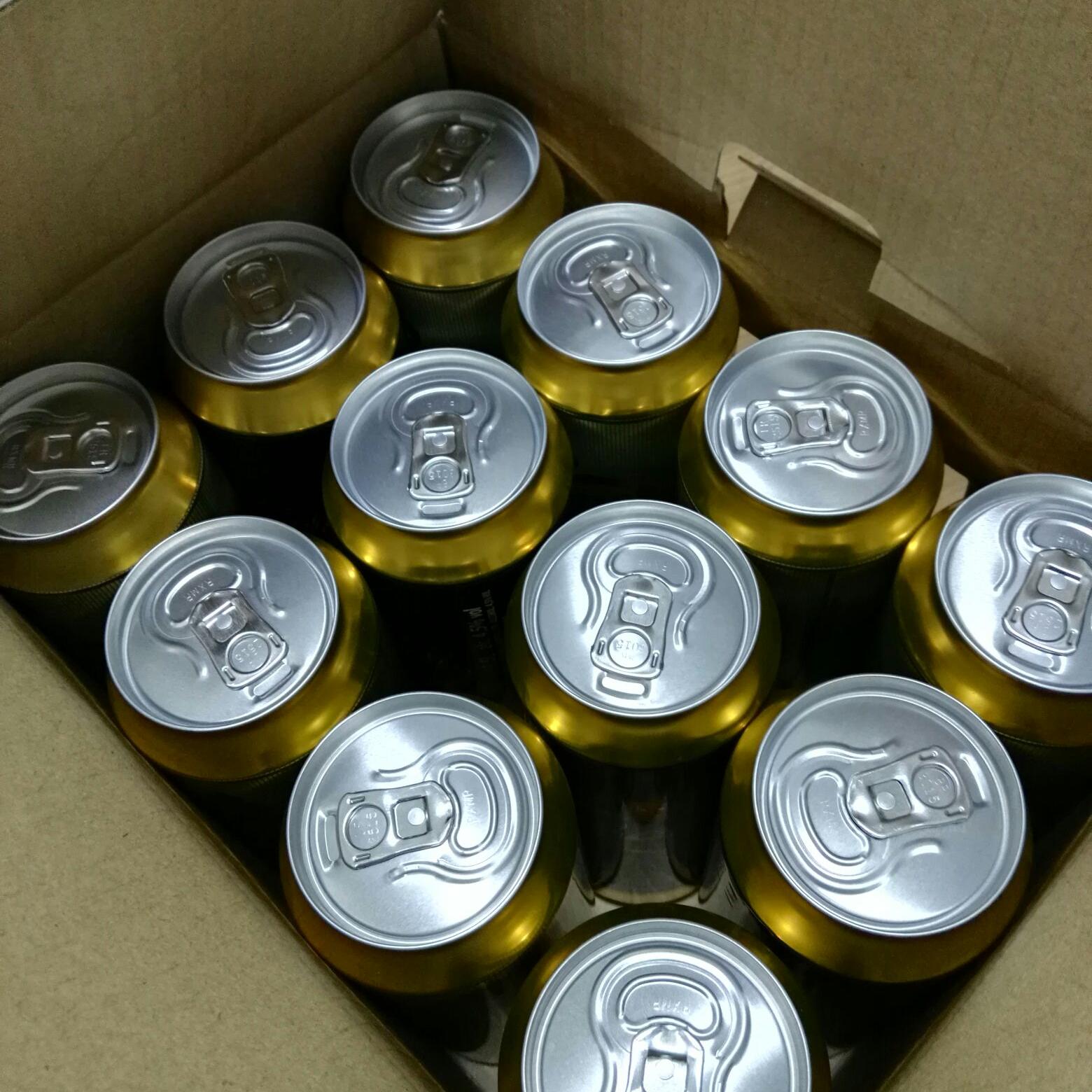
Beer traces a path from barley to glass that appears simple on the surface yet depends on a deeply global supply chain. Barley ships from Australian farms; malt is produced at factories in Lianyungang, Jiangsu; aluminum ingots are rolled into wafer-thin can bodies; and the final filling happens on automated packaging lines — each link operates under its own industrial logic and profit dynamics. Understanding this chain is the only way to grasp why a spike in aluminum prices sends brewery stocks lower, or why a single set of anti-dumping tariffs can keep cost pressure reverberating through an entire industry for three years.
5.1 Barley: Nearly 90% Imported — A Case Study in Policy Shock
Barley is the first threshold in brewing. Brewing-grade barley differs from feed-grade barley: it must meet strict specifications for protein content and starch conversion rates, and Chinese domestically grown varieties have long been unable to satisfy large-scale industrial demand. According to data from the Ministry of Commerce's Trade Remedy Investigation Bureau, China's dependence on imported brewing barley stands at close to 90%: annual domestic output is approximately 900,000 to 1.2 million tonnes, while industry consumption runs at roughly 5 to 5.3 million tonnes per year, leaving a gap of more than 4 million tonnes.
For a long time, Australia dominated import sourcing. Before the imposition of anti-dumping and countervailing duties, Australia supplied more than 70% of China's imported barley. In May 2020, the Ministry of Commerce ruled to impose anti-dumping duties of 73.6% and countervailing duties of 6.9% on barley originating from Australia, for a combined rate of 80.5% — high enough to effectively bar Australian barley from the Chinese market. Over the following three years, the industry rapidly diversified its supply chain: in the first three quarters of 2023, France rose to become the leading source country (approximately 2.55 million tonnes), with Canada, Argentina, and Kazakhstan also featuring prominently.
The turning point came on August 5, 2023, when the Ministry of Commerce announced the termination of the anti-dumping and countervailing measures, citing changed conditions in China's barley market. On the day of the announcement, the beer sector on the A-share market rallied collectively — the market had made its judgment in price: room had opened for raw material costs to fall. Full-year 2023 barley imports surged to approximately 11.32 million tonnes, nearly doubling year-on-year. In 2024, imported barley prices declined broadly; the unit price in March stood at approximately USD 273 per tonne, down 26.9% year-on-year. Benefiting from this, all five listed brewers — China Resources, Tsingtao, Chongqing Brewery, Budweiser APAC, and Zhujiang — achieved year-on-year declines in their per-kiloliter costs in 2024, directly releasing profit potential across the industry.
From a strategic resilience perspective, the China-Australia barley dispute is a textbook case in trade risk. A single shift in trade policy fully reshaped the global procurement landscape for a critical raw material over three years, then triggered a near-doubling of import volumes almost immediately upon its removal. China Resources Beer has already launched approximately 20,000 mu of standardized domestic barley cultivation across Inner Mongolia, the northwest, and Jiangsu, exploring a path toward domestic substitution — but against total consumption of around 5 million tonnes, meaningful domestic self-sufficiency remains unrealistic in the near to medium term. Maintaining diversified sourcing across Australia, Canada, France, Argentina, and other origins simultaneously appears, for now, to be the industry's primary mechanism for managing trade risk. Should new variables emerge in China-US trade relations, or should Australian barley once again face friction, the resilience of this diversified supply chain will be tested again.
5.2 Malt: Supertime Entrenched as Asia's Leader, Consolidation Still Underway
Barley cannot go directly into the brew kettle — it must first undergo a malting process to become malt, which activates the amylases and other hydrolytic enzymes needed for brewing. The malt sector occupies a characteristic "intermediary" position in the beer supply chain: raw materials come from barley importers, output goes directly to breweries, and pricing power is limited; yet because scale advantages are significant, leading producers can still maintain stable profitability.
According to market data, China's malt industry produced approximately 3.47 million tonnes in 2024, up roughly 1.8% year-on-year. Supertime (永顺泰) is the undisputed market leader, holding the largest capacity in Asia and ranked fourth or fifth globally, with 11 automated production lines totaling 850,000 tonnes of capacity. In 2024, Supertime's malt output broke the one-million-tonne mark, reaching 1.0681 million tonnes, with sales of 1.0466 million tonnes — both record highs. The company posted revenue of RMB 4.282 billion for the year, with net profit attributable to parent shareholders approaching RMB 300 million, up 72.5% year-on-year; profit on a non-recurring basis grew even faster, by 112%. The magnitude of this earnings leverage is the direct gift of a falling barley price cycle.
The second tier of the industry includes COFCO Malt under COFCO Corporation, whose scale is comparable to Supertime's and which is backed by a state-owned enterprise grain supply chain. Remaining capacity is dispersed among smaller regional malt producers, and overall industry concentration awaits verification from authoritative data. The trend toward concentration at the top continues: factory-scale and automation are the core competitive barriers. Smaller malt producers struggle to match large players on quality consistency and delivery lead times, and large breweries — motivated by quality-control requirements — tend to build deep partnerships with standardized, top-tier suppliers such as Supertime. In a falling barley price environment, malt producers enjoy relatively high earnings leverage: purchasing costs decline while selling price adjustments lag, making 2024 one of Supertime's best-performing years in recent memory. This also signals that profitability in the malt segment is highly correlated with the barley price cycle — a useful barometer for the health of the upstream supply chain.
5.3 Hops: Around 30% Import Dependence, Craft Beer Driving Domestic Expansion
Hops are the key ingredient that imparts bitterness and aroma to beer. Although the quantities used are far smaller than barley or malt, hops are a critical differentiator for flavor, particularly in the craft beer segment.
China's domestically produced hops are concentrated primarily in Xinjiang and Gansu. Xinjiang accounts for more than half of the country's hop farms. According to a 2025 report by the USDA Foreign Agricultural Service (USDA-FAS), hop acreage in Xinjiang has expanded by approximately 73% over the past two years, reflecting the logic of craft beer demand pulling upstream capacity expansion. Nonetheless, China's import dependence for hops remains around 30%, with annual imports exceeding 4,000 tonnes. Germany (approximately 50%), the Czech Republic (approximately 25%), and the United States (approximately 15%) are the leading source countries. Craft breweries' dependence on American hop varieties is particularly pronounced — the United States accounts for more than 80% of hop imports used in Chinese craft beer, largely because American Pacific Northwest varieties such as Cascade and Citra deliver the intense aromatics suited to IPA and other styles. This structure creates a meaningful supply chain vulnerability exposure when China-US trade relations encounter turbulence.
5.4 Yeast: Angel Yeast Holds More Than Half the Market, Highest Domestic Self-Sufficiency
Among the four core brewing ingredients, yeast is the most domestically supplied. Angel Yeast (002505.SZ) has long held a market share exceeding 55% in the Chinese yeast market, far ahead of France's Lesaffre (approximately 14%) and AB Mauri (approximately 11%), establishing clear market dominance. On a global basis, Angel holds a share of more than 18%, ranking second worldwide behind Lesaffre. In 2024, Angel Yeast reported revenue of approximately RMB 15.2 billion, up roughly 12% year-on-year; revenue from international markets grew by close to 20%, signaling clear export momentum.
Brewing yeast is a sub-category within Angel's total business, which is larger in bread yeast and flavoring yeast; but within the brewing segment, Angel's supply position is solid — it is the type of ingredient for which breweries have relatively limited substitution options. Because yeast directly shapes fermentation flavor, large breweries typically develop a high degree of dependence on specific strains. Once a strain has been selected and validated through trial production, switching costs are substantial, giving Angel stable customer stickiness in this sub-segment.
Worthy of attention is the craft sector's distinctive yeast requirements. Craft beer demands a far greater variety of yeast strains than mass-market beer — different ale yeast strains produce radically different ester and fruit-note profiles, and are one of the core sources of stylistic diversity in craft beer. Domestic craft breweries are more reliant on imported craft-specific yeasts (primarily from Belgium, the United States, and other traditional brewing nations) than industrial breweries, which is one reason craft beer raw material costs tend to run higher. As domestic yeast R&D capabilities improve, Angel is also gradually expanding its strain library in the craft yeast space; domestic substitution in this segment will accelerate as the craft beer market grows.
5.5 Packaging: Roughly 50% of Ex-Factory Costs — The Largest Source of Profit Volatility
Understanding beer's cost structure requires close attention to packaging as a core variable. Based on data from Tsingtao Brewery's 2021 annual report, as cited in sell-side research, packaging materials accounted for 52.23% of ex-factory costs — more than the combined total of barley, malt, energy, and labor. Controlling packaging costs is one of the most important levers for breweries' profit elasticity.
Breaking down packaging costs, the main components are aluminum cans, glass bottles, and corrugated cartons. Aluminum cans are the most sensitive element: for every 1% increase in aluminum prices, brewery earnings decline by approximately 3.2%; sustained aluminum price increases compress gross margins far faster than most observers would intuitively expect. In April 2024, aluminum futures prices briefly reached approximately RMB 20,341 per tonne, up roughly 8.7% year-on-year, placing visible pressure on brewery cost management in the first half of 2024. At the same time, glass prices moved in the opposite direction — approximately RMB 1,536 per tonne, down roughly 15% year-on-year — partially offsetting the aluminum cost headwind.
The aluminum can supply chain underwent a major consolidation in 2024. Prior to this, China's two-piece can market had a CR4 of approximately 75%, with three listed companies serving as the main players: ORG Packaging (002701.SZ, approximately 22% share), COFCO Packaging (00906.HK, approximately 18%), and Baosteel Packaging (601968.SH, approximately 17%). In 2024, ORG Packaging completed a tender offer for COFCO Packaging at approximately RMB 5.5 billion; the combined entity commands a market share approaching 40%, establishing a dominant position in the industry. Baosteel Packaging, backed by its aluminum materials heritage, maintains a leading position. Following the consolidation, pricing power on the aluminum can supply side has further concentrated at the top, and the procurement terms that downstream breweries face for aluminum cans will shift accordingly.
On the glass bottle side, Chinese beer has historically relied primarily on glass bottles, particularly in the on-premise dining channel, where large-format glass packaging remains the mainstream in northern markets. The returnable-bottle system has created strong path dependency in the distribution chain, but operational efficiency has been a persistent problem: scrap bottle collection is dispersed across small, fragmented collection stations nationwide, quality varies widely, breakage rates are high, and safety concerns have led some breweries to gradually tighten standards for using returned bottles. In 2024 the State Council issued guidelines on building a waste recycling system, designating waste glass as a priority controlled material with a target of 4.5 billion tonnes of recycled resources utilized annually by 2025 — but implementation depends on the development of local collection networks. Pernod Ricard China's waste glass recycling project in collaboration with Yanlong Ji had cumulatively collected more than 15,000 tonnes by 2025, representing one of the more systematic industry explorations, though the volume remains small relative to total industry glass bottle consumption. On the supply side, domestic glass bottle producers such as Changli Glass and Huaxing Glass form a degree of concentration, but compared to the aluminum can market the glass bottle supply side is generally more fragmented; leading breweries typically source close to each of their major production bases to minimize transport costs.
5.6 Canning Rate: The Current 32.5% and the Room to Rise
The evolution of the packaging mix is most directly captured in the canning rate. China's beer canning rate was approximately 23.2% in 2016, rising to approximately 32.5% by 2022-2023; in the off-premise channel, the canning rate increased by approximately 14.1 percentage points between 2019 and 2023, materially outpacing the on-premise channel (approximately 4 percentage points). This aligns closely with the rise of off-premise consumption occasions: aluminum cans require no deposit, are lightweight and portable, and are naturally suited to convenience stores, e-commerce, and instant-delivery channels.
Against mature markets, the 32.5% canning rate still has substantial room to grow — European markets are above 40%, and Japan is around 35%. Securities research forecasts that China's beer canning rate could rise to 40%-45% by 2025, with the corresponding increase in aluminum can demand providing ongoing market expansion for suppliers such as ORG Packaging and Baosteel Packaging, while simultaneously meaning that breweries' cost structures will be exposed to a larger share of aluminum price volatility.
There is a clear positive correlation between premiumization and canning. Craft beers and ultra-premium SKUs adopt aluminum cans at higher rates than mass-market products, and aluminum can printing technology is better able to support sophisticated brand visual expression. Rising canning rates reflect both the shift in channel structure and the external manifestation of product mix upgrading.
5.7 Brewing Equipment: Lehui Holds the Industrial Leadership, Craft Drives the Shandong Cluster
Brewing equipment represents long-cycle capital expenditure for large breweries: a single large filling line costs hundreds of millions of yuan, with replacement cycles typically exceeding ten years. This naturally creates long-term service binding between equipment manufacturers and breweries.
Ningbo Lehui International Engineering Equipment (603076.SH) is the leading domestic manufacturer of large-scale brewing equipment, with a product portfolio spanning mash tuns, large fermentation tanks, bright beer tanks, yeast propagation systems, and filter-free filtration — covering the complete process chain. In 2024, Lehui's equipment segment reported revenue of RMB 1.35 billion, down approximately 13% year-on-year, though net profit grew against the trend by approximately 20% as a higher share of higher-value-added product categories lifted margins. In 2024, Lehui achieved a commercial breakthrough in filter-free filtration, completing domestic substitution of the core filtration membrane, with technical specifications meeting or exceeding European products — a landmark milestone in import substitution progress. Lehui's export revenue totaled approximately RMB 500 million, with its global expansion logic aligned with the broader trend of the beer industry going overseas. In global industrial filling-line equipment, Germany's Krones retains a meaningful share of the premium-end market and maintains a presence in China.
The rise of craft beer has spawned a separate equipment ecosystem. Craft brewery equipment needs range from 100 liters to 2,000 liters, with high degrees of customization, and are entirely different from industrial equipment. Shandong province has developed a relatively complete small-scale craft equipment manufacturing cluster; companies such as Hermann Engineering Equipment, Shendong Equipment, and Maituo primarily offer complete craft systems or turnkey projects, serving both domestic craft pubs and overseas export clients. While craft equipment is far smaller in scale than industrial equipment, the customer base is large and upgrade cycles are frequent, creating a differentiated market ecosystem.
The technical barriers and customer bases between the two sub-markets are largely non-overlapping: Lehui serves industrial breweries that need dozens of tonnes of daily output; the Shandong cluster serves craft pubs and micro-breweries with brewing capacity below one tonne. As the number of craft-related enterprises nationwide continues to grow — according to Tianyancha data, approximately 13,000 active craft beer-related enterprises are on record — the potential market for small-scale brewing equipment is expanding in tandem. This is a market where supply is highly fragmented and virtually every craft pub is an independent end-buyer — a long-tail territory that large equipment manufacturers find difficult to cover at scale.
5.8 Mid-Stream Brewing: A Highly Concentrated Capacity Map
The mid-stream brewing segment is the most concentrated link in the entire chain and the one that most clearly reflects the structural characteristics of China's beer industry. At a CR5 of approximately 92% — five companies controlling more than nine-tenths of national output — the concentration is extraordinary by the standards of food and beverage industries in any major economy. This concentrated structure evolved over nearly two decades of mergers and acquisitions: in 2017 the CR5 stood at approximately 75.6%, and since then the five leading groups have continued to raise competitive barriers through plant closures, acquisitions, and brand rationalization, reaching approximately 92% by 2022. China Resources Beer compressed its factory count from 98 to approximately 60; Carlsberg China closed 17 factories in a single year; capacity utilization has recovered from its trough to approximately 76%. "Plant closures to improve efficiency" is not contraction — it is a strategic choice to actively improve asset returns against a backdrop of peak aggregate volume.
Each leading brewer's capacity footprint reflects a clearly regional character: China Resources is broadly deployed nationally, with heavy presence in East and North China; Tsingtao's base is East China with national extension; Yanjing has deep roots in North China, which contributes approximately 53% of its sales volume; Chongqing Brewery is concentrated in the west, and its Foshan Sanshui plant, commissioned in August 2024, marks the Carlsberg system's entry into South China; Budweiser APAC has the longest history in China's premium segment, though its China volume has come under pressure in recent years, with China-region revenue declining approximately 13% in 2024.
The competitive landscape, individual financial performance, and premiumization strategies of the mid-stream brewers are analyzed in Chapter VI; no duplication is made here.
5.9 Downstream Channels: Off-Premise First Surpasses On-Premise — A Historic Inflection
Downstream channels are the last mile through which beer reaches consumers — and the most direct thermometer for measuring industry conditions. In 2024, a channel structure shift occurred in China's beer market that warrants long-term attention: the off-premise channel (supermarkets, convenience stores, discount stores, e-commerce, instant delivery) accounted for more than 52% of volume for the first time, surpassing the on-premise channel (food service, nightlife) to become the dominant channel. In the first half of 2025, this share expanded further to approximately 60%.
There are clear structural factors behind the pressure on the on-premise channel. Approximately 4.09 million restaurant businesses closed across China in 2024, a closure rate of approximately 61.2%; nightclub/bar channel beer volumes fell approximately 12% from the 2021 peak; the food service channel only recovered to 96%-97% of 2021 levels. This downturn in the on-premise channel reflects both the influence of macro consumer sentiment and the entrenchment of at-home consumption habits formed in the post-pandemic period — trends that are unlikely to reverse fully in the near term.
Within the off-premise channel, growth patterns have also diverged. Discount store channel beer GMV grew approximately 180% year-on-year in 2024, making it the fastest-growing brick-and-mortar sub-channel; instant delivery (Meituan Flash Sale, JD Home, etc.) continues to expand, with relatively stronger brand premium capability in this channel, aligning with premiumization trends. The e-commerce channel, after rapid growth, has gradually entered a more mature phase, but remains the most important route for reaching national consumers for niche products such as craft beer.
This channel shift has profound implications for brand strategy. The on-premise channel places higher demands on product display and consumption experience, and the premium available in the nightlife segment far exceeds that in supermarkets — it is the main battlefield for high-price-per-kiloliter brands such as Budweiser and Chongqing Brewery. The off-premise channel relies more on brand penetration and shelf competition, favoring scale advantage and benefiting national brands such as China Resources and Tsingtao. The ongoing migration in channel structure will have far-reaching implications for competitive dynamics, a topic addressed systematically in Chapter VIII's sub-market analysis.
5.10 Profit Distribution and Transmission Mechanisms Across the Value Chain
Understanding the industry chain ultimately returns to the question of profit distribution: among all the parties in the value chain, who is making money and who is under pressure?
Barley importers and traders bore enormous pressure during the anti-dumping and countervailing duty period: the cost advantage of Australian barley disappeared, supply chain restructuring entailed additional costs, and some smaller trading companies exited the market over those three years. Malt producers' profitability moves directly with barley prices, making declining raw material cost cycles the most favorable environment — as Supertime's 2024 results amply demonstrated. Hop and yeast suppliers are relatively smaller in scale, with greater earnings stability but equally limited pricing power.
The pricing logic in the packaging materials segment differs from raw materials: aluminum can prices are directly linked to the aluminum price, and downstream breweries' bargaining power against aluminum can suppliers weakened further following ORG Packaging's 2024 acquisition. Glass bottle prices are more heavily influenced by energy costs (glass furnaces are heavy natural gas consumers) and transport radius; in recent years prices have eased alongside lower natural gas prices.
Brewing equipment manufacturers occupy one of the highest value-added positions in the chain: long service cycles, high technical barriers, and Lehui International's gross margin standing at the higher end for the machinery manufacturing sector. However, equipment manufacturers' revenues are closely tied to the industry's capacity expansion appetite — when expansion intent is subdued, new order pressure is likewise evident; the approximately 13% decline in Lehui's equipment revenue in 2024 reflects exactly this cyclical pressure.
Terminal beer brand companies are the largest profit pool in the chain, but also the link with the most complex cost exposure. Barley, malt, aluminum cans, glass bottles, natural gas, labor — nearly every cost item tracks some macro commodity cycle, while the revenue side is constrained by consumer sentiment, channel structure, and competitive dynamics. In 2024, cost items happened to decline across the board, and the major breweries generally saw substantial profit improvement: Yanjing's net profit grew more than 63%, Zhujiang's close to 30%, and Supertime's non-recurring profit grew more than 112% — this was a resonance of a raw materials tailwind and the fruition of plant closure efficiency gains, not a genuine demand-side recovery. Understanding this distinction is critical for assessing the sustainability of industry profits.
5.11 Chapter Summary
From nearly 90% import dependence for barley, to the approximately 3.2 percentage-point profit leverage effect of aluminum prices, to the completion of a major consolidation in the aluminum can industry — this chapter has sketched a value chain that is more fragile and more precision-engineered than it appears on the surface. Geopolitical risk in upstream raw materials (China-Australia anti-dumping and countervailing duties), commodity price volatility in packaging costs, the structural demand shift driven by rising canning rates, and the historic inflection in downstream channels — these forces collectively shape today's cost structure and competitive boundaries in China's beer industry. The profit improvement seen across the industry in 2024 was driven more by cyclical cost tailwinds; should aluminum prices return to elevated levels or trade frictions re-emerge, the fragility of this precision value chain will transmit back through the system with similar speed. Profit elasticity, more often than not, resides not in the liquid itself, but in that thin ring of aluminum around the can.
Chapter 6 China Beer Competitive Landscape and Key Companies
If earlier chapters described a market whose aggregate volume has peaked yet continues to see falling volume with rising price, this chapter addresses a different question: who controls this market, and why is it so concentrated? China's beer industry is one of the few consumer staples sectors in the country where concentration rivals that of mature industrial goods — five companies have captured roughly nine-tenths of sales volume. This structure did not arise naturally; it was shaped over thirty years of mergers, nearly a decade of plant closures for efficiency gains, and the ongoing battle over premiumization. Understanding the path of structural evolution is the only way to understand where the five leading groups currently stand and what their next decisive moves will be.
6.1 From Regional Fragmentation to High Concentration: How CR5 Reached Approximately 92%
The most intuitive metric for measuring industry concentration is CR5 — the combined market share of the top five companies. According to Qianzhan Industry Research Institute, China's beer industry CR5 was approximately 75.6% in 2017, rising to approximately 92% by 2022 (approximately 93.8% when Zhujiang Beer is included). In just five years, the industry crossed from "relatively concentrated" into the "highly concentrated" threshold. By comparison, CR5 in sectors such as baijiu and dairy products in the same period generally hovered in the 50%-60% range, placing beer in a league of its own among Chinese consumer goods — more closely resembling the mature global structure where five oligopolies dominate the world market.
The 2022 share distribution is the baseline for understanding today's landscape. Based on Qianzhan's sales volume figures, China Resources Beer held approximately 31.9%, Tsingtao approximately 22.9%, Budweiser APAC approximately 19.5%, Yanjing approximately 10.3%, and Chongqing Brewery approximately 7.4%, totaling approximately 92%. A methodological note is important here: market share figures differ based on the statistical dimension used (output volume, sales volume, or revenue), and another aggregated estimate using 2024 output data yields somewhat different rankings for China Resources and Budweiser APAC. This chapter uses the 2022 sales volume figures as the structural baseline, with individual company financials referencing 2024 annual reports; the two should not be conflated.
Two forces combined to drive the jump in concentration.
- The first was merger and acquisition integration. Chinese beer was classically "regionally fragmented" in its early years — almost every province and prefecture-level city had its own local brand, relying on transport radius as a moat. Beer is heavy, low-priced, and has a short shelf life, making long-distance transport uneconomical; this made early-stage market fragmentation natural. From the late 1990s, China Resources, Tsingtao, Yanjing, and others began large-scale acquisitions, absorbing regional breweries one by one; foreign players Carlsberg expanded in the west and AB InBev claimed the eastern premium segment, accelerating consolidation.
- The second was plant closures to improve efficiency. Acquisitions brought brands and channels but also inherited large quantities of dispersed, aging, and underutilized capacity. Between 2016 and 2019, the industry entered a phase of concentrated rationalization: per listed company disclosures, China Resources Beer cut its factory count from approximately 98 to 60, and Carlsberg closed 17 factories in a single year. The direct effect was to pull the industry's capacity utilization rate back from a trough to a relatively healthy level of approximately 76%.
Together, these two forces mean that competition in Chinese beer ceased long ago to be about "who can sell a few more bottles" — it became about "who can sell each bottle for more within a given territory, and compress costs further." After concentration took hold, clear divergence emerged within the industry: by sales volume, China Resources and Tsingtao together command approximately 67.8% of share, forming the first tier; Yanjing, Chongqing Brewery, and Zhujiang each hold their respective territories in the second tier. Even within tiers, fortunes are diverging — Yanjing's 2024 net profit bucked the trend with strong growth, while Budweiser's China operations continued to face headwinds. Concentration does not equal stability; the battles for existing market share make the competition among leaders more intense than ever.
It should be clarified that this "high concentration" applies specifically to the mid-stream brewing segment. The upstream supply of malt, hops, glass bottles, aluminum cans, and brewing equipment, as well as the proliferating craft micro-breweries downstream, are in precisely the opposite state — a highly fragmented landscape. That ecosystem is addressed in Chapter VII; this chapter focuses solely on the financial competition among the five major brewers.
6.2 China Resources Beer: Volume Champion, Logic of Scale to Absorb Cost at the Lowest Price per Kiloliter
China Resources Beer (0291.HK) is the uncontested volume champion of Chinese beer. Per its 2024 annual report, the company posted revenue of approximately RMB 38.635 billion (including its baijiu business, consolidated from 2023 onwards) and net profit attributable to shareholders of approximately RMB 4.739 billion; beer sales volume was approximately 10.874 million kiloliters, declining approximately 2.5% year-on-year. Placed in the context of the 92% concentrated market, China Resources alone is equivalent to the combined output of the next two leaders — the scale advantage is exceptionally substantial.
Yet China Resources has the lowest price per kiloliter among the five leaders, at approximately RMB 3,355/kl (up approximately 1.5% year-on-year). This is not a weakness but the essence of its business model: Snow, its flagship brand under China Resources, is the largest-selling single beer brand in China by volume, achieved through the broadest capacity network and the deepest channel penetration, using mass volumes of mid-to-low-tier beer to spread fixed costs. Low price per kiloliter paired with enormous scale still supports an approximately 41.1% beer gross margin; overall gross margin of approximately 42.6% in 2024 reached a five-year high — showing that the effects of premiumization are permeating this volume-driven machine.
China Resources' premiumization path involves climbing upward through a brand matrix. In addition to Snow, the company holds the China operating rights for Heineken and has cultivated Brave the World SuperX, Lianpu, and other mid-to-premium SKUs. Per company disclosures, premium and above beer sales grew approximately 9% year-on-year in 2024, with Heineken growing close to 20% and Old Snow and Red Baron nearly doubling. In short, China Resources is using Heineken as a "premium ceiling" and SuperX as a "next-tier volume driver" — maintaining the huge volume of the base business while gradually pushing the product mix upward. The plant reduction from 98 to 60 factories was also China Resources' doing; the cost savings released by those closures are precisely what enabled it to improve profitability even at the lowest price per kiloliter.
6.3 Tsingtao Brewery: A Template for Structural Upgrading — Profit Up, Revenue Down
Tsingtao Brewery (600600 / 0168.HK) commands the highest brand equity and the greatest international recognition of any Chinese beer company. Per its 2024 annual report, the company posted revenue of approximately RMB 32.138 billion, down approximately 5.3% year-on-year; net profit attributable to shareholders was approximately RMB 4.345 billion, still up approximately 1.81% year-on-year despite the revenue decline. This combination of "revenue falling, profit rising" is the defining characteristic of Tsingtao in 2024 — profit up, revenue down.
The revenue decline was primarily driven by volume pressure. Tsingtao's 2024 beer sales volume was approximately 7.538 million kiloliters, of which the Tsingtao main brand accounted for approximately 4.34 million kiloliters (down approximately 4.84% year-on-year) and other brands approximately 3.2 million kiloliters (down approximately 7.2%); on the volume-price split, the volume side was the drag. Why then did profits still grow? The answer lies in structure. The company's mid-to-premium and above products totaled approximately 3.154 million kiloliters in sales, representing approximately 41.8% of total volume — the gross profit contribution of this higher-priced product share was sufficient to offset the impact of the overall volume decline. Tsingtao's price per kiloliter of approximately RMB 4,189/kl, up only approximately 0.5% year-on-year, places it in the upper-middle range among the five majors, reflecting its premium brand positioning.
Tsingtao's premiumization is primarily backed by product quality. Alongside volume workhorses such as Classic, Pure Draft, and witbier, the company has built ultra-premium product lines including Augerta, Century Journey, and A Legend — converting the scarcity value of a "century-old brand" into price premium. Tsingtao's story is a classic mature-market playbook: not pursuing scale expansion, but selling each kiloliter for more by upgrading the product mix while defending its share. That price-per-kiloliter growth decelerated in 2024 also signals that its premiumization push is entering a more difficult phase — the gains from structural upgrading cannot be released indefinitely, an industry-wide challenge that this report returns to later.
6.4 Budweiser APAC: The Premium King's Loss of Momentum in China
Budweiser APAC (1876.HK) is the long-standing frontrunner in China's premium beer market, and also the most pressured of the five leaders in 2024. A methodological note first: Budweiser reports financials on a combined Asia-Pacific basis, and most China-specific metrics are disclosed only as year-on-year changes without absolute values, so this section reflects that caution.
Per its 2024 annual report, Budweiser APAC total revenue was approximately USD 6.246 billion (approximately RMB 45.4 billion), with net profit attributable to shareholders of approximately USD 726 million; total APAC sales volume was approximately 8.4811 million kiloliters, down approximately 8.8% year-on-year. The real pain point was China: per disclosed figures, China-region volume fell approximately 11.8% and revenue declined approximately 13% year-on-year, significantly exceeding the overall APAC decline and the main drag on consolidated performance. A premium-market leader experiencing double-digit declines in its most strategically important market illustrates the depth of the pressure.
Budweiser's signature strength is premiumization. It was the first to bring premium imports such as Corona, Hoegaarden, and Stella Artois into China, and has Budweiser Gold as an anchor; it has long commanded the on-premise premium channel (nightlife, upscale dining). Per Euromonitor, Budweiser's premium market share in China remains approximately 40%, but this figure was once close to 50% — the missing roughly ten percentage points are being eroded by two forces: domestic leaders China Resources and Tsingtao pushing premium SKUs upward, and craft brands attacking from the ultra-premium price tier (above RMB 12). The on-premise channel on which Budweiser has relied for competitive advantage happened to be the channel most affected by the 2024 contraction in food service and nightlife, and this channel skew amplified its deceleration. The 2025 management reshuffle, which installed a Chinese national as CEO to lead China operations, is itself a direct acknowledgment of the China deceleration.
6.5 Yanjing Beer: Profit Elasticity Bucking the Trend on the Strength of U8
Yanjing Beer (000729) was the standout performer among the five majors in 2024. While most peers found themselves in a volume decline and a "profit up but revenue down" pattern, Yanjing delivered record-high revenue and profit simultaneously: per its 2024 annual report, total revenue was approximately RMB 14.667 billion, up approximately 3.2% year-on-year; net profit attributable to shareholders was approximately RMB 1.056 billion, up an outsized approximately 63.74% year-on-year. In an aggregate-volume-capped market, achieving positive revenue growth is already notable; net profit growth of more than 60% is the highest earnings elasticity among the five majors.
Yanjing's counter-trend performance can be attributed almost entirely to one product — Yanjing U8. This mid-tier flagship priced at approximately RMB 9 to 10 per bottle achieved 2024 sales of approximately 696,000 kiloliters, up approximately 31.4% year-on-year, serving as the structural upgrade engine within the company's total volume of approximately 4.0044 million kiloliters (up approximately 1.57% year-on-year). U8's significance lies not in absolute scale but in its ability to shift Yanjing's product center of gravity up one tier from its low-price mass base, driving a recovery in overall profitability. Yanjing's price per kiloliter of approximately RMB 3,666/kl remains among the lower end of the five leaders — which precisely illustrates that its premiumization journey is just beginning, with further room for profit elasticity to be released.
Yanjing's regional character also merits mention. The company is heavily reliant on its North China home base — per annual report, North China contributes approximately 53.4% of revenue, with Beijing as the core of the base; at the same time, the Lispring brand has established a second pillar in South China's Guangxi, accounting for approximately 26% of regional revenue. This "North China plus Lispring" dual-hub structure gives Yanjing a secure home territory and a replicable regional template. The success of U8 is fundamentally an attempt by Yanjing to break through regional ceilings, defending North China while using a single national product to transcend the local market.
6.6 Chongqing Brewery: The Carlsberg Platform — the Highest Price per Kiloliter Among Domestic Brands
Chongqing Brewery (600132) occupies a unique position as the sole Chinese listed platform for Carlsberg Group — all of Carlsberg's China assets are housed in this listed company. Understanding this arrangement is key to understanding why Chongqing Brewery's premiumization progress ranks at the top of the domestic leaders: it is backed by a global brewing giant's brand portfolio and operating system.
Per its 2024 annual report, Chongqing Brewery's total revenue was approximately RMB 14.645 billion, down approximately 1.15% year-on-year; net profit attributable to shareholders was approximately RMB 1.115 billion, down approximately 16.61% year-on-year. This was the first time since Carlsberg took control that both revenue and profit declined, reflecting the broader 2024 environment of pressure on premium beer as a whole. At the structural level, however, Chongqing Brewery remains the highest-quality of the five majors: premium products (ex-factory price at or above RMB 8) accounted for approximately 48.98% of sales volume — close to half — corresponding to premium sales volume of approximately 1.4572 million kiloliters, still up approximately 1.37% year-on-year. Underpinned by this best-in-class product structure, Chongqing Brewery's price per kiloliter is approximately RMB 4,900/kl — second only to Budweiser APAC among the five majors, and the highest among domestic brands.
Chongqing Brewery's brand combination runs on two wheels — "local strongholds plus international premium": local brands, led by Wusu, Chongqing, Shancheng, Xixia, and Dali, account for approximately 70% of the mix; the international tier includes Carlsberg, Cass, 1664, and Brooklyn. Regionally, Chongqing Brewery is deeply embedded in western markets including Xinjiang, Tibet, Ningxia, Chongqing, and Sichuan; Wusu was once a phenomenon brand that traveled from the west to national presence. However, Wusu's volume in its Xinjiang home market declined approximately 8.2% in 2024, signaling that the mega-brand's growth has peaked. Simultaneously, the company is actively pushing south: a new base in Foshan Sanshui commenced operations in August 2024, intended to open a second growth engine outside the west. The combination of a double-decline earnings report and expanding capacity indicates that Chongqing Brewery is in a transition period — mega-brand dividends fading, searching for a new engine.
6.7 Zhujiang Beer: A Premiumization Standard-Bearer in Its South China Home Territory
Placing Zhujiang Beer (002461) in the competitive landscape, it is an "honor-roll second-tier" player — positioned between the five majors and pure regional brands. It appears in CR5 in some methodologies (combined approximately 93.8%), and outside the top five in others. Regardless of classification, Zhujiang's 2024 performance warrants separate analysis.
Per its 2024 annual report, Zhujiang's total revenue was approximately RMB 5.731 billion, up approximately 6.56% year-on-year; net profit attributable to shareholders was approximately RMB 810 million, up approximately 29.95% year-on-year; sales volume was approximately 1.4396 million kiloliters, up approximately 2.62%. Against a backdrop of near-universal volume and price pressure among peers in 2024, Zhujiang achieved simultaneous gains in volume, price, and profit — a high-quality result. Its price per kiloliter of approximately RMB 3,828/kl and gross margin of approximately 46.3% — the latter even exceeding that of several companies with sales volumes many times larger — are underpinned by an exceptionally high share of premium products: premium product revenue of approximately RMB 3.904 billion accounted for approximately 68% of total revenue, growing approximately 13.97% year-on-year.
Zhujiang's approach is "deep regional cultivation combined with premium focus." It is firmly rooted in South China's Guangdong market and does not pursue national breadth; instead, it maximizes brand equity within its own territory. Products such as Snow Castle (Xuepu) craft beer and other premium product lines have enabled it to capture the premiumization dividend in Guangdong's high-consumption market. Zhujiang demonstrates a principle: in an industry as concentrated as beer, a regional leader does not need to compete with the five majors on scale — defending a prosperous home market and driving the premium mix to its maximum can deliver earnings growth that leads peers.
6.8 Price-per-Kiloliter Tiers and the Premiumization League Table: Who Is Leading
Ranking the five majors plus Zhujiang by price per kiloliter reveals the premiumization pecking order at a glance. Based on 2024 annual reports and consolidated estimates, the price-per-kiloliter tier (RMB/kl) is approximately as follows:
- Budweiser APAC: approximately 5,300+, leading the industry
- Chongqing Brewery: approximately 4,900+, first among domestic brands
- Tsingtao Brewery: approximately 4,189
- Zhujiang Beer: approximately 3,828
- Yanjing Beer: approximately 3,666
- China Resources Beer: approximately 3,355, lowest of the five majors
This tier is almost a direct scale of each company's premiumization progress. Price per kiloliter is fundamentally the share of premium-priced products in total output — the more expensive the average selling price, the more the product mix has tilted toward the ultra-premium end. Three structural observations emerge from this.
First, the two companies with foreign ownership lineage (Budweiser, Chongqing Brewery) leading the price-per-kiloliter table is no coincidence. They hold global premium brands — Corona, Hoegaarden, 1664, Carlsberg — that established a first-mover advantage at the premium price tier. Their structure is intrinsically better. Budweiser's momentum in China may have slowed, but its existing product portfolio's price per kiloliter remains the industry ceiling; Chongqing Brewery has translated Carlsberg's brand portfolio into the strongest premium-product share among domestic players.
Second, the three domestic majors (Tsingtao, Yanjing, China Resources) are climbing the value chain via different paths. Tsingtao leverages the product credentials of a "century-old brand" to reach the ultra-premium segment, with the highest price per kiloliter among domestic brands; Yanjing is using U8 to shift the product center of gravity from low-end to mid-range, with the lowest price per kiloliter but the fastest growth; China Resources uses the largest scale to absorb cost, has the lowest price per kiloliter, yet uses Heineken as an upward ceiling. Premiumization is progressing at all three, just from different starting positions and at different speeds.
Third, a higher price per kiloliter does not simply equate to stronger profitability. China Resources, with the lowest price per kiloliter, still generates the highest absolute net profit in the industry; Yanjing and Zhujiang, with mid-range prices, are growing profits the fastest. This confirms that in a mature-volume market, premiumization is only one source of profit — scale-based cost absorption, cost control, and regional efficiency are equally important. What determines outcomes is the integrated operating capability to synchronize price per kiloliter, sales volume, and cost into a single coherent engine.
6.9 Regional Footprint: Overlapping Territories and Each Company's Home Base
The final dimension of the competitive landscape is geography. China's beer industry's historical regional fragmentation has not completely disappeared; what emerged post-consolidation is a configuration of each major holding home territories while engaging in close-quarters competition in key contested regions.
- China Resources Snow: The most broadly deployed nationally, with capacity and channels in Northeast, East, and South China — the only major with a footprint approaching "no blind spots." Its head-to-head competition with Budweiser is primarily in the eastern premium market.
- Tsingtao Brewery: Based in Shandong, near-dominant in its home market, radiating from there into East and North China. The brand's national recognition gives it reasonable penetration outside Shandong.
- Budweiser APAC: A textbook "east-strong, west-weak" footprint; primary battleground in the premium on-premise channel (nightlife, upscale dining) of Northeast, East, and South China, with a thin western presence. This skew is the geographic root cause of its greater exposure to the 2024 on-premise channel contraction.
- Yanjing Beer: North China is the lifeline — Beijing and Inner Mongolia form the base, contributing more than 50% of revenue. South China is anchored by the Lispring brand in Guangxi, forming the "North China plus Lispring" dual-hub footprint.
- Chongqing Brewery: Carlsberg's traditional western stronghold, deeply embedded in Xinjiang, Tibet, Ningxia, Chongqing, and Sichuan; Wusu once projected it to national reach. From 2024, the Foshan Sanshui facility serves as a pivot for South China expansion, attempting to break free from western dependency.
- Zhujiang Beer: Concentrated in South China's Guangdong, regionally focused with stable market share; it does not compete head-to-head with the five majors on national breadth, running ahead of peers on profitability through deep-territory premiumization.
Cross-referencing this geographic map with the financial analysis above, the internal logic of the landscape becomes clear: the largest-share China Resources wins through the widest footprint; the highest-price Budweiser is constrained by a skewed footprint; the counter-trend Yanjing wins through a secure home base plus a product that transcends regional limits; and Zhujiang demonstrates the viable path for a regional champion within a concentrated industry. Chinese beer competition is fundamentally a contest — on a territory already largely carved up — over who can drive premiumization, cost, and efficiency to their limits within their home market, then probe the weak spots in rivals' terrain. Concentration has settled, but the battle for existing volume is far from over — and that is exactly where the true competitive contest among the five majors will play out in the next phase.
Chapter 7 The Rise of Craft Beer and the Dispersed Supply Chain Ecosystem
If the previous chapter sketched a picture of high concentration — five leading groups sharing nine-tenths of the market, closing plants for efficiency, price-per-kiloliter stratification, and mergers condensing regional fragmentation into oligopolistic equilibrium — then this chapter addresses the opposite side of the same industry. In the world of mass-market industrial beer, concentration is the norm; but once the gaze shifts to craft micro-breweries, corner pubs, and the upstream supply of malt, hops, glass bottles, aluminum cans, and brewing equipment, what appears instead is a landscape of proliferating players, long-tail extension, and near-unquantifiable dispersal. Chinese beer thereby exhibits a rare dual character: mid-stream brewing grows more concentrated toward the top, while the wellsprings of innovation and the foundations of supply grow more dispersed toward both ends. This chapter is about the dispersed ecosystem itself — how it takes shape, and why it resists being seen clearly.
7.1 Two Faces of One Industry: Concentrated Brewing, Dispersed Extremes
Understanding the dispersal of craft beer and the supply chain requires first placing it against the backdrop of concentrated industrial beer. The combined market share (CR5) of the five majors was still around 75% in 2017; by 2021 it had climbed to approximately 92.9% (sales volume basis), with China Resources and Tsingtao alone capturing close to 67.8% of volume. This level of concentration is remarkable by Chinese manufacturing standards — most industries compete in a fragmented landscape, while industrial beer is the opposite: a handful of giants absorbed regional brands one by one, shuttered factories, and consolidated balance sheets, ultimately arriving at today's structure.
But concentration belongs only to mid-stream, large-scale brewing. While industrial lager filling lines have grown ever larger and single-plant capacity ever higher, a counter-current has been building in the other direction: tens of thousands of small breweries, pubs, traders, and supporting manufacturers, each occupying a city, a street, a flavor profile, a raw materials segment. They are tiny in scale, variable in brand recognition, and geographically extreme in their dispersal — precisely the part of the industry that is the hardest to quantify and the least often studied.
Concentration and dispersal are not unrelated phenomena. It is precisely because industrial beer has pushed "mass-market pricing, large-scale brewing" to the point of peak capacity that incremental growth is forced toward premiumization and differentiation — and craft beer is the sharpest edge of that differentiation. And precisely because the five majors have tightened their grip on the brewing segment, upstream raw material and packaging suppliers face greater pressure to find their own survival niches within the fragmented landscape. One end is tightening while the other is fracturing — this is the most dynamically charged contrast in the beer industry.
This dual character also manifests in the ease or difficulty of measurement. The five majors are all listed companies, with quarterly financials, volume, price per kiloliter, and capacity utilization tracked to single-digit percentage precision by analysts and investors. But once you step outside the top tier, statistical precision rapidly deteriorates. The number of craft enterprises varies by nearly twofold depending on methodology; the number of upstream malt plants, hop traders, and bottle manufacturers simply lacks any authoritative tally. In other words, the most concentrated part of the industry is precisely the clearest, and the most dispersed extremities are precisely the most overlooked — this is not an accidental gap in data collection, but a structural consequence of the dispersed ecosystem: too many players, too small, too mobile for conventional statistical frameworks to cover. Recognizing this reality is a prerequisite for understanding the factory identification challenge discussed later.
7.2 The Craft Ecosystem: A Long Tail of Ten Thousand Enterprises Beneath the Hundred-Billion Narrative
Craft beer in China is a story that has been retold many times yet never fully reconciled in numbers. The divergence in market size estimates alone illustrates how blurred the boundaries of this business are. On an ex-factory basis, some estimates put the craft market at approximately RMB 48.6 billion in 2025; more optimistic forecasts (such as those from China International Capital Corporation) suggest the ex-factory figure could grow from approximately RMB 10 billion in 2020 to over RMB 100 billion by 2025. On a retail basis (including the pub on-premise premium), 2024 estimates are approximately RMB 80 billion, with 2025 broadly pointing to approximately RMB 130 billion, with historical compound growth rates once estimated above 40%. The fact that the same market's numbers can be stretched two to three times depending on methodology — ex-factory versus retail, including or excluding pub service consumption — is a defining characteristic of a dispersed, long-tail industry: without a standardized production-sales chain, there is no clean statistical basis.
More revealing of the "dispersal" than any market size figure are enterprise count and penetration rate.
- The number of active craft beer-related enterprises nationwide ranges across different data sources from approximately 13,000 to 24,000. Tianyancha's 2024 figure is approximately 13,000; broader definitions including small workshop breweries reached approximately 24,000 by mid-2025, with more than 4,000 newly established in the past year, over 60% founded within the past one to five years. Regardless of which figure is used, the conclusion is consistent: this is a long tail composed of vast numbers of micro-entities, with the majority of workshop-style breweries producing fewer than 100,000 tonnes annually, collectively accounting for only a single-digit percentage of national total output.
- Penetration rate is approximately 7% (on a sales value basis), compared to approximately 14%-15% in the United States — barely half the mature market level. On a consumption volume basis, craft beer reached approximately 143,000 kiloliters in 2022 and is expected to reach approximately 230,000 kiloliters in 2025, at a compound annual growth rate of approximately 17% — growth is rapid, but the base is small, and penetration is nowhere near saturation.
Among the ten to twenty thousand entities in this ecosystem, the number with established brands can be counted on one hand. UBREW built its model around new-retail chain pubs, with the chain at one point exceeding 2,000 locations; Panda Brew has pursued a multi-product, multi-city direct-operation model, covering over 60 cities and more than 20 directly operated pubs; Jing-A was founded in Beijing and subsequently absorbed into the Carlsberg system; NBeer is renowned in the craft community for its international competition record, having won more than 80 awards. Their common thread is that all use brand, chain scale, or competition credentials to add a layer of recognizability. But behind them lie tens of thousands of small breweries and pubs whose names the industry rarely remembers — operating on one street, supplying a handful of restaurants, producing tens to hundreds of kiloliters per year, opening and closing. The "dispersal" of the craft market is, in essence, this very long, very thin tail.
Geographically, there is a pronounced density differential. Zhejiang, Guangdong, Shanghai, and Beijing are the markets with the highest concentration of enterprises and pubs: Shanghai has gathered a cohort of early chain craft bars; Beijing was one of the first cities for domestic craft beer; Guangdong as a southern craft stronghold has numerous players; and Zhejiang (particularly Hangzhou) ranked at or near the top in bar industry surveys in terms of participating sample size. Meanwhile, Chengdu and Nanjing are more like cultural landmarks of craft beer — Chengdu has had early local craft establishments since around 2010, carrying a western character with herbal notes; Nanjing has produced some of the country's earliest craft beer pioneers. These cities have made craft beer part of their urban identity rather than merely a production metric. Worth noting is that this geographic density pattern is itself another expression of dispersal: craft beer cannot, as industrial beer does, be covered by a few large plants nationally — it is inherently anchored in local consumption occasions, food service ecosystems, and cultural atmospheres, and can therefore only grow in a "one city, one pub, one flavor" mode.
At the same time, the industrial majors have not ceded this market. China Resources has launched the Lianpu premium craft product line; Tsingtao has developed unfiltered beer, draft beer, amber lager, IPA, and 1903 premium craft products; Budweiser brought Goose Island to China and opened restaurant-pubs. Large players' entry brings the scale advantages of distribution, capital, and supply chain: they have existing national distribution networks, centralized procurement to hold down raw material costs, and the ability to put a craft product into supermarkets and instant-delivery channels — capabilities far beyond the reach of independent small breweries.
The result is a two-sided squeeze on the long tail. At one end, independent small breweries face extremely weak upstream raw material bargaining power: they are more reliant on imported hops, buy in small quantities, and cannot secure the long-term pricing that large players obtain. At the other end, they must compete with large players' craft sub-brands for shelf space and beer list placement. When "RMB 9.9 craft beer" price compression begins spreading, craft beer — originally supported by differentiation and premium pricing — is forced into the price competition it is least equipped to win. The number of craft products on the market is indeed expanding rapidly — growing more than 60% year-on-year by comparable metric, with new product counts more than doubling — yet the more products there are, the thinner the attention any single product attracts, and the harder it is for small breweries to be noticed. Craft beer is easy to narrate but hard to monetize: most entities on this long tail have neither the scale to amortize fixed costs, nor the brand to support premium pricing, nor the stable channel to retain customers — difficulty turning a profit is close to their shared fate. This also explains why this market is simultaneously registering rapid new entries and continuous exits — for every few thousand new registrations annually, an equally large number quietly disappear.
7.3 Upstream Supply Chain: Factories Dispersed Across Raw Materials and Packaging Segments
If craft beer represents dispersal at the consumer-facing end, then the true structural support for the entire beer industry — and equally fragmented — lies upstream in raw materials and packaging. A bottle of beer's ex-factory cost is approximately 50% packaging (Tsingtao Brewery's 2021 figure was 52.23%), with aluminum cans, glass bottles, and cartons together accounting for the bulk of packaging materials. This means that the beer industry's real "factory intensity" extends far beyond the single step of brewing.
Breaking the upstream into its components, dispersal is visible at nearly every link:
- Barley and malt: Close to 90% of China's brewing barley is imported, with domestic capacity far below consumption; while malt processing has leaders like Supertime (capacity approximately 850,000 tonnes, 2024 output exceeding one million tonnes), total industry output of approximately 3.47 million tonnes is still spread across numerous processing plants near major barley-producing areas in Northeast China, Gansu, and Xinjiang.
- Hops: Approximately 30% import dependence, with Germany, Czech Republic, and the United States as primary sources, and craft beer's reliance on US imports even higher; Xinjiang and Gansu domestically, backed by dispersed growers and traders.
- Packaging: The aluminum can segment has seen relative concentration following ORG Packaging's acquisition of COFCO Packaging (combined approximately 40% market share), with Baosteel Packaging as the other leader; glass bottles remain dependent on regional returnable-bottle and glass-making systems; cartons are a textbook case of local, fragmented supply.
- Brewing equipment: Industrial-scale has a small number of players represented by Lehui International, while small-scale mash, fermentation, and filling equipment serving craft micro-breweries is dominated by small and medium-sized manufacturers mainly in Shandong, with numerous and fragmented brands.
A pattern emerges from this list: the closer to the "raw material" end of a segment, the more dispersed it tends to be; the closer to "standardized metal packaging," the more concentrated. Aluminum cans, with high investment barriers, concentrated customers (a handful of large breweries), and unified technical standards, naturally trend toward oligopoly; malt, hops, glass bottles, and cartons — located near agricultural production zones, or requiring local supply close to breweries, or with low entry barriers — are naturally dispersed. Concentration and dispersal coexist on the same supply chain; this is the most authentic texture of the beer upstream.
One fact deserves highlighting: the precise number and geographic distribution of malt producers, hop traders, glass bottle manufacturers, and carton suppliers is almost a complete blank in public statistics. They are neither tracked company by company by capital markets like the five major brewers, nor do they carry the intrinsic narrative interest of craft brands — they sit silently dispersed across the upper reaches of the supply chain. The five majors' response to this dispersal is centralized procurement plus long-term contract price locks, using their own scale to push uncertainty back to the supplier side — large players don't need to tally their suppliers individually because they have sufficient volume to make suppliers come to them and accept terms. But this approach works only for the giants at the top of the procurement pyramid. For suppliers themselves, for new entrants trying to cut into this chain, and for raw material and equipment manufacturers trying to find downstream brewery customers, dispersal means highly opaque information: you do not know where potential customers are scattered, do not know how many competitors exist, and cannot easily determine whether a company displaying "beer," "malt," or "packaging" in its registered business scope is genuinely in production, or has long since gone dark.
7.4 The Factory Identification Challenge: "Which Factories Are Genuinely Operating?" in a Dispersed Ecosystem
Viewing craft's long tail and the upstream supply chain together, a shared challenge surfaces: in an ecosystem this dispersed, this long-tailed, and this statistically indeterminate, how do you judge "which factories are genuinely in production, at what scale, and doing exactly what"?
This challenge is a real pain point for at least three groups:
- For upstream raw material and packaging suppliers — sellers of malt, hops, glass bottles, aluminum cans, cartons, and brewing equipment — the target is downstream breweries that are genuinely and continuously producing, not companies that have only registered a business license yet are already shuttered or never actually commenced production.
- For craft brand owners, the need is for reliable contract breweries and stable supply chain partners; in a market where thousands of new entrants register each year and over 60% have been established for less than five years, distinguishing "operating" from "just registered" is itself a meaningful barrier.
- For procurement managers and channel distributors, filtering qualified, capacity-ready, fully licensed suppliers from tens of thousands of related enterprises requires far more than enterprise directories and commercial registration data — registration data cannot answer "is this a real factory, and are the production lines still running?"
Commercial databases can tell you whether a company is registered, its registered capital, and who the legal representative is — but they struggle to tell you whether the company is actually producing, what its capacity level is, whether it is a self-brewing operation or a contract label, or whether it is a manufacturer or a trader. In the craft long-tail, there is a wide gulf between registered company counts and "operating factory counts": in a market where thousands of new entries register each year and more than 60% of entities were founded within the past five years, registration activity is vibrant but actual survival is not guaranteed — a significant portion of enterprises may never have commenced production, or may have quietly stopped operations while remaining on the rolls. In the upstream raw material and packaging segments, the problem runs deeper: even basic numerical tallies are absent, and keyword-based searches on registered business scope terms such as "hops," "malt," or "bottle-making" cannot identify genuinely operating factories or distinguish manufacturers from trading agents.
Identifying "genuinely operating factories" is precisely the scarcest capability in this dispersed ecosystem — and the answer that commercial registration data and enterprise directories inherently cannot provide. What is needed is not more registration entries, but judgments on "is this a real factory, are the production lines still running, what production tier does it fall into, and exactly what does it make?"
It is in this sense that Tianxia Gongchang has, from among roughly 4.8 million operating factories across China, identified those dispersed across every segment of the supply chain — malt producers, hop traders, glass bottle and aluminum can packaging manufacturers, brewing equipment factories, and the craft micro-breweries spread throughout cities — one by one, documenting what each actually produces and which production tier it falls into. This enables raw material, packaging, and equipment suppliers to find their downstream brewery customers, and brand owners to find reliable contract brewers and supply chain partners. A clarification is warranted: the approximately 4.8 million figure reflects a full-industry operating factory identification scope, and is a different concept from the approximately 13,000 to 24,000 craft beer-related enterprises cited earlier in this report. The former is a comprehensive factory-level database of all industries; the latter is a count of enterprise registrations in a single sub-segment — craft beer — and the two are not comparable.
7.5 Summary: Dispersal Is the Most Underestimated Dimension of This Business
The mainstream narrative in the beer industry always revolves around the five leading groups' price per kiloliter, mergers, and premiumization — that is the story of concentration, and the story capital markets most love to tell. But this chapter's emphasis is on the other half: craft beer's long tail of ten to twenty thousand enterprises, and the countless factories dispersed across raw material and packaging segments, constitute the truly vast and truly underestimated hinterland of this industry. Concentration creates the certainty of profit; dispersal is where the possibility of innovation and incremental growth gestates. The former is easy to quantify and study; the latter is hard to tally and hard to see clearly.
This underestimation is partly a direct product of "difficulty seeing clearly" itself. The more dispersed a segment is, the more blurred it becomes in data, the more absent it is from narratives, and the more easily it is treated as irrelevant background. Yet it is precisely this background that bears the full physical cost of a beer's journey from barley to can, and contains the entire imaginative potential of craft beer's second wave of premiumization. As aggregate volume peaks and growth becomes ever more dependent on differentiation and premiumization, whoever can more rapidly identify structure within the dispersal — finding genuinely operating partners and customers — will be better positioned to capture incremental growth in a mature-volume market. Understanding beer requires seeing clearly the nine-tenths concentration at the top and the pervasive dispersal at both ends — and the latter is, more often than not, where the next wave of change actually begins.
Chapter 8 Sub-Market Analysis

The high concentration and apparent homogeneity of China's beer market obscures a set of profoundly differentiated structural fractures internally: the price competition between premiumization and ultra-premium, the independent growth of the craft segment, the sustained rise in canning rates, the historic shift between on-premise and off-premise channels, the explosive emergence of the zero-alcohol category, and the markedly divergent consumption profiles across regions and demographics. These six fault lines are both the principal sources of incremental growth in the industry and the core coordinates for the restructuring of future competitive dynamics.
8.1 Premiumization and Ultra-Premium: The Price Ascent in a Half-Price Market
China's retail beer price per kiloliter is approximately 50% that of the United States and Japan — a gap that has been the starting point of the industry's premiumization narrative over the past decade, and the fundamental premise for the continued validity of the falling-volume-with-rising-price logic over the next five to ten years. In 2022, China's retail beer price per kiloliter was approximately USD 2.4/liter, versus approximately USD 5.1/liter in the United States, approximately USD 5.0/liter in Japan, and approximately USD 5.3/liter in South Korea; even on an ex-factory basis, China's average ex-factory price was only approximately 55% of the US figure and approximately 39% of Japan's. Only approximately 17% of beer sold in China is priced as premium (above RMB 10 per bottle), compared to approximately 40% in mature western markets — the headroom for improvement is substantial.
By product price tier, the current market is roughly structured in three layers: the mass-market tier (at or below RMB 3) accounts for approximately 70% of total market value, the premium tier (approximately RMB 8-10) approximately 18%, and craft and ultra-premium (above RMB 10) approximately 5%. The premium sub-segment's 2024 revenue growth exceeded 9%, the fastest-growing price tier in the industry, forming a progressive encirclement of the mass-market tier.
The five majors' price-per-kiloliter tiers clearly map each company's premiumization progress: Budweiser APAC (1876.HK) approximately RMB 5,300+/kl; Chongqing Brewery (600132) approximately RMB 4,900; Tsingtao Brewery (600600/0168.HK) approximately RMB 4,189; Zhujiang Beer (002461) approximately RMB 3,828; Yanjing Beer (000729) approximately RMB 3,666; China Resources Beer (0291.HK) approximately RMB 3,355. China Resources, with the lowest price per kiloliter, is simultaneously volume leader — revealing a clear trade-off between scale effects and earnings elasticity in premiumization.
Each company's premium product matrix has distinct emphases:
- China Resources leads with Heineken and Brave the World SuperX; in 2024 Heineken volume grew close to 20% and premium-and-above volume grew approximately 9% overall; the Lianpu series is its craft premium attempt.
- Tsingtao relies on Pure Draft, witbier, Augerta, and Century Journey, with approximately 30% market share in the RMB 8-10 price tier — highest among the five majors; A Legend challenges the ultra-premium tier.
- Budweiser APAC has the most complete premium matrix: Budweiser Gold, Corona, Hoegaarden, and Stella Artois provide four-tier coverage; market share in the RMB 10-15 tier is approximately 36%, and above RMB 15 approximately 52% — the ultra-premium segment is almost Budweiser's exclusive territory, though domestic premium encroachment and craft erosion have reduced its China high-end share from close to 50% to approximately 40% in recent years.
- Chongqing Brewery's premium (above RMB 8) share is close to 49%, the best premium structure among the five majors' domestic brands; Carlsberg and 1664 carry the premium pricing function.
- Yanjing U8 is the most representative recent example of simultaneous volume and price growth: 2024 sales of 696,000 kiloliters, up 31.4% year-on-year, differentiating on clean flavor in the mainstream RMB 6-8 tier — targeting the early stages of premiumization rather than ultra-premium.
It should be noted that the RMB 12+ price tier was actually under pressure in 2024: consumer sentiment turned more rational, competitive pressure from premium substitutes (craft beer, imported brands, domestic ultra-premium) intensified, and some ultra-premium SKUs fell short of volume expectations. The premiumization logic is not a linear progression — the higher the price tier, the higher the barriers of product quality and occasion stickiness.
8.2 Craft Beer: Structural Tension Between 7% Penetration and a RMB 130 Billion Market
Craft beer is the fastest-growing, most richly narrated, and most methodologically contested sub-segment of China's beer industry over the past decade.
In terms of market size, objective methodological divergences require parallel understanding: on a retail basis (including pub service consumption and premium), the Chinese craft market is approximately RMB 130 billion in 2025, forecast to grow further to approximately RMB 160 billion in 2026; on an ex-factory basis, CICC projects exceeding RMB 100 billion in 2025, while a separate English-language market report estimated approximately USD 47.5 billion (approximately RMB 34.5 billion in 2024) on an ex-factory dollar basis — the more-than-twofold gap between ex-factory and retail reflects craft beer's deep embeddedness in the on-premise pub setting and the significant service premium it commands.
On penetration, China's craft beer market penetration rate by sales value is approximately 6.3%-7% in 2025, versus approximately 14%-15% in the United States. China's penetration climbed from 1.0% in 2017 to 2.8% in 2021 and to approximately 7% today — growth is fast but the absolute level is still low, indicating the market is far from saturation. In consumption volume, approximately 143,000 kiloliters in 2022, forecast to grow to approximately 230,000 kiloliters in 2025, at a compound annual growth rate of approximately 17%.
On the supply side, according to Tianyancha data, approximately 13,000 active craft beer-related enterprises exist nationally (2024), with a broader count including workshop-style small breweries reaching close to 24,000; breweries producing fewer than 100,000 tonnes annually exceed 10,000, accounting for approximately 8% of national total output. Between January and July 2024 alone, approximately 2,300 new enterprises were added; entry barriers continue to fall and long-tail competitive dynamics are pronounced. High-density concentrations are Zhejiang, Guangdong, Shanghai, and Beijing; Chengdu and Nanjing stand apart as craft culture landmarks.
Representative independent craft brands each have distinct characteristics:
- UBREW: Founded 2013, scaled through a new-retail franchise-pub model, with more than 2,000 franchise locations nationwide — the independent brand most successfully scaled on the channel dimension.
- Panda Brew: Founded 2013, more than 30 product SKUs, over 20 directly operated pubs, products available in more than 60 cities, with emphasis on depth of recipe R&D.
- Jing-A: Founded in Beijing in 2012, one of China's craft beer pioneers, now part of the Carlsberg Group — a textbook case of a large brewer acquiring an independent brand.
- NBeer: Founded 2013, with more than 80 international craft beer awards accumulated, building reputation barriers among core enthusiasts through professional quality.
Industrial majors have reshaped the competitive landscape from two directions: acquisition (Carlsberg acquiring Jing-A) and building proprietary craft product lines (China Resources Snow's Lianpu, Tsingtao's IPA and 1903 craft series, Budweiser's Goose Island). Large players' advantages lie in channel deployment and cost amortization; their disadvantage is cultural authenticity — craft consumers apply a natural discount to products from "industrial major" makers, and the non-standardized character and emotional premium of independent brands cannot be fully replicated by industrial logic.
The expansion of craft beer SKUs on e-commerce platforms confirms the segment's momentum: approximately 843 craft products were listed for sale on e-commerce platforms in Q1 2024; by Q1 2025 this had grown to 1,396, up 65.6%; new products grew from 95 to 242, up 154.7% — activity levels far exceeding industrial beer.
On the barrier structure, craft beer's core barriers do not lie in raw materials (hops and yeast can be sourced through imports) but in the accumulated craft knowledge of the brewing team, the brand's cultural narrative capability, the scene stickiness of pub location and operations, and stable procurement relationships with key accounts (chain restaurants, hotels). Independent craft brands generally face profitability challenges — low volume drives high fixed costs, premium pricing limits addressable audience size, the pub model is asset-heavy, and financing pressure persists.
8.3 Canning: The Structural Leap from 32% to 45%
The competition between aluminum cans (two-piece cans) and glass bottles is, on the surface, a packaging format choice; in substance, it is a mirror of the premiumization process and the transformation of channel structure.
China's beer canning rate: approximately 23.2% in 2016; approximately 32.5% in 2022-2023 (some sources cite 32.1%, the difference reflecting different surveys); forecast to rise to approximately 40%-45% in 2025, at which point a corresponding improvement in company profit margins of approximately 2-3 percentage points is expected. Against mature markets, Japan's canning rate is approximately 35% (slightly above China's); bottled formats still predominate in Europe but canning growth is approximately 5% per year. Overall, China's canning rate still has room to grow, but the pace of increase is already materially faster than Europe's.
The synergistic logic between canning and premiumization operates on three levels:
- Perception: Opening an aluminum can delivers freshness; temperature control is easier; can body printing technology (laser printing, full-color printing) provides premium visual expression space that suits premium and craft products' freshness requirements.
- Channel: The off-premise channel (supermarkets, e-commerce, instant delivery) is the primary driver of the rising canning rate — in 2019-2023, the off-premise channel's canning rate rose 14.1 percentage points, versus only 4.0 percentage points in the on-premise channel. Aluminum-can beer is light and portable, ideally suited to courier delivery and instant-delivery needs.
- Cost and profit: Aluminum cans do not depend on the returnable-bottle system, require no deposit or reverse logistics for single-use occasions, and entail lower channel management costs; however, aluminum price volatility is extremely sensitive to profitability — estimates indicate that for every 1% increase in aluminum prices, industry profits decline approximately 3.2%.
The aluminum can supply chain is highly concentrated between ORG Packaging and Baosteel Packaging. ORG Packaging completed its acquisition of COFCO Packaging in 2024, with the combined entity holding approximately 40% market share; for an industry where packaging represents approximately 50% of per-tonne beer production cost (Tsingtao's 2021 figure: 52.23%), the pricing power of can suppliers is not to be underestimated.
Glass bottles have not been displaced; they maintain their position in specific occasions: traditional outdoor dining and family banquets, the northern China and Shandong large-bottle consumption preference, and the low-price mass market under the returnable-bottle system. The divergent use of the two packaging formats reflects the geographic depth of China's consumer segmentation.
8.4 Channel Fracture: Off-Premise First Exceeds 52%, Nightlife Channel Incomplete Recovery
2024 was a watershed year for China's beer channel structure: the off-premise channel (supermarkets, convenience stores, discount stores, e-commerce, instant delivery) exceeded 52% of volume for the first time, with the on-premise channel (food service, nightlife) dropping below 48% — a fundamental reversal from the pre-2013 era when on-premise was the absolute dominant channel. In the first half of 2025, off-premise expanded further to approximately 60%.
The direct cause of this shift is sustained pressure on the on-premise channel. Approximately 4.09 million food service businesses closed nationwide in 2024, with a closure rate of 61.2% (per Jiuqian Zhongtai data), and the overall food service contraction directly suppressed on-premise beer consumption — food service channel beer consumption reached only 96%-97% of 2021 levels; nightlife (clubs/KTV) beer sales declined approximately 12% from the 2021 peak, driven by cautious consumer sentiment and dispersal of nighttime traffic to alternatives (outdoor activities, camping, at-home occasions).
Within the off-premise channel, discount stores' rise was particularly notable: 2024 discount store channel beer GMV grew 180% year-on-year, far ahead of other off-premise sub-channels. Discount stores' logic is to lock in budget-sensitive consumers through a streamlined SKU set and strong value for money; beer as a high-frequency staple category has a natural fit with this model.
Instant delivery (Meituan Flash Sale, JD Home Delivery, and similar) is another high-growth pole. The total instant-delivery beverage market is expected to potentially exceed RMB 1.2 trillion in 2025; beer benefits significantly from its immediate-consumption-occasion attributes (spontaneous dinner party restocking, food delivery pairing), and premium SKU premium capability in instant delivery is higher than in traditional supermarkets.
From a competitive implications perspective, the channel shift toward off-premise affects companies unequally: Budweiser APAC historically relied more heavily on a premium placement logic in food service and nightlife, with off-premise channel weighting below the industry average and greater channel transformation pressure; China Resources and Yanjing have more balanced distribution channel exposure; craft brands' on-premise pubs are heavily dependent on on-premise consumption, with limited off-premise capability — canning and e-commerce are the ways out.
The on-premise channel is not in irreversible decline — it is better characterized as a cyclical trough: some companies were already reporting positive volume growth in early 2025, and if consumer confidence recovers and the food service closure cycle ends, the on-premise channel has a foundation for a rebound. Emerging on-premise occasions (craft pub culture, cycling BBQ gatherings, gaming spaces) are redefining "reasons to drink beer" for younger consumers, but their scale remains orders of magnitude below that of traditional food service and nightlife.
8.5 Non-Alcoholic and Low-Alcohol Beer: Structural Opportunity Behind 42% Growth
Non-alcoholic and low-alcohol beer is the fastest-growing sub-segment in China's beer industry today, and the most direct embodiment of global health trends in the beer category.
In terms of market size, China's low-alcohol beer (including low-alcohol variants) market was approximately RMB 17.7 billion in 2024; the zero-alcohol category reached a 2024 volume growth rate of +42.3%, standing out across all alcoholic beverage sub-segments. Relative to 2020, the low-alcohol/non-alcoholic market has grown approximately threefold. Over the forecast period (2025-2030), China's non-alcoholic and low-alcohol beer CAGR is approximately 8.2%, above the global average (approximately 6.4%).
Three demand drivers are in play:
- Health-driven demand: A rising "mindful drinking" awareness among younger consumers who want to drink beer but not get drunk or experience the next-day effects; non-alcoholic beer provides a "participate socially without losing control" solution.
- Female consumer growth: Female consumers account for approximately 65% of low-alcohol beverage consumption, the core driver of low-alcohol/non-alcoholic growth; the lowest-barrier product for beer brands to penetrate female consumers is precisely the non-alcoholic and low-alcohol category.
- Occasion extension: Post-workout hydration, social gatherings before driving, weekday lunch — occasions where alcohol was previously inappropriate. Non-alcoholic beer opens up consumption frequency in these settings.
On brand actions, Budweiser APAC launched Budweiser Zero and Corona Cero in China in 2024, using established brand endorsement to enter the category — a landmark action representing a systematic launch of international majors' non-alcoholic product lines in China. Tsingtao Brewery and Yanjing Beer have also released their respective non-alcoholic/low-alcohol series, though product differentiation and marketing investment remain below the level of Budweiser's flagship-tier deployment.
The primary challenge currently facing the non-alcoholic and low-alcohol segment is the taste barrier: the bitterness, alcohol sensation, and fermentation aromatics of traditional beer are difficult to preserve fully through dealcoholization processes, and the technology investment in product development determines consumer repurchase rates. On the cost side, dealcoholization processes (vacuum distillation, reverse osmosis membrane, etc.) add incremental manufacturing costs, with pricing approximately 30%-50% above regular beer — limiting the pace of mass-market adoption. Market awareness is still being cultivated — a considerable proportion of consumers remain skeptical about whether "non-alcoholic beer actually tastes good," and category education costs are substantial.
Nonetheless, combining demographic structure (the generational health awareness characteristics of the 1985-1995 birth cohort) with the regulatory environment (zero-tolerance drunk driving enforcement as a permanent fixture), the medium-to-long-term growth logic for non-alcoholic and low-alcohol beer is solid; the leading majors hold brand trust advantages, while craft brands have greater flexibility on process innovation.
8.6 Regional Differentiation and Consumer Demographics: 65% Western Deficit and Nearly Half Young Consumers
China's beer market is not a monolithic, homogeneous market; simultaneous regional consumption differentiation and generational demographic differentiation create both structural constraints and structural opportunities.
On the regional dimension, of the top ten beer-producing provinces in 2024, coastal provinces hold six seats, with Shandong first and Guangdong second; East and South China are the highest-density regions for both production and consumption. The gap in western provinces is particularly notable — in 2021, per-capita alcoholic beverage spending by western urban residents was only approximately 65% of the national average, attributable to relatively lower consumption levels, insufficient penetration of premium brand channels, and in some regions a preference for baijiu over beer. Chongqing Brewery's deep western roots and Wusu's Xinjiang coverage make them among the rare brands treating the west as a strategic priority; the 2024 Foshan Sanshui capacity addition signals strategic intent to penetrate South China.
North-south consumption habit differences manifest in both category and packaging dimensions: South China (Guangdong, Fujian) prefers clean, light flavor and aluminum cans, with Zhujiang Beer's premium share at 68% in this market; North China (Shandong, Beijing) has a stronger traditional preference for large-format glass bottle packaging and high-frequency on-premise group consumption; Northeast China's bold drinking culture maintains higher penetration of high-volume, low-price products. Under the urban-rural dual structure, branded and premium trends are clear in urban markets, with county and rural markets dominated by mass-market products priced at or below RMB 3.
On the consumer demographics side, the 1985-1995 birth cohort accounts for approximately 45.8% of total beer consumption (2021 survey data), with the post-1995/post-2000 cohort share continuously rising, already becoming the most important incremental source in the industry. This generation's characteristics differ significantly from prior generations: they prioritize taste quality (original gravity, ingredient provenance, and similar technical parameters) rather than purely price comparison; they seek personalized occasion experiences rather than brand authority; and they show high acceptance of differentiated categories such as craft, low-alcohol, and limited-edition collaborations.
The penetration of the female consumer cohort is another structural variable warranting separate observation: women account for approximately 65% of low-alcohol/non-alcoholic beer consumption, and their share in craft beer consumption is also rising — reflecting that the category's boundary is extending into traditionally female consumption occasions (light social drinking, casual gatherings).
8.7 Comparative Overview of Sub-Markets
| Sub-Segment | Market Size Estimate | Growth Reference | Penetration/Share | Representative Players |
|---|---|---|---|---|
| Premium and ultra-premium (above RMB 10) | Approximately 5% of total market (by value) | >9%/year | Only approximately 17% of products priced as premium | Budweiser APAC, Chongqing Brewery, Tsingtao Augerta |
| Craft beer | Retail approximately RMB 130 billion; ex-factory approximately RMB 48.6 billion to over RMB 100 billion (methodology divergence) | CAGR approximately 17% (consumption volume) | Approximately 7% (vs. 14%-15% in the US) | UBREW, Panda Brew, Jing-A, NBeer; majors: Goose Island/Lianpu/Tsingtao IPA |
| Canning (aluminum cans) | Approximately 32.5% of industry total (2023) | Off-premise canning rate +approximately 3-4 pp/year | Expected to rise to 40%-45% in 2025 | ORG Packaging + COFCO Packaging, Baosteel Packaging (supply side) |
| On-premise channel (food service/nightlife) | Approximately 48% of industry (2024) | Nightlife approximately -12% vs. 2021 | 2024 first-time below off-premise | Major brewers' food service direct sales teams; craft pubs |
| Off-premise (supermarkets/e-commerce/instant delivery) | Approximately 52% of industry (2024) | Discount store GMV +180% (2024) | 2025H1 approximately 60% | China Resources, Yanjing full-channel; instant delivery new channels |
| Non-alcoholic/low-alcohol beer | Low-alcohol approximately RMB 17.7 billion (2024) | Zero-alcohol +42.3% (2024) | Small scale, low base | Budweiser Zero/Corona Cero; Tsingtao and Yanjing low-alcohol series |
| Western consumption market | Per-capita approximately 65% of national average | Relatively large growth potential | Relatively low penetration | Wusu (Chongqing Brewery); China Resources western deployment |
| 1985-1995 birth cohort and female consumers | Nearly half of total consumption base (by age cohort) | Generational succession continuously reinforcing | Women approximately 65% of low-alcohol segment | Craft/low-alcohol/co-branded products benefit |
The six major sub-segments do not develop in isolation but are nested within one another: rising canning rates support off-premise channel premiumization; craft beer benefits from younger consumers' quality-driven demand; non-alcoholic and low-alcohol products address female and health occasions; regional differentiation determines channel deployment prioritization. The core logic of structural opportunities is clear — after aggregate volume peaks, China's beer growth space comes from unit price increases and category expansion, not volume growth. Whichever sub-segment can simultaneously deliver "high ticket value, strong repurchase, and broad channel coverage" — and whichever company achieves all three — will possess the earnings resilience to navigate across market cycles.
Chapter 9 Product and Technology Evolution Trends
China's beer industry has passed its production peak, but product and technology iteration is only now entering an accelerated phase. After volume topped out, the competitive focus shifted from capturing production scale to two poles: product capability and manufacturing efficiency — the former being the vertical extension of a premiumized product portfolio, the latter being the digital and green transformation of the production side. The two appear independent but both point to the same proposition: in a shrinking market, sell each liter of beer for more and brew it for less.
9.1 The Evolutionary Logic of the Premiumized Product Portfolio
Over the past two decades, China's beer price-band distribution was heavily concentrated in the mid-to-low tier. After industry production peaked in 2013, the major brewers were forced to re-examine their product structure, and premiumization shifted from a strategic option to a matter of survival.
The upward breakthrough in price bands is a quantifiable reality. According to IWSR 2024 data, the premium segment was the only price tier in the Chinese market that year to achieve volume growth (approximately +1%), while overall industry volume declined about 5%. The retail share of the above-RMB 10/bottle premium segment has been rising from roughly 15% in 2022 toward an estimated 20%+ by 2025. Premiumization is not a marketing buzzword — it is the underlying driver of the rise in price per kiloliter for brewers. In the 2024 five-major-player price-per-kiloliter league table, the gap between Budweiser APAC (1876.HK) at above RMB 5,300/kl and China Resources Beer (0291.HK) at RMB 3,355/kl was nearly RMB 2,000 — a gap that reflects the difference in product category structure.
The evolution of the premiumized product portfolio unfolds along three main trajectories.
The first is the upgrade of mainstream lager toward the ultra-premium tier. Early premiumization relied on swapping glass bottles for aluminum cans and replacing bulk kegs with premium single-serve cans — essentially packaging upgrades driving upward price perception. Yanjing U8 is the archetype of this approach: differentiating on "8° low bitterness" to enter the mass-premium price band, reaching sales of 696,000 kiloliters in 2024 (+31.4%), achieving high-speed growth amid stock-based competition and proving that taste differentiation — not mere price premiums — is the premiumization path accepted by mainstream consumers. Tsingtao (600600/0168.HK)'s Century Journey and Legend of a Generation, by contrast, moved toward ultra-premium gifting, extending beer's sales context from everyday drinking to the gift market.
The second trajectory is category diversification — witbier (wheat beer), IPA, stout, and sour beer permeating from the craft circle into the mainstream. Chongqing Brewery (600132)'s 1664 Kronenbourg Blanc entered the female and young consumer market with a French flavor profile; Heineken under China Resources' umbrella grew its China sales by nearly 20% in 2024, driven by a premium foreign brand leveraging the scale effect of the local distribution network. IPA, with its rich hop aroma, gained consumer awareness through the craft market, whereupon the large brewers immediately launched industrial versions — Tsingtao's IPA series and Snow Facemask both fall into this category, using industrial production efficiency to achieve mass-market penetration of craft-style categories.
The third trajectory is on-premise scenario-based product innovation. Small cans (200–250 ml) and can format diversification (slim cans, party-sized big cans) are precisely designed for different consumption occasions. Fruit-flavored beer and unfiltered draft (fresh) beer target the incremental young-female consumer segment — in 2024 women accounted for approximately 65% of low-alcohol beverage consumers, and fruity, low-bitterness, low-alcohol profiles have become the explicit direction for new product development.
9.2 The Craft Brewing System: From Technical Differentiation to Category Expansion
The rise of craft beer in the Chinese market is fundamentally a movement of widespread consumer education. Over the past decade, consumers' knowledge of fermentation processes started from zero; the distinction between ale (top fermentation) and lager (bottom fermentation) has begun to enter popular vocabulary, and the selling points of unfiltered, unpasteurized draft (fresh) beer have become viable.
In terms of process routes, ale yeast completes fermentation at ambient temperatures (15–24°C), typically over a shorter cycle with richer ester and fruity aromas; IPA, stout, and Trappist styles all belong to the ale family, forming the core technical foundation of the craft market. Lager yeast ferments at low temperatures (7–12°C) over a longer cycle with a cleaner flavor profile; the vast majority of mainstream industrial beer uses the lager process. These two process routes are not a matter of superiority but a trade-off between flavor and production cost: ale equipment requirements are lower and the fermentation cycle shorter, making it more suited to small-batch craft brewing; lager offers consistent, stable flavor, better suited to large-scale industrial production.
Draft (fresh) beer and unfiltered beer are the craft category concepts with the greatest market attention in recent years. The core technical requirement for draft beer (unpasteurized, brewed and consumed immediately) is cold-chain preservation: beer that has not undergone high-temperature sterilization retains intact active yeast, giving a richer, livelier flavor, but has an extremely short shelf life (typically no more than 7 days), placing very high demands on distribution radius and cold-chain investment. Around this category, Ningbo Lehui International Engineering Equipment (603076.SH) developed a dedicated "30-km fresh beer" segment, offering a solution of compact brewing equipment plus short-distance delivery to serve local community fresh-beer markets; this segment generated RMB 140 million in revenue in 2024, up 33.36% year-on-year, representing an incremental business line for Lehui beyond large-scale industrial equipment.
The commercialization challenge for unfiltered beer (neither filtered nor pasteurized) is even greater — unfiltered means yeast and proteins remain suspended in the liquid, giving a hazy, slightly sweet flavor, but quality stability is extremely difficult to guarantee. Leading craft brands solve this with small-batch filling and full cold-chain storage and distribution. The strategy of large brewers entering the craft segment differs: Snow Facemask and Tsingtao IPA both use industrial fermentation equipment to produce craft-style products, trading the craft narrative of handcrafted small batches for controllable quality consistency and replicable scale benefits, gaining broader channel distribution coverage in return.
The group standard T/CBJ 3201-2019 "Workshop Beer and Its Production Specifications" defines workshop beer as beer "produced on small-scale brewing lines, without additives unrelated to flavor adjustment, with distinctive flavor characteristics," providing a basic market-access threshold description for craft products and to some extent regulating the representational boundaries for large brewers' "pseudo-craft" products.
9.3 Packaging Technology: The Can Migration Trend and Deepening Lightweighting
Packaging is the single largest item in beer's cost structure — according to Tsingtao Brewery's 2021 annual report, packaging materials accounted for approximately 52.23% of ex-factory costs. This proportion means every advance in packaging technology directly affects corporate profitability.
Canning (aluminum cans replacing glass bottles) has been the most prominent packaging trend over the past decade. In 2022, China's beer industry canning rate was approximately 32.5%, corresponding to roughly 11.5 million kiloliters of aluminum can production. Compared with Europe and the United States (approximately 65%) and Japan (approximately 90%), China's canning rate still has significant room to rise, and is projected to reach 40%–45% by 2025. The logic driving the acceleration of canning is multi-layered: aluminum can weight has continued to fall (the lightweighting process has reduced aluminum per can), there is no deposit/return system needed, single-use convenience suits off-premise consumption, and online e-commerce and instant retail channels naturally favor lightweight, portable packaging. Rising costs and fragmentation of the glass bottle deposit-return system have also objectively accelerated the switch to aluminum cans in some categories.
Lightweighting is another layer of technological evolution beyond the canning trend — whether for aluminum cans or glass bottles, reducing the material per unit has been a continuous cost-reduction direction. Aluminum can lightweighting means less aluminum per can, directly lowering material costs; glass bottle lightweighting (reducing gram weight) reduces raw material consumption and transportation energy while maintaining structural integrity. Though not conspicuous, the cost savings from this technological progress accumulate to significant amounts in large-volume production.
Can format diversification has also been an important component of product strategy in recent years. The Sleek Can (a more slender 250 ml or 330 ml aluminum can) caters to the visual tone of premium brands and has become standard for high-end brands like Heineken and 1664; large-volume sharing cans (500 ml or even 1 L formats) target party consumption occasions; small cans (200 ml) address the female consumer and trial-purchase segment. Behind these differentiated can formats lie the production-line modifications and tooling investments of aluminum can suppliers such as ORG Packaging (002701.SZ) and Baosteel Packaging (601968.SH). In 2024, ORG Packaging completed its acquisition of control over COFCO Packaging; after the merger, the combined aluminum can market share approached 40%, further raising industry concentration and strengthening the bargaining power of upstream packaging suppliers.
9.4 Non-Alcoholic and Low-Alcohol Technology: Craft Responses to Health Demand
Non-alcoholic and low-alcohol beer has been one of the fastest-growing subcategories in the global beer industry over the past five years. China's market has been comparatively slower to follow, but its growth rate is equally impressive. According to Forward Intelligence data, China's non-alcoholic beer market had a CAGR of approximately 11.67% from 2018 to 2022; according to IWSR 2024 tracking, the zero-alcohol category grew by +42.3% that year in China.
From a process perspective, there are two main methods for producing non-alcoholic beer. The first is the restricted fermentation method, which controls fermentation temperature and time to halt the yeast's alcohol production at a low-alcohol stage, keeping the final alcohol content below 0.5%. The second is the dealcoholization method, whereby a normal alcoholic beer is first brewed and then the alcohol is removed through physical means such as vacuum distillation, thin-film evaporation, or reverse osmosis membrane filtration, while retaining hop and malt flavors. The trade-off between the two processes lies in the balance between flavor retention and cost: dealcoholization retains flavor more completely but requires higher equipment investment; the restricted fermentation method is lower in cost but limited in flavor complexity.
AB InBev launched Budweiser Zero (below 0.3% alcohol) and Corona Cero in China, using powerful brand recognition to drive awareness of the non-alcoholic category. Both Tsingtao and Yanjing have launched their own non-alcoholic new products, but based on disclosed data, the non-alcoholic category still accounts for a small share of the five majors' revenue structures and remains in a nurturing phase.
Consumer-side drivers come from multiple directions: heightened health consciousness leads drinkers to seek a solution of "enjoying beer flavor without alcohol intake"; there is inelastic demand for non-alcoholic beer in driving scenarios; female consumers' acceptance of low-alcohol beverages continues to rise (women account for nearly 65% of low-alcohol beverage consumption), providing a population base for non-alcoholic category expansion. In the long term, a rising share of non-alcoholic and low-alcohol categories is a high-probability trend, but the technical challenge lies in flavor restoration — how to make dealcoholized beer approximate the taste of regular beer in the mouth is the core R&D question for all major brewers.
9.5 Smart Brewing and Digital Factories: Efficiency-Driven Technology Investment
Industry volume contraction has forced production-side efficiency improvements; digitalization and intelligent manufacturing are the common direction chosen by leading companies. This is not concept-driven technology investment but a genuine need generated by cost pressure and competitive pressure in tandem.
The full-process digitalization of industrial-scale beer brewing covers multiple links. Manufacturing Execution Systems (MES) integrate raw material intake, mashing, fermentation monitoring, filtration, filling, and quality inspection at each node, enabling real-time data collection and traceability across production; IoT sensors monitor key parameters such as fermentation tank temperature, pressure, and dissolved oxygen, with real-time alerts for fermentation anomalies; AI visual inspection replaces manual appearance checks, identifying cap defects and fill-level deviations at the end of filling lines, reducing labor requirements.
Tsingtao Brewery is building a "Smart Industrial Park" concept, integrating intelligent manufacturing with industrial tourism and smart logistics to form a digital platform covering the entire industry chain. China Resources Beer cited efficiency improvements from intelligent filling lines in its ESG report, releasing scale benefits through plant closures to concentrate production capacity — factories have been reduced from a peak of 98 to approximately 60 by 2025, with the closures targeting high-cost, low-efficiency legacy plants and the retained or expanded plants being higher-automation modern facilities. The increase in single-plant output is a direct reflection of digital investment.
In 2024, Lehui achieved the commercial launch of membrane filtration equipment (eliminating diatomaceous earth), with domestically produced core filter membranes meeting or exceeding European product specifications. This is a typical case of Chinese brewing equipment breaking import dependence at a high-end process step. Previously, membrane filtration (replacing diatomite filtration) was a technical barrier held by European equipment manufacturers; Lehui's commercial launch means that domestic substitution at this link is now ready for scaled deployment, which will reduce equipment procurement and maintenance costs for domestic brewers.
The demand for compact equipment from on-premise fresh beer and community craft brewing has also spawned another digitalization direction: small smart brewing equipment. Craft equipment manufacturers such as Shandong Hermann Engineering Equipment and Shendong Equipment offer customized equipment in the 100 L–2,000 L range, serving craft restaurant-bars, community craft brewpubs, and small branded breweries. Some equipment already integrates PLC automatic control and remote monitoring modules, allowing brewers to check fermentation progress and adjust parameters via mobile phone, further lowering the technical threshold for small-batch craft production. This direction complements Lehui's large industrial equipment — the former serves large brewers' intelligent upgrade needs, while the latter serves equipment popularization in the craft long-tail market.
9.6 Green and Low-Carbon Brewing: Water Conservation, Biogas, and Carbon-Neutral Factories
Beer brewing is a resource-intensive process — it consumes large volumes of water per tonne of beer produced (typically generating 4–8 tonnes of wastewater per tonne of beer), generates large volumes of fermentation off-gas (primarily carbon dioxide) and organic wastewater, and has high energy consumption. Under the "dual carbon" policy framework, leading companies in the industry have incorporated green brewing into their strategies, with green metrics becoming a core dimension of factory ratings and ESG disclosure.
China Resources Beer is currently the domestic brewer that has publicly disclosed green brewing progress in the greatest detail. It released its "Carbon Peak Action Plan" in 2022, identifying 8 priority directions and 25 key measures, and established a Carbon Neutrality R&D Center in January 2024. As of the 2024 annual report: 36 factories are equipped with biogas boilers (recovering biogas produced during fermentation to replace natural gas, reducing reliance on fossil fuels); 24 factories have deployed rooftop photovoltaic power generation systems; 2 factories have received carbon neutrality certification; and 11 factories have been recognized as national-level Green Factories. Biogas recovery is the core technical pathway for green brewing — the large volumes of organic off-gas produced during fermentation can be converted into combustible biogas for direct use in boiler heating, simultaneously cutting carbon emissions and lowering energy costs, making it a technically mature, quantifiably returnable green investment.
Water conservation is another core metric. Water consumption per kiloliter of beer is an industry KPI for measuring green brewing standards, universally disclosed by leading companies in ESG reports, though no authoritative unified aggregate data exists for the whole industry. Technically, the main means of water conservation are greywater reuse (treating wastewater and reusing it for cleaning and cooling), cooling water recycling, and refined water management at each brewing stage. ESG reports from China Resources, Tsingtao, and others show that comprehensive energy consumption and water consumption per kiloliter have been declining for multiple consecutive years, but specific figures are not directly comparable due to differences in methodology.
Photovoltaics and integrated energy management are the third area of implementation. Large beer factories occupy extensive land area with abundant rooftop resources, providing natural conditions for deploying distributed photovoltaics. In 2024, China Resources Beer signed a comprehensive energy framework agreement with CR Gas and CR Power to integrate photovoltaic generation and waste heat utilization into a unified plan, forming a closed loop of factory energy self-sufficiency.
On the policy side, there are no mandatory carbon emission regulations specifically targeting the beer industry, but the enforcement intensity of green factory certification, energy-efficiency review, and pollutant discharge permits has been increasing year by year, creating compliance pressure for small and medium-sized brewers. Premiumization and green manufacturing are not separate issues: green factory certification is part of a brand's premium narrative, and carbon-neutral factories represent a new dimension for conveying premium justification to consumers and institutional buyers.
9.7 Plant Closures to Improve Efficiency: The Manufacturing Logic of Capacity Optimization
From the manufacturing perspective, "closing plants" has been one of the most substantive technological transformations in China's beer industry over the past decade. Large numbers of legacy factories built in the 1980s–2000s have aging equipment, low automation levels, and small single-plant scale; they are neither capable of meeting the quality requirements of premium products nor compatible with overall capacity utilization rates.
China Resources Beer's plant-closure path is the industry's most representative case. In 2016, China Resources operated 98 factories nationwide; through systematic closures, this fell to 64 by 2023 and further to approximately 60 by 2025, during which period capacity utilization rose from approximately 54% to approximately 59%, with a further roughly 3 percentage-point improvement continuing. Critically, the plants closed were small-scale, high-cost local factories, while those retained or newly built are modern facilities with advanced filling lines and the conditions to produce premium products. This process is in substance a structural upgrade of manufacturing assets, not merely a scale contraction.
This logic is equally reflected in equipment investment: per-factory fixed costs per kiloliter of beer decline as scale expands, and the speed of automated filling lines (measured in cans per hour) directly determines labor efficiency. Krones (Germany) high-speed filling lines have been broadly deployed in domestic leading-company factories; domestic Lehui's filling equipment is also gradually expanding its market share. Lehui's equipment segment generated RMB 1.35 billion in revenue in 2024, of which approximately RMB 500 million was export, meaning Chinese brewing equipment has developed a degree of international competitiveness and has begun exporting to Southeast Asia and Belt and Road markets.
The efficiency dividends from plant closures, overlaid with the adjustment of premium product structures, together constitute the manufacturing-side support for the "falling volume with rising price" logic. A small number of highly efficient, modern factories producing mid-to-high-end products is far more profitable than a large number of low-efficiency legacy factories producing low-price products. The ultimate goal of technology evolution, on the manufacturing side, is not more capacity but better products and lower unit costs.
From the premiumized product portfolio to smart brewing, from can packaging to green and low-carbon operations, these technological trajectories appear independent on the surface, but the driving force behind them is the same: the incremental window of the Chinese beer market has closed. In stock-based competition, the decisive factor comes down to a single variable — how much each liter of beer is worth. Product innovation elevates pricing, process refinement supports quality, and digitalization and green transformation compress costs and compliance risk — every step of technology evolution redefines that answer.
Chapter 10 Industry Risks and Challenges
China's beer industry has over the past decade-plus traced an unusual path: production volume fell by 30%, yet revenue and profits kept reaching record highs. This "falling volume with rising price" logic masked structural pressures for a considerable period. However, entering 2024, four of the five major players saw year-on-year volume declines, the shock-absorbing effect of premiumization began to weaken, and multiple industry risks surfaced simultaneously. This chapter systematically examines the sources, transmission paths, and magnitude of these risks, distinguishing between short-term disturbances and long-term structural constraints — the two call for fundamentally different responses.
10.1 Volume Peak: From Cyclical Fluctuation to a Structural Ceiling
China's beer production peaked at approximately 50.62 million kiloliters in 2013 and has declined continuously since. Based on above-scale enterprise data, 2024 output was approximately 35.21 million kiloliters and 2025 output approximately 35.36 million kiloliters, a cumulative decline of approximately 30% from the peak. This figure is not a normal cyclical fluctuation — it has been a sustained downward trend for more than a decade.
The causes of the production peak are multiple and compounding:
- The urbanization dividend has faded, and the working-age population is gradually declining;
- Consumption structure fragmentation has intensified, with baijiu, wine, fruit wine, and craft beer all competing for the same "let's have a drink" occasion at restaurants;
- Heightened health consciousness has led younger consumers to actively reduce their frequency of alcohol intake;
- With the stock-housing economy in place, mass entertainment spending has become more cautious.
The volume peak itself has to some extent already been absorbed by the industry: leading companies compressed capacity through plant closures, capacity utilization has recovered somewhat, and the resulting fixed-cost dilution has supported profit growth. What is truly alarming is that demographic change will further extend and possibly accelerate this trend.
10.2 Population Decline: Long-Term Contraction of the Core Consumer Cohort
Beer consumption has clear demographic characteristics. The 20-to-40-year-old, predominantly male cohort is the absolute backbone of industrial beer consumption; this group is most sensitive to cold beverages, nightlife, and restaurant occasions, and is also the core buyer of premium products. Yet China's trend toward a low-birthrate society has placed this cohort on a long-term contraction trajectory.
The 2020 census data showed that the population aged 65 and above had risen to 13.5%, a significant increase from 8.87% in 2010. The birth rate has been declining year by year since around 2016, and the number of young people newly entering drinking age is continuously shrinking. This means that even if consumption habits remain unchanged, the beer industry's core consumer cohort will continue to shrink from 2026 through 2030 simply due to a smaller population base.
At the same time, the new generation of consumers has limited interest in large-bottle industrial beer for quenching thirst; their consumption preferences are far more fragmented — small craft cans, light low-alcohol beer, and fruit-flavored mixed drinks are all competitors. Put differently, even if young people still drink, they may not choose industrial beer. The simultaneous fading of the demographic dividend and the generational shift in consumption form a double overlay that is the industry's most difficult long-term constraint to offset through product or marketing means.
According to mainstream forecasting institutions, China's beer output from 2026 to 2030 will stabilize at approximately 34–36 million kiloliters, leaving extremely limited room for incremental growth; all real elasticity rests with price per kiloliter and structural upgrading.
10.3 Raw Material Import Dependence and Trade Friction Risk
A roughly 90% import dependence for brewing barley is the greatest vulnerability on the upstream side of China's beer industry. Domestic brewing barley production is only approximately 900,000 to 1.2 million tonnes per year, while the industry's annual usage exceeds 5 million tonnes — a gap of over 4 million tonnes that must be bridged by imports from Australia, Canada, France, Argentina, and other countries.
The 2020 China-Australia barley trade dispute provided a real stress test: starting in May 2020, China imposed anti-dumping duties of 73.6% and countervailing duties of 6.9% on Australian barley imports, for a combined rate of 80.5%, until the measures were finally lifted in August 2023. Over those three years, barley import sourcing was forced to diversify away from heavy reliance on Australian supply toward France, Canada, Argentina, and Ukraine, and costs rose sharply at times. After Australian barley returned to the market, the average import price of barley fell approximately 26.9% year-on-year in 2024, providing the major players with a significant short-term cost tailwind. But history has demonstrated: if geopolitical tensions resurface, the vulnerability of single-source dependence can rapidly translate into a cost shock.
Beyond barley, craft beer's use of hops involves approximately 30% import dependence, with craft-specific hop varieties highly dependent on US supply (accounting for over 80% of craft-grade imports). As China-US trade relations continue to fluctuate, the cost and accessibility of imported hops also face uncertainty.
10.4 Packaging Costs: The Dual Volatility of Aluminum and Glass Prices
Packaging is the single largest item in beer's ex-factory costs; according to industry research, packaging materials collectively account for approximately 50% of beer ex-factory costs (referencing the 52.23% disclosed by Tsingtao Brewery in 2021). This proportion means that price volatility in upstream packaging raw materials will pass through directly and rapidly to the profit level.
Aluminum's sensitivity is particularly acute. According to broker research estimates, a 1% rise in aluminum prices reduces beer company profits by approximately 3.2%. Global aluminum prices are driven by electricity costs, Federal Reserve policy, production-cut expectations in major producing countries, and other factors largely unrelated to brewers' operating rhythms. The 2022 aluminum price peak produced a visible impact on industry gross margins, and in early 2026 global aluminum prices rose again in response to US tariffs on aluminum — this pressure had re-emerged before the previous wave had fully dissipated.
Glass bottle prices are subject to energy cost pass-through; in recent years, the upgrade to premium bottle designs has brought a structural upward shift in packaging costs. With China's beer canning rate at approximately 32.5% — far below the levels of mature markets in Europe, the US, and Japan — glass bottles remain the carrier for the vast majority of volume, and glass price volatility has a particularly direct impact on high-volume products in off-premise channels.
Overall, the dual volatility of packaging costs constitutes a kind of "wide-band noise": for leading players with higher price per kiloliter and thicker gross margins, it can be partially passed on through price increases or product mix upgrades; but for mid-to-low-end categories and regional small and medium-sized brewers, the capacity to absorb rising packaging costs is extremely limited.
10.5 On-Premise Channel Contraction and the Changing Consumption Landscape
Restaurants and nightlife venues have been the traditional "main battlefield" of industrial beer. A late-night barbecue stall, a hotpot table, a nightclub — these on-premise occasions have contributed roughly half of the industry's volume and have typically been the first places premium products penetrate.
However, on-premise channels have been under sustained pressure since 2021. According to industry statistics, nightclub channel beer sales in 2024 were approximately 12% below the same period in 2021, and restaurant channel sales had only recovered to approximately 96%–97% of 2021 levels. In the first half of 2024, the number of restaurant-related enterprise deregistrations nationwide exceeded 1.05 million, with the overall pace of industry consolidation far exceeding prior expectations. For the first time, consumption channels saw a historic structural reversal: in 2024, the off-premise channel (supermarkets, convenience stores, e-commerce, discount stores) share rose to approximately 52%, surpassing on-premise for the first time.
The on-premise channel is not just a volume issue — it is also a price-band issue. Nightlife and upscale restaurants are the primary consumption venues for ultra-premium products priced at RMB 30–60 per bottle. As younger people's nightlife habits migrate toward online and at-home contexts, and as the nighttime economy contracts overall, the natural soil for ultra-premium products is narrowing. This erosion of the occasion is difficult to offset through product capability or marketing investment alone.
10.6 Premiumization Ceiling and Shifts in the Competitive Landscape
Premiumization has been the core logic underpinning the industry's revenue growth against the volume trend over the past decade. Volume fell by 30%, yet price per kiloliter steadily climbed from approximately the RMB 3,000 level; the industry average price in 2022 was approximately RMB 3,937/tonne, and sales reached an all-time high. But this logic came under challenge in 2024: Tsingtao, China Resources, Budweiser APAC, and Chongqing Brewery all saw across-the-board volume declines, and premiumization's shock-absorbing force was no longer sufficient to fully offset the volume-reduction pressure.
Internal pressures on premiumization come from multiple directions. First, consumption stratification has intensified: against a backdrop of weakening consumption willingness, some consumers are downgrading from ultra-premium (RMB 12 and above) to mid-premium (RMB 8–12), and a "value-for-money mindset" is reshaping purchase decisions. Second, competitive pressure from domestic premium brands: Yanjing U8's 2024 sales reached 696,000 kiloliters (+31.4%), achieving dual volume and price growth at a mid-premium price point and directly displacing foreign premium brands like Budweiser; Budweiser APAC's premium market share in China has declined from nearly 50% to approximately 40% and continues to trend downward. Third, craft category commoditization: the market tactic of "RMB 9.9 craft beer" is compressing the cognitive moat of traditional imported premium lager, and the price band between ultra-premium and cheap craft is being squeezed from both sides.
The premiumization narrative itself has not ended, but its momentum is shifting from "untapped blank markets" to "share redistribution in a zero-sum game," and competitive intensity is categorically different from what it was.
10.7 The Profitability Dilemma of the Craft Beer Track
Craft beer is widely regarded as the industry's most dynamic incremental direction. By various estimates, the number of craft beer-related enterprises nationwide reached approximately 24,000 by 2025, but behind the rapid growth lie severe commercial survival challenges.
The structural contradiction of the craft market is that barriers to entry are low while margins are thin. A hundred-liter-scale mash system can be set up for a few hundred thousand RMB; small brewpubs, restaurant back kitchens, and industrial park warehouses can all get brewing. But beer inherently has a short shelf life, high transportation costs, and a long repurchase cycle; the effective coverage radius of the vast majority of independent craft breweries is extremely limited — typically no more than a single city or even a single commercial district — and it is very difficult to achieve cross-regional scale effects.
Homogenization is another factor accelerating cash burn. Domestic craft breweries are heavily concentrated in a few mainstream styles — American IPA, German witbier, and domestic unfiltered beer — with converging profiles and extremely fragile consumer loyalty. The five major players have all entered the craft sub-brand segment — China Resources launched its "Li" series, Tsingtao pushed its IPA product line, and Yanjing entered with U8 fresh beer — and industrial brewers' competitive strength in mainstream craft styles far exceeds that of independent small breweries, thanks to channel distribution capability and brand recognition.
Diseconomies of scale leave craft breweries broadly in thin-margin or loss-making territory. The bulk-purchase discounts on raw materials such as hops, yeast, and specialty malt are essentially inaccessible to independent small breweries; factory hygiene testing, licensing compliance, and cold-chain logistics are all fixed costs that, amortized per kiloliter of output, represent a staggering figure. Of the approximately 24,000 craft-related enterprises currently in existence, the number with meaningful brand recognition and sustainable profitability is estimated at no more than a few hundred. Track heat conceals a high attrition rate among micro-scale operators — this is a perspective that needs to be maintained clearly when understanding the craft ecosystem.
10.8 Regional Imbalance and Market Share Competition in a Zero-Sum Environment
From a spatial perspective, Chinese beer consumption is highly concentrated in the eastern and southern coastal provinces; per-capita consumption in western regions is only approximately 65% of the national average, with a clear gap between incremental market potential and purchasing power. The pace of urbanization quality improvement and per-capita disposable income growth in western cities will determine whether this latent space can be converted into genuine purchasing power — a process that is difficult to accelerate.
Within a landscape where the five majors are highly concentrated (CR5 approximately 92%), the logic of competition in the existing market is becoming increasingly fierce. Each company's regional fortress remains historically solid, but as nationwide distribution has deepened, friction at the boundaries is intensifying: Chongqing Brewery opened a new Foshan Sanshui factory in Guangdong in 2024 to expand outward, directly colliding with China Resources and Zhujiang (Pearl River) in the Guangdong market; Budweiser faces margin pressure in southern and eastern China, forcing it to seek channel restructuring and brand positioning adjustments.
Under zero-sum competition, the intensity of price competition and channel penetration among large brewers is increasing, further compressing the survival space of regional small brands and craft breweries. Increasing expense ratios, boosting channel subsidies, and densifying shelf placements are the standard tools leading brands use to defend their shares, but this also means the industry's overall selling expense ratio will remain elevated, limiting the room for sustained margin expansion.
Taken together, the risks facing China's beer industry are not a single shock but a structural challenge of multiple interlocking threads. The volume peak and population decline form a long-term ceiling that is difficult to reverse in the near term; raw material import dependence and packaging cost volatility are the variables with the highest operational sensitivity, surfacing and receding with commodity cycles and geopolitical fluctuations; and the contraction of on-premise occasions and consumption stratification are the most direct stress tests for the industry's structural-upgrade narrative. For the five major players, these risks have response pathways — plant closures for efficiency, premiumization, diversification; but for the tens of thousands of craft micro-breweries and local small and medium-sized brands, the same external environment represents a far more severe survival challenge.
Chapter 11 2026–2030 Market Forecast and Investment Logic
The first ten chapters have taken this business apart to its skeleton: production volume slid from the 2013 peak of 50 million kiloliters down to approximately 35.21 million kiloliters in 2024, yet revenue and profit reached new highs; the five major brewers carved up the market with a CR5 of approximately 92%; and craft beer and the upstream supply chain fragmented into a long tail at the other end. The risks were itemized in Chapter X — population decline, on-premise contraction, raw material volatility, the premiumization ceiling. This chapter does not repeat those constraints but answers a different question: in a market where total volume has already peaked, where does the incremental growth over the next five years come from, and what logic should be applied to assess it?
The value of forecasting lies not in reporting a precise number but in laying out the assumptions and causal chains behind the number clearly. Therefore, every forecast in this chapter follows the structure of "assumption — logic — range": first stating the preconditions, then deriving the transmission path, and finally providing a bounded range rather than an apparently confident point estimate.
11.1 XI.1 Market Size and Price-per-Kiloliter Forecast: "Volume Flat, Price Up" as the Core Paradigm
The first thing to do when discussing the future scale of China's beer market is to be clear about the measurement framework. The volume metric measures physical scale in kiloliters, reflecting how much beer is brewed; the revenue metric measures industry income in RMB billions, reflecting how much those beers sell for. These two metrics traced a scissors pattern over the past decade — volume fell by approximately 30% while revenue reached new highs — driven by a sustained rise in price per kiloliter. Understanding this mechanism is the prerequisite for understanding why "volume flat, price up" will be the core paradigm for the forecast period.
Starting with the volume metric: 2025 above-scale beer output was approximately 35.36 million kiloliters, down another approximately 1.1% year-on-year, and the industry has entered deep stock-based competition. Assuming that demographic structure and consumption contexts do not undergo violent reversals over the next five years, volume logically lacks the incremental population support to move upward but is unlikely to see a cliff-fall decline like 2013 again either — the underlying base of existing demand remains, and plant closures to improve efficiency absorb excess capacity rather than genuine demand. According to mainstream forecasts from institutions such as Forward Intelligence, combined with Statista's volume guidance of approximately +0.8% capacity growth for 2026, the bounded range for annual output from 2026 to 2030 will in all probability remain stable at approximately 34–36 million kiloliters, exhibiting the "volume flat" characteristic of wide-band oscillation with no trend-level growth. In other words, the path of growing the industry by selling more beer is, in volume terms, essentially exhausted.
Turning to price: the industry average selling price rose steadily from approximately RMB 14.6/liter in 2019 to approximately RMB 17.2/liter in 2024. Assuming the structural migration toward premiumization is uninterrupted — that is, consumers continue to trade up from Brave the World SuperX to Heineken, from standard lager to craft and unfiltered beer — price per kiloliter has continuous upward momentum: every move up in product mix raises per-unit revenue without increasing sales volume. This is the source of "price up." It should be stressed that the price increase is not a uniform straight line. The broad volume declines in 2024 already showed that when macro consumption is weak and value-for-money substitutes gain ground, the slope of price increases slows and premiumization's revenue-cushioning effect is partially offset by volume reduction. Therefore, average prices over the forecast period will in all probability continue trending toward approximately RMB 17.2/liter and above, but the rhythm along the way depends on the pace of on-premise occasion recovery and the speed of premiumization penetration.
Multiplying the "flat" of the volume metric with the "up" of the price-per-kiloliter metric, and mapping to the revenue metric, yields a moderate expansion of industry income. With 2023 above-scale revenue at approximately RMB 186.3 billion, under the "volume flat, price up" paradigm, institutions forecast it could break through RMB 210 billion by 2028. The meaning of this figure is not that the industry is re-entering a growth phase, but rather that after physical output peaks, revenue is expanded through a migration of value — a mature market pattern of "compensating volume losses with value gains." If the measurement scope is broadened to include restaurant and on-premise terminal retail, various estimates will be larger (some sources indicate a total market of approximately RMB 400 billion in 2026 and retail sales breaking through approximately RMB 240 billion by 2031), but the broader the scope, the weaker the comparability. This chapter uses above-scale revenue as the unified anchor, with other metrics cited only for reference.
11.2 XI.2 Structural Opportunities: Incremental Growth Is Hidden in the Structure
A stagnant total does not mean an absence of opportunity. On the contrary, in a stock-based market all opportunities lie in structural migration — wherever penetration rates remain low and have room to converge toward mature market levels, there lies the source of incremental growth over the next five years.
Premiumization: room for price per kiloliter to converge toward European and American levels. This is the overarching theme of all structural opportunities. China's retail price per kiloliter for beer is currently roughly half that of mature markets in the US and Japan — that gap is itself a runway pointing upward. According to IWSR data, the premium segment is one of the few price bands in the industry still achieving volume growth; Tsingtao's share of mid-premium and above has reached approximately 72.6%, and China Resources' mid-tier and above exceeded 50% for the first time. Assuming per-capita income and drinking sophistication continue to rise, the premium and ultra-premium segments can be expected to grow at a sustained rate above the industry average, remaining the main engine of price-per-kiloliter improvement.
Craft beer: growing from approximately 7% penetration toward the US benchmark of 14%–15%. Craft beer is the most elastic structural opportunity. China's craft beer penetration rate is currently approximately 7%, while the mature US market is approximately 14%–15%, theoretically leaving room to double. Logically, every one-percentage-point increase in penetration rate corresponds to incremental volume at high price per kiloliter and high gross margin. It is important to note measurement divergence: craft beer market size in retail terms was approximately RMB 130 billion in 2025, while ex-factory estimates range from approximately RMB 48.6 billion to above RMB 100 billion — the differences are substantial and the source must always be cited. The opportunity is real, but the next section addresses whether penetration growth can be converted into single-unit profitability.
Canning: migration from approximately 32.5% toward 40%–45%. The canning rate is a structural variable with relatively high certainty. China's beer canning rate was approximately 32.5% (2023), still notably below mature market levels in Europe, the US, and Japan, and is projected to reach approximately 40%–45% by around 2025. Three drivers: aluminum cans suit portable and instant consumption, suit the rise of off-premise channels, and suit the product tone of premium brands. For brewers, canning is both a response to consumption trends and a lever for optimizing the packaging cost structure.
Non-alcoholic and low-alcohol beer: high growth from a low base. Health-consciousness and female-led consumption have placed non-alcoholic and low-alcohol on a high-growth trajectory — the zero-alcohol category grew approximately +42.3% in 2024. Assuming health-oriented demand persists, this category will in all probability maintain high growth rates, but it is important to recognize clearly that it is still starting from an extremely low base, and its near-term contribution to the industry's total volume is limited; its value is better understood as staking a position for the future and enriching the product portfolio.
Instant retail and on-premise recovery. On the channel side, opportunity comes one rising and one recovering. Instant retail (home delivery, food delivery platforms) is becoming a new incremental channel for beer to reach consumers, mutually reinforcing the trend of off-premise channel share exceeding 52% for the first time; while on-premise (restaurants, nightlife) declined approximately 12% from 2021 levels by 2024, if the macro consumption context recovers there is a mean-reversion-type rebound elasticity. On-premise is a high-price-per-kiloliter context, and its recovery will be particularly critical for driving price increases.
International expansion: an early-stage but imaginative direction. Domestic leaders have begun exploring overseas — Tsingtao has a meaningful share in Southeast Asia, Europe, and North America, and China Resources leverages its Heineken China business integration to build premium positioning. Our assessment is that international expansion overall remains at an early stage, lacking systematic scale data to support it, and is unlikely to become the main revenue engine in the short term; but as a long-term option for opening a second growth curve, it warrants continued observation.
11.3 XI.3 Competitive Landscape Evolution: Share and Profitability Divergence in Zero-Sum Competition
At the landscape level, the main storyline for the next five years is "zero-sum competition." A CR5 of approximately 92% means the five major brewers are in an almost zero-sum fight for share — every thousand kiloliters one of them sells more has in all probability come at the expense of another's losses. Regional fortresses will remain solid in the near term: China Resources is strong in Liaoning, Anhui, and Sichuan; Tsingtao dominates Shandong and Shaanxi; Chongqing Brewery (the Carlsberg China platform) controls the Southwest; Yanjing holds North China and Guangxi; Budweiser focuses on East and Central China. Marginal share shifts are more likely to occur in the premium price band's give-and-take than in the redrawing of regional maps.
Plant closures to improve efficiency will continue but are changing in character. The 2016–2019 round was concentrated elimination of excess capacity — pulling capacity utilization back to approximately 76% as a "make-up lesson"; future rounds of plant closures will look more like routine lean operations — China Resources' factory count has been reduced from 98 to approximately 60, and this curve will continue to edge downward, with the goal of carrying a better product structure on fewer production lines. Efficiency improvement is no longer about responding to overcapacity but about creating cost space for premiumization.
What will truly determine the rankings is the profitability divergence driven by premiumization capability. Three paths have already diverged:
Yanjing's path — profit elasticity from single-SKU breakthrough. Yanjing Brewery (000729) saw net profit grow +63.74% year-on-year in 2024 and continued growing in 2025, outperforming against the tide; the core engine is the volume ramp of Yanjing U8 as a hero SKU (volume +31.4%). Its price-per-kiloliter base (approximately RMB 3,666/kl) is the lowest among the five majors — which is precisely what gives it the greatest upward profit elasticity: a low base combined with a strong single SKU means there is large room for improvement.
Chongqing Brewery's path — high price per kiloliter built from premium structure. Chongqing Brewery (600132, the Carlsberg China platform) has built a premium product share of approximately 49% through Wusu, 1664, Carlsberg, and others, with price per kiloliter at approximately RMB 4,900/kl, second only to Budweiser APAC. But in 2024 it saw the first revenue and net profit double-decline of the Carlsberg era, showing that even a good premium structure must face the pressure of stabilization after growth peaks — after building it high, how to hold it is the new question.
Tsingtao's path — increasing profits without increasing revenue in premium steady state. Tsingtao (600600) continues to increase its share of mid-premium and above, with price per kiloliter at approximately RMB 4,189/kl, showing the typical "profit up, revenue flat" pattern in 2024: revenue slightly down while net profit slightly up. It represents the appearance of premiumization after entering a steady state — squeezing profit through structure and efficiency rather than scale expansion.
By contrast, China Resources, while holding the top position in volume, has the lowest price per kiloliter among the five majors at approximately RMB 3,355/kl; premiumization (especially Heineken's nearly +20% growth) is the key variable in its profitability improvement. Budweiser China continues under pressure from the dual erosion of craft beer and domestic premium brands, with China premium market share having fallen from nearly 50% to approximately 40%, and the 2025 leadership change itself is a signal of landscape loosening. The yardstick for profitability divergence, at bottom, is who shifts their product structure upward faster and more sustainably.
11.4 XI.4 Investment and Positioning Logic: Shifting from Scale Expansion to the Alpha of Premiumization and Efficiency
From the Research Institute's perspective on this industry's future, the most important cognitive shift is to acknowledge that the old valuation framework has expired. Previously, beer stocks were valued on production volume, market share, and the land-grab scale story; but once volume has peaked in the volume metric, "who has more factories, who sells more" is no longer the core variable. The excess returns (alpha) over the next five years will not come from scale expansion but from two things — premiumization and efficiency. This is the most important judgment of this chapter.
Following the "volume flat, price up" paradigm, several directions worth monitoring can be distilled (the following constitutes a research framework, not investment advice, and does not point to any buy or sell recommendation for any specific security):
The slope and sustainability of price-per-kiloliter improvement. With volume already flat, price per kiloliter is the only source of revenue expansion. Worth monitoring is how fast price per kiloliter can rise and whether it can maintain momentum through a weak consumption cycle. Companies with a lower price-per-kiloliter base and a clear improvement pathway theoretically have greater elasticity; companies already at high price per kiloliter need to demonstrate whether they can hold their structure and avoid declining from the peak.
The ability to shift the product mix upward. Premiumization is not a slogan but is reflected in the share of mid-premium and above, the incubation pace of hero SKUs, and the positioning in new categories such as craft and non-alcoholic. Companies that can continuously push their product portfolio upward and have a breakout single SKU to support it have higher certainty of profitability improvement.
Cost control and efficiency. Packaging accounts for approximately half of ex-factory costs, every 1% move in aluminum prices moves profits by approximately 3.2%, and barley relies approximately 90% on imports — in this cost structure, plant closures for efficiency, capacity utilization, and the ability to lock in raw material purchasing prices are all hard capabilities that fall directly to the income statement. More efficient companies can squeeze out thicker profits at the same price per kiloliter and also better withstand cost cycle volatility.
Putting these three together, the Research Institute's overall assessment is: China's beer industry is transitioning from a "growth industry" to a "mature industry," and its investment logic is accordingly shifting from betting on growth to betting on improvements in profitability quality. This means the yardstick for measuring a beer company is no longer primarily how much beer it sells, but how much it earns per kiloliter, how far that number can still rise, and whether it has sufficient cost resilience to keep the improvements in its own pocket. Pointing to these directions is intended to clarify the value-creation mechanism for the next five years, not to recommend any individual stock — in a mature market, the winners will ultimately be the long-term thinkers who execute premiumization solidly and squeeze efficiency to the limit.
Chapter 12 Conclusion and the Research Institute's Assessment
To distill the full report into one sentence: China's beer industry has completed the "compete on scale" first half and is now entering the "compete on value" second half.
The first half's story is about production volume. From the 1980s to 2013, China's beer output surged to a world-leading peak of approximately 50.62 million kiloliters, driven by the demographic dividend, the expansion of the restaurant sector, and a frenzied capacity race. The five major players, through round after round of mergers and acquisitions, consolidated over a thousand local breweries into today's approximately 90% CR5 oligopoly — that was the end state of the first half. But once volume peaked, this logic stopped working: total volume has fallen 30% from the peak, and more capacity is only a burden; plant closures to improve efficiency became a required course for everyone.
The second half's story is about price per kiloliter. Whether a tonne of beer can be sold for three thousand or five thousand RMB depends on whether the bottle contains mainstream lager or craft IPA, whether the hand holds a glass bottle or an aluminum can, and whether the sales venue is a street-side eatery or a craft brewpub — premiumization has become the industry's only growth engine. China's retail price per kiloliter for beer is currently only about half that of mature markets in Europe, the US, and Japan: this is both a gap and the most certain space for the next decade. Whoever can upgrade product structure, packaging form, and consumption context together can continue to grow revenue and profit in a market where volume no longer increases.
What is most intriguing about this industry is that it simultaneously presents two faces. One face is the extreme concentration of industrial beer — five companies dividing up 90% of the market. The other face is the extreme fragmentation of craft beer and the supply chain — tens of thousands of craft micro-breweries flourishing in the long tail, and the upstream suppliers of malt, hops, glass bottles, aluminum cans, and brewing equipment distributed even more broadly across the landscape. The concentrated face has been seen clearly by capital markets, while the fragmented face is precisely where information is least transparent and hardest to see.
It is also in this fragmented territory that identifying "which craft breweries, packaging factories, and equipment manufacturers are genuinely in production, of what scale, and producing what products" has become the shared challenge for upstream raw material and equipment suppliers expanding their customer base, craft brands seeking contract manufacturing and supporting services, and procurement teams screening qualified suppliers. Tianxia Gongchang, as a factory data platform, identifies roughly 4.8 million operating factories from among the vast universe of registered business entities, enabling the step of "see the factory clearly before doing business" to no longer require trial-and-error through a large workforce. In an industry where leading companies are highly concentrated and the long tail is highly fragmented, having clear visibility into the fragmented supply chain is itself a competitive advantage.
The beer story is, in essence, a case study of how a mature consumer goods industry achieves a second growth: when incremental growth no longer comes from greater volume, it can only come from higher value in every drop. That is precisely the transformation China's beer industry must complete on its journey from "big" to "refined."
Data Sources
The data in this report has been cross-verified from multiple sources; where measurement frameworks diverge, this has been noted in the body text. Primary sources are as follows:
- Tianxia Gongchang (operating factory data and industrial distribution reference)
- China Alcoholic Drinks Association; National Bureau of Statistics (beer output, sales revenue, and profit)
- General Administration of Customs; Ministry of Commerce Alcohol Circulation Monitoring (import/export and barley trade data)
- Listed company annual reports and announcements: China Resources Beer, Tsingtao Brewery, Budweiser APAC, Yanjing Brewery, Chongqing Brewery, Zhujiang (Pearl River) Beer, Supertime, Angel Yeast, ORG Packaging, Baosteel Packaging, Lehui, and others
- Overseas company annual reports: AB InBev, Heineken, Carlsberg, Asahi, Molson Coors, and others
- International institutions and databases: BarthHaas (global beer production), Kirin, IWSR, Euromonitor, Statista, and others (global, premiumization, craft, and non-alcoholic trends)
- Industry research and media: Forward Intelligence, China Commercial Industry Research Institute, 21st Century Business Herald, Interface News, Jinzhizhu, and others
Note: Beer market size exists across multiple different dimensions — "global production volume," "China production volume (in 10,000 kiloliters)," "sales revenue," and "price per kiloliter" — and craft beer market size further varies between retail and ex-factory measurements. This report has labeled each separately. Certain third-party estimates (such as the number of craft enterprises, craft market size, and canning rate projections) have been qualified with source attribution or presented in parallel and are intended as directional reference only.