
Abstract
Modified plastics are the business of "tuning" ordinary plastics into high-performance materials. A tonne of modified polypropylene does not cost much more than commodity-grade PP — but once glass fiber, flame retardants, and a proprietary formulation are added, that same raw material transforms from feedstock for plastic basins into the stuff of automotive bumpers, home appliance housings, and 5G antenna substrates. China compounds more than 20 million tonnes of plastics per year and ranks consistently among the world's top producers — yet the "modification rate" (compounding ratio), the benchmark indicator of industry maturity, stands at only about 25%, less than half the level of developed countries. For every tonne of plastic produced, China still uses far more as commodity resin. That gap is both the sector's most glaring weakness and its greatest growth opportunity over the next decade. Anchored at 2026 as the observation point, this report provides a systematic review of China's modified-plastics industry across market size, industrial-chain structure, competitive landscape, sub-segment markets, technology evolution, risk factors, and the five-year outlook.
Core conclusions:
- Value resides in formulations, not in the resin itself. Base resins account for more than 70% of modified-plastics costs; compounders earn their margins through formulation know-how, additive selection, and process engineering. Gross margins are universally thin — the leading player Kingfa Sci. & Tech. posted only about 22% gross margin in 2024.
- A modification rate of ~25% is the single key to understanding the whole industry. China's compounding ratio rose from 16.3% in 2011 to roughly 25% today, yet it remains less than half of the global average of about 50%. The gaps in equipment, industry concentration, and the share of high-end products both explain the status quo and mark out the growth runway.
- This is a "small and scattered" market. There are more than 10,000 modified-plastics companies nationwide; the top-three concentration ratio (CR3) is only about 14%; and even the undisputed leader, Kingfa Sci. & Tech., holds only about 7.86% market share — a degree of fragmentation that is rare in manufacturing.
- A striking domestic-capacity / foreign-share inversion. Domestic enterprises account for about 73% of installed capacity yet capture only about 30% of market share, while about 70% of the high-end segment is controlled by foreign players such as BASF and Celanese — volume sits with domestic firms, but value sits with foreign ones.
- Growth engines are well-defined: lightweight new-energy vehicles, photovoltaic and energy-storage applications, 5G electronics (LCP/PPS), domestic substitution of high-performance (specialty) engineering plastics, and recycled compounding are the primary pathways for both a rising modification rate and domestic players moving up the value chain.
- Recycling and low-carbon give modified plastics a second narrative. Driven by the dual-carbon targets and plastics-restriction regulations, recycled compounding (PCR) and bio-based materials are transitioning from policy mandates toward large-scale commercial applications. Kingfa's fully biodegradable plastics capacity already ranks first in Asia. This trajectory is simultaneously a compliance requirement and a new source of incremental value.
Key data at a glance:
- China's modified-plastics output in 2023: approximately 29.75 million tonnes; output value approximately RMB 302.8–310.7 billion; share of global output approximately 28%; modification rate approximately 25% (global average approximately 50%).
- Global engineering plastics market: approximately USD 120–165 billion (2024, CAGR 6%–8%).
- Downstream demand is led by home appliances (approximately 37%) and automotive (approximately 15% under a broad-scope definition; rising to approximately 30% under the engineering-plastics-only scope); together they account for more than half. Lightweighting in new-energy vehicles is the most certain incremental engine for modified plastics; humanoid robots open a further frontier.
- High fragmentation: CR3 approximately 14%; Kingfa's market share approximately 7.86%; domestic capacity approximately 73%, yet domestic market share only approximately 30%.
- Base resins account for more than 70% of modified-plastics costs; Kingfa Sci. & Tech. posted 2024 revenue of RMB 60.514 billion, with modified-plastics segment sales volume of 2.5515 million tonnes.
- China's modified-plastics market is forecast to reach approximately RMB 538 billion by 2030 (CAGR approximately 8%–10%); domestic substitution of specialty engineering plastics (LCP/PPS/PEEK) is the focal point for high-end breakthroughs.
Chapter 1 Definition, Classification, and Industrial-Chain Overview of Modified Plastics
1.1 What Are Modified Plastics
Plastics do not inherently qualify for use in automotive bumpers, 5G antenna substrates, or structural components in new-energy battery systems. Commodity plastics are inexpensive and easy to process, but they fall meaningfully short on mechanical strength, flame retardancy, heat resistance, and weatherability. Modified plastics are produced by applying a series of physical or chemical processes to base resins, "tuning" ordinary plastics into high-performance materials that meet the demands of specific operating conditions.
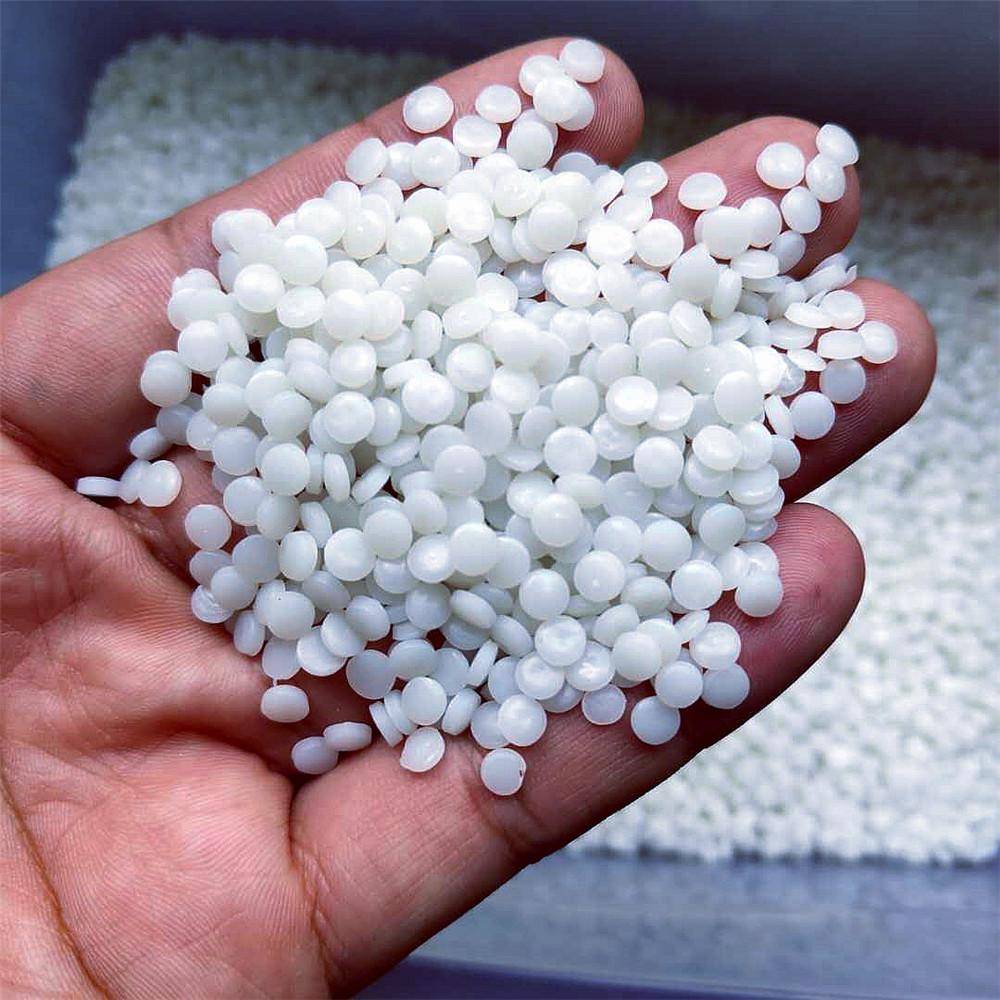
By technical definition, modified plastics are polymeric materials in which commodity or engineering plastics serve as the base resin and are subjected to filling, blending, reinforcement, flame retardancy, toughening, or alloying to alter their molecular structure or macroscopic morphology, such that the resulting material is significantly superior to the base resin in one or more properties — mechanical, thermal, electrical, optical, or barrier-related. Add an appropriate quantity of glass fiber and flame-retardant additives to a tonne of ordinary PP (polypropylene) pellets, compound the mixture through twin-screw extrusion, and the output is no longer the same material: its flexural modulus may double, its flame-retardancy rating can reach UL94 V-0, and its heat-deflection temperature rises substantially — meeting the requirements of automotive interior parts or appliance housings.
The relationship between modified plastics and the conventional polymer classification system merits clarification. Materials science typically ranks plastics into three tiers: commodity plastics (PP/PE/PVC/ABS/PS, etc. — low cost, high volume, moderate performance); engineering plastics (PA/PC/POM/PBT/PBTP, etc. — high strength, good heat resistance, mid-range pricing); and high-performance (specialty) engineering plastics (PPS/LCP/PEEK/PPA, etc. — tolerant of extreme temperatures or possessing special electromagnetic properties, very high price). Modified plastics do not constitute a fourth tier; rather, they represent a "processing dimension" that cuts across all three — commodity plastics can be compounded to reach engineering-plastics performance levels; engineering plastics can be compounded to partially substitute specialty resins; specialty engineering plastics can be compounded to further unlock peak performance in niche applications.
Because the combination of modification techniques and base resins is extraordinarily diverse, the industry boundaries of modified plastics have never been captured by a single, unified definition. Global market statistics sometimes cover only engineering-grade compounded products and sometimes include commodity-plastics compounding. Published market sizes range from a few tens of billions of dollars to over a trillion dollars — the divergence reflects definitional differences, not data errors. Throughout this report, all figures are accompanied by the specific statistical scope under which they were compiled.
China holds a pivotal position in the modified-plastics arena. According to data from the China Plastics Processing Industry Association, domestic modified-plastics output in 2023 was approximately 29.75 million tonnes, making China one of the world's largest producers, accounting for about 28% of global output. At the same time, China's modification rate (the share of modified plastics in total plastics output) stands at only about 25%, against a global average of approximately 50% — less than half that of developed economies. This gap reflects a decade of accumulation (the modification rate was only about 16.3% in 2011) and represents the most important structural growth opportunity of the next decade. Holding the plastics output base constant, every one-percentage-point increase in the modification rate converts several million additional tonnes of commodity plastic into high-performance materials, translating directly into a step-up in value.
1.2 Principal Modification Techniques and Technology Pathways
Modification techniques define the technical barriers and degree of product differentiation in modified plastics. Industry practice categorizes products by modification method as follows.
Filling modification: Inorganic fillers such as calcium carbonate, talc, and barium sulfate are incorporated into the resin to reduce costs while improving rigidity, hardness, or barrier properties. This is a relatively lower-barrier modification approach common in commodity applications, though the surface-treatment technology for filler systems and compatibilizer selection still require considerable process know-how.
Reinforced modification: High-modulus fibers — chopped or long glass fiber, carbon fiber, aramid fiber — are used as reinforcing agents to significantly improve tensile strength and flexural modulus. Short glass fiber-reinforced PA66 is the dominant material for under-hood structural components; long glass fiber-reinforced PP (LFT-PP) is progressively substituting metal parts. Glass fiber is the critical reinforcing material; annual domestic consumption of thermoplastic-reinforcement glass fiber yarn already reaches approximately 1.379 million tonnes, and China Jushi (600176) is the undisputed leader in this sub-segment.
Flame-retardant modification: Bromine-based, phosphorus-based, nitrogen-based, or inorganic flame retardants (aluminum/magnesium hydroxide) are added to achieve the UL94 flame-retardancy rating required by mandatory certification standards for appliance housings and electronic connectors. Flame-retardant products constitute a significant share of the modified-plastics market. In recent years, the halogen-free trend has become pronounced, with phosphorus-nitrogen systems replacing brominated flame retardants as the mainstream direction.
Toughening modification: Elastomers (EPDM, POE, TPV) or rubber phases are incorporated to improve low-temperature impact performance and toughness. Adding POE to modified PP is a classic case, widely applied in automotive bumpers and thin-wall components.
Alloying (blending modification): Two or more polymers are blended to combine their performance advantages. PC/ABS alloy combines PC's high strength with ABS's processability and is widely used in mobile phone housings and instrument-panel fascias; PA/PP alloy is used in exterior automotive trim; PPO (polyphenylene oxide) alloys are extensively used in photovoltaic junction boxes and insulating components in new-energy equipment.
Functional modification: Materials are engineered for special properties such as electrical conductivity, thermal conductivity, antibacterial activity, UV absorption, and EMI shielding. Conductive modified plastics are typically produced by adding carbon black, carbon nanotubes, or metallic fibers, enabling volume resistivity to be tuned from insulating levels (10¹⁶ Ω·cm) down to conductive levels (below 10² Ω·cm), with applications in electrostatic-protective packaging, semiconductor transfer trays, and EMI shielding enclosures. Thermally conductive modification employs fillers such as boron nitride and alumina to raise thermal conductivity to several times — or more than ten times — that of ordinary plastics, serving LED heat-sink bases, 5G base-station thermal-management components, and AI-server cooling modules where thermal management requirements are ever more exacting. Weathering-resistant modification, achieved through UV absorbers and light stabilizers, extends the service life of outdoor-exposed products — charging-pile housings, photovoltaic array brackets, agricultural films — and aligns closely with the mass rollout of new-energy infrastructure. Functional products generally command higher unit prices than commodity-grade modified materials and represent one of the industry's higher-margin sub-segments in specialty engineering applications characterized by small volumes and high prices.
In practice, the modification methods described above are rarely applied in isolation; they are combined and layered. Flame-retardant reinforced PA66 (incorporating both glass fiber and flame retardants) and conductive toughened PP (incorporating both conductive filler and elastomer) are typical multi-functional formulations, substantially elevating the complexity of formulation design.
1.3 Product Category Structure by Base Resin
From a commercial classification standpoint, the most common dimension for categorizing modified plastics is "which base resin is used." Compounded products derived from different resins vary significantly in physical properties, price range, and application domain.
- Modified PP (polypropylene): The largest single category by domestic output, combining low cost with broad compounding scope; widely used in automotive interior and exterior trim and appliance structural components. In automotive modified plastics, modified PP accounts for close to 50%.
- Modified ABS: Impact-resistant and easy to process; used in appliance housings, consumer electronics, and automotive instrument panels. Flame-retardant ABS is the dominant material in the appliance industry.
- Modified PA (nylon, including PA6/PA66/PA12): Excellent heat resistance, wear resistance, and mechanical properties; primarily used in automotive under-hood applications and electrical connectors. Domestic PA66 production breakthroughs (independent synthesis of adiponitrile) are a significant upstream development in recent years.
- Modified PC (polycarbonate): High clarity and high strength; PC/ABS alloys are widely used; optical-grade PC for automotive lighting has long been dominated by foreign players, but Wanhua Chemical achieved a breakthrough in 2024.
- Modified PBT: Excellent dimensional stability and chemical resistance; a common engineering plastic for automotive electrical components and electronic connectors.
Additionally, although the absolute volumes of specialty engineering plastics (PPS/LCP/PEEK/PPA, etc.) are far smaller than the categories above, their unit prices are extremely high and they are irreplaceable in high-value applications such as 5G communications, aerospace, and medical devices. Modified PPS is used in automotive under-hood heat-resistant parts and 5G base-station connectors; modified LCP is the core material for 5G antenna films and high-density connectors; PEEK serves orthopedic implants, semiconductor wafer-transfer equipment, and aerospace structural components — domains with the most stringent reliability requirements. These three specialty engineering plastics have long been dominated by Victrex (UK), Celanese (US), Toray (Japan), and others; Chinese producers are accelerating domestic substitution.
Modified PP, modified ABS, modified PET, and modified PA together account for more than 40% of China's total modified-plastics output, forming the volume backbone of the market; engineering-plastic and specialty-engineering-plastic compounded products represent the value premium. The divergence between the volume distribution and the value distribution is a fundamental driver of the industry's competitive structure.
1.4 Full Industrial-Chain Overview: From Raw Materials to End Applications
The modified-plastics value chain has a clear three-stage structure — upstream raw materials, midstream compounding (modification), and downstream applications — with well-defined division of labor and highly uneven value distribution.
Upstream: Base Resins and Functional Additives
The first tier of the chain is base-resin supply. Commodity plastics (PP/PE/PVC/PS/ABS) are produced by large petrochemical enterprises through ethylene and propylene polymerization. China's PP output reached 37.92 million tonnes in 2024; PE output was 27.91 million tonnes; raw-material supply is broadly adequate. Engineering plastics (PA/PC/POM/PBT) present a more complex picture: the key adiponitrile feedstock for PA66 was long dependent on Invista, BASF, and other foreign suppliers; since 2022, domestic producers such as Tianchen Qixiang and Huafeng Group have achieved commercial-scale production, cutting PA66 import dependence from about 49% in 2020 significantly; in PC, Wanhua Chemical has broken through optical-grade product and entered automotive supply-chain qualification; in POM, Yuntianhua is the largest domestic producer, with total capacity of about 90,000 tonnes per year.
Domestic production of specialty engineering plastic feedstocks remains the most prominent structural constraint. LCP upstream raw materials — p-hydroxybenzoic acid (HBA) and high-purity biphenol (BP) — still depend substantially on imports; global PEEK capacity is approximately 7,000–8,000 tonnes per year, long dominated by Victrex, with China's domestic substitution rate at about 30%; PPS self-sufficiency is relatively higher, reaching more than 80%, but premium grades still rely on Japan's Toray, Solvay, and others.
Functional additives form a parallel upstream sub-chain:
- Glass fiber: The most critical reinforcing material in reinforced compounding; China Jushi is the global leader; domestic annual consumption for thermoplastic reinforcement is approximately 1.379 million tonnes.
- Flame retardants: Inorganic flame retardants (aluminum/magnesium hydroxide) account for the largest volume; halogen-free phosphorus-nitrogen systems are the premium trend; the high-end segment is still led by Clariant, Albemarle, and other foreign players.
- Compatibilizers: Improve interfacial compatibility between different polymers or between polymers and fillers; a key additive in alloying and filling modification.
- Masterbatch: Colorant concentrates with high-loading pigments as the core; in high-performance masterbatch, foreign producers retain certain technical advantages.
- Antioxidants: Prevent thermal oxidative degradation of polymer chains during processing and service; domestic companies such as Lianlon have achieved large-scale production capability, though premium grades retain some import dependence.
Base resins account for more than 70% of total modified-plastics costs. This structural characteristic means that the profitability of compounders is highly correlated with upstream raw-material prices. Kingfa Sci. & Tech. (600143) posted about 22% gross margin for its modified-plastics business in 2024 — and historical raw-material price cycles have demonstrably compressed gross margins, confirming the potency of this transmission mechanism.
Midstream: Compounding
The midstream is the core production stage of the modified-plastics value chain and the primary operating territory for most compounders. The production process is dominated by twin-screw extrusion compounding: base resin and various additives are metered and mixed per formulation, fed into a twin-screw extruder, and subjected to high temperatures (typically 200–320°C) and mechanical shear that enable thorough dispersion and interfacial compatibility; the melt is extruded through a die, water-cooled, and pelletized into finished modified-plastics compound.
Formulation design is the core barrier at this stage. The same resin-and-additive combination yields significantly different final properties depending on formulation ratios, additive synergy systems, and process parameters. A low-odor, low-VOC toughened modified PP for automotive interiors may require hundreds or even thousands of pilot batches to perfect; once a formula passes OEM qualification, it must be strictly locked, and switching costs are extremely high. This tacit barrier determines the stability of leading companies' customer bases.
Twin-screw extrusion equipment itself is now highly standardized; domestic manufacturers such as Nanjing Coperion and Nanjing Gentec have substantially improved their equipment capabilities, and equipment is no longer a principal barrier — but intelligent batching, in-line inspection, and continuous production are increasingly differentiating operational efficiency across companies of different scales.
Midstream enterprises are extremely dispersed in scale. There are more than 10,000 companies nationwide involved in modified-plastics production; fewer than 100 have annual output exceeding 10,000 tonnes; industry CR10 is less than 20%. Kingfa Sci. & Tech. (600143) sold approximately 2.5515 million tonnes of modified plastics in 2024, representing a market share of approximately 7.86% — among the highest for any global modified-plastics leader, yet the Chinese market as a whole remains highly fragmented.
Downstream: Diverse Application End-Markets
Modified-plastics downstream demand spans virtually every major category of manufacturing. Different statistical scopes produce modestly different breakdowns by application, but the overall structure is stable.
Under the broad-scope definition (including commodity-resin compounding), home appliances account for about 37% of modified-plastics consumption, making them the largest downstream market — directly reflecting China's position as the world's largest appliance producer. Automotive accounts for about 15%, ranking second; electronics and electrical equipment accounts for about 8%; the remainder is distributed across office equipment, packaging, construction materials, medical, and other segments.
Under the narrow-scope definition (engineering-plastics compounding only), automotive rises significantly to about 30%, becoming the largest single application, consistent with the global scope. The split between these two definitions reflects China's modified-plastics dual-track structure: "high volume in commodity compounding, high value in engineering-plastics compounding."
The automotive sector is one of the fastest-growing downstream markets for modified plastics. Per-vehicle modified-plastics content has grown from about 123 kg in 2014 to about 200 kg in 2023; new-energy vehicles further increase per-vehicle value — battery-pack structural components, three-electric-system insulating parts, and charging-pile housings are all incremental demand. The automotive lightweighting theme, encapsulated by the metal-to-plastic replacement logic, is the emblematic example of modified plastics' rising status in manufacturing: every 10 kg reduction in vehicle weight can increase the range of a battery-electric vehicle by about 2.5 km, and the material choice's impact on energy consumption is precisely quantifiable. Modified plastics have thus been elevated from a cost-saving tool to a system-performance variable.
In home appliances, flame-retardant modified ABS and modified PP dominate; flame-retardancy certification (UL94 V-0) and low-VOC performance are the entry requirements. Electronics, electrical equipment, and 5G communications depend heavily on specialty engineering plastics: LCP for high-frequency antenna films, PPS for fast-charge connectors — high unit price, small volume, high technical barriers. New energy (photovoltaics/energy storage/charging infrastructure) is the fastest-growing emerging downstream in recent years; PPO-modified materials occupy a core application position in photovoltaic junction boxes.
1.5 Strategic Significance of Modified Plastics in Advanced Materials and Manufacturing
Situating modified plastics within the macro-coordinate system of manufacturing transformation, its strategic significance transcends that of a single material category.
From a materials-substitution perspective, modified plastics are the primary vehicle for metal-to-plastic replacement, wood-to-plastic replacement, and non-ferrous metal-to-plastic conversion. Every incremental step of metallic-component substitution in vehicle manufacturing reduces gross vehicle weight; switching electronic device housings from aluminum alloy to high-strength modified PC achieves thin-wall design while maintaining rigidity; in photovoltaic and new-energy storage systems, weathering-resistant high-strength modified engineering plastics replace metallic structural components and substantially extend service life. This substitution logic extends beyond cost considerations to encompass the combined advantages of design freedom in functional integration, efficiency of one-shot molding, and multi-functional properties such as insulation and flame retardancy.
From an advanced-materials-system perspective, modified plastics are an important component of "critical basic materials" and "advanced polymer materials" within the national "14th Five-Year Plan" new-materials strategy. Specialty engineering plastics (LCP/PEEK/PPS) — core materials for high-frequency communications, aerospace, and medical devices — are seeing the long-dominant foreign monopoly accelerate into domestic substitution, with the process having advanced from laboratory stage to batch production, making these materials a critical link in China's drive for self-sufficiency in high-end manufacturing.
From an industrial-chain-position perspective, modified plastics sit between basic petrochemical raw materials (petrochemicals) and finished manufacturing (automotive/appliances/electronics) as the intermediate materials layer in manufacturing supply chains. The precision and consistency of compounding formulations directly affect the performance and quality stability of downstream customers' products, while fluctuations in upstream raw-material prices pass directly through to compounders' profitability. This "sandwich" position means modified-plastics companies both benefit from continuous upstream demand upgrading and face pressure from both ends — resisting raw-material cost volatility on one side while absorbing annual price-reduction pressure from OEMs and appliance brands on the other.
China's modified-plastics industry is already the world's largest single market by volume, yet its modification rate is only about half the global average and its high-end segment remains predominantly foreign-controlled. The gap between scale and sophistication is the industry's present weakness and the most important growth driver of the next decade. Subsequent chapters of this report systematically unpack the market size, competitive structure, technology pathways, and industrial-cluster distribution behind this gap.
Chapter 2 Global Modified-Plastics Industry: Current State and Competitive Landscape
The global modified-plastics industry is the sub-segment with the most pronounced definitional fragmentation: market-size figures for "modified plastics" range from USD 45 billion to USD 300 billion across research institutions — a gap of more than sixfold. This is not a data-quality problem; the statistical boundaries have simply not been standardized. Whether commodity-plastics compounded products are included, and whether polyurethane foam processing is counted, directly determines the order of magnitude. This chapter therefore uses two separate definitions: engineering plastics (Engineering Plastics — the five major commodity engineering plastics plus specialty engineering plastics) and broad-scope modified plastics (Modified Plastics — including commodity-plastics compounded products).
2.1 Market Size: Scope Determines Order of Magnitude
The engineering-plastics scope is the benchmark with the highest market consensus. Based on cross-estimates from multiple institutions in 2024, the global engineering-plastics market stands at approximately USD 120–165 billion, with the central range concentrated at USD 120–145 billion; at a CAGR of 6%–8%, the market is forecast to cross the USD 200–300 billion range in the mid-2030s. The growth drivers are vehicle electrification, 5G infrastructure build-out, and consumer-electronics upgrades — three end-markets that collectively elevate systematic demand for high-performance engineering plastics.
The broad modified-plastics scope (including modified PP, PE, ABS, and other commodity-plastics compounded products) spans a wider range: estimates from different sources float between USD 45 billion and USD 143 billion, with varying numerator and denominator definitions that make direct comparisons of limited value. When interpreting these figures, the more useful reference dimension is structural: within global broad-scope modified-plastics consumption, engineering plastics and their compounds account for the overwhelming share of value contribution; commodity-modified PP/PE is large in volume but low in per-tonne price.
By region, Asia-Pacific is unambiguously the largest market; most research reports peg the Asia-Pacific share at 35%–40% of the global total, with China as the core growth engine. Measured by the more reliable output metric, China's modified-plastics output accounts for approximately 28% of the global market, making it the world's largest single producer and consumer. North America ranks second at approximately 22%–30%; Europe follows. Notably, the divergence between Asia-Pacific's high growth rate and the mature markets of Europe and North America continues to widen: Europe's CAGR is generally below the global average, constrained by structural adjustments in the automotive sector and rising energy costs; North America's growth rate has recovered somewhat, supported by petrochemical feedstock advantages and re-shoring of new-energy manufacturing; Asia-Pacific is continuously approaching and surpassing 40% share, led by incremental growth from China, India, and Southeast Asia.
The dominant industrial-chain model varies significantly across regions. Europe, anchored by Germany, has developed deep vertical integration between raw-materials chemicals (BASF, Evonik, Covestro) and automotive OEMs (BMW, Volkswagen, Mercedes-Benz) — the average cycle for a European materials company to secure a production-series qualification is 4–7 years, insulating supplier relationships from price competition within the qualification window. North America's model is characterized by petrochemical integration, where compounders co-locate with ethylene cracking units for a clear cost advantage, though the R&D intensity in high-end specialty engineering plastics is generally below Europe's. Japan's model combines fine-grained precision with vertical specialization — Toray, Mitsubishi Chemical, Polyplastics, and others each occupy a distinct specialty resin such as PPS, PC, m-PPE, and LCP, forming a collaborative structure where direct head-to-head competition within any single sub-segment is rare. China represents a fourth model: enormous scale, full product range, still with a significant gap at the high end; commodity-modified PP/ABS as the volume backbone, engineering-plastics compounding as the value-upgrade direction, and LCP/PPS/PEEK domestic substitution as the breakthrough focus. These four models coexist to form the basic map of the global modified-plastics industry.
2.2 A Profile of Leading Global Players: Strategy Divergence and Financial Status
The global modified engineering-plastics supply base is highly concentrated among a small number of large European, American, and Japanese chemical groups. The top-tier structure is stable, but strategic orientations diverged markedly from 2022 to 2024 — some pursuing acquisitions and consolidation, others divesting and contracting, others completing acquisition by outside capital.
BASF is one of the most comprehensive engineering-plastics suppliers globally; its Ultramid (PA6/PA66), Ultradur (PBT), Ultraform (POM), and Ultrason (PES/PPSU) product lines are deeply embedded in automotive structural components and electronic connectors. BASF Group's 2024 total revenue was approximately EUR 65.3 billion, with the Materials segment reporting approximately EUR 13.5 billion, down about 4.5% year-on-year, primarily dragged by sluggish automotive demand. BASF's core competitive advantage in engineering plastics lies not only in its comprehensive product range but in its tight integration into OEM qualification systems — a production-series qualified automotive-grade modified PA material averages 3–5 years from development to production approval, creating a significant switching-cost barrier.
Celanese's transformation ranks as the most consequential competitive-landscape reshaping event in modified engineering plastics in recent years. In 2022, Celanese acquired the vast majority of DuPont's Engineering Polymers business for USD 11 billion, in one move adding PA66/PA6, LCP (Vectra/Zenite brands), and elastomers to its portfolio, making it one of the world's largest engineering-plastics compound suppliers. Celanese's 2024 global net sales were approximately USD 10.3 billion, down about 6%; the Engineered Materials segment posted approximately USD 5.6 billion in revenue but reported an operating-level loss of approximately USD 1.3 billion for the full year, primarily attributable to sustained weakness in automotive and construction end-markets and the high financial costs of post-acquisition integration. How to absorb this large-scale acquisition is Celanese's most critical operational challenge over the next two to three years.
SABIC is one of the world's most important polycarbonate (PC) suppliers; its Lexan branded PC resin and PC/ABS and PC/PPE compounded alloys hold a pivotal position in automotive transparent components and consumer-electronics housings. Following its full acquisition by Saudi Aramco in 2020, SABIC's strategic orientation shifted toward integrated upstream feedstocks. Full-year 2024 Group revenue was approximately USD 37 billion, but segment-level data for the engineering-plastics Specialties division was not publicly disclosed; net profit contracted sharply under dual pressure from crude-oil prices and downstream demand, with a full-year return to breakeven of approximately USD 400 million.
Dow took a path entirely different from Celanese. Dow's primary arena is bulk polyolefins — polyethylene (PE) and polypropylene (PP) — and engineering plastics have never been a core business; when Dow separated from DuPont in 2019, high-performance engineering polymers were deliberately retained on the DuPont side. Dow's 2024 total revenue was approximately USD 44 billion; in modified engineering plastics, Dow participates primarily as a base-resin upstream supplier rather than a direct competitor.
DuPont completed a deliberate strategic exit. In 2022 it sold its core engineering-polymer brands — Zytel (PA66), Crastin (PBT), and Rynite (PET) — to Celanese; in 2023 it sold Delrin (POM) for USD 1.8 billion; the traditional engineering-plastics core is now nearly entirely divested. DuPont's 2024 total revenue was approximately USD 12.4 billion, with the business center of gravity repositioned in semiconductor materials, water-treatment membranes, and electronic specialty chemicals — a deliberate migration from "modified-plastics supplier" to semiconductor and electronic-materials company.
Lanxess is a focused player in modified PA/PBT composite materials in Europe; Durethan (PA6/PA66 compounds) and Pocan (PBT compounds) are its core product lines, deeply serving automotive structural components and electronics/electrical connectors. Lanxess 2024 Group revenue was approximately EUR 6.14 billion, with EBITDA growing about 20% year-on-year, benefiting from a lean-and-focus strategy — the April 2025 completion of the sale of its polyurethane business to Japan's Ube Industries further sharpens its focus on specialty modified composite materials.
Covestro is one of the world's largest polycarbonate producers; PC compounding and PC/ABS, PC/PBT alloys are its home territory in modified plastics. Covestro's 2024 total revenue was approximately EUR 14.2 billion, down about 1.4%, with revenue under pressure from global PC overcapacity and slow demand recovery. The landmark event of 2024 was the completion of Adnoc (Saudi Arabia) acquiring full control of Covestro for approximately EUR 11.5 billion, placing it under the same Middle Eastern energy capital as SABIC; the potential synergies on the feedstock side merit follow-up attention.
Mitsubishi Chemical Group, through its specialist subsidiary Mitsubishi Engineering-Plastics (MEP), has cultivated deep expertise in PC (Iupilon/Novarex), PA (Novamid), and m-PPE (Iupinol) across Japan and Asia-Pacific. Group total revenue for fiscal year 2024 (ending March 2025) was approximately JPY 4.4 trillion; the engineering-plastics segment saw both volume and profit improve, driven by higher-value-added applications and manufacturing-cost improvements. Mitsubishi Chemical's deep penetration of Asia-Pacific — especially Japanese — automotive supply chains positions it advantageously as electrification proceeds.
Including Syensqo, spun off in 2023 with a focus on specialty polymers — its Specialty Polymers division covers PEEK (KetaSpire), PPS (Ryton), PVDF (Solef), PPSU (Radel), and other high-end brands — 2024 underlying EBITDA was approximately EUR 1.41 billion, with gross margin approaching 34%, making it one of the highest-margin modified-plastics business operators among all companies reviewed. In February 2025, Syensqo sold its LCP neat-resin business to Sumitomo Chemical, refocusing on the higher-value-added LCP film and laminate formats.
Looking across these eight companies, the core logic of the global modified engineering-plastics supply side during 2022–2024 was strategic bifurcation in two directions:
- Converging on higher-end: DuPont's exit from conventional engineering plastics, Lanxess's divestiture of polyurethane, and Syensqo's separation from Solvay are all deliberate choices to shrink commodity-product exposure while retaining the high-margin specialty-materials business.
- Consolidating to greater scale: Celanese's acquisition of DuPont Engineering Polymers and the full acquisition of Covestro by Adnoc represent horizontal-consolidation logic driven by outside capital.
Neither direction is coincidental. Global commodity engineering plastics face competitive pressure from Chinese capacity expansion, with per-unit value eroding. True high-end specialty engineering plastics — PEEK, PI, high-purity PPS — still enjoy robust demand growth; European, American, and Japanese companies are willing to cede low-end share in order to defend their high-end moats. This structural withdrawal is precisely what creates space for Chinese companies to scale up in commodity compounding — while simultaneously signaling that in specialty engineering plastics, domestic substitution faces opponents who are not retreating but concentrating their forces to protect core barriers.
2.3 Specialty Engineering Plastics: Technical Barriers and Global Monopoly Structure
Within the broader modified-plastics arena, specialty engineering plastics (ultra-engineering plastics) represent the sub-segment with the highest technical barriers and the most concentrated competitive structure. The global specialty engineering-plastics market was approximately USD 8.9 billion in 2023 and is forecast to grow to approximately USD 16.1 billion by 2032, with a CAGR of about 6.6%. Within this, PEEK, PPS, and LCP — serving high-value applications in aerospace, medical devices, and 5G communications — exhibit far more concentrated competitive structures than commodity modified plastics.
PEEK (polyether ether ketone) is one of the most expensive and highest-barrier specialty engineering plastics. The 2024 global PEEK market was approximately USD 0.6–0.95 billion, with a CAGR of about 6.3%. The production structure is oligopolistic: UK-based Victrex has annual capacity of approximately 7,150 tonnes, accounting for approximately 60% of global capacity; Germany's Evonik (Vestakeep brand) and Syensqo (KetaSpire brand) together account for approximately 20%–25%; these three together supply more than 80% of global output. Victrex's fiscal year 2024 (ending September 2024) revenue was approximately GBP 291 million, down about 5%, primarily due to a destocking cycle in the medical industry. PEEK's high barriers derive from two levels: on the feedstock side, dependence on a proprietary synthetic route for 4,4'-difluorobenzophenone (DFBP); on the process side, exacting high-temperature polymerization conditions. Under the dual threshold of capital investment and technology accumulation, any new entrant faces a lengthy cycle from laboratory production to entry into aerospace and medical certification systems.
PPS (polyphenylene sulfide) has a relatively more dispersed structure, yet Japanese companies still dominate. The 2023 global PPS market was approximately USD 1.7 billion, forecast to exceed USD 3.2 billion by 2034, with a CAGR of about 6.6%. Japan's Toray is the world's largest PPS producer, with approximately 18% of global capacity; Japan's DIC Corporation holds approximately 15%; the remainder is distributed among Celanese (former Ticona brand), Syensqo (Ryton brand), Kureha, Lotte Chemical, and others. PPS applications are concentrated in high-temperature automotive under-hood components and electronics/electrical connectors, where its heat resistance and chemical stability are irreplaceable.
LCP (liquid crystal polymer) is the fastest-growing specialty engineering-plastics grade in recent years. The 2024 global market was approximately USD 1.4–1.9 billion; 5G/6G communications infrastructure build-out has directly elevated demand; by 2033 the market is forecast to reach approximately USD 5.1 billion, with a CAGR of approximately 12.9% — far exceeding other specialty engineering-plastics grades. Major suppliers include Celanese (Vectra/Zenite), Toray (Siveras), Sumitomo Chemical (Sumika Super LCP), and Polyplastics (Laperos brand); these four together control approximately 60% of global supply. Asia-Pacific accounts for approximately 36.5% of global LCP consumption; 5G base-station antenna substrates, MiniLED connectors, and EV high-frequency wiring harnesses are the three primary demand drivers. In February 2025, Syensqo sold its LCP resin business to Sumitomo Chemical; Celanese simultaneously began construction of a new LCP polymerization plant in China (first-phase annual capacity approximately 20,000 tonnes). The two leading companies' strategic moves point in opposite directions — the former focusing on high-value-added film and laminate formats, the latter betting on localized capacity expansion in China.
It is worth noting that the barriers to PEEK, PPS, and LCP do not share the same origin. PEEK's barriers lie primarily in synthesis process: Victrex's core moat is its proprietary DFBP feedstock sourcing and decades of high-temperature polymerization process know-how, making entry thresholds extremely high. PPS barriers are more a function of industrial ecosystem and scale economics; Japanese companies' control of the p-dichlorobenzene (DCB) supply chain is a natural advantage. LCP barriers are relatively lowest, because there are multiple chemical pathways to liquid-crystal polymerization — which is also the structural reason why Chinese companies have achieved LCP breakthroughs at a relatively faster pace than PEEK. Across these three specialty engineering plastics, European, American, and Japanese companies hold the world's overwhelming share of high-end capacity and core customer relationships. Domestic substitution is accelerating (detailed progress is covered in Chapter IX), but as of around 2024, the gap in production scale and certification barriers remains significant.
2.4 Global Trends: Four Structural Themes Reshaping Demand
Looking across the competitive dynamics of the global modified-plastics industry in the mid-2020s, four structural trends are profoundly changing the demand logic and technology direction of the industry.
First, automotive lightweighting is driving metal-to-plastic replacement into an acceleration phase. The global automotive-plastics market was approximately USD 33 billion in 2024, forecast to grow to approximately USD 58 billion by 2034, with a CAGR of about 5.8%. The range anxiety in battery-electric vehicles translates directly into sustained demand for weight-reduction materials: cutting 100 kg from the body structure of a battery-electric vehicle improves range by approximately 5%–8%. Long glass fiber-reinforced PP (LFT-PP) is already partially substituting die-cast aluminum in new-energy vehicle battery-pack under-trays and instrument-panel carriers, with weight reductions of approximately 25%. High-voltage connectors impose stringent heat-resistance and insulation requirements on modified nylon with GF50 or higher specifications; demand for PPS and LCP in motor insulation systems is expanding rapidly. The weight-reduction imperative on conventional fuel vehicles, combined with structural incremental demand from electrification, is collectively driving per-vehicle modified-plastics content from approximately 123 kg toward more than 200 kg.
Second, bio-based modified plastics are transitioning from concept to industrial application. Research tracking of sustainable automotive materials estimates that bio-based plastics demand growth in 2024–2025 is approximately 22%, with a forecast CAGR of approximately 25.1% from 2025 to 2035 — one of the fastest-growing sub-segments across all modified plastics. BASF is advancing the use of renewable feedstocks for Ultramid (PA series), exploring bio-based adipic acid and hexamethylenediamine sourcing; Syensqo is conducting technical pre-research in bio-based PVDF. The EU Carbon Border Adjustment Mechanism and increasingly stringent supply-chain carbon disclosure requirements are steadily elevating brand companies' sensitivity to feedstock-level carbon footprints, and this pressure is transmitting into the modified-plastics supply chain.
Third, recycled compounding (PCR) is receiving growing resource commitment as an independent technology direction. Approximately 34% of global manufacturers had already increased their use of recovered polymers (PCR) in production processes by 2024; EU Extended Producer Responsibility (EPR) regulations mandatorily push recycled-content usage rates higher on a scheduled basis. The core challenge in recycled compounding is the high batch-to-batch performance variability in recycled feedstock — color inconsistency, broad molecular-weight distribution, residual contaminants — and compounding formulation technology is precisely the key tool for solving this problem. By incorporating compatibilizers, chain extenders, masterbatch, and toughening agents, compounders can raise the performance stability of recycled PP, PC, and ABS to levels approaching virgin resin, enabling these materials to meet the standards of applications such as electronics housings and automotive interiors. The recycled-compounding sub-segment is forecast to achieve a CAGR of approximately 29.1% over 2025–2035, substantially expanding the market-value radius of compounding technology.
Fourth, performance demands for specialty engineering plastics continue to outpace capacity expansion. The large-scale 5G base-station build-out has caused LCP antenna substrates to be in tight supply; humanoid robots and aerospace demand for PEEK under high-temperature, high-load, high-precision conditions has no substitutable alternative; semiconductor packaging's purity requirements for polyimide (PI) and PPS continue to rise. This "performance-as-barrier" logic determines that specialty engineering plastics will not enter a commoditized, price-war trajectory — at least until domestic substitution is complete, the monopoly structure will persist for a considerable time.
Taken together, these four trends indicate that the global modified-plastics industry is undergoing a deep structural bifurcation: commodity compounding (modified PP/ABS, etc.) is trending toward commoditization with intense price competition; engineering and specialty engineering plastics maintain relatively high margins through certification barriers and technical thresholds; recycled and bio-based pathways are the fastest-growing driven by regulatory pressure, but their profit model is still being explored. This bifurcation trajectory is precisely the structural backdrop that China's modified-plastics industry, discussed in the following chapter, will need to navigate.
Chapter 3 PEST Analysis of the Development Environment for China's Modified-Plastics Industry
The external environment has never been the determining variable for the modified-plastics industry, but it is the amplifier that governs how quickly the sector can release its intrinsic potential within any given time window. Policy provides directional pressure for high-end performance and domestic substitution; structural expansion in economic downstream end-markets continuously drives aggregate demand and structural upgrading; societal-level consumption upgrading and environmental awareness reshape product standards; and the evolution of technology pathways fundamentally rewrites the definition of competition. These four environmental dimensions acting in concert are carrying modified plastics into a pronounced policy-market-technology resonance zone as the "14th Five-Year Plan" draws to a close.
3.1 Political Environment
3.1.1 New-Materials Strategy and Industrial Strengthening
During the "14th Five-Year Plan" period, the Ministry of Industry and Information Technology (MIIT) and other ministries classified engineering plastics within the strategic emerging-industry materials category; the "14th Five-Year Plan for New Materials" explicitly requires breakthrough achievements in key technologies in the advanced structural materials domain. The "Guiding Opinions on Promoting High-Quality Development of the Petrochemical and Chemical Industry" (2022, jointly issued by MIIT and five other ministries) specifically calls for upgrading the chemical new-materials industrial chain — including modified engineering plastics — as a whole. In the "Catalogue of Key New-Material Application Demonstration Guidance" (2019 edition), already implemented earlier, PPS, PEEK, LCP, and PPA are explicitly listed as critical basic materials, with mandatory domestic-substitution R&D programs in the automotive, electronics, and aerospace sectors.
The "Specialized, Refined, Differentiated, and Innovative" (Zhuan-Jing-Te-Xin) enterprise policy has further strengthened the technology-competition motivation of small and medium-sized enterprises. Kingfa Sci. & Tech. (600143), Guoen (002768), Wote (002886), Qide New Materials, and several other modified-plastics companies have been designated "Little Giant" enterprises, receiving priority support in R&D subsidies, industrial funds, and government procurement. The designation brings more than just capital — in automotive and consumer-electronics sectors where supply-chain qualification cycles are long, the policy endorsement measurably shortens customer development cycles.
3.1.2 Automotive Lightweighting Policy Roadmap
The "Technology Roadmap for Energy-Saving and New-Energy Vehicles" charts a quantified vehicle-weight reduction curve: curb weight to be reduced by 10%, 20%, and 35% versus the 2015 baseline by 2020, 2025, and 2030 respectively. Per-vehicle modified-plastics content has climbed along the same trajectory: approximately 123 kg/vehicle in 2014, rising to approximately 200 kg/vehicle in 2023, with a forecast of approximately 210 kg/vehicle in 2026, according to industry-media compiled data. Based on China's 2024 total vehicle sales, total demand for automotive modified plastics could approach 6 million tonnes by that year.
Realizing this policy target relies on two parallel drivers: first, continued metal-to-plastic replacement on fuel-vehicle platforms to reduce body weight (a 10% reduction in vehicle weight lowers combined fuel consumption by approximately 6%–8%); second, the structural incremental demand from new-energy vehicles — the three-electric system, battery-pack modules, and fast-charge connectors in NEVs impose higher insulation, flame-retardancy, and heat-resistance requirements, and per-vehicle modified-plastics value is meaningfully higher than for comparable fuel vehicles.
3.1.3 Dual-Carbon Strategy, Plastics Restriction, and Recycled-Plastics Policy
The dual-carbon targets transmit through two channels. The first is direct carbon reduction: the "2030 Carbon Peak Action Plan" and the "14th Five-Year Plan for Circular Economy Development" explicitly increase waste-plastics recycling and promote both physical and chemical recycling of waste plastics on dual tracks. In 2025, the State Administration for Market Regulation issued nine recycled plastics national standards (formally effective from February 1, 2026), standardizing the quality grading of recycled feedstock and clearing a standards pathway for recycled-compounded plastics to enter high-end applications such as automotive interiors and consumer electronics. The second is indirect demand stimulation: photovoltaics, energy storage, and new-energy vehicles, as priority development domains of the dual-carbon strategy, simultaneously amplify demand for heat-resistant, flame-retardant, and lightweight modified materials as all three markets expand.
Plastics-restriction regulations continue to be upgraded. Since the joint issuance of regulations by the National Development and Reform Commission and the Ministry of Ecology and Environment in 2020, the scope of bans and restrictions has progressively expanded from single-use tableware to more application scenarios, directly stimulating demand for biodegradable plastics. The domestic biodegradable-materials market reached approximately RMB 29.9 billion in 2024 (year-on-year growth approximately 29.59%); domestic PLA single-line capacity expanded from 50,000 tonnes/year in 2020 to 100,000 tonnes/year in 2024, and after scale economies, prices have declined by approximately 40% from peak levels, substantially reducing the cost barrier.
3.1.4 Large-Scale Equipment Renewal: Short-Term Policy Dividend
In July 2024, the NDRC and the Ministry of Finance issued "Several Measures for Strengthening Support for Large-Scale Equipment Renewal and Consumer Trade-In Programs," mobilizing RMB 300 billion in ultra-long-term special treasury bonds to directly stimulate appliance and vehicle replacement demand. This policy's transmission to the industry is relatively direct: a one-time boost in appliance end-demand drives a short-cycle destocking of flame-retardant ABS for appliances, modified PP, and other commodity-compounded materials; vehicle trade-in programs generate a pulse-boost on the sales volume side. Kingfa's appliance-segment sales reached 418,800 tonnes and automotive-segment sales reached 1.16 million tonnes in 2024 — both historical records — with the annual report explicitly citing "demand driven by the trade-in policy."
3.2 Economic Environment
3.2.1 New-Energy Vehicles: The Strongest Single Demand Driver
China's automotive industry is undergoing a structural gear shift: fuel vehicles are under volume and price pressure while new-energy vehicles are scaling rapidly. According to the China Association of Automobile Manufacturers, national NEV sales in 2024 reached 12.866 million units, up 35.5% year-on-year, with a penetration rate exceeding 40%. The significance of this figure for the modified-plastics industry extends beyond aggregate volume growth — it also reflects a leap in per-vehicle value.
The high-performance material requirements embedded in NEV architecture are the direct economic driver for modified plastics: each NEV's battery-pack module uses approximately 30 kg of engineering plastics (modified PP, PPS, PPO, etc.); fast-charge connectors depend heavily on heat-resistant modified PPS; battery-pack structural components are increasingly using carbon-fiber-reinforced PA66 to reduce weight (more than 80% lighter than metallic solutions). Industry estimates project that per-vehicle PA content in NEVs will rise from approximately 8 kg in fuel vehicles to approximately 50 kg by 2030, an increase of more than fivefold.
The pull effect on downstream modification rates is equally significant. Kingfa's new-energy segment sold 85,000 tonnes in 2024, with year-on-year growth substantially above the traditional automotive segment; Nanjing Julong (300644) had automotive and new-energy downstream revenue accounting for 74.63% of its 2024 total, with customers including BYD, NIO, and Li Auto. The automotive share of modified engineering plastics has shifted from approximately 15% under the broad definition to approximately 30% under the engineering-plastics-only definition — the scope migration itself reflects the structural upgrading driven by new-energy demand.
3.2.2 Home Appliances: Short-Term Volume Boost from Trade-In Programs
Home appliances remain the largest downstream for modified plastics under the broad-scope definition, accounting for approximately 37% (2022 data, consistent across multiple sources). China's total full-channel home-appliance retail value reached RMB 907.1 billion in 2024, up 6.4% year-on-year, a historical record, with the trade-in policy contributing a substantial pulse of incremental demand. White-goods housings and structural components are dominated by modified PP and flame-retardant ABS; small appliances make extensive use of PC/ABS alloys.
It should be noted that the headroom for modification-rate improvement in the appliance downstream is relatively limited — most white-goods components do not require material upgrades, and competition focuses on cost reduction rather than performance improvement. Commoditization competition in lower-end appliance components is pushing down margins in modified PP/ABS. The appliance downstream contributes to the modified-plastics industry primarily through stable volume, not structural value-per-unit improvement — fundamentally different from the contribution logic of the new-energy vehicle downstream.
3.2.3 Photovoltaics and Energy Storage: Emerging Incremental Demand
The expansion of the photovoltaic industry provides a demand channel for modified plastics that was previously small in volume but is growing rapidly. China added 277 GW of solar capacity in 2024, up 28% year-on-year, bringing cumulative installed capacity to 890 GW — the highest in the world. PV junction boxes are a key application for modified plastics; the main material PPO (polyphenylene oxide) must meet stringent requirements for UV aging resistance, flame retardancy, and 25-year service life. The industrial-scale PPO technology base is highly concentrated globally — only about five companies, including SABIC, Asahi Kasei, Mitsubishi Gas Chemical, and China Bluestar (Nantong Xingchen), possess capacity at the 10,000-tonne scale, making entry barriers extremely high.
On the energy-storage side, power-battery installed capacity reached 548.4 GWh in 2024, up 41.4% year-on-year. Industry projections suggest that if annual power-battery shipments reach 2,000 GWh in the future, battery-pack structural components alone could pull through approximately 300,000 tonnes of engineering-plastics demand; large-scale compounding capabilities for modified PPS, PA, and PPO will become a key competitive differentiator.
3.2.4 Electronics, Electrical Equipment, and 5G: High Unit Price Demand Support
Electronics and electrical equipment account for approximately 8% under the broad-scope definition, but switching to the modified engineering-plastics scope substantially raises the share of high-performance-material demand from 5G base-station connectors, mobile phone antenna films, and AI-server thermal-management components. 5G construction is driving sustained growth in demand for LCP films and PPS base-station structural components; AI computing-server thermal-management requirements are driving high thermal-conductivity modified PA/PPO into new application scenarios, at unit prices far above commodity modified materials.
Overall, the economic drivers for modified plastics are transitioning from "volume expansion" to "simultaneous volume and price improvement": home appliances and commodity components provide the volume base; new-energy vehicles, photovoltaic storage, and 5G electronics provide upward elasticity in value. This structural divergence is also the fundamental economic reason for the pronounced gradient in profitability within the industry.
3.3 Social Environment
3.3.1 Lightweighting and Aesthetic Preferences Reshape Product Standards
Lightweighting is not only a policy target but has become a dual demand-transmission chain connecting vehicle consumers and OEMs. NEV consumers are highly sensitive to driving range, and the conversion factor — "approximately 2.5 km of additional range per 10 kg of vehicle-weight reduction" — has become an industry consensus that directly drives OEMs to impose weight-reduction requirements on Tier 1 suppliers, cascading down to modified-plastics formulation teams.
The aesthetic upgrading of automotive exterior trim is equally reshaping material demand. Paint-free (molded-in-color) modified plastics achieve a metallic appearance directly after injection molding by pre-incorporating effect pigments or pearlescent powder into the base material, eliminating the painting step and reducing total manufacturing costs by approximately 15%–30%, with VOC emissions approaching zero. This simultaneously satisfies consumer preferences for high-end aesthetics and serves OEM strategies of cost reduction and zero-carbon manufacturing. Kingfa and Julor (Jusa Long) have both prioritized paint-free series as key product development categories.
3.3.2 Health and Environmental Awareness Drive Low-VOC Standards Upgrading
As domestic consumers' awareness of in-cabin air quality continues to rise, the national standard GB/T 27630 and internal standards set by major OEMs continue to tighten; modified PP and ABS materials for vehicle interiors must meet ever-lower limits for benzene, toluene, and total VOC emissions. This trend propagates from the consumer end through the supply chain, driving modified-plastics companies to develop low-odor, low-migration formulations.
3.3.3 Manufacturing Upgrading Accelerates the Rise in Modification Rate
The objective progression of China's manufacturing industry upgrades is likewise a societal driver pushing the modification rate upward from approximately 25%. As manufacturing moves toward precision machining, automotive components, and new-energy equipment — mid-to-high-end sectors — performance requirements for materials in end products rise commensurately, and there are increasingly many application scenarios that commodity resins cannot serve. This makes the improvement in modification rates no longer solely dependent on industry-led initiative but also driven by manufacturing structural upgrading. The gap between China's approximately 25% modification rate and the approximately 50% of developed countries reflects, at the societal level, precisely China's manufacturing transition from assembly to precision manufacturing.
3.4 Technical Environment
The environmental analysis on the technical dimension focuses on directional judgment: high-end performance, domestic substitution of specialty engineering plastics, and green recycled compounding are the three principal lines of technology evolution for the modified-plastics industry over the next five years. The specific technology pathways and breakthrough details in each direction are systematically addressed in Chapter IX; here we only establish how technology trends define the direction of competitive-landscape evolution.
3.4.1 High-End Performance: Upward Pressure on Commodity Compounded Materials
Across the five major modification directions — reinforcement, toughening, flame retardancy, thermal conductivity, and electrical conductivity — the competitive center of gravity in high-end performance is continuously shifting upward. Long glass fiber reinforcement (LFT) is penetrating automotive structural components over short glass fiber; halogen-free flame-retardant formulations continue to replace halogenated systems under EU RoHS/REACH compliance pressure; high thermal-conductivity modified materials (thermal conductivity improved from approximately 0.2 W/m·K for conventional plastics to 3–10 W/m·K) are forming new competitive focal points in NEV thermal management and 5G base-station management applications. The upward shift in technical difficulty narrows the commoditized competition space for low-end commodity modified materials, placing SMEs unable to invest in R&D under more direct elimination pressure.
3.4.2 Domestic Substitution of Specialty Engineering Plastics: Policy Moats Being Eroded
LCP, PPS, and PEEK have long been monopolized by US, Japanese, and European companies, with domestic enterprises breaking through under a dual barrier of technology and market. Policy has placed all three material categories on the critical-basic-materials domestic-substitution R&D list. In terms of industry results: PPS self-sufficiency has risen to approximately 46.4% (2024), with capacity under construction continuing to expand; PEEK domestic substitution rate, according to Qianzhan Industrial Research Institute data, is approaching the target level set by MIIT for 2026; LCP domestic output exceeds 10,000 tonnes, PRET (002324) has completed the full LCP chain from resin synthesis to compounding to film to fiber, and Wote (002886) has become the largest domestic LCP producer.
The impact of specialty engineering-plastics domestic substitution on the competitive landscape is bidirectional: on one hand, it opens up high-end markets previously monopolized by foreign players for domestic enterprises; on the other, as domestic capacity expands rapidly, signs of overcapacity are appearing in the PEEK sub-segment, and price-competition pressure is beginning to transmit from commodity compounded materials toward specialty resins.
3.4.3 Recycled Compounding: Green Compliance Pressure Driving Technology Iteration
Physical recycling is currently the mainstream pathway for recycled plastics (approximately 70% market share), but the mechanical performance losses from physical recycling (approximately 30% reduction) make it difficult to enter high-end application scenarios directly. Chemical recycling (pyrolysis, glycolysis, etc.) is accelerating its industrial-scale implementation — it can process mixed waste and restore performance to near-virgin-resin levels, providing technical feasibility for recycled-compounded plastics to enter automotive interiors and consumer electronics. The nine recycled-plastics national standards formally effective from February 2026, combined with the indirect transmission to export enterprises of EU supply-chain carbon-footprint disclosure requirements, will transform recycled-compounding technical capability from an optional to a mandatory competitive element over the next three years.
3.5 PEST Summary
The compounded effect of the four environmental dimensions jointly constitutes the external foundation for modified plastics entering an accelerated growth phase from the close of the "14th Five-Year Plan" through the beginning of the "15th Five-Year Plan." Policy provides direction and compliance pressure, driving specialty engineering-plastics domestic substitution and recycled compounding; on the economic side, new-energy vehicles serve as the core demand engine, with home appliances and photovoltaic/energy-storage as the stable base, continuously pulling total demand and structural upgrading; societal demand for lightweighting, low-VOC, and high aesthetics permeates the supply chain through consumer-end standards upgrading; the high-end-performance and green-direction technology trends gradually raise the industry's average technical threshold, progressively retiring mid-sized capacity that depends on low-priced commodity compounding.
Notably, all four dimensions point to the same conclusion: the industry's growth dividend is unevenly distributed. Companies that master specialty engineering-plastics formulation, possess high-end R&D capabilities, and position early in recycled compounding will capture a disproportionate share of the incremental gains released as the external environment improves; capacity remaining in the commodity-compounding price-war zone will find it increasingly difficult to use macroeconomic tailwinds to offset structural disadvantages. This dividing line is further examined in Chapter VI on competitive structure and Chapter X on risk challenges.
Chapter 4 China's Modified-Plastics Market: Scale and Operating Conditions
If the preceding chapters sketched out "what modified plastics are" and "where the global trajectory is heading," this chapter answers a more specific question: how large has China's modified-plastics business actually become, and in what manner is it operating? The scale is impressive — output is the world's largest; output value approaches RMB 300 billion. But once the lens zooms in, a set of thought-provoking contrasts comes into view: total volume is enormous, yet the modification rate is less than half the global average; there are tens of thousands of enterprises, yet the top three together account for only about one-seventh; domestic producers hold 70% of capacity but receive only 30% of the market. These contrasts are not statistical noise — they are the keys to understanding the current state and future potential of China's modified-plastics industry. This chapter unpacks them one by one.
4.1 Total Scale: Nearly 30 Million Tonnes Compounded per Year, Output Value Approaching RMB 300 Billion
First, the volume. According to Qianzhan Industrial Research Institute and Guanyan Report Network, China's modified-plastics output in 2023 was approximately 29.75 million tonnes, rising further to approximately 33.2–34.43 million tonnes in 2024 (variation across institutions reflects whether recycled-compounded material is included). Extending the timeline makes the trend clearer: this figure was only approximately 16.76 million tonnes as recently as 2017; output has nearly doubled in six years, with a CAGR from 2017 to 2023 of approximately 10%. For a traditional materials category as large as plastics, maintaining double-digit compound growth is itself evidence that the compounding segment is still in a rapid-penetration phase.
Now, the output value. China's modified-plastics market size in 2023 was approximately RMB 302.8–310.7 billion (Qianzhan gives RMB 310.7 billion; another source gives RMB 302.887 billion), up approximately 6.44% year-on-year. A common misreading deserves correction: the output-value growth rate (approximately 6%) is visibly below the volume growth rate (approximately 10%), and this divergence is not a statistical error but an accurate portrait of the industry's operating dynamics. Base-resin prices were languishing in 2023–2024; PC, PA, and other bulk raw-material prices trended downward; and modified materials followed suit, creating a situation of "selling more at lower unit prices." In other words, the business is trading price for volume — a characteristic that will reappear repeatedly in the profitability analysis later in this report.
Placing China in a global context makes its weight more vivid: China's modified plastics accounted for approximately 28% of the global market in 2023. Given that China is already the world's largest plastics producer and consumer, a roughly 28% share of modified plastics is broadly consistent with the country's overall manufacturing position. It should be noted that global modified-plastics scope itself spans an enormous range (broad-scope statistics extend from hundreds of billions to trillions of dollars, reflecting significant definitional variation), so "approximately 28%" is an order-of-magnitude judgment, not a precise measurement. But even adjusting for definitional discount, China's dominant position in the global modified-plastics landscape is indisputable.
4.2 Modification Rate of ~25%: The Real Weakness Behind the World's Largest Volume
Looking only at output and output value, one might conclude that "China's modified-plastics sector is already very strong." But one indicator brings that conclusion back to earth: the modification rate — the share of a country's total plastics output that undergoes compounding. This is the most pivotal number in this chapter and the overarching lens through which to understand the entire industry's current state.
According to Qianzhan Industrial Research Institute, China's plastics modification rate in 2023 was approximately 25% (precise figures range from 24.8% to 27%, depending on the denominator — the statistical scope of primary plastics output). This figure is on a sustained upward trajectory — China's modification rate was only approximately 16.3% in 2011; it has risen about nine percentage points over more than a decade, reflecting genuine pull from downstream sectors including automotive lightweighting, new energy, home appliances, and 5G electronics.
But the real point of interest lies in the comparison: the global average modification rate is approximately 50%, with developed countries even higher. In other words, for every tonne of plastics produced in China, only about one quarter is "tuned" into a high-performance material, while the global average is one half. The same plastic, in China, is more often used as commodity resin — for basins, buckets, and packaging; in developed markets, it is more often converted into bumpers, battery-pack housings, and connectors. This roughly twofold gap is the most substantive shortcoming of China's modified-plastics industry.
Why does it fall short of half the global average? Breaking down the causes reveals three layers.
- Equipment quality is below par. The core process in compounding is twin-screw extrusion pelletizing; screw geometry, temperature-control precision, and in-line inspection capability directly determine whether high-fill, high-glass-fiber-content, low-odor premium materials can be produced consistently. A large number of China's small and medium-sized companies use lower-grade extrusion lines with narrow process windows and poor product consistency, limiting them to commodity compounding with no viable path upward.
- Market concentration is low. Compounding formulation and process know-how require sustained R&D investment. In a highly fragmented market, the vast majority of enterprises are too small either to afford R&D or to meet the certification and consistency requirements of demanding customers in automotive or electronics. Low concentration and low modification rate are mutually causal here.
- The high-end-product share is small. The modification rate is not merely a question of "whether compounding occurred" but "how deeply." Specialty engineering plastics, OEM-qualified automotive-grade materials, and electronic-grade LCP — the categories that truly elevate the quality content of the modification rate — remain undersupplied domestically, with a large share still held by foreign players (detailed in the inversion analysis below), depressing the depth of compounding overall.
Stacking these three layers, the conclusion is clear: China's modification rate of less than half the global average is fundamentally the combined manifestation of three weaknesses — equipment, concentration, and high-end supply — rather than a single-point problem.
But the flip side of a weakness is runway. If China's modification rate moves from approximately 25% toward the global approximately 50%, with total plastics output held broadly constant, the theoretical market-size potential for modified plastics is nearly double. This is precisely why numerous research institutions rank modification-rate improvement as the single most important long-term growth thesis for China's modified-plastics industry — it is not an isolated statistical indicator but a growth mainline that runs through the next decade. Our judgment: the convergence of the modification rate toward the global average will define the industry's ceiling more meaningfully than natural volume growth.
4.3 Extremely Low Concentration: More Than 10,000 Companies, CR3 Only About 14%
Having examined total volume and modification rate, we turn to how this industry is organized — and it is strikingly fragmented.
According to Qianzhan Industrial Research Institute's 2023 estimates, China's modified-plastics industry has a CR3 (top-three combined market share) of approximately 14%, a CR5 of approximately 16%, and a CR10 below 20%. Put differently: adding together the ten largest companies in the industry accounts for less than one-fifth of the market. This is remarkably unusual for a capital-intensive, technically demanding materials industry — most industrial-goods sectors, after several rounds of consolidation, exhibit substantially higher top-tier concentration.
How fragmented is it? According to sources including the "China Plastics Industry Yearbook," there are more than 10,000 active and ongoing domestic enterprises whose registered business scope includes "modified plastics"; fewer than 3,000 of those have registered capital of at least RMB 10 million; and enterprises with actual annual output truly exceeding 10,000 tonnes number fewer than 100. Of a total pool of ten thousand, fewer than one hundred are of meaningful scale; the vast majority are regional small and medium-sized factories — most lacking proprietary formulation capability, unable to offer integrated solutions, and limited to small-batch, customized commodity compounding in close proximity to their customers.
Even the incumbent leader holds only a modest share. Per Qianzhan estimates, the industry's undisputed leader Kingfa Sci. & Tech. (600143) had a 2023 market share of only approximately 7.86%. Calculated against its approximately 2.55 million tonnes of modified-plastics sales in 2024 versus the industry total of approximately 30 million tonnes, this ratio rises to roughly 8.5% — whichever figure is used, a full-range, globally scaled leader captures less than a tenth of its home market. This number says it all: not because the leader is not strong enough, but because downstream demand is so fragmented, formulation barriers are moderate, and close-to-customer small orders are so numerous that the industry is inherently resistant to rapid consolidation.
Why is concentration so low? The core answer is that the structure of modified-plastics demand is inherently distributed. Downstream spans automotive, home appliances, electronics, new energy, lighting fixtures, toys, stationery, and countless other sectors; within each sector are innumerable part numbers with different formulation, color, and performance requirements. This "thousand factories, thousand faces" demand structure is naturally served by large numbers of customer-proximate small and medium-sized factories, not by a handful of giants taking all. Low concentration is both the industry's present condition and its operating logic. This report's structured decomposition of competitive share is left to subsequent chapters; here we establish only one basic judgment: this is a highly fragmented market with leading players at the top and an extremely long tail.
4.4 Domestic-Capacity / Foreign-Share Inversion: 70% of Capacity Exchanges for 30% of the Market
Beyond fragmentation, there is a deeper structural contrast — and understanding it is what it truly means to comprehend China's modified-plastics industry. This is the "inversion" between domestic and foreign enterprises.
First, the capacity side. Domestic enterprises account for approximately 73% of installed capacity; foreign and joint-venture enterprises account for only approximately 27%. The "capacity pie" of China's modified plastics is overwhelmingly in domestic hands, consistent with the world's largest output figures discussed earlier — domestic enterprises have built up the volume.
Now, the market side, where the contrast emerges. In terms of market share (including brand premium), domestic enterprises hold only approximately 30%, while foreign enterprises command approximately 70%. 70% of capacity for 30% of the market: this is the inversion — domestic producers hold most of the capacity yet capture only a minority of market value; foreign producers, with fewer than 30% of capacity, take home 70% of the market.
The root of the inversion lies in product stratification. Foreign players firmly hold the premium tier — automotive-qualified materials, electronic-grade LCP for 5G antennas, medical-grade specialty resins, and premium grades of engineering plastics such as nylon, POM, and PBT. These categories have long qualification cycles, high technical barriers, and strong customer stickiness; once they enter an OEM's or major electronics manufacturer's supply chain, prices and margins are far above commodity materials. Multinationals including BASF, SABIC, Dow, DuPont, Celanese, Solvay, and Lanxess typically have integrated upstream polyolefin or engineering-plastics resin capabilities, combining cost advantages with decades of formulation and certification know-how and R&D investment far exceeding domestic players. Domestic enterprises cluster in the commodity-compounding tier — high volume, highly commoditized, intense price competition, thin margins.
As a result, the same tonne of modified plastic in foreign hands may be a high-flame-retardant engineering compound for NEV battery packs, while in domestic hands it may be a modified PP for appliance housings — with vastly different unit values. The inversion between capacity and market share is fundamentally the financial projection of a high-end supply gap — and it is telling the same story, from two different angles, as the modification-rate shortfall in the previous section: China's modified plastics are not short on "volume" but on "high-end volume."
The inversion is a weakness, but it is also the clearest directional marker for domestic substitution. It tells domestic enterprises in the industry: the growth space lies not in zero-sum competition for commodity-volume share, but in moving up the value chain and progressively taking back the 70% of the market that foreign players currently hold. A number of domestic enterprises have already opened breakthroughs in specialty engineering plastics and electronic-grade LCP. The domestic-substitution mainline will be developed in subsequent chapters of this report.
4.5 Profitability: Raw Materials Take 70% of Costs, Margins Are Thin, Leaders Are Diverging
Finally, how profitable is this business? The answer: overall, the margins are hard-won — and leading companies are diverging sharply.
Hard-won, first because of cost structure. Modified plastics are fundamentally reprocessed "base resin + additives"; base resins (PP, PE, ABS, PA, PC, etc.) account for more than 70% of costs. This means compounders' fate is bound to the hands of upstream petrochemical giants: when resin prices rise, compounders may not be able to pass on increases promptly; when resin prices fall, downstream buyers quickly capture the savings. With pricing power squeezed from both ends, margins are naturally thin. Using the full-range industry leader Kingfa Sci. & Tech. as a benchmark, its 2024 blended gross margin was approximately 22% — the highest-tier company in terms of scale and pricing power in the industry, and its gross margin is only just over 20%. The situation for smaller companies is easy to imagine.
More noteworthy is the divergence among leading companies. The 2024 annual reports from several listed companies present two diametrically opposed pictures.
- On one side, the winners combining scale and high-end positioning. Kingfa Sci. & Tech. 2024 revenue approximately RMB 60.514 billion (up 26.23% year-on-year), with net profit attributable to parent of approximately RMB 825 million, up 160.36% year-on-year; its modified-plastics segment posted approximately RMB 32.075 billion in revenue with sales volume of 2.5515 million tonnes, both historical records. Revenue up more than 20%, net profit more than doubled — demonstrating that even in an industry under simultaneous volume and price pressure, a leader with full-range product coverage, high-end material volume growth, and overseas expansion can still generate profit improvement.
- On the other side, those trapped in the low end. Goldstone Chemical (688669), also operating in the Guangdong industrial belt, posted 2024 revenue of approximately RMB 4.08 billion (up 10.72% year-on-year), yet net profit attributable to parent was approximately RMB -230 million, swinging from profit to loss with a year-on-year decline of 926%. The immediate cause was a sharp drop in unit selling prices for the lighting-fixture-grade modified-plastics pellets to which it is deeply committed — revenue was still growing, yet profit collapsed. This is the extreme manifestation of "selling more at lower unit prices" in a low-end product category: when a company bets its business on a highly commoditized, fiercely price-competitive sub-segment, even small fluctuations in bulk raw-material prices are sufficient to push it from profitability to deep loss.
The juxtaposition of growth and loss lays out the industry's operating logic in plain view: overall gross margins in modified plastics are thin and highly sensitive to raw-material prices; those who can move toward premium products, broader categories, and overseas markets will squeeze out growth within thin margins; those stuck in a single low-end category engaged in price warfare are the first to absorb the backlash of raw-material volatility and homogeneous competition. The profitability dividing line, like the modification rate and the domestic-capacity / foreign-share inversion, points in the same direction: move up, or keep grinding in place.
To summarize this chapter: China's modified-plastics industry leads the world in total volume yet is still trading price for volume; its modification rate is less than half the global average, yet that shortfall also means it holds potential to double; it has tens of thousands of enterprises yet is highly fragmented and afflicted by a domestic-capacity / foreign-share inversion. Every point of weakness today is a point of runway for tomorrow. The convergence of the modification rate from approximately 25% toward the global approximately 50%, and the recapture of high-end market share by domestic enterprises from their current 30%, are our two most fundamental judgments about this industry — and they set the tone for the subsequent chapters' decomposition of the industrial chain, competitive structure, and growth opportunities.
Chapter 5 In-Depth Analysis of the Industry Chain
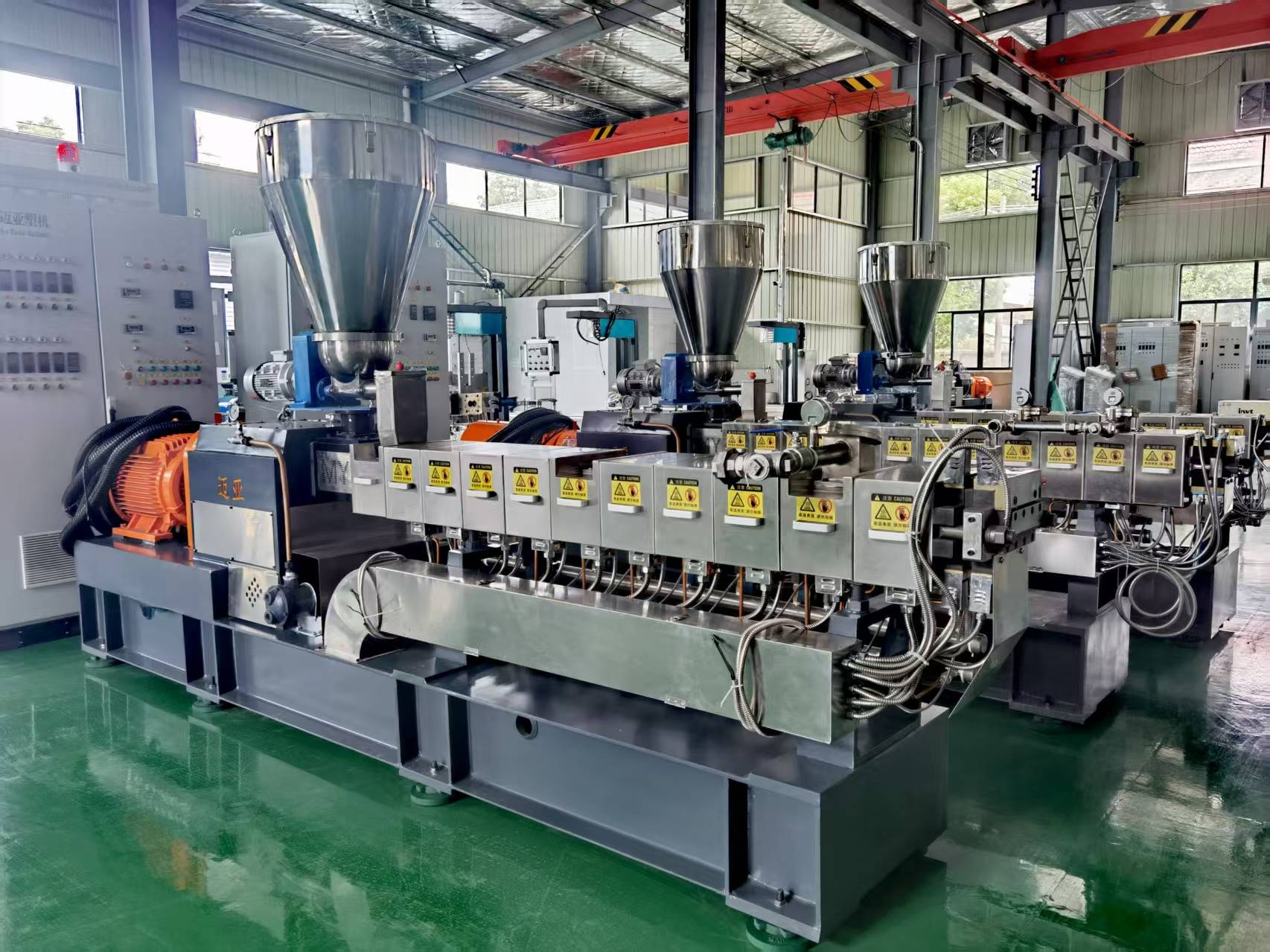
Modified plastics is a business that "bridges upstream and downstream." The base resins and functional additives sourced upstream set the cost floor per tonne of compound; the application mix across downstream industries sets the market's capacity ceiling; and midstream compounders are squeezed between both ends, earning a thin margin on formulation and process know-how. Understanding the transmission logic of this value chain is the prerequisite for reading the competitive dynamics of the modified-plastics industry.
5.1 Upstream Base Resins: From Commodity to Engineering Grades
Base resins are the single most critical raw material in modified plastics, typically accounting for more than 70% of the cost structure. This means that whenever petrochemical markets move, compounders' gross margins are exposed almost without a buffer — Kingfa Sci. & Tech.'s modified-plastics segment gross margin of roughly 22% in 2024 is both an industry-leading figure and a vivid illustration of how heavily raw-material costs erode profits. The price-transmission chain is straightforward: crude oil moves, naphtha cracking translates that into commodity resin prices, and every compounding plant's procurement cost follows. The prolonged low PP/PE/PVC price environment through 2024 gave compounders some margin relief; as soon as crude rebounds, that window narrows.
Base resins used in compounding fall into two broad categories — commodity plastics and engineering plastics — which differ markedly in cost, performance, and degree of domestic-supply sufficiency.
Commodity plastics are represented by PP (polypropylene), PE (polyethylene), ABS, and PS. Modified PP is the single largest volume grade in China's modified-plastics industry, accounting for close to 50% of the automotive modified-plastics market. Domestic PP capacity is ample — China's PP output reached 37.92 million tonnes in 2024 — so raw-material supply poses no bottleneck risk for compounders; competitive pressure comes mainly from price volatility rather than supply security. The four grades of modified PP, modified PET, modified ABS, and modified PA together account for more than 40% of total modified-plastics output, forming the high-throughput pillars of the industry.
The picture for engineering plastics is starkly different. PA (nylon), PC (polycarbonate), POM (polyoxymethylene/acetal), and PBT are the core base materials of the five major engineering plastics; they offer higher performance and command higher prices, and have long been the focus of domestic-substitution efforts.
Take PA66 as an example. Its key precursor, adiponitrile (ADN), was previously almost entirely reliant on foreign suppliers such as Invista and BASF, with virtually no domestic production capacity. Around 2020, Huafeng Group, Tianchen Qixiang (a subsidiary of China Chemical), and Shenma Co. (Pingmei Shenma) each launched independent ADN development programs. By 2024, PA66's import dependency had fallen dramatically from roughly 49% to a historic low of 19%, with the pace of domestic breakthrough far exceeding expectations. Yet, once the bottleneck was cleared, the industry immediately faced another problem: overcapacity from aggressive expansion. According to China Industry News data from early 2026, domestic PA66 capacity had approached 1.5 million tonnes/year by end-2025, while domestic apparent consumption in 2024 was only about 750,000-800,000 tonnes, leaving capacity utilization below 60%. The Ministry of Industry and Information Technology (MIIT) has placed it on the overcapacity-warning list. From "shortage" to "surplus," PA66 completed a full domestic-substitution cycle in under five years.
PC (polycarbonate) offers an even more representative story. Total domestic PC capacity exceeded 3.8 million tonnes in 2024 and is forecast to reach 4.5 million tonnes/year in 2025, representing more than 40% of global capacity; commodity-grade PC is no longer a bottleneck material. The genuinely difficult target is optical-grade PC — a grade that demands extremely tight requirements on transparency, refractive index, and internal stress, long monopolized by Japan's Sumitomo, Idemitsu, and Mitsubishi Chemical, as well as Germany's Covestro. In March 2024, Wanhua Chemical became the first domestic company to pass Hyundai-Kia's vehicle-headlamp-lens material certification with its Clarnate HL6157 grade, a breakthrough of considerable significance.
The domestic-substitution situation for POM (polyoxymethylene) is relatively encouraging. Total domestic capacity at end-2024 was about 760,000 tonnes, with China already holding the world's largest capacity; Yuntianhua (9 million tonnes/year) is the largest single domestic producer, while Yankuang Lunan and Guoneng Ningmei are also actively expanding. However, in high-viscosity and specialty grades, Asahi Kasei, Polyplastics, and other foreign firms retain a clear edge through accumulated process expertise, a gap that will not close in the short term.
PBT (polybutylene terephthalate) is among the most domestically substituted of the five major engineering plastics, used primarily in connectors, electrical switch housings, and other electronic components; domestic players including Changhong High-Tech, Xinli Financial, and Boway Alloy all have positions, and market competition is already relatively mature.
Overall, the domestication of engineering-plastics base resins shows clear stratification: commodity grades (PA6, general-purpose PC, POM, PBT) have largely eliminated import dependence — some even face overcapacity; optical-grade, automotive-grade, and other specialty grades along with high-end additives remain weak points; and raw materials for high-performance engineering plastics such as LCP, PPS, and PEEK remain in the "deep water zone" of domestication, where the gap with foreign producers cannot be closed simply by adding capacity but requires sustained breakthroughs across synthesis processes, molecular-weight control, and high-end grade qualification. This stratified structure directly determines the ceiling of the midstream product portfolio — the ceiling on raw-material supply chains is the ceiling on how far formulation capabilities can reach.
5.2 Glass Fiber: The Structural Backbone of Reinforced Compounding
If base resins are the "flesh" of modified plastics, glass fiber (GF) is the "skeleton" that imparts structural strength. Among the various reinforcement and filling routes in modified plastics, glass-fiber reinforcement is the most widely used and highest-volume option — PA66 glass-fiber-reinforced grades typically contain 30%-35% GF, while modified PP GF content ranges from 10% to 50%.
According to industry research data, China's apparent consumption of thermoplastic-reinforcement-grade GF yarn in 2024 was approximately 1.379 million tonnes, and total output of glass-fiber-reinforced thermoplastic (GFRTP) products reached about 3.86 million tonnes, up roughly 10% year-on-year. This scale confirms the central role of reinforced compounding within the modified-plastics industry.
China is the world's largest GF producer. China Jushi (600176) is the uncontested sector leader, forming a CR3 structure with Taishan Fiberglass and Chongqing International, with the three companies' combined capacity share at roughly 66%. Total domestic GF yarn capacity was approximately 8.7 million tonnes as of H1 2025.
The GF industry has nonetheless experienced a deep price cycle in recent years. Wound direct roving prices peaked at about CNY 5,750/tonne in June 2022, then fell continuously to a trough of approximately CNY 3,000/tonne in February 2024 — a cumulative decline of close to 49% — caused primarily by supply-demand imbalance and indiscriminate capacity expansion. Entering 2025, the industry proactively adjusted pace: in February-March 2025, at least nine companies including China Jushi and Taishan Fiberglass announced electronic-yarn price increases of CNY 800/tonne, signaling that the industry had begun to recover from the bottom. For modified-plastics companies, rising GF prices mean that raw-material costs for GF-reinforced products will edge higher, requiring corresponding adjustments in formulation design and customer-pricing strategy.
From a product classification perspective, GF used in modified plastics falls mainly into chopped strands (for injection-molding-grade compound pellets) and long-fiber GF yarn (for LFT long-glass-fiber-reinforced processes). Chopped strands are the mainstream and match directly with standard twin-screw extrusion; long-fiber yarn is used in automotive structural parts requiring higher stiffness and impact strength, and commands noticeably higher added value. China Jushi has positions in both product types, and the process expertise accumulated in its electronic-yarn lines also provides more consistent quality raw materials for specialty compounding. Supply-side concentration in GF (CR3 ~66%) is far higher than in the modified-plastics midstream (CR3 ~14%), meaning that GF pricing power resides largely with the upstream; compounders occupy a relatively weak position in procurement negotiations. Every GF price-increase cycle is a stress test of compounders' formulation cost-management capabilities.
5.3 Functional Additives: The Foreign-Capital Barrier in the High-End Market
Additives, though used in small quantities in modified-plastics formulations, often determine whether the final product can meet the customer's performance specifications. Flame retardants, compatibilizers, masterbatch, and antioxidants are the four core categories, collectively forming the "seasoning pack" of the compounding process.
Flame retardants are among the highest-volume functional additives. China's flame-retardant market was roughly CNY 20.5 billion in 2022; in terms of product mix, inorganic flame retardants (aluminium hydroxide/magnesium hydroxide) have the largest share, phosphorus-based flame retardants account for about 16%, and the previously dominant bromine-based flame retardants have been compressed to roughly 5%. This reflects the continued advance of the "halogen-free" wave — tightening of RoHS, REACH, and similar regulations, combined with growing concern among downstream customers in appliances, automotive, and electronics about the environmental credentials of bromine-based systems, has made halogen-free phosphorus-nitrogen flame retardants the mainstream direction. Domestic companies such as Zhejiang Wansheng and Hangzhou Jieersi have established meaningful scale in the halogen-free flame-retardant space; in high-end halogen-free grades, however, Clariant, Albemarle, and BASF still maintain leadership through patent protection and brand certification, and the barriers to domestic substitutes entering high-end customer supply chains remain high.
The market structure for antioxidants is similar to that for flame retardants. Foreign brands such as BASF (Irganox series) and SONGWON command premiums in high-end grades; domestic players including Lianluyuan (Rianlon), Fengguang Co., and Dingjide have established a degree of competitiveness in hindered-phenol/phosphite series, but their products are concentrated in high-volume commodity grades while high-end specialty antioxidants still require imports. In 2025, BASF raised prices on major antioxidant products by up to 20%, opening a substitution window for domestic alternatives — though achieving scale penetration still requires time.
In masterbatch, Clariant, Ampacet, and other foreign firms have deep technical foundations in high-performance color concentrates, particularly in automotive interior grades where color consistency and weathering resistance requirements are extremely demanding. The domestic masterbatch industry is highly fragmented, with intense competition at the mid-to-low end and a low domestic-substitution rate in high-end grades.
The role of compatibilizers is to improve interfacial adhesion between two incompatible polymers; they are key additives in polymer-blending operations. Domestic compatibilizer technology is generally mature overall, but in high-end grades designed for specialty engineering-plastic alloys, foreign technical reserves remain ahead.
Overall, China's plastics-additive consumption in 2023 was approximately 7.68 million tonnes; domestic production covers roughly 30 commercially available types, while more than 100 types are commercialized globally — this coverage gap is a structural reason why domestic compounders still rely on foreign additives when developing high-end formulations. The foreign-dominated additive landscape is unlikely to change fundamentally in the near term; the more pragmatic path for domestic compounders is to form deep partnerships with domestic additive companies in specific application niches, pursuing gradual substitution rather than across-the-board displacement.
5.4 High-Performance Engineering-Plastics Raw Materials: The Deep Water Zone of Domestication
The raw-material supply for LCP, PPS, and PEEK — three categories of high-performance engineering plastics — represents the segment with the lowest degree of domestication and the highest strategic importance across the entire upstream chain, and is the critical factor determining whether high-end modified plastics can break free of foreign constraints.
The upstream raw materials for LCP (liquid crystal polymer) are highly specialized. Type I LCP requires high-purity p-hydroxybenzoic acid (HBA) and biphenol (BP); Type II LCP depends on the polymerization of HBA with 6-hydroxy-2-naphthoic acid (HNA). Reliable supply of high-purity biphenol has long been one of the bottlenecks in domestic LCP synthesis, with supply heavily dependent on imports. The pace of domestic LCP expansion accelerated noticeably in 2024-2025: by 2024, total domestic LCP output had exceeded 10,000 tonnes; Kingfa Sci. & Tech.'s 15,000-tonne/year LCP resin project came onstream in Q4 2024, and Kingfa's LCP sales in H1 2025 grew by nearly 99% year-on-year; domestic LCP capacity is expected to double within one year in 2025. Wote (002886) and PRET (002324) are also important participants; notably, PRET is the only company in the world that simultaneously possesses LCP synthesis, compounding, film, and fiber mass-production capabilities, forming a complete LCP industrial-chain loop.
PPS (polyphenylene sulfide) is the most domesticated of the three high-performance engineering-plastics categories, with a domestic self-sufficiency rate already above 80%, though most domestic output is still concentrated in mid-to-low-end grades. Xinhe Cheng (002001) is the largest domestic PPS producer; following the commissioning of its Phase 3 in 2023, cumulative capacity reached 22,000 tonnes/year, capable of stably supplying fiber-, injection-molding-, extrusion-, and coating-grade products. Japan's Toray and US Solvay still maintain a clear quality premium in high-end injection-molding and fiber grades. As new application scenarios such as 5G base stations and fast-charging connectors for new-energy vehicles expand rapidly, the pace of domestic substitution for high-end PPS is accelerating.
PEEK (polyether ether ketone) is the most technically demanding and highest-value of the three categories. UK-based Victrex has long monopolized global supply, with industrial-grade PEEK priced at approximately CNY 550,000/tonne and medical-grade at approximately CNY 2,450,000/tonne; domestic PEEK averages under approximately CNY 500,000/tonne, a price gap that reflects the height of the technical and certification barriers. PEEK's domestic substitution rate is currently approximately 30%, up significantly from roughly 15% a few years ago. The leading driver is Zhongyan (688716) — the first PEEK-focused A-share listed company — whose PEEK business revenue in 2023 was approximately CNY 179 million with a gross margin of 63%; global sales of approximately 920 tonnes placed it first domestically and ninth globally. China's PEEK market in 2024 was approximately CNY 1.9 billion, with humanoid robots, aerospace, and other emerging demand lifting sector expectations. That said, domestic under-construction PEEK capacity already exceeds 6,000 tonnes, intensifying competition and proactive price cuts that are compressing high-margin space, posing a dilution risk to the high-end PEEK profit structure.
The domestication trajectories of the three high-performance engineering plastics differ: PPS has largely cleared the bottleneck phase and is entering a new tension between low-end oversupply and high-end upgrade; LCP's domestication is visibly accelerating, though independent control of upstream key raw materials remains a shortcoming; PEEK's domestication rate stands at roughly 30%, with strategic-breakthrough significance outweighing economic scale — Victrex's monopoly position is unlikely to be fundamentally shaken within the next five years.
5.5 Compounding Process: Twin-Screw Extrusion as the Core Platform
The midstream manufacturing process for modified plastics is relatively well-defined: twin-screw extrusion melt-blending and pelletization is the core production method for the vast majority of modified products. The principle involves feeding base resin, additives, and fillers into a twin-screw extruder at the formulated ratio; under the combined action of heat and shear, the mixture melts and blends, then is extruded through a die head and cut into pellets either underwater or by air cooling, yielding uniformly dispersed compound pellets.
The screw speed, L/D ratio, temperature-zone settings, and screw-element configuration of twin-screw extrusion equipment directly affect the dispersion uniformity of additives and the performance consistency of the final product. Top-tier compounders' deep understanding of equipment parameters and fine-grained control over formulation is one of the key sources of differentiation from mid-to-low-end producers. In recent years, twin-screw equipment has evolved toward higher speeds (above 600 rpm), larger throughputs (single-line annual output exceeding 10,000 tonnes), and intelligent continuous feeding, further reinforcing the scale-efficiency advantages of leading companies.
Twin-screw extrusion has also given rise to several specialized sub-processes. Reactive extrusion integrates polymerization with melt-blending in the same machine, commonly used to prepare graft compatibilizers and in-situ polymerization tougheners, with a higher technical threshold. Multi-component staged blending introduces heat-sensitive additives or short fibers through side feeders at different positions to avoid thermal-shear degradation of functional components — a common strategy in producing GF-reinforced and flame-retardant compounds. The accumulated expertise in these process details constitutes the tacit competitive moat that midstream compounders cannot be easily replicated.
Unlike injection molding or film blowing, compound pelletization is a "semi-finished" operation: the pellets produced must be injection-molded or extruded into final parts by downstream customers. This positioning means that the relationship between compounders and downstream customers is essentially a B2B materials-supply relationship, not a brand competition oriented toward end consumers.
5.6 Midstream Compounders: The Industrial Reality of Being Small and Scattered
Structurally, China's midstream modified-plastics enterprises are extremely fragmented. There are over 10,000 enterprises in China with "modified plastics" in their registered business scope, but fewer than 3,000 have registered capital above CNY 10 million, and fewer than 100 produce more than 10,000 tonnes per year; even the sector leader Kingfa holds a market share of only about 7.86%.
This "small and scattered" structure has multiple causes. Formulation development has a "medium" threshold — mastering a basic formulation is not difficult, but producing a consistently qualified product acceptable to OEM carmakers or major appliance brands requires sustained R&D investment and accumulated certification, which smaller factories often cannot sustain, leaving them trapped in low-price competition based on copied formulations. Downstream customer demand is highly fragmented: the material specifications for appliances, automotive, electronics, toys, and other industries differ enormously, and a single formulation cannot sweep multiple markets. Furthermore, the capital and equipment investment for compounding is not particularly high, resulting in a relatively low entry barrier, rapid capacity expansion, and uncontainable price wars in commodity grades.
Leading companies (Kingfa, Guoen, etc.) leverage scale advantages, accumulated formulations, and certification systems to penetrate higher-barrier markets such as automotive, 5G, and new-energy applications; large numbers of smaller compounders focus on price-sensitive segments such as appliance housings, consumer goods, and low-end industrial parts, competing primarily on proximity to customers, rapid prototyping, and low-price responsiveness. These two groups operate in parallel within the same industry, forming the modified-plastics sector's distinctive "dual-track" structure. A detailed breakdown of midstream industrial-belt distribution and the enterprise ecosystem is reserved for a dedicated section in a later chapter.
5.7 Downstream Application Structure: Two Pictures under Different Statistical Scopes
When analyzing the downstream structure of modified plastics, it is necessary first to clarify a statistical-scope issue: different coverage definitions yield starkly different application-share pictures.
Picture 1 (including commodity-grade compounding scope): In the statistical scope dominated by modified PP, modified ABS, and other commodity modified plastics, appliances account for roughly 37% of the market — the largest single downstream — with automotive at about 15%, electronics/electrical at about 8%, and office equipment at about 7%. The reason appliances rank highest is that China is the world's largest appliance-manufacturing base, with refrigerators, air conditioners, and washing-machine housings consuming enormous quantities of modified PP and flame-retardant ABS.
Picture 2 (engineering modified-plastics scope): Narrowing the scope to engineering-plastics grades such as PA, PC, PPS, and LCP, automotive jumps to the largest downstream at roughly 30%, much closer to global figures. The reason is that automotive connectors, electrical components, and engine-compartment functional parts impose higher thermal and structural requirements that make engineering modified plastics indispensable.
The two pictures are not contradictory — they are cross-sections of the same industry at different levels. Under the broad scope including commodity compounding, appliances are the most important downstream for China's modified plastics; under the narrow engineering-compounding scope, the strategic importance of automotive is more pronounced. Appliances and automotive together already exceed 50% of total modified-plastics consumption; adding electronics/electrical, the three primary sectors cover roughly 60% of market demand.
From a trend perspective, automotive is emerging as the downstream with the greatest incremental growth potential. On one hand, per-vehicle modified-plastics content grew from approximately 123 kg/vehicle in 2014 to approximately 200 kg/vehicle in 2023, and the metal-to-plastic replacement lightweighting trend continues — reducing vehicle weight by 10 kg adds roughly 2.5 km of range for a battery electric vehicle, a conversion logic that gives lightweighting proposals direct commercial persuasiveness with new-energy OEMs. On the other hand, new-energy vehicle (NEV) penetration is rising rapidly — China's NEV sales reached 12.866 million units in 2024 (up 35.5% year-on-year), and battery-pack structural parts, power-system connectors, and charging-station housings are generating visible pull-through for engineering modified plastics. Industry estimates suggest that if future EV battery shipments reach 2,000 GWh, battery-system-related engineering-plastics demand alone could generate roughly 300,000 tonnes of incremental volume. NEVs also impose materially higher requirements on thermal resistance, flame-retardancy ratings, and insulation reliability than conventional ICE vehicles, a raising of the technical bar that helps compounders achieve higher product premiums in the NEV segment.
The appliance market, meanwhile, is being given a short-term boost by China's national "trade-in" policy. China's appliance total-channel retail sales reached approximately CNY 907.1 billion in 2024, up 6.4% year-on-year and a historic high, pulling upstream demand for flame-retardant ABS and modified PP appliance compounds higher in tandem. From a longer-term perspective, the appliance market is maturing overall; incremental growth comes more from energy-efficiency upgrades and material substitution than from volume explosions, providing a relatively steady rather than dramatic pull on modified plastics.
Concurrently, emerging sectors such as photovoltaics, energy storage, and 5G communications are contributing increasingly significant incremental demand — demand for weather-resistant flame-retardant PPO in PV junction boxes, for low-Dk LCP in 5G antennas, and for thermally conductive modified materials in AI server thermal-management components all point toward modified plastics evolving toward higher added value. Overall, the center of gravity of modified-plastics demand is shifting from commodity appliance compounds toward automotive engineering compounds and specialty application compounds — a structural migration that is slow but directionally clear, and a critical coordinate for understanding how the modified-plastics industry's profit distribution will evolve over the next five years. A deep-dive into each downstream sub-market is reserved for later chapters.
Chapter 6 China's Modified-Plastics Competitive Landscape and Key Companies
The competitive landscape of the modified-plastics business has a seemingly paradoxical character: it has produced an absolute sector leader with revenues exceeding CNY 60 billion and annual sales of nearly 3 million tonnes, yet simultaneously accommodates tens of thousands of small factories engaged in hand-to-hand combat in regional markets. On one side stands a tier of prominent listed companies that are highly concentrated; on the other is a long tail that is highly dispersed. The former contributes virtually all the financially observable data in the capital markets; the latter carries most of the industry's capacity and employment. This chapter addresses only the former — the financial competition among leaders and listed-company tiers, the market-share contest between domestic and foreign capital, and the gradient of domestic substitution in specialty engineering plastics. The ecological portrait of the vast number of small and medium enterprises and their industrial belts is left for the next chapter.
6.1 Extreme Fragmentation: A Named Leader, No Industry Master
The most salient structural feature of China's modified-plastics industry is its extremely low concentration. According to Qianzhan Industry Research Institute calculations, industry concentration in 2023 was approximately CR3 14%, CR5 16%, CR10 below 20%. To put it differently: there are over 10,000 enterprises with "modified plastics" in their active business registrations, of which fewer than 3,000 have registered capital above CNY 10 million, and fewer than 100 produce more than 10,000 tonnes per year. In other words, the overwhelming majority of players are micro-enterprises, and those with genuine large-scale production capability number fewer than one hundred.
Kingfa Sci. & Tech., the industry's top company by volume, held a market share of only about 7.86% in 2023. Measured against 2024 modified-plastics sales of 2.55 million tonnes versus industry output of approximately 30 million tonnes, Kingfa's share rises to roughly 8.5%. Whichever basis is used, one fact is clear: even the undisputed leader has captured less than one-tenth of the market, and more than nine-tenths of capacity is spread across players outside the top ten. This is a landscape where "there is a named leader, but no industry master."
Applying the same yardstick to other manufacturing sectors makes the contrast starker. In capital-intensive sectors such as steel, cement, and float glass, leading companies routinely hold 20%-30% share, and the top ten often account for over half. In modified plastics, CR3 is only about 14% and CR10 is still below 20% — meaning that after removing the top ten, over 80% of the market is shared among thousands of small and medium enterprises. Concentration this low makes effective price coordination and capacity discipline nearly impossible: when a leader expands, smaller factories follow; when a leader raises prices, smaller factories undercut with lower quotes. Fragmentation is not merely a description — it is the structural reason why long-run margins in this business are persistently thin.
Why does this small-and-scattered structure exist? The cause lies not with any individual company's effort but in the economics of the business itself. The core process in compounding is twin-screw extrusion blending: capital investment and formulation barriers are at a "medium" level — it does not require the billions of yuan needed for an ethylene cracker, nor does it involve the extreme technical barriers of specialty engineering-plastics synthesis. A medium threshold means that neither capital nor technology is sufficient to naturally screen out large numbers of entrants. At the same time, the downstream of modified plastics is extremely fragmented: appliances, automotive, electronics, toys, lighting fixtures, pipe materials — each niche has a large number of small-to-medium fabricators, whose grade specifications, delivery requirements, and price tolerance differ enormously. Compounders must be close to customers for formulation trials and small-batch rapid delivery, which naturally requires distributed footprints and proximity service. Medium barriers combined with fragmented demand allow large numbers of regional small factories to survive long-term in commodity niches — often not on technology but on shorter payment terms, lower quotes, and geographic proximity. This is the root cause of the "small and scattered" structure discussed further below; the present chapter treats it as a given premise for understanding the competitive landscape.
6.2 The Domestic-Foreign Inversion: Capacity at Home, Profits Abroad
The second structural feature of China's modified-plastics competitive landscape worth repeatedly examining is the "inversion" between domestic and foreign capital.
By capacity, domestic enterprises account for approximately 73% and foreign/joint-venture enterprises approximately 27%; but by market share (measured by revenues including brand premiums), the relationship completely reverses — domestic enterprises hold only approximately 30% and foreign enterprises approximately 70%. Capacity at home, market value abroad — these numbers lay bare the true stratification: domestic enterprises deploy 70% of capacity to capture only 30% of market value; foreign enterprises, with less than 30% of capacity, capture 70% of market share.
The root cause of the inversion is the different value bands in which products sit. The vast domestic capacity is concentrated mainly in commodity compound grades such as modified PP and modified ABS — high volume, technically mature, but with low per-tonne value-add, fully contested, and near-transparent pricing. Foreign companies firmly hold the high-value band: automotive-certification-grade compounds, electronics-grade LCP, medical specialty grades, and 5G antenna materials. Customer certification cycles for these products run for years; once a supplier is included in a carmaker's or electronics OEM's qualified vendor list, switching costs are extremely high, and pricing power and margins are far above those of commodity grades. Foreign giants — BASF, SABIC, Dow, DuPont, Celanese, Solvay, Lanxess — leverage decades of materials data libraries, global automotive synchronized-certification systems, and brand premiums to hold this high-margin band. Domestic enterprises sell "tonnage"; foreign enterprises sell "the certification and trust behind a grade designation" — that is the true substance of the inversion.
This inversion also has a time-dimension root cause. Foreign companies entered the Chinese market early: from the 1980s and 1990s onward, they brought their materials systems into the country together with joint-venture automakers and foreign appliance brands, embedding their own grade designations into OEM design standards and engineering drawings. Once a foreign grade is specified in the design phase of a downstream product, the compounder in the production phase has virtually no room to substitute — unless a new and expensive, time-consuming qualification verification round is undertaken. Even when domestic companies produce a grade with comparable performance at a lower price, they must first clear the hurdle of "whether the customer is willing to bear the verification risk of switching." In other words, what foreign companies are defending is not only their current share but also the "default choice" embedded in customers' design habits over the past thirty years.
Understanding this inversion enables one to read the collective strategic direction of China's modified-plastics companies: climbing upward — from commodity compounding to engineering-plastics compounding, then breaking through into specialty engineering plastics. Each step up is a move to capture share from the high-margin band occupied by foreign companies. The individual company stories in the second half of this chapter are essentially different cross-sections of this ascent.
6.3 Four Tiers: From Millions of Tonnes to the New Third Board
By annual output, domestic modified-plastics companies can be broadly divided into four tiers, with wide gaps between levels.
- Tier 1: Kingfa Sci. & Tech. and Guoen, with annual output above 1 million tonnes. They are the only two "giants" in the industry; their scale advantage constitutes the deepest moat.
- Tier 2: PRET, Dawn Polymer, and Genius New Materials, with annual output between 100,000 and 1 million tonnes. Each has a distinctive focus — PRET bets on LCP and automotive compounds; Dawn Polymer is deeply committed to TPV; Genius New Materials leads in polyolefins and overseas expansion.
- Tier 3: Wote and Silver Age and others, with annual output below 100,000 tonnes. Though smaller in scale, they often achieve differentiation in a specific specialty grade or application niche.
- Tier 4: Hechang Polymer, Newmat, Jusjin, and other New Third Board and unlisted companies, along with the tens of thousands of regional small factories mentioned earlier, forming the industry's largest long tail.
It is worth noting that tier position is not determined solely by "tonnage." Zhongyan (688716), with revenues of only about CNY 277 million, is far smaller than Tier 2 companies, yet its command of PEEK — a category with scarce domestic supply — earns it capital-market attention comparable to much larger companies. Scale is one dimension; technical scarcity is another — in the modified-plastics industry, companies climbing toward specialty grades are using the second dimension to rewrite the ranking set by the first.
6.4 Regional Landscape: Three Major Hubs and Coastal Concentration
China's modified-plastics capacity is highly concentrated in the eastern coastal regions. According to relevant industry research, approximately 87.7% of listed modified-plastics companies are concentrated in eastern coastal provinces, forming three clearly differentiated clusters: Guangdong, the Yangtze River Delta, and Shandong.
- Guangdong is the undisputed primary hub. It has the largest number of modified-plastics companies in any province, with approximately 18 listed companies — the most nationwide. Guangzhou, Shenzhen, Dongguan, Foshan, and Shantou in the Pearl River Delta form a contiguous zone. Sector leader Kingfa Sci. & Tech. is headquartered in Guangzhou; specialty-materials pioneer Wote is in Shenzhen; and lighting-compound leader Goldstone Chemical is also based here. Guangdong's advantage lies in its complete downstream ecosystem — appliances, electronics, toys, and lighting manufacturing are dense, allowing compounders to serve customers nearby.
- The Yangtze River Delta (YRD) is distinguished by technical sophistication. Shanghai hosts PRET; Nanjing (Jiangsu) is home to Nanjing Julong, which specializes in modified nylon; and Jiaxing, Hangzhou, and Ningbo (Zhejiang) focus mainly on base resins and composite materials. This corridor is adjacent to the YRD automotive and electronics cluster, creating a strong engineering-compounding atmosphere.
- Shandong is characterized by industrial-park concentration: it has the largest number of plastics-related industrial parks in the country, and Dawn Polymer is based in Qingdao. North China, Northeast China, and the western regions are relatively sparse — Zhongyan, a PEEK specialist, is located in Changchun, Jilin, and is one of the few representatives from the Northeast.
Behind regional distribution lies a straightforward industrial logic: modified plastics is a quintessential "follow the downstream" industry. Its transport radius is limited — while the pellets are not heavy, downstream fabricators require frequent small-batch delivery and formula fine-tuning; proximity means responsiveness, which means customer lock-in. Wherever appliances, automotive, electronics, and lighting manufacturing are concentrated, modified-plastics factories naturally cluster. The reason Guangdong leads in company count is precisely that the Pearl River Delta has the highest density of downstream manufacturing in the country; Shandong's industrial-park concentration is related to its local petrochemical and plastics raw-material ecosystem. The eastern-coastal concentration of roughly 87.7% of listed companies is fundamentally a projection of China's manufacturing geography onto the modified-plastics link of the value chain.
The regional landscape itself is a mirror of the competitive landscape: wherever downstream manufacturing is dense, modified-plastics industrial belts take root. This chapter provides only a regional overview; the internal ecology of the Pearl River Delta and YRD industrial belts — how leaders and smaller factories divide labor, serve customers nearby, and survive price wars — is left for detailed treatment in the next chapter.
6.5 Company-by-Company: Financial Portraits of the Listed Tier
Below, arranged by tier and strategic focus, are concise financial profiles and positioning summaries for each listed company. All financial data are based on 2024 annual reports.
Kingfa Sci. & Tech. (600143) — Absolute leader, full-portfolio coverage. It is the only company in the industry with both full-portfolio and full-scale capabilities. Total 2024 revenue: CNY 60.514 billion (+26.23% YoY); net profit attributable to parent: CNY 825 million (+160.36%). The modified-plastics segment contributed revenue of CNY 32.075 billion (+18.95%) and sales volume of 2.5515 million tonnes, a historic high. By downstream mix: automotive materials 1.16 million tonnes, appliance materials 418,800 tonnes, electronics/electrical 391,400 tonnes, new-energy materials 85,000 tonnes, and recycled compounds 285,900 tonnes — covering virtually all mainstream modified-plastics applications. Kingfa is also Asia's largest PBAT (fully biodegradable plastics) producer, with localized bases in the US, Europe, India, Vietnam, and Malaysia. Its moat is the combined depth of scale and portfolio — the ability to dilute costs through commodity-grade tonnage while advancing city by city in high-value-add areas such as automotive and new energy. Its gross margin of approximately 22%, in an industry where base resins account for over 70% of costs, is already remarkable.
Guoen (002768) — Tier 1, quietly growing large. 2024 total revenue: CNY 19.22 billion (+10.21%); net profit attributable to parent: CNY 676 million (+45.18%). Modified-plastics sales volume approximately 1.18 million tonnes — a Tier 1 member that is consistently above the million-tonne mark yet relatively low-profile. Its core is organic polymer modification; large-scale production capability is its primary competitive advantage.
PRET (002324) — The rare LCP full-chain specimen. 2024 total revenue: CNY 8.314 billion (-4.54%); net profit attributable to parent: CNY 141 million (-69.86%). The earnings decline was mainly dragged by the industry-cycle impact on its new-energy lithium-battery segment. But looking only at materials, PRET's strategic value is uniquely distinctive: it extends from commodity compounds and engineering materials (modified PA, PC-ABS, polyester) all the way to specialty engineering materials (modified PEEK, PPS, PPA, PPO), and has built a full-chain LCP position that others cannot easily replicate — PRET is the first domestic company to achieve industrialized LCP resin polymerization, and the only company in the world simultaneously capable of mass-producing LCP resin synthesis, compounding, film, and fiber. Its customer list includes BMW, Mercedes-Benz, Audi, Volkswagen, BYD, NIO, Li Auto, and Xpeng. The lithium-battery drag has weighed on near-term profits, but the full LCP value chain is its real trump card in challenging foreign firms in 5G and high-frequency/high-speed electronic materials.
Dawn Polymer (002838) — Modified plastics + TPV dual main business. 2024 total revenue: CNY 5.301 billion (+16.65%); net profit attributable to parent: CNY 141 million. The modified-plastics segment: CNY 3.806 billion (+19.18%); elastomers (including TPV thermoplastic vulcanizate): CNY 768 million (+21.34%); masterbatch: CNY 247 million. Dawn Polymer's moat is in TPV — even against the backdrop of EPDM raw-material price pressure from anti-dumping duties, its TPV segment gross margin remained at 24.82%, far above commodity-grade compounds. Annual modified-plastics capacity is approximately 500,000 tonnes and TPV capacity approximately 90,000 tonnes, with downstream concentrated in automotive seals and wire/cable. TPV — a relatively niche but high-barrier category — gives Dawn Polymer a profit buffer outside the commodity-grade price war.
Genius New Materials (688219) — Multi-grade compounding, overseas-led growth. 2024 total revenue: CNY 6.088 billion (+13.81%); net profit attributable to parent: CNY 194 million (+32.04%), with non-GAAP net profit growth even higher at +45.99%. Product mix: polyolefin series ~58%, engineering plastics and other ~23%, polystyrene series ~15%; downstream covers appliances, automotive, and electronics. Overseas business is the primary driver of profit growth; the company is also positioning in lithium battery separator base film, attempting to open a second growth curve beyond its core business.
Nanjing Julong (300644) — Modified nylon specialist, deeply tied to automotive. 2024 total revenue: CNY 2.387 billion (+30.53%); net profit attributable to parent: CNY 84 million. Its positioning is sharply focused: modified nylon (PA6, PA66 compounding) as the core, producing flame-retardant nylon and high-strength nylon with tensile strength exceeding 180 MPa. Automotive and new-energy vehicles accounted for 74.63% of total revenue (approximately CNY 1.782 billion), with BYD and NIO as core customers. This deep single-downstream-tied approach is a double-edged sword — it enjoys the tailwind from NEV volume growth but also bears the pressure of OEMs' annual cost-down requirements passed upstream; at the same time, concentration has allowed it to build an unshakeable specialist position in modified nylon.
Wote (002886) — Specialty engineering-plastics platform, domestic-substitution pioneer. 2024 total revenue: CNY 1.897 billion (+23.45%); net profit attributable to parent: CNY 37 million (+520.69%), with non-GAAP net profit growth even higher at +2,085.60% — extreme leverage from a low profit base. Specialty high-polymer materials already account for 48.58% of revenue; R&D expenditure: CNY 116 million (6.10% of revenue). Wote is positioned as one of China's rare specialty engineering-plastics platform companies — simultaneously pursuing LCP, PPS, PPA, and limited PEEK — and has achieved industrialized synthesis of LCP and polysulfone specialty resins, targeting import-substitution scenarios in 5G communication antennas, automotive sensors, and connectors. Its planned 45,000-tonne specialty polymer (LCP/PPS/PPA) project had reportedly been delayed as of 2025 information, reflecting the engineering difficulty of scaling from pilot to mass production. Though small in scale, Wote is a critical benchmark for domestic capital in specialty engineering plastics matching up against foreign players.
Silver Age (300221) — Commodity compounding + recycled-material positioning. 2024 total revenue: CNY 2.022 billion (+21.38%); net profit attributable to parent: CNY 51 million (+90.33%). Main products are commodity modified ABS, PP, and PC; it also has positioning in PCR (post-consumer recycled) compound grades. Downstream is concentrated in appliances and consumer electronics. The recycling direction is its differentiated attempt in response to dual-carbon policy and green-procurement requirements from brand customers.
Goldstone Chemical (688669) — A textbook victim of price war. 2024 total revenue: CNY 4.08 billion (+10.72%); net profit attributable to parent: CNY -230 million (YoY -926.3%, swinging from profit to loss). The direct cause of the loss was a sharp drop in the unit selling price of its lighting-grade modified-plastics pellets amid intensifying competition, squeezing gross margins. Goldstone Chemical's products are primarily polyolefin compounds, with a high share in lighting-fixture grades, deeply tied to the Guzhen lighting-fixture industrial belt. It is the only company among the featured companies in this chapter to report a loss in 2024 — and the most vivid illustration of how homogenized low-end price competition consumes profits: when products are highly substitutable and the downstream industrial belt is mired in a price race, revenue growth not only fails to protect profits but can be accompanied by massive losses.
Zhongyan / PEEK (688716) — PEEK specialist, low volume, high value. 2024 total revenue: only CNY 277 million (-5.05%); net profit attributable to parent: CNY 39 million (-27.99%). It is the smallest-scale company in this chapter, yet occupies a unique position by specializing in PEEK (polyether ether ketone). The earnings decline stems from a deliberate reduction in selling prices as a strategic move to expand market share; shipment volume edged up while average selling price fell. The backdrop for the price cuts is that domestic under-construction PEEK capacity already exceeds 6,000 tonnes, with Zhejiang Pengfulong, Shandong Junhao, Panjin Weiying Xing, Juke Advanced Materials, and Wote all entering the market, causing competition to intensify abruptly. Zhongyan's downstream is concentrated in aerospace, medical devices, semiconductor equipment, and precision machinery. Its story signals a trend: when domestic-substitution breakthroughs bring a concentrated release of capacity, even a high-end specialty like PEEK can rapidly move from a blue ocean toward price competition.
6.6 Foreign Companies in China: Gatekeepers of the High-Value Band
Turning to the foreign players, one finds that they play the role of "gatekeepers" of the high-value band in the Chinese market. The global financials of overseas leaders were covered in Chapter II; this section addresses only their position and contests "within China."
- BASF has an ethylene and engineering-plastics base in Guangzhou, supplying PA, PBT, POM, and other engineering-plastics series in China, and is a core supplier to the automotive and electronics segments.
- SABIC has modified-plastics production bases in China and participates in the Sino-Saudi Gurai ethylene complex (Zhangzhou, Fujian); products cover automotive, electronics, and medical compound grades.
- Dow is engaged in modified polyolefin production in China, with cooperative plastics recycling arrangements, with strengths in high-performance packaging and engineering grades.
- DuPont enters with nylon, POM, thermoplastic elastomers, and other engineering plastics; commanding high brand premiums, it targets high-end automotive and electronics applications.
- Celanese supplies POM, LCP, PA, PBT, and other engineering plastics; 2024 global net sales were approximately USD 10.3 billion (-6% YoY), and its China automotive-compounds business was also affected by weakening global demand. Solvay's PVDF/PPS and Lanxess's modified PA/PBT similarly compete with domestic companies in high-end specialty grades.
The real barrier for foreign companies is not capacity but certification. Automotive-certification-grade compounds, 5G-antenna LCP, and medical-grade specialty grades all require multi-year qualified-vendor certification from OEMs and electronics majors, along with decades' worth of accumulated materials databases and failure-case libraries. Once bound in, switching costs are extremely high. This is the micro-mechanism behind the "domestic-foreign inversion" discussed above — what foreign companies are defending is not a particular process but rather the invisible gate of customer trust and the certification ecosystem.
6.7 Domestic-Substitution Gradient: The Higher the End, the Stronger the Foreign Hold
Placing the competition between domestic and foreign companies on a single "value ladder" reveals a clear gradient of domestic substitution.
- Level 1: Commodity modified plastics. Modified PP, modified ABS, modified PE, etc. — domestic companies already hold an overwhelming advantage. Kingfa, Guoen, Genius, and Silver Age have strong large-scale capability and pricing competitiveness at this level; foreign companies have largely exited this value band. This is the primary source of the domestic companies' "73% of capacity."
- Level 2: Engineering-plastics compounding. Modified PA, PC, POM, PBT, etc. — domestic companies are in the catch-up phase. Upstream base-resin domestication is advancing — PA66 import dependence has fallen from ~49% to 19% (with ADN breakthrough), optical-grade PC has been cracked by Wanhua, and POM has been scaled to the world's largest capacity by Yuntianhua. PRET and Nanjing Julong each have their own specializations in engineering-plastics compounding. But in the most demanding segments — automotive-certification-grade and electronics-grade — DuPont, Celanese, and other foreign players still dominate.
- Level 3: Specialty engineering plastics LCP/PPS/PEEK. This is the frontier of domestic substitution and the most heavily defended foreign position. Domestic breakthroughs exist — PRET covers the full LCP value chain; Wote has built a specialty-grade platform; Zhongyan specializes in PEEK; domestic PPS self-sufficiency already exceeds 80%; PEEK domestic substitution is approximately 30%. But the higher up the value ladder one goes, the stronger the foreign certification barrier: electronics-grade LCP film, medical-grade PEEK, and 5G high-frequency/high-speed applications — the most cutting-edge uses — still have domestic substitution in its early stages, far from rewriting the landscape.
This gradient neatly explains why domestic substitution in modified plastics is a long-term "bottom-up, layer-by-layer" campaign. The city of commodity grades has long changed hands; the position of engineering grades is being contested; the high ground of specialty grades remains in foreign hands — every step up requires domestic companies to cross both the base-resin self-sufficiency barrier and the downstream-certification barrier simultaneously.
Precisely because of this, evaluating a modified-plastics company's true quality cannot rely on revenue scale alone; one must also ask where it sits on the value ladder and whether it has the capability to break upward. Kingfa, with its CNY 60+ billion revenue, sits firmly at Levels 1 and 2 while extending into high-value-add areas in new energy and recycling; PRET, Wote, and Zhongyan are smaller in scale but each has planted its flag at Level 3 in LCP, the specialty-grade platform, and PEEK respectively; companies like Goldstone Chemical, trapped in the commodity value band and ensnared in the downstream industrial belt's price war, experienced the bitter fruit of homogenized competition in 2024. Scale determines today's ranking; the ability to climb upward determines tomorrow's ranking — this is the judgment truly worth grasping behind the financial portraits in this chapter.
The efforts of individual companies to climb upward, taken together, form the panorama of domestic substitution: leaders laying the foundation with scale, specialists breaking through with technology — and the real growth space of the industry is hidden precisely in the unclosed gap on the value ladder from commodity to specialty. How large that gap is, the preceding text has already measured with a single set of numbers: domestic companies use 70% of capacity to capture only 30% of market value. Filling that 30% to a level commensurate with capacity share is the most certain direction for China's modified-plastics companies over the next decade, and the place in the competitive landscape most likely to be rewritten.
Chapter 7 Midstream Industrial Belts and the "Small and Scattered" Structure
If Chapter VI sketched the names at the top of the tower — Kingfa Sci. & Tech., PRET, Dawn Polymer — this chapter bends down to look at the base. The most authentic character of China's modified-plastics industry is not a few listed leaders with hundreds-of-billions in revenue but the tens of thousands of small compounders scattered across the Pearl River Delta, the Yangtze River Delta, and the Bohai Rim. They vary enormously in scale, produce near-identical products, build factories right outside their customers' gates, and repeatedly fight price wars in the red ocean of commodity grades. Understanding this layer of the ecosystem is what it means to truly understand why an industry with output already exceeding CNY 300 billion remains "abnormally" fragmented.
7.1 Why Modified Plastics Is Inherently "Small and Scattered"
The fragmentation of the industry is not accidental — it is determined by its techno-economic characteristics. Laying several threads together, "small and scattered" becomes a structural inevitability.
The first thread is a "medium" formulation threshold. The essence of modified plastics is adding glass fiber, flame retardants, compatibilizers, masterbatch, and other additives to a base resin, then melt-blending through twin-screw extrusion to turn ordinary plastic into a high-performance material. This process neither requires the multi-billion-yuan petrochemical plant needed for base-resin polymerization, nor must it overcome the monomer barriers involved in specialty engineering-plastics synthesis. One twin-screw extruder, a passable formulation, and a stable set of downstream orders — that is enough to open a commodity-grade compounding factory. The threshold is not low enough for anyone to do it, but it is far from high enough to bar a large number of small-to-medium investors, which is the precondition for the enterprise count to pile up to over 10,000.
The second thread is highly fragmented downstream demand. Modified plastics is not a standardized commodity but a highly customized intermediate material. Automotive bumpers require high-flow, low-shrinkage modified PP; appliance housings require flame-retardant-reinforced modified ABS; electronic connectors require heat-resistant modified nylon — each application corresponds to a dedicated grade, a specific designation, and a specific certification. The downstream is cut into countless small-diameter apertures; no single factory can sweep all of them with one or two universal formulations. Fragmented demand naturally spawns fragmented supply.
The third thread is that products must be close to customers within a limited service radius. Modified-plastics pellets are dense and freight costs are non-trivial as a proportion of costs in low-end products; more critically, downstream vehicle OEMs, appliance makers, and injection molders typically require suppliers to configure nearby, rapid-prototype, and be on call for formula adjustments. Short transport radius and short service radius together force compounders to co-locate with downstream industrial belts — wherever downstream manufacturing clusters, compounders set up shop in the vicinity. This also explains why the modified-plastics map is almost a projection of China's appliance, automotive, and electronics manufacturing map.
The fourth thread is low-end price war. When formulations are easy to copy and products are highly homogeneous, competition is reduced to a single dimension: price. Downstream customers for mid-to-low-end commodity compounds have abundant choice; annual price reductions have become industry convention; the vehicle OEM practice of "10% price reduction per year" has moved from an unwritten rule to an explicit contract clause, being transmitted upstream layer by layer to compounders. This pricing pressure has a hidden transmission mechanism: base resins and other raw materials account for over 70% of compounding costs, and pricing power sits mainly with upstream petrochemical giants. When raw-material prices are at lows, it may look like reduced costs, but in fact it adds fuel to low-end homogenized competition — everyone wants to bid lower for orders; once raw materials rebound, small and medium compounders squeezed in the middle with pricing power on neither side see margins hit bottom instantly. Price war cannot kill large companies, but it keeps small factories perpetually at break-even or loss, too small to grow large, too marginal to die outright — locking in the fragmented structure for the long term.
Viewing these four threads together, one sees they are not independent but form a mutually reinforcing closed loop: a medium threshold keeps players flooding in; fragmented downstream demand prevents a handful of large companies from cornering the market; the proximity-to-customer attribute pins companies to their respective industrial belts, making geographic scale-up difficult; and price war continuously shaves margins, cutting off small factories' cash flow for growth. Each thread alone says only "the industry is a bit scattered"; all four interlocking together forge the near-stubborn "small and scattered" structure of the modified-plastics midstream. This is not a temporary phenomenon of a developmental phase but a trait embedded in the industry's DNA — understanding this logic gives root cause to all the difficulties encountered in later discussions of concentration improvement and high-end breakthroughs.
The combined result of these four threads is a strikingly skewed set of numbers. According to calculations by the China Plastics Industry Yearbook and Qianzhan Industry Research Institute, domestic active enterprises with "modified plastics" in their registered business scope number over 10,000, but fewer than 3,000 have registered capital above CNY 10 million, and fewer than 100 have annual output above 10,000 tonnes. In other words, over 90% of the industry consists of limited-scale small and medium factories. Concentration data are even more direct: 2023 CR3 ~14%, CR5 ~16%, CR10 below 20%; even the undisputed leader Kingfa Sci. & Tech. has a market share of only about 7.86%. A leader unable to capture one-tenth of its own market is uncommon in most mature manufacturing sectors.
7.2 Three Levels: From National Leaders to the Mass of Small Factories
Spreading out the tens of thousands of enterprises, one finds they are not flat in distribution but show a clear stratified structure. Chapter VI already organized them from a financial-tier perspective; here the lens is switched to "capability positioning" to look at this pyramid.
At the apex sits a small number of national-scale leaders. Represented by Kingfa Sci. & Tech., they cover full portfolios, have capacity in the hundreds of millions of tonnes, possess independent R&D systems, can simultaneously serve multiple downstream sectors — automotive, appliances, electronics, new energy — and can extend production bases overseas to serve multinational customers up close. These companies build walls with scale and systematic capability, running a "full-portfolio platform" business. Their number is countable on one hand.
The midsection is occupied by a cohort of "specialized champions" focused on a niche. They do not pursue breadth but pursue sufficient depth in a specific material type or downstream segment. Nanjing Julong (300644) concentrates on modified nylon, embedding modified PA into automotive and NEV supply chains, with automotive/NEV business above 70% of revenue. Wote (002886) positions itself as a specialty engineering-plastics platform, cultivating LCP, PPS, PPA, and other domestic-substitution categories, with specialty grades approaching 50% of revenue. These companies avoid head-to-head price war through technical differentiation — they are the most resilient group in the industry.
The base consists of tens of thousands of small compounders. They mostly produce commodity grades — modified PP, modified ABS, modified PE — with homogeneous products, regionalized customers, no independent innovation capability, no integrated-solution offerings, thin pricing power, and fate tightly tied to raw-material prices and downstream business conditions. This level best illustrates the cost of "small and scattered": Goldstone Chemical (688669), though already a listed company and one of Guangdong's leaders, saw net profit swing from positive to a loss of approximately CNY -230 million in 2024 because of sharp unit-price declines in lighting-grade compound pellets amid intensifying competition. If even a listed company is this passive in the commodity-grade segment, the situation for non-listed, smaller factories is easily imagined. The base-level factories are both the primary holders of industry capacity and the most direct bearers of price-war pressure.
It is worth noting that the separation between levels is not ironclad — there is movement. A cohort of base-level companies is trying to climb upward along the "commodity grades → engineering grades → specialty grades" path, exchanging higher product barriers for thicker margins: moving from price-competitive modified PP to modified nylon and modified polycarbonate with certification barriers, and further pushing toward LCP, PPS, and PEEK — specialty grades long controlled by foreign companies. This upward path is not easy: it requires sustained R&D investment, the ability to endure certification cycles, and the ability to withstand the increasingly visible homogenization that is now beginning to appear even in specialty grades — industry calculations show the average operating rate for several major specialty engineering-plastics categories in 2023 was at times only about 35%, indicating that the shadow of homogenization is spreading from commodity to high-end grades. But for small factories, upward breakthrough is almost the only way out of the price-war quagmire. This effort to climb from the base toward the midsection and apex is a recurring undercurrent that will be encountered repeatedly in later chapters discussing high-performance and domestic-substitution themes.
From this pyramid one can also read a more fundamental implication: the industry's fragmentation is essentially an excessively large base and an excessively thin apex. Truly systematic or differentially capable companies number only a few dozen, while commodity-grade small factories number in the tens of thousands. For concentration to increase, the key is not for any single leader to grow without limit but for the base layer to undergo competitive attrition and upward-breakout differentiation, progressively consolidating "scattered points" into "tiers." This process is destined to be slow, and destined to be accompanied by Goldstone Chemical-style growing pains.
7.3 Industrial Belt Deep-Dive: Three Coastal Clusters
Compounders follow the downstream, so the industry's geographic distribution is highly concentrated in the eastern coastal regions. According to regional-distribution estimates from multiple institutions, approximately 87.7% of domestically listed modified-plastics companies are concentrated in eastern coastal provinces, forming three clearly differentiated clusters: the Pearl River Delta, the Yangtze River Delta, and the Bohai Rim.
Guangdong · Pearl River Delta — Most companies, densest listed-company population. Guangdong leads all provinces in the number of modified-plastics companies, with approximately 18 listed companies nationwide, heavily concentrated in Guangzhou, Shenzhen, and Dongguan. Here sits the largest-scale Kingfa Sci. & Tech. (Guangzhou Science City), specialty-materials representative Wote (Shenzhen), and a cohort of companies including Goldstone Chemical, Silver Age, and Guangzhou Jussain. The Pearl River Delta's distinctive feature is that it is itself the frontier of China's consumer appliance, consumer electronics, and automotive manufacturing — the downstream is next door, demand for customized product development is active, small and medium enterprises are dense, and competition is the most intense anywhere. The strategic coordination between Kingfa Sci. & Tech. and automakers like GAC is almost the perfect illustration of the "co-locate with the industrial belt" logic.
The Yangtze River Delta — Most complete supply chain, highest company-count share. By production-enterprise count, the YRD (Shanghai, Jiangsu, Zhejiang, Ningbo) accounts for more than 40% of the national total, making it the densest regional cluster domestically. Its advantages are a complete upstream-downstream supply chain, proximity to raw-material and appliance/automotive downstream, YRD logistics hub reducing turnover costs, and pronounced cluster-scale effects. It is home to PRET (Shanghai) and Nanjing Julong (Nanjing, Jiangsu). In November 2024, Wanhua Chemical also launched a 150,000-tonne/year modified functional-plastics project in Ningbo (including 44,000 tonnes modified PP and 36,000 tonnes modified PC), with an upstream resin giant extending into midstream compounding — further thickening this cluster's supply chain.
Bohai Rim · Shandong and Jing-Jin — Most industrial parks, northern support base. Shandong has the largest number of plastics-related industrial parks in the country, and Tier 2 representative Dawn Polymer (Qingdao) is headquartered there. Industrial parks in Jinghai (Tianjin) and elsewhere have also formed modified-plastics specialty clusters; Kingfa Sci. & Tech.'s Tianjin base radiates North China. This cluster primarily serves northern China's automotive-parts and construction-materials demand and is the most "support-base"-like of the three coastal clusters.
By contrast, inland North China, Northeast China, and the West have relatively few modified-plastics companies — PEEK specialist Zhongyan (688716) in Changchun, Jilin, is one of the few northeastern representatives; Kingfa Sci. & Tech.'s Chengdu subsidiary positions itself as the largest modified-plastics new-materials company in Southwest China, capturing manufacturing transfer to the Chengdu-Chongqing automotive supply chain. The shared characteristic of these three inland directions is sparse enterprise count and dragon-head-driven rather than cluster-driven growth — they are more "outposts" established by leaders to serve specific regional downstream markets than spontaneously formed industrial belts.
Placing the three coastal clusters alongside inland outposts, a clear pattern emerges: the geographic distribution of compounders is almost a mirror image of China's appliance, automotive, and electronics manufacturing map. Wherever downstream manufacturing clusters, raw-material resins, GF, and additive supply follows, compounders land between the two, and the entire midstream supply chain takes shape as if pulled into place by the downstream. This explains both why three coastal provinces can claim the overwhelming majority of companies and listed companies, and why inland regions consistently struggle to spontaneously grow large clusters — without the density of nearby downstream orders, even the best investment incentive policies struggle to retain a compounder whose livelihood depends on service radius. The close alignment between industrial belts and the downstream manufacturing map again confirms the "proximity to customers" imperative that runs throughout this chapter.
7.4 The Factory-Identification Problem and an Underestimated Cost
Connecting the preceding three sections, a clear picture emerges: tens of thousands of compounders ranging in scale from a few hundred tonnes per year to over a million tonnes are scattered across several coastal industrial belts; they produce different grades — some specialize in automotive bumper compounds, some only in lighting pellets, some bet on specialty engineering plastics; and their downstream — automotive, appliance, electronics, and new-energy fabricators — is even more numerous, far exceeding the count of compounders. The entire middle-to-lower tier of the supply chain is a "scattered starfield" made up of tens of thousands of factories, highly unequal in scale and grade mix.
This starfield constitutes a hidden cost that many people underestimate — the cost of identification. Across almost every position in the supply chain, virtually every party is stuck by the same question:
- For upstream resin, GF, and flame-retardant suppliers: finding the downstream compounders that are genuinely operating and buying, first requires knowing which factories are still running, what their capacity is, and what type of compound they produce — rather than being misled by a list full of companies that have long since shut down or exist only on paper.
- For midstream compounders: finding the right downstream fabricators for their own specialty grades likewise requires screening through a vast universe of injection molders, appliance makers, and automotive-parts plants for the batch that truly matches their particular grade.
- For downstream procurement teams: sourcing a qualified, reliable, appropriately scaled compound supplier for a new project requires due diligence and selection from a field of over 10,000 factories of wildly varying quality.
The core difficulty is that the supply side of this industry is highly fragmented, enormously varied in scale, and extremely opaque in information. Among the enterprises with "modified plastics" in their business registration, identifying how many are genuinely active factories versus empty shells or traders, how many can reliably deliver, and how many produce the exact grade required — traditional enterprise databases are often unable to distinguish. Being able to identify "whether this is a factory that is genuinely in production" is itself a specialized capability.
It is precisely on this identification challenge that Tianxia Gongchang, having identified genuinely operating producers from roughly 4.8 million operating factories, maps their profiles along dimensions of geography, products, and capacity, providing a viable path for all parties in the supply chain to find the right factory in this scattered starfield.
Returning to the industry itself — "small and scattered" is both the present reality of the modified-plastics midstream and the ceiling of its efficiency. When over 10,000 factories fight on price in the red ocean of commodity grades, individual plant scale cannot rise, R&D investment cannot be amortized, and the overall compounding ratio (modification rate) naturally cannot catch up quickly with developed countries. The next chapter pivots to sub-segments, where the real incremental growth and profits are found precisely in the tracks that can break out of homogenization and advance toward high-performance and application-specific grades.
Chapter 8 Specialty Sub-Market Analysis

The market value of modified plastics is ultimately realized through five major downstream scenarios. The preceding chapters surveyed the share structure across appliances, automotive, electronics, and new energy at a high level; this chapter drills down into each in turn: scale, growth drivers, competitive barriers, representative companies, and the latest progress on domestic substitution of specialty engineering plastics. The five sub-segments are not isolated — automotive and new energy are deeply intertwined, electronics and 5G pull each other, and specialty engineering plastics cuts across three major scenarios — understanding them together reveals where the structural opportunities lie.
8.1 Automotive Modified Plastics: The Largest High-Value Sub-Segment; New Energy Reshapes the Demand Curve
8.1.1 Scale and Growth Rate
Automotive modified plastics is the highest unit-value sub-segment within the industry. According to industry media sources, China's automotive modified-plastics market was approximately CNY 80 billion in 2023, the world's largest single automotive modified-plastics market; the global market was approximately USD 24.3 billion in the same period, forecast to reach USD 38.7 billion by 2032 (CAGR approximately 5.3%).
On the demand-volume side, China's vehicle modified-plastics demand CAGR from 2020 to 2025 was approximately 10%, above the industry-wide growth rate. The driver is not vehicle-sales volume growth per se but a structural increase in per-vehicle content: according to industry media data, per-vehicle modified-plastics content rose from approximately 123 kg/vehicle in 2014 to approximately 200 kg/vehicle in 2023, with a forecast of approximately 210 kg/vehicle in 2026. Behind this trend is the metal-to-plastic replacement logic — every 10 kg reduction in vehicle weight adds approximately 2.5 km of range for a battery EV, providing direct commercial justification for lightweighting proposals with new-energy OEMs.
A statistical-scope distinction is necessary: under the broad scope including commodity compounding, automotive accounts for approximately 15% of modified-plastics consumption (2022, Guanyan Report Network data); switching to the engineering modified-plastics scope, automotive rises to approximately 30%, close to global mainstream figures. Both numbers have their applicable boundaries and must be stated with their scope noted when cited.
8.1.2 Material Structure and Key Parts
Modified PP is the largest single-volume grade in automotive modified plastics, accounting for approximately 46% of total vehicle compound usage, primarily in interior parts (instrument panel, door trim, pillar covers) and exterior parts (bumpers, wheel-arch extensions). Modified PA (nylon) accounts for approximately 8%, concentrated in engine-compartment functional components and electrical systems (intake manifolds, radiator grilles, relay housings). The remaining approximately 46% is shared by ABS, PC, PPS, PBT, and other grades in a relatively dispersed structure.
Electrical connectors are the fastest-growing sub-component in recent years, using PA66, PBT, PPS, and LCP; they require high dimensional precision, excellent flame retardancy, and heat resistance — demands that place high requirements on the formulation capability and certification systems of material suppliers.
Paint-free (molded-in-color) material is an emerging segment driven by both policy and market forces in recent years. Traditional automotive interior and exterior parts require multiple spray-painting steps, generating significant VOC emissions. Paint-free materials incorporate pearlescent/metallic-effect pigments directly into the base resin so that injection-molded parts meet appearance requirements directly, eliminating the painting step. Kingfa Sci. & Tech. and Guangzhou Jussain were among the earliest domestic companies to develop this technology; Jussain (833210), with production bases in South China, East China, and West China, recorded 2024 revenue of CNY 1.710 billion, up 15.74% year-on-year.
8.1.3 New-Energy Vehicles: The Incremental Engine
The impact of NEVs on automotive modified-plastics demand is structural, not merely a scale expansion.
First is the increase in per-vehicle value. For the same vehicle, the NEV version imposes materially higher requirements on insulation, flame retardancy, and chemical resistance than the ICE version, directly pushing the price band of the engineering plastics used higher. According to industry research conference data, PA content per vehicle in ICE vehicles is approximately 8 kg; in NEVs by 2030 it is forecast to reach 50 kg — an increase of over 5x.
Second is the new material scenarios brought by battery packs and the three-electric system. According to Aibang Polymer reporting, a single NEV battery module uses approximately 30 kg of engineering plastics (modified PP, PPS, PPO, etc.); if future EV battery shipments reach 2,000 GWh, this alone could generate approximately 300,000 tonnes of incremental engineering-plastics demand. Modified PPS finds application in NEVs in film-capacitor housings and fast-charging connectors, both of which benefit from the large-scale proliferation of fast-charging technology.
China's NEV sales in 2024 reached 12.866 million units, up 35.5% year-on-year, with penetration exceeding 40%. Volume growth continuously pushes up absolute demand for high-performance modified plastics; the prosperity cycle of the automotive sub-segment is closely tied to the NEV penetration rate.
8.1.4 Barriers and Competitive Landscape
The core barrier to entry into the automotive supply chain is OEM qualification. The typical material-qualification cycle at mainstream OEMs is one to three years; once qualified and embedded in the system, supplier-switching costs are extremely high. This makes the competitive landscape of the automotive modified-plastics market relatively stable — leading companies have established entry barriers through early-built certification coverage, making it difficult for smaller companies to enter on price alone.
Among the representative companies, Nanjing Julong Sci. & Tech. (300644) is a modified-nylon PA specialist; in 2024, its automotive and new-energy segment contributed 74.63% of revenue, with BYD and NIO as core customers. Full-year revenue was CNY 2.387 billion, up 30.53% year-on-year, confirming the high-speed growth from deep binding to new-energy OEM customers. PRET (002324) is deeply committed to automotive electronics, with customers including BMW, Mercedes-Benz, BYD, NIO, and Li Auto; however, in 2024, net profit attributable to parent fell 69.86% year-on-year due to the drag from the new-energy lithium-battery business, highlighting the importance of cross-business risk management. Kingfa Sci. & Tech. (600143) is the largest domestic producer of automotive modified plastics by volume, with automotive-segment sales of approximately 1.16 million tonnes in 2024, annual modified-PP output exceeding 800,000 tonnes; full-portfolio coverage is its core advantage.
8.2 Appliance Modified Plastics: The Largest Volume Segment; Trade-In Policy Provides a Short-Term Pulse
8.2.1 Scale and Structure
Appliances are the largest downstream for modified plastics (under the broad scope including commodity compounding), accounting for approximately 37% of total modified-plastics consumption in 2022, higher than automotive. The reason is that appliance production uses large volumes of modified PP and flame-retardant ABS, and since PP/ABS are commodity resins, the broad-scope statistics inflate appliance share.
In absolute terms, China's appliance industry is enormous: total-channel appliance retail sales in 2024 were CNY 907.1 billion, up 6.4% year-on-year and a historic high. Flame-retardant ABS is the most representative sub-grade in appliance modified plastics — according to Zhiyan Consulting estimates, China's flame-retardant ABS raw-material appliance market was approximately CNY 6.75 billion in 2024, up 5.63% year-on-year.
8.2.2 Main Applications and Performance Requirements
White goods (refrigerators, air conditioners, washing machines) are the largest consumption scenario in appliance modified plastics, primarily using modified PP (housings, inner drums, structural components — requiring impact resistance and flame retardancy) and ABS. Small appliances (rice cookers, microwave ovens, hair dryers) use flame-retardant ABS and PC/ABS alloy for their housings. TV back panels and housings mainly use HIPS and PC/ABS.
Flame retardancy is the single most critical technical requirement for appliance modified plastics; the material must meet at least UL94 V-0 level while also addressing weathering resistance and low VOC — consumer sensitivity to odors in the home environment continues to rise, and low-VOC formulations have already become a procurement screening criterion for white-goods companies.
8.2.3 Short-Term Catalyst: The Trade-In Policy
In 2024, the national government launched a trade-in subsidy program for major appliance categories including refrigerators, washing machines, air conditioners, and TVs. The policy effect was significant: appliance retail sales set a historic high in that year, pulling upstream modified-plastics orders higher in the short term. Note that trade-in incentives are a demand pull-forward form of stimulus; a drawdown in order pace may occur after the policy exits — a key variable in the medium-term demand forecast for the appliance sub-segment.
8.2.4 Geographic Characteristics and Representative Companies
Appliance manufacturing is highly concentrated in the Pearl River Delta, and the primary downstream scenario for Guangdong's modified-plastics companies is supplying the nearby appliance industry. The YRD (Jiangsu, Zhejiang) ranks second; the two regions together contribute close to 50% of domestic appliance modified-plastics consumption.
Kingfa Sci. & Tech. is the national leader in flame-retardant ABS, with annual ABS compound output exceeding 200,000 tonnes and expansion projects under construction. Silver Age (300221) focuses on PP/ABS/PC compounding for appliances and consumer electronics; 2024 revenue was CNY 2.022 billion, up 21.38% year-on-year. Its Vietnam base came onstream in that year with annual capacity of 25,000 tonnes — an overseas footprint now taking initial shape. Goldstone Chemical (688669) is known for halogen-free flame retardancy, targeting appliances and automotive; but in 2024, its net profit swung to a loss of CNY 230 million due to a sharp drop in lighting-grade compound prices, a textbook case of price-war risk in the industry.
8.3 Electronics/Electrical and 5G: LCP/PPS Opening High-End Incremental Demand; Note Data Currency
8.3.1 Market Positioning and Scale
Under the commodity-compounding scope, electronics/electrical accounts for approximately 8% of modified-plastics consumption (2022, Guanyan Report Network data) — seemingly modest; but under the engineering modified-plastics scope, scenarios such as connectors and 5G equipment are heavily dependent on high-performance materials such as PA/PPS/LCP, and the share rises substantially. According to industry media estimates, China's engineering modified-plastics market in 2025 is approximately CNY 73.1 billion, with electronics/electrical and communications as the fastest-growing subset.
8.3.2 Connectors: The Stable Base
Connectors are the largest base-load application in electronics/electrical modified plastics, using primarily PBT, PA66, PPS, and LCP; they require high dimensional precision, excellent flame retardancy, and low outgassing. As AI servers and high-performance-computing infrastructure expand rapidly, material specifications for high-speed connectors continue to rise, with persistent incremental demand for LCP and other high-frequency materials. Smartphones and laptops use primarily PC/ABS alloy for housings; foldable-phone hinges represent an emerging specialty-engineering-plastics usage point; thermally conductive modified materials for AI thermal management are a new growth segment but are still small in total volume.
8.3.3 LCP: The High-Frequency/High-Speed Material of the 5G Era
LCP (liquid crystal polymer) has become the ideal substrate for 5G antenna films and high-speed connectors due to its extremely low dielectric constant (Dk < 3) and dielectric loss (Df < 0.005). According to Zhiyan Consulting's 2020 forecast, the 5G antenna LCP materials market was projected to grow from CNY 2.1 billion in 2020 to CNY 12.6 billion in 2025 (CAGR 56.4%), with LCP penetration in 5G smartphone antennas forecast to rise from 9% in 2018 to above 35% in 2025. Note that these figures are projections published in 2020; domestic LCP total consumption in 2024 was approximately 43,000 tonnes and total output exceeded 10,000 tonnes, and whether actual figures track the forecast curve has not been authoritatively verified. When citing, it is advisable to tone down usage and describe qualitatively as "rapid market expansion," avoiding excessive reliance on absolute-volume figures whose currency may be in question.
Global LCP capacity was originally monopolized by Celanese, Sumitomo Chemical, Kuraray, and other US/Japanese companies. Among domestic breakthroughs, PRET (002324) stands out most prominently: PRET is the first domestic company to achieve industrialized LCP resin polymerization and has connected the full LCP value chain from synthesis to compounding, film, and fiber — the only company in the world simultaneously capable of mass-producing across all four stages. This full-chain positioning means PRET can both supply LCP resin to materials companies and deliver finished film and fiber directly to end customers (5G smartphone manufacturers, connector makers), giving it significantly greater supply-chain leverage than single-segment participants. Wote (002886) is another important domestic LCP producer; its under-construction 45,000-tonne LCP/PPS/PPA capacity (originally planned to come onstream in 2025, now delayed) has specialty grades accounting for 48.58% of revenue. Kingfa Sci. & Tech.'s LCP capacity is approximately 7,000 tonnes/year, also an important player in the domestic camp.
8.3.4 PPS: Dual Scenarios in Automotive Electronics and 5G
PPS (polyphenylene sulfide) is used in 5G scenarios in base-station structural components, fast-charging connectors, and consumer-electronics antenna brackets, and in automotive electronics in engine-compartment high-heat-resistance parts. Domestic PPS self-sufficiency already exceeds 80%, and the domestic-substitution process is relatively mature. Wote has a relatively complete PPS specialty-grade product line; Xinhe Cheng's (002001) PPS/PPA/LFT series also has market presence. On the foreign side, Celanese and Solvay still dominate the high-end automotive-grade PPS segment.
8.4 New Energy: Photovoltaics and Lithium Battery as Twin Engines; Wind Power Should Be Toned Down
8.4.1 Scope Note
The new-energy sub-segment spans photovoltaics, lithium batteries, and charging infrastructure; it overlaps partially with the automotive sub-segment (NEV battery packs were already covered in the automotive section). This section focuses on the independent compound logic for photovoltaics and charging infrastructure, and on the incremental scenarios from energy-storage lithium batteries (non-vehicle applications).
8.4.2 Photovoltaics: High-Barrier Applications with Modified PPO in Junction Boxes
PV junction boxes are the most critical modified-plastics application in photovoltaic systems. Junction boxes must withstand the long-term outdoor challenge of ultraviolet radiation, high temperature, and humidity over a 25-year service life; the primary material is modified PPO (polyphenylene oxide), requiring UV resistance, flame retardancy, high-temperature resistance, and excellent electrical insulation. According to Aibang Polymer data, the PV junction box market was estimated at approximately CNY 20.8 billion as of 2025 (note: this figure is from industry calculations and the scope is the junction box market overall; the proportion attributable to modified-plastics raw materials requires further confirmation), with a CAGR of approximately 24.4%.
PPO is the key raw material for PV junction boxes, and also one of the highest-barrier sub-grades: globally, only approximately five companies possess industrialized PPO technology at the ten-thousand-tonne scale, namely SABIC, Asahi Kasei, Mitsubishi Gas Chemical, China Bluestar (Nantong Xingchen), and Xinbao New Materials. Domestic participants are countable on one hand, and the degree of domestic substitution is far lower than for commodity-compounding grades such as PP/ABS.
Background data: China's new photovoltaic installations in 2024 reached 277 GW, a historic high, up 28% year-on-year, with cumulative installed capacity reaching 890 GW. The continued high-speed expansion of installed capacity directly drives growth in material demand for PV junction boxes.
8.4.3 Lithium Battery Energy Storage: The Lightweighting Logic of Engineering Plastics Replacing Metal
Lightweighting of battery-pack structural components is an important direction for reducing cost and improving efficiency in energy-storage systems. Carbon-fiber-reinforced PA66 battery enclosures are approximately 84% lighter than metal enclosures, one of the most compelling examples of material-substitution benefit. Modified PP and PA66 are the two primary structural materials for battery packs today; modified PPS is used in film-capacitor housings and fast-charging connectors. According to industry research data, if future EV battery shipments reach 2,000 GWh, potential demand for engineering plastics in battery systems alone is approximately 300,000 tonnes.
China's EV battery installation in 2024 was 548.4 GWh, up 41.4% year-on-year; energy-storage-side installations also set a historic high. Modified-plastics demand in the lithium-battery sub-segment is evolving from a peripheral role toward a core structural material.
8.4.4 Charging Infrastructure: Steady Incremental Demand from Volume Growth
Each charging station requires approximately 6 kg of engineering plastics (housing: PC/ABS; internal insulation components: PA/PBT). Although per-unit volume is small, the rapid growth in the absolute number of charging stations constitutes a steady incremental demand source. In 2025, six government agencies including the National Energy Administration launched a "three-year doubling" charging-infrastructure construction plan; the number of public charging stations will continue to expand under policy drive.
8.4.5 Wind Power: Should Be Toned Down
Wind turbine blade body material is thermosetting glass-fiber-reinforced epoxy resin, not modified thermoplastic. Modified plastics in wind power is limited to electrical control systems and cable management components (PA/PBT), with limited volume. Since no reliable data on modified thermoplastic usage specifically in wind power has been identified, this report does not separately list wind power as a primary downstream scenario for modified plastics.
8.5 Domestic Substitution of Specialty Engineering Plastics: Three Tracks — LCP/PPS/PEEK
8.5.1 Strategic Background
Specialty engineering plastics (LCP, PPS, PEEK) have long been monopolized by US, Japanese, and European companies, requiring large volumes of imports domestically. "Industrial Strengthening and Foundation-Building" and "Critical Basic Materials" policies continue to drive domestication, overlaid with strong demand from 5G buildout, NEVs, and high-end manufacturing; all three tracks are entering a historic window for domestic substitution. At the same time, the pace and depth of domestication differ by material type — PPS is the most mature, LCP is accelerating its breakthrough, and PEEK is still climbing.
8.5.2 LCP: The Rare Full-Chain Capability
LCP, by virtue of its ultra-low dielectric loss and high-frequency/high-speed properties, is irreplaceable in 5G antenna films, high-density connectors, and millimeter-wave radar substrates. Global capacity was originally dominated by Celanese, Sumitomo Chemical, Kuraray, and others; domestic companies relied heavily on imports.
The most representative domestic progress is PRET (002324). PRET is the first domestic company to achieve industrialized LCP resin polymerization and has connected the full value chain from LCP synthesis to compounding, film, and fiber — the only company in the world simultaneously capable of mass-producing at all four stages. This full-chain positioning means PRET can supply LCP resin to materials companies and directly deliver finished film and fiber to end customers (5G smartphone OEMs, connector makers), with supply-chain leverage significantly above single-segment participants. Wote (002886) is another important domestic LCP producer; its specialty engineering-plastics platform covers LCP/PPS/PPA/PEEK with 45,000 tonnes of under-construction expansion capacity, the timeline having slipped.
8.5.3 PPS: Most Mature Domestication, Broadest Application Scenarios
PPS is the most domestically mature of the three specialty engineering-plastics categories, with self-sufficiency already above 80%. PPS is widely used in automotive engine compartments, NEV fast-charging connectors, 5G base-station structural components, and consumer-electronics precision parts by virtue of its high heat resistance, chemical resistance, and good dimensional stability. Domestically, Wote has a relatively complete PPS specialty-grade product line; Xinhe Cheng's (002001) PPS series also holds market share. On the foreign side, Celanese and Solvay still dominate high-end automotive-grade PPS.
8.5.4 PEEK: Smallest Volume, Highest Value; Intensifying Competition Compresses Margins
PEEK (polyether ether ketone) is the highest-value specialty engineering plastic, used primarily in medical devices (orthopedic implants, endoscopes), aerospace structural parts, automotive/NEV drive-motor components, and semiconductor wafer-transfer parts. These scenarios impose extremely stringent requirements on material purity, mechanical performance, and biocompatibility.
According to Qianzhan Industry Research Institute data, China's PEEK market was approximately CNY 1.9 billion in 2024, with approximately CNY 2.1 billion forecast for 2025; domestic output was approximately 3,808 tonnes, roughly matching demand of 3,894 tonnes, with domestic substitution at approximately 30%. The global market is absolutely dominated by UK-based Victrex, followed by Solvay and Evonik. Domestic Zhongyan (688716) is a PEEK specialist focused on aerospace, medical, and semiconductor applications; but in recent years, domestic under-construction PEEK capacity has exceeded 6,000 tonnes, with players including Zhejiang Pengfulong, Shandong Junhao, Panjin Weiying Xing, Juke Advanced Materials, and Wote all entering the market. Supply expansion has outpaced demand growth, intensifying price competition; Zhongyan's 2024 revenue fell 5.05% and net profit fell 27.99% year-on-year, with market-side pressure clearly evident.
Unlike LCP, the challenge for domestic PEEK substitution is not only "can it be made" but also "can it meet the certification thresholds for medical-grade and aerospace-grade applications." End users in high-safety applications are extremely cautious about switching suppliers; certification cycles are long and trial-and-error costs are high. This is the core reason why PEEK domestic mass-production capacity is expanding rapidly but market-share gains remain constrained.
8.6 Comparison of the Five Sub-Segments
| Sub-Segment | China Market Scale (Estimated) | Primary Growth Drivers | Core Barriers | Degree of Domestication | Representative Companies |
|---|---|---|---|---|---|
| Automotive modified plastics | ~CNY 80B (2023) | Rising NEV penetration, growing per-vehicle content | OEM certification barriers, high supply-chain switching costs | High in commodity grades; low in high-end PPS/LCP | Kingfa Sci. & Tech., Nanjing Julong, PRET |
| Appliance modified plastics | Largest volume sub-segment (~37% share) | Trade-in policy short-term boost, stable white-goods demand | Flame-retardancy certification, long-term vendor qualification | High (modified PP/ABS) | Kingfa Sci. & Tech., Silver Age |
| Electronics/electrical and 5G | High share under engineering-compounds scope | 5G connectors, AI servers, high-speed interconnects | Low-Dk material tech barriers (LCP/PPS) | LCP in breakthrough phase | PRET, Wote |
| New energy | PV junction boxes ~CNY 20.8B (industry estimate) | Record PV installations, battery-pack engineering-plastics substitution | PPO oligopoly (PV), battery certification | PPO low; PP/PA66 medium | China Bluestar (PPO), Kingfa Sci. & Tech. |
| Specialty engineering plastics (LCP/PPS/PEEK) | LCP consumption ~43,000 t (2024); PEEK ~CNY 1.9B | Domestic-substitution policy, 5G/new energy/medical demand | Full-chain certification, foreign-technology gap | PPS high (>80%); LCP medium; PEEK low (~30%) | PRET (LCP full chain), Wote (LCP/PPS/PEEK platform), Zhongyan (PEEK) |
8.7 Summary
The five sub-segments display a clear stratification logic. Automotive modified plastics is the highest unit-value, highest-technical-barrier segment; the continuing rise in NEV penetration is reshaping its demand structure. Appliance modified plastics is the largest by volume but is dominated by commodity modified PP/ABS, with limited technology premium; the trade-in policy provides a short-term pulse. The core incremental demand in the electronics/electrical sub-segment comes from 5G applications of high-frequency materials such as LCP/PPS; domestic substitution has achieved substantive breakthroughs with PRET's full-chain positioning, but some of the LCP market forecast data have currency concerns and should be treated with caution. The photovoltaics and lithium-battery lines of the new-energy sub-segment are both driven by policy and installed-capacity scale; the PPO oligopoly is the most prominent supply-side barrier in the PV scenario. Domestic substitution of specialty engineering plastics is the long-term theme running across multiple scenarios: PPS self-sufficiency above 80% is relatively mature; LCP is at the critical inflection point from breakthrough to scale; and the tension between PEEK's certification barriers and expanding capacity will continue to suppress margins in the near-to-medium term.
Chapter 9 Technology Evolution and Trends
China's modified plastics industry is simultaneously pushing outward along multiple technical frontiers. This is not a single-point breakthrough but rather a convergence of three forces — lightweighting pressure, tightening environmental regulations, and demand for specialty substitution — driving parallel evolution along three principal axes: performance upgrading, domestic substitution, and green transformation. The seven directions outlined below constitute the core technology roadmap for industry upgrading.
9.1 High Performance: Full-Spectrum Advances in Reinforcement, Toughening, Flame Retardancy, and Thermal/Electrical Conductivity
The essence of compounding is using process technology to compensate for the inherent limitations of base resins. High-performance upgrading represents the ultimate extension of this logic — not merely making plastics "more functional," but enabling them to replace metals, ceramics, and even composites in specific applications.
Long glass fiber-reinforced thermoplastic composites (LFT) are the current primary solution for metal-to-plastic replacement. Unlike short glass fiber compounds, LFT requires glass fibers to retain an effective length of 10 mm or more within the finished part, with the fiber network structure intact, to achieve meaningful mechanical gains. Industry research indicates that 1 kg of LFT plastic can replace 2–3 kg of steel for load-bearing structural components such as automotive front-end modules, bumper beams, instrument panel carriers, battery trays, and seat frames, achieving a weight reduction of 30%–50%. Every 10 kg saved in a new-energy vehicle (NEV) adds approximately 2.5 km of driving range — a conversion ratio that has enabled LFT to penetrate electric vehicle platforms considerably faster than traditional internal combustion engine (ICE) platforms.
Continuous fiber-reinforced thermoplastic composites (CFRTP) represent the next-generation replacement path for LFT. Continuous fibers deliver higher fiber volume fraction and more complete load transfer, but forming processes (such as compression molding, pultrusion, and fiber placement) impose more demanding equipment and process-control requirements. Domestic applications are currently concentrated in small-batch structural parts for aerospace and premium automotive segments; achieving scale-competitive cost remains a bottleneck. This technology area is expected to extend progressively into mid-range automotive applications between 2026 and 2030 as domestic equipment matures.
Toughening modification follows elastomer blending as the mainstream pathway. The low-temperature impact toughness of modified PA, PP, and ABS is substantially enhanced through the incorporation of ethylene-propylene-diene monomer (EPDM) rubber and thermoplastic vulcanizate (TPV) elastomers, finding widespread use in automotive bumpers, door panels, and outdoor electrical equipment. Dawn Polymer (002838) achieves a gross margin of approximately 24.82% on its TPV thermoplastic elastomer products — one of the highest-margin segments within modified plastics — with its competitive moat derived from the dual accumulation of formulation know-how and processing technology.
Halogen-free flame retardancy is a mandatory compliance direction that continues to advance across the industry. The EU's RoHS/REACH directives restrict bromine-based flame retardant systems, and Chinese GB standards have followed suit, accelerating the substitution of phosphorus-based and nitrogen-based halogen-free formulations for traditional halogenated systems. The share of brominated flame retardants in domestic plastic additive output has declined to approximately 5%, while phosphorus-based halogen-free flame retardants have become mainstream; the global market for products such as BDP is forecast to exceed USD 1.4 billion by 2025 with a CAGR of approximately 13.46%. In NEV applications, battery pack peripheral structural components and EV-charger housings require flame retardancy ratings of UL94 V-0, and the penetration rate of halogen-free flame-retardant modified PA/PBT/PPO continues to climb rapidly.
Thermally conductive modification is one of the fastest-growing functional directions in recent years. Battery management systems (BMS) in NEVs, 5G base-station thermal management modules, and energy-storage structural components require materials with thermal conductivity elevated from the approximately 0.2 W/m·K typical of general engineering plastics to 3–10 W/m·K. By introducing thermally conductive fillers such as boron nitride (BN), aluminum oxide, and silicon carbide into PA, PPS, or PPO matrices — combined with orientation processing to control filler alignment — relatively high isotropic thermal conductivity can be achieved. Electrically conductive modification employs conductive fillers including carbon black, carbon nanotubes, and graphene to impart antistatic or electromagnetic shielding properties to engineering plastics, serving applications such as semiconductor cleanroom trays and electronic equipment enclosures.
9.2 Domestic Substitution in High-Performance Engineering Plastics: The Gap and Breakthroughs in LCP, PEEK, and PPS
Domestic substitution of high-performance (specialty) engineering plastics is the area of China's modified plastics industry that attracts the highest level of policy attention, exhibits the most uneven progress, and faces the most intense competition. Each of the three material categories has a distinct substitution pathway and remaining gap.
The core value of LCP (liquid crystal polymer) lies in its extremely low dielectric constant (Dk ≈ 3) and dissipation factor (Df ≤ 0.002), making it the material of choice for 5G millimeter-wave antenna vibrators and flexible antenna substrates — applications previously monopolized by Japan's Kuraray, Sumitomo Chemical, and Polyplastics. By the first half of 2024, China's annual LCP output had exceeded 10,000 tonnes. Wote (002886) is the largest domestic producer, while PRET (002324) is the world's only enterprise to have integrated the full chain from LCP resin synthesis and compounding through film and fiber production simultaneously, achieving commercial-scale output in injection-molding grade, film grade, and fiber grade. Kingfa Sci. & Tech. (600143) commenced production of its 15,000-tonne/year LCP synthetic resin project in Q4 2024, and LCP sales volume grew approximately 98.94% year-on-year in H1 2025. Domestic LCP capacity is expected to double by end-2025 relative to 2024, with consumer demand driven by 5G/5.5G antenna deployments forecast at a CAGR exceeding 30%. The primary bottleneck lies in upstream raw materials: Type-I LCP synthesis requires biphenol (BP) of extremely high purity, and high-purity biphenol remains heavily import-dependent domestically, representing a latent supply-chain vulnerability.
PEEK (polyether ether ketone) is currently the highest unit-price material within the modified plastics system. Victrex's industrial-grade PEEK is priced at approximately RMB 550,000/tonne, medical grade at approximately RMB 2.45 million/tonne, and international standard grade at approximately RMB 800,000–1,000,000/tonne; the domestic average price has fallen to below approximately RMB 500,000/tonne. The domestic substitution rate rose from approximately 30% in 2022 to approximately 60% in 2024 (the Ministry of Industry and Information Technology's original target of 60% by 2026 appears to have been reached ahead of schedule, according to some sources). A multi-competitor landscape has formed among Zhongyan (688716), Kingfa Sci. & Tech., Jiangsu Junhua, and others; Zhongyan's A-share PEEK capacity under construction exceeded 6,000 tonnes in 2024, but the rapid capacity expansion has triggered price competition, and proactive price reductions have become an industry consensus. Three incremental demand drivers exist for PEEK: AI computing equipment thermal management structural components; insulating and corrosion-resistant parts in semiconductor wafer-handling equipment; and medical spinal implants and dental components (implant-grade PEEK has the most stringent purity and biocompatibility requirements and the lowest domestic substitution rate). Zhongyan's key customers span high-end segments including aerospace, medical devices, semiconductors, and precision machinery; the gross margin on PEEK business reached a peak exceeding 63% but has narrowed significantly as competition has intensified.
PPS (polyphenylene sulfide) has the highest domestic substitution rate among the three specialty plastics, though there is considerable divergence in figures — earlier industry sources cited "over 80%," while 2024 data from Aiblue and other sources revised the self-sufficiency rate to approximately 46.4%. The discrepancy largely stems from different statistical levels of low-end compounded grades versus base resin. Overall, PPS has moved from import dependence to near self-sufficiency. Xinhechem is currently the only domestic enterprise capable of stably producing all four grades — fiber grade, injection-molding grade, extrusion grade, and coating grade — and domestic PPS capacity is expected to reach approximately 129,000 tonnes/year by end-2025, with planned capacity under construction exceeding 250,000 tonnes/year in aggregate. Incremental demand derives from NEV power battery structural components (PPS withstands temperatures above 150°C, achieves V-0 flame retardancy, and resists corrosion — suitable for battery pack side frames) and energy-storage modules; automotive-sector CAGR is forecast at approximately 7.6%. The high-end bottleneck lies in the stability and consistency of fiber-grade PPS, where Japan's Toray and U.S. Solvay retain technological advantages.
9.3 Paint-Free Materials: A Process Revolution in Automotive Exterior Trim
The traditional production process for automotive exterior parts involves injection molding followed by painting. The painting step not only generates VOC emissions but also inflates manufacturing costs and causes durability issues — blistering and cracking — when the thermal expansion coefficients of the thin coating film and substrate are mismatched. The technical approach of paint-free (molded-in-color) modified plastics is to incorporate special-effect pigments, pearlescent powder, and metallic-effect powders directly into the resin matrix, so that injection-molded parts emerge from the tool with a metallic or high-gloss visual appearance, eliminating the entire painting operation. VOC emissions approach zero, and industry estimates indicate a manufacturing cost reduction of approximately 15%–30%.
Large-scale domestic deployment of this technology began on NEV platforms. NEV model material-selection cycles are shorter and platforms are newer, and OEMs are more willing to pursue new solutions that trade process simplification against cost reduction. Kingfa Sci. & Tech.'s Phase 3 automotive materials global innovation R&D center in Qingpu is complete, with approximately 29,000 tonnes/year of automotive exterior production capacity. Its metal-texture PPS and stone-texture materials are entering supplier qualification programs at mainstream OEMs including BYD, NIO, and Li Auto. Asia (Japan, Korea, and China) currently dominates global paint-free plastics production; domestic enterprises have approached Japanese and Korean leaders in formulation capability and injection-molding process development, with the remaining gap concentrated in color-consistency control and the long-term stability of high-gloss weather resistance and scratch resistance.
The scope of aesthetic plastics extends beyond automotive exterior trim to consumer electronics enclosures, home-appliance panels, and bathroom hardware fittings — a second front for paint-free technology applications. As consumer demand for exterior personalization continues to rise, formulation capability for masterbatch and effect powders will become one of the core assets in differentiated competition.
9.4 Low-VOC and Odor-Free: Formulation Iteration Driven by Cabin Air Quality
Consumer focus on in-vehicle air quality continues to intensify. China's national standard GB/T 27630 (Guideline for Evaluation of Passenger Car Interior Air Quality) and the increasingly stringent internal standards of OEMs have incorporated total volatile organic compound (VOC) emissions and benzene-series concentrations from modified plastics used in instrument panels, door panels, and pillar trims (primarily modified PP and ABS) into mandatory thresholds.
The primary VOC sources in modified plastics are three categories: residual monomers in base resins, lubricant decomposition products, and solvent residues. The core process approaches for low-VOC compounding include using low-odor base resin feedstocks, optimizing devolatilization in the extrusion process, introducing adsorptive VOC scavengers, and reformulating masterbatch and additive systems with odor-free alternatives. Kingfa Sci. & Tech. has developed a proprietary multi-stage molecular filtration and microstructure control technology to upgrade recycled materials to interior-trim specifications meeting OEM internal standards, achieving technical synergy between low-VOC performance and recycled compounding. Some domestic manufacturers' low-odor modified PP products have achieved VOC emissions controlled to below one-third of the national standard limit.
OEM validation cycles for low-VOC performance typically exceed 12 months, creating a meaningful supplier barrier. Qualified low-VOC modified plastics suppliers with OEM certification tend to secure stable supply windows of 3–5 years at the initial introduction stage of new platforms, with notably stronger pricing power than commodity compound suppliers.
9.5 Bio-Based and Recycled Compounding: Parallel Green Transformation on Two Tracks
The green transformation of modified plastics proceeds along two parallel technical pathways — bio-based and recycled compounding — each with distinct technical logic and market drivers.
The bio-based pathway is represented by PBAT, PLA, and PHA. PBAT is currently the most commercially mature bio-degradable modified plastic in China; it can be blended with PLA to improve brittleness and is widely used in compostable shopping bags and agricultural mulch films. Kingfa Sci. & Tech. sold 180,500 tonnes of fully biodegradable plastics in 2024, leads Asia in PBAT production capacity, and is one of the world's largest PBAT producers by volume. For PLA, domestic single-line production capacity has risen from approximately 50,000 tonnes/year in 2020 to approximately 100,000 tonnes/year in 2024; scale economies have driven prices down approximately 40% from the peak to approximately RMB 18,000/tonne. However, PLA's poor heat resistance (heat deflection temperature approximately 55°C) and insufficient toughness require compounding modifications (toughening, heat-resistance treatment) before entry into demanding applications such as automotive or electronics, opening a dedicated high-value-added bio-based compounding niche. PHA has been placed on the policy priority list due to superior carbon-neutrality performance relative to PLA/PBAT, though commercial-scale production remains at an early stage. China's degradable materials market was approximately RMB 29.9 billion in 2024, growing approximately 29.59% year-on-year.
Recycled compounding (PCR compounding) follows a different development logic. Global brand customers including BMW, Volkswagen, and Samsung have already imposed recycled content requirements on their supply chains, driving rapid expansion of the automotive PCR modified plastics market. The global automotive PCR plastics market was approximately USD 11.92 billion in 2024 and is forecast to reach USD 22.32 billion by 2030, a CAGR of approximately 11.1%, with the Asia-Pacific region holding over 44% market share. The mainstream domestic process is physical recovery followed by compounding: post-consumer plastics are physically recovered and processed, then reformulated with compatibilizers, glass fiber reinforcement, and antioxidant supplementation to restore mechanical and thermal properties for automotive interior and home-appliance exterior applications. Physical recovery currently accounts for approximately 70% of the market; however, compounded performance remains approximately 30% below virgin material, posing challenges for high-end OEM qualification. Chemical recycling routes — including pyrolysis and glycolysis — can depolymerize waste to monomers for repolymerization, achieving true quality-cycling; they have entered the pre-industrialization phase and are expected to achieve economies of scale around 2028–2030. Nine recycled plastics national standards came into force in February 2026, and quality-grading standardization is favorable for recycled compound penetration into high-value application segments.
9.6 Microcellular Foaming for Lightweighting and Metal Replacement
Microcellular foam molding (exemplified by the MuCell process) injects supercritical CO2 or nitrogen into the melt to form a uniform micro-bubble layer within the part, achieving weight reduction of 10%–30% while maintaining a dense surface, and simultaneously reducing shrinkage and warpage. Microcellular foam-modified PP and PA are finding progressive application in automotive instrument panel frames, door-panel inners, and pillar trims — non-appearance structural components — where the core competitive advantage is specific-strength at thin-wall conditions.
Metal-to-plastic replacement (以塑代钢) is one of the most persistent themes in the modified plastics industry. The incremental space for modified PP per vehicle on NEV platforms derives from three dimensions: first, structural components such as front-end modules and intake manifolds switching from aluminum alloy or steel to LFT-PP; second, material selection for entirely new NEV components such as battery trays and EV-charger housings; and third, continued penetration of lightweighted non-structural interior and exterior parts by modified plastics. According to the Technology Roadmap for Energy-Saving and New Energy Vehicles, per-vehicle modified plastics content is targeted to rise from the current approximately 160 kg/vehicle to approximately 210 kg/vehicle around 2026, implying total automotive modified plastics demand at that point of approximately 5.98 million tonnes. Metal-to-plastic replacement of gears, bearing housings, pump bodies, and other transmission components by engineering plastics including PA, POM, and PPS represents another major direction, driven primarily by cost reduction and noise control rather than weight savings alone.
9.7 Intelligent and Continuous Twin-Screw Extrusion
The twin-screw extruder is the core equipment for compounding and pelletizing; its screw configuration, temperature zoning, feed rhythm, and vacuum devolatilization settings determine the dispersion uniformity and product consistency of the compound. Over the past decade, the performance gap between high-end domestic twin-screw equipment and German and Japanese counterparts has narrowed substantially. Domestic machine builders such as Jwell Machinery are evolving toward intelligent ecosystem platforms; Suzhou Xuguang Polymer operates 28 world-class twin-screw extrusion lines with an annual capacity of approximately 135,000 tonnes, making it one of the most equipment-intensive representatives among small-to-mid-sized domestic compounders.
The industry transformation encompasses not only equipment upgrades but also the digitalization of formulation development and online inspection with closed-loop process control. High-end modified plastics enterprises are integrating AI-assisted formulation design systems (replacing traditional experimental trial-and-error screening), online rheometers and colorimeters (real-time product quality monitoring), and MES and intelligent production-scheduling systems, compressing R&D cycles from months to weeks. Continuous production — from batching and extrusion through pelletizing, all-online — is standard configuration for above-scale compounders, whereas small-and-mid-sized operations below 10,000 tonnes typically remain dependent on batch production; the resulting quality-consistency gap is increasingly the core obstacle preventing them from entering high-end automotive supply chains.
China's modification rate (compounding ratio) has risen from approximately 16.3% in 2011 to approximately 27% in 2024, still approximately 23 percentage points below the global average of approximately 50%. Closing this gap requires simultaneous advancement on three axes: formulation innovation, equipment upgrading, and green transformation. The higher the technical barrier in a given segment — high-performance engineering plastics, continuous fiber reinforcement, medical-grade bio-based materials — the greater the margin, and the more likely it is to become a strategic entry point through which domestic enterprises can break through the foreign-dominated landscape.
Chapter 10 Industry Risks and Challenges
China's modified plastics industry is simultaneously experiencing rapid volume expansion and deep structural divergence. Behind the headline figures of output exceeding 30 million tonnes and total market value approaching RMB 300 billion, the industry has accumulated several structural contradictions that cannot be avoided: cost vulnerability on the raw material side, homogenization and price competition in the mid-tier, technology barriers at the high end, and demand pressure from downstream cyclical co-movement. These four tensions compound each other and form the primary risk backdrop for the industry's current operations. Analyzing these risks requires facing reality honestly, while also resisting the urge to equate short-term pressures with long-term prognoses — the degree of internal differentiation means that the same macro headwinds affect leading enterprises and small players at entirely different magnitudes.
10.1 Base Resin Price Volatility: The Fragile Foundation of a 70%+ Cost Share
The essence of modified plastics is to "add value by processing" ordinary base resins. The premise of this value-addition logic, however, is that raw material costs must be controllable. The problem is that base resins account for over 70% of the cost structure of modified plastics, and compounders have virtually no upstream pricing power.
The transmission chain of raw material price volatility is clear: crude oil → naphtha → commodity resins (PP/PA/PC/PBT, etc.) → modified plastics. Every significant global crude oil price swing penetrates to the raw material procurement costs of compounders within weeks, while downstream customer contracts are typically priced on a quarterly or annual basis; the lag in price pass-through means margins are passively compressed. Kingfa Sci. & Tech.'s (600143) modified plastics segment achieved a gross margin of approximately 22% in 2024 — already a leading-enterprise benchmark. Gross margins at smaller operators are broadly thinner, with some companies persistently near 10%; a seasonal spike in raw material prices can easily push their gross margins below breakeven.
Raw material prices ran at cyclically low levels throughout 2024, temporarily benefiting modified plastics producers — PP, PE, and PVC prices continued to decline, with the full-year average PVC price falling approximately 7.68% year-on-year, and upstream cost pressure easing phase-by-phase. Yet this state of low raw material prices is itself a double-edged sword: on one hand it improved gross margin figures, while on the other it stimulated further capacity expansion at the low-to-mid end, intensifying homogeneous competition. When crude oil prices rebound due to geopolitical shocks or a global demand recovery, small and mid-sized operators currently sustaining operations on thin margins will face a sharp profit decline and potential liquidity stress.
From a cost-structure perspective, modified plastics enterprises have almost no additional buffer in material cost control compared to pure downstream processors. Their bulk resin procurement volumes are a fraction of those of petrochemical enterprises; they cannot enter long-term price-hedging contracts, nor effectively lock in costs through futures instruments, and must rely primarily on spot purchases. Somewhat larger operators have attempted to build inventory at low-price periods, but the capital tied up in inventory and the risk of further price declines always coexist.
Domestic PP output grew approximately 17.58% year-on-year in 2025, with overall supply ample — but this does not mean raw material price risk has been eliminated. Historical patterns demonstrate that unplanned outages at large petrochemical complexes, foreign-exchange movements, and structural tightening in crude oil markets can all reverse the cost curve within a very short period. One of the industry's greatest risks is precisely its high exposure to upstream variables combined with insufficient scale and technology premium to absorb the shock.
10.2 Low-End Homogenization and Price War: The Warning of Goldstone Chemical's RMB 230 Million Loss
Extremely low concentration is the most salient structural characteristic of China's modified plastics industry — the CR3 is approximately 14%, and there are more than 10,000 operating enterprises with "modified plastics" in their business scope nationwide, of which fewer than 100 exceed 10,000 tonnes/year in output. This structure means that the overwhelming majority of enterprises compete against each other in the low-to-mid-end commodity compound segment, with highly similar product formulations, extensive downstream customer choice, and price as virtually the only effective competitive variable for smaller players.
Homogenization is particularly acute in commodity-grade modified PP, modified PE, and modified ABS. The base formulations are accessible to industry practitioners, equipment differentials can be bridged through procurement, and core process parameters circulate broadly within the industry. Annual price-down pressure transmitted from OEMs and appliance brands down the supply chain has become routine — some OEMs have written "annual 10% price reduction" into procurement contracts as an explicit requirement, and modified plastics producers serving as Tier 2 and Tier 3 suppliers bear the final margin compression.
Goldstone Chemical's (688669) 2024 operating results are the most representative real-world illustration of this trend. Goldstone Chemical's primary business is polyolefin compounding, deeply tied to the Guzhen lighting industrial belt in Guangdong, with lighting-use modified materials as its core products. Revenue reached approximately RMB 4.08 billion in 2024 (up 10.72% year-on-year) — the top line still growing — but net profit attributable to shareholders was a loss of RMB 230 million, deteriorating approximately 926% year-on-year. The root cause was a sharp decline in per-unit pricing for lighting-grade compound: downstream luminaire manufacturers, themselves absorbing weak terminal consumer demand, passed price pressure upstream; combined with intensifying homogeneous competition in commodity modified plastics, the product premium was rapidly eroded. Volume growth concealing profit collapse is the most direct depiction of low-end price warfare.
Noteworthy is the fact that the price war has not stopped at commodity compounds but has spread to specialty grades. According to industry research estimates, the combined utilization rate for the six major high-performance engineering plastic categories (LCP/PPS/PEEK/PPSU/PI/PSF) was only approximately 35% in 2023, with severe capacity underutilization. Capacity expansion driven by the domestic substitution wave has clearly outpaced the actual conversion speed of end-market demand. Zhongyan (688716) has proactively reduced PEEK prices to respond to intensifying competition, with 2024 net profit declining approximately 28% year-on-year. The early-stage domestic-substitution dividend in specialty grades is being rapidly diluted as followers enter, and enterprises with relatively insufficient R&D investment face greater profitability pressure.
10.3 High-End Bottlenecks: High-Performance Engineering Plastics, Continuous Glass Fiber, and Specialty Additives
If the risk in the low-end segment arises from "too many players doing the same thing," the risk in the high-end segment arises from "critical raw materials and technology still controlled by foreign players." Domestic enterprise capacity accounts for approximately 73% of the entire industry, yet their market share is only approximately 30%, with foreign enterprises holding approximately 70% — this domestic-capacity/foreign-share inversion (内外资倒挂) is most pronounced in high-end engineering plastics and represents the most concentrated structural weakness of the modified plastics industry.
The bottlenecks in high-performance engineering plastics span three levels: synthetic monomers, polymerization processes, and end products. LCP synthesis depends on key monomers including para-hydroxybenzoic acid (HBA) and biphenol (BP); high-purity biphenol remains primarily import-dependent, constituting a hidden bottleneck for domestic LCP capacity expansion. Domestically produced LCP for high-end thermally conductive, electrically conductive, and wear-resistant specialized specifications still lags international advanced levels, and the proportion of domestic LCP actually certified for high-end applications remains limited. Although PPS self-sufficiency is relatively high, production equipment for high-purity film-grade PPS currently has no domestic supplier, and high-end PPS depends on foreign suppliers such as Solvay. For PEEK, Victrex's pricing power over industrial-grade products has long been strong; the domestic substitution rate for high-end biomedical-grade and aerospace-grade PEEK is only approximately 30% (based on industry estimates for 2023), and large volumes of demand remain import-dependent.
The history of PA raw material domestication similarly reveals the depth of upstream supply barriers: the PA4T monomer 1,4-diaminobutane was long monopolized by DSM; the PA9T monomer 1,9-nonanediamine has been consistently controlled by Kuraray; and the PA6T monomer hexamethylenediamine was only achieved domestically at the end of 2022. The distance from monomer breakthrough to actual commercial-scale certification qualification typically requires several additional years of ramp-up — the material qualification cycles of mainstream automotive OEMs and consumer electronics brands typically run 2–3 years or more, constraining the market conversion speed of technical breakthroughs.
Shortfalls also exist in continuous glass fiber and high-performance reinforcement additives. Some high-performance specifications of thermoplastic reinforcement rovings used in long fiber reinforcement (LFT) processes still require imports; for specialty compatibilizers and high-end halogen-free flame retardants, BASF, Clariant, and other foreign enterprises dominate the high-end product portfolio, while domestic enterprises cover a limited proportion of globally commercialized additive grades, directly constraining compounders' independent capability to develop high-end formulations.
The nature of risk at this level differs from price-war risk — it is not adjustable over the short term, but rather a technical barrier that requires sustained R&D investment, long-cycle validation, and systematic accumulation to overcome. For small and mid-sized enterprises, this level of risk is almost impossible to resolve independently; they must essentially await the spillover effects once leading enterprises and upstream supply-chain players complete breakthroughs, on a timeline measured in years rather than quarters.
10.4 Downstream Demand Fluctuation: Compounded Pressure from Real Estate, Appliances, and Automotive Price Competition
The largest downstream markets for modified plastics are appliances and automotive. Using the broad modified compound scope, appliances account for approximately 37% of modified plastics consumption and automotive approximately 15%; under the modified engineering plastics scope, the automotive share rises to approximately 30%. Together they contribute more than half of industry consumption, making their demand fluctuations highly consequential.
Demand for modified plastics in appliances is relatively closely correlated with the real estate market. Sales of large household appliances are notably driven by the pace of new-home deliveries; the deep cyclical correction in the real estate market in 2023–2024 caused new housing completions to continue declining, suppressing demand for white goods and kitchen appliances, and slowing demand growth for key grades such as modified PP and modified ABS used in appliances. The 2024 trade-in subsidy policy temporarily boosted appliance sales, but whether demand can sustain itself autonomously after the policy impulse ends depends on the overall pace of real estate market recovery. If property-sector recovery is delayed, improvement in appliance modified plastics demand will derive mainly from exports and product upgrading, with limited volume elasticity.
The risk on the automotive side follows a different transmission path. NEV penetration rates continue to rise — NEV passenger vehicle sales exceeded 12 million units in 2024 — and per-vehicle modified plastics content has increased from approximately 123 kg in 2014 to approximately 200 kg in 2023. The demand structure of NEVs for high-performance modified plastics is indeed improving: battery pack housings, three-electric-system (motor/controller/battery) protection components, and EV-charger parts impose higher requirements on flame-retardant modified engineering plastics. However, intense price competition among automakers systematically transmits cost-reduction pressure down the supply chain, and modified plastics suppliers — as Tier 2 and Tier 3 vendors — lack sufficient bargaining leverage within the overall cost-down chain. The volume-price scissor effect is the core source of profitability pressure for automotive-segment modified plastics producers: sales volumes are growing while per-tonne profit is narrowing, and overall net profit improvement is far less than revenue growth.
The combined demand pressures from the two major downstream sectors, overlaid with raw material price volatility, produce a "dual cost-price squeeze" at the industry's midstream. When raw material prices fall, downstream customers often leverage the situation to press for lower prices as well, so that the margin relief available to compounders does not always expand in proportion to input cost reductions.
10.5 Survival Challenges for Small and Mid-Sized Operators: Structural Attrition Under Dual Compression
Among the risks described above, the deepest impact falls on the most numerous and smallest members of the industry: small and mid-sized compounders. This group faces a classic "squeezed from both ends" predicament: margin space in the low-to-mid end is continuously compressed by price wars and raw material volatility, while at the high end they are blocked by technology barriers and foreign brand competition.
In numerical terms, fewer than 3,000 of the country's modified plastics-related enterprises have registered capital above RMB 10 million, and fewer than 100 exceed 10,000 tonnes/year in output. The overwhelming majority of small and mid-sized operators rely on a single product category (typically modified PP or commodity engineering plastics) to serve regional downstream customers, with formulation know-how accumulated through engineer experience rather than systematic R&D, and R&D spending as a fraction of revenue extremely low. During industry expansion periods, the ability to respond quickly to customers in close proximity still generates stable orders for smaller operators; but in a sustained price-down cycle, this advantage cannot compensate for the disadvantages of scale and technology.
Scale diseconomy is this group's fundamental weakness. Twin-screw extrusion lines realize significant fixed-cost amortization and enhanced formulation stability and batch consistency at scale; smaller operators, constrained by capital, struggle to deploy high-end production equipment or establish complete testing and validation systems, and their quality consistency clearly lags leading enterprises. More critically, the supplier qualification systems of automotive OEMs and white-goods brands are becoming increasingly stringent — systematically requiring R&D capability, quality management systems, and bulk delivery guarantees from modified plastics suppliers — and are pushing more small and mid-sized operators off the approved-vendor lists of core customers.
The long-term trend is a passive increase in industry concentration — not through active market-share expansion by leading enterprises, but through small and mid-sized operators gradually exiting or being acquired and integrated after sustained thin margins or losses. This process will not unfold in dramatic fashion, but it will proceed slowly and persistently. Total industry output value may still expand, and structural upgrading trends are advancing; but not every enterprise will survive intact through this cycle adjustment. One can hold an optimistic view of industry development while still clearly distinguishing between "industry growth" and "enterprise survival" — two propositions that do not always move in the same direction in a highly fragmented, fiercely competitive market.
Chapter 11 Market Outlook 2026–2030 and Investment Rationale
The preceding ten chapters have sketched an industry characterized by large volume, thin margins, fragmentation, upstream bottlenecks, and downstream price wars. Rather than revisiting these constraints, this chapter addresses a different question: when these constraints are placed within a five-year forward coordinate frame, how much upward slope remains in China's modified plastics business, where does that slope come from, and where will it push the competitive landscape? A credible forecast requires not an isolated number, but a decomposable structure of assumptions, logic, and ranges. The analysis below first sizes the scale opportunity, then addresses structure, competitive dynamics, and positioning rationale.
11.1 Scale Forecast: Two Lines, One Interval
Any discussion of China's modified plastics market size in 2030 must first acknowledge one fact: estimates differ across sources. The executive summary of a paid report from the Qianzhan Industry Research Institute points China's modified plastics market to approximately RMB 538 billion by 2030; another report places the 2029 figure at approximately RMB 543.2 billion — adjacent years at similar magnitudes, interpretable as adjacent points on the same growth curve. Starting from an estimated 2024 output value of approximately RMB 310–330 billion and reaching RMB 538 billion within six years implies a compound growth rate of roughly 8%–10% — this is also the institutional consensus for the 2024–2030 nominal value growth rate. It should be noted in parallel that other research cites a low compound growth rate of approximately 3.72% over the full cycle; the discrepancy does not reflect a right-or-wrong disagreement but rather different scopes: the former measures value (volume growth compounded with structural upgrading-driven average-price appreciation), while the latter measures the volume-price composite net of low-end price drag. This report uses the value scope, for reasons developed in the second line of analysis.
The first line is volume. China's modified plastics output compounded at approximately 10% from 2017 to 2023, and 2024 output grew more than 10% year-on-year, driven by the trade-in subsidy program and automotive lightweighting. Adjusting for base effects, sluggish demand from real estate and appliances, and price wars in commodity categories, sustaining a double-digit growth rate in volume over the next five years appears unlikely; a mid-single-digit rate (approximately 5%–7%) is a more realistic projection.
The second — and more pivotal — line is structure: the modification rate (compounding ratio). This is the core growth thesis running throughout the entire report. China's plastics modification rate in 2023 was approximately 25% (various estimates range from approximately 24.8% to 27%), having climbed steadily from 16.3% in 2011, against a global average of approximately 50%. Put differently, for the same tonne of plastic, China still uses a higher proportion as commodity resin. Every percentage point by which the modification rate approaches the global average corresponds to an incremental volume that would not otherwise exist — it requires no growth in total plastics consumption, only an increase in the share of the installed base that is "compounded." Pushing the modification rate from approximately 25% to even 35%, holding total plastics volume constant, implies a relative volume increment of nearly 40% in modified compound; aligned with the global ~50% level over the long term, the theoretical upside approaches a doubling. This "modification-rate convergence" logic is the foundation supporting 8%–10% value-growth, rather than low-single-digit growth.
Combining the two lines: mid-single-digit volume growth, layered with average-price appreciation and structural upgrading from premiumization, specialty migration, and recycled compounding, makes an 8%–10% compound value-growth rate defensible; approximately RMB 538 billion is a reasonable central-case landing point. Three sources of uncertainty warrant disclosure. First, base resins account for over 70% of cost; if concentrated polyolefin capacity releases in 2025–2027 suppress feedstock prices, it will simultaneously suppress modified compound average prices, pushing value growth toward the lower end of the range. Second, modification-rate convergence is a slow-moving variable; without improvements in equipment quality, concentration, and high-end product mix, convergence speed cannot accelerate. Third, if the base load represented by real estate and appliances — nearly 40% of consumption — continues to deteriorate, it will drag on commodity compound volume. The upper and lower bounds of the interval are essentially the outcome of the oscillation of these three variables.
11.2 Structural Opportunities: Incremental Value Not in Commodity Grades, but in Six High-Value Segments
Aggregate growth rates are averages; beneath averages lies a sharply differentiated structure. The incremental value in modified plastics over the next five years will come almost entirely from six high-value segments jointly driven by China's dual-carbon objectives and domestic substitution, rather than from traditional appliance housings and commodity modified PP.
NEV lightweighting (metal-to-plastic replacement). Per-vehicle modified plastics content has risen from approximately 123 kg in 2014 to approximately 200 kg in 2023; according to the automotive lightweighting technology roadmap, it is expected to reach approximately 210 kg/vehicle around 2026, at which point total automotive modified plastics demand will be in the range of several million tonnes. The incremental opportunity from NEV battery pack housings, three-electric-system insulation components, and EV-charger parts — layered with paint-free materials substituting for the painting process — is the highest-certainty segment. Its logic does not depend on overall vehicle sales doubling again, only on the continuing upward trajectory of per-vehicle plastics content.
Solar PV and energy storage. Solar module frames, junction boxes, and backsheets, as well as high-flame-retardant, weatherable, high-temperature-resistant structural components in energy-storage modules, drive demand for modified PPS, PA, and PPO in proportion to installed-capacity expansion. This segment's distinguishing feature is that it sets high flame retardancy and weatherability thresholds that commodity grades cannot meet — it naturally favors enterprises with formulation capability.
5G and electronics (LCP/PPS). 5G and 5.5G antennas and high-frequency high-speed connectors have hard requirements for LCP's low-dielectric, low-loss characteristics; AI server thermal management and high-frequency substrate applications further expand the addressable space for LCP, PPS, and PI. This is a segment driven by generational upgrade of communication infrastructure with a domestic substitution window currently open.
Humanoid robotics (lightweight structural components). Demand for PEEK, PA, and high-performance engineering plastics for robot joints and housings is rising as the initial commercial production era approaches; several enterprises have already achieved domestic PEEK qualification in robot joints. This segment is still small in volume and lower in certainty — more appropriately treated as an option — but unit value would be very high at scale.
Domestic substitution in high-performance engineering plastics (LCP/PPS/PEEK). This is the common thread running across electronics, new energy, and robotics segments. LCP still exhibits high import dependence domestically; PPS self-sufficiency has risen rapidly in recent years; PEEK domestic substitution continues climbing toward its policy target — all three are in the middle phase of substitution, with "gap still present, domestic ramp accelerating," and with gross margins significantly above commodity grades. This is the highest-elasticity link in structural upgrading.
Recycled compounding (dual-carbon). Nine recycled plastics national standards came into force in February 2026; EU Extended Producer Responsibility regulations and similar measures are driving high-end recycled demand; recycled compound is migrating from appliances and consumer electronics toward high-value applications such as automotive. Leading enterprises' high-performance recycled plastics sales have reached hundreds of thousands of tonnes, and overseas plant construction also positions recycled materials as the entry point. The value proposition is not in "low-cost regrind" but in the upward trajectory of "high-value-added recycled compounding."
A seventh incremental source — though not strictly a "segment" — is equally important: internationalization. Multinational manufacturer local sourcing and tariff friction are driving Chinese modified plastics enterprises from "exporting products" to "building overseas plants." Leading players have raised their overseas revenue-mix targets from approximately 16.56% to over 30%, establishing footholds in North America, Southeast Asia, and Europe. Internationalization is both a channel for redirecting excess domestic capacity to higher-margin markets and a path to locking in global customers and escaping domestic price wars.
These six-plus-one directions share a common characteristic: none are about "competing on commodity-grade volume"; all are about "competing on formulation capability, qualification certifications, and customer relationships in high-barrier segments." Incremental value is where profit resides — over the next five years, the returns in modified plastics will increasingly derive from structure rather than scale.
11.3 Competitive Landscape Evolution: Gradual Concentration Increase, Domestic Players Ascending Toward the High End
The structural nature of opportunity will in turn reshape the competitive landscape. Three evolutionary threads are worth tracking.
First, leading enterprises continue to extend their lead through scale expansion and vertical integration. The absolute leader reached a historical high of approximately 2.55 million tonnes in modified plastics sales in 2024, with full-category coverage, multi-site layouts, leading recycled and biodegradable capacity, and continued geographic expansion through overseas plant construction. Its advantage is not capacity alone, but an integrated barrier composed of upstream material supply, formulation accumulation, and customer certifications — a barrier that smaller operators are unlikely to close within a single price-down cycle.
Second, specialized enterprises take a different path — establishing positions in specialty grades and niche categories. Deep expertise in modified nylon, building a competitive moat in TPV thermoplastic elastomers, integrating the full chain from LCP synthesis to film, establishing a platform in high-performance engineering plastics — these companies do not compete with the leader on commodity compound tonnage but instead position themselves in higher-margin, higher-barrier niche categories. They typically exhibit greater financial elasticity but are also more exposed to the cyclicality of individual downstream sectors; fluctuations in lithium battery, consumer electronics, and similar segments transmit directly to the income statement.
Third, concentration rises gradually while domestic players ascend toward high-end domestic substitution. The current CR3 of approximately 14% and CR5 of approximately 16% — with the leader holding only approximately 7.86% market share — make the fundamentally fragmented nature of the industry difficult to change in the near term. But price wars will continue to eliminate tail-end operators lacking formulation capability, customers, and scale, causing concentration to rise slowly. The more structural change is the domestic enterprise transformation from the inversion of "70% of capacity but only ~30% of high-end market share" — advancing incrementally via high-performance engineering plastics, high-end automotive compounds, and recycled compounding to displace foreign competitors. This process will not be complete within five years, but the direction is already clear: whoever secures a foothold in the high end first obtains the admission ticket for the next round of concentration gains.
11.4 Positioning Rationale: The Alpha Shift from "Commodity-Grade Volume" to "Premiumization, Domestic Substitution, and Integration"
Finally, from the Institute's perspective, a note on positioning rationale. A clear boundary must be drawn: the following represents a judgment on growth sources and enterprise capability structures — it points to directions, does not constitute any individual stock recommendation, and does not imply buy or sell calls.
Historically, evaluating a modified plastics enterprise meant looking primarily at production capacity tonnage and revenue scale — in the commodity era, scale was the moat. But when incremental value is concentrated in high-value segments and price wars grind down commodity-grade profit, pure "commodity-grade volume" is no longer the source of alpha, but rather a base-load position to defend. True outperformance potential lies in the overlap of three capabilities:
Premiumization. Whether the enterprise has genuine formulations and products in high-barrier categories — high-performance engineering plastics, high-end automotive grades, thermally/electrically conductive and flame-retardant compounds — rather than merely an accumulation of low-to-mid-end commodity compounding capacity. Premiumization determines whether the enterprise can capture the richest increment of structural upgrading.
Domestic substitution. Whether the enterprise is positioned in categories where the gap persists and substitution is accelerating — LCP, PPS, PEEK. The domestic substitution window will not remain open permanently; enterprises that enter first, obtain certifications first, and bind customers first enjoy a time-advantage premium.
Integration. Whether the enterprise possesses chain capability from upstream raw material supply to compounding and pelletizing, and from formulation R&D to customer qualification. Integration both buffers cost transmission when raw material prices rise and defends gross margins through technical content under OEM annual-reduction pressure — it is the portion of certainty that enables through-cycle resilience.
Applying these three capabilities as a filter, attention converges on a few directions: nationwide leading enterprises with formulation accumulation, customer certifications, and integrated capability — as the through-cycle base-load position; specialized enterprises that have secured high-barrier positions in high-performance engineering plastic platforms, modified nylon, TPV, and LCP full-chain integration — as the elastic sources of structural upgrading; and enterprises that have built recycled compounding into a high-value-added business and translated overseas plant construction into operational reality — as the vehicles for the long-arc logic of dual-carbon and internationalization.
Clarity is required regarding the uncertainties within each direction: specialty grades carry the risk of insufficient utilization rates and internecine competition as capacity concentrates and releases; high-end automotive grades face continued transmission of OEM annual-reduction pressure; high-value-added segments in recycled compounding are still in cultivation; and humanoid robotics is more closely analogous to an option than to cash flow. The Institute's judgment is not "which one will certainly win," but rather "which logic is more robust under scrutiny." Over the next five years, the story of modified plastics is no longer a story about "volume," but rather a story about "who can convert commodity-grade tonnage into high-end-grade gross margin." The distance remaining for China's modification rate to converge toward the global average is both the industry's ceiling and the space in this business that most deserves serious quantification over the next five years.
Chapter 12 Conclusion and the Institute's Assessment
Condensed to a single sentence, the defining challenge of China's modified plastics industry is how to move from "using plastics" to "using plastics well."
China has no shortage of plastics. Output exceeding 20 million tonnes of modified compounds, more than 10,000 compounders, and a scale among the world's largest — these are real foundations. But beneath these foundations lies a straightforward yet pointed fact: the modification rate is only approximately 25%, less than half that of developed economies. For the same tonne of plastic, China still more commonly uses it as a low-cost commodity resin, whereas in Europe, the United States, and Japan, it is more likely to be "formulated" into the high-performance component — where every fraction of a gram matters — in automotive, electronics, or medical applications. The coexistence of scale leadership and modification-rate lag is the most accurate portrait of this industry. Seen from a different angle, it also means that the ceiling of China's modified plastics market has been far from reached by existing output — the genuine growth lies in the process of gradually upgrading commodity grades into high-performance materials.
Behind this gap are two intertwined structural issues. The first is being "small and scattered" (小而散): more than 10,000 compounders packed together nationally, with CR3 below 15% — even the leader Kingfa Sci. & Tech. holds less than 8% — while low-end commodity grades are mired in endless price warfare. The second is the domestic-capacity/foreign-share inversion (内外资倒挂): domestic enterprises hold approximately 70% of capacity yet capture only approximately 30% of the market — volume is in Chinese hands, value is in foreign hands. High-end automotive-certified grades, LCP for 5G, PEEK for medical devices — the majority still carries the labels of BASF, Celanese, and their peers.
But change is underway, and its direction is clear. NEV lightweighting has elevated metal-to-plastic replacement to unprecedented heights; solar PV and energy storage, 5G electronics, and humanoid robotics continuously open new high-end material demand; and domestic substitution in high-performance engineering plastics — PRET's LCP, Wote's PPS, Zhongyan's PEEK — is breaching the foreign incumbents' defenses in one niche segment after another. The process of China's modification rate converging toward the global average is essentially the process of China's modified plastics industry moving from "big" to "strong," with hundreds of billions of RMB in growth space embedded within.
It is precisely in an industry where enterprises number in the tens of thousands, downstream automotive, appliance, and electronics supply chains are densely networked, and information is highly fragmented — that identifying "which compounders are truly operating, at what scale, in which grades, serving which downstream" becomes a common challenge for upstream resin and glass fiber suppliers, compounders seeking new customers, and procurement teams screening qualified vendors. Tianxia Gongchang, as a factory data platform, identifies roughly 4.8 million operating factories from an enormous universe of registered business entities, making it possible to "first see the factory clearly, then do business" — no longer requiring a trial-and-error approach. In a mid-tier that is both small-and-scattered and informationally opaque, visibility itself is a form of competitive advantage.
It bears emphasis that the path upward is not smooth. The true high-end barrier in modified plastics lies not in whether a grade can be produced, but in whether that grade can be produced consistently — in a form that passes OEM qualification, meets 5G dielectric requirements, and withstands medical-device sterilization — a challenge backed by long-term formulation accumulation, customer binding, and upstream integration. Kingfa Sci. & Tech. extending from compound grades into upstream resins, PBAT, and specialty materials; PRET making a concentrated bet on the full LCP chain; Wote positioning in PPS and PEEK — all are following the same path: using integration and specialization to capture the most difficult, and most valuable, segment of the value chain for themselves. Whoever can compound the returns from formulation and certification over time will be positioned at the head of the table in the next wave of domestic substitution.
The modified plastics story is, at its core, a microcosm of China's new materials industry: achieving world-leading output volume is not the hard part; the hard part is, in the formulation, performance, and consistency of every tonne of compound, reclaiming — gram by gram — the value currently captured by others. There is no shortcut: it requires the deep accumulation of material formulation knowledge, the painstaking effort of downstream qualification, and the patience of upstream integration — pushing performance up, pressing cost down, and building trust, one increment at a time. For an industry long labeled "low-end, overcapacity, small and scattered," the step from "using plastics" to "using plastics well" is precisely where it most deserves to be re-evaluated — and where genuine capability matters most. That is the true inner discipline that "using plastics well" demands.
Data Sources
The data in this report has been cross-validated across multiple sources; wherever scope divergences exist, they are noted in the main text. Principal sources are as follows:
- Tianxia Gongchang (operating factory data and industrial distribution reference)
- Compounding Sub-Committee of the China Plastics Processing Industry Association; China Synthetic Resin Association (industry output volume, output value, and modification rate)
- General Administration of Customs; Ministry of Industry and Information Technology; National Development and Reform Commission (import/export data; new materials and industrial foundation enhancement policies)
- Annual reports and announcements of listed companies: Kingfa Sci. & Tech., Guoen, PRET, Dawn Polymer, Genius New Materials, Nanjing Julong, Wote, Silver Age, Goldstone Chemical, Zhongyan, China Jushi, Wanhua Chemical, and others
- Annual reports of overseas producers: BASF, Dow, SABIC, Celanese, Lanxess, DuPont, Mitsubishi Chemical, Covestro, Victrex, and others
- International market research firms: Grand View Research, Mordor Intelligence, MarketsandMarkets, Fortune Business Insights, and others (global and segment market size and CAGR forecasts; where scopes diverge, figures are listed in parallel)
- Industry research and media: Qianzhan Industry Research Institute, Huajing Industry Research Institute, Guanyan Report Network, New Materials Online, Huizheng Information, and others
Note: Modified plastics market size exists across several distinct measurement dimensions — "global engineering plastics scope," "broad modified plastics scope," and "China output value/volume scope"; downstream application shares also differ between the "including commodity compounds" and "modified engineering plastics" frameworks. Both have been labeled separately in this report. Third-party estimates for the modification rate, high-performance engineering plastics domestic substitution rate, and humanoid robotics usage volumes have been qualified with source attribution or presented in parallel and are intended for trend reference only.