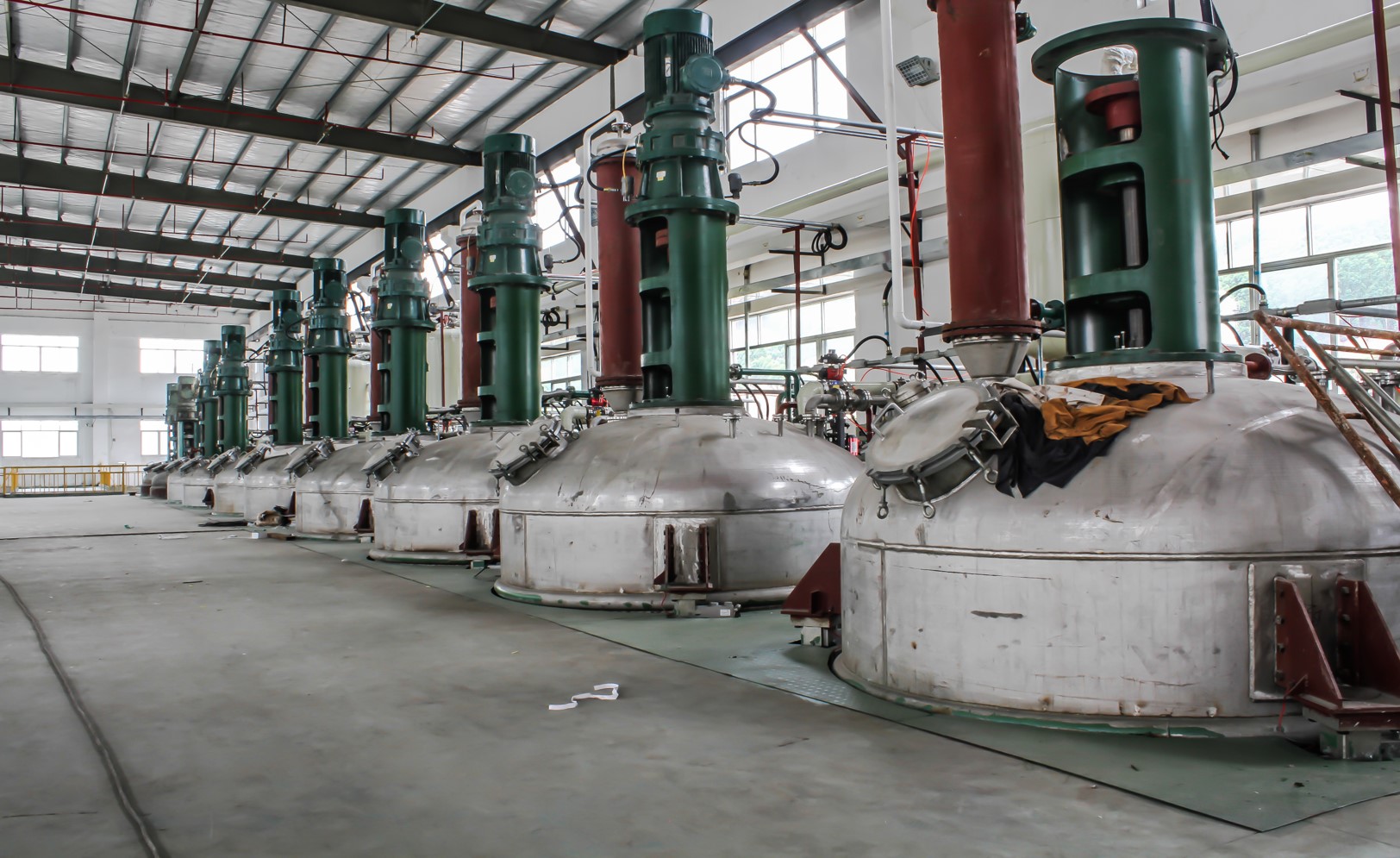

Abstract
Coatings is an underappreciated business. In a single bucket of latex paint, more than 80% of the cost goes to upstream petrochemicals — resins and titanium dioxide. What a coatings company actually earns is the value of its formulations and distribution network; yet the moment TiO2 climbs from RMB 15,000 per tonne to RMB 20,000, gross margin can be eaten away by more than ten percentage points. China produces 35 million tonnes of coatings a year and has held the top spot globally for fifteen consecutive years, yet the market has long been defined by the paradox of scale without concentration — the top ten companies combined account for less than one-quarter of the market. This report takes 2026 as its vantage point and systematically examines China's coatings industry across market size, supply-chain structure, competitive landscape, market segmentation, technology trends, risk factors, and the five-year outlook.
Core findings:
- Value resides upstream and in brands, not with the coatings manufacturer. Raw materials account for roughly 80–90% of production cost; price swings in TiO2 and resins directly determine profitability. The coatings company's moat lies in formulations, brand, and channel services.
- This is a large industry of small companies. China has approximately 4,433 above-scale coatings enterprises; the top ten hold a combined market share of only about 21.7%, with foreign players dominating the premium end — foreign companies hold roughly 80% of the automotive OEM coatings market.
- The architectural/industrial balance is tilting. Architectural coatings account for roughly one-third of China's market by value, industrial coatings for roughly two-thirds — the mirror image of the global picture, where architectural coatings exceed half. As real estate enters the era of existing-stock renovation, architectural coatings' share continues to fall while industrial coatings keep rising.
- Two weights press on the industry. First, the property downturn: construction architectural coating demand has contracted and receivables have deteriorated, with concentrated bad-debt risk; leading company Oriental Yuhong saw net profit plunge roughly 95% year-on-year in 2024. Second, upstream raw-material price volatility with limited downstream pass-through.
- The way forward is written in four words: green, renovation, industrial, consolidated. Waterborne and powder coatings displacing solvent-based products, renovation and urban renewal succeeding new construction, industrial coatings offsetting architectural, and a gradual rise in concentration — these are the industry's routes through the property cycle.
Key data at a glance:
- China's coatings output in 2024 was approximately 35.341 million tonnes (the first year-on-year decline, -1.6%); primary-business revenue was approximately RMB 408.9 billion (+1.56%). China has been the world's largest producer for fifteen consecutive years, accounting for roughly one-third of global output.
- The global coatings market is approximately USD 190–230 billion (depending on scope), with a CAGR of roughly 4–5%; consensus forecasts for 2030 point to approximately USD 250 billion.
- Concentration in China: CR10 rose from 15.22% in 2019 to 21.58% in 2023 — still low; approximately 4,433 above-scale enterprises.
- Raw materials account for roughly 80–90% of coatings production cost. China accounts for roughly 50% of global TiO2 output, but the chloride process accounts for only about 17.9%, well below the global share of roughly 44%.
- Nippon Paint leads China's architectural coatings market with a share of approximately 17.59%; 18 of the top 100 companies are foreign-invested, collectively accounting for approximately 53.47% of the top-100's revenue.
Chapter 1 The Nature of Coatings: Starting from a Bucket of Latex Paint
Coatings — also referred to as paint in industrial literature — are liquid or powder materials that can be applied to a surface and, upon curing, form a continuous film. The definition sounds straightforward, yet it conceals a vast industrial ecosystem spanning chemicals, manufacturing, construction, transportation, and consumer goods. China is the world's largest coatings producer, a position it has held for fifteen consecutive years, with annual output accounting for roughly one-third of global production. In the minds of most people, however, coatings are little more than the white paint used to coat a wall. The reality is far more complex: coatings protect the steel hulls of 10,000-tonne ships from seawater corrosion, keep the bodywork of new-energy vehicles from fading under UV radiation for a decade, and play a quietly structural role on petrochemical pipelines, wind-power turbine blades, and integrated-circuit substrates. Understanding coatings is a key to understanding the logic of the entire manufacturing supply chain.
1.1 Functional Definition: Three Dimensions — Protection, Decoration, and Specialty Function
Under national standards, the core functions of coatings can be summarized in three tiers.
The first tier is protection — the most fundamental reason coatings exist. Metals corrode when exposed to air and moisture; wood molds and cracks when it absorbs humidity; concrete carbonates and deteriorates in acidic or alkaline environments. By forming a physical barrier on the substrate surface that blocks moisture, oxygen, UV radiation, acid, alkali, and corrosive agents, coatings substantially extend the service life of materials. Heavy-duty anticorrosive coatings on offshore platforms, bridges, and chemical storage tanks routinely deliver service lives measured in decades; the specialized biocides in antifouling marine coatings suppress the adhesion of algae and shellfish organisms to ship hulls, keeping fuel efficiency at its optimum. The economic value of protection is concrete: corrosion is estimated to cost the global economy roughly 3–4% of GDP annually, and coatings represent one of the lowest-cost, widest-coverage engineering tools available to address that loss.
The second tier is decoration — the dimension most familiar to ordinary consumers. Color, gloss, and texture endow products with visual identity and aesthetic value. The textured (art) coatings on building facades, the matte-to-gloss spectrum of furniture finishes, and the pearlescent metallic effect of automotive coatings all fall within this tier. Decoration is not merely about appearance: under the logic of brand premiums, the paintwork on a luxury sedan can directly influence a consumer's purchase decision, and automakers accordingly set extremely stringent technical requirements around color accuracy and weathering stability.
The third tier is specialty function — the most technically active frontier in recent years. Conductive coatings are used on circuit boards and for electromagnetic shielding; thermal-reflective coatings reduce building energy consumption; antibacterial and odor-eliminating coatings have become differentiators in the consumer market; intumescent fire-resistant coatings are a mandatory requirement for high-rise building fire-safety certification; self-cleaning coatings leverage photocatalysis and have achieved commercial deployment on outdoor steel structures and glass curtain walls. Specialty functional coatings command unit value far above that of commodity architectural coatings, and represent the cutting edge of technical competition across the entire industry.
1.2 Four Key Components: Cost Structure Determines Competitive Logic
A bucket of coatings is not a single chemical substance but a precisely orchestrated composite system of four major component classes. Understanding the function and cost weight of each is a prerequisite for understanding how coatings companies generate profits.
According to listed-company annual reports and industry-research breakdowns, raw materials account for approximately 80–90% of coatings production cost — among the highest raw-material-dependency ratios of any manufacturing category. This means coatings companies are fundamentally a business of "formulations and distribution channels": competitive strength lies in accumulated formulation know-how and the depth of channel coverage, not in production scale. Whenever upstream raw-material prices move sharply, coatings companies' gross margins are directly compressed.
Film-forming resin is the backbone of a coating system, determining the fundamental performance characteristics of the cured film; it accounts for roughly 30% of raw-material cost. Acrylic resins (including waterborne emulsions), alkyd resins, epoxy resins, and polyurethane (PU) resins together account for more than 75% of the coatings-resin market; fluorocarbon and silicone-modified resins are used in high-performance applications. Resin selection almost entirely determines product category: epoxy systems underpin anticorrosive and floor coatings; polyurethane systems dominate wood coatings and automotive refinish coatings; waterborne acrylic emulsions are the core film-former for architectural interior and exterior wall coatings. Domestic resin raw materials are generally well substituted, but high-end fluorocarbon resins (PVDF and FEVE systems) remain heavily dependent on Daikin, AGC, and other Japanese suppliers — one of the few segments where domestic substitution has yet to be fully achieved.
Pigments and fillers provide color, hiding power, and specific mechanical properties; they account for roughly 20–30% of raw-material cost, varying by product type. The single most critical material is titanium dioxide (TiO2). TiO2 is the white pigment with the highest whiteness and hiding power and is irreplaceable in architectural interior wall coating formulations — in Skshu (603737) wall paint, for instance, TiO2 alone represents roughly 12% of production cost. Beyond TiO2, calcium carbonate (ground and precipitated), kaolin, and talc are used extensively in architectural coatings primarily to reduce cost, adjust rheology, and increase film build; colored organic pigments (phthalocyanine blue/green, toluidine red, etc.) are used in decorative and colored products. China is the world's largest TiO2 producer; 2024 output reached 4.766 million tonnes, accounting for roughly 50% of global supply. Lomon Billions (002601) holds roughly 27% of the domestic market, the industry's top position.
Solvents (dispersion media) dissolve or disperse the film-forming resin, pigments, and additives uniformly, and impart applicability to the coating; during film drying and curing, the solvent evaporates or reacts with atmospheric moisture and exits the film. This is the fundamental source of VOC (volatile organic compound) emissions from solvent-based coatings, and is the regulatory driver behind the rapid market penetration of waterborne coatings and powder coatings. The aromatic solvents (xylene, etc.) and ester solvents (ethyl acetate, etc.) used in solvent-based coatings are closely correlated with crude oil prices, introducing a cyclical cost-disturbance element; waterborne coatings use water as the dispersion medium, fundamentally eliminating this risk exposure.
Additives are the smallest component by quantity yet indispensable — they solve a range of application problems including leveling, defoaming, dispersion, anti-settling, and preservation, and account for roughly 20% of raw-material cost. Additive categories are highly specialized: leveling agents improve surface smoothness after application; defoamers prevent air entrapment during mechanical mixing; dispersants help pigments remain uniformly suspended; antimicrobial agents ensure product shelf life. China's additive market is estimated at approximately RMB 53.9 billion (2024), but foreign players continue to dominate the premium end without meaningful change — BYK (Germany), BASF, Dow, and Evonik hold the top-three positions in dispersants, leveling agents, and defoamers, backed by decades of application data and cross-chemistry R&D synergies. Domestic companies have made inroads in general-purpose and mid-to-low-end additives, but substitution in high-end specialty segments is still in progress.
1.3 Classification Framework: Two Axes, Two Product Maps
Coatings can be classified in more than one way. The two most commonly used axes in industry are: by binder (film-forming resin and dispersion medium) and by end-use application. Together they produce a complete product map.
1.3.1 Classification by Binder and Dispersion Medium
This is the most fundamental technical classification, directly relating to formulation system, application process, and environmental profile.
- Solvent-based coatings: Using organic solvents as dispersion media, they have the longest history and broadest product range. Their anticorrosive performance and adhesion generally surpass waterborne products, and they remain the mainstream choice in high-performance applications such as marine, heavy-duty anticorrosive, and automotive OEM. Their principal drawback is high VOC emissions; they face increasingly strict environmental restrictions in architectural decoration and wood-furniture manufacturing.
- Waterborne coatings: Using water as the dispersion medium, they have substantially lower VOC content than solvent-based products and represent the core direction of the global coatings industry's emissions-reduction transition. The waterborne conversion of China's architectural coatings is relatively mature; the waterborne penetration rate for wood coatings is approximately 12%, while waterborne penetration in industrial coatings continues to accelerate. Broadly defined, waterborne coatings currently account for approximately 40–45% of China's coatings market (range from multiple sources).
- Powder coatings: Entirely solvent-free, with near-zero VOC emissions; applied to metal substrates by electrostatic spray or fluidized-bed coating and cured by high-temperature baking. China is the world's largest powder coatings producer, with output accounting for roughly 50% of global capacity; primary applications are architectural aluminum profiles, appliance housings, and automotive components.
- UV-curable coatings: A photopolymerization reaction triggered by UV irradiation completes curing within seconds to tens of seconds, offering extremely high production efficiency. Principal applications are wood furniture, consumer-electronics housings, and printing/packaging that require high-speed batch processing. The global UV-curable coatings market was approximately USD 11.4 billion in 2025, with a CAGR of approximately 12% — the fastest-growing subcategory among specialty coatings.
- High-solids coatings: VOC emissions are reduced by minimizing solvent content (solids content typically >= 70%), serving as a transitional pathway from solvent-based coatings toward low-VOC formulations; widely used in marine anticorrosive and heavy-duty industrial anticorrosive applications.
- Solvent-free coatings: Contain no volatile solvents; typically based on two-component epoxy or polyurethane systems; form thick films in a single pass; primary applications are tank interiors, pipelines, and flooring requiring thick-film corrosion protection.
These six technical platforms are not competing substitutes — they form distinct technical fit-zones for different application scenarios. For the foreseeable future, solvent-based, waterborne, powder, and UV platforms will coexist long-term; as environmental regulation tightens and costs fall, waterborne and powder will continue to gain share, but solvent-based coatings will not lose their irreplaceable role in specific high-performance applications in the near term.
1.3.2 Classification by End-Use Application
This is the most practically useful classification framework from a market and commercial perspective, defining customer structure, channel model, and competitive logic.
- Architectural coatings: Cover interior and exterior wall decoration and protection, floor coatings, and building waterproofing for residential and commercial buildings — one of the largest segments by volume in China. By value, architectural coatings account for approximately 34% of the Chinese coatings market, but project-channel demand has come under pressure from declining real-estate investment; the importance of renovation of existing stock is steadily rising.
- Industrial coatings (broadly, non-architectural): Account for approximately 66% of China's coatings market by value — significantly above the global average of 47% — reflecting China's enormous manufacturing base. Industrial coatings are further subdivided into automotive, machinery and equipment, appliance, coil coatings, and other sub-categories.
- Automotive coatings: Divided into OEM coatings for vehicle assembly plants (a four-coat system: primer, filler, basecoat, clearcoat) and refinish coatings (used at 4S dealerships and collision-repair centers). This is the sub-segment with the highest technical barriers and the most pronounced foreign dominance; the Chinese market was approximately RMB 42.2 billion in 2024.
- Marine and anticorrosive coatings: Used in high-performance applications including hull antifouling, structural steel corrosion protection, and bridge maintenance, where service environments are severe and certification barriers extremely high. Jotun has led China's marine coatings market for multiple consecutive years; domestic companies' combined market share is approximately 10%, a substantial gap versus international levels.
- Wood and furniture coatings: China is the world's largest furniture exporter; Shunde, Guangdong, and Zhongshan are the country's largest furniture-coating consumption clusters, but the waterborne transition has lagged noticeably behind architectural coatings.
- Anticorrosive (heavy-duty) coatings: Specialized protection for extreme corrosive environments — petrochemical storage tanks, chemical pipelines, offshore platforms, and power-plant flue-gas desulfurization towers. Epoxy systems hold roughly 35% of market share, polyurethane systems approximately 25%, zinc-rich systems approximately 12%.
- Coil coatings (pre-coated metal): Steel mills and aluminum smelters pre-coat metal substrates at the production stage for use in architectural color-coated steel and appliance panels; production is highly concentrated with strong customer retention.
- Powder coatings (also classified by technical type, as above): Penetration in appliance aluminum profiles and architectural profiles continues to increase; the zero-VOC profile provides structural growth momentum as environmental policy tightens.
1.4 Industry Supply Chain Overview: A Three-Stage Structure from Mine to Cured Film
The coatings supply chain is clearly structured and well-delineated: "upstream provides raw materials — midstream formulates and manufactures — downstream applies and consumes." The power dynamics among these three stages largely determine the profit space and competitive dynamics of coatings companies.
1.5 Upstream: Highly Concentrated Raw-Material Suppliers
The upstream of the coatings supply chain consists of four raw-material supply systems: film-forming resins/emulsions, pigments and fillers, solvents, and additives. As noted earlier, these four categories collectively account for 80–90% of coatings companies' production cost and are the origin point of cost transmission throughout the entire chain.
The film-forming resin supply side carries high capital barriers; large petrochemical companies are the core participants. In acrylics and acrylic esters (the core raw materials for emulsions), Satellite Chemical leads domestically with 840,000 tonnes per year of capacity; Wanhua Chemical continues to expand capacity; domestic substitution is broadly high and prices closely track crude oil trends. Epoxy resin is represented by Jiangsu Sanmu Group, but a combination of weak demand from downstream coatings and electronics applications led to a year-on-year decline in average price of approximately 6.6% in 2024, with overall supply-demand broadly loose. High-end polyurethane hardeners (HDI, IPDI systems) are dominated by Covestro and Bayer; Wanhua Chemical is gradually making inroads.
TiO2 is the single raw material with the greatest impact on coatings companies' gross margin across the entire supply chain. Every sharp price move in TiO2 leaves a clear imprint on coatings companies' income statements. During 2021–2022, the market price of TiO2 climbed from approximately RMB 15,000 per tonne to over RMB 20,000 per tonne; Skshu's gross margin consequently fell from a historical high of approximately 46% to approximately 32% — more than ten percentage points evaporated over two years. The transmission logic is straightforward: TiO2 price increase → higher raw-material cost for coatings companies → limited downstream building materials and manufacturing customers' willingness to absorb price increases → impaired price pass-through → compressed gross margin.
On the technical side, TiO2 is produced by either the sulfate or the chloride process. The chloride process yields higher quality and carries a smaller environmental burden; it accounts for approximately 44% of global production. In China, however, the chloride process accounted for only approximately 17.9% in 2024 — a persistent and visible technology gap. Lomon Billions has made raising its chloride-process ratio a strategic priority, but closing the gap with global best practice will not be achieved in the short term.
On the additive supply side, domestic substitution has been slow. Foreign companies — BYK (part of Germany's Altana Group), BASF, Dow, Evonik, and TEGO — have long dominated dispersants, leveling agents, and defoamers, backed by decades of accumulated industrial application data and cross-category R&D synergies.
The solvent supply side is deeply tied to bulk petrochemical prices; xylene, ethyl acetate, and other solvents rise and fall with the crude oil cycle, giving the coatings cost structure a degree of cyclicality. The advance of the waterborne transition will, from a long-term perspective, compress total solvent demand, but the pace of conversion is constrained by application-side habits and equipment investment on the customer side.
1.6 Midstream: A Manufacturing Landscape of Many Small Players
The core activities of midstream coatings manufacturing are formulation design, raw-material procurement, dispersion/grinding, tinting, and filling. Formulation design is the coatings manufacturer's core intellectual property, determining the product's composite performance in the target application — this is what distinguishes coatings from ordinary commodity chemicals: the same raw materials, combined in different formulations, can produce products with vastly different performance profiles.
The defining characteristic of midstream manufacturing is "a large industry of small companies." According to China Coatings Industry Association statistics, there are approximately 4,433 above-scale coatings enterprises nationwide; the combined market share of the top ten (CR10) rose from 15.22% in 2019 to approximately 21.58% in 2023 — still low by developed-market standards. This fragmented structure has its own internal logic: coatings applications are extraordinarily diverse, with each scenario imposing different technical, color, and application-performance requirements; channel coverage depends on local service capability; the renovation market in architectural coatings also involves management of applicator crews. All of these characteristics allow regional small and mid-size coatings manufacturers to survive indefinitely in the gaps left by national brands.
Regionally, Guangdong is the country's largest coatings manufacturing cluster, with above-scale enterprises accounting for approximately 26.66% of the national total and output exceeding 5 million tonnes per year; Shunde in particular has formed a specialist cluster with full supply-chain coverage. Jiangsu, Shanghai, Sichuan, and Zhejiang follow closely; the three provinces/municipalities of Guangdong, Jiangsu, and Shanghai together account for approximately 45.8% of national output.
1.7 Downstream: Dual-Track Demand from Architecture and Industry
The downstream application market provides the ultimate lens through which to understand demand structure. A notable feature of China's downstream is that industrial coatings account for a far higher proportion of total market value than the global average — globally, architectural coatings account for approximately 53% of total market value by value, while in China that figure is approximately 34% (industrial coatings approximately 66%). This structural divergence is rooted in China's industrial composition as the world's manufacturing center: the world's largest automotive market, the world's largest shipbuilder, the world's largest appliance producer — this enormous manufacturing scale generates sustained, stable baseline demand for industrial coatings.
The core tension on the demand side is a systematic suppression of architectural — and especially project-channel architectural — coatings demand from the sustained decline in real-estate investment, partially offset by renovation of existing stock, new-energy vehicle coating, wind power, solar, and other emerging applications. This structural shift will be elaborated in subsequent chapters; the directional signal is noted here.
1.8 The Strategic Significance of Coatings: Hidden Infrastructure
From the macro perspective of manufacturing and infrastructure, the strategic importance of coatings is frequently underestimated. Coatings are not a final product; yet at a fraction of asset value, they protect engineering assets worth tens or hundreds of times more: a steel bridge costing several billion RMB may require anticorrosive coatings that account for less than 1% of construction cost, yet those coatings determine whether the bridge will remain serviceable for thirty years in a harsh environment without major repair. In defense, nuclear power, and aerospace, the performance specifications of functional coatings can even have a direct bearing on system safety.
In consumer goods, coatings' value transmission is more direct. Of the hundreds of billions of RMB spent annually in the home renovation market, a substantial portion occurs in coatings procurement and application; printing and packaging coatings for fast-moving consumer goods serve as the final step connecting product to consumer in the visual-marketing economy.
Against the backdrop of the global green transition, coatings have themselves become a tool for emissions reduction — thermal-reflective coatings lower building electricity consumption, high-performance anticorrosive coatings extend equipment life and reduce replacement-related emissions, and low-VOC waterborne coatings reduce atmospheric pollution during manufacturing and application. China has incorporated comprehensive VOC control into the core agenda of the 14th Five-Year Ecological Environment Plan, setting mandatory targets for the coatings industry including the solvent-to-waterborne shift and powder substitution. While reshaping the industry's technology trajectory, this policy direction is simultaneously accelerating market concentration — small and mid-scale coatings manufacturers whose products are dominated by solvent-based technologies face sustained environmental compliance cost pressure and cannot independently absorb the investment required for a full system upgrade.
China is the world's largest coatings producer, accounting for roughly one-third of global output. Behind this scale lies both the historical accumulation of manufacturing capacity and urbanization, and the structural challenges this industry must directly address in its future technology upgrade and global competition. The chapters that follow will examine in turn: the global competitive landscape; the growth drivers and challenges facing the Chinese market; the cost logic of the supply chain; the differentiation mechanisms shaping competitive structure; and the barriers and opportunities in individual market segments.
Chapter 2 Global Coatings Industry: Current State and Competitive Landscape
The size of the global coatings market varies substantially across research institutions due to differences in statistical scope. Using 2024 actual data as a reference, Information Research estimates approximately USD 190.6 billion (approximately EUR 190.3 billion); Grand View Research sets a 2025 base year of approximately USD 219.9 billion; Mordor Intelligence's 2026 base year estimate is approximately USD 192.4 billion; Freedonia Group's broad scope including related products reaches approximately USD 230 billion. Across mainstream institutions, the global coatings market falls in the USD 190–230 billion range, with a CAGR of approximately 3.6–5.4% and a 2030 forecast of approximately USD 250 billion. The root of these discrepancies is whether adhesives, sealants, and coatings additives are included — any citation must specify the source and its scope.
Production-volume figures are similarly affected by definitional differences. According to Information Research, global coatings output in 2024 was approximately 57.8 million tonnes, of which waterborne coatings accounted for approximately 26 million tonnes (40.8%), solvent-based approximately 19 million tonnes (approximately 30%), and powder coatings approximately 5 million tonnes (approximately 8%). Freedonia's estimate including related products reaches 63.7 million tonnes. Regardless of scope, the Asia-Pacific region contributes the majority of global production, and most incremental global growth originates from this region.
2.1 (I) Architecture and Industry: Two Parallel Coatings Logics
By application, architectural coatings account for approximately 40–42% of global market value, or close to 60% by volume; industrial coatings account for approximately 58–60% by value. Architectural coatings are the largest single global segment, at approximately USD 80.3 billion in 2024.
This structure diverges markedly in China: domestic architectural coatings account for approximately 34% of value, industrial coatings approximately 66% — the country's enormous manufacturing base pushes the industrial share well above the global average. This divergence is elaborated in Chapter IV; it is simply noted here.
The logic of architectural coatings centers on real estate and renovation: new construction drives first-coat demand, while renovation and maintenance of existing buildings generates repainting demand. The logic of industrial coatings is more multidimensional — automotive production determines OEM coating volumes, the shipbuilding cycle influences marine coatings' fortunes, and power and infrastructure investment drives heavy-duty anticorrosive coatings expansion. The two demand drivers are almost entirely uncorrelated, which is why global leaders universally adopt an "architectural + industrial" dual-platform structure to hedge against single end-market cyclicality.
2.2 (II) Regional Landscape: Asia-Pacific Dominant, China as the Pillar
Asia-Pacific is the undisputed production hub of global coatings. According to Information Research, Asia-Pacific coatings output in 2024 was approximately 28.7 million tonnes, accounting for roughly 45% of global production; using Mordor Intelligence's value scope, Asia-Pacific accounts for approximately 46% of the global market, and Grand View Research gives approximately 35% — differences arising from estimation methodology and base year selection. Synthesizing multiple institutions, Asia-Pacific's share of global value in the 45–53% range commands broad consensus.
China's position within Asia-Pacific is similarly dominant. According to Mordor Intelligence, China's coatings output in 2024 accounted for approximately 56–59% of Asia-Pacific production — more than half of the region's output comes from China alone. China has held the title of world's largest coatings producer for fifteen consecutive years; 2024 output was 35.34 million tonnes, approximately one-third of global total.
Europe is the world's second-largest region, with 2024 output estimated at approximately 12 million tonnes; North America approximately 8.6 million tonnes. Europe is distinguished by architectural and high-performance industrial coatings; North America is driven by a highly integrated retail channel system represented by Sherwin-Williams. The Middle East, Africa, and Latin America are still small in absolute terms but are growing faster — Jotun, Asian Paints, and others have established strong positions in these regions, drawn by the coatings growth potential from population growth and infrastructure construction.
2.3 (III) Global Leaders: Eleven Companies Define the Competitive Map
The top tier of the global coatings industry is dominated by around a dozen multinationals. Based on PCI Magazine and Coatings World's 2024 global coatings company rankings, the following eleven constitute the first tier.
Sherwin-Williams is currently the highest-revenue coatings company in the world. Total revenue in 2024 was approximately USD 23.1 billion, of which pure coatings sales were approximately USD 18.4 billion. Sherwin-Williams grew from North American architectural coatings and now operates over 4,900 company-owned stores — an unmatched channel density among global coatings companies; industrial protection and automotive refinish are two additional pillars. Sherwin-Williams' moat lies in its commanding grip on the retail channel: in the United States, professional painters almost reflexively default to Sherwin-Williams, creating habitual purchasing loyalty. Its market share in China is relatively limited — China revenue is in the order of RMB tens of billions, placing it within the top six among foreign companies in China.
PPG Industries had 2024 revenue of approximately USD 15.8 billion, all from coatings, making it one of the few pure-play listed coatings companies globally. PPG's portfolio spans architectural coatings, automotive OEM and refinish coatings, industrial corrosion protection, and aerospace coatings; aerospace coatings are PPG's high-margin hidden strength, with considerable barriers in that niche. PPG is deeply involved in China's automotive coatings market, with China revenue of approximately RMB 10.1–11.8 billion, placing it among the top four foreign companies in China.
AkzoNobel is a Dutch legacy chemical company with two major brands — Dulux (architectural decorative coatings) and International Paint (marine coatings). Full-year 2024 revenue was approximately EUR 10.7 billion (approximately USD 11.6 billion), with organic growth of approximately 2% year-on-year. Dulux's share in China's architectural coatings market is approximately 3%, with a focus on premium decoration; International Paint is the world's second-largest marine coatings brand, complementing AkzoNobel's anticorrosive business. Powder coatings are another globally leading segment for AkzoNobel, which ranks first among global powder coatings suppliers.
Nippon Paint Holdings (立邦/日本涂料) is the most structurally significant development in global coatings over the past decade. In 2021, Nippon Paint Holdings completed its integration of Nippon Paint's parent Wuthelam, forming a large network centered on Southeast Asia and China. Global revenue in 2024 was approximately USD 10.6 billion (JPY 1.64 trillion in yen terms, +13.6% year-on-year). China contributed approximately 55% of its global revenue — the single largest market by far. Nippon Paint holds approximately 17.59% of China's architectural coatings market, leading the field for multiple consecutive years.
Axalta Coating Systems had 2024 revenue of approximately USD 5.3 billion, a new record. Axalta's core positioning is automotive coatings specialist: it ranks first globally in automotive refinish coatings and is one of the top three global suppliers of automotive OEM coatings. Axalta was spun off from BASF in 2013 and listed independently, focusing on automotive and industrial lines, with strength in coatings systems (full primer-basecoat-clearcoat capabilities) and certified supplier status with major automotive OEMs worldwide.
BASF Coatings is the coatings business of the German chemical giant BASF Group, long focused on waterborne automotive OEM coatings and automotive refinish coatings, and an important technology partner for automakers' green transition. In 2024, BASF Group disclosed that it is proceeding with a divestiture of the Surface Technologies (coatings) business; standalone revenue was not separately disclosed, but the automotive OEM coatings segment is estimated at several billion euros annually. Waterborne automotive OEM coating technology is the core competitive advantage that secures BASF Coatings' position in the global automotive coatings market.
Kansai Paint is Japan's second-largest coatings company; FY2024 (to March 2024) net sales were approximately JPY 562.3 billion (approximately USD 3.9 billion). Kansai's principal business is concentrated in Japan's domestic automotive OEM coatings and decorative coatings in Asia and Africa; in China it operates through the Xiangjiang Kansai joint venture, supplying mainly domestic automotive OEM coatings, with annual China revenue of approximately RMB 4.0–4.2 billion, placing it in the 31st–60th range in China's top 100.
RPM International reported FY2024 (to May 2024) revenue of approximately USD 7.3 billion, a record high. RPM's strategy is distinctly different from other leaders: acquisition of niche businesses is central, with a portfolio of dozens of brands including Rust-Oleum (consumer DIY and industrial corrosion protection) and Tremco (building repair and sealing), delivering strong product breadth in North American building maintenance and industrial corrosion protection. Sealants and building restoration materials deeply overlap with coatings business, distinguishing RPM from a "pure coatings company."
Asian Paints is India's largest coatings company; FY2024 (to March 2024) revenue was approximately USD 4.2 billion (approximately INR 354 billion). In India's domestic architectural coatings market, Asian Paints holds approximately 55% share — a near-monopoly. Supported by India's large residential construction volume and expanding middle class, Asian Paints has maintained a stable growth trajectory; it is extending into Southeast Asia and the Middle East but has virtually no business in China.
Jotun is a Norwegian privately held coatings company; 2024 revenue was approximately NOK 34.2 billion (approximately USD 3.1 billion), +7% year-on-year. Jotun is the world's leading marine coatings brand with a global market share of approximately 25%; in China's marine coatings market, Jotun holds approximately 37.4%, leading the field for fifteen consecutive years. Its business mix is: marine coatings approximately 28% of total revenue, protective coatings approximately 29%, decorative coatings approximately 36%, powder coatings approximately 7%. Jotun's core moat is its long-term accumulation in antifouling and anticorrosive technology and the certification system established with leading classification societies (DNV, etc.).
Hempel is a Danish privately held coatings company; 2024 revenue was approximately EUR 2.2 billion (approximately USD 2.4 billion), -1.3% year-on-year, but EBITDA margin reached a historical high. Hempel's core business is marine and anticorrosive coatings; 2024 marine revenue was approximately EUR 709 million, the second-highest on record; the protective coatings (energy infrastructure) segment also carries a significant revenue share. The competitive dynamic with Jotun runs through the entire global marine coatings landscape — the two companies together hold approximately 50% of the global marine coatings market.
In China, foreign companies collectively account for approximately 53.47% of the top-100's revenue; Nippon Paint, AkzoNobel, and PPG alone generate combined China revenue exceeding RMB 45 billion, still significantly ahead of the leading domestic company Skshu (revenue approximately RMB 12.1 billion). Chapter VI of this report will elaborate on the competitive dynamics between foreign and domestic players in specific sub-segments; further detail is deferred to that chapter.
2.4 (IV) Sub-Segment Landscape: Global Leaders in Four Sub-Races
Automotive coatings is the most intensely competitive industrial coatings sub-segment globally. The global automotive coatings market in 2024 was approximately USD 20.2 billion (including OEM and refinish, per Fortune Business Insights), projected to reach USD 39.4 billion by 2033, CAGR approximately 6.6%; refinish coatings on a standalone basis were approximately USD 12.8 billion. The top five OEM and refinish coatings companies combined hold approximately 50–55% of the global market; leaders are Axalta (globally first in refinish), PPG (balanced OEM and refinish), and BASF (distinguished in waterborne OEM technology). The global automotive coatings landscape is the most oligopolistic of any sub-segment: long technology certification cycles (OEM certification typically requires 2–3 years) and high system-integration requirements create extremely high barriers to entry.
Marine and anticorrosive coatings market size varies markedly by scope: global marine coatings estimates across institutions range approximately USD 3.2–6.3 billion (2024). Dominant forces are Jotun (globally first, approximately 25% market share), AkzoNobel International Paint (second), Hempel (third), Chugoku Marine Paints (fourth), and PPG. The three European/Norwegian companies together control more than 60% of the global marine coatings market; technical barriers derive from the dual constraints of antifouling formulation and marine biological degradation regulation, as well as the high entry barrier of classification-society certification systems.
Powder coatings is the fastest-growing sub-segment, identified by Grand View Research as the highest CAGR (approximately 6.1%, 2026–2033) category in the global coatings market. Global powder coatings market size in 2024 was approximately USD 15.2–17.0 billion, with output of approximately 5 million tonnes. Zero-VOC emissions are the primary driver — as environmental regulations tighten globally, the substitution of powder for solvent-based products in architectural aluminum profiles, appliances, and automotive components continues to accelerate. Global leading brands are AkzoNobel (leading), PPG, Axalta, Sherwin-Williams, and Jotun; China contributes approximately 50% of global powder coatings capacity, creating a distinctive "Made in China, supplied globally" structure.
Coil coatings market size figures diverge substantially across institutions (approximately USD 3.2–7.8 billion, 2024); the largest end-use category is construction/building materials (approximately 46.78%), and polyester resin dominates as the coating base (approximately 67.56%). Asia-Pacific is the largest production and consumption region, accounting for approximately 50% globally. Leaders are AkzoNobel, PPG, BASF, Axalta, Nippon Paint, and Sherwin-Williams — essentially the same roster as automotive and industrial coatings leaders, because the precision demands of coil coating on process and substrate treatment also constitute substantial entry barriers.
2.5 (V) Global Technology Directions: Three Mainstream Forces Reshaping Supply
By the mid-2020s, global coatings technology evolution has coalesced around three clear mainstream directions, all pointing toward the core objective of reducing organic solvent emissions and improving life-cycle environmental performance.
Waterborne transition is currently the largest by volume and widest in reach. According to Grand View Research, waterborne coatings accounted for approximately 40.9% of global coatings market value in 2025; consumption in 2024 exceeded 30 million tonnes (per European Coatings estimates), with a market CAGR of approximately 4%. The drivers are multi-layered: tightening EU VOC emission regulations, US EPA standards, China's domestic GB 37822 and related regulations together push coatings formulation from solvent-based to waterborne. Architectural interior and exterior wall coatings have essentially completed the waterborne conversion; automotive coatings waterborne conversion is extending from primer and basecoat toward clearcoat; the waterborne transition in heavy-duty anticorrosive coatings remains at the stage of technical breakthrough. Notably, waterborne transition is not simply "solvent reduction" — the formulation complexity of waterborne resins, coalescent agents, and anticorrosive additives is no lower than solvent-based products; technical barriers remain, and it is not a simple substitution.
Powder conversion offers the principal advantage of truly zero VOC, combined with high utilization (powder is recoverable and recyclable, with far lower waste than liquid coatings) and superior durability. Global powder coatings output accounts for approximately 8% of total coatings output but leads the entire market in growth rate. Aluminum profiles (building curtain walls, industrial aluminum), appliances (air conditioners, washing-machine housings), automotive components, and outdoor furniture are the downstream applications where powder is most actively penetrating. Temperature-sensitive substrates (such as thermoplastics) remain areas powder coatings cannot easily reach; this is the direction where new formulations such as UV-curable powder are working to break through.
Bio-based coatings are the fastest-growing but still small frontier direction in recent years. According to Market Research Future, the global bio-based coatings market was approximately USD 30.8 billion in 2024, projected to reach USD 69.6 billion by 2034, CAGR approximately 8.5%. Bio-based resins (primarily polyols and fatty acids derived from soybean oil, linseed oil, and castor oil) have achieved commercial application in architectural decorative coatings and wood coatings, primarily for their substitution of petroleum-based feedstocks with renewable materials and reduction of product carbon footprint. All major global leaders (AkzoNobel, Sherwin-Williams, PPG) have launched bio-based product lines, but until overall cost and performance fully match petrochemical-based resins, large-scale penetration will continue to be constrained by the price premium.
The three technology paths are not competing: they are more a division of labor across different downstream scenarios — waterborne targets architecture and automotive; powder targets industrial metal-substrate goods; bio-based achieves its earliest commercial scale in markets where both policy pressure and brand-premium demand coexist (notably Europe). From the global supply-side perspective, converging technology directions are driving coatings R&D investment toward a smaller number of leading companies with chemical formulation capabilities — the deeper logic underlying the gradual rise in global market concentration over the past decade.
The global coatings landscape exhibits a pronounced tiered structure: Sherwin-Williams and PPG extend globally from their North American domestic channel base; AkzoNobel leverages European headquarters and the Dulux brand to cover global architectural coatings; Nippon Paint focuses on the fast-growing Asia-Pacific region as its primary battleground; Axalta, Jotun, and Hempel have each built high-barrier moats in automotive, marine, and anticorrosive niches respectively; Asian Paints has constructed a near-monopoly domestic position on the Indian subcontinent. In this competitive map, Chinese companies currently distinguish themselves primarily by the scale of their domestic market, not by global share — the roots of this gap will be analyzed in depth in the competitive landscape analysis of Chapter VI.
Chapter 3 Analysis of China's Coatings Industry Development Environment (PEST)
3.1 Policy Environment (P): Environmental Legislation Reshaping Industry Boundaries
The policy logic of the coatings industry is fundamentally different from that of most manufacturing sectors: it is not industrial promotion but environmental regulation driving structural transformation. Over the past decade, a regulatory chain centered on VOC (volatile organic compound) control has become the external force with the most profound influence on the coatings industry's product mix, capacity distribution, and competitive landscape.
3.1.1 Construction and Tightening of the National Standards Framework
In 2019, the Ministry of Ecology and Environment simultaneously issued GB 37822-2019 (Fugitive Emission Control Standard for Volatile Organic Compounds) and GB 37824-2019 (Emission Standards for Air Pollutants from Coatings, Inks, and Adhesives Industries), establishing a dual-track regulatory framework for coatings manufacturers' VOC emissions: the former covers seven categories of fugitive emission sources within plant boundaries — storage tanks, loading, open liquid surfaces, etc. — stipulating that the hourly average concentration of non-methane hydrocarbons within the plant shall not exceed 4.0 mg/m³; the latter, as an industry-specific emission standard, brings organized and unorganized emissions under a single permit management framework. The implementation of these two standards ended the era of coatings manufacturers referencing generic standards — a situation that had left large regulatory grey areas.
GB 30981.1/2-2025, which takes effect on June 1, 2026, represents the most far-reaching standards restructuring in recent years. Divided into architectural coatings and industrial coatings volumes, it consolidates and replaces five existing mandatory national standards — architectural wall coatings (GB 18582-2020), indoor floor coatings (GB 38468-2019), wood coatings (GB 18581-2020), vehicle coatings (GB 24409-2020), toy coatings (GB 24613-2009), industrial protective coatings (GB 30981-2020), and marine coatings (GB 38469-2019) — achieving unified and upgraded hazardous substance limits across coatings product categories.
The new standard contains two substantive advances: first, SVOC (semi-volatile organic compounds) are brought within mandatory regulatory scope for the first time, filling the previous gap of regulating only VOCs; second, the hexavalent chromium detection limit is tightened from 50 mg/kg to 8 mg/kg, substantially raising measurement precision. On specific limits, waterborne wood color coatings are capped at 250 g/L VOC, waterborne clear coatings at 300 g/L, and waterborne toy coatings at 420 g/L. Industry consensus is that once the new standard takes effect, small coatings manufacturers that rely on low-end solvent-based processes with excess hazardous substance content will face pressure to exit, accelerating a passive increase in market concentration.
On local standards, key manufacturing provinces are moving even faster than national standards. Shanghai issued DB31/881-2024 in 2024, effective December 2024 for new coatings enterprises, with non-methane hydrocarbon monitoring concentration limits stricter than the national standard and newly added single-event monitoring concentration requirements. Shanghai's pioneering action provides a legislative reference point for other provinces.
3.1.2 The Consumption Tax Lever and CCC Certification
In addition to production-side emission standards, fiscal policy provides an independent price signal. Under the VOC consumption tax regulations in force since 2015, coatings with VOC content (in application state) exceeding 420 g/L are subject to a 4% consumption tax; products below this threshold are exempt. This mechanism directly influences formulation choices from the cost side, giving low-VOC coatings a tax advantage over solvent-based products. As GB 30981.1/2-2025 tightens VOC limits for multiple product categories, whether the consumption tax exemption threshold will be adjusted in parallel with product standards has become a key policy question for the industry.
From July 2025, commercial waterborne interior wall coatings formally came under the China Compulsory Certification (CCC) scheme; uncertified products may not leave the factory, be sold, or be imported. The introduction of CCC will create a significant market-access barrier in this highest-volume coatings category, further eliminating long-tail production capacity.
3.1.3 The Policy Push for the Solvent-to-Waterborne Shift
If emission standards constitute the overarching framework, the specific "oil-to-water" (solvent-to-waterborne) requirements by application scenario are more concrete and quantifiable.
In automotive coating, the Volatile Organic Compound Reduction Roadmap for the Automotive Industry requires continued reduction in per-unit-area VOC emissions from passenger car, truck, and bus coating workshops; waterborne automotive coatings reduce VOC emissions by 60–70% compared with solvent-based products. The waterborne proportion in automotive refinish coatings reached approximately 42% in 2024, approaching the interim 45% target for 2025. Beijing's DB11/1228-2025, effective July 2025, brings the full process chain — paint mixing, sanding, and spray gun cleaning — under organized emission control, setting a new local demonstration effect.
In wood furniture, GB 18584-2024 (Limits of Hazardous Substances in Furniture), effective July 2025, uses downstream furniture product hazardous substance limits to pressure upstream wood coatings toward low-VOC formulations. Shenzhen led the way with a comprehensive ban on oil-based coatings for finished furniture as early as 2015, a key historical reference point. Zhejiang Province has set quantified targets: by 2025, the proportion of solvent-based industrial coatings used should fall by 20 percentage points, and consumption of solvent-based adhesives should decrease by 20%.
From a policy logic perspective, the solvent-to-waterborne shift is not a single environmental directive but a multi-layer regulatory web — national emission standards, local standards, consumption tax, product certification, downstream product limits — jointly woven to drive solvent-based products toward low-VOC platforms such as waterborne and powder.
3.1.4 Real-Estate Policy: Bifurcated Transmission
Architectural coatings represent the largest single end-market for coatings, and the transmission relationship between architectural coatings and real-estate policy has undergone a structural bifurcation in recent years — new construction and existing-stock renovation are moving in opposite directions.
Since 2021, the state has introduced a series of real-estate stabilization policies — including the special lending facility for guaranteed property completions and the "May 17" real-estate new policy — gradually shifting the policy focus from the financing side to the completion and demand side. In 2024, the state advanced its urban renewal action; more than 60,000 projects were implemented that year, with total investment of approximately RMB 2.9 trillion; approximately 420,000 aging residential communities nationwide are pending renovation, involving more than 100 million residents. This enormous existing-stock renovation market has generated a repainting market whose exterior-wall coatings segment alone has exceeded RMB 50 billion, with the potential to reach RMB 100 billion when including related demand — creating an important policy-driven offset to the decline in new construction.
At the same time, residential decorative coatings were not included in the 2026 trade-in subsidy catalogue, meaning some of the consumer stimulus from previous policy tailwinds will be removed.
The coatings industry's policy environment therefore presents a complex simultaneous picture of "environmental tightening, construction compensation, tax incentivization, and consumer-stimulus withdrawal," with different sub-categories experiencing sharply different levels of pressure and opportunity within this policy matrix.
3.2 Economic Environment (E): The Double Overlay of Real-Estate Cold Wave and Manufacturing Warmth
Since 2021, China's real-estate market has entered a deep adjustment; the economic impact on the coatings industry has not been uniform — project architectural coatings have borne the brunt, while industrial coatings have benefited from the structural boost of manufacturing upgrading.
3.2.1 The Shock of the Property Downturn: Pressure on Project Architectural Coatings
The sustained decline in real-estate investment of approximately 10.6% is directly reflected in contracting order books for project-channel architectural coatings. Project-channel architectural coatings (primarily bulk procurement by property developers) had a market size of approximately RMB 68.5 billion in 2023, down approximately 7.9% from the prior year; by 2024, several listed coatings companies that are highly dependent on the project channel reported significant revenue declines, with some smaller companies facing the twin squeeze of sharply reduced orders and difficulty collecting payments.
New home starts' contribution to architectural coatings demand has rapidly fallen from roughly 40% at its peak, with medium-to-long-term expectations of a decline to approximately 10%. This means the business model of project coatings companies — previously supported by incremental real-estate growth — is facing a fundamental structural reappraisal.
The deterioration of project accounts receivable is a separate and independent economic pressure chain. For Oriental Yuhong (002271), for example, 2024 net profit plunged from RMB 2.273 billion to RMB 108 million — a decline of over 95% — the core cause being a 221.8% year-on-year increase in accounts receivable outstanding more than three years, with accumulated bad debts dragging on profits. Skshu (603737) has accumulated impairment charges of approximately RMB 1.7 billion in total, with accounts receivable of nearly RMB 6 billion. The property downturn has simultaneously compressed the economic returns of project coatings from both the demand side (fewer new homes) and the credit side (deteriorating collections).
3.2.2 Resilience in Renovation of Existing Stock: Structural Substitution of Demand
Yet the data from the other side of the ledger tells a markedly different story. The architectural decorative paint retail market reached approximately RMB 50.5 billion in 2023, growing approximately 4.57% year-on-year — a counter-cyclical expansion. Skshu's home-renovation wall paint revenue in 2024 was RMB 2.967 billion, up 12.75% year-on-year; its "Mashangzhu" renovation-focused product line maintained healthy growth momentum.
The renovation logic derives from China's unique existing-building structure. Approximately 2 billion square meters of buildings nationwide require repair each year, including more than 420,000 aging residential communities pending renovation. By comparison, in mature markets such as the United States, over 80% of decorative coatings demand comes from renovation and maintenance; in China the equivalent figure was only approximately 34% in 2022, projected to rise to 50% over the medium-to-long term. This is both the scale growth opportunity in the renovation market and the core logic of a historic structural migration of architectural coatings demand from "incremental-driven" to "existing-stock-driven."
3.2.3 Industrial Coatings: Offset from Manufacturing Upgrading
In contrast with the divergence in architectural coatings, industrial coatings overall have maintained relative resilience, with certain sub-categories posting high growth.
Automotive coatings have benefited from the continued rise in China's new-energy vehicle production and sales volumes. Total automotive coatings demand in China in 2024 was approximately 845,000 tonnes, with a market size of approximately RMB 42.273 billion, projected to reach approximately RMB 77.3 billion by 2028. The rapid expansion of new-energy vehicles has driven OEM automotive coating demand and simultaneously imposed higher requirements on coating processes (adapting to heat-pump drying, exterior personalization, and other new requirements).
Container coatings, driven by the global trade recovery and a super-cycle in container manufacturing, saw market size surge by over 87% in 2025, directly propelling the performance of domestic container coatings companies led by Mega Coatings (603062). Marine coatings have benefited from the continued increase in China's domestic shipbuilding market share, with approximately 15% year-on-year growth in 2025.
The expansion of wind power, energy storage, and other new-energy infrastructure has pulled industrial demand for heavy-duty anticorrosive coatings, blade coatings, and structural steel coatings. Industrial aluminum profile output grew 23.2% year-on-year in 2024, surpassing architectural aluminum profiles for the first time, shifting powder coatings demand toward the industrial end.
Overall, the economic position of China's coatings industry is the overlay of two forces: project architectural coatings bearing the weight of the property downturn, while industrial coatings benefiting from manufacturing upgrading, new-energy expansion, and global trade recovery, forming a partial structural offset. The relative balance of these two forces will largely determine the industry's overall growth trajectory over the coming years.
3.3 Social Environment (S): Environmental and Health Awareness Driving Consumer-Side Migration
The social-level impact on the coatings industry is concentrated in the structural migration of consumer-side demand preferences — a migration whose core driver is rising environmental health consciousness, reinforcing the tightening policy-side standards in a mutually amplifying two-way dynamic.
3.3.1 Low-Odor, Zero-Formaldehyde, Low-VOC: The Mainstream Consumer Narrative
The consumer end of architectural interior coatings has evolved from early basic demands around hiding power and color range to a functional era defined by low-odor, zero-formaldehyde, and low-VOC as the core selling propositions. Behind this trend is the sustained upgrade of Chinese urban households' priority on the health attributes of their living environment — indoor air pollution and benzene/formaldehyde exceedance problems, after more than a decade of public discourse, have become explicit factors in ordinary consumers' renovation decision-making.
Coatings companies' response to this demand migration is reflected in the accelerated functionalization of product lines: low-odor technology, negative-ion technology, and antibacterial and self-cleaning functional coatings have all become standard features of major brands' product matrices; the "children's paint" sub-category — positioned as pregnancy/infant/child-friendly — has rapidly taken shape; textured (art) coatings (stone-effect coating, relief coatings, diatom-mud products) correspond to the pursuit of personalized interior and exterior decoration effects in the context of consumption upgrading.
From a product-mix perspective, the rising proportion of functional architectural coatings is helpful in improving the industry's overall gross-margin profile — the added value of functional coatings is significantly higher than that of comparable basic products, providing a degree of offset against cost pressure from raw-material price volatility.
3.3.2 Social Acceptance of Waterborne Coatings on the Application Side
Promoting waterborne coatings on the consumer side once encountered resistance in application habits: early waterborne wood coatings had longer drying times and higher requirements for application temperature and humidity, limiting acceptance among consumers and applicators. However, as product performance has continuously improved and environmental awareness has risen, waterborne interior wall coatings have achieved comprehensive substitution of solvent-based products, and consumer acceptance of waterborne products in the home retail scenario is no longer a substantive obstacle.
Waterborne wood coatings are currently one of the sub-categories where consumer acceptance is improving most visibly — despite a current market penetration rate of only approximately 12%, the growth momentum is clear. The tightening of GB 18584-2024 furniture hazardous substance limits, and growing consumer attention to the environmental attributes of finished furniture, will continue to push downstream furniture manufacturers to transmit waterborne procurement requirements upstream.
3.3.3 Renovation of Existing Stock: Generational Evolution of Consumer Behavior
Compared with new-home renovation scenarios, the consumer decision-making logic for renovation of existing stock is more multidimensional. The average age of housing held by Chinese urban households is rising; a growing number of middle-aged and younger families are facing the first repainting cycle for homes that are now ten years old. This cohort's consumption characteristics are: higher requirements for coatings quality and health attributes; stronger demand for turnkey application service solutions; and relatively lower price sensitivity compared with new-home renovation.
This generational evolution of consumer behavior is driving the rise of a retail- and service-led coatings business model — which aligns closely with the channel-building direction of branded coatings companies.
3.4 Technology Environment (T): Waterborne, Powder, and Functional Coatings as the Three Vectors
At the technology level, this chapter only makes directional assessments; details are reserved for Chapter IX.
The technological evolution of the coatings industry is, in essence, a dual response to policy pressure and demand upgrading — policy requires reducing VOC emissions; demand requires improved performance and safety. These two forces together shape the broad direction of current technology platforms: waterborne, powder, and functional coatings are three axes that have been established and are being scaled up.
The scope of waterborne penetration has expanded from architectural interior wall coatings to exterior wall coatings, automotive refinish coatings, wood coatings, and other industrial and architectural sub-segments; the overall penetration curve is trending upward. Powder coatings, leveraging near-zero-VOC environmental credentials, continue to increase penetration in appliances, aluminum profiles, and industrial metal products; China has become the world's largest powder coatings producer, with capacity accounting for approximately 50% of global total. Functional coatings — including low-VOC odor-free coatings, antibacterial coatings, UV-curable high-efficiency coatings, and heavy-duty specialty anticorrosive coatings — address the dual upgrade requirements of performance and environment and represent the primary source of added-value improvement for the industry.
In addition, intelligent tinting and digital transformation as upgrade directions for the manufacturing side of coatings production are increasingly influencing production efficiency and supply-chain responsiveness. The deepening of industry digitalization will also gradually reshape the delivery model for coatings sales and service.
On the question of technology direction, one point deserves separate mention: the path of technology evolution is not entirely chosen by companies themselves but is to a large degree the passive result of regulatory requirements. SVOC's first-time inclusion in mandatory control from 2026, the ongoing guidance of the consumption tax threshold, and the raising of compliance costs through CCC certification — these policy tools collectively determine the pace of technology migration. Companies that proactively invest in R&D in the waterborne, powder, and functional directions and complete product compliance iteration first will harvest competitive advantage in each tightening-policy cycle; while long-tail capacity with thin technology reserves and reliance on low-end solvent-based processes will be progressively eliminated in successive waves of policy tightening.
The broad technology direction is clear; the divergence point has arrived. Subsequent chapters will elaborate further on the specific progress, technical challenges, and competitive landscape of each technology platform.
Chapter 4 China's Coatings Market Size and Operating Conditions
Viewed on a longer timeline, China took less than twenty years to travel from latecomer to world leader. This chapter is not about which specific company earned what — that is the domain of later chapters. The three more fundamental questions to answer here are: how large is this industry, where does its revenue go, and how has it fared during the two years since the real-estate cycle turned down? Three sets of data provide the answers in sequence: total scale, structure, and profitability.
4.1 Total Scale — Fifteen Consecutive Years as World Leader, Yet the First Negative Growth
Starting with output. According to China Coatings Industry Association and Huizheng industry operating data, national total coatings output in 2023 was approximately 35.772 million tonnes, up approximately 4.5% year-on-year; in 2024 this fell back to approximately 35.341 million tonnes, down approximately 1.6% year-on-year. Embedded in this rise and fall is an inflection point that cannot be overlooked: this is the first time China's coatings output has posted negative growth in many years. Prior to this, regardless of TiO2 price fluctuations or real-estate cycle swings, total coatings output had always maintained upward inertia; the 2024 curve was the first to bend lower, signaling that the growth engine that had powered the industry for two decades has, at least in volume terms, reached its ceiling. A slightly longer view makes this clearer: national coatings output was approximately 34.88 million tonnes in 2022, surged to 35.772 million tonnes in 2023, then retreated to 35.341 million tonnes in 2024. The three-year trajectory traces an arc that first rises then falls; the modest 2023 spike looks more like a brief inventory-restocking rebound after COVID than a trend recovery. Once the inventory restocking impulse faded, the true demand suppressed by the real-estate sector resurfaced, dragging output back into a declining channel.
Turning to revenue. Under the same statistical scope, primary-business revenue of above-scale coatings enterprises was approximately RMB 404.48 billion in 2023, down approximately 4.5% year-on-year; approximately RMB 408.9 billion in 2024, up slightly at approximately 1.56% year-on-year. Overlaying the volume and revenue trajectories produces an oddly inconsistent picture: in 2023 output clearly grew 4.5% while revenue fell 4.5%; in 2024 output declined 1.6% yet revenue edged back positive. Volume and price repeatedly move in opposite directions, reflecting a relentless price war — the industry is trading price cuts for sales volumes, progressively suppressing unit selling prices, so selling more yields less revenue. Calculating the implied unit price for the two years, one feels the chill directly: approximately RMB 11,300 per tonne in 2023, approximately RMB 11,600 per tonne in 2024. Nominal unit prices rose slightly but fell far short of concurrent increases in raw materials and labor; after deducting costs, real per-tonne profit was further diluted. This "volume-for-price" operating characteristic is the first key to understanding the profitability difficulties described later. It also explains a fact often overlooked by outsiders — coatings has never been a high-margin business; the industry's scale is built from massive production capacity and razor-thin unit margins. Once volume and price are simultaneously under pressure, the fragility of the entire chain is rapidly exposed.
Widening the perspective globally: various institutional estimates place the global coatings market at approximately USD 196 billion in 2023, with output in the range of approximately 58–64 million tonnes. A definitional distinction must be drawn here: China's RMB 400-billion-level production value and the global USD 200-billion-scale are two quantities that cannot be directly compared, subtracted, or divided — the former is a RMB production-value figure, the latter a USD market-size figure, separated by both exchange rate and scope-of-statistics differences. Whenever this report cites a size figure, the scope qualifier is always included, to prevent readers from misreading "China RMB 408.9 billion" as "China's corner of a global USD hundreds of billions."
The legitimate basis for cross-country comparison is the physical quantity of output. Using approximately 35 million tonnes against a global estimate of approximately 58–64 million tonnes, China's coatings output accounts for roughly one-third of the global total. This share is not recently achieved — China has been the world's largest coatings producer for fifteen consecutive years. Regionally, Asia-Pacific is the world's largest coatings market, accounting for approximately 45–53% globally; within Asia-Pacific, China again accounts for approximately 56–59%. In other words, roughly one in every three buckets of coatings in the world is produced in China; in the Asia-Pacific region, more than one in two bears the label "Made in China." That kind of scale, in any manufacturing category, ranks as an anchor presence.
However, volume leadership does not equal value leadership — a distinction that must be made. With roughly one-third of global output, China's production value does not represent an equivalent share in a global USD denominator. For two reasons: first, China's coatings are dominated by mid-to-lower-tier architectural and general-purpose industrial coatings, with relatively low unit prices, while European and North American markets have higher proportions of premium automotive, aerospace, and specialty functional coatings that sell for several times the per-tonne price; second, the global coatings market size expressed in USD includes substantial brand premiums and channel service value in developed-country markets — precisely the areas where Chinese coatings are currently weakest. The result is an intriguing contrast — China is undeniably the world's "largest producer by volume," yet it does not qualify as the world's "strongest in terms of value." The Industrial Research Institute judges that this scissors gap between volume and value represents the single largest upgrading opportunity for China's coatings industry over the next ten years: moving from selling tonnes to selling formulations, functional performance, and brands — each step corresponding to a rise in unit value, and also corresponding to the true watershed between being a large industry and becoming a strong one.
The Institute's assessment is that China's coatings industry has completed the "growth in scale" phase; the first negative growth of 2024 is not a random fluctuation but a signal that total volume has peaked. The industry's story going forward is no longer about how high the output curve can climb, but about how structure is realigned and profitability is restored within a broadly stable total. The story of growth must shift from "expansion in quantity" to "reconstruction in quality."
4.2 Structure — The Inverted Relationship Between Architecture and Industry
If total volume tells you how heavy an industry is, structure tells you where its center of gravity lies. The most revealing feature of China's coatings industry is embedded in the relative share of architectural versus industrial coatings.
By value, Chinese architectural coatings account for approximately 34% of the total coatings market, and industrial coatings approximately 66% (some sources give a 45/55 split; this report presents both data sets without defaulting to a single figure). By volume, the architectural share is even lower, at approximately 28.7%, and the industrial share correspondingly higher — meaning architectural coatings, though fewer in tonnes, command a somewhat higher unit price as a downstream consumer product, which lifts their value-based share above their volume-based share. Regardless of which metric is used, the conclusion is consistent: in China, industrial coatings are the major component and architectural coatings the minor.
This structure is strikingly inverted relative to the global picture. Globally, architectural coatings account for approximately 53% of the total market — unambiguously the largest single category; China has flipped this, with industrial coatings taking the majority. Where does the difference come from? The answer is written in the scale of China's manufacturing base. Automotive, appliances, containers, ships, rail transit, wind and solar power, consumer electronics — virtually every industrial category requiring industrial coating, China ranks among the global leaders. The enormous manufacturing base underpins an equally enormous industrial coatings demand pool; architectural coatings demand, by contrast, is tightly tethered to a single variable — real estate. A country's coatings structure is essentially a mirror of its industrial structure: if manufacturing defines the economy, industrial coatings dominate; if real estate is the engine, architectural coatings are prominent. China's high industrial share is the coatings industry's projection of the four words "world factory."
Drilling further into the architectural coatings segment reveals finer-grained temperature differences. According to industry research data, the project-channel architectural coatings market was approximately RMB 68.5 billion in 2023, down approximately 7.9% year-on-year; the retail decorative paint market was approximately RMB 50.5 billion, up approximately 4.57% year-on-year. Both are architectural coatings, yet project-channel is falling while retail is rising — a split of considerable signal value. Project-channel is directly tied to new residential property starts and completions: it is a bulk-procurement business for property developers, settled by construction-progress milestones; once real-estate investment reverses, new-home coating demand contracts fast and hard. Retail decorative paint, by contrast, corresponds more to renovation of existing homes — bought piecemeal by thousands of applicators and homeowners; a house that has reached its repainting age will always be repainted, and this demand is decoupled from new-home starts, thus displaying resilience in the real-estate downturn. One segment chained to developers' balance sheets, the other dispersed into the daily spending of hundreds of millions of households — the two traced entirely opposite curves in the same cycle, confirming that architectural coatings are far from monolithic.
This fissure points toward a larger trend shift. What once propelled architectural coatings was new construction demand, which at its peak accounted for roughly 40% of architectural coatings; that leg is becoming thinner, while renovation of existing stock is becoming thicker — the industry widely expects renovation's share to climb from roughly one-third toward 50%. China has approximately 2 billion square meters of buildings entering a repair-and-maintenance cycle annually; renovation, aging-community renewal, and urban renewal continue to be released at scale on the policy side — in 2024 alone, more than 60,000 urban renewal projects were implemented, with corresponding investment in the trillions. This force may not fully fill the gap left by the decline in new construction, but it is sufficient to prevent architectural coatings from going into freefall even in the worst years. The Institute's assessment: the total volume of architectural coatings need not collapse with real estate, but its demand structure is undergoing a deep shift from "one-time coating of new homes" to "periodic renovation of existing stock" — whoever can plant roots in retail and renovation channels will have a tourniquet for the project-channel bleeding. Chapter VIII will specifically decompose the detail of this transition; the directional structural signal is noted here.
4.3 Concentration — A Large Industry of Small Companies
Having understood total volume and structure, the third indicator to examine is concentration — asking whether this RMB 400-billion market is controlled by a handful of giants or dispersed among countless small producers.
The numbers give an unambiguous answer. According to Qianzhan Industrial Research Institute and industry ranking data, China's coatings industry CR10 (combined market share of the top-ten companies) rose from approximately 15.22% in 2019 to approximately 21.58% in 2023, approximately 21.7% in 2024. In other words, adding together all ten of the industry's top-ranked companies, they still command barely one-fifth of the market. The number of enterprises provides the counterpoint: approximately 4,433 above-scale registered coatings companies, of which Guangdong province alone accounts for approximately 26.66%. On one side, over 4,000 companies crowding the same track; on the other, the top ten combined at under one-quarter of market share — "a large industry of small companies" is almost tailor-made to describe Chinese coatings. For context: cement and flat glass, both building-materials sectors, typically see CR10 of 70–80%, with a small number of giants defining the entire market's pricing and rhythm; coatings CR10 is still hovering in the low twenties — almost the most fragmented among building-materials categories. This fragmentation is not a transitional phase, but a stable state determined by the industry's structural characteristics over the long term.
Narrowing the view further, one finds that even the top-100 rankings do not capture the entire industry. According to Coating World magazine's China Coatings Top 100 data, the 2024 top-100 enterprises' combined revenue was approximately RMB 171.585 billion, representing only approximately 42.42% of the total revenue of China's above-scale coatings enterprises. In other words, after the hundredth-ranked company, close to 60% of the market remains distributed among thousands of nameless small and mid-size producers — a degree of fragmentation uncommon in manufacturing. Looking at the differentiation within the top 100 is equally instructive: approximately 18 foreign-invested enterprises within the top 100 collectively capture over half of the top-100's revenue, with foreign "average size" far exceeding that of domestic companies. The fragmentation, in other words, is concentrated on the domestic side: a small number of foreign giants occupying the premium end with considerable scale; a huge number of domestic small and mid-size manufacturers scrapping in the mid-to-lower end. This "foreign players on top, domestic players below and highly dispersed" two-tier structure is the most critical underlying layer of China's coatings concentration problem; the domestic/foreign divide is the subject of Chapter VI.
Why is the coatings industry so resistant to concentration? The full answer is reserved for Chapter VII; two operational threads are noted here. First, concentration, though low, is genuinely rising — from 15.22% to 21.58%, over six percentage points in five years, the direction is clear. Second, the forces driving concentration higher are paradoxically the industry headwinds of the past two years: the property downturn has caused small and mid-size project-channel companies to bleed first; environmental enforcement has raised compliance costs for sub-standard producers; and market leaders have seized the opportunity to deepen channel penetration and consolidate share through acquisitions. The Institute's assessment: industry consolidation is accelerating; there is still substantial room for further increases in concentration, but Chinese coatings will never develop the kind of absolute-oligopoly structure seen in cement or glass — medium formulation barriers, highly regional channel structures, and brand trust requiring long-term accumulation are the industry's underlying attributes that will maintain the "large industry of small companies" ecosystem for a considerable period.
4.4 Operations and Profitability — Volume Up, Revenue Down; Revenue Up, Profits Not
Volume at its ceiling, structure inverted and in correction, landscape highly fragmented — these three characteristics, layered onto the real-estate downturn macro cycle, all converge on the same place: profitability. This is the most difficult and most instructive chapter in China's coatings industry for the past two years.
The profitability difficulty can be decomposed into two pressure lines — one from upstream and one from downstream — with both converging on coatings companies' income statements.
On the downstream side: the direct drag of the real-estate cycle. The approximately 10.6% decline in national real-estate development investment in 2024 was directly reflected in the contraction of project architectural coating orders. More damaging than the order reduction alone was the increasing difficulty of collecting payment — project coatings rely heavily on trade credit: the coatings company supplies the project site and advances materials, while payment is tied up at the property developer for months or years, and once the developer's cash flow is stressed, the accounts receivable on the books carry the risk of turning into bad debts. Coatings companies are the weaker party in this chain: TiO2 from upstream requires cash on delivery; downstream property developers defer payment indefinitely; capital is squeezed at both ends. The coatings company is forced into a dilemma — either tighten project orders by proactively walking away from projects with uncertain payment, trading volume for safety, or continue booking orders and bearing the risk, betting that the developer can survive this cycle. The reason many project-type coatings companies have suffered violent earnings swings over the past two years traces back to this dilemma.
On the upstream side: the cost squeeze from raw materials, especially TiO2. TiO2 is the single most important white pigment in coatings and alone accounts for a substantial share of production cost. According to industry procurement cost data, TiO2's full-year average price in 2024 was approximately RMB 15,495 per tonne; yet the spread between annual high and low was as wide as approximately RMB 3,200 per tonne — the extreme price volatility itself is a cost, making it difficult for coatings companies to lock in gross margins with stability. Looking back at 2021–2022, TiO2 once broke RMB 20,000 per tonne, pushing domestic leading companies' gross margin from approximately 46% down to approximately 32% — more than ten percentage points of gross margin consumed by the upstream. Coatings companies sit at the midpoint of the supply chain: upstream moves, costs transmit immediately; downstream is fighting a price war and cannot pass through increases; squeezed from both sides, the profit band becomes paper-thin. The full-industry profit margin in 2024 was approximately 6.4% (estimated from total profit of approximately RMB 26.29 billion against revenue of approximately RMB 408.9 billion) — not thick by manufacturing standards.
Overlaying these two pressure lines on the earlier volume-price divergence, the industry's operating characteristics become clear: volume grows, revenue falls; the occasional revenue uptick is not accompanied by profit growth. In 2024 a seemingly paradoxical phenomenon appeared: both output and revenue were under pressure, yet total profit grew approximately 9.34% year-on-year to approximately RMB 26.29 billion. This is not a recovery in business conditions but the result of industry leaders collectively hitting the brakes: proactively shrinking high-risk project channels, cutting selling expenses, reducing incremental receivables — squeezing profit out of the mud through "winter mode" cost management. The profit recovery is built on contraction, not expansion — a constraint that cannot be overlooked when reading this figure.
The most vivid evidence of this difficult situation is the violent earnings swings on the income statements of several leading listed companies. These are mentioned here only in passing as footnotes to the aggregate picture — individual company financial analysis is the domain of Chapter VI. Taking Beijing Oriental Yuhong (002271) — which grew from waterproofing into coatings — as an example: 2024 revenue was approximately RMB 28.056 billion, down approximately 14.52% year-on-year, yet net profit attributable to shareholders plunged from over RMB 2 billion the previous year to approximately RMB 108 million — a decline of approximately 95.24%, the primary cause being difficulty collecting project-channel receivables and large bad-debt provisions. Skshu (603737) of Putian, Fujian, traced a different curve: 2024 revenue was approximately RMB 12.105 billion, a modest -2.97%, while net profit actually surged approximately 91.27% year-on-year to approximately RMB 332 million — achieved through the same prescription of proactively shrinking large-B project work and pivoting to retail and small-B channels. Asia Cuanon (603378) of Shanghai faced a more difficult position: highly dependent on real-estate projects, 2024 revenue was approximately RMB 2.052 billion, down approximately 34% year-on-year, with net profit swinging from positive to a loss of approximately RMB -329 million. Three companies, three trajectories, but the underlying logic is highly consistent: the closer to real-estate projects, the harder the blow; the earlier a company shifted its channel mix from project to retail and existing stock, the faster its profitability recovery. Leaders across the board taking impairment charges and net profit swinging violently is the concentrated portrait of the coatings industry's earnings quality over the past two years.
It is worth adding one point: the earnings divergence itself is a force for industry consolidation. When project bad debts drag companies that aggressively expanded into losses, when price competition squeezes out small producers without formulation or channel moats, the freed-up share naturally concentrates in companies with cleaner balance sheets and more balanced channel structures. In other words, the gradual rise in concentration discussed earlier and the shocking profit volatility of the past two years are two sides of the same coin: the pain is the consolidation, the consolidation is the reconstruction. The ugliness of profitability is precisely the price the industry must pay to evolve toward a healthier structure.
Bringing together the three data sets in this chapter, the Institute's assessment of China's coatings market's current operating state can be summarized in one sentence: this is a mature industry in which total volume has peaked, structure is undergoing an inverted correction, the landscape is highly fragmented, and profitability is squeezed from both upstream and downstream. It no longer tells the story of scale expansion; it has been forced into a stock-market contest centered on structural adjustment and channel reconstruction. The era of volume is over; the era of quality has just begun. Whoever can defend cash flow in this contest, capture high-value industrial and functional niches, and shift channels away from the precarious project end toward the more resilient retail and renovation end, will emerge further ahead in the next cycle. The analyses of supply chain, competitive landscape, and individual sub-segments in subsequent chapters will all unfold around this central theme.
Chapter 5 In-Depth Supply Chain Analysis
Coatings is a raw-material-intensive business. Whether it is latex paint for building exteriors, anticorrosive primer for steel bridges, or high-gloss topcoat for automobile bodies, raw materials — resins, titanium dioxide (TiO2), additives, and solvents — account for 80% to 90% of production cost. This structure means that the profitability of coatings enterprises depends less on the height of their technical barriers than on their bargaining power against upstream suppliers and their ability to pass rising input costs through to downstream customers. This chapter begins with upstream raw materials, dissects film-forming resins, TiO2, additives, and solvents in turn, then provides a holistic portrait of midstream manufacturing and downstream application structure, laying the groundwork for the competitive analysis in subsequent chapters.
5.1 Raw Material Cost Structure: 80%–90% Is an Input Story
According to analyses of leading coatings enterprises by Foresight Industry Research Institute, Huizheng Information, and other institutions, raw materials account for approximately 80%–90% of coatings production costs; in some years, the historical data for Skshu (603737) have exceeded 94%. Measured on a broader "operating cost" basis that includes period expenses, the ratio falls to roughly 70%–80%, but the dominance of raw materials remains unchanged.
Taking Skshu's architectural wall paint as an example, its raw materials can be divided into four broad categories:
- Film-forming substances (primarily emulsion), approximately 31% of raw material cost
- Additives, approximately 20%
- Pigments and fillers (including TiO2), approximately 26%, of which TiO2 alone accounts for approximately 12%
- Solvents and other, the remainder
These four categories constitute the main entries in the coatings "formula ledger." Among them, emulsion determines the fundamental performance of the dried film, TiO2 determines hiding power and whiteness, additives influence workability and stability, and solvents are gradually contracting under the waterborne transition wave. Price fluctuations in all four can be transmitted directly through to coatings manufacturers' gross margins.
5.2 Film-Forming Resins: The Backbone of Coatings
Resins (film-forming substances) are the most critical functional raw material in coatings, determining adhesion, hardness, elasticity, and weathering resistance of the dried film. According to Foresight Industry Research Institute's analysis of the coatings-resin product structure, acrylic resins, alkyd resins, and epoxy resins together account for more than 75% of the coatings-resin market and are the dominant materials.
In terms of key grades and applications: acrylic resins (including waterborne emulsions) are the core binder for architectural interior and exterior wall coatings and industrial primers; their water-dispersed form (emulsion) aligns with the industry-wide waterborne transition and commands the highest volume share domestically. Alkyd resins are predominantly solvent-based, widely used in anticorrosive coatings, structural steel topcoats, and industrial primers; they are highly domestically sourced, competitively priced, and low in cost. Epoxy resins, characterized by two-component curing systems, are the principal binder for floor coatings, heavy-duty anticorrosive industrial primers, and powder coatings; in 2024 the average domestic price of epoxy resin was approximately RMB 12,968/tonne, down approximately 6.6% year-on-year, reflecting a supply-demand imbalance driven by insufficient demand from downstream coatings and electronics applications. Polyurethane (PU) resins cover applications including wood coatings, elastic waterproof coatings, and automotive refinish coatings; high-end HDI/IPDI-class curing agents have historically been heavily reliant on Germany's Covestro and Bayer, though Wanhua Chemical (600309) has in recent years intensified its breakthroughs in this area. Fluorocarbon resins, valued for their outstanding weathering resistance, are used in high-end building exteriors, bridge steel structures, and marine engineering; however, premium PVDF- and FEVE-grade fluorocarbon resins are still primarily sourced from Japan's Daikin and AGC, with a low domestic substitution rate — one of the few raw material categories yet to achieve local self-sufficiency.
On the acrylic supply chain, domestic capacity build-out is essentially complete. According to 2024 Foresight Industry Research Institute data, total domestic acrylic acid production capacity is approximately 4.08 million tonnes/year, and the competitive landscape is relatively concentrated, with the top seven producers (CR7) accounting for 81%. Satellite Chemical (002648) leads domestically with capacity of approximately 840,000 tonnes/year, holding a market share of approximately 20.6%; Huayi Group ranks second at approximately 17.6%; the Yangzi-BASF joint venture sits in the second tier; and Wanhua Chemical commissioned additional acrylic acid capacity of approximately 400,000 tonnes/year and n-butyl acrylate capacity of approximately 320,000 tonnes/year in Q4 2024, further reinforcing the supply side. Domestic emulsion production can now meet the large-scale demand of the architectural coatings sector without difficulty, with a clear cost advantage.
5.3 TiO2: The Achilles Heel of Cost Pass-Through
If emulsion is the backbone of coatings, TiO2 is the joint most liable to become a cost bomb. Titanium dioxide (TiO2) is the most important white pigment in coatings, providing hiding power, whiteness, and weathering resistance; Skshu's annual reports show that TiO2 alone accounts for approximately 12% of its raw material cost, contributing the highest price elasticity of any pigment or filler category.
Regarding China's output and global position: China is already the world's largest TiO2-producing country by capacity. According to Huizheng Information data, China's TiO2 production reached 4.766 million tonnes in 2024, accounting for approximately 50% of global output. Capacity expansion has been even more aggressive — total domestic capacity reached approximately 6.05 million tonnes/year at end-2024, up 16.5% year-on-year, with approximately 1.3 million tonnes of new capacity projected for 2025, which would push the total close to 7 million tonnes/year. This massive capacity base gives China a decisive position in global TiO2 trade, but also presages prolonged competitive pressure and downward pricing.
Lomon Billions (002601) is the domestic TiO2 leader, with 2024 production of approximately 1.2955 million tonnes, a domestic market share of approximately 27%, and a position as the world's largest TiO2 producer by total capacity (1.51 million tonnes/year). Lomon Billions is not only the world's largest sulfate-process producer but also China's number-one and the world's third-largest chloride-process producer, and continues to advance its integrated vertical strategy from "titanium ore mining and beneficiation → chloride-process TiO2 → titanium sponge → titanium mill products." In 2024, Lomon Billions reported revenue of RMB 27.513 billion and net profit of over RMB 2.1 billion; however, reflecting industry pricing pressure, this marks three consecutive years of earnings decline.
There is a pronounced process fault line in China's TiO2 industry. In 2024, domestic chloride-process output accounted for only approximately 17.9% of total production (approximately 1.055 million tonnes), whereas globally the chloride process accounts for approximately 44%. Chloride-process products feature more uniform particle size, higher quality, and relatively lower pollution emissions, and represent the mainstream route for premium coatings and automotive TiO2 globally; China has long been dominated by the sulfate process, yielding predominantly mid- and low-end products that face a quality ceiling when supplying high-specification coatings-grade TiO2. Lomon Billions' drive to increase the chloride-process share and pursue a dual-route strategy is precisely an attempt to overcome this structural shortfall.
On pricing trends, TiO2 price swings have been the most accurate barometer of China's coatings industry profitability in recent years. From 2021 onwards, a confluence of energy cost increases, tighter supply of sulphur and other inputs, and buoyant downstream demand drove a rapid escalation in rutile-grade TiO2 prices, which breached RMB 20,000/tonne in the first half of 2022 — nearly double the 2020 trough. The destructive impact of that price spike is plain in Skshu's financials: its gross margin declined continuously from a historical peak of approximately 46% to approximately 32% (2023), a compression of more than 14 percentage points, a textbook illustration of the raw-material pass-through pain point. Although coatings manufacturers repeatedly issued price-increase notices, actual transmission was extremely difficult in a downstream environment weakened by property demand, and costs could only be absorbed internally.
Subsequently, as capacity expansion pushed the price floor lower, the TiO2 market entered a downtrend: the 2023 full-year average retreated to approximately RMB 15,697/tonne, and declined further to approximately RMB 15,495/tonne in 2024 (down approximately 1.28% year-on-year), with a range of approximately RMB 13,800–17,000/tonne; in Q2 2025, the average price fell further to approximately RMB 14,308/tonne, a year-on-year decline of approximately 12%. While lower prices should theoretically benefit coatings manufacturers' input costs, intensified industry competition and persistently sluggish property demand have kept the overall improvement in profitability limited.
On exports and anti-dumping: more than 40% of China's TiO2 output is absorbed through exports, with 2023 export volume of approximately 1.64 million tonnes reaching 154 countries. However, since 2023, several economies have initiated anti-dumping investigations against Chinese TiO2 and have progressively issued final rulings: the EU began levying anti-dumping duties in January 2025 (EUR 0.74/kg for Lomon Billions; EUR 0.25/kg for Jinxing Titanium Dioxide); India issued a final ruling in February 2025 (USD 460/tonne for Lomon Billions); Brazil issued a final ruling in October 2025 (over USD 1,159/tonne for Lomon Billions); the Eurasian Economic Union has also applied corresponding duties; and Saudi Arabia's investigation is still ongoing. The accumulation of anti-dumping barriers will progressively narrow China's TiO2 export channels, further intensify domestic overcapacity pressure, and may prompt some producers to pivot more aggressively toward the domestic coatings market.
Regarding pigments and fillers: beyond TiO2, coatings formulations also employ inorganic fillers such as calcium carbonate (ground and precipitated), kaolin, talc, and mica powder, whose primary role is to manage costs while modulating the mechanical properties of the dried film. Calcium carbonate, being inexpensive, is commonly used in architectural latex paints to extend volume and reduce costs; specially sized mica flakes and precipitated barium sulphate are used in premium automotive primer and anticorrosive formulations and command relatively higher prices. In colored pigments, organic pigments (phthalocyanine blue/green, permanent red, etc.) and iron oxide pigments are the workhorses of industrial and decorative coatings. China is the world's largest producer of iron oxide pigments, with domestic enterprises such as Zhejiang Baichuan and Jiangsu Hongqi having established scale advantages in this area; however, premium organic pigments — especially automotive-specification fluorescent pigments — still rely on imports for some grades, a localized shortfall analogous to that seen in fluorocarbon resins.
5.4 Additives: Foreign Dominance at the High End, Low-Value-Added Domestic Competition
Additives are the raw material category used in the smallest quantity but encompassing the greatest variety in a coatings formulation, yet they are the critical factor governing workability, stability, and ultimate film quality. Typical categories include dispersants, defoamers, leveling agents, thickeners, and biocides.
According to industry reports, China's coatings additives market reached approximately RMB 53.959 billion in 2024, up approximately 5.27% year-on-year; on a global basis, the market was approximately USD 12.35 billion (2024), with China accounting for approximately 25.3% of the global total — the fastest-growing regional market.
In premium additives, foreign enterprises have long held a dominant position:
- Dispersants: BYK (Germany), BASF, Lubrizol (USA)
- Defoamers: Dow (USA), BASF, BYK
- Leveling agents: BYK, TEGO (under Evonik), Evonik
The barriers in premium additives lie in molecular structure design capability and proprietary formulation knowledge, both of which require deep R&D accumulated over many years, and customer switching costs are high. Domestic enterprise Sixin Technology has carved a niche in the mainstream rankings with silicone-based defoamers, but overall, the domestic substitution rate for premium additives is estimated at less than 20%. BASF also announced in 2024 the expansion of its Nanjing additives plant with new specialty dispersant production lines, further consolidating its market position in China.
Wanhua Chemical (600309) is a variable worth watching in the additives landscape — its polyether polyol business ranks second in China, and with its Yantai industrial park fully commissioned in early 2025, its presence along the coatings raw-material chain continues to deepen; but it is unlikely to shake the foreign grip on premium additives in the near term.
5.5 Solvents: Structural Contraction Under the Waterborne Wave
Solvents are essential components of traditional solvent-based coatings and are highly correlated with crude oil prices. Key categories include aromatic solvents (xylene), ester solvents (ethyl acetate), and coalescing agents for waterborne coatings (ethylene glycol, propylene glycol).
In 2024, the annual average price of xylene was slightly higher than in 2023, while ethylene glycol fell to a six-year low; overall solvent raw material price pressure was relatively moderate. However, the structural pressure facing the solvent market is not cyclical but derives from policy-driven waterborne substitution — VOC control standards are progressively tightening, the waterborne conversion of architectural interior and exterior wall coatings has exceeded 60%, and the waterborne penetration rate of wood coatings continues to climb. The long-term trajectory for solvent volumes is one of secular decline, with the demand ceiling for conventional aromatic solvents set to fall progressively as waterborne, powder, and UV-curable coatings gain share.
From a cost pass-through mechanism perspective, the solvent chain runs: crude oil price movements → benzene/ethylene/propylene and other petrochemical monomer prices → spot solvent prices → coatings production costs. This chain, running in parallel with the TiO2 chain (driven by the mineral sector), together forms the "dual-track cost pressure" on coatings manufacturers. During periods of relatively high macro crude oil prices, both tracks press simultaneously, squeezing gross margins from two directions; only when both ease together does a meaningful profitability release become possible — this was precisely the backdrop for the year-on-year growth in industry aggregate profits in 2023.
5.6 Cost Pass-Through Mechanism: From Upstream Price Increases to Gross Margin Collapse
Understanding the relationship between upstream raw material prices and midstream coatings manufacturers' profitability requires understanding the asymmetry of the transmission mechanism.
When raw material prices rise, coatings manufacturers face two choices: raise prices or absorb margin compression. Whether a price increase can succeed depends on the pricing power structure of the downstream market. In architectural coatings, the clients on the project side are real estate developers, and when the property sector is under financial stress, coatings manufacturers almost entirely lose their ability to raise prices, leaving them fully exposed to one-directional downward pressure; the retail end is somewhat better, but still faces the psychological price anchoring set by strong foreign brands such as Nippon Paint with consumers. In industrial coatings, manufacturing customers such as automotive OEMs have annual pricing mechanisms, and the pass-through of price increases to downstream customers typically lags by one to two quarters. The result is that once raw materials rise sharply, coatings manufacturers can only absorb the pressure first, then gradually share the burden by spreading price increases over time — this is the fundamental reason why Skshu saw its gross margin plummet by more than 14 percentage points under the impact of TiO2 exceeding RMB 20,000/tonne in 2021–2022.
A second factor amplifying the transmission effect is accounts receivable. Project coatings customers have collection cycles of 60–120 days or more, and during property downturns these payment terms extend significantly, sometimes resulting in bad debts, meaning that coatings manufacturers bear the additional frictional cost of working-capital strain on top of raw material cost pressure. This issue will be discussed as a dedicated topic in Chapter 10.
Looking at 2023–2024 data, the easing of raw material prices did not produce proportional gross margin recovery — the improvement in aggregate industry profits was relatively moderate, because the demand side (especially architectural project coatings) continued to be dragged down by declining property investment, and coatings manufacturers' ability to raise prices remained constrained. This also reveals a core judgment: the profitability of the coatings industry is caught in a double pinch between upstream raw material prices and downstream demand structure; improvement in raw materials alone cannot translate into sustained profitability gains.
5.7 Midstream Manufacturing: An Overview of the "Large Industry, Small Companies" Profile
Midstream coatings manufacturing occupies the middle link of the supply chain — purchasing resins, TiO2, and additives upstream, and selling to downstream customers in construction, automotive, appliances, and other industries. Compared with the chemical raw material production upstream, the capital intensity of coatings formulation manufacturing is significantly lower: its core processes are formulation development, raw-material dispersion and milling, color-matching, and filling, and do not depend on large-scale continuous chemical reactor equipment, making entry barriers comparatively moderate.
This moderate-barrier characteristic, combined with a highly fragmented downstream application space (construction, automotive, marine, wood, anticorrosive... each sub-segment has its own proprietary formulation requirements and service network), has given rise to the quintessential "large industry, small companies" structure of China's coatings sector — according to China Coatings Industry Association data, there were approximately 4,433 large-scale coatings enterprises nationwide in 2023, and the combined market share of the top 100 was approximately 38.71%, with CR10 at only approximately 21.58%. In a market of 35 million-tonne scale, the top ten companies together still account for less than a quarter of the total — an extremely fragmented structure by the standards of most manufacturing industries. The deeper logic of why midstream manufacturing resists consolidation will be explored in Chapter 7; for now, the essential portrait is this: coatings factories are ubiquitous in China, formulation barriers are moderate, and channel and service capabilities are the real competitive differentiators.
5.8 Downstream Applications: Construction 34%, Industry 66% — The Mirror Image of the Global Mix
The downstream scenes into which coatings ultimately flow determine the demand structure and cyclical character of the entire industry. China's situation differs markedly from the global average — this structural divergence is itself a key to understanding the industry's logic.
Globally, architectural coatings (including decorative paints) account for approximately 53% of total coatings output by value and are the dominant category; in mature Western markets the share is even higher, because these economies have robust demand for repainting of existing stock and a relatively smaller manufacturing base. China's structure is almost a mirror image: by value, architectural coatings account for approximately 34% of the total coatings market, while industrial coatings (including automotive, marine, anticorrosive, powder, wood, and other sub-segments) collectively account for approximately 66%; by volume, architectural coatings account for only approximately 28.7%, even lower.
The fundamental cause of this divergence is China's enormous manufacturing base: annual automobile production exceeds 30 million units; China is the world's largest shipbuilder; appliance production is first globally; steel and aluminium processing volumes are unrivalled worldwide — each of these generates massive demand for industrial anticorrosive and functional coatings. By contrast, the US economy is dominated by services and consumption, with building renewal frequency and volume constituting the primary driver of coatings demand. Understanding China's coatings market requires abandoning the simple global framework of "construction as the primary driver" — the cyclical centre of China's coatings market is equally closely tied to manufacturing sector conditions, not merely to real estate.
Within architectural coatings, the project segment reached approximately RMB 68.5 billion in 2023, directly impacted by the approximately 10.6% decline in property investment and contracting by approximately 7.9% year-on-year; at the same time, the retail decorative paint market reached approximately RMB 50.5 billion, growing approximately 4.57% year-on-year, buoyed by repainting of existing stock. The divergence between the two is accelerating: the contraction of new-home sales is steadily eroding the project-side share from its peak of approximately 40% of architectural coatings; the renovation and repainting demand generated by urban renewal and old residential complex improvement is filling the gap at a steadier pace — China has approximately 2 billion square metres of buildings requiring maintenance and repair each year, a volume that constitutes the floor of a hundred-billion-RMB market in its own right. The demand logic for architectural coatings is shifting from "new-construction driven" to "repainting of existing stock driven," a trend that poses entirely new requirements for channel models, product positioning, and service capabilities.
The demand drivers for each industrial coatings sub-segment are distinctly different, each with its own self-contained logic. Automotive coatings are driven by new vehicle production and sales volume and the penetration rate of NEVs; in 2024, China's automotive coatings market reached approximately RMB 42.273 billion, of which the OEM market was approximately 80% held by six foreign giants, with domestic substitution still at an early stage. Marine and container coatings move in tandem with shipbuilding and shipping cycles; China is already the world's largest shipbuilder, but Jotun and Hempel together still hold more than 60% of China's marine coatings market. Powder coatings fluctuate with aluminium profiles and appliance production volumes; in 2024, China's powder coatings market reached approximately RMB 402–404 billion, with domestic capacity accounting for approximately 50% of the global total, and their zero-VOC characteristic gives them a structural substitution advantage in an environment of tightening environmental regulation. Heavy-duty anticorrosive coatings track infrastructure and petrochemical investment, with epoxy-based systems accounting for approximately 35% of the product mix by category. Wood coatings depend on furniture exports and home improvement spending, with Guangdong's Shunde and Zhongshan being the world's most concentrated consumption hubs for furniture coatings; waterborne penetration is accelerating from a starting point of approximately 2%–3% toward over 12%. The barriers, competitive structures, and key players in each of these sub-segments will be examined one by one in Chapter 8; what this chapter needs to establish is one overarching recognition: industrial coatings are not a single market but a fragmented mosaic driven by a set of entirely different industrial cycles, each requiring an independent analytical framework.
5.9 Summary: Upstream Bargaining, Midstream Formulation, Downstream Fragmentation
This supply chain analysis yields a concise structural verdict:
The value distribution logic of the coatings industry is as follows: upstream raw material companies (Satellite Chemical, Lomon Billions) hold pricing power; midstream leading manufacturers (Nippon Paint, Skshu) hold channel and brand premium; and the overwhelming majority of coatings factories in between — several thousand large-scale enterprises — operate under a dual squeeze of "raw material costs that move with the market, sale prices anchored by major brands," surviving on formulation differentiation, deep regional cultivation, and rapid responsiveness.
Every major swing in TiO2 prices leaves an imprint on coatings companies' financial results; the dependence on foreign enterprises for premium additives represents a long-term domestic substitution opportunity for the future. The fragmented structure of midstream manufacturing makes industry concentration improvement a slow variable; the structural divergence between downstream construction and industrial segments means that companies view the opportunity window for the next five years through entirely different lenses. Looked at from another angle, it is precisely this supply chain configuration — concentrated upstream, fragmented midstream, diversified downstream — that gives mid-size coatings enterprises with accumulated formulation capabilities and channel penetration the space to survive sustainably in niche segments, and gives leading enterprises with scale advantages and brand premium the opportunity to widen their lead as the market undergoes a prolonged shakeout. These judgments will be developed and substantiated chapter by chapter in the subsequent sections covering competitive landscape, industrial belts, and sub-segment deep dives.
Chapter 6 Competitive Landscape and Key Players in China's Coatings Sector
The competitive landscape of the coatings industry is a map split by two fault lines. The first runs vertically between foreign and domestic: foreign players hold the high-end industrial coatings segment, while domestic players fight fiercely in the high-volume, thin-margin architectural and mid-to-low-end industrial markets. The second runs horizontally between architectural and industrial: in architectural coatings, domestic brands can now trade blows with foreign ones; in industrial coatings — especially automotive OEM — the foreign players' wall has barely been dented. Understanding China's coatings competition requires first understanding why this is a "large industry, small companies" sector, and why foreign players have been able to hold certain corners for decades.
6.1 Low but Slowly Rising Concentration: A Case Study in "Large Industry, Small Companies"
China produces 35 million tonnes of coatings and generates an output value of RMB 400 billion per year — firmly the world's largest by scale — yet there is no single giant capable of commanding the entire market within this vast industry. According to the data of Foresight Industry Research Institute and the China Coatings Industry Association, the combined market share of the top ten enterprises (CR10) was only 15.22% in 2019, rising to 21.58% in 2023 and approximately 21.7% in 2024. In other words, adding up the ten largest enterprises in the sector still accounts for less than a quarter of the total market. For context, there are approximately 4,433 large-scale coatings enterprises nationwide, and when the large number of small factories below the large-scale threshold are included, this is a market being carved up by thousands of companies.
The upward trend in concentration is clear, but the slope of ascent is quite gradual. CR10 rose by six percentage points over five years — a little over one percentage point per year. This "low-level, slow-rise" profile is precisely an indication that coatings is not a business easily prone to monopolization. The reasons will be explored in depth in Chapter 7 from the perspective of industrial belts and business models; here, let us first examine one set of structural data: according to the top-100 rankings published by Tujieyuan and Zhongwai Coatings Network, China's top 100 coatings enterprises by revenue in 2024 held a combined market share of approximately 38.71%, accounting for approximately 42.42% of total revenues among all large-scale coatings enterprises. In other words, the top 100 capture just over 40% of the market, and the remaining roughly 60% is shared among more than 4,000 small and medium-sized enterprises. "Large industry, small companies" is not a mere turn of phrase — it is a precise description of these numbers.
Why does coatings naturally resist monopolization? Three structural reasons can be identified here, with the deeper mechanics reserved for Chapter 7. First is the "moderate" nature of formulation barriers — unlike semiconductors, where barriers are so high that only a handful of players can enter, or commodity chemicals, where they are so low as to be essentially undifferentiated; a moderate barrier means that large numbers of small and medium factories can produce acceptable products, but cannot create a meaningful performance gap. Second is the fragmentation of channels and installation services — selling architectural coatings involves not just a can of paint but the service network of color matching, application, and after-sales support that is anchored in local markets; regional distributors therefore persist for the long term, and national brands struggle to dominate the terminal market. Third is the slow accumulation of brand trust — coatings are a low-frequency, durable purchase, and customers' willingness to switch brands is low while the cost of a misstep is high; new entrants gain share slowly, and incumbents lose it slowly. These three factors in combination lock in a world in which concentration can only creep upward.
The forces driving concentration upward come from two directions. One is environmental regulation — VOC control, solvent-to-waterborne transition, and rising energy and emissions thresholds raise the compliance costs of smaller factories and push workshop-style operators out of the market. The other is the property downturn — the collection risk and bad debts in the project channel make it unsustainable for small enterprises lacking cash reserves. Both forces subtract, shifting market share toward the top. But the regional character of coatings, the moderate height of formulation barriers, and the fragmentation of channels and installation services naturally drag against the pace of consolidation. This is a slow reshuffling, not a wave of dramatic M&A.
6.2 Foreign Players Defend the High End, Domestic Players Attack Volume: The Two Fault Lines
If one number could best capture the foreign-domestic divide, it is this: in the 2024 top-100 rankings, 18 foreign enterprises collectively captured 53.47% of the combined revenues of the top 100. Eighteen foreign companies outstripped the combined revenues of the other 82 domestic ones. The disparity lies not in numbers but in structure — foreign players occupy the high-end industrial coatings segment, which commands high unit prices, thick barriers, and strong customer stickiness.
The fault line is deepest in automotive OEM coatings. According to industry sources including Coating World, foreign players hold approximately 80% market share in automotive OEM coatings; including the entire automotive coatings market (refinish and commercial vehicles), foreign enterprises (excluding joint-venture entities such as Xiangjiang-Kansai) hold approximately 41.27%, with domestic-owned brands at approximately 19.68%. Passenger-car OEM coatings require years of certification by automakers, global supply chain integration, and matching of production-line processes — these barriers exclude the vast majority of domestic enterprises, leaving domestic brands to seek space only at the fringes of commercial vehicles and refinish coatings.
Architectural coatings present a very different picture. Here the gap between foreign and domestic players is narrowing. According to Zhongwai Coatings Network data, in 2023 foreign-brand architectural coatings revenues were approximately RMB 26.146 billion, with a market share of approximately 21.97%, while domestic brands reached approximately RMB 23.107 billion, approximately 19.42% — the two are now close. In the architectural coatings Top 10, foreign brands hold 3 seats and domestic brands hold 7; domestic players have numerically caught up, and while the revenue gap remains, it is no longer a chasm. Architectural coatings' relatively lower formulation barriers, channel distribution via dealer networks and application services, and consumers' brand perceptions amenable to marketing repositioning — all these characteristics offer domestic players a window for catching up.
A rule embedded in this comparison: foreign players' strength is highly correlated with the architectural/industrial divide. In segments where certification cycles are long, safety liability is heavy, and global supply-chain integration is required, foreign players hold on firmly; in segments where market penetration can be achieved through channel expansion, local responsiveness, and marketing repositioning, domestic players can catch up. The full competitive landscape thus emerges: foreign players use technology and certification to hold the "hard to crack" high ground of automotive, marine, and premium industrial coatings; domestic players use channel economics, cost advantages, and local responsiveness to expand volume in architectural coatings and the mid-to-low-end industrial segment. Nippon Paint (foreign) holding the overall number-one position and Skshu (domestic) as the leading domestic challenger — this pairing is almost a microcosm of China's coatings competitive landscape.
6.3 Regional Footprint: Guangdong Dominant, with Shanghai, Sichuan, Fujian, and Hunan Each Playing to Their Strengths
Coatings capacity is distributed highly unevenly across China, exhibiting a pronounced regional division of labor. Regional concentration far exceeds enterprise-level concentration — a few provinces control most of the capacity, with each province having formed its own distinctly characterized industrial clusters.
- Guangdong: undisputed as the number-one province. Approximately 1,182 large-scale coatings enterprises, accounting for 26.66% of the national total, with annual output exceeding 5 million tonnes. Shunde alone concentrates over 300 enterprises with an output value of RMB 30–40 billion, earning the designation "Green Coatings Capital"; Jiangmen is a comprehensive coatings base; Foshan and Guangzhou each specialize in wood coatings, consumer electronics coatings, and sealants. The roots of Zhanchen, Songwell, Jointas, Bards, and Carpoly are all planted in Guangdong. In recent years, some capacity has migrated outward to Zhongshan, Jiangmen, and other locations to create room for expansion.
- Shanghai: the region with the most complete supply chain and the greatest concentration of foreign R&D centers and regional headquarters. Nippon Paint, PPG, AkzoNobel, and other foreign giants have established their China headquarters or R&D centers here, as have domestic listed companies Asia Cuanon and Mega Coatings. Shanghai competes not on output volume but on R&D density and high-end positioning — it functions more as a "brain" than as a "factory."
- Sichuan (Chengdu): the most important coatings base in Southwest China, with annual output of approximately 2 million tonnes, serving the entire Western market and a must-compete location for leading brands' regional deployment.
- Fujian: a stronghold for architectural coatings, most notably represented by Skshu, which originated in Putian and has almost single-handedly placed the province's coatings industry on the map.
- Hunan: distinguished in automotive coatings and anticorrosive coatings; in Zhuzhou alone, Xiangjiang-Kansai (automotive OEM) and Feilu (anticorrosive coatings) have formed a distinctly specialized sub-cluster.
Guangdong, Jiangsu, and Shanghai together account for approximately 45.8% of national capacity, providing a clear picture of regional concentration: "large industry, small companies" at the enterprise level, yet highly clustered at the regional level. The tendency for capacity to concentrate in a few provinces is closely tied to supply-chain co-location, logistics radii, and environmental park policies — wherever upstream resin, TiO2, and additive suppliers cluster, coatings factories tend to follow. A detailed ecological portrait of industrial belts — why a single township can gather hundreds of coatings factories, how they share raw materials and logistics, and how they tear into each other in price wars — is reserved for Chapter 7; here we only sketch the contours of the map.
6.4 Domestic Listed Companies: A Tier-by-Tier Analysis
The domestic competitive force in China's coatings industry is concentrated primarily in a cohort of listed and pre-IPO enterprises. They vary in scale and occupy different segments, but collectively constitute the domestic camp mounting a challenge to foreign players. The data below are drawn from listed company annual reports and industry rankings.
Skshu (603737) is the leading domestic player in architectural coatings. Headquartered in Putian, Fujian, its core businesses are architectural interior and exterior wall coatings, waterproof materials, and residential paints. 2023 revenue was RMB 12.48 billion (+10%), but attributable net profit was only RMB 174 million, a steep fall of 47.3% year-on-year — revenue growth without profit growth, rooted in a surge in selling expenses and large asset impairment charges. 2024 revenue was RMB 12.105 billion (-2.97%), a modest decline, but net profit rebounded to RMB 332 million, up 91.27% year-on-year, driven by tighter cost control and easing impairment pressure. Home improvement wall paint (retail channel) recorded RMB 2.967 billion in 2024, up 12.75% — one of the few bright spots, corroborating the resilience of the repainting-of-existing-stock market. The risks are equally clear: accounts receivable approaching RMB 6 billion, with collection risk from the project channel still hanging overhead like a sword. Skshu's two years of financial results are almost a mirror reflecting the struggle and resilience of the entire domestic architectural coatings camp in a property cycle — the retail end is recovering, the project end is bleeding, and net profit oscillates sharply between the two opposing forces.
Oriental Yuhong (002271) is a coatings growth engine beyond its core waterproofing business. Headquartered in Beijing, its primary business is waterproof membranes, with coatings as a second growth curve. 2023 revenue was RMB 32.823 billion and net profit RMB 2.273 billion, placing it among the leaders domestically. But 2024 brought a cliff-edge: revenue of RMB 28.056 billion (-14.52%), with attributable net profit of only RMB 108 million — a collapse of 95.24%. By segment, waterproof membranes RMB 11.8 billion, coatings RMB 8.8 billion, sand and powder RMB 4.2 billion — the coatings segment itself retained scale, but the profit destruction was caused by collection difficulties and large bad-debt charges from the real estate project channel. Oriental Yuhong relies predominantly on the project channel and is the most direct victim of the property downturn shock; its net profit collapse has become an unavoidable case study in the later chapters on project accounts receivable risk: when downstream developers' cash chains break, no amount of revenue may survive bad debts.
Asia Cuanon (603378) is the company most deeply tied to real estate. Headquartered in Shanghai, its primary businesses are architectural coatings and thermal insulation materials, with channels heavily dependent on real estate construction projects. 2024 revenue was RMB 2.052 billion (-34%), with attributable net profit a loss of RMB 329 million, swinging from profit to loss. By segment, architectural coatings were RMB 610 million (-41.4%), nearly halved; the only positive growth came from the waterproofing segment. Asia Cuanon's loss illustrates a straightforward truth: companies that have staked their fortunes entirely on the real estate construction channel have the weakest rebound capacity in a cyclical downturn — it lacks Skshu's retail buffer and Oriental Yuhong's business breadth, so when the project channel collapses, the entire income statement tilts with it.
Mega Coatings (603062) is the high-volatility industrial coatings play. Headquartered in Shanghai, its core businesses are container coatings and wind-power blade coatings. Container coatings are its pillar segment, with approximately 20% domestic market share and global ranking of second; wind-power coatings rank first domestically. This is a textbook "cyclical stock": 2024 revenue was RMB 2.139 billion, surging 87.56% year-on-year, with attributable net profit of RMB 211 million — entirely driven by the container industry recovering from a cyclical trough (container coatings contributed RMB 1.726 billion, approximately 80% of revenue). Its customers are leading names such as CIMC, COSCO, Goldwind, and Envision. The Mega Coatings story is a footnote to how industrial coatings sub-segments bind themselves deeply to downstream cycles: its earnings elasticity is both opportunity and risk — when the sector is buoyant, net profit doubles; when it turns cold, that reversal will be equally immediate on the financials.
Songwell (688157) is a high-margin niche champion. Headquartered in Foshan, Guangdong, listed on the STAR Market, its primary business is consumer electronics (3C) coatings, with passenger-car coatings as a newer segment. 2024 revenue was RMB 750 million (+26.4%), net profit RMB 90 million — modest scale among listed peers, but outstanding margins and high-value-added segment focus. Consumer electronics coatings contributed RMB 610 million; passenger-car coatings broke through RMB 100 million for the first time. Songwell represents an alternative domestic path — not competing on scale, but deepening commitment to a premium niche and using technical barriers to buy margin. It demonstrates that in an industry dominated by giants, smaller companies can still live respectably by going "narrow and deep."
Feilu (300665) is an anticorrosive coatings company caught in the NEV ebb tide. Headquartered in Zhuzhou, Hunan, its primary business is rail transit anticorrosive coatings, with extensions into photovoltaic and NEV thermal management materials. 2024 revenue was RMB 518 million (-37.16%), with attributable net profit a loss of RMB 140 million, swinging from profit to loss — the primary cause being a sharp drop in demand from the photovoltaic and other NEV sectors. Feilu's contraction is a reminder that coatings companies betting on emerging downstream segments can enjoy the dividend of a favorable cycle but must also absorb the blowback of an ebb tide — staking growth on a single nascent industry is fundamentally handing the company's fate to that industry's cycle.
Jointas (002909) leads in sealants and plays a supporting role in coatings. Headquartered in Guangzhou, its primary business is silicone sealants for construction, with container coatings as a secondary line. 2023 coatings revenue was only RMB 227 million (-23.75%), hit by the cyclical trough in the container sector. Jointas' coatings operations are limited in scale, but like Mega Coatings, it has linked its fortunes to the highly cyclical container downstream — the tides of that sector's sentiment leave equal imprints on its financials.
Zhanchen is the domestic number-one in wood coatings and is listed on the New Third Board, not the main board. Its primary business is wood coatings, in which it holds the domestic number-one market share; it also has a presence in industrial coatings and is a nationally designated "specialized and innovative" little giant enterprise. 2023 revenue was RMB 1.519 billion, net profit RMB 61.56 million. Zhanchen is rooted in Guangdong's furniture industrial belt; the relatively niche but clearly demarcated wood coatings segment has nurtured a stable niche leader — understated, but decade after decade holding its corner of wood coatings and making "small and specialized" into an industry-first position.
Bards is a member of the "RMB 2-billion club" without a listing. Headquartered in Guangdong, not independently listed, its primary businesses are architectural coatings and textured (art) coatings, with revenues of approximately RMB 2 billion. In 2023, art coatings grew approximately 46% year-on-year and broke through RMB 160 million in sales, carving out a growth line in the art coatings niche driven by consumption upgrading. Bards represents the large number of domestic brands that are "not small in scale but have not come to capital markets" — regular entries in the top-100 rankings, yet rarely appearing in investors' fields of view.
Xiangjiang-Kansai is a rare domestic foothold at the heights of automotive coatings. Headquartered in Zhuzhou, Hunan, a joint venture between Xiangjiang Coatings and Japan's Kansai Paint, its primary businesses are OEM passenger-car coatings and commercial vehicle coatings, with scale of approximately RMB 4.0–4.2 billion, ranking 10th in China's market top 100. Xiangjiang-Kansai has entered the "Top 5 OEM passenger-car coating brands in China" — a rare foothold for domestic forces in the foreign-dominated automotive OEM space, and the fact that it was achieved through a joint venture bringing in foreign technology itself says everything about how high the premium automotive coatings barrier stands: even the domestic player closest to the high ground had to scale it by leveraging foreign capability.
6.5 Carpoly's Outcome: A Signal of Domestic Consolidation
Carpoly deserves a separate mention. This established coatings enterprise headquartered in Jiangmen, Guangdong — primarily in architectural coatings, wood coatings, and industrial coatings, a long-standing member of China's coatings top-10 and global top-25 — had never managed to achieve an independent listing. In December 2023, BNBM (000786, a state-owned listed company under China National Building Material Group) completed a joint restructuring, with the consolidation finalised in early 2024. Post-consolidation, North New-Carpoly (Beixin-Jiabaoli) recorded revenues of approximately RMB 3.988 billion in 2024 (in ranking terms; the consolidated financial statements reflect approximately RMB 3.220 billion for the ten months from March through December), driving BNBM's coatings segment to a combined total of RMB 3.591 billion. Notably, the performance targets set at the time of the restructuring were not met in 2024, with architectural project coatings revenues declining approximately 12% year-on-year — the consolidation was timed to coincide with the property downturn.
Carpoly's transition from an independent brand to a subsidiary consolidated under state capital is a signal worth pondering. It indicates that under the dual pressure of the property cycle and environmental thresholds, even top-10-tier domestic enterprises need the support of capital and industrial groups to weather the cycle. The slow upward drift of concentration is partly accomplished through precisely this kind of M&A integration: when the risks of independent operation exceed the cost of being acquired, consolidation becomes a rational choice. It can be anticipated that similar stories will recur in the coming years, with state capital and large industrial groups serving as important consolidators in the sector.
6.6 Foreign Players in China: Strongholds Held and the Anxiety of Transformation
Foreign players' strength is concentrated in structure rather than numbers. Looking at each in turn, each holds a segment that is difficult to replace.
Nippon Paint is the leading foreign player and the strongest in architectural coatings. Its parent, Nippon Paint Holdings, is listed in Singapore. Nippon Paint China reported revenue of approximately RMB 24.754 billion in 2023 (+7.1%) and approximately RMB 25.839 billion in 2024, with an architectural coatings market share of 17.59%, maintaining China's number-one position in architectural coatings. The parent's 2024 global revenue was approximately JPY 1.638 trillion (+13.6%), with the NIPSEA segment including China contributing approximately 55% — a proportion highly unusual among global coatings giants, reflecting Nippon Paint's immense strategic commitment to China. Nippon Paint's strength lies in having taken local-channel penetration to an extreme that is rare among foreign players: a dealer network that reaches down to county towns and townships, and marketing that is closely attuned to domestic consumers, have allowed it to occupy pole position in architectural coatings — the battleground where domestic players are most capable. This is also why domestic players, when seeking to challenge the architectural coatings market, find Nippon Paint as their first and most immediate competitor.
AkzoNobel relies on Dulux's brand recognition. A Dutch company, its Dulux brand commands extremely strong brand awareness among Chinese consumers, while International Paint deepens its position in marine anticorrosion. 2023 China revenue was approximately RMB 10.358 billion. Its moat is brand power in the retail architectural coatings segment — Dulux has almost become synonymous with latex paint, a form of mental ownership built up over decades of advertising and word-of-mouth that cannot be dislodged by price discounting.
PPG's bedrock is industrial coatings for automotive and aerospace. A US company, its 2023 China revenue was approximately RMB 10.1–11.8 billion, focusing on automotive OEM coatings, automotive refinish, industrial coatings, and aerospace coatings. PPG's strengths lie not in architectural but in industrial premium segments, and it is one of the main foreign players defending the automotive OEM high ground. Its 2024 global revenue was approximately USD 15–18 billion, ranking among the global leaders. Its presence in China rests not on consumer recognition but on long-term commitment from automakers and industrial customers.
Sherwin-Williams is the global number one and leans industrial in China. A US company with 2024 global revenue of approximately USD 23 billion — the world's largest coatings enterprise. But in China, its architectural coatings share is low; its business is primarily in industrial coatings and anticorrosive coatings, ranked 6th in China's market top 100. The global number one's "low profile" in China's architectural coatings market itself illustrates the height of local-channel barriers — even the world's most powerful global player, entering a market dominated by channels and local brands, has to start from technically standardized, certification-driven segments like industrial coatings.
BASF holds the functional materials base of automotive OEM. A German company ranked 8th in China's market top 100, focusing on automotive OEM coatings and industrial coatings. It is important to note that BASF and Axalta are two different companies; the latter specializes in automotive refinish coatings and the two are often confused, when in fact each has its own distinct positioning and territory.
Kansai Paint entered via joint venture to serve the automotive coatings market. A Japanese company with 2024 global revenue of approximately USD 3.9 billion, operating in China primarily through the "Xiangjiang-Kansai" joint venture with Xiangjiang, covering automotive OEM and industrial coatings, ranked between 31st and 60th in China's market top 100. It is the foreign party providing the technical backing for the aforementioned Xiangjiang-Kansai joint venture — the rare domestic foothold at the automotive coatings heights rests precisely on Kansai's technical foundations.
Alongside foreign players' strength lies anxiety. The property downturn has equally dragged on foreign players' architectural coatings businesses; Nippon Paint is accelerating its pivot toward repainting, maintenance engineering, and new-energy infrastructure, and has stated its intent to pursue M&A in China actively. The strongholds remain intact, but the growth story needs to be rewritten. In other words, what foreign players face in China is no longer "how to expand" but "how to maintain advantage in a market where incremental growth has peaked" — a challenge that is, precisely, the other side of the coin from the domestic players' task of breaking out through scale.
6.7 Domestic Substitution: Two Very Different Faces
Summarizing the competitive landscape in a single research-institute judgment: domestic substitution in China's coatings industry is presenting two distinct faces — one warm, one cold.
In architectural coatings, substitution is advancing substantively. Domestic brand market share (approximately 19.42%) has closed in on foreign brands (approximately 21.97%); domestic brands hold 7 of the Top 10 spots; and Skshu has become Nippon Paint's most direct domestic challenger. The moderate formulation barriers of architectural coatings, channel distribution through dealers and application services, and the amenability of brand perception to marketing repositioning — all these characteristics create headroom for domestic players. In this market, domestic substitution has progressed from the "can it be done" stage to the "how big can it get" stage.
In automotive OEM and premium marine coatings, substitution has effectively stalled. Foreign players hold approximately 80% of automotive OEM coatings market share, secured by automaker certification, global supply chain integration, and decades of accumulated technical trust; in marine anticorrosion, Jotun alone holds approximately 37.4% of the China market share and has been number one for fifteen consecutive years, while domestic brands collectively hold only approximately 10%. The barriers to these high grounds do not lie in the formulations themselves, but in certification frameworks, safety liability, and long-term customer trust — precisely the things most resistant to displacement by price and speed. What domestic players can often do here is import technology through joint ventures, or seek gaps in commercial vehicles, mid-to-low-end industrial maintenance, and other peripheral areas.
The root cause of both faces is the same: the more barriers are embodied in "depth of trust" rather than "difficulty of formulation," the slower domestic substitution will be. Trust in architectural coatings can be accumulated year by year through stores and sample projects; the trust embedded in automotive and marine coatings is bound up with safety and liability, and requires something close to a generation to establish. An automobile's paint finish must hold for ten years without corrosion; an oceangoing ship's antifouling coating must withstand salt spray and marine organisms on transoceanic voyages — the cost of any single failure far exceeds the price of the coating itself, so customers prefer to pay a premium for "time-tested" rather than bear the risk of a "cheaper new brand." This also explains the two fault lines introduced at the start of this chapter — why foreign players can hold the high end for decades, and why domestic players can only break through from the volume end.
The direction of competitive landscape evolution is clear: concentration rising slowly, domestic players penetrating from architectural toward mid-tier industrial, foreign players pivoting from construction projects toward new infrastructure. But this is a battle measured in years — or decades — not an overnight turnover. The true variables may not lie in the coatings manufacturers themselves, but in the two underlying foundations beneath them: whether the costs of TiO2 and resin upstream can be pushed down through domestic sourcing — determining the ammunition domestic players have in a price war — and whether the upgrading of the downstream manufacturing sector will allow premium industrial coatings to be captured piece by piece by domestic formulations. These upstream and downstream stories are precisely what subsequent chapters will continue to probe.
Chapter 7 Midstream Industrial Belts and the "Large Industry, Small Companies" Structure
If China's coatings industry were placed on a coordinate system — industry scale on the vertical axis, number of enterprises on the horizontal — the result would not be a pyramid but a low, wide range of hills. A market of just over RMB 400 billion supports thousands of manufacturing entities; there are approximately 4,433 large-scale enterprises, the largest single company holds less than 6% market share, and the top ten combined account for barely more than a fifth of the industry. This is a business that has been running for decades, steadily maintaining the world's largest production volume, yet has never produced an absolute monopolist. This chapter will not return to dissecting the financials of leading companies and listed tiers — that was the task of the previous chapter; the question here is a different one: why is coatings destined to be a "large industry, small companies" sector, and how do these small and medium enterprises cluster, compete, and survive along industrial belt after industrial belt?
7.1 Why Coatings Cannot Produce an Absolute Monopolist
Monopoly formation typically depends on some form of extreme barrier: either a technological chasm like semiconductors, or the heavy-asset, scale-driven barriers of steel and cement. Coatings has neither.
First, technology. Coatings formulation barriers are "moderate" — not as high as photoresists, which require a decade of development effort, but not as low as commodity paints, which anyone can make. A mid-size coatings factory, equipped with a few formulation engineers, a dispersion and milling system, and several pilot batches, can produce acceptable interior and exterior wall latex paint or ordinary industrial anticorrosive coating. Core raw materials — film-forming resins, TiO2, additives — are available through open upstream procurement, and formulation knowledge is highly diffused across the industry. The result: premium sub-segments (automotive OEM, consumer electronics, marine anticorrosion) are still controlled by a small number of players, but the construction paints and general industrial paints that dominate output volumes are ones where almost no player can create a meaningful technical gap over any other. Barriers keep outsiders out; they do not keep insiders apart.
Second, channels. This is the true root cause of fragmentation. The sales pathways for coatings are naturally three parallel streams:
- Direct project sales — to real estate developers, general contractors, and infrastructure projects, through tendering processes, with long payment cycles and slow collections;
- Retail outlets — for home renovation and resale-property repainting needs, accessed through building materials markets and brand specialty stores spread across urban and rural areas;
- Dealer distribution — cascading downward through regional agents to county-town hardware stores, fit-out crews, and painters.
Each stream has its own playbook, and no single enterprise can dominate all three. National brands have an advantage in project sales and branded retail, but the "last mile" reaching down to county towns still relies on the personal relationships and vendor-financing extended by countless regional small factories and local distributors. The more fragmented the channel, the more crevices remain for small companies.
The third reason is the regional character of the product. Coatings is a "heavy and cheap" commodity — a can of latex paint easily weighs ten-plus kilograms yet carries a low unit price, so transportation costs as a proportion of sale price are far higher than for fine chemicals. A factory's economic radius is typically only a few hundred kilometres; cross-regional sales are eaten up by freight. More critically, coatings sell not just the material itself but also the associated installation and service: exterior wall repainting requires scaffolding, industrial heavy-duty anticorrosion requires surface preparation, automotive refinish requires on-site color matching. These services must be delivered locally, making "local production + local application" a natural moat that carves the market into regional blocks.
Finally, the slow accumulation of brand trust. Coatings are the classic "concealed work" — applied to the wall, film dried, and quality only evident three to five years later. Consumers and project owners cannot inspect the product at the point of purchase and can only rely on brand reputation. This trust cannot be built through a single advertising campaign; it can only be deposited over time. Nippon Paint and Dulux spent two to three decades engraving their brands in consumers' minds; Skshu as the leading domestic challenger has been on its journey for nearly twenty years. Slow variables mean that incumbents have barriers, but also that the industry structure evolves slowly and concentration increases sluggishly — CR10 moved from approximately 15.22% in 2019 to only approximately 21.58% in 2023, a mere six percentage points in four years.
The four factors combined lock in the industry's form: premium sub-segments have oligarchs, but the general-purpose categories that dominate the overall market are permanently a red ocean, with national brands and vast numbers of regional small and medium factories coexisting indefinitely.
Contrast with a few counterexamples to see coatings' distinctiveness more clearly. Cement is equally "heavy and cheap" with a delivery radius of only a few hundred kilometres, but cement is a highly standardized homogeneous product — no formulation differentiation, no installation-service bundling — so capacity scale and regional M&A can still consolidate regional oligarchs like Conch and Huaxin. Coatings lacks the "standardization" dimension: hundreds of binder varieties, color combinations, and functional specifications, combined with locally delivered installation services, makes scale replication dramatically harder. Consider marine coatings, one of the rare high-concentration exceptions in the coatings industry, with CR10 of approximately 92.24% — the precise reason is that it shattered the "moderate barrier" assumption: marine anticorrosion demands formulation capability, certification (DNV, BV, NK, NORSOK standards), and global service networks, and globally there are only a handful of players capable of doing it, such as Jotun and Hempel. In other words, in any sub-segment that breaks through the moderate formulation and service barrier, concentration immediately spikes; whereas the general construction paints and industrial paints that dominate the overall market remain precisely in the "anyone can do it, nobody can corner it" moderate zone, making fragmentation the norm. This also explains what might seem a paradoxical phenomenon: in the same coatings industry, CR10 below 20% in the red ocean coexists with CR10 above 90% in oligarchic niches, and the two are not in contradiction.
7.2 The Two Tiers: National Brands and the Mass of Regional Small and Medium Factories
This red ocean is not uniform internally but divides clearly into two tiers.
The upper tier consists of the small number of national brands. Led by Nippon Paint, Skshu, and Dulux (under AkzoNobel), these companies have cross-regional production bases, nationally distributed dealer networks, sustained brand advertising investment, and the financial strength and credentials to handle large-scale housing developer procurement and key project contracts. This tier is tiny in number, yet through economies of scale, brand premium, and channel depth, it captures the relatively higher-quality portion of industry profits. In 2024, the combined revenues of China's coatings top 100 were approximately RMB 171.585 billion, accounting for approximately 42.42% of the total revenues of all large-scale coatings enterprises — meaning the top 100 capture just over 40%, and the remaining less than 60% is shared among thousands of small and medium factories.
The lower tier consists of the vast mass of regional small and medium factories that truly constitute the industry's base. Most of them have annual revenues between tens of millions and one to two hundred million RMB, with products concentrated in commoditized categories — general construction paints, ordinary industrial coatings, waterproof coatings — and highly convergent competitive tactics: price cutting. In an industry with a profit margin of only approximately 6.4% (2024 aggregate profit of approximately RMB 26.29 billion / revenues of approximately RMB 408.9 billion), price war is almost the only card small factories can play. They rely on local cost advantages, flexible trade credit terms, and the personal relationships with local distributors and fit-out crews to survive in county-town markets and short-radius construction projects that national brands do not reach.
This stratification of "the top captures profit while the long tail competes on price" has an often-overlooked cause: the stratification of downstream demand itself. High-end construction projects, branded housing developer procurement, and large-scale home decoration chains naturally prefer large brands with the credentials and national service capability; their price sensitivity is relatively low. County-town self-built homes, small-scale fit-out crews, and short-radius scattered construction projects prize cheapness and trade credit — local small factories are a precise match for these needs. The binary structure on the demand side determines the binary structure on the supply side — as long as county-town markets and scattered construction projects exist, small factories surviving on low prices and personal relationships will have soil to grow in. This is also why environmental enforcement sweeps out factories year after year, yet the total enterprise count stays stubbornly in the thousands: those eliminated are the ones that cannot meet compliance standards; those filling the gap are new entrants absorbing local demand.
The gap between the two tiers is not easily bridged. For small factories to move up, they either need to build technical differentiation in a specific niche (as Zhanchen has done in wood coatings and Songwell in consumer electronics coatings), or they need to be acquired and consolidated by a leading player. And environmental enforcement is accelerating the hardening of this gap — tightening VOC control standards, with zeolite wheel adsorption plus RTO/RCO and other compliant treatment technologies running into the millions of RMB per installation, is a crushing burden for small factories with razor-thin annual profits. The GB 30981 series of new national standards set to take effect in June 2026 will for the first time bring SVOCs under regulatory scope. A cohort of small factories unable to meet compliance costs will be forced out, which is both a tailwind for the slow rise of concentration and a signal that the industry's "long tail" will persist for the long term — for every cohort eliminated, new local small factories will sprout up in the crevices.
7.3 Industrial Belts: The Spatial Distribution of the Coatings Map
The regional character of coatings ultimately crystallizes geographically into a series of industrial belts. These are not the product of administrative planning but of industrial ecosystems shaped by raw material supply, downstream demand, transport radii, and historical path dependencies.
Guangdong is the uncontested primary pole. As of December 2025, Guangdong had approximately 1,182 coatings and coating resin-related enterprises, accounting for approximately 26.66% of the national total, maintaining first position among all provinces; 2023 Guangdong coatings output exceeded 5 million tonnes, leading the nation. The core of Guangdong is Foshan's Shunde — here over 300 coatings enterprises cluster with output value of RMB 30–40 billion; together with more than 200 raw material and trading companies and over 70 equipment enterprises, the total related industry output value approaches RMB 50 billion, accounting for roughly half of Guangdong's coatings output value. Shunde is promoting the positioning of "China's Green Coatings Capital" and planning a green coatings industrial park. Notably, as chemical park quota constraints bind, some Shunde capacity has migrated outward to Zhongshan, Jiangmen, Shaoguan, and Zhuhai — precisely confirming the industrial belt's "core clustering, peripheral extension" expansion logic. Jiangmen is Carpoly's home base, balanced between wood coatings and architectural coatings, and together with Shunde forms the western Pearl River Delta coatings belt. The combined output of Guangdong, Jiangsu, and Shanghai once accounted for approximately 45.8% of national capacity, illustrating the weight carried by the Pearl River Delta.
Shanghai represents a different type of industrial belt — not winning on output volume but standing on "headquarters economy" and R&D. The China regional headquarters and R&D centers of Nippon Paint, AkzoNobel, PPG, and other foreign giants are predominantly located here, as are the headquarters of domestic listed companies Asia Cuanon and Mega Coatings. What clusters here is the R&D and management resource base for premium industrial coatings, marine coatings, and container coatings — the highest technology and talent density in the country. In 2024, Shanghai issued local emissions standard DB31/881-2024, raising the environmental bar further and compelling regional enterprises toward premiumization and green transformation.
Sichuan's Chengdu is the largest coatings production base in Southwest China, with output exceeding 2 million tonnes and primarily architectural coatings, serving the entire Southwest market — a textbook example of the transport-radius logic: the Southwest market is geographically remote from the Pearl River Delta and Yangtze River Delta, and freight barriers underwrite an independent space for local capacity. Fujian has become an architectural coatings hub by virtue of Skshu's footprint in Putian — one leading enterprise driving an entire provincial supply chain. Zhuzhou, Hunan, has taken the industrial coatings route, with Xiangjiang-Kansai's automotive OEM coatings and Feilu's rail transit and NEV anticorrosive coatings both rooted here, leveraging the local rail transit and manufacturing industry cluster to form a distinct specialization. Jiangsu and Zhejiang similarly each produce over 2 million tonnes annually: the former excels in industrial coatings and coating resins; the latter focuses on powder coatings, anticorrosive coatings, and electronics coatings.
Connecting these industrial belts, a clear spatial picture emerges: the Pearl River Delta dominates volume and architectural/furniture coatings; the Yangtze River Delta leads in R&D and premium industrial coatings; Southwest China and Central China each hold their regional territory serving local demand. The coatings map is essentially carved out by transport radii, raw material supply, and downstream distribution patterns.
The formation logic of industrial belts can usually be traced to three driving forces. The first is "downstream pull" — wherever downstream application clusters locate, the coatings capacity that serves them grows nearby. Guangdong's Shunde and Zhongshan are nationally renowned for furniture and hardware manufacturing, so wood coatings and hardware coatings capacity has clustered there; Zhuzhou, Hunan, hosts rail transit and construction machinery manufacturing, so heavy-duty anticorrosive and industrial coatings have taken root. The second is "leading company pull" — a leading company's headquarters and base can attract upstream-downstream supporting industries, talent, and brand resources; Fujian's Putian becoming a coatings hub because of Skshu is a classic example. The third is "location gap-filling" — markets in Southwest, Northwest, and other regions distant from coastal industrial belts, because of freight cost barriers, form relatively enclosed hinterlands where local capacity fills the void; Chengdu has become the West's largest base precisely on this logic. The interplay of these three forces determines where industrial belts emerge and what they produce.
Worth noting is that industrial belts are not isolated from each other but are interconnected through raw material flows, capacity migration, and brand reach. Shunde capacity migrating to Zhongshan and Jiangmen as park quota constraints bind is a spatial "overflow" of the industrial belt; R&D outputs from the Yangtze River Delta diffusing through foreign companies' and listed companies' national bases is a technological "sink-down." This dynamism means that the spatial structure of China's coatings sector is not fixed but is continuously reshaped by environmental policy, property cycles, and downstream migrations. Understanding the fluidity of industrial belts is one key to understanding the industry's medium- and long-term evolution.
7.4 The Factory Identification Problem: The Data Foundation of a Fragmented Industry
The flourishing of industrial belts, in turn, poses to the entire supply chain a question that looks simple but is genuinely thorny: among these thousands upon thousands of market participants, which ones are actually operating factories?
This question is very practical for every type of participant along the coatings supply chain. For upstream suppliers of resins, TiO2, and additives, selling to the right customers and extending the right amount of credit requires first establishing whether a downstream buyer is a coatings factory with genuine productive capacity or a trading shell. For coatings manufacturers themselves, whether opening up customers in construction, furniture, automotive, industrial, or other downstream sectors, or conversely identifying qualified raw material toll-processing partners, the first requirement is identifying the true identity and scale of the counterparty. For procurement managers, filtering from a long vendor list the factories that genuinely have production qualifications and delivery capability is an unavoidable first step.
The difficulty comes in three dimensions. First, the number of downstream and midstream enterprises is enormous — there are more than 4,000 large-scale coatings enterprises alone, with related upstream and downstream entities numbering in the tens of thousands, scattered across parks, townships, and county towns throughout industrial belts. Second, scale disparities are vast — two enterprises both registered as "coatings manufacturing" may range from a leading company with annual revenues over RMB 10 billion to a family workshop with a handful of employees; company registration information cannot distinguish the productive capacity and capability of the two. Third, information is highly fragmented and distorted — large numbers of registered entities have been non-operational for extended periods or are names-only without production activity; public data reveals nothing about who is actually running machines, making what products, or at what capacity. Manual case-by-case verification is prohibitively expensive; filtering by business registration directories mixes in large numbers of zombie entities and pure trading companies.
It is precisely on this pain point that data infrastructure begins to show its value. Factory data platforms such as Tianxia Gongchang have identified roughly 4.8 million operating factories from hundreds of millions of registered business entities nationwide, annotating each with its region, product scope, and scale class — giving upstream suppliers, coatings manufacturers, and procurement managers the ability, for the first time, to match supply chains on the certain foundation of "real factories." For an industry as highly fragmented and informationally distorted as coatings, the ability to answer the question "which of these are genuinely operating factories" is itself the industrial infrastructure that reduces transaction costs.
Returning to the main thread of this chapter: the "large industry, small companies" structure of coatings is not a transient phase but a stable equilibrium jointly determined by formulation barriers, channel structure, transport radii, and brand trust. Concentration will rise slowly driven by environmental enforcement and leading-company M&A, but the long tail of vast numbers of regional small and medium factories will not disappear. Understanding this hill-like industrial ecology is the prerequisite for understanding the origins of the barriers in the niche segments examined in the next chapter — which is precisely the content that follows.
Chapter 8 Sub-segment Deep Dives

The "large industry, small companies" characteristic of the coatings sector is especially pronounced at the sub-segment level: each track has its own independent competitive ecosystem, distinct barrier structure, and markedly different depth of foreign penetration. Chapter 5 provided an overview of the downstream application structure within the supply chain analysis; this chapter drills down one by one into the market size, growth drivers, competitive landscape, and core barriers of five major sub-segments, closing with a comparative table.
8.1 Architectural Coatings: Repainting of Existing Stock Reshapes the Industry Logic
8.1.1 Scale and Internal Divergence
Architectural coatings is China's single largest coatings category by volume. According to Mordor Intelligence estimates, China's architectural coatings market reached approximately USD 25.59 billion in 2023 (equivalent to approximately RMB 184.3 billion); breaking this down by domestic categories, project architectural coatings accounted for approximately RMB 68.5 billion and the retail decorative paint market approximately RMB 50.5 billion. The two sub-markets moved in diametrically opposite directions in 2023: the project end contracted approximately 7.9% dragged down by a sluggish property market, while the retail end grew approximately 4.57% against the trend, underpinned by repainting of existing stock. This divergence is a microcosm of the structural transformation that will define architectural coatings over the next five to ten years.
By value, architectural coatings account for approximately 34% of China's total coatings market; switching to a volume basis, this falls to approximately 28.7% — unit prices are higher than mid-to-low-end industrial coatings categories, elevating the value share. It is worth noting that globally, architectural coatings account for approximately 53% of coatings output by value; the China-global gap reflects the powerful pull of China's manufacturing base on industrial coatings demand.
8.1.2 Structural Migration from New-Home to Existing Stock
The source of architectural coatings demand is undergoing a fundamental shift. According to a Gelonghui-cited industry study, in 2022 new (undecorated) home demand accounted for approximately 40% of architectural coatings consumption, with repainting of existing stock at approximately 34%; medium-to-long-term projections show new-home share declining to approximately 10%, while repainting of existing stock rises to approximately 50%.
The material foundation driving renovation is solid: China has approximately 2 billion square metres of buildings requiring maintenance and repair each year, corresponding to a market of over RMB 100 billion for repainting. This aligns with the trajectory of the mature US market — per data cited in Skshu's (603737) annual reports, over 80% of US decorative coatings demand comes from renovation and maintenance. The sustained promotion of urban renewal policy provides further institutional-level underpinning for the existing-stock coatings market.
Skshu's home improvement wall paint sales revenue of RMB 2.967 billion in 2024 (+12.75% year-on-year), with its retail renovation product line "Mashangzhu" continuing to expand, confirms that this structural migration is already generating quantifiable positive impact in leading companies' financial data.
8.1.3 Competitive Landscape and Representative Companies
Architectural coatings is the sub-segment with the strongest brand effects across the entire coatings industry, yet concentration remains low. The 2023 architectural coatings CR5 was approximately 30.68% and CR10 approximately 36.27% — the top ten combined account for less than 40%, a highly fragmented structure.
In the leading tier, Nippon Paint holds first place with approximately 17.59% market share, with a significant gap to the second-ranked Skshu (approximately 6.14%) and third-ranked Dulux/AkzoNobel (approximately 3.01%). Foreign brands in aggregate hold approximately 21.97% of the architectural coatings market, domestic brands approximately 19.42%, with the remainder divided among thousands of regional brands.
Nippon Paint's core competitive advantage lies in brand accumulation and channel depth: NIPSEA China 2024 revenue of approximately RMB 25.839 billion, with China contributing approximately 55% of the parent's global revenue — a proportion that is extremely rare among global coatings giants and reflects Nippon Paint's intense strategic commitment to the Chinese market. Skshu represents the domestic path — starting from direct project sales and in recent years actively pivoting toward the home improvement retail and renovation market to relieve pressure from the real estate project end.
8.1.4 Core Barriers
Architectural coatings barriers are constituted by three overlapping layers:
- Channel build-out: the retail end requires a network of specialty stores covering urban and rural areas; the project end requires direct sales teams with long-term relationship maintenance with developers and general contractors; the two are not interchangeable.
- Brand trust: interior wall coatings come into direct contact with the residential environment, and consumers' health and safety perceptions carry high decision-making weight relative to price; the premium commanded by foreign brands has remained stable for years, built up from decades of accumulated awareness.
- Service capability: as the repainting-of-existing-stock market expands, on-site application services, renovation packages, and color customization are becoming new competitive dimensions; selling product alone is no longer sufficient to capture the largest share of the repainting opportunity.
8.2 Automotive Coatings: Foreign Barriers and the Domestic Breakout
8.2.1 Scale and Growth
Automotive coatings is one of the fastest-growing coatings sub-segments in China, encompassing two fundamentally different sub-markets: OEM vehicle painting and refinish coatings.
Total demand for automotive coatings in China in 2024 was approximately 845,000 tonnes, with a market size of approximately RMB 42.273 billion, a moderate increase from approximately RMB 41.0 billion in 2023; Foresight Industry Research Institute projects the market to reach RMB 77.3 billion by 2028, a four-year CAGR approaching 16%. Asia-Pacific accounts for approximately 58.82% of global automotive coatings market revenues, with China as the core growth engine in the region.
The refinish coatings sub-market was approximately RMB 9.4–10.7 billion in 2023 (two sets of estimates cited), driven by both growth in vehicle parc size and rising repair frequency, and shows stronger counter-cyclical resilience independent of new vehicle sales fluctuations.
8.2.2 OEM Landscape: Six Foreign Giants in Control
Technical requirements for coatings in vehicle painting are extremely demanding: the four-layer system of electrophoretic primer, surfacer, color coat, and clear coat must be precisely controlled across tens of metres of continuous painting lines; any batch consistency issue can trigger full-vehicle rework. As a result, automakers tend to establish exclusive partnerships with a small number of deeply validated suppliers, creating extremely high technical and certification barriers.
The OEM coatings market is held by six foreign giants — BASF, PPG, Kansai (including the Xiangjiang-Kansai joint venture), Nippon Paint, Axalta, and Kansai Chemical (Kanpe) — collectively accounting for approximately 80% of market share. Domestic enterprises have been unable to break through in OEM for an extended period; the primary reason is the highly closed nature of automaker certification: certification cycles for entry into core automakers such as VW, GM, and BYD typically run two to three years, and once a supplier is on the certified list, switching costs are extremely high.
8.2.3 Refinish Coatings Landscape: "5+3+2+1" and the Domestic Push
The refinish coatings competitive landscape is also dominated by foreign players, but the structure is more granular and can be characterized as "5+3+2+1": 5 European and American companies (PPG, Axalta, AkzoNobel, BASF, Sherwin-Williams), 3 Japanese companies (Nippon Paint, Kansai, Rock), 2 Korean companies (KCC, NAROO), and 1 Chinese company that has obtained mainstream certification — Donglai "Gaofei."
The significance of Donglai "Gaofei" is more symbolic than volumetric: it is the first domestic brand to enter an automaker's certified refinish coatings approved list, proving that domestic substitution is technically feasible, but a significant scale position has yet to emerge. China's largest domestic automotive refinish coatings enterprise, Yatu, had 2023 revenue of approximately RMB 636 million, still accounting for a limited share of the overall automotive coatings market.
8.2.4 Core Barriers
- Automaker certification: the primary threshold for the OEM market — long cycles, high costs, naturally exclusionary.
- Color management systems: refinish coatings demand extremely high color accuracy; proprietary digital tinting systems and color database accumulation form a long-term moat.
- Channel control: refinish coatings are distributed through insurer-authorized networks and 4S dealer channels; maintaining channel relationships constitutes an additional barrier.
The rise of NEVs introduces a structural variable to automotive coatings: as vehicle bodies shift from steel to aluminium and carbon fiber composites, coatings formulations must iterate in tandem; at the same time, the certification systems of new-energy vehicle startups are relatively open, offering domestic brands a rare point of entry.
8.3 Marine, Container, and Heavy-Duty Anticorrosive Coatings: Technical Certification Determines Survival
8.3.1 Marine Coatings: Jotun's Moat
China is the world's largest shipbuilding nation; in 2024, marine coatings output was approximately 702,000 tonnes, with market size growing approximately 15% year-on-year. The marine coatings (covering both marine and anticorrosive applications) market reached approximately USD 3.9 billion in 2024; Verified Market Research projects this to grow to approximately USD 7.0 billion by 2032, a CAGR of 7.6%.
The competitive structure is highly concentrated and foreign-dominated. Jotun has maintained number-one position in China's marine coatings market for 15 consecutive years, with a 2024 market share of approximately 37.4%; Hempel ranks second at approximately 24%; domestic enterprises collectively account for approximately 10%. The top three combined exceed 71%; the headroom for domestic substitution is vast, but breakthroughs are extremely difficult.
Jotun's 2024 marine segment global revenue was approximately USD 10.07 billion, accounting for approximately 23% of group total revenues, with China as its single most important market. AkzoNobel's Shanghai International Paint (SIP) recorded 2024 revenue of approximately RMB 1.454 billion (+37% year-on-year, an all-time high), indicating that as China's shipbuilding supercycle continues, foreign players' marine coatings businesses in China are still accelerating their expansion, not contracting.
8.3.2 Container Coatings: Mega Coatings' Rise
Container coatings is the marine-related sub-segment where domestic enterprises have achieved the greatest breakthrough. Mega Coatings (603062) recorded 2024 container coatings revenue of approximately RMB 1.726 billion, approximately 80% of company total revenues, with approximately 20% domestic market share and global ranking of second.
Between 2024 and 2025, driven by the container manufacturing supercycle, Mega Coatings' container coatings revenue grew approximately 87%; the company's 2024 total revenues were approximately RMB 2.139 billion with net profit of approximately RMB 211 million — one of the rare high-growth targets among domestic coatings enterprises.
It is also worth noting that Mega Coatings has expanded into wind-power blade coatings, in which it has surpassed Jotun and AkzoNobel to hold the domestic number-one market position, and obtained DNV (Det Norske Veritas) certification in 2024 with positioning for marine engineering coatings under NORSOK M501 certification. This path — container coatings as the base, wind-power blade coatings as a new growth engine — provides a reference model for the upgrade trajectory of domestic anticorrosive coatings enterprises.
8.3.3 Heavy-Duty Anticorrosive Coatings: Two Data Sources and a Fragmented Structure
Market size data for heavy-duty anticorrosive coatings (used in petrochemical, bridge, pipeline, power, and other high-corrosion environments) involves a significant discrepancy between sources: the Baogaoting database cites approximately RMB 130.96 billion for 2022 (output 4.841 million tonnes), while Huizheng Information cites approximately RMB 60 billion for 2023; the large gap suggests the former may include total coating system value or a broader scope — both are cited here for reference.
By product category structure, epoxy-based anticorrosive coatings account for approximately 35% of the heavy-duty anticorrosive market (the largest category), polyurethane anticorrosive approximately 24.6%, and zinc-rich anticorrosive approximately 12.2%. Downstream applications are fragmented: petrochemicals approximately 15.6%, rail approximately 13.5%, automotive approximately 12.3%, marine engineering approximately 11.9%, building steel structures approximately 7.5% — the multi-sector fragmentation makes it difficult for any single supplier to achieve absolute dominance.
Key domestic enterprises include Xinhe New Materials, Shuangrui Coatings, and Zhejiang Yutong, each with meaningful positions in petrochemical and marine anticorrosive niches; but overall, the voice of foreign enterprises in the premium heavy-duty anticorrosive coatings market remains substantial.
8.3.4 Core Barriers
- Class certification: marine coatings must pass certification from DNV, BV, NK, CCS, and other classification societies; certification procedures are rigorous, service life requirements are measured in decades, and new entrants face extremely high credibility-building costs.
- Port service network: vessel maintenance and painting services (AOG capability) during calls at global ports rely on a local service network covering major shipping lane ports — an intangible asset accumulated by Jotun and Hempel over many years.
- Engineering validation cycle: heavy-duty anticorrosive coatings in petrochemical, bridge, and other applications require five to ten years of in-service data verification; new brands struggle to cross this threshold.
- International standards certification: petrochemical projects must conform to API, NORSOK M501, and other international standards; nuclear power projects require specialized nuclear-grade certification.
8.4 Powder Coatings: The Environmental Dividend of Zero VOC
8.4.1 Scale and Growth
Powder coatings is the coatings category most directly benefiting from policy in recent years — its near-zero-VOC emission characteristic aligns closely with China's progressively tightening VOC control direction. China's powder coatings market reached approximately RMB 402–404 billion in 2024 (output approximately 2.3 million tonnes), growing approximately 2%–3% from approximately RMB 390 billion in 2023. Foresight Industry Research Institute projects the market to rise to RMB 607–647 billion by 2027, a four-year CAGR of approximately 6%.
From a global perspective, China's position in powder coatings is particularly prominent: the global powder coatings market was approximately USD 17.25 billion in 2024, with China's production capacity accounting for approximately 50% of the global total. Asia-Pacific in aggregate was approximately USD 6.87 billion, with China as the primary pillar.
8.4.2 Downstream Structure: Divergence Between Appliances and Aluminium Profiles
The two main application areas of powder coatings are showing markedly different trajectories:
In appliances, penetration has risen to approximately 32%, corresponding to annual demand of approximately 600,000–800,000 tonnes. Home appliance manufacturers' demand for customized appearance through powder coatings continues to grow, with small and large appliance housing coating as the core use case. Globally, appliances account for approximately 25.1% of powder coatings market value (2024); China's position as the world's dominant appliance manufacturer makes this proportion even higher domestically.
In aluminium profiles, there is a significant divergence. Construction aluminium profile output in 2024 was approximately 9.85 million tonnes (-19.9% year-on-year), clearly dragged down by the property downturn; industrial aluminium profile output was approximately 11.7 million tonnes (+23.2% year-on-year), surpassing construction aluminium profiles for the first time and rising to 54% of total aluminium profile output. This divergence means that the downstream demand structure of powder coatings is shifting from "construction-oriented" to "industrial-oriented," closely tied to growth in high-end industrial aluminium profiles in automotive components, photovoltaic frames, rail transit, and similar applications.
Fusion-bonded epoxy (FBE) powder coating penetration in pipelines and conveyance also continues to rise, used as anticorrosive coatings for water and gas pipelines — an incremental growth direction.
8.4.3 Representative Companies
Publicly available enterprise-level market share data for China's powder coatings market is relatively limited. Key domestic enterprises include Tiger Drylac (China division) and Guangdong Jiateng; on the foreign side, PPG, AkzoNobel, and Axalta have all built powder coatings operations in China. The overall structure is more fragmented than liquid coatings, and no single enterprise with a market share exceeding 15% has yet emerged as a dominant leader.
8.4.4 Core Barriers
- Curing oven equipment lock-in: downstream customers using powder coatings must invest in dedicated curing ovens, creating high sunk costs once in place and extremely strong customer stickiness.
- Color consistency: appliance and aluminium profile customers have extremely low tolerance for inter-batch color variation; the ability to control color stability is a long-term competitive barrier.
- Specialty functional powders: antibacterial powders, thermally conductive powders, low-temperature cure powders, and other high-value-added categories carry high technical formulation difficulty and can command differentiated pricing.
8.5 Wood and Furniture Coatings: The Long March of Waterborne Transition
8.5.1 Scale and Global Position
By volume, wood coatings account for approximately 11% of China's total coatings market; China's total wood coatings output in 2023 was approximately 1.7 million tonnes, accounting for approximately 45% of global wood coatings output — among the highest of any coatings sub-segment, reflecting China's enormous furniture manufacturing base.
Market size data for wood coatings varies significantly by source: one Baogaoting-cited figure is approximately RMB 3.721 billion (2024), starkly different from the hundreds of billions of RMB that would correspond to "11% of coatings market volume"; one research estimate put the wood coatings sector market size at over RMB 100 billion in 2021 (full scope: solvent-based + waterborne + UV). Both are cited here without consolidation.
8.5.2 Waterborne Transition: The Slow Climb from 2% to 12%
The main technological trajectory of the wood coatings industry is waterborne transition. The market share of waterborne wood coatings has climbed from an initial approximately 2%–3% to the current approximately 12% — impressive growth in rate terms, but with absolute penetration still low, in marked contrast to the mature European market.
The slow progress of waterborne adoption is not due to a lack of policy intent but to practical differences in application characteristics: waterborne coatings impose significantly higher requirements on application environment temperature and humidity, have longer drying times, and require furniture manufacturers to undertake systemic reforms of their painting processes. Guangdong and other provinces' levying of VOC emissions fees is raising the cost of using solvent-based wood coatings, accelerating waterborne penetration.
UV-curable coatings and waterborne coatings together are the two fastest-growing categories: UV coatings are solvent-free, cure in seconds, suit automated production lines, and are favored by large furniture manufacturers; waterborne coatings offer more flexibility for small factories and hand-craft workshops.
8.5.3 Guangdong Industrial Belt and Representative Companies
Guangdong, particularly Shunde and Zhongshan, is the core production region for China's furniture manufacturing and the largest consumption hub for wood coatings. Among representative companies, Carpoly, with 2024 revenue of approximately RMB 3.988 billion, ranks 9th in China's coatings top 100, was incorporated into BNBM's (000786, under China National Building Material Group) portfolio in late 2023, transitioning from an independent private enterprise to a brand under state enterprise ownership; Maydos ranks 18th in the top 100 and, together with Carpoly, represents the leading domestic-owned enterprises in Guangdong's wood coatings + architectural coatings space; Zhanchen (New Third Board, 2023 revenue RMB 1.519 billion) focuses on wood coatings and industrial coatings, using its "specialized and innovative" credentials to continue expanding export business.
8.5.4 Core Barriers
- Environmental certification: the China Environmental Labeling (Ten-Ring) certification and China Environmental Label are baseline qualifications for entry into major furniture brands' supplier systems, and serve as the basis for brands communicating safety credentials to consumers.
- Proprietary system compatibility: furniture manufacturers' production lines typically adopt proprietary color cards and hardener systems; suppliers that become deeply integrated gain strong renewal advantages.
- Application training and service: the application threshold for waterborne coatings is higher than for solvent-based; suppliers offering comprehensive painting process training and technical service achieve higher customer stickiness and pricing power.
8.6 Comparative Summary: Five Sub-Segments
The following comparison table is based on the core data from each section above, facilitating cross-segment reference.
| Sub-segment | China Market Size (Recent) | Growth Reference | Concentration (CR/Leaders) | Key Barriers | Representative Companies (Domestic/Foreign) |
|---|---|---|---|---|---|
| Architectural coatings | Approx. RMB 184.3 billion (2023) | Retail +4.6%, Project -7.9% | CR10 approx. 36.27% | Channel build-out, brand trust, service capability | Nippon Paint, Skshu, Dulux |
| Automotive coatings | Approx. RMB 42.273 billion (2024) | Recent approx. 3%; projected 2028 CAGR approx. 16% | OEM: 6 foreign giants approx. 80% | Automaker certification, color management, 4S channel | BASF/PPG/Axalta/Nippon Paint (foreign); Yatu, Donglai (domestic) |
| Marine/Heavy-duty anticorrosive | Marine coatings approx. USD 3.9 billion (2024) | CAGR approx. 7.6% (to 2032) | Jotun approx. 37.4% / Hempel approx. 24% / Domestic approx. 10% | Class certification, port service network, engineering validation cycle | Jotun, Hempel (foreign); Mega Coatings (containers, domestic) |
| Powder coatings | Approx. RMB 402-404 billion (2024) | Approx. 2%-3% (projected to 2027 CAGR approx. 6%) | Fragmented, no single leader above 15% | Oven equipment lock-in, color consistency, specialty functions | Tiger Drylac, Jiateng; PPG/AkzoNobel (foreign) |
| Wood/Furniture coatings | Approx. 1.7 million tonnes output / RMB 100+ billion scale (2023, source-dependent) | Waterborne CAGR approx. 8%-10% | Fragmented; Guangdong leader Carpoly approx. 4% range | Environmental certification, proprietary system compatibility, application service | Carpoly (under BNBM), Maydos, Zhanchen (domestic-dominated) |
Several common patterns can be read from the comparison table: foreign enterprises have obtained market shares in segments with high technical complexity and stringent certification barriers (automotive OEM, marine) that are disproportionately high relative to China's overall market scale; architectural and wood coatings are the largest in scale but low in concentration, with headroom remaining for domestic brands; powder coatings is entering an accelerating growth trajectory on the strength of its environmental attributes; and container coatings — seemingly a marginal niche — has in fact nurtured a domestic player in Mega Coatings with a growth rate far exceeding the industry average.
The barrier structure of each sub-segment determines the stability of the competitive landscape. Once certification barriers are constructed, the structure is unlikely to change dramatically within a decade; channel and service barriers, however, will continue to be reshaped as consumer demand structures migrate — the shift in architectural coatings from new-home construction to repainting of existing stock is the most typical illustration.
Chapter 9 Technological Evolution and Trends in the Industry
Technology evolution in China's coatings industry has never occurred in isolation. The driving forces are unusually clear: every tightening of environmental regulations compels companies to reformulate; every raw-material price shock forces process upgrades; and consumers' demand for "healthy homes" has pushed functional coatings from niche segments onto mainstream shelves. Over the past five years, five parallel technological tracks have advanced simultaneously — waterborne conversion, powder coatings, UV curing, heavy-duty anticorrosive material upgrades, and digital manufacturing — each pointing in a different direction, yet all fueled by the same two fires of policy and cost.
9.1 Environmental Compliance: The Main Thread Defined by Policy
Waterborne conversion is the central axis of the entire industry's technological evolution. In 2024, China's market for low-VOC coatings and related products was approximately USD 10.7 billion, with waterborne technology accounting for roughly 44.7% — a meaningful increase from the 30%–35% range five years earlier. In the 14th Five-Year Plan, the China National Coatings Industry Association (CNCIA) explicitly set a target of 50% waterborne coatings by 2025, serving simultaneously as a directional signal and a compliance pressure.
The policy chain driving waterborne conversion is straightforward. GB 37822-2019 and GB 37824-2019, promulgated in 2019, regulate VOC emissions from the manufacturing side — covering unorganized and organized emissions respectively. GB 30981.1/2-2025, which takes effect in June 2026, represents the most comprehensive consolidation to date: it merges and replaces the separate legacy standards for architectural and industrial coatings, brings semi-volatile organic compounds (SVOCs) under mandatory control for the first time, and tightens the detection limit for hexavalent chromium from 50 mg/kg to 8 mg/kg. In addition, the VOC consumption tax policy in force since 2015 — a 4% levy on coatings with VOC content exceeding 420 g/L in application state — remains effective, giving low-VOC coatings a structural cost advantage. Looking at the policy timeline, the 2026 new national standard represents the most significant compliance watershed in recent years; the industry broadly expects that some small and medium-sized solvent-based coatings manufacturers will be forced to exit as a result.
Penetration depth varies considerably across segments. Interior architectural coatings have already essentially completed the waterborne transition — the highest penetration rate in the entire industry. Wood coatings conversion is still in its early stages: waterborne wood coatings' share of the domestic wood coatings market has risen from approximately 2%–3% a decade ago to roughly 12%, still low in absolute terms but with a steepening slope. Shenzhen, Guangdong, banned the use of solvent-based coatings in finished furniture from 2015 onward — a landmark local precedent. In automotive refinish coatings, the waterborne share was approximately 42% in 2024, with a target of roughly 45% for 2025 — compared with solvent-based systems, waterborne refinish coatings can reduce VOC emissions in the spray application step by 60%–70%, and Beijing's 2025 local standard DB11/1228-2025 has brought the entire automotive repair chain under organized emissions control. Heavy-duty industrial corrosion protection and other high-film-build applications remain predominantly solvent-based or two-component systems; waterborne conversion in these scenarios is technically more demanding and progresses more slowly.
Powder coatings represent the environmental compliance route taken to the opposite extreme from waterborne — zero VOC. China's powder coatings output in 2024 was approximately 2.3 million tonnes, with a market size of roughly RMB 40 billion; China accounts for approximately 50% of global capacity, making it unambiguously the world's largest production base. The three major downstream drivers of powder coatings demand are home appliances, architectural aluminum profiles, and general industry: appliance penetration is approximately 32%; industrial aluminum profile output in 2024 reached 11.7 million tonnes (up 23.2% year-on-year); while architectural aluminum profiles contracted under pressure from the real-estate downturn. Technological frontiers are extending toward low-temperature cure powders (reducing the risk of annealing deformation in aluminum profiles), UV powder coatings (faster cure speed), and ultra-thin film powders (for precision electronics applications), though the latter two still have relatively limited commercial scale in China.
High-solids coatings and solvent-free systems occupy a transitional position between solvent-based and waterborne, with VOC content 50%–70% lower than conventional solvent-based coatings. They are commonly found in industrial corrosion protection and container coatings applications. Increasing solids content places demanding requirements on resin synthesis and application equipment, resulting in a somewhat slower adoption rate compared with waterborne conversion; however, in corrosion-protection facilities where a full switch to waterborne is not feasible, high-solids formulations represent the most practical compliance pathway.
9.2 UV Curing: The Fastest-Growing Technology Sub-Segment
One figure in the UV-curable coatings market data is particularly telling: global market size is projected to grow from approximately USD 6.5 billion in 2020 to approximately USD 11.4 billion in 2025, a CAGR of roughly 12% — making it the fastest-growing coatings sub-segment at present. China's market has absorbed a substantial share of this growth.
The core advantages of UV curing lie in low energy consumption, rapid cure, and zero solvent volatilization: film formation occurs within seconds under ultraviolet irradiation, and replacing conventional oven-cure lines can reduce energy consumption per unit by 40%–60%, with virtually zero VOC emissions. These characteristics make UV curing naturally suited to the high-throughput coating of furniture, wood flooring, vinyl flooring, and decorative panels. In 2024, the National Standardization Administration promulgated HG/T 3655-2024, the industrial standard for UV-curable wood coatings, covering both waterborne and non-waterborne types and formalizing the technical pathways for flooring, furniture, and decorative panel coatings.
The convergence of UV curing with waterborne technology is the next step — waterborne UV (W-UV) coatings combine the dual advantages of low VOC and radiation curing, and are accelerating deployment in high-end furniture and automotive interior component finishing. UV curing does, however, impose high requirements on cure uniformity for curved surfaces and dark substrates, so the threshold for mass application is not low, and large-scale adoption still requires synchronized upgrading of application equipment.
9.3 Low-VOC and Functional Coatings: From Compliance to Selling Point
Tightening regulatory control has ultimately translated into product differentiation advantages at the consumer level. Labels such as "odor-neutralizing," "zero-formaldehyde," "antibacterial," and "children's paint" have over the past decade evolved from marketing language into genuine product technology platforms, underpinned by a series of formulation and process iterations — activated-carbon purification technology, silver-ion/nano-silver antibacterial systems, and aldehyde-capture agents among them.
GB 18584-2024 (Limits of Hazardous Substances in Furniture), which entered into force in 2024, further tightened formaldehyde and heavy-metal limits for wood coatings, effectively driving an upgrade of the entire wood coatings supply chain. From July 2025, commercial waterborne interior architectural coatings must pass CCC (China Compulsory Certification) before they may leave the factory for sale — a threshold that will further raise compliance costs and accelerate the exit of smaller manufacturers.
From a product-generation perspective, health-functional coatings have formed a clear hierarchy:
- Basic compliance tier: VOC content within limits; free of hazardous heavy metals
- Functional value-added tier: odor neutralization/formaldehyde removal (active adsorption materials); antibacterial and anti-mold properties (silver-ion/photocatalytic TiO2 systems)
- Premium differentiation tier: children's paints (enhanced hardness, scratch resistance, infant-grade formulation certification); textured (art) coatings (stone-effect coatings, texture coatings)
Foreign brands have invested heavily in consumer education around health functionality — Nippon Paint's "odor-free all-effect" and Dulux's "zero-additive" series have both established clear consumer recognition. Domestic brands have been somewhat slower in catching up in this segment, though leading companies such as Skshu recorded a 12.75% increase in residential wall paint revenue in 2024, partly driven by health-functional product lines.
9.4 Heavy-Duty Anticorrosive Technology: Material Upgrades and Application Expansion
Heavy-duty anticorrosive coatings are the industrial coatings sub-segment with the highest technical content and unit prices. The global industrial heavy-duty anticorrosive coatings market is approximately USD 8.4 billion in 2025, projected to reach approximately USD 13.8 billion by 2034 (CAGR roughly 5.6%); China, with its massive wind power, energy storage, infrastructure, and shipbuilding capacity, has become the fastest-growing heavy-duty anticorrosive application market globally.
Traditional heavy-duty anticorrosive systems are dominated by a three-coat process — zinc-rich primer, epoxy midcoat, polyurethane topcoat — used for decades on bridges, storage tanks, and offshore steel structures. The system is mature but involves long application cycles and extremely demanding surface preparation requirements. Polyaspartic urea has emerged as the most widely discussed new material approach in recent years: its defining characteristics are rapid ambient-temperature cure (surface-dry achievable within hours), outstanding corrosion and aging resistance, and very low VOC content, making it particularly well-suited to bridge coatings requiring rapid return to traffic and large outdoor steel structure rehabilitation. Polyaspartic urea topcoats can replace conventional polyurethane topcoats at critical protection nodes such as wind turbine blade root sections and railway bridge webs; multiple domestic manufacturers have commenced volume production and commercial promotion.
Fluorocarbon coatings represent another technological high ground in the heavy-duty anticorrosive segment — ultra-weatherable fluorocarbon systems based on PVDF and FEVE resins are designed for service lives of 20–25 years, far exceeding the 8–12 years of conventional polyurethane topcoats. Architectural curtain-wall aluminum panels, bridge girders, offshore wind turbine towers, and LNG tank exteriors are the core application scenarios for fluorocarbon coatings. Worth noting is that high-end fluorocarbon resins — particularly PVDF and FEVE grades — remain primarily supplied by companies such as Japan's Daikin and AGC, with relatively low domestic sourcing rates; this is a common weakness shared by domestic heavy-duty anticorrosive manufacturers. The global fluorocarbon coatings market is expected to grow at a CAGR of approximately 5%–6% from 2024 to 2028, broadly in line with the overall heavy-duty anticorrosive market growth rate.
The expansion of heavy-duty anticorrosive applications is directly driven by energy and infrastructure investment cycles. China's new installed wind power capacity in 2024 was approximately 80 GW; each wind turbine tower requires several tonnes of anticorrosive coatings, and offshore wind turbine blade coatings face even more stringent requirements for salt-spray resistance and erosion resistance. Mega Coatings (603062) continues to benefit from its position as the domestic market leader in wind turbine blade coatings. In container coatings, as global container manufacturing volumes recover, the use of low-VOC, high-solids, and powder coatings for interior and exterior container surfaces continues to expand.
9.5 Thermal-Reflective Coatings and Photocatalytic Self-Cleaning: Policy-Enabled New Segments
Thermal-reflective coatings and self-cleaning coatings are two incremental opportunities opened up by China's dual-carbon policies in recent years, albeit at very different stages of technological maturity and commercialization.
Thermal-reflective coatings incorporate high-reflectance pigments (such as hollow glass microspheres and special aluminum powders) to reflect solar near-infrared radiation away from building exterior surfaces, reducing surface temperature rise and thereby cutting air-conditioning energy consumption. Driven by urban renewal policies, the market for renovation of existing building facades has become the primary incremental channel for this category — with approximately 420,000 old residential communities nationwide awaiting renovation and the exterior wall coatings market exceeding RMB 50 billion in size, thermal-reflective and aerogel-insulating functional exterior wall coatings are penetrating rapidly. This sub-segment has also developed a positive feedback relationship with "green building certification" scoring systems, prompting developers and construction parties to adopt thermal coatings more proactively.
Photocatalytic self-cleaning coatings use titanium dioxide (TiO2) as a photocatalyst to decompose organic pollutants under ultraviolet irradiation, achieving surface self-cleaning. The underlying technology is mature and multiple brands have launched commercial products, but large-scale adoption in China still faces two barriers: insufficient indoor light intensity limiting efficacy, and degraded coating adhesion from the addition of a TiO2 photocatalytic layer. At this stage, self-cleaning coatings see higher acceptance in specific applications such as traffic tunnel interiors and hospital public areas than in general residential use.
Bio-based resins represent a longer-term direction for green materials. Soybean oil polyols, castor-oil-based polyurethanes, and corn-starch polyesters have generated substantial academic and pilot-scale results, but commercially scaled production grades remain limited. CNCIA is benchmarking against international frameworks to develop industry standards for bio-based content certification; no unified national certification system has yet been established. On the buyer side, overseas markets — particularly European and American customers — are increasingly requiring coatings suppliers to provide bio-based carbon content certification, placing some compliance pressure on export-oriented anticorrosive coatings and automotive coatings manufacturers.
9.6 Digitalization: Color Matching, Manufacturing, and Direct-to-Consumer E-Commerce
Digital color matching systems (SHD) and AI-assisted formulation matching are representative scenarios for digital transformation in the coatings industry. Conventional color matching relies on human expertise, with batch-to-batch color variation potentially reaching 1–3 ΔE; with 16-axis robotic automatic dispensing combined with an SHD system, color variation can be stably controlled to within 0.5 ΔE, and lead times compressed from 7 days to as fast as 1 day. In the case of Shuanghu Coatings, cumulative investment in intelligent color matching systems approaches RMB 40 million; beyond reducing labor costs and mismatch waste, this has significantly enhanced the company's capacity to handle small-batch custom orders. Large-model algorithm integration into formulation development represents a more advanced frontier — AI-assisted formulation screening can compress laboratory iteration from hundreds of batches to dozens, reducing raw-material consumption and manual testing time.
On the manufacturing side, the penetration of Industry 4.0 remains at an early stage across the coatings industry overall. Large coatings manufacturers have introduced DCS (distributed control systems) and MES (manufacturing execution systems) in grinding, dispersion, and filling processes, but with 4,433 above-scale enterprises industry-wide, the vast majority of small and medium-sized plants remain at the stage of single-machine automation. At the 2024 China Coatings Industry Digital Transformation Forum, "building competitive moats with AI at the core" emerged as industry consensus — but the distance from consensus to large-scale implementation remains considerable.
The impact of direct e-commerce and DTC (direct-to-consumer) models on architectural coatings channel dynamics deserves attention. Traditional building materials and home-renovation channels are deeply layered with high discount rates; for leading brands, the spread between factory gate price and retail price typically encompasses a 2–3x markup. Direct e-commerce and mini-program personalized customization not only compress channel profit pools, but also give smaller brands an opportunity to bypass traditional distribution systems with differentiated products. Supporting this is color management tooling — multiple coatings companies have launched AR simulation apps enabling consumers to preview wall color effects before purchase, lowering the decision barrier for color selection while locking users within the brand's proprietary channel.
9.7 Technological Drivers: Policy Is the Core; Market Is the Amplifier
Across all of the technological tracks discussed above, the VOC environmental control framework is the overarching core driver. GB 37822, GB 37824, and the GB 30981 series — combined with the VOC consumption tax, CCC certification, and stricter local emission standards — operate as a layered set of policy instruments that continuously raise compliance costs for solvent-based coatings while providing policy protection for the three low-solvent or solvent-free pathways of waterborne, powder, and UV coatings. The full implementation of GB 30981 in June 2026 will be a critical checkpoint for the current round of technology upgrades.
The market has played the role of an amplifier. Consumer demand for health has elevated functional coatings from "compliant products" to "premium products"; capital expenditure on wind power and infrastructure has driven incremental demand for heavy-duty anticorrosive coatings; and the rise of precision electronics and new-energy vehicles has created new applications for UV-curable and high-performance specialty coatings. Policy defines the floor; the market sets the ceiling — this is the most accurate characterization of the logic driving technological evolution in China's coatings industry today.
Particularly noteworthy is the fact that environmental technology upgrading imposes a significant cost barrier at the level of small and medium-sized enterprises. Retrofitting a waterborne coatings production line to meet the 2026 new national standards typically requires investment in the range of several million to tens of millions of RMB — a nearly insurmountable barrier for plants with annual revenues below RMB 100 million. This means that the other side of technological progress is a passive increase in industry concentration: environmental compliance enforcement and rising technical barriers are, in a quiet but effective manner, accelerating a market consolidation that conventional competitive tools cannot achieve.
Chapter 10 Industry Risks and Challenges
After two decades of high-speed expansion, China's coatings industry is entering a phase in which multiple pressures must be absorbed simultaneously. On the demand side, the sustained contraction of real-estate investment has compressed the incremental space in the single largest end market. On the supply side, cyclical fluctuations in raw-material prices and persistently high environmental compliance costs have continuously narrowed the survival margin for small and medium-sized enterprises. Companies operating primarily through the project channel must also contend with a systemic risk that cuts deeper than any other: the deterioration of accounts receivable quality. These pressures do not exist in isolation — they frequently compound each other. The real-estate downturn both directly depresses sales of project-based architectural coatings and simultaneously exacerbates bad-debt risk in project channels.
10.1 Real-Estate Downturn: The Demand Gap in Project Architectural Coatings
Architectural coatings are China's largest single coatings sub-segment, accounting for approximately one-third of total national coatings output value. Within architectural coatings, the project direct-sales channel — bulk supply to real-estate developers and general contractors — has long been the primary engine of incremental growth. This logic began to reverse after 2021.
According to data from the National Bureau of Statistics, total national real-estate development investment fell approximately 10.6% year-on-year in 2024, with new construction starts and completions both declining by double-digit percentages. For project architectural coatings, this represents not merely a demand reduction but a fundamental structural change: in 2023, project-channel architectural coatings revenue was approximately RMB 68.5 billion, down 7.9% year-on-year, while retail residential renovation channel revenue was approximately RMB 50.5 billion, up 4.57% year-on-year over the same period. The divergence of these two curves clearly reveals the direction of the shift in demand's center of gravity — from new construction to repainting of existing stock.
The problem is that this migration is not symmetrical. Project direct sales involve large single transaction sizes, manageable payment terms, and high channel efficiency; the repainting-of-existing-stock market is fragmented, with low average transaction values, high service costs, and is largely served by the retail residential channel rather than the project channel. Companies heavily dependent on the project model — Asia Cuanon (603378) being a prime example — recorded a 34% year-on-year revenue decline in 2024 and a net loss of RMB 329 million, starkly exposing the fragility of excessive reliance on a single real-estate project model.
The longer-cycle assessment is this: new housing's share of total demand for architectural coatings in China has already accelerated its descent from a peak-period level of approximately 40% toward a lower range. Even if the real-estate market stabilizes, against a backdrop of urbanization rates approaching saturation, the former model of incremental project architectural coatings growth centered on developers as core customers is unlikely to recover in the near term.
10.2 Raw-Material Price Volatility: The "Upstream Pass-Through Dilemma" in Cost Pressure
The cost structure of coatings makes the industry exceptionally sensitive to upstream raw-material price fluctuations. For architectural coatings, for example, three major raw materials — emulsion (film-forming resin), titanium dioxide (TiO2) (pigment), and additives — together account for 70% to 90% of production costs; emulsion alone accounts for approximately 31% of raw-material costs, additives approximately 20%, and titanium dioxide approximately 12% to 26% (depending on the source). Solvent costs are closely tied to crude oil prices — the prices of aromatic and ester solvents fluctuate with the crude oil price center, constituting a second cost-volatility axis.
Titanium dioxide is the most representative risk indicator. From 2021 through the first half of 2022, the domestic average price for rutile-grade titanium dioxide climbed sharply from its trough, briefly exceeding RMB 20,000 per tonne in the first half of 2022; simultaneously, epoxy resins, TDI, and acrylates and other major resin raw materials also rose in tandem, subjecting the industry to a comprehensive cost shock. Skshu's (603737) gross margin fell from a historical high of approximately 46% to approximately 32% during this cycle — a compression of more than 10 percentage points — providing a textbook illustration of the industry's cost pass-through dilemma.
Entering 2024, the overall raw-material environment moderated somewhat — the full-year average price of titanium dioxide was approximately RMB 15,495 per tonne, down a modest 1.28% from the 2023 average; however, the full-year high-low price spread still reached approximately RMB 3,200 per tonne (range approximately RMB 13,800 to 17,000 per tonne), confirming that the risk of short-term price volatility has not disappeared. Epoxy resin and TDI prices declined somewhat, but TMA, isopropanol, and other items increased — the asymmetry of raw-material price movements persists.
More noteworthy is the pass-through dilemma on the downstream side. Coatings companies have not been without attempts to raise prices — between 2021 and 2022 multiple companies issued price-increase notices — but actual realization has been limited. The core customers of downstream architectural coatings are real-estate developers, who themselves face funding pressure; industrial coatings customers mostly operate under long-term contracts or competitive procurement mechanisms, making price-increase negotiations lengthy and of limited effectiveness. The result is typically that raw-material cost increases are absorbed unilaterally by the coatings manufacturer, with gross margins suffering first; when raw-material prices decline, some of the relief already crystallized into downstream customer cost expectations cannot be equivalently recouped.
Since 2025, with approximately 1.3 million tonnes of new domestic titanium dioxide capacity coming on stream sequentially, the supply-demand balance has tilted loose, placing further downward pressure on the price center — but this is not an unmixed benefit for coatings costs. Overcapacity suppresses the profitability of titanium dioxide producers; whether coatings companies can convert low-cost procurement windows into stable profit gains remains constrained by their pricing power over downstream customers.
10.3 Environmental Enforcement: Compliance Thresholds Accelerating the Exit of Small-Scale Capacity
VOC (volatile organic compound) emission control is the core axis of regulatory tightening in the coatings industry in recent years. The two national standards GB 37822 and GB 37824, implemented in 2019, established the baseline VOC emission thresholds. GB 30981.1/2-2025, taking effect in June 2026, further consolidates and replaces five legacy standards, brings SVOCs under mandatory control for the first time, and represents a systemic upgrade in regulatory stringency.
Local standards have continued to ratchet upward in parallel. In 2024, Shanghai promulgated DB31/881-2024 (Emission Standards for Air Pollutants from the Coatings, Ink, and Similar Products Manufacturing Industry), which imposes VOC emission limits more stringent than the national standard and covers emission controls at the manufacturing level. Beijing in the same year launched a summer VOC mitigation intensive action, materially advancing restrictions on the use of high-VOC coatings.
The impact on coatings companies manifests primarily in two dimensions:
- Manufacturing side: compliance retrofitting requires the deployment of high-efficiency end-of-pipe treatment processes such as zeolite rotor adsorption combined with RTO (regenerative thermal oxidizer), replacing the previously widespread but low-efficiency equipment such as photocatalytic and low-temperature plasma systems. The initial investment for a single RTO system represents a heavy burden for small and medium-sized enterprises, and ongoing energy operating costs are also elevated.
- Product side: waterborne interior architectural coatings are brought under CCC mandatory certification management from July 2025, further raising the compliance certification threshold along with its associated time and cost requirements.
Overall, the industry restructuring effect of environmental enforcement cannot be overlooked — it is substantively accelerating a round of capacity retirement, targeting in particular small-scale solvent-based coatings capacity that lacks both the capital for compliance retrofitting and the capability for product transition. Leading companies generally possess the technical reserves and financial resources for the waterborne transition; for them, the rising compliance costs represent more of a structural opportunity. For tail-end players, however, it translates directly into survival pressure.
10.4 Commoditization and Price Wars: Persistent Erosion of Profit Margins in the Low End
Industry concentration in China's coatings sector is low — the CR10 in 2024 was approximately 21.7%, and the combined revenues of the top 100 companies accounted for only 42.42% of total revenues among all above-scale coatings enterprises. This means the industry contains a very large number of small and medium-sized companies, heavily concentrated in architectural coatings (latex paints) and general industrial coatings sub-segments with limited technical barriers. These segments are highly commoditized, with constrained formulation differentiation, and competition frequently defaults to price.
Looking at aggregate industry profitability data, total coatings industry profit in 2024 was RMB 26.29 billion, representing approximately 6.4% of primary business revenues of RMB 408.9 billion — a fairly thin margin, and one that has been pulled up by the higher-value sub-segments (automotive coatings, marine anticorrosive coatings, powder coatings). Actual profit margins in low-end architectural and general-purpose anticorrosive coatings are substantially below this figure.
Another manifestation of price competition is this: in the channel, a large number of regional small and medium-sized coatings companies rely on low-pricing strategies to sustain themselves, with some products sold below rational cost levels in a dumping dynamic that forces competitors in the same region to follow, creating a negative feedback loop of "price cut — margin compression — quality or service reduction — further loss of competitiveness."
This pattern is unlikely to fundamentally change in the near term. Concentration improvement is a slow process: from a CR10 of approximately 15.22% in 2019 to approximately 21.7% in 2024, only about 6 percentage points over five years. Until the mid-to-low-end market has undergone sufficient consolidation, price wars will remain the industry's normal state.
10.5 Project Receivables: The Most Penetrating Systemic Risk
If the real-estate downturn represents demand-side pressure on the coatings industry, the deterioration of accounts receivable quality is the most financially destructive transmission channel of this real-estate cycle adjustment. The project direct-sales model, through which coatings companies are deeply bound to the construction and contracting system, delivered stable bulk revenues during the real-estate boom; but when real-estate developer cash flows broke down, the project receivables accumulated on balance sheets over the years became the most dangerous landmines on coatings companies' balance sheets.
Oriental Yuhong's (002271) 2024 annual report is the most illustrative case study of systemic risk in project channels in the industry. This building materials leader — primarily waterproofing with architectural coatings as a supplement — recorded full-year revenue of RMB 28.056 billion in 2024, down 14.52% year-on-year; net profit, however, was only RMB 108 million, down approximately 95.24% year-on-year. The direct cause of near-zero net profit was large-scale credit impairment charges — a total of approximately RMB 890 million in 2024.
The deterioration in receivables quality is visible from the following data points: the book balance of receivables aged over 3 years as of year-end 2024 was RMB 2.29 billion, up approximately 221.8% year-on-year — a sharp acceleration in long-aging risk concentrated within a single year. Even more noteworthy is RMB 839 million in debt-for-asset settlements — whereby debtors used real-estate project equity, incomplete construction assets, idle equipment, and other physical assets to settle cash obligations. These assets have extremely limited liquidity; rather than converting into genuine liquidity on Oriental Yuhong's balance sheet, they created a more complex asset disposal burden. The company was compelled to proactively scale back its project direct-sales and construction (labor-and-materials contracting) businesses, with visible adjustment pain in channel restructuring.
Skshu's (603737) trajectory closely parallels this. Over the four years from 2021 to 2024, Skshu's credit impairment losses were RMB 814 million, RMB 218 million, RMB 355 million, and RMB 326 million respectively — a cumulative total of approximately RMB 1.7 billion. The RMB 800 million-plus charge in 2021 was directly related to the collection crisis on project receivables from distressed developers such as Evergrande, marking the landmark event in which a domestic architectural coatings leader first suffered a systemic bad-debt shock. As of year-end 2024, Skshu's accounts receivable book balance was RMB 4.768 billion, with a bad-debt provision of RMB 1.534 billion — a provision ratio exceeding 30%; receivables aged over 3 years totaled RMB 1.23 billion, with long-dormant asset issues yet to be fully resolved.
Skshu's response has been active contraction — reducing the large project direct-sales channel and redirecting toward the C-end residential renovation and small-B specialty retailer channels. This strategy showed results in 2024, with net profit up 91.27% year-on-year, though this reflects more the base effect of structural adjustment than a recovery in total market volumes.
Asia Cuanon's (603378) situation is more direct — a net loss of RMB 329 million in 2024, with the highly project-oriented nature of its architectural coatings plus insulation system business leaving it with no buffer in the real-estate down cycle.
The cases of these three companies reveal the same underlying logic: a coatings business model dependent primarily on real-estate projects for revenue is, in essence, bearing a substantial proportion of real-estate credit risk. The larger the project scale, the higher the project direct-sales proportion, and the longer the payment terms, the more concentrated the asset quality risk exposure when the real-estate cycle turns down. This is not merely a financial problem for individual companies but a systemic fragility of the entire project architectural coatings channel model. Even if the real-estate market ultimately stabilizes, in the near term the compression of receivables collection cycles and the digestion of already-provisioned bad debts will continue to suppress the profitability of affected companies.
10.6 Exports and Trade Barriers: New Market Development and Tariff Headwinds Coexist
China's coatings exports in 2024 totaled approximately 334,800 tonnes, up 27.72% year-on-year, with an export value of approximately USD 1.065 billion — an apparently robust performance. However, this growth was achieved against a backdrop of severe suppression of exports to the United States, and structural risks should not be underestimated.
Since 2025, US-China trade tensions have intensified further; the combined tariff rate on Chinese coatings products entering the US market (base tariff plus additional tariffs) has exceeded 130%, with companies estimating that export costs have increased by more than 300%. Given that exports to the US account for approximately 18% of China's total coatings exports, this effectively closes off over one-sixth of the total export market.
Trade barriers at the titanium dioxide level are equally significant. Since 2025, the EU (anti-dumping duty on Lomon Billions of EUR 0.74 per kg, effective January 2025), India (USD 460 per tonne on Lomon Billions, final determination February 2025), and Brazil (approximately USD 1,159 per tonne on Lomon Billions, final determination October 2025) have successively imposed anti-dumping measures on Chinese titanium dioxide, with the Eurasian Economic Union already applying a 14.27% rate and a Saudi Arabian investigation still ongoing. Titanium dioxide is an important raw-material export item for China's coatings sector; the anti-dumping duties described above will compress export profit margins and could indirectly amplify the domestic oversupply pressure for titanium dioxide, thereby affecting the stability of the domestic price structure.
In terms of industry response strategies, Southeast Asia and the Middle East are currently the primary export destination substitution directions. Southeast Asian infrastructure investment volumes are substantial, sustaining continuous growth in demand for architectural and anticorrosive coatings; Middle East anticorrosive coatings export growth in the first half of 2025 exceeded 35% year-on-year. Zhanchen's Indonesia plant came on stream in the first quarter of 2025; Oriental Yuhong's Houston, US base is planned for completion in 2026 — both representing localized production strategies to circumvent tariff barriers and get closer to end markets.
The strategic rationale for overseas expansion holds, but execution challenges are equally significant: building brand awareness in overseas markets, obtaining local compliance certifications, and rebuilding supply chains all require substantially longer cycles and capital commitments than the domestic market. Moreover, in market share terms, the global landscape in high-value-added industrial coatings segments such as marine and corrosion protection coatings remains dominated by Jotun, Hempel, and AkzoNobel; Chinese companies have yet to establish a sustainable global competitive advantage in high-value-added industrial coatings exports.
In summary, the challenges currently facing China's coatings industry exceed any previous cycle in both depth and breadth. The real-estate downturn and deteriorating receivables quality are mutually reinforcing, constituting the most urgent short-term financial risk. Raw-material price volatility and rising environmental compliance costs are structural pressures requiring long-term management. Commoditization price wars reflect a market structure in which concentration has not yet sufficiently increased. Trade barriers on exports, while closing off traditional channels, are simultaneously compelling companies to accelerate the strategic upgrading of their global footprint. The ultimate resolution of these pressures depends on whether the industry can achieve substantive leaps in channel models, technical barriers, and international capabilities — and this is precisely the direction addressed in the following chapter.
Chapter 11 Market Forecasts and Investment Logic, 2026–2030
The risks have been laid out in the preceding chapter. Extending the horizon to the next five years, the coatings business is undergoing a quiet change of track: what drives it is no longer primarily new residential construction completions, but rather the upgrading of environmental compliance, the maintenance of the existing building stock, and the expansion and overseas deployment of manufacturing industries themselves. This chapter does not revisit the risk inventory, nor does it re-examine technical details; it addresses only two questions — how large will this market be over the next five years, and where will capital and capacity converge? Forecast sections consistently follow the "assumption — logic — range" structure, laying out the estimation process transparently for the reader. Scale figures strictly distinguish between the China output-value basis (RMB) and the global USD basis; the two differ in order of magnitude and cannot be cited interchangeably.
11.1 Market Size Forecasts: Two Bases, Two Growth Curves
Starting with China. According to CNCIA's operating outlook, China's coatings output in 2025 will be approximately 36.5 million tonnes and primary business revenues approximately RMB 427 billion — returning to a trajectory of modest positive growth. The assumptions underlying this recovery are straightforward: the drag from real estate on project coatings has approached a bottom; incremental growth from repainting of existing stock and industrial coatings is beginning to offset the gap from slowing new housing demand; raw-material prices, having retreated in 2024, are stabilizing, allowing corporate profitability to recover. Extrapolating this logic forward, the Association's assessment for 2026 is growth of approximately 8% in total profit and approximately 20% in exports — notably, the subject of growth here is profit and exports, not output volume. In other words, the narrative for China's coatings industry over the next few years is not "selling more" but "selling at higher value and selling further afield": structural upgrading delivers per-unit value improvement, while overseas expansion opens a second revenue curve.
Extending the window to 2026–2030, the compound annual growth rate for the Chinese coatings market (on an RMB output-value basis) is likely to fall in the range of 4%–5%. This is a figure that appears modest but requires disaggregation to understand: it is the product of two forces overlaid — low single-digit growth in architectural coatings for existing stock, added to mid-to-high single-digit growth across industrial coatings, functional coatings, and exports, with the total diluted by the large existing base and converging to just over 4%. For a mature market that has held the world's top position for 15 consecutive years with annual output value approaching RMB 430 billion, 4%–5% already represents a healthy rate; the true focus is not on total volume growth but on the divergence and convergence within the internal structure.
Turning to the global picture, the basis shifts to USD. According to estimates from multiple international research institutions, the global coatings market will be approximately USD 205–220 billion in 2025 and approximately USD 249.8 billion in 2030, with a CAGR for 2025–2030 of approximately 4.0%–4.4%. Variation across institutions is primarily attributable to differing assumptions about architectural coatings demand elasticity and emerging market growth. Noteworthy is the fact that growth rates for the China RMB basis and the global USD basis are very close — both roughly 4% — but the two cannot be directly summed or converted for comparison: one measures domestic Chinese factory-gate revenues in RMB, the other measures global end-market size in USD, with different statistical boundaries and price structures. Within this global curve, Asia-Pacific remains the growth engine, with China simultaneously serving as the largest production base and as the template for a market seeking quality of growth following a pace shift.
11.2 Structural Opportunities: Incremental Growth Lies in Substitution, Existing Stock, and Overseas
Moderate total volume growth does not preclude high-growth segments. The true alpha in the coatings industry over the next five years is concentrated in the following structural directions, which share a common underlying driver: tightening environmental compliance, the release of latent demand for existing asset maintenance, and manufacturing-sector upgrading and overseas relocation.
- Waterborne substitution: according to CNCIA's 14th Five-Year Plan, environment-friendly coatings are targeted to account for 70% of total output, with waterborne coatings targeted at 50%. The waterborne coatings market exceeded RMB 260 billion in 2023 and is projected to grow at a CAGR of approximately 8%–10% from 2025 to 2030 — significantly faster than the industry overall. The mandatory new national standard taking effect in June 2026 further raises the compliance threshold for solvent-based products, transforming the "solvent-to-waterborne shift" from a policy aspiration to a survival baseline. Waterborne wood coatings, waterborne automotive refinish coatings, and waterborne industrial coatings are the three primary growth sub-tracks.
- Powder coatings: powder coatings are virtually zero-VOC, naturally aligned with the regulatory direction. China is already the world's largest powder coatings producer, accounting for approximately half of global capacity; the domestic market was approximately RMB 40 billion in 2024, with institutions broadly projecting growth to over RMB 60 billion by 2027 at a CAGR of approximately 6%. Home appliances, aluminum profiles, and general industry are the three primary demand bases; the recovery in industrial aluminum profile volumes is particularly worth tracking.
- Industrial coatings: this is China's most distinctive feature relative to the global market — industrial coatings account for approximately 60% of domestic coatings value, far higher than the global share of architectural coatings, which exceeds 50%, rooted in China's massive manufacturing base. Industry research suggests the industrial coatings market is targeted to reach approximately RMB 423.8 billion by 2027. Incremental growth comes from containers, automotive (both OEM and refinish), and new-energy-related applications including photovoltaic, energy storage, and wind turbine blades, with the nascent low-altitude economy equipment coatings segment also beginning to scale. These segments have higher technical barriers and longer customer certification cycles — which themselves constitute natural barriers to smaller manufacturers.
- Repainting of existing stock and urban renewal: this is the most certain offset to the new housing downturn. According to relevant official data, over 60,000 urban renewal projects were implemented nationwide in 2024, with completed investment of approximately RMB 2.9 trillion; approximately 2 billion square meters of building stock in China requires annual maintenance, and the number of old residential communities awaiting renovation runs into the hundreds of thousands. New housing's share of architectural coatings demand is declining from roughly 40% toward 10%, while renovation of existing stock is rising from approximately 30% toward 50%. The repainting market is fragmented, close to end users, and characterized by strong repeat-purchase dynamics; those with the deepest channel penetration and the most accumulated brand trust will capture the greatest share of this incremental market.
- Overseas expansion: against the backdrop of elevated comprehensive US tariff rates, overseas expansion has shifted from "optional" to "essential." In the first half of 2025, China's coatings exports grew approximately 15% year-on-year, with Southeast Asia, the Middle East, Africa, and South America all recording growth rates generally exceeding 20%, and Middle East anticorrosive coatings exports at one point reaching approximately 35%. The hundreds of billions of dollars in Southeast Asian infrastructure investment is directly driving demand for architectural and anticorrosive coatings; leading companies' response is not merely export but relocation of capacity to local markets — establishing plants in Southeast Asia and building overseas presences — to circumvent tariff barriers and be closer to end markets. Overseas expansion does not represent a simple transfer of output volume but a global reshaping of the revenue structure.
- Concentration increase: all of the above forces ultimately point toward the same outcome — a slow upward drift in industry concentration. CR10 has already risen from approximately 15% in 2019 to approximately 22% in 2023; environmental enforcement is continuously clearing below-standard small-scale capacity, while leading companies accelerate market share absorption through channels, brands, and capital. Relative to global peers, China's coatings industry remains under-concentrated, implying substantial room for further improvement — and the process of improvement itself constitutes a growth dividend for leading companies.
11.3 Competitive Landscape Evolution: Domestic Players Extending into Services; Foreign Players Defending Premium Segments
Over the next five years, the path of competitive landscape evolution is already relatively clear, with domestic and foreign players each following their own trajectory.
Domestic leading companies are collectively pivoting. The strategy of relying on large project B-to-B clients in real estate — having generated the lesson of receivables and bad debts — is being deliberately contracted; the new direction is toward repainting of existing stock, maintenance services, and retail. Skshu (603737), as a representative example, has proactively scaled back large project B-to-B work and shifted toward C-end and small-B specialty retailers, participating in dozens of old residential community renovation projects nationwide, moving the growth center of gravity from "selling to developers" toward "selling to property owners and property management." The essence of this pivot is a shift from one-off project orders to the existing stock service market, which has high repeat-purchase rates and low bad-debt risk — channels, brands, and service networks become the new competitive currency.
Foreign players continue to defend their moats in premium industrial coatings. In the automotive OEM coatings market, the top six foreign players have maintained a combined market share of approximately 80% over the long term; in marine coatings, Jotun, Hempel, and others hold dominant positions. What these segments share is high certification barriers, deep formulation heritage, and high customer switching costs — making them difficult to displace through domestic substitution in the near term. It is foreseeable that the next five years will continue to see a bifurcated landscape of "domestic players consolidating and deepening in architectural and existing-stock coatings while foreign players hold premium industrial coatings," with domestic share gains occurring more in the mid-tier industrial coatings domestic substitution space than in direct challenges at the premium end.
As for concentration, the increase will continue but will inevitably be slow. The regional character of coatings, service radius constraints, and the slow accumulation of brand trust mean the industry will not give rise to an absolute dominant player; environmental enforcement accelerating the exit of obsolete capacity is the most certain driver of concentration improvement, but what remains for leading companies is still an ecosystem characterized by the long-term coexistence of a "large industry of small companies."
11.4 Investment and Positioning Logic: From "Real-Estate Beta" to "Environmental + Existing Stock + Industrial Alpha"
From the Institute's perspective on resource allocation over the next five years, one judgment runs throughout: the sources of growth in the coatings industry are shifting from "real-estate beta" to "environmental + existing stock + industrial alpha." This section points to directions only; it does not call for purchases and makes no individual stock recommendations.
"Real-estate beta" refers to the logic that supported high growth in project coatings over the past decade or more — rising in tandem with new housing starts and completions. That logic has retreated. Companies continuing to bet on new housing demand must simultaneously absorb the dual squeeze of demand contraction and project bad debts. Three categories of more structurally certain alpha are taking its place: the dividend from waterborne and powder substitution driven by environmental compliance; the stable repeat-purchase demand released by existing building maintenance and urban renewal; and the industrial coatings incremental volume supported by manufacturing upgrading and overseas deployment. The common characteristic of these three is that they do not depend on incremental real-estate investment — and in fact exhibit a negative correlation with it.
Where resources will converge is equally clear in its logic — toward companies that simultaneously possess brand channels, formulation technology, industry certification, and receivables resilience. Brand and channels determine the ability to capture the fragmented, end-user-proximate repainting-of-existing-stock market; formulation and technology determine the ability to enter high-barrier industrial and functional coatings segments; certification — whether automotive, marine, or destination-country compliance thresholds — is the entry ticket to premium sub-segments; and receivables resilience, following the hard lesson of project bad debts, has become the most prized financial baseline. Conversely, small and medium-sized manufacturers lacking brand identity, trapped in price wars, and heavily dependent on real-estate project receivables will face unrelenting pressure from rising environmental thresholds and industry consolidation.
Distilling this logic into the Institute's single assessment: over the next five years, the decisive factor in the coatings industry will not be production scale but structural choice — those who more quickly extricate themselves from the old growth of real-estate projects and redirect resources toward environmental substitution, existing-stock services, and industrial overseas expansion will, in a market of moderate total volume and intense internal divergence, secure their own share of structurally certain growth.
Chapter 12 Conclusion and the Institute's Assessment
To bring the full report to a single sentence: China's coatings industry is standing at an inflection point, transitioning from "real-estate dividend" to "hard capability."
Over the past two decades, the high-speed growth of China's coatings industry was largely pulled along by real estate. New buildings went up one after another, and demand for interior wall paint, exterior wall paint, and waterproofing coatings was virtually guaranteed; a coatings manufacturer needed only to secure project orders and build out a distribution network to claim its share of the growth. But when real-estate investment turned downward, this logic suddenly ceased to work — project architectural coatings contracted, accounts receivable accumulated under advance-financing models became bad debts, and even leading companies such as Oriental Yuhong saw net profit collapse by approximately 90% year-on-year in 2024. The era of lying back and earning on real-estate beta is over.
New growth must be earned incrementally from four directions. First, environmental compliance: driven by tightening VOC national standards and the implementation of new mandatory standards in 2026, the substitution of solvent-based coatings by waterborne and powder coatings is the structural opportunity with the highest degree of certainty. Second, existing-stock renovation: approximately 2 billion square meters of building stock in China requires annual maintenance; repainting of existing stock and urban renewal are taking over from new housing as the new foundation for architectural coatings demand. Third, industrialization: industrial coatings driven by automotive, containers, wind power, and new energy already exceed architectural coatings in share, with higher unit prices and deeper barriers. Fourth, consolidation: this "large industry of small companies" — with a CR10 below one quarter — is destined to move toward greater concentration through the dual shakeout of environmental thresholds and receivables pressure.
But to truly capture these four opportunities, coatings companies must master the same lesson — shifting value from "selling a bucket of paint" to "selling formulations, brands, and services." The reality that raw materials consume 80%–90% of costs means pure capacity expansion offers no way forward; the gross margins eroded every time titanium dioxide prices rise can only be defended through formulation barriers, brand premium, and receivables resilience. This is also precisely the fundamental reason why high-end industrial coatings — OEM automotive coatings and marine anticorrosive coatings — have long been dominated by foreign players while domestic companies can only compete at close range in the architectural coatings segment.
And it is in exactly this kind of industry — with tens of thousands of companies, enormous scale disparities, and highly fragmented information — that identifying "which factories are genuinely operating, at what scale, producing what coatings, and serving which downstream customers" has become a shared challenge for upstream resin and titanium dioxide suppliers, coatings manufacturers seeking to develop clients, and procurement teams searching for qualified suppliers. Tianxia Gongchang, as a factory data platform, has identified roughly 4.8 million operating factories from among the vast universe of registered business entities, enabling the step of "seeing the factories clearly before doing business" to no longer depend on trial-and-error at scale. In a fragmented market where even distinguishing genuine from dormant factories requires careful verification, clear visibility is itself a form of competitive advantage.
The coatings story is, ultimately, a microcosm of manufacturing upgrading inside a bucket of paint: reaching world number one in scale is not the difficult part. The difficult part is sedimenting, within every bucket of paint's environmental compliance, functional performance, and consistency, the portion of value that is genuinely and distinctively one's own. That is the threshold China's coatings industry must cross on its journey from "large" to "strong."
Data Sources
The data in this report have been cross-verified from multiple sources; where discrepancies exist between methodologies, they have been noted in the main text. Principal sources are as follows:
- Tianxia Gongchang (operating factory data and industrial distribution reference)
- China National Coatings Industry Association (CNCIA); Coatings and Coating Application Subcommittee of the Chinese Chemical Society (industry output, operations, and standards)
- General Administration of Customs; Ministry of Ecology and Environment; Ministry of Industry and Information Technology (import/export data; VOC governance; industrial policy documents)
- Listed-company annual reports and announcements: Nippon Paint Holdings, Skshu, Oriental Yuhong, Asia Cuanon, Mega Coatings, Songwell, Feilu, Jointas, BNBM (Carpoly), Lomon Billions, and others
- Overseas manufacturer official websites and annual reports: Sherwin-Williams, PPG, AkzoNobel, Axalta, Jotun, Hempel, Kansai Paint, and others
- International market research institutions: Grand View Research, Mordor Intelligence, MarketsandMarkets, Fortune Business Insights, Verified Market Research, and others (global and sub-market size; CAGR projections; methodological discrepancies noted where applicable)
- Industry research and media: Qianzhan Industry Research Institute, Zhiyan Consulting, Huizheng Advisory, Tujie, China-Foreign Coatings Network, Tuliaojing, and others
Note: Coatings market size data exist under several different statistical frameworks — "global USD basis," "China output-value/output-volume basis," and "sub-market segment basis" — which are distinguished throughout this report. Readers should take care to differentiate when citing figures. Certain third-party estimates (such as sub-market sizes, concentration ratios, and heavy-duty anticorrosive downstream structures) have been qualified with source attributions or presented in parallel ranges for indicative trend reference only.