
Abstract
Fasteners are known as the "rice of industry" — a single bolt may seem trivial, yet it is the connective foundation of virtually every mechanical assembly. A passenger vehicle consumes over five thousand fasteners; the tower and flanges of an offshore wind turbine require hundreds of sets of high-strength bolts. China produces nearly ten million tonnes of fasteners per year and holds the undisputed position of the world's largest producer — yet the industry's profit margins are razor thin and its structural contradictions are acute. This report takes 2026 as its analytical vantage point, systematically reviewing China's fastener industry across market size, supply-chain structure, competitive landscape, market segments, technological evolution, key risks, and a five-year outlook.
Key findings:
- A glaring gap separates scale leadership from value creation. China exports fasteners at roughly USD 2,000 per tonne — predominantly standard fasteners — while the stainless steel and high-end fasteners it imports command an average unit price eight to nine times higher. China ranks first in volume but remains anchored at the low-to-mid end of the value chain.
- The industry is a pyramid. There are tens of thousands of fastener-related enterprises nationwide, highly fragmented, with extremely low concentration. The base is flooded with homogeneous, low-to-mid-end standard-part manufacturers competing on price, earning gross margins below 5%; only a handful of players at the apex reach the high end.
- Downstream demand is heavily concentrated in automotive. China's automotive sector accounts for approximately 58% of domestic fastener consumption — far above the global average of roughly 30% — commensurate with China's status as the world's largest vehicle producer. Wind power, high-speed rail, and aerospace represent higher-value, higher-barrier incremental segments.
- Domestic substitution follows a clear gradient. Rail fastening systems and wind-power fasteners have achieved broad localization; automotive high-strength fasteners are scaling up; titanium-alloy and superalloy fasteners for aerospace remain the most import-dependent and represent the ultimate frontier for domestic substitution.
- Exports and premiumization are two parallel imperatives. The EU imposes anti-dumping duties of 22.1% to 86.5% on Chinese carbon-steel fasteners; establishing overseas manufacturing and moving up the value chain are the two unavoidable breakout paths for this industry.
Key data at a glance:
- China's fastener market (output basis) totaled approximately RMB 147.5-151.3 billion in 2023, with production of roughly 9.78 million tonnes — both figures ranking first globally. The market is projected at approximately RMB 167.5 billion in 2025 and is expected to exceed RMB 180 billion by 2028.
- The global industrial fastener market is on the order of USD 100 billion, with a CAGR of approximately 4%-5%.
- Import/export unit-price divergence: stainless steel fasteners — import average price approximately USD 20,344/tonne vs. export average price approximately USD 2,364/tonne.
- Downstream mix (China, by volume): automotive approximately 58%, power and wind energy approximately 19.9%, construction approximately 15%, construction machinery approximately 6.56%.
- In the high-end fastener segment (approximately RMB 60 billion market), imports account for more than 70%; for high-strength fasteners above 800 MPa, imports still represent approximately 62%.
Chapter 1 Definition, Classification, and Industry Chain Overview
1.1 The "Rice of Industry": What Are Fasteners?
Within modern industrial systems, virtually every machine and every structure depends on a category of components that appear trivial yet are indispensable — fasteners. Their function is singular: to join and secure two or more parts together so that the assembly does not loosen or shift under load. A passenger vehicle contains approximately five thousand fasteners; a 10 MW offshore wind turbine requires more than two hundred sets of large-diameter high-strength bolts at its tower and blade roots; a domestically produced large commercial aircraft carries over two hundred thousand titanium alloy fasteners distributed across its airframe. From the housing screws of a home washing machine, to the elastic rail clips of a high-speed railway track, to the heat-resistant studs of a rocket engine nozzle, fasteners run through nearly the entire spectrum of manufacturing.
It is precisely this ubiquitous yet overlooked character that has led the fastener industry to describe itself, for decades, as the "rice of industry." The analogy is apt and understated: rice is the foundation of a diet — indispensable, yet rarely the subject of dedicated conversation; fasteners are the foundation of industrial assembly — their quality and reliability define the safety envelope of the final product, yet their share of total product value is typically only a few percent.
From a product-definition standpoint, fasteners are a class of mechanical foundation components that achieve joining and fastening functions through mechanical force (thread engagement, friction, elastic deformation, or rivet locking). They are an important part of the industrial foundation ("four-foundation") framework of basic parts and components. National Standard GB/T 1237 systematically defines fastener terminology and categorizes products into ten major families: bolts, nuts, screws, studs, rivets, pins, washers, retaining rings, assemblies, and connection sets. In industrial production statistics, fasteners are ranked alongside bearings, springs, chains, and gears as the core product categories of mechanical foundation components, and have received sustained policy support under the national "Industrial Strengthening Foundation" program.
The strategic importance of fasteners, in a sense, exceeds what their output figures alone convey. A bolt of acceptable quality may cost only a few cents; its failure at a critical location, however, can cause an aircraft to crash or a high-speed train to derail. This asymmetry — low unit value, high consequence — defines the core logic of the fastener industry: product reliability and consistency matter far more than manufacturing cost. China is currently the world's largest fastener producer, and behind that volume leadership lies an unresolved structural gap — a gap that is the starting point for understanding the entire industry, and that will be unfolded progressively throughout this report.
1.2 The Fastener Classification System
Fastener classification takes multiple forms; engineering practice typically characterizes products across four intersecting dimensions — geometry, material, strength grade, and degree of standardization — each corresponding to a distinct application logic and competitive landscape.
1.2.1 Classification by Geometry
This is the most intuitive and most widely used dimension, corresponding to the product families defined in GB/T 1237:
- Bolt: An externally threaded fastener with a hexagonal or other head type, used in conjunction with a nut; bolts are the highest-volume category and are widely used across all major downstream sectors including automotive, wind power, and structural steel construction.
- Nut: An internally threaded component mated with a bolt or stud; typically measured in matched sets, with a technical barrier somewhat lower than that of an equivalent bolt.
- Screw: An externally threaded fastener driven directly into a workpiece, including self-tapping screws, wood screws, and machine screws. Home appliances and 3C electronics represent their largest application domain — high volume, low unit price, competing on scale.
- Stud / Stud Bolt: A headless fastener threaded at both ends; double-ended studs are widely used for wind turbine blade-root connections and engine cylinder-head fastening, where bi-directional clamping is required; load-bearing requirements typically exceed those of ordinary bolts.
- Rivet: Achieves permanent joining through plastic deformation (riveting); the highest-end application is aircraft fuselage skin joining. Specialty rivets such as Hi-Lok and blind rivets are chokepoint products in the aerospace sector.
- Pin: Serves primarily for positioning and anti-rotation; includes cylindrical pins, taper pins, and cotter pins; high precision requirements; commonly found in precision machinery and automotive drivetrains.
- Washer: Used with bolts to distribute contact-surface stress and prevent damage to joined parts; spring washers and locking washers provide a degree of anti-loosening function.
- Retaining Ring / Circlip: Seated in a groove to secure axial position; an indispensable locating element in shaft assemblies; used in considerable quantities in automotive transmissions and bearing housings.
The fastener industry also includes "connection sets" — pre-assembled bolt-nut-washer kits — as well as weld nuts, insert nuts, and other special structural forms. With the growing adoption of one-piece die-casting in new-energy vehicles, flow-drill screws and self-piercing rivets are also rapidly entering the mainstream.
1.2.2 Classification by Material
Material determines the upper limit of mechanical performance, corrosion resistance, and cost, and is one of the core dimensions differentiating product tiers:
- Carbon steel: Accounts for more than 80% of total industry volume; covers ordinary standard parts through medium-to-high-strength bolts; raw material is cold-heading steel wire rod (GB/T 6478), with representative grades such as ML35 and ML20MnTiB. Carbon-steel fasteners are the lowest-cost option and the primary material for structural steelwork, construction machinery, and home appliances.
- Alloy steel: Alloying elements such as chromium (Cr), molybdenum (Mo), and vanadium (V) are added to significantly improve hardenability and elevated-temperature strength; representative grade SCM435 (42CrMo). High-strength automotive bolts and wind turbine tower bolts are typically made from alloy steel, with demanding heat-treatment requirements.
- Stainless steel: Predominantly austenitic grades — 304 (A2, Cr-Ni) is the general-purpose grade for food machinery, medical devices, and home appliances requiring corrosion resistance; 316L (A4, Mo-bearing) offers superior chloride-ion corrosion resistance for chemical plants, marine, and coastal construction applications. Cold-heading stainless steel is more challenging than carbon steel, and stainless fasteners typically cost three to five times as much as equivalent carbon-steel items.
- Titanium alloy: Density only 57% that of steel, with among the highest specific strength of any metal; TC4 (Ti-6Al-4V) is the mainstream aerospace fastener grade — the C919 single-aircraft loading exceeds two hundred thousand pieces. Ti45Nb wire is used for specialty connecting elements. Titanium-alloy fasteners carry extremely high raw material and processing costs and represent China's most acute high-end chokepoint at present.
- Copper and copper alloys: Good conductivity and non-magnetic properties make them suitable for electrical connection terminals and precision instruments; beryllium-copper alloys offer excellent elasticity for precision elastic elements.
- Aluminum alloy: Low density (approximately one-third that of steel); used in lightweight aerospace secondary structures, consumer electronics, and new-energy vehicle battery-pack structural components. Strength limits restrict aluminum-alloy fasteners to non-load-bearing or low-load applications.
- Superalloys: Nickel-based or iron-nickel-based high-temperature alloys such as Inconel 718 and A286 are used for hot-section fasteners in aircraft engines, with operating temperatures exceeding 600 degrees C; these represent the most demanding segment by both performance threshold and import dependence.
1.2.3 Classification by Strength Grade
Strength grade is the most direct criterion for engineering selection. Chinese standards follow the GB/T 3098 series, expressed in "point notation":
The digit before the decimal point represents the minimum tensile strength (divided by 100, in MPa); the digit after the decimal point represents the yield ratio (yield strength to tensile strength, multiplied by 10). Thus, a grade-8.8 bolt has a minimum tensile strength of 800 MPa and a yield ratio of at least 0.8; grade 10.9 is 1,000 MPa with a yield ratio of 0.9; grade 12.9 is 1,200 MPa with a yield ratio of 0.9 — the highest commercially mass-produced grade for carbon/alloy-steel bolts.
Common grades and typical applications:
- Grade 4.8: Low-strength carbon steel; used for non-load-bearing connections and general auxiliary construction fittings; lowest cost, high volume, low price.
- Grade 8.8: Medium-to-high strength; the workhorse grade for automotive body-in-white and construction machinery, representing the mainstream level for general industrial bolts.
- Grade 10.9: High strength; widely used for wind turbine tower flange connections, critical automotive chassis bolts, and primary joints in structural steelwork; heat-treatment consistency requirements increase markedly.
- Grade 12.9: Ultra-high strength; used for wind turbine blade-root studs, engine connecting-rod bolts, and critical high-speed-rail components. The raw material — quenched-and-tempered cold-heading steel — still partly depends on imports from Japan (Kobe Steel, Nippon Steel SCM435 series) and South Korea. Domestic producers such as Xingtai Steel have achieved partial breakthroughs, but batch-to-batch consistency remains the key bottleneck to full-scale domestic production.
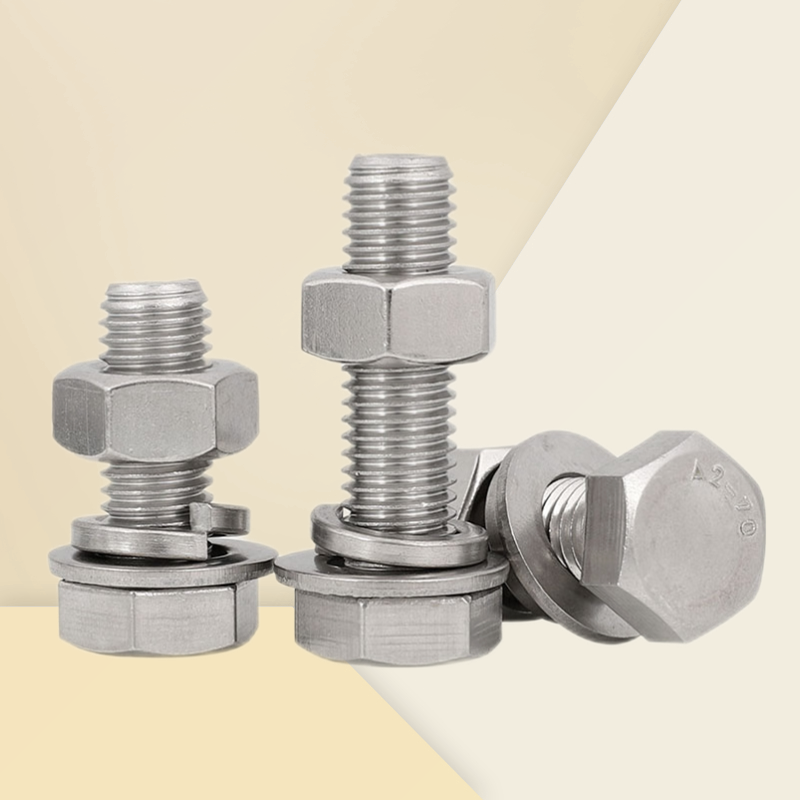
Stainless-steel fasteners use a separate notation system — A2-70, A4-80, etc. (ISO 3506) — that runs in parallel with the carbon-steel system. Aerospace fasteners typically do not use the above civilian grade designations; instead, material specification and AS9100 certification status serve as the product identifier.
1.2.4 Classification by Degree of Standardization
This dimension directly determines manufacturing barriers, customer customization requirements, and profit potential:
Standard fasteners refer to fasteners that fully comply with domestic and international specifications such as GB/T, ISO, and DIN — with highly uniform dimensions, fully interchangeable. Their advantages are high-volume production efficiency, convenient inventory management, and straightforward competitive sourcing; their disadvantage is extreme homogeneity, a crowded competitive field, and severely compressed margins. China's representative standard-fastener industrial belts — Hebei Yongnian, Zhejiang Haiyan, and Wenzhou Longwan — have historically operated primarily in standard fasteners: high volume, thin margins.
Non-standard custom fasteners are produced to customer drawings or specific service conditions and include flanged bolts, special-geometry studs, non-standard-head screws, and aerospace locking pins. Custom parts typically require proprietary tooling and specialized processes; unit prices are substantially higher than standard equivalents, and suppliers often develop long-term, sticky relationships with specific customers, yielding stronger customer retention and higher gross margins. Large-format or specialty fasteners in wind power, aerospace, and high-speed-rail sectors are almost exclusively custom or special types.
The industry also recognizes fastener sub-assemblies and connection sets as a distinct dimension — for example, high-strength bolt connection sets (bolt + nut + washer kits) are treated as independent products in structural steelwork, priced and certified as complete sets.
1.3 The Core Manufacturing Process: Cold Heading
Understanding the fastener supply chain begins with understanding its primary process. The vast majority of fasteners are formed by cold heading (cold forging): wire rod coil is struck at high speed at room temperature to plastically deform into bolt-head, stud, and other shapes in one or multiple die stages; threads are then formed by thread rolling; and the blank fastener is complete.
Compared with machining, cold heading's key advantages are: extremely high material utilization (scrap rate typically below 3%), very high throughput (a high-speed multi-station cold-heading machine can produce several hundred pieces per minute), and an intact metal-fiber flow line in the formed part, yielding superior mechanical properties compared with machined equivalents. For these reasons, the process chain of cold heading — thread rolling — heat treatment — surface finishing is the manufacturing pathway for more than 95% of the world's bolts, nuts, and screws.
The complete process flow is approximately: wire rod drawing to reduced diameter — spheroidizing or solution annealing — phosphate-soap lubrication — multi-station cold heading — thread rolling — heat treatment (quench-and-temper or annealing) — surface finishing (zinc electroplating, Dacromet, chromium-free zinc-aluminum coating, blackening, etc.) — inspection and warehousing. The heat-treatment stage determines the final strength grade; the surface-finishing stage determines corrosion protection; both are critical process steps governing fastener reliability.
Rivets generally do not require thread rolling, while pins typically involve precision turning or grinding. Aerospace-grade titanium-alloy fasteners, due to their material properties, present greater cold-heading difficulty and usually require supplementary hot forging or machining, with longer process sequences and higher costs.
1.4 Full Supply-Chain Overview: Upstream — Midstream — Downstream
The structure of the fastener supply chain is straightforward, but the technical barriers and competitive dynamics at each node are markedly different.
1.4.1 Upstream: Raw Materials and Equipment
The upstream consists of two categories of suppliers — raw materials and process equipment — which together determine the cost structure and capability ceiling of midstream manufacturing.
On the materials side, steel is the overwhelmingly dominant input. Industry composite data show that steel accounts for 60%-70% of production costs for ordinary fasteners — the single largest cost item by a wide margin. In detail: low-strength standard parts (grade 4.8) use carbon-steel high-speed wire rod (wire coil), priced in line with bulk steel commodity cycles; medium-to-high-strength bolts (grades 8.8 to 10.9) use cold-heading steel to the GB/T 6478 standard, supplied domestically by Baosteel, Xingcheng Special Steel (Jiangyin), and companies under CITIC Special Steel, with overall domestic availability; grade-12.9 ultra-high-strength bolts require quenched-and-tempered cold-heading steel that still partly depends on imports from Japan's Kobe Steel, Nippon Steel, and South Korea's POSCO, although domestic producers such as Xingtai Steel have developed Cr-Mo-V domestic substitutes, with batch-to-batch consistency in the highest grades remaining the constraint on full-volume production.
Stainless-steel fasteners have their own independent raw-material system: 304 (austenitic A2) wire rod is approximately RMB 14,700/tonne; 316L (A4, molybdenum-bearing) is approximately RMB 28,000/tonne, commanding a significant premium for its superior corrosion resistance. Titanium-alloy raw material (primarily Ti-6Al-4V; Ti45Nb for specialty fasteners) is an entirely different market — costs far exceed steel. Baoti Group is the domestic titanium-material leader; Western Superconducting possesses mass-production capability for Ti45Nb wire, but domestic self-sufficiency in aviation-grade premium titanium remains a weak link in the supply chain.
On the equipment side, the cold-heading machine is the core production asset for midstream manufacturing; its precision and speed directly determine fastener dimensional accuracy and production efficiency. In the domestic cold-heading machine market, Sijin Intelligent (003025.SZ) is the domestic leader; its market share in multi-station cold-forming equipment has risen from approximately 35% in 2018 to approximately 65% in 2025, reflecting significant acceleration in domestic substitution. However, for the most demanding precision applications — new-energy vehicle engine bolts and aerospace fasteners — Germany's SACMA and NEDSCHROEF, as well as Japan's NAKASHIMADA, retain certain advantages. Thread-rolling machines, heat-treatment furnaces, and surface-treatment lines (electroplating or Dacromet coating lines) constitute the other key equipment in addition to cold-heading machines; their domestic-content ratios are generally higher than that of cold-heading machines.
1.4.2 Midstream: Fastener Manufacturing
Midstream is the core manufacturing node of the supply chain and also its most fiercely contested, most fragmented segment. China has a vast number of fastener manufacturers — approximately 21,000 related enterprises by business-registration count, and more than 10,000 active production enterprises, the overwhelming majority being small and medium-sized private businesses.
In terms of product tier, midstream enterprises fall into roughly three echelons: first, mass-production standard-part manufacturers concentrated in traditional industrial belts such as Yongnian, Haiyan, and Wenzhou, competing on volume to spread costs, with extremely thin gross margins; second, medium-scale specialty manufacturers focused on specific segments (automotive, wind power, high-speed rail), typically protected by certification-system barriers and customer stickiness, with substantially better profitability than pure standard-part producers; third, a small number of high-end manufacturing leaders in aerospace, nuclear power, and other sectors, possessing integrated barriers in materials, process, and certification — exceedingly few in number.
The core midstream processes are as described above: cold heading is the backbone, heat treatment is the key to achieving strength grades, and surface finishing ensures corrosion life. In recent years, tightening EU ELV directives and Chinese environmental regulations have accelerated the shift in surface-finishing technology from hexavalent chromium electroplating (traditional Dacromet) to chromium-free zinc-aluminum coatings, a transition that is creating meaningful compliance-cost pressure on smaller manufacturers.
1.4.3 Downstream: Seven Application Sectors
Fasteners serve virtually every manufacturing segment downstream, but demand volumes, product specifications, and technical barriers vary enormously across sectors. In China's domestic market (sales volume basis, per industry data), automotive is the single largest downstream segment at approximately 58% — far above the global average of approximately 30% — directly corresponding to China's status as the world's largest vehicle producer. Power and wind energy rank second at approximately 20%; construction (structural steelwork) approximately 15%; construction machinery approximately 7%; with aerospace, home appliances and 3C electronics, and other industrial equipment sharing the remainder.
Brief description of the seven downstream sectors:
- Automotive and new-energy vehicles: approximately five thousand fasteners per vehicle, weighing approximately fifty kilograms. New-energy vehicles' battery-pack structural components generate incremental demand and simultaneously drive adoption of high-strength aluminum-alloy and magnesium-alloy fasteners. IATF 16949 certification is a mandatory barrier to supplier qualification.
- Wind power: grade 10.9 / 12.9 high-strength bolts are central; the up-scaling trend (single-unit capacity advancing from 3 MW toward 15 MW and above) continuously increases per-turbine value content. Offshore wind power imposes more stringent corrosion-resistance requirements; DNV GL certification is a prerequisite for offshore supply. Domestic localization is already relatively high.
- High-speed rail and rail transit: elastic rail clip fastening systems (WJ series) and vehicle high-strength bolts are the core products; CRCC railway product certification is a mandatory entry requirement. The market is steadily growing: as of 2024, China's high-speed rail network reached 48,000 route-kilometers — the world's largest.
- Construction machinery: predominantly grade 8.8 and above high-strength bolts; demanding operating conditions impose higher anti-loosening and corrosion-resistance requirements. Domestic leaders Sany, Zoomlion, and XCMG drive domestic demand; overseas expansion generates external demand.
- Structural steelwork (construction): primary products are large-hex high-strength bolts (GB/T 1228) and torsion-shear high-strength bolts (GB/T 3632), mainly at grade 10.9S. Technical barriers are lower than in automotive and wind power; competition is relatively intense.
- Aerospace: the segment with the highest technical barriers and the lowest degree of domestic localization across all subsectors. Titanium-alloy rivets and studs, and superalloy studs, are typical products. The C919 single-aircraft requirement exceeds two hundred thousand titanium-alloy fasteners, still largely sourced by import at the current stage. AS9100 certification and QPL (Qualified Products List) approval represent dual entry barriers.
- Home appliances and 3C electronics: self-tapping screws and precision micro-screws (M1.0-M3.0) are the primary products; the lowest technical barriers, the fiercest price competition, high volume at minimal unit price, sustained solely by economies of scale.
The seven downstream sectors display a clear gradient in technical requirements, certification barriers, and profit potential: aerospace at the top, automotive next, wind power and high-speed rail close behind, construction machinery and structural steelwork in the middle, home appliances and 3C electronics at the bottom. This gradient defines the fundamental logic of the fastener industry's structural stratification — and China's production and exports remain, to this day, heavily concentrated in the middle-to-lower tiers of that gradient.
1.5 The Strategic Significance of Fasteners in Manufacturing
The inclusion of fasteners in the national "Industrial Strengthening Foundation" core categories is not an arbitrary policy gesture — it has its own industrial logic.
First, fasteners are a weakness amplifier for overall equipment reliability. A single bolt failure can be the direct cause of a major equipment accident; China's high-end manufacturing has repeatedly encountered supply-stability and batch-consistency problems with imported fasteners over the past decade. Second, the premiumization path for fasteners is highly congruent with the direction of China's manufacturing upgrade: moving from low-strength standard parts to grade-12.9 quenched-and-tempered bolts, from carbon steel to titanium alloy, from domestic certification to AS9100 / IATF 16949 — each step requires coordinated breakthroughs in materials, process, and testing. Third, China's current export structure — stainless-steel fastener export average price approximately USD 2,364 per tonne in 2023 vs. import average price approximately USD 20,344 per tonne, with imports running eight to nine times the export price — compresses the industry's structural contradictions into a single number that speaks for itself.
It is precisely this gap between import and export unit prices that gives the "rice of industry" label a deeper meaning: fasteners are not merely foundational components for industrial assembly, but a genuine litmus test for whether China's manufacturing sector can complete its leap toward the high end. Subsequent chapters will unfold the market size, competitive landscape, supply-chain analysis, and technological evolution path behind this gap, providing the Institute's comprehensive judgment on this industry across both data and analytical dimensions.
Chapter 2 Global Fastener Industry: Current Status and Competitive Landscape
2.1 Global Market Size: The "Industrial Foundation" USD 100-Billion Market
The global industrial fastener market has maintained moderate but steady growth over the past decade. As of 2024/2025, leading research institutions' estimates converge in a range of approximately USD 92-104 billion; discrepancies mainly reflect differing treatments of plastic fasteners, specialty fasteners, and distribution-channel revenue. Using a cross-institutional composite, the 2024-2025 global industrial fastener market is on the order of USD 100 billion; mainstream projections put it at USD 113-131 billion by 2030/2031, corresponding to a CAGR of approximately 4%-5%.
This growth rate broadly aligns with the overall expansion pace of global manufacturing — slightly above GDP growth — driven by two forces: first, volume expansion fueled by continuing industrialization and infrastructure investment in the Asia-Pacific region; second, structural demand from aviation recovery, new-energy vehicle penetration, and accelerating wind-power installation, pulling high-end categories toward faster growth. The combined effect of these forces means that even as the global fastener market expands at a moderate overall pace, internal segment differentiation is becoming increasingly pronounced.
The aerospace fastener sub-market is the fastest-growing segment. According to 2025 research data, the global aerospace fastener market was approximately USD 4 billion in 2024 and is expected to reach USD 6.2 billion by 2031, a CAGR of approximately 6% — markedly above the overall market. The high-speed growth of aerospace fasteners has a structural foundation: Boeing and Airbus backlogs have been continuously released post-pandemic, wide-body aircraft deliveries are recovering, and single-aircraft fastener quantities range from thousands to hundreds of thousands of pieces, with the value content of titanium-alloy and superalloy fasteners per large commercial aircraft far exceeding that of ordinary industrial products. Meanwhile, North America holds approximately 35% of the global aerospace fastener market, and the United States and France together hold a dual dominance — both technological and supply-chain — in the high-end aerospace fastener space.
By product structure, metal fasteners account for approximately 91% of the global industrial fastener market; plastic fasteners approximately 9%. Within metal fasteners, ordinary carbon-steel bolts and nuts dominate by volume but face the most intense competition, while high-strength steel, titanium alloy, superalloy, and other specialty-material fasteners — though smaller in market share — contribute the bulk of profits and represent the core arena of manufacturing competitiveness among nations.
2.2 Regional Landscape: Asia-Pacific Leads; Europe and North America Hold the High End
The global fastener market's regional distribution is highly uneven. Asia-Pacific holds the largest regional share at approximately 45%; its 2024 market size was approximately USD 44 billion, projected to grow to nearly USD 58 billion by 2030, implying a regional CAGR of approximately 6%-7% — significantly above the global average. The fundamental driver of Asia-Pacific's lead is China's enormous manufacturing base, combined with the continuing expansion of manufacturing in India, Vietnam, and Southeast Asia. India accounts for approximately 18% within Asia-Pacific and Japan approximately 12%, representing a fast-growing emerging market and a high-precision mature market, respectively.
The European market was approximately USD 12.4 billion in 2024, with Germany and Italy as the twin engines. Germany accounts for approximately 32% of the European market — the largest single national fastener market — underpinned by its automotive industry (Volkswagen, BMW, and Mercedes-Benz ecosystems) and mechanical engineering sector; Germany is also one of the world's most important manufacturing bases for high-strength automotive bolts. Italy accounts for approximately 14% of the European market, centered on the Bologna-Brescia industrial belt, which hosts prominent European large-nut and bolt manufacturers such as Fontana Gruppo. At the EU level, the fastener industry generates approximately EUR 3.2 billion in annual output value, with highly specialized supply-chain division of labor; design and quality-certification systems constitute implicit barriers to imports.
North America's core competitive advantage lies in aerospace and defense fasteners. The United States is home to the world's leading aerospace fastener manufacturers, and through the AS9100 certification system, military specifications (MIL-SPEC), and government procurement barriers, has kept the high-end aerospace supply chain firmly enclosed within the North American ecosystem. Although comprehensive public data on the North American fastener market size are limited, the aerospace fastener segment alone is sufficient to sustain the global competitive advantage of companies such as Howmet Aerospace and PCC (Precision Castparts Corp.).
Japan occupies a distinctive position in the global fastener landscape: by market size it accounts for approximately 12% of the Asia-Pacific region — far below China — yet by technology density it ranks among the global elite. Japanese automakers have long relied on their domestic fastener supply ecosystem; Aoyama (Aoyama Seisakusho) and similar companies not only serve Japanese OEMs but have extended their production networks to the Czech Republic, Thailand, and Mexico, following OEM globalization with a follow-the-customer fastener supply model. Japan also possesses deep materials and process expertise in ultra-high-strength bolts above grade 12.9; the quality of its cold-heading steel has long served as a global benchmark, with an influence far exceeding its export market share.
Taiwan is an indispensable player in the global fastener export landscape, maintaining a long-standing position as the world's third-largest fastener exporter (mainland China first, Taiwan third). In 2024, Taiwan's fastener exports were approximately 1.2 million tonnes, composed primarily of high-precision, low-defect-rate carbon-steel and stainless-steel standard fasteners destined mainly for European and North American markets. Following the tightening of EU anti-dumping measures against China, some Taiwanese exporters captured diverted orders; however, in recent years, weakening European demand due to the Russia-Ukraine conflict, Taiwan dollar appreciation, and inflationary cost pressures have caused production and sales volumes to decline by approximately 10%-30% in 2024.
2.3 Global Leaders: From Distribution Giants to Aerospace Specialists
The commercial structure of the global fastener industry is not uniformly "manufacturers" — it divides clearly into three tiers: comprehensive distribution platforms, engineering fastener divisions within industrial conglomerates, and vertically focused specialty manufacturers in aerospace and automotive high-strength fasteners. Understanding the business logic of these three tiers is the key to understanding why high-end barriers are so difficult to breach.
Distribution and Engineering Services Tier
Würth is the world's largest distributor of assembly and fastening materials; its 2024 revenue reached EUR 20.2 billion (approximately USD 22 billion), with over 88,000 employees, operations in 80 countries, 400+ group companies, and more than 2,800 sales outlets. Würth's moat is not manufacturing but logistics network and customer stickiness — it delivers tens of thousands of fastener and tool SKUs directly to auto-repair shops, construction sites, and factory floors, and locks in SME customers through VMI (Vendor-Managed Inventory) services; the convenience of C-class parts procurement is itself a barrier. It should be noted that Würth's revenue includes tools, chemicals, storage equipment, and other non-fastener categories; its fastener product revenue is only a portion of total revenue, and its scale more accurately reflects the size of its distribution platform than the competitiveness of fastener manufacturing per se.
Bossard is another Swiss distributor distinguished by its engineering services; its 2024 revenue was CHF 986 million (approximately USD 1.08 billion), with EBIT margins maintained at the high level of 10.2%. Bossard's differentiation lies in "C-part total lifecycle management" — from selection and certification through stocking and assembly optimization, providing system-level solutions to high-end manufacturing customers in aerospace, electronics, and machinery, rather than competing purely on price. Impacted by weak manufacturing demand in 2024 and a strong Swiss franc, its revenue declined 7.7% year-on-year; but the relative stability of margins validates the cyclical resilience of engineering-service premiums.
SFS Group is also a Swiss company; 2024 revenue approximately CHF 3.04 billion (approximately USD 3.3 billion), approximately 13,600 employees — the broadest product line among the three Swiss companies, spanning precision engineering components, fastening systems, and distribution logistics, primarily serving automotive, aerospace, medical, and construction industries. SFS's distinctive positioning combines high-precision manufacturing with rapid-response distribution capability, carving out a unique niche in European high-end markets.
Among industrial conglomerates, Illinois Tool Works (ITW)'s construction products segment (including fasteners) generated 2024 revenue of USD 1.909 billion, primarily providing engineering fastening solutions for wood-frame, concrete, and steel-frame construction; ITW also retains engineering fastener businesses in automotive OEM and other segments, with total group revenue of USD 15.9 billion — fasteners are one component of its diversified industrial platform. Stanley Black & Decker's engineered fastening segment generated approximately USD 2.1 billion in 2024 revenue, with its aerospace direction maintaining positive growth while automotive and industrial directions faced headwinds from weak global demand.
Aerospace Specialty Manufacturing Tier
Aerospace fasteners are the highest-barrier segment in the global fastener industry; manufacturing barriers stem not only from materials and processes but also from lengthy airworthiness certification cycles and customer audit periods.
Howmet Aerospace is one of the world's largest manufacturers of aerospace structural components and fasteners, spun off from Arconic (formerly part of Alcoa). Its 2024 Fastening Systems segment revenue reached USD 1.6 billion, up 17% year-on-year, with EBITDA up 46% — one of the most vivid examples of high industry cyclicality that year, as wide-body aircraft deliveries recovered and narrow-body aircraft production ramped up, making Howmet a direct beneficiary. Howmet's products include titanium-alloy rivets, superalloy bolts, specialty locking nuts, and more, with customers including Boeing, Airbus, and major defense contractors.
PCC (Precision Castparts Corp.) is a non-publicly listed industrial company under Berkshire Hathaway. Its 2024 total group revenue was approximately USD 10.4 billion, up 12% year-on-year, surpassing the pre-pandemic 2019 high, with pre-tax profit of approximately USD 1.9 billion. PCC's Airframe Products division specializes in engineering fasteners, working in synergy with its aerospace engine castings business to form a vertically integrated high-end aerospace components capability spanning castings to fasteners. Since Berkshire does not break out PCC's fastener segment separately, its actual fastener business scale can only be estimated from the consolidated accounts.
LISI is a French publicly listed company and a clear leader in the European aerospace fastener space. Its 2024 total group revenue was EUR 1.794 billion (up 10% year-on-year); within this, the LISI AEROSPACE segment exceeded EUR 1 billion for the first time, reaching EUR 1.03 billion (up 22.8% year-on-year) — with European domestic fastener revenues up 26.9% and North American fastener revenues up 25.5%, both directly benefiting from the production ramp of the Airbus A320 family of narrow-body aircraft. LISI also maintains an automotive segment (LISI AUTOMOTIVE); its 2024 revenue was EUR 580 million (down 5% year-on-year). The cyclical drag from the automotive business contrasts sharply with the aerospace business's explosive growth, reflecting the starkly different cycle positions of the two downstream markets.
Automotive High-Strength Specialty Manufacturing Tier
Aoyama (Aoyama Seisakusho, Tokyo Stock Exchange 7214.T) is one of the world's largest specialized manufacturers of automotive bolts, with annual sales exceeding EUR 1.2 billion per publicly available group data, and production bases in the Czech Republic, Thailand, and Mexico, providing global supply following Japanese OEMs. Aoyama's core competitive strength lies in its deep understanding and long accumulation of the quality standards of Japan's automotive manufacturing system — the precision, batch stability, and co-development depth of its products with OEMs form a difficult-to-displace supply relationship.
KAMAX is a privately held German manufacturer specializing in high-strength automotive bolts, widely regarded as one of the world's largest specialty automotive bolt manufacturers. It primarily supplies Volkswagen, BMW, Daimler, and other European OEMs as well as major global Tier-1 suppliers, with products concentrated in grades 10.9 and 12.9; production bases span Germany, Czech Republic, Mexico, China, and other countries. Financial data are not publicly disclosed. KAMAX's market position is in some ways emblematic of Germany's self-contained high-strength automotive fastener supply chain.
Taiwan's TYCOONS GROUP represents the typical role of Taiwan manufacturing in global fastener trade: primarily large-format carbon-steel and stainless-steel bolts exported in bulk to European and North American construction and industrial markets, occupying a prominent position at the Taiwan International Fastener Show on the strength of tight tolerance control and consistent quality. Taiwan also has companies such as Spring Rain that are competitive in certain export categories, but with limited public scale data, their positioning in the global landscape remains primarily mid-range standard-fastener exports.
2.4 How High-End Barriers Are Formed
The barriers in the global high-end fastener market are the result of multi-layered compounding — not a single technical threshold or a single certification, but a "chain lock" structure formed by four sequential barriers: material, process, certification, and customer relationships. Understanding this mechanism also explains why China, despite leading the world in production volume, has long been in a catch-up position in high-end segments.
For aerospace fasteners, the core barrier begins with materials. Melting, processing, and performance consistency control for titanium alloys (Ti-6Al-4V, Ti45Nb) and superalloys (Inconel 718, A286) require extraordinarily deep materials science and process expertise. Titanium-alloy fastener prices are 50 to 100 times those of ordinary carbon-steel bolts, and that premium derives primarily not from labor cost but from the scarcity of the materials themselves and from process yield management. The second barrier is airworthiness certification — the AS9100 certification system combined with Boeing and Airbus supplier qualification audits can span several years, and customers are extremely cautious about switching suppliers given flight-safety imperatives, creating a strong first-mover stickiness. The dual certification system of the US Federal Aviation Administration (FAA) and the European Union Aviation Safety Agency (EASA) superimposes technical and regulatory barriers, creating substantive market-access thresholds for non-US/European enterprises. The United States and France currently hold the most central supply positions in high-end aerospace fasteners globally; virtually all critical titanium-alloy and superalloy fasteners for major commercial airliners come from the production lines of Howmet, PCC, and LISI.
The barrier structure for high-strength automotive fasteners is somewhat different. IATF 16949 certification is the entry ticket, but the true barriers lie in OEM co-development depth and historical quality records — the consequences of a grade 10.9 and above bolt failure in a critical location such as an engine block, transmission, or chassis suspension are severe, and OEMs face a lengthy re-validation cycle when switching suppliers, making supplier changes in high-strength fasteners extremely infrequent. Japan (exemplified by Aoyama) and Germany (exemplified by KAMAX) have each formed supply ecosystems serving Japanese and German OEMs respectively, maintaining tacit customer-boundary conventions between them that amount to a de facto barrier against new entrants from China and elsewhere.
2.5 Global Trade Dynamics and Anti-Dumping: A Policy Risk That Cannot Be Avoided
China is the world's largest fastener exporter. In 2023, total fastener exports were approximately USD 11.1 billion, of which iron fasteners accounted for USD 9.44 billion — ranking first globally; total export volume approximately 4.98 million tonnes. Major destinations were the United States (USD 1.18 billion), Mexico (USD 548 million), Germany (USD 535 million), Russia (USD 441 million), and Vietnam (USD 425 million). Behind the large export volumes, however, unit values have remained persistently low — the average Chinese fastener export unit price in the first nine months of 2024 was approximately USD 2,000/tonne, down from approximately USD 2,300/tonne in the same period of 2023, while import unit prices (stainless-steel fasteners, for example) were approximately eight to nine times the export price. The simultaneous presence of high-volume, low-value exports and high-end import dependence is the structural pathology of China's fastener foreign trade.
Against this backdrop of large-scale Chinese fastener exports, the EU's anti-dumping measures against China over the past fifteen years constitute one of the most far-reaching policy events in global trade, and warrant a complete chronological review.
In 2009, the EU officially imposed provisional anti-dumping duties on Chinese iron and steel fasteners (carbon steel, primarily screws, bolts, nuts, and similar items), with a tariff range of approximately 26.5%-85% (EC Regulation No. 91/2009) — a landmark case in EU-China trade disputes. China immediately requested WTO consultations in July 2009, initiating DS397. In 2011, the WTO Appellate Body ruled that certain EU measures violated WTO rules, principally concerning the criteria for granting "individual treatment" to non-sampled Chinese enterprises; the EU subsequently issued a revised regulation (Regulation 924/2012) in 2012, adjusting certain individual duty rates.
The dispute did not end there, however, and the EU's trade-protective stance on Chinese carbon-steel fasteners effectively continued. On February 17, 2022, the European Commission issued a new definitive anti-dumping duty order, with rates of 22.1%-86.5%: the three sampled enterprises received rates of 22.1%-48.8%; cooperating but non-sampled enterprises received 39.6%; all other Chinese enterprises received the maximum rate of 86.5%. This order targets carbon-steel (non-stainless-steel) fasteners — covering essentially the same product scope as the 2009 measures — reflecting the EU's systemic concern about the impact of low-price Chinese carbon-steel fasteners on its domestic industry. The regulation was confirmed as still in effect as of September 2024.
China's countermeasures followed promptly: from June 29, 2022, China imposed retaliatory anti-dumping duties on carbon-steel fasteners from the EU and the UK, effective for five years — forming a symmetric trade dispute. The superposition of the two sets of countermeasures has brought EU-China carbon-steel fastener trade into a highly uncertain new normal — European buyers face higher import costs, and some orders have shifted to alternative supply sources such as Taiwan and Vietnam; Chinese exporters face pressure from both sides, with high-tariff enterprises effectively marginalized from the EU market.
It is worth noting that the EU's anti-dumping action covers only carbon-steel fasteners; stainless-steel fasteners are subject to a separate WTO dispute (DS601) and must not be conflated.
In other major markets, Chinese fastener exports also face a gradually tightening trade environment. The United States has imposed additional Section 301 tariffs of 7.5% on certain Chinese stainless-steel 316 bolts and other categories, and in 2023 launched anti-circumvention investigations on certain alloy steel threaded rod categories; Canada also reopened its normal-value review of Chinese carbon-steel fasteners the same year. India initiated an anti-dumping investigation on Chinese fasteners in 2023, but terminated it in 2025 without a final determination.
From a macro perspective, the global rise of fastener trade protectionism is part of a broader systemic response to China's overall manufacturing export competitiveness, following the same logic as trade disputes in steel, photovoltaics, batteries, and other sectors. For Chinese fastener exporters, the EU's high-tariff barriers have significantly narrowed the export space for low-price standard fasteners; relocating production to Southeast Asia or upgrading to higher-value-added categories is becoming the common response strategy of leading exporters. This transformation pressure has objectively accelerated the accumulation of external momentum for structural adjustment in China's fastener industry, though in the short term, tariff avoidance and maintaining export volume remain the mainstream approaches.
The basic structure of the global fastener landscape is thus clear: Asia-Pacific (centered on China) dominates production and standard-fastener trade; Europe, North America, and Japan guard the high-end technology segments; trade barriers further entrench this division of labor at the regulatory level. This is the external reference point for the discussion of China's domestic competitive landscape and domestic-substitution pathways in Chapter VI, and the structural constraint that must be squarely confronted in Chapter VIII's analysis of breakthrough pathways in high-end segments.
Chapter 3 PEST Analysis of China's Fastener Industry Environment
Understanding the current state and trajectory of China's fastener industry requires a systematic examination of its external operating environment. Policy orientation, economic conditions, social cost pressures, and technological change — four dimensions together shape the fundamental conditions of this industry in the current phase.
3.1 Policy Environment (Political): From General Support to Scenario-Specific Targeting
3.1.1 Industrial Strengthening Foundation: From "Having It" to "Getting It Right"
The history of the fastener industry receiving national policy support traces back to the 2016 Implementation Guidelines for the Industrial Strengthening Foundation Program (2016-2020), jointly issued by the Ministry of Industry and Information Technology and seven other ministries. At that time, high-strength fasteners were listed alongside high-end bearings and precision gears as priority breakthrough directions for general-purpose basic mechanical parts — as representative members of the "four foundations" (core basic components and elements, key basic materials, advanced basic processes, and the industrial technology base). The policy logic of this period was primarily about addressing the "having it" question: China's long-term dependence on imported high-strength fasteners made it a policy priority to accelerate gap-filling through project-directed support.
By 2023, the policy emphasis had visibly shifted. In June of that year, MIIT and four other ministries jointly issued the Implementation Opinion on Improving Manufacturing Industry Reliability (MIIT Joint Science [2023] No. 77), which listed high-strength fasteners alongside high-end bearings, precision gears, and high-performance seals, explicitly calling for continued improvement in the reliability of general-purpose basic components. Policy language shifted from "gap-filling" to "doing it well" — quality stability and batch-to-batch consistency became higher-priority targets. This closely matches industry reality: there is no shortage of enterprises capable of manufacturing high-strength fasteners in China, but their products have lagged international advanced levels in batch stability and service-life consistency; in some fields, achieving specified grades domestically is not sufficient to satisfy the procurement requirements of high-reliability scenarios such as aerospace and nuclear power.
3.1.2 The 2024 Industrial Directory: Policy Support Moves from General to Scenario-Specific
The highest-granularity expression of targeted policy support came with the Industrial Structure Adjustment Guidance Catalogue (2024 Edition) (NDRC Order No. 7), effective February 1, 2024. This catalogue explicitly lists the following categories as "encouraged":
- Aerospace titanium-alloy fasteners
- Anti-loosening fasteners for high-speed rail
- Automotive engine fasteners
- High-temperature, high-stress fasteners for nuclear power and heavy-duty gas turbines
- Large-format corrosion-resistant fasteners for offshore wind power
This was the first time that policy encouragement clauses for fasteners were specified at the level of particular application scenarios and material specifications, rather than the generic "high-strength fasteners" or "high-end basic parts" language used previously. This shift means that the targets of policy support are increasingly well-defined: not the entire fastener industry, but product categories in high-end application scenarios that have not yet achieved domestic substitution or whose reliability is still being built. Low-end standard-part capacity is clearly in oversupply; the direction of policy-resource allocation is unambiguous.
Multiple provinces also followed suit during the 14th Five-Year Plan period: Jilin, Shandong, Zhejiang, Hunan, and others explicitly planned high-end fastener industry clusters in scenarios such as wind power, new-energy vehicles, nuclear power, and aerospace, creating coordination between local policies and the national catalogue.
3.1.3 Specialization Champions and First-Article Policies: Two Policy Tools for Enterprises
Beyond industrial policy orientation, the "Specialized, Refined, Distinctive, and Innovative (SRDI) 'Little Giant'" designation, administered to SMEs, has become an important channel for segment-leading fastener enterprises to obtain official recognition. As of 2024, MIIT had completed six batches of designations totaling approximately 14,700 companies. Within the fastener industry, Chaojie (301005), focused on automotive aluminum-alloy fasteners, and Feiwo (301232), specialized in wind-blade embedded screw sleeves, both entered the designation sequence through deep cultivation of their respective segments.
The "First-Article Major Technical Equipment" policy acts on the industry more indirectly: high-end fasteners are critical matched components of major equipment such as wind turbines, nuclear-power equipment, and aircraft engines; the batch procurement triggered by the demonstration and promotion of major equipment objectively creates real-world opportunities for fastener domestic-substitution programs. The 2024 First-Article catalogue did not list fasteners separately, but the linkage effects are real — the deployment of a first-article major piece of equipment means its matched fasteners must simultaneously pass certification verification.
3.1.4 Export Trade Environment: EU Anti-Dumping Is the Biggest External Constraint
While domestic policy is broadly supportive of premiumization, the international trade environment exerts significant downward pressure on Chinese fastener exports. The EU's anti-dumping case on Chinese carbon-steel fasteners is the most important external risk event for the industry: in February 2022, the Commission completed a new round of final determinations, imposing anti-dumping duties of 22.1%-86.5% on Chinese producers (22.1%-48.8% for cooperating sampled enterprises; 86.5% for non-cooperating enterprises). The United States employs Section 301 tariffs as its primary tool, imposing additional tariffs on relevant Chinese fastener products. India's 2023 investigation was terminated in 2025 on grounds of insufficient evidence, with no substantive impact on Chinese exports for now.
Overall, export-side trade friction has not halted China's global fastener momentum, but has profoundly changed the export mix: on one hand, pushing certain enterprises toward markets not yet subject to high barriers — Southeast Asia, the Middle East, South America; on the other hand, accelerating overseas manufacturing investment by better-resourced enterprises to circumvent tariff origin rules. The net industry effect is volume growth with price decline — export unit prices continue under pressure.
3.2 Economic Environment (Economic): Divergent Downstream Conditions and Their Transmission
Fasteners are a classic derived-demand industry, with market conditions highly dependent on the health of downstream sectors. Understanding the current economic environment requires examining the trajectories of several major downstream segments separately.
3.2.1 Automotive: Largest in Absolute Volume; New Energy Adds Structural Pull
Automotive is China's single largest downstream fastener sector; according to Zhiyan Consulting data, its sales-volume share is approximately 58%, with some sources showing it has exceeded 65% — the difference reflects whether or not export volumes are included in the statistical scope. China has maintained its position as the world's largest vehicle producer for many consecutive years, a base that constitutes a persistent demand floor.
New-energy vehicle (NEV) growth adds structural pull on top of this base. NEV passenger-car sales reached 9.495 million units in 2023 (up 37.9% year-on-year) and further surpassed 12.86 million units in 2024. Battery electric vehicles use significantly more aluminum alloy than traditional internal-combustion vehicles due to battery-pack structural components and lightweighting requirements, driving incremental demand for aluminum-alloy fasteners and high-strength specialty parts. EV-dedicated fasteners already account for approximately 32% of global specialty fastener applications (2024), a share that continues to rise. Increasing quality requirements from NEV OEMs are also pushing fastener suppliers to accelerate IATF 16949 certification — effectively raising barriers.
3.2.2 Wind Power: Policy-Driven Installation Growth; Fasteners Benefit on Both Volume and Price
Wind power is another high-momentum downstream segment for fasteners. Nationwide new wind-power capacity additions were approximately 75.9 GW in 2023 — China contributing more than 50% of global additions — with cumulative installed capacity exceeding 520 GW by 2024. Offshore wind power is accelerating, with single-unit capacity continuing to advance toward 15 MW and above; the up-scaling trend has a direct quantified effect on per-turbine fastener value content. Taking a 10 MW offshore wind turbine as an example, a single turbine requires approximately 200+ sets of M64x4 high-strength bolts for just the key connection points, at approximately RMB 35,000 per set — bolt value at this one location alone amounts to approximately RMB 7 million. Larger units mean larger fastener specifications, higher material grades, and stricter certification requirements — the volume-and-price-upside logic is fairly clear.
China's wind-power fastener market was approximately RMB 2.961 billion in 2024 (domestic basis), with the global wind-power fastener market CAGR approximately 8.4%; China accounts for approximately 58% of the global total and is one of the fastest-growing major downstream sub-markets.
3.2.3 High-Speed Rail Infrastructure: Steady Growth; Rail-Fastening Segment Relatively Mature
Fixed-asset investment in high-speed rail has remained at high levels; 2024 national railway investment was approximately RMB 850.6 billion (up 11.3% year-on-year), with the high-speed rail network reaching 48,000 route-kilometers — the world's largest. Rail fastening systems, as the core specialty fastener category, benefit from the steady release of both new-line commissioning and maintenance demand for existing lines. The high-speed-rail fastening system market CAGR is approximately 16%, with the market expected to exceed RMB 30 billion by 2030.
Unlike automotive and wind power, high-speed-rail fastening system market barriers derive primarily from CRCC certification (China Railway Product Certification), entry thresholds are extremely high, and the competitive structure is relatively stable, with the top five enterprises accounting for more than 77% of combined market share. This sub-market is comparatively insulated from macroeconomic cyclicality, but is directly affected by annual railway investment budgets.
3.2.4 Construction Machinery and Export Environment: Phased Divergence
Construction machinery is China's fourth-largest fastener downstream at approximately 6.56% share, generally tracking the cyclical conditions of the construction machinery sector. In 2023-2024, the domestic construction machinery market remained in an adjustment phase, but overseas export performance was strong, with Chinese construction machinery companies' global market share continuing to rise, driving associated exports of higher-end fasteners (grade 8.8 and above).
On the export side, total Chinese fastener export value in the first three quarters of 2024 was USD 8.32 billion, a slight decline of 1.8% year-on-year from the same period of 2023; however, export volume of 4.222 million tonnes was up 14.2% year-on-year, with average prices down approximately 14% — a classic volume-up, price-down pattern. The underlying factors include both the pass-through of declining domestic steel costs and the structural pricing pressure from EU anti-dumping duties, as well as the reality that Chinese fastener products remain concentrated in the low-to-mid-end range.
3.3 Social Environment (Social): Rising Costs, Environmental Pressure, and Talent Shortages
3.3.1 Labor Costs: Sustained Pressure on Small and Medium-Sized Manufacturers
The core of China's fastener industry is a large number of small and medium-sized private factories, whose cost structures assign approximately 60%-70% to raw materials, with labor and manufacturing overhead constituting the other major block. Over the past decade, manufacturing labor costs have risen continuously; the drawing, cold-heading, heat-treatment, and surface-finishing operations involved in fastener production still rely primarily on skilled workers, and the pace of automation substitution varies considerably by factory size. For smaller manufacturers sustaining cash flow through bulk production of low-end standard parts, the widening scissors between rising labor costs and product prices constrained by internal competition is continuously squeezing margins.
This pressure is objectively accelerating bifurcation within the industry: enterprises with capital and technical capability are choosing automation and premiumization; the large number of smaller firms with limited resources are instead struggling with labor recruitment, retention, and thin margins. Aging of the production workforce is a widespread phenomenon, and channels for replenishing skilled workers are increasingly constrained.
3.3.2 Technical Workers: Structural Shortage of Skilled Industrial Labor
Fastener manufacturing has clear skill requirements for workers. Die setup for cold-heading processes, heat-treatment parameter control, and surface-treatment bath maintenance all depend on experienced production workers. The misalignment between vocational and technical schools' enrollment and training in precision manufacturing and the industry's actual needs is a problem faced by manufacturing broadly, and the fastener industry is no exception. Some SRDI enterprises have begun co-establishing targeted training programs with local colleges, but from the perspective of improving the aggregate supply, the cycle remains long.
3.3.3 Electroplating Compliance: Social Environmental Pressure Drives Surface-Treatment Transition
Environmental regulation's impact on the fastener industry is concentrated in the surface-finishing process. Hexavalent chromium electroplating has been the mainstream surface-treatment process for traditional fasteners, but hexavalent chromium is highly toxic and strongly carcinogenic, with stringent wastewater treatment requirements; multiple rounds of enforcement campaigns have resulted in the closure of large numbers of non-compliant small and medium-sized electroplating facilities.
This tightening has had two-sided effects on the industry: in the short term, contraction of electroplating capacity has driven up per-unit surface-treatment costs and increased the difficulty of sourcing for small fastener manufacturers; over the medium-to-long term, this pressure has accelerated the adoption of green substitute processes — Dacromet (electroless zinc-aluminum coating), trivalent chromium plating, and geometric phosphate coating. In 2023, the Ministry of Ecology and Environment issued HJ 1306-2023 Guidelines for Pollution Prevention and Control Technologies in the Electroplating Industry; in the same year, the updated GB/T 18684-2023 Technical Specifications for Zinc-Aluminum Coatings was released, providing a national standards basis for the proliferation of Dacromet and other substitute processes.
The EU's RoHS Directive and REACH Regulation have further reinforced the imperative for export-oriented enterprises to upgrade to chromium-free coatings — hexavalent-chromium-treated parts cannot enter the EU market under any circumstances. Rising social environmental awareness and stronger regulatory enforcement have transformed surface-treatment greening from a "future direction" into an "immediate mandatory answer."
3.4 Technological Environment (Technological): Directions Clear; Capabilities Diverging
A detailed treatment of the technology dimension is reserved for Chapter IX; this chapter merely identifies several evolution directions that have already achieved industry consensus from an external-environment perspective — directions that form the basic framework for enterprises to prioritize technology investment.
High-strength advancement is the clearest overall trend. In the wind power sector, grade 8.8 has already evolved to grade 10.9 as the standard; grade-12.9 applications continue to expand. Domestic substitution of high-strength fasteners above 800 MPa remains inadequate — products in this range are still approximately 62% imported — making this one of the most concentrated areas of technical effort. A co-occurring challenge of high-strength advancement is the elevated risk of hydrogen embrittlement: hydrogen-embrittlement sensitivity increases significantly with strength grade, and related mitigation technology is one of the core barriers to mass-producing high-strength fasteners.
The lightweighting direction is jointly driven by aerospace and new-energy vehicle downstream demand. As C919 enters batch-delivery phase, each aircraft requires more than two hundred thousand titanium-alloy fasteners, driving domestic demand for aerospace-grade Ti-6Al-4V fasteners; the trend toward aluminum-alloy body structures in new-energy vehicles is generating scaled demand for aluminum-alloy connectors and specialty fasteners. Lightweighting fasteners generally have higher requirements for material purity, machining precision, and fatigue performance than equivalent carbon-steel items.
On automation and intelligent manufacturing, leading enterprises already have relatively clear practical pathways: machine-vision sorting replacing manual sampling inspection, intelligent torque control replacing manual tightening, and pilot "lights-out" factory trials. The pace of progress in this direction is highly correlated with enterprise scale — the automation upgrade progress of the large number of small and medium-sized factories within industrial belts lags markedly, creating a capability divergence.
Surface-treatment greening has already transitioned from a policy-compliance requirement to a market-access prerequisite. The Dacromet-replacing-electroplating trend described above is both an environmental-compliance imperative and a necessary condition for export certification; the technical pathways are fairly well established, and the challenge lies in smaller enterprises' capital resources and process-conversion capability.
These four directions are not isolated — in high-end application scenarios they intersect: aerospace titanium-alloy fasteners simultaneously require lightweight materials, high-strength processing control, chromium-free surface finishing, and precision automated inspection. Achieving any single dimension individually is not easy; meeting all simultaneously is the true threshold separating high-end production capacity from ordinary production capacity.
3.5 Summary: The Dual Pressure of Policy Orientation and Real-World Constraints
Taken across the four PEST dimensions, the external environment of China's fastener industry exhibits clear structural characteristics: policy signals unambiguously point toward premiumization and domestic substitution in specific scenarios; overall downstream economic conditions are positive, with NEV growth in automotive, accelerating wind-power installation, and continued high-speed-rail investment forming a stable demand-side support; at the social level, rising labor costs and tightening environmental regulation are eliminating small manufacturers with lagging capabilities and driving technological upgrading; technological evolution directions have achieved industry consensus, but execution capabilities vary enormously across enterprises.
The net effect of these four forces is an acceleration of industry bifurcation: the small number of enterprises with high-end product capability and financial strength will benefit from policy tailwinds and favorable demand conditions; the large number of small factories entrenched in low-end standard parts face an increasingly severe survival challenge under the multiple pressures of cost compression, price competition, and environmental enforcement. China's fastener industry is at a critical window for the transition from "accumulating scale" to "breaking through on quality"; the combined thrust of the external environment represents both pressure and direction.
Chapter 4 China's Fastener Market Size and Operating Conditions
If this report's data were ranked by solidity, this chapter would be the most rock-solid. The first three chapters addressed global landscape, policy environment, and supply-chain structure in terms of "what it should be." This chapter answers a more straightforward question: how large is China's fastener industry, and how is it performing? The gap between scale and value first becomes fully visible in the figures of this chapter.
4.1 Output Value and Production Volume: A Hundred-Billion-RMB Industry; the World's Largest Producer
Start with the aggregate. According to Qianzhan Industry Research Institute, China's fastener market scale (consumption-side basis) was approximately RMB 147.5-151.3 billion in 2023; different statistical methodologies yield a range of RMB 140-160 billion. GResearch Consulting separately puts the 2024 Chinese industrial fastener market at approximately RMB 138.8 billion, with the primary difference reflecting the boundary between "industrial use" and "all-inclusive." Looking ahead: approximately RMB 159.3 billion in 2024, approximately RMB 167.5 billion in 2025, with the long-term potential to exceed RMB 180 billion. This is a mature market of steady incremental growth — a CAGR of roughly 5% — with no story of explosive growth, but also no large cyclical swings.
A definitional red line must be drawn here: the "hundred-billion-RMB" figure refers to China's domestic output value, which is entirely different from the "approximately USD 100 billion" global industrial fastener market figure — the two are separated by nearly seven times the exchange-rate factor, and must not be conflated. All subsequent references to "market size" refer specifically to China's domestic output-value/consumption-basis figures, denominated in RMB.
On production volume: per Qianzhan Industry Research Institute projections, Chinese fastener output was approximately 8.76 million tonnes in 2021, approximately 9.29 million tonnes in 2022, and approximately 9.78 million tonnes in 2023. It should be noted that the 9.78 million tonne figure for 2023 is a research-institution projection, pending official verification from the China Machinery General Parts Industry Association's fastener branch and comparable primary sources; this report uses the phrasing "approximately 9.78 million tonnes (institutional projection)" and does not assert it as a definitive figure. Even on a conservative reading of the lower bound of projections, China producing nearly ten million tonnes of fasteners per year, firmly maintaining its position as the world's largest fastener producer, is beyond dispute.
Putting output value and production volume together in a rough calculation yields a more revealing insight than either figure alone. Approximately RMB 150 billion in output value against approximately 9.78 million tonnes of production implies a unit value of only approximately RMB 15,000 per tonne. Compare this with the steel cost of an ordinary bolt, and then with the high-end imported fasteners commanding tens of thousands of US dollars per tonne as discussed later in this report — this "low-unit-value density" arithmetic already foreshadows the overarching character of China's fastener industry: "volume-leading, value-lagging."
China's share of the global market needs to be stated in terms of the relevant measure. Per Qianzhan, Asia-Pacific accounted for approximately 44% of the global fastener market in 2023 and China approximately 47% of Asia-Pacific — multiplied together, China's share of the global market is approximately 20% on a consumption-value basis. Switching to production-volume and export-volume basis, the share is considerably higher: by weight, China is the world's largest exporter of iron fasteners, claiming a substantial portion of global ferrous-fastener trade. The same "China share" — approximately 20% by value, yet considerably higher by tonnage — is itself a first signal of value underperformance: value per unit is low.
4.2 Imports and Exports: A High-Volume Export Giant with Declining Unit Prices
China's fastener industry is highly externally oriented. Per Qianzhan, China's fastener combined import-export value in 2023 was approximately RMB 84.5 billion and total import-export volume approximately 4.42 million tonnes; imports are far smaller than exports, and the industry as a whole runs a substantial net-export surplus.
The export trajectory deserves a year-by-year reading. Per data from ChinaFastener.com and the Fastener Industry Network, China's fastener exports in 2023 were approximately 4.98 million tonnes, approximately USD 11.1 billion; in 2024, exports jumped to approximately 5.85 million tonnes, approximately USD 11.45 billion — export volume up approximately 17.6% year-on-year, while export value increased only approximately 3.3%. That one-moves-up, the-other-stalls divergence writes "volume up, price down" with unmistakable clarity.
Isolating the average unit price makes the trend even starker. Per Jindi Spider Fastener Network data, China's fastener average export unit price fell from approximately USD 2,700/tonne in 2022, to approximately USD 2,200/tonne in 2023, to approximately USD 2,000/tonne in 2024 — three consecutive years of decline, with the 2024 year-on-year drop approximately 14%. Expressed in a more intuitive unit, the 2023 export average price was barely above USD 2/kg — already at historical lows. The structural reason for the price decline is that the share of higher-value fastener exports to Europe and Midea and other high-value markets has fallen while the share of low-price standard parts has risen, making the overall export basket progressively cheaper.
Where do the exports go? Per the Fastener Industry Network, in the first ten months of 2024, the United States was the largest destination for steel fasteners at approximately 14.3% of the total; Russia second at approximately 5.7%; Vietnam, Germany, and Japan following closely. By region, Asia is the largest export market, followed by Europe and North America. Notably, the United States remains in first place yet with a share that is not particularly high — indicating that Chinese fastener exports are highly dispersed across markets, with no single buyer able to dominate, consistent with the product character of "standard parts, high volume, thin margins."
4.3 The Import-Export Unit-Price Gap: A Core Empirical Window into Industry Structure
If this chapter could leave behind only a single number, it would be this comparison.
Per industry analysis from World Trade Platform data, taking stainless-steel fasteners as the example: in 2023, China's stainless-steel fastener average import unit price was approximately USD 20,344/tonne, while the average export unit price was approximately USD 2,364/tonne — with import unit price approximately eight to nine times the export unit price. Under the same "stainless-steel fasteners" product label, the goods entering and leaving China differ by a full order of magnitude in per-tonne price.
This price differential is not statistical noise; it is an X-ray of China's fastener industry structure. It reveals at least three layers of fact:
- What is being exported. The all-fastener average export unit price of approximately USD 2,000-2,200/tonne corresponds to ordinary bolts, nuts, and self-tapping screws — mass-produced on general-purpose cold-heading machines, mid-to-low strength grade, thin value-add, competing on volume and price. This is China manufacturing's most familiar role in the global fastener landscape: volume first, unit price last.
- What is being imported. Import goods at roughly USD 20,000/tonne correspond to high-end stainless-steel precision fasteners and, at even higher unit prices, aerospace, nuclear-power, and premium automotive specialty parts — special materials, stringent certification, extremely high consistency requirements. These are categories China cannot produce, or can produce but downstream buyers are unwilling to trust for end use, and must therefore purchase. As discussed in Chapters VI and X, the approximately RMB 60-billion high-end fastener market had imports accounting for more than 70% in 2023; for high-strength fasteners above 800 MPa, imports still represented approximately 62%. The high import unit price is the price-level projection of this "high-end dependence."
- The price differential equals the value gap. A ratio of eight to nine times is not a processing-cost difference — it is a "value premium" jointly set by technical capability, brand trust, and certification barriers. What China's fastener exports earn is thin-margin foreign exchange; what it pays for imports is high-priced hard currency. This scissors gap transforms "volume-leading, value-lagging" from a qualitative characterization into a quantifiable fact.
The Institute's assessment is that this import-export unit-price gap is the master key to understanding all of the contradictions in China's fastener industry. It is neither a cyclical fluctuation nor something that will narrow as export volumes double again — quite the contrary: the volume-up, price-down pattern of 2024 means the low end continues to pile on, and the two ends of the price gap are being pulled further apart. Closing this gap will not come from selling a few hundred more million tonnes of standard parts, but from substantive breakthroughs in materials, processes, and certification systems at the high end. This is also the main thread that subsequent chapters of this report return to repeatedly.
4.4 Capacity Utilization and the Business Cycle: The Thin-Margin Norm of a Mature Market
China's fastener downstream is extremely diversified — virtually every manufacturing sector consumes fasteners: automotive, wind power, construction, construction machinery, home appliances, rail transit, without exception. This diversification has a benefit: the industry's overall conditions will not swing as violently as those of a single-downstream-sector industry, and demand has a natural "ballast." But diversification also means the industry's fortunes are tied to the water level of overall manufacturing and infrastructure investment, leaving it without pricing power of its own.
The recent operating environment has not been comfortable. On one side, downstream real estate and construction investment has remained persistently weak, directly dragging on structural-steelwork fastener demand — approximately 15% of domestic fastener sales. On the other side, high-momentum downstream sectors such as wind power and automotive are expanding, but they are accompanied by intense finished-product price wars, with pricing pressure transmitted up the supply chain to fastener manufacturers. The result is an ironically apt combination: end demand is not bad, but fastener factories' conditions are generally difficult.
Cost conditions are similarly challenging. Per industry data, steel prices trended lower throughout 2024, with rebar and similar grades falling by close to RMB 1,000/tonne — multi-year lows. On the surface, cheaper raw materials should benefit fastener factories, for which steel accounts for approximately 60%-70% of costs. In practice, however, the benefit of lower raw-material costs has been almost simultaneously absorbed by declining product selling prices, and cost reductions have not translated into profit expansion. The upstream steel industry was itself operating in a low-profitability range, passing its pricing pressure layer by layer downstream. In this transmission chain, the fastener processing segment — sitting in the middle of the chain, most fragmented, with the least pricing power — absorbed the thinnest margin of all.
4.5 Profitability: Revenue Growth Outpacing Profit Growth — The Real Picture of Volume Up, Price Down
Zooming in on 2023 listed-company financial results, "revenue growth outpacing profit growth" is a phrase that appears across virtually every balance sheet. It should be noted that company financials in this section serve only as a temperature gauge of aggregate conditions; per-company competitive dynamics and profiles are the domain of Chapter VI — here they are used solely in the sense of an industry thermometer.
The divergence between conditions and profitability appears repeatedly in the data:
- Chaojie (301005), the automotive precision fastener specialist, posted 2023 revenue of approximately RMB 493 million (up approximately 5% year-on-year), yet net profit of only approximately RMB 23.58 million (down approximately 62% year-on-year) — gross margins clearly compressed by OEM pricing-war pressure passing through the supply chain. This company was among the best in the industry for profit quality, and the result was still this.
- Changhua Group (605018), an automotive metal-components platform, posted 2023 revenue of approximately RMB 2.422 billion (up approximately 32% year-on-year), yet attributable net profit of approximately RMB 109 million was essentially flat — revenue growth fully absorbed by price reductions.
- Feiwo (301232), the wind-power fastener specialist, posted 2023 revenue of approximately RMB 1.644 billion (up approximately 23% year-on-year), yet non-GAAP net profit declined approximately 32% year-on-year — a textbook case of wind-turbine price-war pressure transmitted upstream: high volume, thin margin.
- Rima Precision (002976), in automotive fasteners, posted 2023 revenue of approximately RMB 1.577 billion (up approximately 31% year-on-year), with net profit declining approximately 23% year-on-year — again, revenue up, profit shrinking.
The most extreme case is the industry's most prominent name — Jinyi Industrial (601002), the leading high-speed-rail fastening systems manufacturer. Its 2023 revenue was approximately RMB 2.314 billion (down approximately 15% year-on-year), with a net loss of approximately RMB 19 million — swinging from profit to loss. Half of the loss was attributable to a sharp decline in overseas sales; the other half to domestic sales dragged by slowing infrastructure investment. A company with full self-production capability in the complete suite of high-speed-rail fastening systems still incurred a loss — which speaks to how cold conditions were for the industry that year.
There were, of course, some bright spots. Zhenjiang (603507), a wind and solar equipment platform, posted 2023 revenue of approximately RMB 3.842 billion and net profit of approximately RMB 184 million (up approximately 94% year-on-year); its fastener sub-business revenue was approximately RMB 378 million — more than doubling year-on-year. This precisely validates a judgment: the profit elasticity of the fastener industry lies not in the red ocean of high-volume standard parts, but in structurally well-positioned segments like wind power with high certainty and high per-turbine value content. Whoever rode the high-momentum downstream sub-segment could carve out a measure of elasticity from the pervasive thin margins.
Pulling these cases together, the operating picture becomes clear: downstream demand has resilience, so revenue is broadly growing; but low-end capacity is severely oversupplied, homogeneous price competition is intense, and pricing pressure is transmitted layer by layer down the supply chain — so profitability is broadly shrinking. Revenue growth outpacing profit growth, volume up and price down: this is the most accurate eight-character summary of China's fastener industry from 2023 to 2024.
4.6 Chapter Summary: Reading Structure from Aggregate Figures
Connecting this chapter's figures into a logical chain, a clear picture emerges: China produces nearly ten million tonnes of fasteners per year with approximately RMB 150 billion in output value — the undisputed world's leading producer. But the average export unit price has declined for three consecutive years to approximately USD 2,000/tonne, while imported high-end fasteners reach up to USD 20,000/tonne; the eight-to-nine-times import-export price gap transforms "volume-leading, value-lagging" from an impression into a demonstrated fact. Meanwhile, diversified downstream demand provides resilience, but also locks in thin margins, internal competition, and revenue-growth-outpacing-profit-growth as the industry's operating norm.
Large in aggregate, structurally skewed — this is the most distilled characterization of China's fastener industry today. The ceiling for aggregate scale has long ceased to be the question; the floor for value is. Subsequent chapters will follow this price gap inward: where it comes from, who holds it in place, and where it might be broken through.
Chapter 5 Deep Dive into the Supply Chain
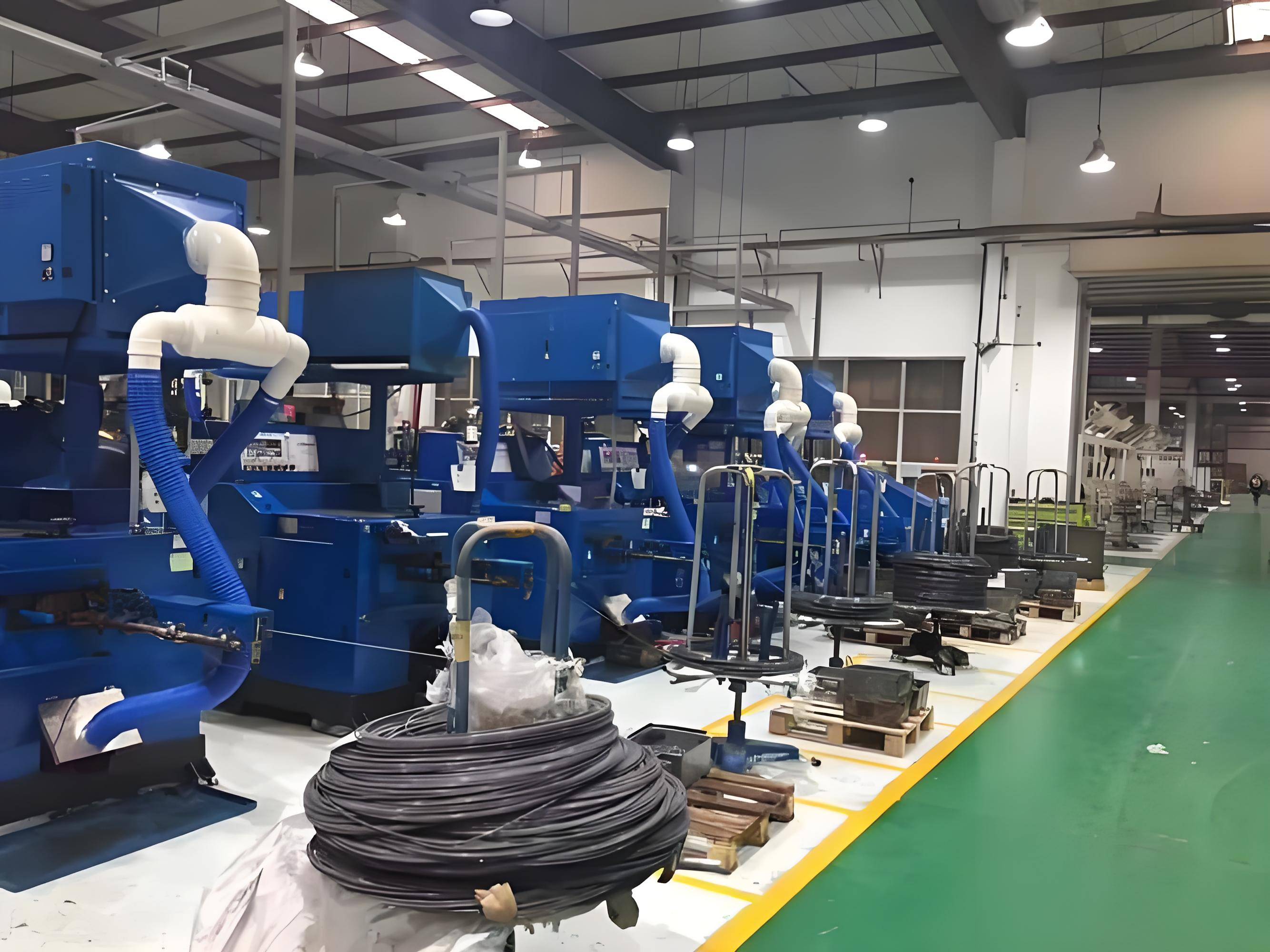
The fastener supply chain is not particularly complex: from a coil of wire rod to a finished bolt, there are no more than eight process steps. Yet it is precisely within this seemingly short chain that the industry's deepest contradictions are hidden. Raw material costs lock in at 60–70% of total production costs; every swing in steel prices can push margins from thin to negative for small and medium manufacturers. Domestic substitution of cold heading equipment has progressed most of the way, yet high-end machines still depend on Germany and Japan. Surface treatment processes face mounting pressure from EU environmental regulations, and chrome-free alternatives to Dacromet have shifted from an optional upgrade to a hard compliance requirement. Tens of thousands of midstream manufacturers struggle to price their products against these upstream pressures, while the highly concentrated downstream — dominated by automotive — ties the entire chain's fortunes to a single industry cycle. Understanding this chain is the foundation for understanding every contradiction in China's fastener industry.
5.1 Upstream Raw Materials: The Material Spectrum from Carbon Steel to Titanium Alloy
5.1.1 Carbon Steel Wire Rod and Cold-Heading Steel: Progress and Retreat on Domestic Substitution
The most basic raw material for fasteners is carbon steel wire rod — also called coiled rod — governed by standards such as GB/T 6478, with grades such as SWRCH10A and ML08Al used for cold forming of grade 4.8 and 6.8 ordinary fasteners. China has ample capacity in this material category; mainstream steelmakers including Baosteel, Xingcheng Special Steel (a subsidiary of CITIC Pacific Special Steel), and Zhongtian Steel all supply at scale with clear cost advantages, and import substitution is virtually complete.
The real dividing line appears at higher strength grades. Grade 8.8 and 10.9 fasteners require cold-heading steel with more precise performance characteristics, primarily non-quenched-and-tempered or micro-alloyed grades such as ML20MnVB, 10B21, 10B33, and 51B20. Since China independently developed the ML15MnVB and ML20MnVB series in the early 1990s, this segment has been largely covered domestically — Baowu Group, Xingcheng Special Steel, and others all have mature product lines. In 2024, Xingcheng Special Steel's fastener-grade steel sales grew approximately 20% year-on-year, reflecting sustained expansion in downstream demand for high-strength fasteners.
Grade 12.9 is currently the most sensitive threshold for domestically produced cold-heading steel. Grade 12.9 bolts — requiring a minimum tensile strength of 1220 MPa — have no known successful application of non-quenched-and-tempered steel in the industry; manufacturers must use the quench-and-temper route, and the primary supply of premium quenched-and-tempered cold-heading steel (such as SCM435) still relies on Japan's Kobe Steel, Nippon Steel, and South Korea's POSCO. A meaningful breakthrough at this threshold has come from Xingtai Steel, which developed a Cr-Mo-V composite micro-alloyed cold-heading steel system, making it possible to produce grade 12.9 bolts from domestically sourced material with an overall cost reduction of approximately 40% compared with imported JFE material from Japan. The significance of this breakthrough is that it is not a complete substitution — it opens a window within a specific range of grades. Ultra-high-end non-quenched-and-tempered steel and certain aerospace-grade precision quenched-and-tempered cold-heading steels continue to rely on imports.
The impact of raw material costs on the fastener industry cannot be underestimated. Steel costs account for approximately 60%–70% of total production costs for ordinary fasteners, making it the single largest variable. Between 2021 and 2022, steel prices surged more than 30% within a single year, causing profits at many small and medium Chinese fastener producers to shrink by approximately 30%. Because fastener products carry low added value and downstream buyers hold strong bargaining power, raw material price increases often cannot be passed through smoothly to end customers; small and medium manufacturers must absorb the cost pressure alone. This asymmetric transmission mechanism is one of the fundamental reasons for the industry's thin margins, and the direct trigger for widespread losses among standard-parts producers during periods of high steel prices.
5.1.2 Stainless Steel Wire Rod: Price Tiers and Processing Challenges
Stainless steel fasteners use two main grades of austenitic wire rod as feedstock: 304 and 316L. Grade 304 wire rod (A2, 18% Cr + 8% Ni) was priced at approximately RMB 14,700 per tonne in 2024–2025 and is widely used for general-purpose stainless steel fasteners. Grade 316L wire rod (A4, containing 2% Mo for chloride-ion corrosion resistance) was priced at approximately RMB 28,000 per tonne in the same period — roughly 1.6 to 1.8 times the price of 304 — with the premium driven primarily by ferromolybdenum costs. Grade 316L is suited for corrosive environments including chemical process equipment, marine vessels, offshore wind, and medical devices.
Stainless steel feedstock also introduces additional processing complexity: austenitic stainless steel work-hardens significantly more than carbon steel, causing pronounced springback during cold forming, and placing more stringent demands on the annealing condition of the wire rod and on specialised lubrication (phosphate-plus-soap or dedicated lubricants). As a result, scrap rates and equipment wear in stainless steel fastener cold forming are higher than for carbon steel products, and the cost structure differs from standard carbon steel parts.
5.1.3 Titanium Alloy: The Chokepoint at the Top of the Supply Chain
The core raw material for aerospace-grade fasteners is titanium alloy — the mainstream grade is TC4 (Ti-6Al-4V, also written Ti6Al4V) — alongside high-strength, low-density special grades such as Ti45Nb for specific components. Titanium is in a different price-and-performance league from steel, and stability of its upstream supply directly determines the pace of domestic substitution in China's aerospace fastener sector.
Major domestic suppliers include Baoti (the leading supplier of aerospace-grade titanium), Hesteel Group (which has mastered Ti6Al4V smelting technology), and Western Superconducting (which holds batch-production technology for Ti45Nb alloy wire). All three have delivered in volume to both military and civil aviation sectors, but compared with mature aerospace material systems in Europe, the United States, and Japan, batch-to-batch consistency and impurity control remain the main gaps. Dependence on imports of premium aerospace-grade titanium alloy bar and wire constitutes the most difficult bottleneck across the entire fastener industry — the problem lies not only in the processing capability of fastener manufacturers, but in a full-chain gap spanning smelting, hot working, and finished-product inspection.
Titanium alloy's processing characteristics are also far more complex than carbon steel. Titanium has poor thermal conductivity and a low elastic modulus; cutting tools wear rapidly during machining, and springback is pronounced during cold forming, placing strict demands on equipment control precision and lubrication processes. This means that even if upstream titanium materials achieve domestic substitution, the process parameter development and equipment adaptation required at the manufacturing stage will themselves take years of accumulated experience. Holding the raw material does not allow a manufacturer to immediately produce qualified aerospace fasteners. The distance between material and finished part is precisely where the gap between China's aerospace fasteners and international best practice is hardest to quantify yet most genuinely present.
5.1.4 Transmission Pathways and Enterprise Stratification
The impact of raw material costs on the fastener industry plays out very differently across enterprise tiers. Ordinary standard-parts producers have raw material costs of roughly 60%–70% of total costs and gross margins typically between 5% and 15% — a classic cost-driven competitive environment in which steel price movements pass almost directly through to the income statement. Precision automotive fastener companies such as Chaojie, by virtue of high-value-added product portfolios, achieve gross margins exceeding 30%, with significantly lower sensitivity to steel price fluctuations. Aerospace and high-end fastener companies, though their raw materials (titanium alloys) carry higher prices, command even higher product unit prices, and their overall gross margin structure differs from that of the carbon steel segment.
This divergence in raw material cost transmission pathways is essentially a mirror image of where fastener companies are positioned in the value chain: the further up-market a company goes, the better it can pass raw material cost increases downstream; the more a company remains at the standard-parts level, the more it is at the mercy of steel price cycles. This logic not only explains the bimodal distribution of gross margins within the industry, but also provides a foundational framework for understanding the competitive strategies of individual companies discussed in later sections.
5.2 Upstream Process Equipment: Cold Heading Machine Localisation and the Environmental Shake-Up in Surface Treatment
5.2.1 The Manufacturing Process Chain: The Internal Logic of Eight Steps
The manufacturing process chain for high-strength bolts, in sequence, is:
- Wire drawing: Reducing the diameter of the wire rod to the cold-heading specification, with requirements for dimensional accuracy and surface quality
- Annealing: Spheroidising annealing for carbon steel, solution annealing for stainless steel, to soften the material for subsequent forming
- Phosphate-plus-soap lubrication: A mandatory step for carbon steel parts; replaced by specialised lubricants for stainless steel
- Multi-station cold heading: Cold forging of the bolt head and blank shape — the core value-adding step
- Thread rolling: Forming the thread; precision determines thread-fit quality
- Heat treatment: Quench-and-temper for quenched-and-tempered steels; non-quenched-and-tempered steels may omit this step or require only stress-relief annealing
- Surface finishing: Zinc plating, Dacromet, zinc-aluminum coating, blackening, etc., selected according to application
- Inspection: Dimensions, hardness, torque, fatigue strength, hydrogen embrittlement, etc.; mandatory batch-by-batch for high-end parts
These eight process steps are technically straightforward, but the parameter window for each is extremely narrow — heat treatment in particular: a deviation of a few degrees in quenching temperature or a slightly short tempering time can cause performance scatter within a single batch, while high-end applications such as aviation and high-speed rail demand near-absolute batch consistency. This is why accumulated process know-how and equipment precision — not simply production capacity — are the core metrics that distinguish premium manufacturers from ordinary small and medium producers.
5.2.2 Cold Heading Equipment: The Leap from 35% to 65% Domestic Market Share
Cold heading machines are the most critical equipment node in the process chain described above; their performance directly determines the precision and efficiency of bolt-head forming. Represented by Sijin Intelligent Forming Equipment (003025.SZ), domestic cold heading machines have achieved a significant gain in market share over the past decade: in 2018, domestically produced multi-station cold heading machines held approximately 35% of the Chinese market; by 2025 that figure had risen to approximately 65%.
Sijin's product line covers 6 major series and more than 170 specifications, supporting up to eight-station cold forming. In 2023 the company completed development of several new eight-station models including the SJBP-88S, SJBP-108S, and SJBP-138L precision intelligent cold heading machines. The company states that certain technologies "have reached or are approaching the international advanced level" — a claim that must be understood in context. In standard parts and mid-range fasteners, domestic equipment is broadly capable of substituting for imports; but for grade 12.9 and above high-strength precision bolts, or for automotive Class-A critical fasteners, premium imported equipment from Germany's SACMA and NEDSCHROEF and Japan's NAKASHIMADA continues to hold a significant position. This situation closely parallels the landscape of cold-heading steel localisation — the quantitative breakthrough has far outpaced comprehensive parity in quality.
Taiwan's Kasuga Machinery also holds a meaningful share in the mainland market, with years of application in mid-range standard parts, but its scale and R&D resources limit its ability to compete head-to-head with domestic leaders in high-end machines.
5.2.3 2b Heat Treatment: The Quality-Determining Step Most Often Underestimated
Within the entire process chain, heat treatment is often the step most easily overlooked by outside observers, yet it is the one that most distinguishes product quality. The quench-and-temper treatment for high-strength bolts requires precise control of austenitisation temperature, cooling rate, and tempering time; deviations of the slightest margin can lead to scatter in mechanical properties within a single batch. For ultra-high-strength fasteners of grade 12.9 and above, the uniformity of martensite microstructure after quenching directly determines the match between tensile strength and elongation — if strength meets specification but elongation falls short, hydrogen embrittlement delayed fracture becomes highly likely under high-vibration service conditions.
Today, domestic high-end fastener manufacturers typically deploy continuous roller-hearth furnaces or mesh-belt furnaces (for mass production of standard parts), while premium aerospace parts use vacuum heat treatment furnaces to prevent oxidation. The temperature-control precision and atmosphere-control capability of heat treatment equipment constitute a process barrier that ordinary small and medium producers find very difficult to bridge. Nor is this a trivial capital barrier: a vacuum heat treatment system meeting aerospace requirements can easily cost several million RMB, placing it beyond the financial reach of most small producers.
5.2.4 Surface Treatment: Hexavalent Chromium Exit and the Chrome-Free Upgrade
Surface treatment sits at the end of the process chain, directly affecting fastener corrosion resistance, appearance, and service life — and is also where environmental compliance pressure is most concentrated across the entire chain.
The traditional mainstream process is Dacromet (DACROMET), a water-based zinc-chromate coating that uses hexavalent chromium compounds as the film-forming agent. It delivers outstanding corrosion resistance (withstanding 500 to 1,000 hours of neutral salt spray) and has been used extensively in automotive, wind power, and high-speed rail fasteners. However, hexavalent chromium (Cr6+) is a substance explicitly restricted by the EU's ELV (End-of-Life Vehicles) Directive, and China's RoHS framework has been progressively tightening: in June 2024, an amendment to GB/T 26572-2011 was released, updating the detection method for hexavalent chromium, with the associated limit requirements taking effect from 1 January 2026.
The industry's replacement direction is chrome-free zinc-aluminum coating, composed primarily of zinc flakes, aluminum flakes, and silicone resin, containing no hexavalent chromium. Its corrosion performance (withstanding more than 800 hours of salt spray) is comparable to conventional Dacromet, and it carries no risk of the hydrogen embrittlement associated with electroplating processes. This is especially important for grade 10.9 and above high-strength bolts: the higher the strength (above 1200 MPa), the greater the susceptibility to hydrogen embrittlement. Hydrogen introduced into the steel matrix during the acid pickling and electrolytic stages of electroplating can cause delayed fracture if thorough hydrogen bake-out is not performed; chrome-free zinc-aluminum coating eliminates this failure mode at the source.
Chrome-free zinc-aluminum coating has already been promoted across the supply chains of SAIC-Volkswagen, General Motors, and other automotive OEMs, and wind power and high-speed rail fasteners are progressively switching over. For electroplating operations in major fastener-producing regions such as Jiaxing in Zhejiang, Ningbo, and Wenzhou, the cost of treating zinc-, nickel-, and chromium-bearing wastewater has become a non-negligible compliance expense; some smaller electroplating operations face existential pressure under environmental enforcement campaigns.
5.2.5 Inspection Capability: The Final Gateway for High-End Market Access
Inspection is not an optional final step — it is a hard prerequisite for access to high-end markets. Before high-strength bolts leave the factory, they must pass a battery of inspections covering dimensional measurement, Rockwell hardness, torque testing, fatigue strength, and hydrogen embrittlement assessment (per NASM 1312-5 sustained-load tests). Aerospace parts additionally require metallographic analysis, coordinate measuring machine (CMM) measurement, and full batch traceability records. These inspections require appropriate measurement equipment investment and, more importantly, experienced quality engineering teams — a resource that has long been scarce across China's fastener industry.
Some domestic producers that have obtained IATF 16949 or AS9100 certification still struggle to maintain inspection consistency in mass deliveries, revealing issues not of equipment gaps alone, but of personnel competence and depth of quality system execution. This explains why premium automotive and aerospace customers, when onboarding new suppliers, repeatedly conduct on-site audits, process reviews, and small-batch validation runs beyond certification requirements — certification is an entry ticket; sustained process capability is the real admission credential.
5.3 Midstream: An Overview of the Manufacturing Enterprise Landscape
Midstream fastener manufacturing is the most labour-intensive, most numerically populous, and most fragmented segment of the entire supply chain. Based on industry association and commercial registration data, the number of fastener-related production enterprises nationally is approximately 10,000 to 21,000; the vast majority are small and medium privately owned enterprises concentrated in regional industrial clusters in Zhejiang (Haiyan, Jiaxing, Wenzhou Yueqing), Hebei (Yongnian, Xinji), Guangdong (Dongguan, Zhongshan), and other areas.
From a product structure perspective, the low-end standard-parts sector is vast in number and output but extremely thin in per-tonne margins, with gross margins typically between 5% and 15%, surviving on scale and cost control. Mid-to-high-end fastener producers are relatively fewer in number, primarily serving automotive OEMs, wind turbine manufacturers, and high-speed rail equipment suppliers; product certification barriers (IATF 16949, CRCC, AS9100, etc.) create relatively stable customer stickiness. At the very top, a handful of "little giant" and single-product-champion enterprises hold a degree of pricing power within their respective niche categories.
This pyramid structure means competition at different tiers of the midstream manufacturing segment follows entirely different logic: at the standard-parts level it is a war of cost and capacity; at the high-end it is a contest of certification barriers and accumulated process know-how. A detailed portrait of midstream manufacturing enterprises, the geographic layout of industrial clusters, and the formation mechanisms of the fragmented "small, scattered, and low-end" structure will be developed in Chapter VII; the financial performance and competitive standing of key listed companies will be presented individually in Chapter VI.
5.4 Downstream Application Structure: A Pronounced Divergence Between China and the World
Fasteners are used in an extraordinarily broad range of downstream applications, penetrating virtually every manufacturing sector. Yet between the Chinese market and the global market, the distribution of shares across application segments displays structural differences that warrant attention.
5.4.1 China's Downstream Structure
Based on the sales-volume breakdown published by Zhiyan Consulting for 2022, China's downstream fastener consumption is structured as follows:
- Automotive: 58% (with Qianzhan Industry Research Institute data showing over 65% for 2023)
- Power and wind energy: 19.9%
- Construction: 15.18%
- Construction machinery: 6.56%
Automotive is by far the largest source of fastener demand in China, and the concentration here is unique globally. China is the world's largest automobile producing country; in 2024, total vehicle output exceeded 31 million units. A single passenger car consumes approximately 5,000 fasteners weighing about 50 kg; a heavy-duty truck consumes approximately 5,710 fasteners weighing about 90 kg. This enormous output base directly drives fastener consumption volumes that consistently rank at the top globally. Power and wind energy account for nearly one-fifth — closely linked to China's massive wind power installation programme; cumulative installed wind capacity in China reached 520 million kW by end-2024, a year-on-year increase of 18%, and continues to expand rapidly. Construction and construction machinery rank third and fourth, highly correlated with overall infrastructure investment sentiment.
5.4.2 Global Downstream Structure and China–World Comparison
The downstream structure of the global industrial fastener market differs markedly from China's. According to Grand View Research's 2024 report, on a global basis automotive applications account for approximately 30%, construction and infrastructure approximately 27%, and aerospace — though a smaller share — is the fastest-growing, with a CAGR of approximately 6.4%.
Placing the two structures side by side makes the differences clear:
| Application | China share (2022, Zhiyan Consulting) | Global share (2024, Grand View Research) |
|---|---|---|
| Automotive | ~58%–65% | ~30% |
| Construction/infrastructure | ~15% | ~27% |
| Aerospace | Negligible | Fastest-growing (CAGR 6.4%) |
| Power/wind energy | ~20% | Not separately disclosed |
China's automotive share is approximately twice the global average. This structural overweight is a genuine reflection of China's manufacturing scale, but it also means that the fortunes of China's fastener industry are deeply tied to the automotive cycle — whenever vehicle sales weaken, revenue pressure across the fastener industry appears immediately. At the same time, China's share of aerospace fastener consumption is far below that of Europe and the United States, partly because China's total fleet of large commercial aircraft and military aircraft remains smaller than the United States, and partly reflecting the reality that high-end aerospace fasteners have long been import-dependent, with domestic substitution potential not yet fully realised.
Global construction fastener share is significantly higher than in China; the European, American, and North American construction industry exceeds USD 2 trillion in size, with a far larger demand base for high-strength bolts used in steel structures. This gap also partly explains why China's fastener exports are dominated by automotive and general standard parts, while export unit values and added value in aerospace and precision structural fasteners remain relatively low.
5.4.3 Two Strategic Takeaways from the Downstream Structure
First, the high concentration of China's fastener downstream in automotive is a double-edged sword. Sustained growth in vehicle production and sales provides a demand floor, but the lightweight design trend in new-energy-vehicle battery packs is altering the material composition of fasteners — demand for aluminum alloy and magnesium alloy fasteners is rising, while the incremental space for traditional carbon steel standard parts is being compressed, raising the bar on materials and process capability for domestic manufacturers.
Second, wind energy and aerospace represent structurally incremental opportunities, driven by completely different logics. Wind energy fasteners represent volume expansion, underpinned by China's high installation growth rates, with visible demand-side visibility. Aerospace fasteners represent quality substitution: every percentage point increase in the domestic content rate of China's independently developed commercial wide-body aircraft means domestic high-end fastener producers securing an order previously held by imported products — but the time and investment required to clear the entry barriers (AS9100 certification, qualified products list / approved manufacturers list admission) is extremely long.
The barrier differentials, specification requirements, representative enterprises, and growth drivers of each downstream segment will be elaborated in Chapter VIII. The purpose of this chapter is to establish the structural framework: upstream pressure in the supply chain, the progress of equipment localisation, and the compliance-driven upgrade in surface treatment collectively constitute the cost constraints on midstream manufacturers; the structural divergence between China and the world in downstream application composition determines the directional distribution of future incremental opportunities.
Understanding this chain is the prerequisite for accurately interpreting, in subsequent chapters, why China's fastener industry ranks first globally in volume yet whose export average prices have long been eight to nine times below import average prices; why domestic cold heading machine market share has exceeded 60% yet premium-product manufacturing yield still depends on imported equipment; why automotive accounts for more than half of downstream demand yet industry average margins remain in single digits. These parallel facts all point to the same structural judgement: coexistence of scale leadership and a value-chain valley is the most fundamental contradiction in China's fastener supply chain today.
Chapter 6 Competitive Landscape and Key Enterprises in China's Fastener Industry
If China's fastener industry were placed on a map, its outline would be difficult to trace using just one or two leading companies. World-first output and a market value approaching RMB 100 billion, when mapped to the ground, resolves into tens of thousands of mid-sized and small factories that are nearly indistinguishable from one another. Scale and concentration are almost entirely decoupled here — the larger the industry, the thinner the leadership tier appears. This chapter attempts to answer two questions: why an industry that ranks first globally in output cannot produce a meaningful concentration ratio; and, on the vast and diffuse landscape that results, precisely which companies are making the high-end and domestic-substitution story happen.
6.1 An Industry Where Concentration Ratios Cannot Be Calculated
Measuring the concentration of an industry typically involves looking at CR5 or CR10 — the market share held by the top five or top ten companies. In China's fastener industry, however, this metric has almost no traction. The Fastener Branch of the China Machinery General Parts Industry Association has not publicly released authoritative CR figures; the "top 20 companies account for over 70% of the market" figure circulating in various research reports lacks independent third-party verification and is treated in this report as unconfirmed and not adopted. When an industry cannot produce reliable concentration data, that itself is revealing: the scale of leading enterprises is too small relative to the total market to generate statistically meaningful signals.
More telling is the sheer number of enterprises. On a production basis, there are approximately 10,000 fastener-related enterprises nationally; on a commercial-registration basis, this figure expands to approximately 21,000. The vast majority are small and medium privately owned enterprises with small average scale and uneven R&D capability. The entire industry displays a classic "pyramid" structure: the base consists of tens of thousands of small producers making undifferentiated ordinary bolts, nuts, and self-tapping screws, competing solely on price; the middle tier comprises a group of above-scale enterprises with some customer relationships and technical capabilities; and only at the apex is there a small number of niche leaders active in high-speed rail fastening systems, automotive high-strength parts, wind energy, and aerospace. Notably, even the highest-revenue listed companies, placed against a market of nearly RMB 100 billion, each hold only a single-digit percentage share. This is a fundamentally different industrial ecology from automotive OEMs or home appliances, where a few players take the majority of the market.
This extreme fragmentation is not accidental. Fastener unit values are negligible, and manufacturing barriers at the low end are almost nonexistent — a second-hand cold heading machine plus a few workers is enough to open a shop; downstream applications are highly fragmented, spanning automotive, wind energy, home appliances, and construction everywhere, with demand split into countless small orders. Low barriers combined with fragmented demand naturally breed a large number of small producers, and homogeneous products can only compete on price, so no one grows large and no one exits. This is an industry where entry is easy but scaling up is extremely difficult — the structural question of why fasteners have produced no dominant players will be developed further in Chapter VII's analysis of the industrial cluster ecosystem. For now it suffices to record one judgement: fragmentation is a foundational characteristic of this industry, not a transient phase of development. Following the standard industrial-organisation lens, low concentration typically correlates with weak pricing power, thin margins, and insufficient R&D investment — a mutually reinforcing trio — which is precisely the most accurate description of China's fastener industry today.
Placing this fragmentation in global context makes it even clearer. Chapter II already described the overseas landscape: Europe, the United States, Japan, and Taiwan have produced giants such as Würth, Bossard, LISI, Howmet, and KAMAX — measuring revenues in billions of euros, specialised in high-end segments or controlling distribution networks — which have either locked in the technical barriers of aerospace and automotive high-strength fasteners or built distribution moats through global inventory and service networks. China presents the opposite picture: the world's largest producer by volume, yet without a single specialist fastener company that can match their scale. This contrast is not a scale problem but a value-chain-positioning problem: Chinese enterprises are concentrated in the thinnest manufacturing layer, having built neither material-technology barriers nor distribution-service stickiness; so no matter how large the output, it does not translate into commensurate industry pricing power. Understanding this gap is what makes the listed companies discussed below significant — they represent China's fastener industry's few attempts to rewrite its value-chain position.
6.2 Low-End Surplus and High-End Import Dependence: Two Sides of the Same Coin
The other face of fragmentation is structural polarisation. China's fastener product mix is roughly 10% high-end, 50% mid-range, and 40% low-end. At the low end, capacity is severely oversupplied and ordinary standard-parts prices continue to decline — the direct consequence of tens of thousands of small producers crowding the base of the pyramid and undercutting one another. At the high end, the situation is precisely the opposite: supply is inadequate and import dependence is long-standing. Between the two ends there is no smooth transition zone; they more closely resemble two worlds separated by a chasm of materials and process capability.
Numbers speak most clearly to this divide. In 2023, China's high-end fastener market was approximately RMB 60 billion, with imports accounting for over 70%; in fasteners above 800 MPa, imports still accounted for approximately 62%. Aerospace engine bolts, nuclear-power-specific fasteners, and precision automotive high-strength parts continue to be sourced in large volumes from American, Japanese, and German companies. Chapter IV calculated the stainless steel fastener trade imbalance: in 2023 the import average price was approximately USD 20,344 per tonne versus an export average price of approximately USD 2,364 per tonne — a ratio of 8 to 9 times. The same nominal category of "fastener" carries vastly different value at the import and export ends. This price gap is not an anomaly but structural: exports are standard parts sold by the tonne; imports are precision parts priced per piece.
Low-end surplus and high-end import dependence appear to be two separate problems, but they are two sides of the same coin. Because the low end has minimal barriers and wafer-thin margins, capital and talent lack the incentive to climb upward; and because the high end demands extremely high levels of materials, process capability, and certification — which cannot be built up quickly — the market is forced to fill the gap with imports. The two ends are causally linked: the more intense the low-end competition, the less surplus there is to fund R&D; the more the high end relies on imports, the harder it is for domestic producers to accumulate the mass-production learning curve. Understanding this contradiction is what makes the listed companies discussed later genuinely important — their value lies not in their scale but in each having chiselled an upward pathway from the base to the apex of the pyramid.
Domestic substitution is climbing a clear difficulty gradient. High-speed rail fastening systems and wind energy fasteners have already achieved substantial localisation — they are the model examples of successful substitution. Automotive high-strength fasteners are mid-climb; new-energy-vehicle supply chain support has given domestic producers a rare opportunity. Aerospace fasteners remain the heaviest import-dependent, hardest-to-attack segment — still the steepest stretch of this gradient. The ordering is not by industry importance but by material barriers, certification cycle, and consequence of failure. High-speed rail fasteners were the first to be conquered largely because unified procurement by the railway system, state-directed policy, and a massive domestic market combined to give domestic producers sufficient orders to complete the certification and iteration cycle. Wind energy localisation rode the tailwind of China becoming the world's largest wind-power installation country, with the enormous demand for tower flange bolts simultaneously pulling down cost and accelerating the learning curve. Aerospace fasteners, by contrast, lack a single large-customer pull, and are bottlenecked by titanium alloy and superalloy — the hardest materials — making them naturally the last bone to chew. The company profiles that follow can each be mapped to a different position on this gradient.
6.3 Regional Geography: The Yangtze River Delta's Listed Companies versus the Northern Standard-Parts Ocean
Before turning to individual companies, it is useful to examine the regional distribution, because China's fastener competitive landscape displays a clear "north-south division of labour" in geographic terms — a division that is not a geographic coincidence but a spatial projection of the high-end and low-end ecosystems.
Hebei Yongnian is the unavoidable starting point. This district under Handan, dubbed the "Fastener Capital of China," produces approximately 4.6 million tonnes of standard parts annually — roughly 55% of the national total — covering more than 50 major product categories and tens of thousands of specifications. But its scale rests on low-to-mid-end standard parts, following a high-volume, low-price model. Yongnian is the most representative specimen of the "small, scattered, and low-end" pattern — a deep description of its industrial cluster ecosystem is deferred to Chapter VII; it suffices here to note that the northern fastener landscape, centred on Yongnian, is a standard-parts ocean: large but not strong.
The south presents a different picture. Zhejiang Wenzhou produces more than one million tonnes annually with an output value of approximately RMB 10 billion, accounting for roughly 30% of the national total, and is home to more than 3,000 enterprises. Zhejiang Jiaxing Haiyan County — branded the "Fastener Township of China" — has an annual output value exceeding RMB 13 billion, or over RMB 17 billion when upstream and downstream activities are included, with more than 600 standard fastener enterprises and over 150 above-scale enterprises, continuously upgrading toward the high end. Guangdong, centred on Shenzhen and Dongguan, concentrates a group of stainless steel and precision fastener companies oriented primarily toward export. Jiangsu excels in high-end automotive and wind energy fasteners; Zhenjiang, Rima Precision, and similar enterprises are located here.
A noteworthy phenomenon: China's listed fastener companies are almost entirely clustered in the Yangtze River Delta. Zhejiang and Jiangsu are the most densely concentrated zone for the listed cohort; Jinyi, Changhua, Zhenjiang, Rima, Chaojie, Sijin, and other companies profiled in the remainder of this chapter are largely located along this corridor. The north has larger output volume; the south has higher value and stronger companies. This north-south asymmetry is itself the geographic projection of the industry's structure — "volume at the low end, strength at the high end." Proximity to high-end customers, capital markets, and technical talent makes the difference between escaping and remaining trapped in the standard-parts red ocean.
At a deeper level, the high-end orientation of southern clusters is not a uniform upgrade but a differentiation: within Haiyan or Wenzhou, a minority of enterprises have climbed toward listed status via high-end automotive, wind, or rail transit orders, while the majority of local small producers remain in the cost-competition standard-parts tier. Regional advantage provides opportunity, not guarantee — the same soil produces both upwardly breaking leaders and a wide swath of internally competing small producers. This intra-cluster stratification is the principal subject of Chapter VII's dissection; it need not be developed further here.
6.4 Key Enterprise Profiles: Several Pathways Chiselled Upward from the Base
This section is the core of the chapter. Two preliminary notes: first, the financial data below, unless otherwise specified, use the 2023 fiscal year as the base, sourced from listed company annual reports and announcements; second, fasteners represent only a portion of the business portfolio for most companies — each profile will explicitly distinguish between "group-wide" and "fastener sub-business" figures, to avoid reading a diversified platform's overall scale as the scale of its fastener operations.
6.4.1 High-Speed Rail Fastening System Leader: Jinyi Industrial
Jinyi Industrial (601002) is the most iconic listed company among China's fastener sector, its calling card being high-speed rail fastening systems — it is the only domestic enterprise capable of producing the complete set of fastening-system components for both 250 km/h and 350 km/h high-speed rail in-house. This credential carries substantial weight: high-speed rail fastening systems must pass CRCC certification, with stringent requirements for fatigue life, anti-loosening, and electrical insulation, and only one domestic company can supply the entire integrated system from its own production.
Yet Jinyi's financial picture also conveys a sobering reality: even the most premium credential does not necessarily deliver stable profits. In 2023, Jinyi Industrial's revenue was approximately RMB 2.314 billion, down 14.83% year-on-year; net profit was approximately RMB -19 million, falling into a loss. The revenue decline stemmed primarily from a sharp drop in overseas sales combined with slowing infrastructure investment. It is important to clarify that Jinyi does not focus exclusively on rail fastening systems — industrial standard parts are also a major revenue contributor; fastener-segment revenue in 2023 was approximately RMB 1.68 billion, and in the first half of 2024 fastener revenue was approximately RMB 701 million. Rail fastening systems are Jinyi's highest-end business, yet they are also the most exposed to fluctuations in the rhythm of railway investment. As of November 2024, Jinyi held approximately 14.7% of the high-speed rail fastening system segment.
6.4.2 Automotive Precision Tier: Chaojie, Changhua, Rima, FAWER
Automotive is the largest downstream market for Chinese fasteners, accounting for approximately 60% of sales volume, and the automotive-oriented listed company cohort is the most dense.
Chaojie (301005) follows a "small but premium" strategy. In 2023, revenue was approximately RMB 493 million, up 4.96% year-on-year; net profit was approximately RMB 23.58 million, down 62% year-on-year. The company focuses on precision automotive fasteners and connectors, with a gross margin that leads its listed peers and higher earnings quality. However, the 2023 wave of OEM price cuts passed upstream through the supply chain, compressing its gross margin from a previous high to approximately 22.77% — the sharp net profit decline is a direct consequence of this transmission. The smaller the precision parts producer, the weaker the bargaining power, and the more exposed it is to OEM price wars.
Changhua Group (605018) is one of the leading Zhejiang-based automotive fastener companies, with a product structure integrating "fasteners + stamped-and-welded parts + large aluminum castings." In 2023, revenue was approximately RMB 2.422 billion, up 31.96% year-on-year, but net profit attributable to shareholders was approximately RMB 109 million, essentially flat. Revenue growing rapidly while profits stagnate is again the consequence of price-cut transmission. Changhua is rapidly pivoting toward new-energy-vehicle supply. From Chaojie to Changhua to Rima Precision, a common coping strategy emerges among automotive fastener listed companies: either push a single product to the highest precision to defend gross margins, or expand horizontally from fasteners into higher-value-added adjacent categories such as stamped-and-welded parts, aluminum castings, and automotive electronics — none is content to keep thinning the margin on a bolt.
Rima Precision (002976) is the Jiangsu representative, extending its product range from automotive fasteners into automotive electronics. In 2023, revenue was approximately RMB 1.577 billion, up 31% year-on-year; net profit attributable to shareholders was approximately RMB 51.68 million, down 22.92%. Within this, precision metal structural parts accounted for approximately RMB 884 million and automotive electronics approximately RMB 415 million, the latter growing at 74.81% — a transformation path from "selling bolts" toward "selling electronic modules," attempting to escape the thin-margin ceiling of fasteners.
FAWER (000030) is distinctive in that it is the listed company with the largest fastener sales volume, yet it is not a specialist fastener enterprise. FAWER is a comprehensive automotive parts platform; in 2023, group revenue reached RMB 15.843 billion and net profit approximately RMB 604 million, with fasteners constituting only one of its many segments alongside chassis, thermal systems, and drivetrain components — estimated at approximately 15% of revenue, or roughly RMB 2.3 billion. It supplies grade 8.8 and above high-strength fasteners with deep technical roots and has been recognised as an FAW-Volkswagen Class-A supplier for multiple consecutive years. Including FAWER makes an important structural point: in China, the highest-volume fastener supply is embedded within a diversified parts conglomerate's sub-segment rather than in the hands of an independent specialist — further confirming the industry's structural barrier to producing standalone fastener leaders.
6.4.3 Wind Energy Specialists: Zhenjiang, Feiwo
Wind energy is one of the most successfully localised segments, producing two highly resilient companies.
Zhenjiang (603507) operates a primary business combining wind energy equipment (blades, towers, offshore wind installation and maintenance) with photovoltaic mounting structures and fasteners. In 2023, group revenue was approximately RMB 3.842 billion, up 32.28% year-on-year; net profit attributable to shareholders was approximately RMB 184 million, surging 93.57% year-on-year. The fastener sub-business contributed revenue of approximately RMB 378 million, up 111.53% year-on-year, with a gross margin of approximately 23.09%. Wind energy's strong market pulled this sub-business to more than double, transforming fasteners from a supporting role into a source of profit leverage.
Feiwo (301232) is the more purely focused wind energy fastener specialist, concentrating on blade embedded screw sleeves, whole-machine bolts, and anchor bolt assemblies; its embedded screw sleeve products rank at the top globally and domestically, and it was among the first wind energy fastener companies to be recognised as a Ministry of Industry and Information Technology "little giant." In 2023, revenue was approximately RMB 1.644 billion, up 22.63% year-on-year; but non-recurring net profit was approximately RMB 56.96 million, down 32.32% year-on-year. Revenue growing while profit shrinks traces back to the intense wind turbine OEM price war that began in 2022, pushing upstream through the chain to force fastener producers into "volume-up, price-down, margin-thin" operating mode. Feiwo's case demonstrates that even in the wind energy segment — where domestic substitution has been most successful — the specialist leader cannot escape pressure from downstream price wars, which is yet another illustration of the industry's thin-margin character.
6.4.4 Aerospace and Defense: Hangyu, Qifeng
Aerospace is the hardest segment of the domestic substitution gradient, and in this tier, fasteners are often a "by-product" of broader high-end manufacturing capability.
Hangyu (688239), a STAR Market company from Guizhou, specialises in ring forgings of difficult-to-deform metals for aviation (superalloys, titanium alloys, aluminum alloys), while also producing military and civilian fasteners and other supporting components. In 2023, revenue was approximately RMB 2.104 billion, up 44.69% year-on-year, with backlog orders of approximately RMB 4.9 billion. It should be noted that fasteners are not Hangyu's primary business — its true competitive moat lies in aero-engine ring forgings. The reason it is included here is that its superalloy and titanium alloy processing capability is precisely the same technology base on which high-end fastener domestic substitution depends. The challenge of aerospace fasteners has never been in the act of tightening — it lies in materials and metallurgy. Whoever masters difficult-to-deform metal processing holds the key to the high end.
Qifeng (873169, NEEQ-listed) takes a different path. In 2008 it independently developed high-speed railway threaded spikes, achieving import substitution and seeing them deployed on the Beijing-Shanghai and Beijing-Guangzhou lines; from 2011 it entered aerospace and defense. Qifeng's financial data lacks publicly available annual report summaries; no specific figures are disclosed in this report. Its significance, however, lies in straddling both "high-speed rail substitution model" and "aerospace high-end assault" — one of the few small producers positioned at both ends of the substitution gradient simultaneously. Qifeng's existence also illustrates: breakthrough domestic substitution in high-end fasteners does not necessarily come from large producers with billions in revenue; a considerable portion is accomplished by small, highly focused, technology-led specialists such as this one. Small in scale, yet holding ground in spikes and aerospace parts where others have not broken through — a category of force at the apex of the pyramid that is easy to overlook.
6.4.5 One Exception: Sijin Intelligent Is Not a Fastener Manufacturer
Finally, Sijin Intelligent must be separately noted. It is frequently included in lists of fastener companies, but strictly speaking, Sijin Intelligent is a cold heading equipment leader, producing multi-station cold heading machines for manufacturing fasteners — not fasteners themselves. Its market share data speaks clearly to the progress of domestic equipment: domestic multi-station cold heading machine market share rose from approximately 35% in 2018 to approximately 65% in 2025. Its inclusion here is to correct a common misreading — Sijin's rise reflects the emergence of domestic fastener equipment, not the rise of a fastener manufacturer. Cold heading machine localisation has lowered the barrier to setting up a factory; in a sense it has actually intensified surplus at the pyramid base. This is a causally interesting dynamic worth reflection: affordable and capable domestic equipment, on one hand, supported the industry's overall capacity expansion, and on the other hand made it even harder for low-end homogeneous competition to resolve itself.
6.5 High-Speed Rail Fastening Systems: A Niche Where Rankings Can Actually Be Calculated
If the overall fastener industry cannot produce a meaningful concentration ratio, high-speed rail fastening systems are the exception. Because CRCC certification barriers are extremely high and customers are heavily concentrated in the railway system, this niche has settled into a relatively clear competitive landscape. As of November 2024, high-speed rail fastening system market shares are approximately:
- CRCHI: approximately 20.7%
- Tieke Railway: approximately 17.0%
- Jinyi Industrial (601002): approximately 14.7%
- Hebei Yichen: approximately 14.1%
- Anhui Chaohu: approximately 11.1%
This is one of the rare fastener niches in this entire report where a ranking can be produced. Its sharp contrast with the extreme fragmentation of the broader industry confirms the logic that has recurred throughout this report: the higher the barrier, the stricter the certification, the more concentrated the customer base — the higher the resulting concentration ratio. CRCC barriers and the railway system's centralised procurement exclude the vast majority of small and medium producers, leaving only five players to divide a relatively orderly market. This, by extension, confirms a judgement in reverse: the fastener industry is not inherently fragmented — in the very few niches where barriers are high enough, concentration appears naturally. High-end orientation, standardisation, and certification-driven market structure are precisely the path through which this industry can move from "fragmented" to "strong." The top five together hold approximately 67% of the market — a figure that, applied to the entire fastener industry, would be almost unimaginable.
6.6 Landscape Summary: Finding Upward Forces Within Fragmentation
Connecting the company profiles in this chapter, a clear thread emerges. The competitive landscape of China's fasteners has as its base colour the extreme fragmentation of tens of thousands of small and medium producers — fragmentation rooted in the low barriers of the low end and the fragmented nature of downstream demand — and this will not change in the near term. What merits real attention is the cohort of listed companies chiselling upward channels from the base to the apex, each corresponding to a different position on the domestic substitution gradient: Jinyi and the five high-speed rail fastening system players represent the substantially completed railway substitution; Zhenjiang and Feiwo represent the wind energy substitution being realised; Chaojie, Changhua, Rima, and FAWER represent the automotive high-strength substitution still climbing under price pressure; while Hangyu and Qifeng stand on the hardest front line of aerospace assault.
The financial profiles of these companies also collectively send an uncomfortable signal: regardless of which segment they occupy, revenue growth is frequently accompanied by stagnant or even falling profits, as price pressure from downstream passes upstream through the supply chain — an industry-wide fate. Looking at this cohort's 2023 figures, a repeated pattern emerges: revenue growing 10%+ year-on-year while net profit falls 20–60% year-on-year. Chaojie, Changhua, Rima, Feiwo — none is an exception. This is not poor individual management but the price war at the terminal vehicle and turbine OEM level pressing layer by layer down to the last fastener producer. They occupy the weakest pricing-power position in the supply chain; every OEM cost-reduction round ultimately costs them in margin. This is the dilemma that the "low-end surplus, high-end import" landscape leaves for every participant — easier to grow large than to grow strong; and growing strong does not guarantee growing thick in margin. The only exit from this predicament is the path already validated by high-speed rail fastening systems: raise the barrier in more niches, build moats through materials, process capability, and certification, and let concentration in the high-end grow organically. As for how the vast "small, scattered, and low-end" ecosystem of the pyramid base — the tens of thousands of small producers and industrial clusters — actually operates, and why it persistently produces no dominant players, that is the subject of the next chapter.
Chapter 7 Midstream Industrial Clusters and the Fragmented "Small, Scattered, Low-End" Competitive Pattern
Shifting the gaze away from the two dozen or so listed companies on financial statements toward the production-side reality that underpins nearly ten million tonnes of annual output, one sees a very different picture: thousands of small and medium factories scattered across several industrial bases, fighting each other with nearly identical products in the same price band. The most defining characteristic of China's fastener industry is not how fast a few leaders are running, but the fact that it has yet to produce a single genuinely national-scale dominant player. Understanding this "large industry, small enterprises" pattern is the key to reading the entire midstream ecosystem.
7.1 Why Fasteners Have Produced No Dominant Players
An industry approaching RMB 170 billion in annual output value, with production volume consistently ranked first globally, should by rights have produced a few commanding leaders. Reality, however, is that approximately 10,000 fastener production enterprises are nationally registered, and commercially registered fastener-related entities exceed 21,000 — the vast majority are small and medium privately owned enterprises, and the market displays a classic pyramid structure: the base is an ocean of small standard-parts producers, with only a handful of niche leaders at the apex. Concentration is so low that the industry cannot even produce an authoritative CR5 or CR10 figure. This pattern is not accidental; it results from the stacking of several structural causes.
The first layer is dual low barriers — technology and capital. Ordinary bolts and nuts and similar standard parts use processes so mature that they can be batch-stamped on cold heading machines; a multi-station cold heading machine plus a few post-processing steps is enough to begin operations, and the capital outlay to open a small factory is not high. With neither technology nor capital constituting a barrier, the threshold for entering this industry is compressed to almost nothing, and new factories can emerge in a continuous stream.
The second layer is extreme downstream demand fragmentation. Fasteners are called the "rice of industry" — virtually every manufacturing category consumes them — but any individual buyer's single-batch quantities are typically small and specifications vary widely. Demand is scattered like fine sand across the country; no single customer is large enough to let a factory build itself into a giant on the strength of one order, and no factory can build a moat by locking in a small number of large customers. Fragmented demand naturally corresponds to fragmented supply.
The third layer is extreme product homogeneity. The same specification and strength grade of standard parts from manufacturer A and manufacturer B are virtually identical; downstream buyers care primarily about price, with delivery time second. When products cannot be differentiated, competition is reduced to a single dimension — price cutting. The fourth layer then follows naturally: low-end price wars. Small-and-scattered capacity cycles endlessly through the standard-parts segment, pushing quotes to industry lows; in some product categories gross margins are below 5%. At this level of profitability, enterprises have neither the capacity to invest in R&D to move up nor the incentive to pursue mergers and consolidation, and the entire industry is locked into a "numerous but weak, small but scattered" cycle.
The cost of the price war is written directly into export data. In 2023, China's fastener export average price was approximately USD 2 per kilogram; in 2024 it fell further to approximately USD 2,000 per tonne — displaying a classic pattern of volume-up, price-down: export volume rose approximately 17% year-on-year while unit price fell approximately 14%. Selling more while fetching less per unit is the global market projection of domestic low-end overcapacity. Raw material volatility amplifies this passivity: steel accounts for 60–70% of fastener costs, and when rebar and similar grades declined in price by nearly RMB 1,000 per tonne in 2024, fastener selling prices were compressed in tandem; the cost savings were not captured as profit but passed directly to the customer. Input prices fall, selling prices fall — the margin is always squeezed in between. This is the normal condition of a thin-margin business without pricing power.
It should be added that this pattern does not reflect a lack of consolidation attempts; rather, the incentive for consolidation has been undermined by the structure itself. Even if a small factory is acquired, it is difficult to achieve a qualitative step-change in scale economics — the economies of scale in standard-parts production are limited; adding a cold heading line does not significantly reduce unit costs, but does add the burden of an expanded management span. Local industrial parks and family workshops have long sustained the form of "large industrial bases plus small enterprise clusters," with no one willing or needing to be the thankless consolidator. The market thus reaches equilibrium by the most basic means: countless small factories each hold their own territory, grinding against one another in the same price band, and the industry's enormous scale continues to spread horizontally without growing vertically upward into dominant players.
More worthy of research attention is the stark contrast between this low-end surplus and high-end import dependence at the other extreme. In 2023, the domestic high-end fastener market was approximately RMB 60 billion, with imports exceeding 70%; for high-strength bolts above 800 MPa, imports still account for over 60%. On one side, masses of small factories fight for sub-5% margins in standard parts; on the other, precision parts for aerospace, nuclear power, and high-end automotive are largely imported at unit prices dozens of times higher. Using stainless steel fasteners as an example: in 2023, the import average price was approximately USD 20,000 per tonne versus an export average price of approximately USD 2,300 per tonne — a ratio of 8 to 9 times. The value gap within this single industry is so extreme that the midstream's enormous headcount has not translated into commensurate industrial pricing power.
7.2 Two Factory Archetypes: High-End Specialists and the Mass Standard-Parts Tier
Surveying the midstream factory population, one finds it is not a homogeneous mass but falls into two sharply distinct layers.
At the apex, a limited number of high-end specialist factories are rooted in specific niche segments. Leveraging particular materials, strength grades, or certification credentials, they have established themselves in demanding applications — wind energy, automotive, high-speed rail, aerospace — where reliability requirements are severe. Examples include specialists in wind energy blade embedded screw sleeves and high-strength bolts; automotive precision fastener suppliers certified to IATF 16949; and enterprises holding CRCC certification supplying high-speed rail fastening system components. This tier tends to be locally cultivated "little giants" or single-product champions, producing grade 10.9 and 12.9 high-strength fasteners on the basis of accumulated process know-how and quality consistency rather than low prices. In numerical terms they are an extreme minority of the industry, yet they carry the hopes for upward domestic substitution breakthroughs.
At the base, tens of thousands of standard-parts small and medium producers make bulk general-purpose bolts, nuts, studs, and self-tapping screws, primarily in strength grades 4.8 to 8.8, competing on large volume, low cost, and fast delivery. These operations are typically family workshop-style, small-scale with weak R&D, highly homogeneous in product, competing almost exclusively on price. They form the true foundation of China's first-place global fastener output, and are also the bearers of low-end surplus, price war, and wafer-thin margins.
The distance between these two tiers is far more than a scale difference — it is a capability gap that is extremely difficult to bridge. Climbing from the base to the apex requires a long course of remediation: obtaining high-threshold certification systems such as IATF 16949, CRCC, and AS9100; building stable heat treatment and surface treatment production lines with robust quality consistency; and developing the capability to process demanding materials such as high-strength cold-heading steel and titanium alloys. Each item requires sustained investment of time, capital, and talent — precisely what thin-margin small producers lack most. The result is that the vast majority of factories are structurally confined to the base: the high-value-added segments above are visible, but the crossing cannot be made. The two tiers are vastly different in scale and follow entirely different logics, yet they coexist within the same industrial clusters — which is precisely the core of the industrial cluster ecosystem examined in the next section.
7.3 Three Major Industrial Clusters and One Export Hub
China's midstream fastener production is highly concentrated in a few geographic coordinates. Each cluster has its own character, giving full expression to different facets of the "small, scattered, low-end" pattern.
7.3.1 Hebei Yongnian: Standard-Parts Capital, the Specimen of Fragmentation
Yongnian District in Handan, Hebei, under the banner of "China's Standard-Parts Capital," is the most representative specimen for observing the fragmented pattern. The number of operating entities here exceeds 30,000 (including upstream and downstream support businesses), with over 4,200 production factories further subdivided into general taxpayers, limited companies, and sole proprietorships — the smaller the tier, the larger the number — driving employment of over 340,000 people. In 2023, Yongnian standard-parts output value exceeded RMB 42 billion, with production and sales accounting for approximately 55% of the national market and approximately 28% of the global market, with exports to more than 110 countries and regions.
Yongnian's product breadth is staggering — claiming to cover all 12 major categories, 289 sub-categories, and more than 30,000 specifications and models in the national fastener standards catalogue, with complete chain support from cold heading and hot forging through surface treatment to logistics and e-commerce. But its underlying character remains ordinary bolts, nuts, and similar low-to-mid-end standard parts — a high-volume, low-price model. For precisely this reason, Yongnian also concentrates most acutely the costs of the fragmented pattern: quotes remain at industry lows, consolidation incentives continuously suppressed by volume-driven logic. Recent government-led efforts to pivot toward mid-to-high-end are underway, but large-volume low-end capacity remains the overwhelming majority. A single industrial cluster making a multi-billion-yuan business out of a screw achieves this through extreme stacking of quantity, not through unit-price appreciation — Yongnian is simultaneously the success story of this approach and the picture of its ceiling.
7.3.2 Zhejiang Haiyan: Fastener Township, Turning Toward the High End
Unlike Yongnian's volume logic, Haiyan County in Jiaxing, Zhejiang has chosen a different path. Branded "China's Fastener Township" with the historical label of "iron Haiyan," the county has over 600 fastener-related enterprises, of which over 150 are above-scale — one of the country's three major fastener manufacturing bases. Haiyan's output value target is anchored at a chain-wide above-scale total of RMB 13 billion and above, but what is more noteworthy than the volume is the direction.
Haiyan has explicitly staked its bet on high-end orientation in recent years, upgrading comprehensively toward wind energy, automotive, high-speed rail, and aerospace applications; in 2025 the local government released a dedicated implementation document supporting the transformation and upgrading of the fastener industry, encoding the transformation direction into official policy. Representative local enterprises have already established deep roots in mid-to-high-end segments such as wind energy, automotive, and construction machinery, with exported products of clearly higher quality than standard-parts bases. If Yongnian represents the "dispersed but large" face of the fragmented pattern, Haiyan represents an industrial cluster's active effort to climb from the pyramid base toward the apex — attempting, in an environment equally exposed to price wars, to exchange niche specialisation and certification barriers for higher added value.
7.3.3 Zhejiang Wenzhou: Large-Volume Automotive and Motorcycle Parts Ecosystem
Wenzhou, Zhejiang presents yet another form. It does not hold an independent "fastener capital" designation; fasteners there are more embedded as components within the supply chains of its two main industries — automotive and motorcycle parts, and electrical equipment. The fastener output of the greater Wenzhou area can reach millions of tonnes annually — a very large volume — but its distinguishing characteristic is that it is part of a local ecosystem. Ruian is known for automotive and motorcycle parts, supplying large volumes of fastening and connection components; Yueqing's core is the electrical equipment industry, with fasteners existing as supporting components within that sector. In other words, Wenzhou's fastener capacity is "one part of an ecosystem" — large in volume but dispersed, lacking the single-brand identity of Yongnian, and without Haiyan's clear high-end upgrading narrative.
7.3.4 Guangdong: The Export-Oriented Stainless Steel Precision Hub
The Pearl River Delta is another distinctly characterised hub. Centered on Dongguan and Zhongshan, Guangdong's cluster serves automotive electronics and precision electrical components, specialising in stainless steel precision small screws and electronic fasteners with a pronounced export orientation. Drawing on the region's powerful electronics and intelligent manufacturing ecosystem, demand for precision components is strong, and product precision thresholds are higher than for ordinary standard parts — M1.0 to M3.0 micro screws and custom-shaped connectors for consumer electronics interiors demand levels of dimensional tolerance and appearance consistency that cannot be met simply by running a cold heading machine. Guangdong's factories are therefore pushed by their local downstream into finer precision and better materials; stainless steel has become the dominant material and export orders impose additional certification and quality control constraints. Guangdong, together with the Yangtze River Delta and the Bohai Rim, is recognised as one of China's three major fastener production clusters, filling the "precision export" pole of the Chinese fastener map. Worth noting: Guangdong-specific fastener industry scale data lacks independent statistical reporting; authoritative figures typically appear under a broader "Pearl River Delta cluster" aggregate — itself a reflection of information fragmentation in the midstream.
Viewing all four together: Yongnian for volume, Haiyan for upgrading, Wenzhou for ecosystem support, Guangdong for export — they represent both a geographic division of labour and a differentiation within the same fragmented industry in different directions. Yet whatever character they take on, they share the same underlying challenge: to the outside world, these tens of thousands of factories of wildly varying scale and differing products remain a fog that is nearly impossible to see clearly.
7.4 The Factory Identification Problem: The Opaque Midstream
The fragmented pattern leaves behind a long-underestimated by-product — highly dispersed information, and the resulting factory identification problem.
Consider the several types of people most in need of seeing the midstream clearly. Upstream suppliers of wire rod, cold-heading steel, and cold heading equipment want to know which fastener factories are truly operating, at what capacity, and whether they would use their materials and machines. Fastener factories themselves want to find downstream customers — to determine which automotive OEMs, home appliance manufacturers, and construction machinery producers are currently buying which specifications and strength grades. Downstream procurement managers in turn want to identify a qualified supplier, and must determine whether the factory in front of them has a genuine production line or is merely a trading shell. All three needs converge on the same question: among more than 20,000 commercially registered entities and tens of thousands of enterprises claiming to make fasteners, which are genuinely operating factories, of what scale, and producing exactly what?
The difficulty of answering this question is precisely a consequence of the structure described above. The enterprise count is enormous, scattered across multiple industrial clusters in Yongnian, Haiyan, Wenzhou, and Guangdong, with large numbers of sole proprietorships and family workshops mixed in; scale ranges from a few million to several billion RMB in annual output — differences so vast they cannot be measured on a single scale; information is scattered across commercial registrations, industry directories, local listings, and trade fair business cards that do not cross-reference one another and are perpetually out of date. A commercial registration can tell you a company exists and has "fasteners" in its business scope, but it cannot tell you whether there is a cold heading machine turning on the floor, whether the line is still in operation, or whether it makes grade 4.8 ordinary bolts or grade 12.9 wind energy high-strength bolts.
More problematic is that the pyramid structure of this industry amplifies identification difficulty at every level. The specialist factories at the apex are relatively easy to identify — they have public certifications, reputational track records upstream and downstream, and clear product labels. The further down toward the base, the greater the mass of small factories with similar scale, similar products, and virtually no external information disclosure; they are neither listed nor branded, their names scattered in corners of local directories, and outsiders struggle to determine which are still normally operating, at what production level, and which specifications they actually handle best. And yet these most-difficult-to-see base-tier factories are the true majority of industry capacity. In an industry that is "small, scattered, low-end," highly homogeneous, and information-dispersed, "is this a genuinely operating factory and exactly what does it make" becomes the most basic yet most difficult question to answer.
It is precisely at this difficulty that a category of platforms specialising in factory data has found its position. Tianxia Gongchang, a factory-data platform of this type, has identified roughly 4.8 million operating factories from the vast pool of commercially registered entities, organising them by region, industry, and product category into a searchable structure that allows upstream suppliers, midstream producers, and downstream procurement teams to distinguish genuine operating factories from the dense thicket of small and medium enterprises, assess their scale, and determine what they produce. For an industry such as fasteners — with its enormous factory count, widely varying scale, and highly dispersed information — converting "the opaque midstream" into "a legible list" is itself a foundational task of genuine value.
7.5 Summary
The story of China's fastener midstream is, at its core, a story about quantity. Low barriers and fragmented downstream demand have generated an ocean of small and medium factories; homogeneity and price wars have pressed them firmly into the thin-margin base of the pyramid; and so this global number-one producer, by volume, has yet to grow dominant players commensurate with its scale. Yongnian, Haiyan, Wenzhou, and Guangdong each perform their respective roles of volume, upgrading, ecosystem support, and export trade — together weaving a dense but dispersed midstream network. For the value of this network to be truly unlocked, the first step is often not a technology breakthrough but simply becoming legible — seeing clearly, among these millions of factories, who is genuinely producing and what they are making. As for how deep the niche barriers that pull the industry toward the high end actually are, that is the subject of the next chapter.
Chapter 8 Segment Deep Dives
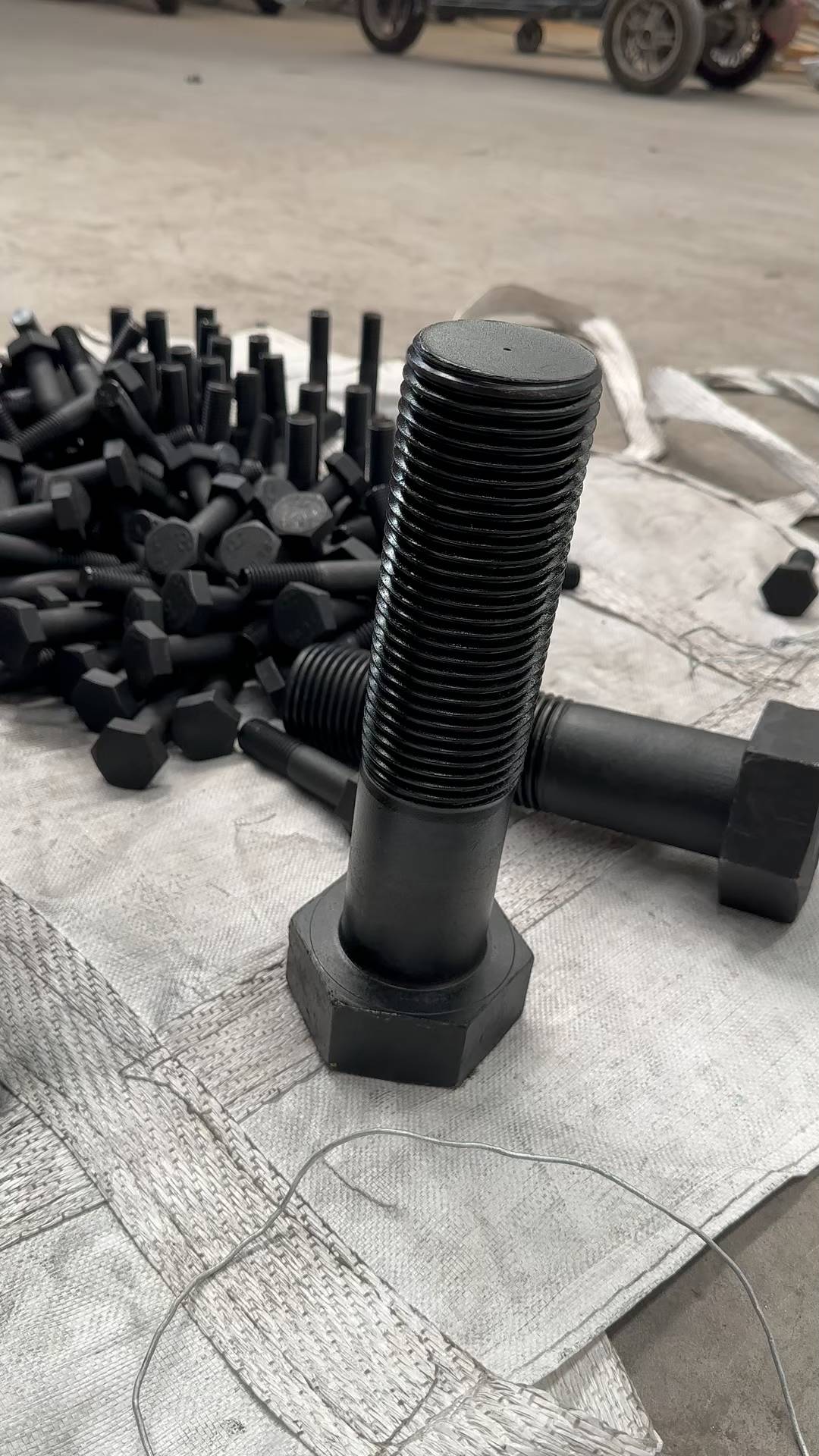
Chapter V of this report provided an overview of the share distribution across fasteners' seven major downstream application segments. This chapter focuses on five segments with the highest technical barriers and the most dynamic industry evolution, dissecting each in turn by market size, core specification requirements, entry barriers, and representative enterprises, with a comparative matrix at the chapter's close.
8.1 Automotive Fasteners: The Largest Downstream, Restructured by New Energy
8.1.1 Scale and Position
Automotive is unambiguously the largest downstream for China's fastener industry. Based on Zhiyan Consulting's 2022 sales-volume data, automotive fasteners account for approximately 58% of total domestic sales; Qianzhan Industry Research Institute's 2023 data shows over 65%. The gap between the two reflects differing methodologies, but automotive's dominant position in China's fastener market is not in dispute — this share is far above the global average of approximately 30%, rooted in China's status as the world's largest vehicle-producing country.
Per-vehicle consumption supports the physical foundation of this vast market. An ordinary passenger car carries approximately 5,000 fasteners weighing about 50 kg; a medium-to-heavy truck carries approximately 5,710 fasteners weighing about 90 kg; a Tesla Model Y uses approximately 6,000 screws alone. This means tens of millions of vehicles produced annually form a stable absorption pool for fasteners numbering in the hundreds of millions.
8.1.2 Structural Changes Driven by New Energy Vehicles
The proliferation of new-energy vehicles is not simply amplifying demand; it is restructuring the demand profile for automotive fasteners from within — a transition that has accelerated since 2023.
The battery pack is the most concentrated site of change. Pure electric vehicles' battery assemblies require large numbers of fasteners to fix battery modules — aluminum alloy floor bolts, riveted joints, and reinforcement ribs are used together, with requirements balancing lightweight design and structural rigidity. At the same time, new-energy vehicles demand greater body torsional stiffness than comparable combustion-engine vehicles, driving a modest increase in total fastener count and a significantly higher proportion of high-strength grades (8.8 and 10.9).
Lightweighting is the deeper driving logic. Aluminum alloy has become the mainstream material for battery enclosures; magnesium alloy, with even lower density and higher specific strength, is gaining traction in mono-casting applications. Aluminum and magnesium alloy fasteners have material, surface treatment, and thread precision requirements that differ fundamentally from steel parts, creating new technical thresholds. According to industry research statistics, EV-specific fasteners (including lightweight parts and battery structural fasteners) already account for approximately 32% of global specialty application fasteners — a share still growing.
8.1.3 Specification Requirements and Certification Barriers
Automotive fasteners are primarily grade 8.8, 10.9, and 12.9 high-strength bolts; engine, chassis, and suspension critical areas impose extremely stringent requirements on strength, fatigue life, and torque consistency. IATF 16949 is the basic threshold for entering an OEM supply chain — this quality management system, derived from Germany's VDA and the United States' AIAG standards, integrates statistical process control, mistake-proofing mechanisms, and tiered supplier management; from certification preparation to first-time audit typically takes over one year.
Higher barriers lie in the OEM approval process itself. Volkswagen Class-A supplier certification, Toyota PPAP production part approval, Tesla supplier qualification review — behind each system are years of prototype testing, batch validation, and on-site audits. Once in the supply chain, the friction cost of switching is enormous — from a candidate supplier's sample submission to production qualification is at least one year, often three. This strong stickiness provides stable orders for existing suppliers while dramatically compressing space for new entrants.
8.1.4 Representative Enterprises
Domestic automotive fastener suppliers display a clear Zhejiang concentration. Jinyi Industrial (601002), though renowned for high-speed rail fastening systems, also has automotive fasteners as a major business segment. Changhua Group (605018), deeply rooted in Ningbo, covers OEM needs with a combination of automotive fasteners, stamped-and-welded parts, and aluminum castings; in 2023 revenue reached RMB 2.422 billion, growing over 30%. Chaojie (301005) focuses on precision automotive fasteners with a gross margin leading the industry. FAWER (000030), through its comprehensive automotive parts platform, covers grade 8.8 and above high-strength fasteners and holds FAW-Volkswagen Class-A supplier status. On the international side, KAMAX of Germany, centred on automotive high-strength bolts, is deeply embedded in European OEM supply chains and has joint-venture operations in China.
8.2 Wind Energy Fasteners: High-Strength Competition Under Rapid Expansion
8.2.1 Market Size and Global Landscape
Wind energy fasteners are among the fastest-growing niches in recent years. According to Gelonghui's 2025 data, China's wind energy fastener market was approximately RMB 2.961 billion in 2024. On a global basis, per 360researchreports data, the global wind energy fastener market was approximately USD 964 million in 2023, forecast to reach approximately USD 1.696 billion by 2030, at a CAGR of approximately 8.40% — significantly higher than the overall fastener industry's 4%–5%. China accounts for approximately 58% of the global wind energy fastener market, both as a production power and the world's largest installation nation.
This scale has solid installation data behind it: China's cumulative installed wind capacity reached approximately 520 million kW by end-2024, up 18.0% year-on-year. Tens of gigawatts of domestic new annual installations directly drive sustained demand for high-strength bolts.
8.2.2 Application Locations and Specification Logic
The demands that wind energy equipment places on fasteners are essentially a balance between extreme fatigue loading, corrosive environments, and long-term maintenance-free operation. Tower inter-section flange connections use grade 10.9 M56–M72 large hexagon high-strength bolts, typically surface-treated with Dacromet or hot-dip galvanising for weathering and corrosion protection. Blade-root-to-hub connections bear the highest fatigue loads; blade root studs and embedded screw sleeves are widely grade 12.9. Nacelle-to-tower-top flange connections similarly rely on large-diameter grade 10.9 bolts.
The fastener value per turbine increases sharply with machine capacity. For a 10 MW offshore turbine, the M64x4 high-strength flange bolt position alone requires approximately 200+ sets per unit, at a market price of approximately RMB 35,000 per set, implying a value of roughly RMB 7 million for that single bolt position per turbine. The upsizing trend (from 3 MW to 5 MW, 8 MW, and then 15 MW and above) implies linear or super-linear growth in per-unit value — the micro-mechanism driving continued expansion of the wind energy fastener overall market.
The further expansion of offshore wind brings additional barrier escalation. Extreme corrosive environments — salt spray, high humidity, prolonged submersion — impose more stringent requirements on material quality (predominantly 42CrMo alloy steel), surface treatment thickness, and consistency of hot-dip galvanising processes.
8.2.3 Certification Barriers
Wind energy fastener suppliers typically need product certification from international certification bodies such as DNV GL (Norway) or TUV Rheinland (Germany) — a prerequisite for entering overseas projects and domestic OEM premium procurement systems. The certification process covers material traceability, process qualification, fatigue testing, and on-site audits, with cycles often exceeding one year. The heavy capital investment in large-format forging equipment (processing M64 and above requires specialised hydraulic forging lines) also constitutes a substantial capital barrier.
8.2.4 Representative Enterprises
Feiwo (301232) is the leading domestic wind energy fastener specialist; its blade embedded screw sleeve products rank at the global forefront, have been recognised as a Ministry of Industry and Information Technology "single product champion," and in 2023 generated revenue of RMB 1.644 billion, growing over 22%. Zhenjiang (603507), starting from wind energy and photovoltaic equipment, had fastener-segment revenue of RMB 378 million in 2023, growing over 110% year-on-year — one of the most aggressive growth participants.
8.3 High-Speed Rail Fastening Systems: Certification Is the Wall, National Railways Is the Sole Client
8.3.1 Market Size and Growth Logic
High-speed rail fastening systems are the most policy-driven niche within China's fastener industry. According to industry estimates, the high-speed rail fastening system market is growing at a CAGR of approximately 16% and may exceed RMB 30 billion by 2030. Two layers of logic sustain this growth rate: first, incremental investment continues — national railway fixed-asset investment in 2024 reached RMB 850.6 billion, up 11.3% year-on-year, with 3,113 km of new lines opened, including 2,457 km of high-speed rail; second, replacement demand for existing lines forms a baseline — national high-speed rail operating mileage has reached 48,000 km, and fastening systems have scheduled inspection and replacement cycles, generating stable maintenance demand from the existing network.
8.3.2 Product Characteristics
High-speed rail fastening systems are not ordinary bolts but a systematic component set that elastically fixes rails to sleepers while absorbing vibration. The WJ-series spring clip fastening system, as a representative product, includes spring clips, iron seats (or W-shaped clip base plates), gauge blocks, threaded spikes, and sole plates — each component with material, heat treatment, and dimensional precision requirements strictly governed by National Railway Group standards. High-speed rail spring clips typically use 60Si2CrA spring steel; after heat treatment, elastic performance must remain stable within a stringent temperature range.
8.3.3 Competitive Landscape
The high-speed rail fastening system market is one of the few sub-markets where concentration data is relatively accessible. Based on November 2024 market share data, CRCHI leads with 20.7%, Tieke Railway (Beijing Tieke Shougang) ranks second at 17.0%, Jinyi Industrial (601002) third at 14.7%, Hebei Yichen 14.1%, and Anhui Chaohu 11.1%, with the five together accounting for approximately 78%. Unlike the extreme fragmentation of the overall fastener industry, the high-speed rail fastening system market displays oligopolistic characteristics attributable to extremely high certification barriers.
Jinyi Industrial holds a unique position in this landscape — it is the only domestic enterprise capable of independently producing the complete set of fastening system components for both 250 km/h and 350 km/h high-speed rail. This "full in-house production" capability means every component from spring clips to spikes and sole plates is produced without external sub-contracting, yielding a shorter quality control chain and irreplaceability on special engineering projects. In 2025, Jinyi won a fastening system contract for the National Railway Group Nanjing Hub project worth approximately RMB 335 million, confirming the commercial value of this differentiated positioning.
Tieke Railway's competitive pressure also merits attention. As the commercialisation platform under the China Academy of Railway Sciences, Tieke Railway holds inherent advantages in certification resources, railway system customer relationships, and new product standard-setting — making it the most direct challenger to Jinyi on market share.
8.3.4 Certification Barriers
CRCC railway product certification (China Railway Certification Centre) is the mandatory hard threshold for entering the high-speed rail fastening system procurement system — there is no workaround and no substitute. The certification process covers design document review, type testing, factory inspection, and surveillance re-audit; from application to certificate issuance typically takes more than two years. National Railway Group's procurement approval system additionally layers on-site factory audit and engineering validation beyond CRCC, further raising the cost of error.
This certification wall is simultaneously the moat of existing suppliers and the fundamental reason that concentration in this market exceeds the industry average. For foreign enterprises, this wall additionally carries policy sensitivity attributes, making circumvention virtually impossible.
8.4 Aerospace Fasteners: Highest Barriers, Heaviest Import Dependence
8.4.1 Market Size and Capacity Status
Aerospace fasteners are the most technically sophisticated, most import-dependent, and highest unit-price niche in China's fastener industry. According to Zhiyan Consulting data, China's aerospace fastener market size was approximately RMB 12.99 billion in 2023; 2024 forecasts vary significantly across different institutional methodologies (range: RMB 10.5–13.8 billion), with output volume estimated at approximately 1,593 tonnes. Notably, capacity utilisation in 2023 was approximately 66.93% — unusual in a Chinese manufacturing context of broadly tight capacity, this figure points to a specific problem: the issue is not insufficient demand but that existing capacity does not yet have the technical qualification to meet high-end demand; high-end imports fill the portion that domestic capacity cannot cover.
Within China's overall high-end fastener market (measured by domestic substitution progress), aerospace accounts for import shares exceeding 70%. Import sources are primarily the United States and Europe, concentrated in products such as titanium alloy bolts, superalloy fasteners, and Hi-Lok high-lock bolts.
8.4.2 Material Systems and Product Characteristics
Materials are the most fundamental distinction between aerospace fasteners and other segments.
- Titanium alloy: Ti-6Al-4V (TC4) is the most mainstream aerospace titanium alloy grade, with a density approximately 57% that of steel, high specific strength, and stable performance from -50 degrees C to 300 degrees C. Ti45Nb is used primarily in highly corrosion-demanding marine and chemical environments; Western Superconducting has mastered batch-production technology for Ti45Nb wire.
- Superalloy: Inconel 718 is the standard material for engine hot-section fasteners, maintaining high strength above 650 degrees C but extremely difficult to machine, causing severe tool wear.
- Stainless steel A286: An iron-based superalloy with a service temperature of approximately 650 degrees C, a common material for gas turbine engine connectors.
Taking the domestically developed C919 wide-body aircraft as an example, a single aircraft uses over 200,000 titanium alloy fasteners — representing both an urgent demand for domestic substitution and an important incremental opportunity for domestic high-end titanium alloy fastener suppliers.
8.4.3 Root Causes of Import Dependence
High-end aerospace fastener import dependence is not simply a capacity shortfall but a systemic capability gap. Three core deficits constrain the localisation process:
- Batch stability: Batch-to-batch performance consistency of aerospace-grade titanium alloy bar and wire must meet extremely narrow tolerances; domestic material producers still have a gap relative to the United States, Europe, and Japan on this metric.
- Precision machining capability: Hi-Lok bolts and other specialty fasteners with high thread precision grades require high-precision multi-axis CNC machining; the overall domestic supply chain precision level has a visible gap versus leading European and American producers.
- Certification system linkage: Achieving part-level performance alone is insufficient — the full cycle of qualified products list (QPL) / approved manufacturers list (AML) certification, direct customer factory audits, and supplier change approval is also required. Non-conformance at any step can result in entire-batch order cancellation.
It is precisely the compounding of these three obstacles that means even with C919's domestic content rate at a notably high level, titanium alloy fasteners — seemingly a non-core component — remain difficult to rapidly and completely substitute.
8.4.4 Certification Barriers
AS9100 (aerospace quality management system) is the industry standard certification but only an entry ticket, not a universal pass. The genuinely higher barriers are:
- QPL/AML admission, with a certification cycle typically of 3–5 years;
- Direct factory audit systems maintained by COMAC and AVIC, where supplier changes require restarting the full validation process;
- Military procurement additionally layers security clearance requirements, raising the bar further.
The severity of this certification system means "domestic substitution" in aerospace fasteners is not a simple price competition but a protracted process of qualification accumulation measured in years.
8.4.5 Representative Enterprises
On the domestic supplier side, AVIC Materials (688563) is the core platform in the aerospace materials field; Qifeng (873169, NEEQ) has been expanding into aerospace and military high-end fasteners since 2011, having achieved import substitution for high-speed railway threaded spikes in 2008; Baoti is the main supplier of aerospace-grade titanium material, providing critical upstream material for fastener producers; and Western Superconducting has mastered batch production of Ti45Nb wire, filling a domestic gap. Internationally, LISI Aerospace — a division of LISI Group — holds a significant position in the global aerospace fastener market; Precision Castparts (PCC, a Berkshire Hathaway subsidiary) is a Tier-1 supplier to Boeing; and SPS Technologies specialises in high-strength specialty aerospace fasteners.
8.5 Structural Steel and Stainless Steel Fasteners: Stable Volume, Mid-Level Barriers
8.5.1 Market Background
Construction is the third-largest downstream for Chinese fasteners, accounting for approximately 15% of total domestic sales (Zhiyan Consulting basis). While far below automotive, this share contrasts sharply with the approximately 27% construction share in European and American markets — European and American construction industries are large-scale with high rates of steel structure usage, while China's construction market has long been dominated by concrete structures with relatively lower steel structure penetration, though recent years have seen some increase driven by prefabricated construction policy promotion.
8.5.2 Product Standards and Specifications
Two main products dominate structural steel high-strength fasteners:
- Large hexagon high-strength bolts (GB/T 1228 series): Using friction-type connection, transmitting shear force through friction generated by pretension, primarily used in steel structural nodes subject to shear. During installation, torque wrenches control pretension.
- Torque-shear type high-strength bolts (GB/T 3632 series): Used with dedicated electric wrenches; when the pintail breaks off, pretension is confirmed as sufficient. Standardisation of installation is higher; these have seen broad application in new construction projects in recent years.
Both product types are primarily grade 10.9S; bolts are typically supplied as connection assemblies (bolt + nut + washer), with dimensions covering M12–M36 and larger sizes for long-span steel structures.
8.5.3 Stainless Steel Fasteners
Stainless steel fasteners are widely used in building exterior cladding, chemical corrosion protection, food processing machinery, and marine engineering. Common grades are primarily 304 (austenitic, general corrosion protection) and 316L (molybdenum-bearing, chloride-ion resistant), with wire rod raw material costs of approximately RMB 14,700 per tonne and RMB 28,000 per tonne respectively. Raw material costs represent a high proportion of end-product costs, with margins directly affected by stainless steel price fluctuations. The import-export unit price disparity is similarly pronounced in stainless steel fasteners — per customs data, China's stainless steel fastener import average price was approximately USD 20,344 per tonne in 2023, versus an export average price of approximately USD 2,364 per tonne — a ratio of 8 to 9 times, reflecting the structural reality that domestic high-end stainless steel fasteners (high precision, specialty alloys, stringent tolerances) remain heavily import-dependent.
8.5.4 Barrier Analysis
Compared with automotive, wind energy, and high-speed rail, the certification barriers for structural steel fasteners are moderate: no specific sector certification such as IATF 16949, DNV GL, or CRCC is required; product quality is benchmarked against national standards (GB/T series), and market entry thresholds are relatively manageable. However, the capability threshold for large-scale manufacturing cannot be overlooked — the integrated stability of cold heading, heat treatment, and surface treatment in a full-process line, combined with consistent quality across high-volume supply, naturally separates small workshops from large-scale manufacturers.
8.5.5 Representative Enterprises
Feiwo has also received Ministry of Industry and Information Technology single-product-champion recognition in structural steel high-strength bolts, forming a dual-track layout in wind energy and structural steel. Jinyi Industrial's product line also covers structural steel high-strength bolts. Additionally, numerous regional specialist suppliers in Zhejiang, Jiangsu, and Hebei serve construction procurement needs.
8.6 Comparative Matrix of the Five Segments
The following table presents a side-by-side comparison of five market segments across core dimensions, for researchers to quickly identify structural differences across tracks.
| Segment | China Market Size (latest data) | Growth Reference | Core Barriers | Barrier Level | Representative Enterprises |
|---|---|---|---|---|---|
| Automotive fasteners | Approximately 58%–65% of total industry; largest in absolute terms | Grows with vehicle output; new-energy direction accelerating | IATF 16949 + OEM approval system; extremely high switching costs | ★★★★ | Changhua, Chaojie, FAWER, Jinyi |
| Wind energy fasteners | Approximately RMB 2.961 billion (2024) | CAGR approximately 8.40% (global); China expanding with installation growth | DNV/TUV certification + heavy-asset large-format forging equipment | ★★★☆ | Feiwo, Zhenjiang |
| High-speed rail fastening systems | May exceed RMB 30 billion by 2030; CAGR approximately 16% | Approximately 16% | CRCC certification — mandatory hard threshold; directly managed procurement by National Railway Group | ★★★★ | CRCHI, Tieke Railway, Jinyi, Hebei Yichen |
| Aerospace fasteners | Approximately RMB 12.99 billion (2023) | CAGR approximately 6% (global) | AS9100 + QPL/AML qualification; direct customer factory audit; certification cycle 3–5 years | ★★★★★ | AVIC Materials, Qifeng, LISI, PCC |
| Structural steel and stainless steel fasteners | Approximately 15% of industry; volume second only to automotive | Moderate growth with infrastructure and prefabricated construction policy | GB/T standard system; no special sector certification; barriers relatively mid-level | ★★☆ | Feiwo, Jinyi, regional-scale producers |
8.7 Summary
The comparison across five segments reveals the core contradiction of China's fastener industry's structural upgrading: automotive and high-speed rail fastening systems are the largest-scale, most domestically substituted segments; wind energy is the fastest-growing track with rapid ongoing domestic substitution; and aerospace is the highest-barrier, most import-dependent, longest domestic-substitution-path segment.
Automotive fasteners are releasing dual upgrade requirements in material and process in the new-energy lightweighting direction, providing a staged window for suppliers with titanium alloy and aluminum-magnesium alloy processing capabilities. Wind energy and high-speed rail fastening system domestic substitution is essentially complete, with competitive dynamics entering an existing-stock contest and incremental gains coming from installation expansion and per-unit value increases. Aerospace fasteners operate on an entirely different competitive logic — the contest is not about cost but about the speed of certification qualification accumulation and the pace of breakthroughs in material batch stability. This is a long-distance race measured in years.
Structural steel fasteners, given their relatively lower barriers and high homogeneity, experience margin compression from price competition and occupy a relatively low position in the industry value chain over the long term. However, their stable volume and predictable replacement cycles provide a cash-flow buffer value in return.
Viewed overall, the gradient of technical barriers across this chapter's five segments aligns closely with the structural judgement that China's fastener industry is characterised by "low-end surplus and high-end import dependence": the closer to the low-barrier end, the more acute the suffering from price competition; the closer to the high-barrier end, the more acutely felt is import dependence. Both directions point to the same structural imperative — value-chain advancement in China's fastener industry is fundamentally a process of climbing the specification ladder and breaking through from within on certifications.
Chapter 9 Technological Evolution and Industry Trends
Fasteners have changed little in appearance over decades, yet the underlying technologies driving this industry are undergoing profound restructuring. From upstream cold-heading steel formulations to end-use intelligent torque systems, from the chromium-free migration in surface finishing to domestic breakthroughs in aerospace titanium alloys, every technological advance points in the same direction: higher strength, lower weight, longer service life, and less manual intervention. This chapter follows that thread to expand on the six major technological directions touched upon in Chapter III.
9.1 Higher Strength: The Limits Above Grade 12.9 and the Hydrogen Embrittlement Barrier
The ceiling on strength grade has always been the core arena of technical competition in the fastener industry.
The wind power sector was the first to complete the transition from grade 8.8 to grade 10.9. Over the past decade, onshore turbine tower flanges and blade-hub connection bolts have made grade 10.9 the standard, while offshore turbines — facing harsher salt-spray corrosion environments — have further elevated the combined demands for fatigue resistance and corrosion resistance. The 2022 revision to international standard ISO 4014 formally added specifications for large-diameter grade 12.9 bolts and simultaneously made hydrogen embrittlement protection a mandatory requirement for grade 12.9 bolts — meaning any enterprise producing grade 12.9 or higher must systematically eliminate hydrogen-generating steps in its surface finishing process, or carry out rigorous de-hydrogenation heat treatment.
Hydrogen embrittlement is the most insidious failure mechanism in high-strength fasteners. Once the ultimate tensile strength of steel exceeds 1,200 MPa (the grade 12.9 threshold), hydrogen embrittlement susceptibility amplifies sharply with increasing strength grade. During routine operations such as wire drawing, pickling, electroplating, and welding, hydrogen ions penetrate the steel matrix lattice; under the combined effect of residual stress and external loads, delayed fracture is triggered — typically occurring hours or even weeks after installation, making detection extremely difficult. For this reason, high-strength bolts finished with conventional electroplating must immediately undergo de-hydrogenation baking at 190–220°C for 8–24 hours after plating, significantly increasing operating costs and process control complexity.
Addressing hydrogen embrittlement from the materials side is another technical approach. Low hydrogen-embrittlement-susceptibility alloy design (Si-Mn-Cr-Mo series alloy steels) reduces hydrogen diffusivity in steel by adjusting composition; controlling harmful impurities such as sulfur and phosphorus reduces grain boundary embrittlement. In the domestic cold-heading steel sector, Xingtai Steel's Cr-Mo-V quenched-and-tempered cold-heading steel has passed verification as a domestic substitute for Japanese JFE material in grade 12.9 bolts, achieving a cost reduction of approximately 40% — the most representative advance in high-end cold-heading steel domestic substitution to date. However, due to limitations in purity and toughness specifications, ultra-high-strength bolt steel (SCM435 and equivalent grades) above grade 12.9 for high-end automotive and aerospace applications remains highly dependent on imports from Japan's Kobe Steel, Nippon Steel, and South Korea's POSCO.
Fatigue life control is another technical focus running parallel to higher strength. Wind turbine tower bolts are subjected to long-term alternating loads during their service life — the superposition of dynamic wind loads and bolt preload is the primary cause of tower bolt fatigue failure. Each incremental improvement in preload control precision tends to yield non-linear improvements in fatigue life. According to industry case data, after one wind farm introduced an intelligent torque system, bolt preload deviation fell from ±12% to ±3%, and the bolt fracture rate decreased by 76% year-on-year — these figures vividly illustrate the joint effect of manufacturing process and maintenance technology on service life.
9.2 Lightweighting: Two Tracks for Titanium Alloy and Aluminum Alloy Fasteners
The evolution of lightweighting technology shows a clear divergence into two tracks: aerospace driving the titanium alloy route and new energy vehicles driving the aluminum alloy route. The technical challenges on the two tracks are entirely different, and the gaps in domestic substitution vary in depth.
Aerospace titanium alloy fasteners are currently the sub-category with the most significant domestic technology gap. Ti6Al4V (TC4) is the mainstream aerospace titanium alloy grade, with a density approximately 57% that of steel and a specific strength far exceeding ordinary steel, making it suitable for aircraft skins, frame beams, and various structural joints. A single C919 aircraft requires more than 200,000 titanium alloy fasteners; as the C919 enters mass production, ARJ21 deliveries continue, and military aircraft demand grows, the pull effect on domestic titanium alloy fasteners has shifted from the policy level to actual procurement demand. The Industrial Structure Adjustment Guidance Catalogue (2024 Edition) explicitly lists aerospace titanium alloy fasteners as an encouraged category.
Nevertheless, according to a comprehensive review published in the 2024 Journal of Aeronautical Materials, the domestic aerospace titanium alloy fastener industry as a whole remains at a stage of "more imitation and follow-up, less independent innovation, with severe technology blockades." The manufacturing challenges for titanium alloy fasteners lie in titanium's poor machinability, large springback during cold forming, the need for special tooling and lubrication systems for thread machining, and extremely stringent requirements for material purity and microstructural uniformity. Domestically, Western Superconducting has mastered Ti45Nb wire preparation technology, and Baoti is the leading upstream titanium materials supplier; yet there remains a process gap to be filled between these raw materials and AS9100-certified titanium alloy fastener finished products that can be delivered in volume.
Aluminum alloy fasteners are a product of new energy vehicle lightweighting. Pure electric vehicles use approximately 41.6% more aluminum alloy than conventional internal combustion engine vehicles; battery pack housings, subframes, and chassis structural parts make extensive use of aluminum alloy materials, bringing a series of new challenges in thread forming, torque control, and anti-seizure treatment for aluminum alloy fasteners. Aluminum alloy threads have low strength and are prone to stripping; the torque standards for conventional steel threaded connections cannot be directly transferred, and surface finishing also requires dedicated anodizing or coating systems to prevent electrochemical corrosion. Chaojie Fastening Systems (Shanghai) Co., Ltd. has specialized in this track, with products covering electric control systems and battery-swap system dedicated fasteners; its customers include leading new energy vehicle manufacturers such as Tesla, NIO, and BYD. In 2023, its new energy vehicle fastener revenue grew 31.5% year-on-year, making it one of the most visible examples of progress in domestic substitution for aluminum alloy fasteners.
Combination part design is an extension of the lightweighting logic. Integrating spring washers and bolts into a single-piece design, reducing part count, and lowering assembly complexity is a common cost-reduction and weight-saving strategy for OEMs, and it is also pushing fastener manufacturers to upgrade toward "modular supply."
9.3 Cold Heading Near-Net-Shape Forming Precision: Advances and Limits of Domestic Equipment
Cold heading is the heart of fastener manufacturing. Wire rod is continuously multi-die-pressed at room temperature to directly form the bolt head and even thread profile, without cutting and blanking; material utilization can reach 95% or more. Compared with turning, cold heading is not only orders of magnitude more efficient — more importantly, the work-hardening effect improves surface hardness of the part, and fatigue life improves accordingly.
The number of stations on a multi-station cold heading machine represents the number of forming steps that a single piece of equipment can complete consecutively. Mainstream equipment has achieved six- to eight-station cold forming, with machining precision reaching IT6–IT8 grade, corresponding to dimensional tolerances on the order of tens of micrometers in part diameter. The more stations, the more complex the geometric features that can be completed per part, enabling direct entry into heat treatment and surface finishing without secondary machining — resulting in systematic improvements in production efficiency and consistency.
Sijin Intelligent Forming Equipment (003025.SZ) is the representative enterprise in the domestic cold heading equipment sector. Its product matrix covers more than 170 specifications across six major series; the eight-station precision intelligent cold heading machines launched in 2023 — SJBP-88S, SJBP-108S, and SJBP(H)-168S — are currently the highest-station-count mass-produced equipment domestically. The market share of domestic cold heading machines in China has risen from approximately 35% in 2018 to approximately 65% in 2025; this reversal occurred against the backdrop of rapid growth in automotive and wind power applications, fully demonstrating that domestic equipment can now meet the mainstream demands of mid-range fastener production.
However, the technical ceiling of domestic equipment still has clear boundaries. Cold heading production of grade 12.9 or higher high-strength bolts or Class A bolts for automotive engines places extremely high demands on die life, forming force control precision, and machine rigidity; top-tier imported equipment from Germany's SACMA and Japan's NAKASHIMADA still holds an irreplaceable position in such applications. Sijin Intelligent also acknowledged in its annual report that the company's technology is domestically leading, with "certain technologies reaching or approaching international advanced levels" — the hedging language points precisely to the gap with top imported equipment that has yet to be fully closed.
Near-net-shape forming represents the higher aspiration of cold heading technology — the steel billet, after cold heading, directly yields a near-final-dimension blank, eliminating subsequent grinding and turning steps, further reducing material loss and processing energy consumption. For the non-heat-treatment micro-alloyed steel route, if cold heading precision is sufficient, the quenching and tempering process can even be omitted, significantly reducing overall manufacturing cost. This direction places extremely stringent demands on steel purity, grain uniformity, and toughness; its large-scale application within China's fastener industry remains limited and is primarily at the stage of technical development and small-batch verification.
9.4 Surface Finishing Environmental Upgrades: The Complete Logic of Chromium Elimination
Surface finishing is the last line of defense for fastener corrosion resistance and the process node where environmental compliance pressure is most concentrated in the industry.
In the traditional process system, hexavalent chromium electroplating (including hexavalent chromium passivation) has long held a dominant position. Hexavalent chromium passivation films are dense, have strong self-healing ability, and offer excellent corrosion resistance; they have been widely used in the automotive, railway, and construction sectors. However, hexavalent chromium is a highly toxic heavy metal pollutant. The EU's RoHS Directive and ELV (End-of-Life Vehicles Directive) explicitly restrict the use of hexavalent chromium in electrical/electronic products and automotive components; China's RoHS standard (GB/T 26572) likewise lists hexavalent chromium as a restricted substance with a limit of 0.1% (1,000 ppm). The amendment issued in June 2024 further updated the detection method, with the new standard taking effect on January 1, 2026.
Dacromet technology — also known as zinc-aluminum coating — is currently the most mainstream alternative to hexavalent chromium electroplating. Dacromet uses a non-electrolytic coating method, suspending zinc and aluminum powder in an organic binder and applying multiple dip-coating and baking cycles to form a thin coating of 4–8 μm; neutral salt spray resistance can exceed 720 hours, far surpassing ordinary electroplated zinc at 48–120 hours. More importantly, the Dacromet process involves no pickling and no electrolysis, fundamentally eliminating the hydrogen-generating steps that allow hydrogen to penetrate the steel matrix — giving it inherent hydrogen embrittlement advantages for grade 10.9 and above high-strength bolts.
However, early Dacromet formulations themselves contained hexavalent chromium and did not meet chromium-free requirements. In response, the industry further developed chrome-free zinc-aluminum coating (Chrome-free Dacromet), replacing the chromate passivation system with silane coupling agents to completely eliminate hexavalent chromium while maintaining salt spray performance. This approach has been rolled out in the supply chains of SAIC Volkswagen, GM, and others; offshore wind power fasteners and high-speed rail fastening systems are also gradually incorporating chrome-free zinc-aluminum coating into procurement specifications.
GB/T 18684-2023 "Technical Conditions for Zinc-Aluminum Coatings" (replacing the old GB/T 18684-2002), issued in 2023, provides the latest national standard basis for domestic production of chrome-free zinc-aluminum coatings; HJ 1306-2023 "Feasible Technology Guidelines for Prevention and Control of Electroplating Pollution," issued by the Ministry of Ecology and Environment in the same year, further standardizes the treatment requirements for hexavalent chromium and total chromium in electroplating wastewater from a pollutant control perspective. The simultaneous updating of these two standards signals that the regulatory framework has shifted from "tolerating compliance" to "promoting substitution."
For electroplating enterprises in fastener industry clusters such as Jiaxing, Wenzhou, and Ningbo in Zhejiang, the chromium-free migration is not merely a regulatory compliance issue but also a concrete capacity restructuring account: new equipment procurement, wastewater treatment system upgrades, and process re-certification all involve substantial investment, significantly amplifying the financial pressure on small and medium-sized electroplating plants. This is also one of the deeper reasons for the intensive electroplating rectification campaigns and accelerated exit of smaller plants in coastal production regions in recent years.
9.5 Anti-Loosening and Self-Locking Technology: International Barriers and Domestic Catch-Up
Anti-loosening failure is a frequent accident scenario for bolted connections in vibration applications. Rail high-speed trains, wind turbines, aerospace structural components — any connection node exposed to long-term alternating loads and vibration environments makes anti-loosening design a decisive element of the safety margin.
Wedge-type locking systems (typified by Germany's HEICO-LOCK) are currently the most widely used mechanical anti-loosening solution in the aerospace, high-speed rail, and wind power sectors. The core principle is to design the inner and outer faces of an ordinary disc-type locking washer as interlocking wedge surfaces; when the bolt is tightened, the wedge faces between the washer's inner layer and the bolt head generate an axial clamping force far exceeding the contact pressure of the friction pair, maintaining connection reliability even under extreme vibration conditions. Wedge-type systems have been verified to the DIN 65151 vibration test anti-loosening standard and are already applied in China's high-speed rail and some wind power scenarios; however, the products themselves still mainly rely on the Heico Group (Germany) for supply, and domestically produced imitations show measurable gaps from the original in machining precision and material control.
Eccentric locking nuts (typified by Japan's HARDLOCK NUT) operate on a different anti-loosening logic: using the eccentric machining principle of a convex-concave double nut, tightening causes the threads of the two nuts to mesh and lock in the eccentric direction, requiring a reverse force significantly greater than the tightening torque to disengage. HARDLOCK nuts have been practically applied on Japan's Shinkansen and China's high-speed rail EMUs, and are widely known for their "never-loosen" brand reputation. Domestic enterprises have attempted to replicate the design, but HARDLOCK's patent barriers and precision machining requirements constitute an effective commercial moat.
The current state of domestic anti-loosening technology can be summarized as "covering conventional applications, catching up at the high end." Conventional solutions such as spring washer anti-loosening, nylon insert prevailing torque nuts, and all-metal deformation locking nuts can be supplied domestically in volume, with competitive cost and lead time; however, for high-performance wedge-type anti-loosening solutions required in extreme vibration conditions (such as aerospace airframe structural joints and high-speed rail bogie connections), no domestically produced alternative has yet completed full OEM validation with aerospace or high-speed rail prime manufacturers and achieved volume production. This certification barrier, compounded by the underlying technology gap, forms a dual threshold for domestic anti-loosening technology entering the highest-end application scenarios.
9.6 Intelligent Manufacturing: Vision Sorting, Intelligent Torque, and Lights-Out Production Lines
Intelligent transformation of the fastener industry is advancing along two parallel paths: one targeting automated inspection in the manufacturing process, and the other targeting proactive maintenance at the application site.
Machine vision automatic sorting is the most widely adopted intelligent solution at the manufacturing end. Traditional fastener factory inspection has relied primarily on manual visual sampling, using gauges and manual readout to check geometric parameters such as thread profile, head height, and hex wrench flat dimensions — low efficiency and high miss-detection rates. Machine vision systems use high-speed industrial cameras (frame rates of hundreds of frames per second) combined with AI image algorithms to photograph each fastener on the production line and automatically identify surface defects such as cracks, dents, and missing thread teeth, achieving 100% online full inspection and replacing the sampling mode. China's industrial machine vision market reached approximately 16.3 billion yuan in 2023, with 2D vision accounting for approximately 87%, growing at over 25% annually; fastener sorting is one of the most universally applicable sub-application scenarios.
Error-proofing systems are an extension of vision inspection into the assembly site. On the assembly lines of OEMs and wind turbine manufacturers, bolt type and size are identified via barcode/QR code, combined with real-time torque feedback, enabling automatic alarm interception of wrong-part or missed-part assembly, greatly reducing assembly quality risk. The "Action Plan for the Development of Intelligent Inspection Equipment Industry (2023–2025)" jointly issued in 2023 by MIIT and six other ministries lists the promotion of machine vision in industrial defect inspection as a key task, providing policy endorsement for this direction.
Intelligent torque control systems are the most valuable proactive maintenance tool at the application site. Bolt preload deviation in wind farms has long relied on manual hydraulic wrench application, with error ranges typically between ±10% and ±15%. Intelligent torque systems use high-precision sensors to monitor the application process in real time and provide feedback control, compressing preload error to within ±3%; combined with angle monitoring to eliminate friction coefficient interference, the actual preload state of each bolt becomes traceable and reproducible. The resulting reduction in bolt fracture rates, as verified by actual wind farm operational data, reached 76%.
Lights-out production line pilots are spreading across major fastener production regions such as Zhejiang. Among the "Future Factories" and digital workshops recognized by Zhejiang Province in 2023–2024, several fastener and precision component companies are included; these pilot factories replace shift leaders' work assignments with digital central control systems, and manual handling with automated transport and robotic loading/unloading, reducing the frequency of human intervention to a few routine inspections per shift. For the labor-intensive fastener industry, the impetus for lights-out transformation comes from two directions: continuously rising labor costs in coastal regions, and upgraded mandatory process capability (Cpk) requirements from leading OEMs and wind turbine manufacturers.
9.7 High-End Domestic Substitution Breakthroughs: Progress and Remaining Distance
Looking comprehensively, the roadmap for high-end domestic substitution in China's fastener industry shows a clear gradient distribution.
Areas where domestic substitution has been largely achieved: High-speed rail elastic rail clip fastening systems (WJ series) represent the most complete case. Jinyi Industrial (601002) is the only domestic enterprise capable of producing a complete set of 250/350 km high-speed rail fastening system components in-house; the high-speed rail fastening market has formed a domestic competitive landscape centered on Jinyi, CRCHI, Tieke Railway, and Hebei Yichen. For wind power grade 10.9 high-strength bolts, Zhenjiang (603507), Feiwo (301232), and other enterprises have established large-scale supply capability, and domestic market share in blade embedded screw sleeves ranks among the global leaders.
Areas still climbing: The domestic substitution of high-strength fasteners for automotive engines (grade 10.9 and above) is advancing steadily. The domestication of Xingtai Steel's Cr-Mo-V cold-heading steel and the independent development of Chaojie Fastening Systems' aluminum alloy/titanium alloy composite processing technology are representative milestones; the import share of fasteners above 800 MPa is still approximately 62%, but this proportion has improved markedly compared to five years ago.
Areas with systemic gaps remaining: Aerospace titanium alloy fasteners represent the deepest shortfall. Very few domestic enterprises can currently provide AS9100-certified titanium alloy fasteners with stable volume delivery; they rely mainly on international specialists such as the US PCC Group, France's LISI, and the UK's SPS Technologies. Domestically, Jiali Qi has some presence in aerospace composite structural parts and supporting fasteners, and Qifeng has accumulated certain capabilities in high-speed rail threaded spikes and high-end aerospace/military fasteners; but overall, the domestic supply chain for aerospace titanium alloy fasteners remains in the qualification verification stage, with systemic certification cycles and process accumulation still needed before volume production is achievable.
Nuclear power and heavy gas turbine high-temperature, high-stress fasteners represent another strategic gap. Inconel 718, A286, and other superalloy fasteners must maintain creep strength and oxidation resistance in high-pressure environments at service temperatures exceeding 600°C; each step — from alloy smelting and forging to forming — involves narrow-window precision control, and the number of domestic enterprises with volume production capability is extremely small. The Industrial Structure Adjustment Guidance Catalogue (2024 Edition) lists nuclear power and heavy gas turbine high-temperature, high-stress fasteners as an encouraged category, sending a clear policy signal; but from policy encouragement to stable supply, the technical barriers in this industry dictate that breakthroughs require continuous investment measured in years, not quarters.
Looking at the overall technological evolution trajectory, China's fastener industry is undergoing a structural transformation from quantitative expansion to qualitative upgrading. The three main threads of higher strength, lightweighting, and intelligent manufacturing support one another, while the two supporting threads of cold heading precision and green surface finishing advance in parallel; each direction now has identifiable domestic substitution milestones. The real challenge lies in the engineering leap from milestones to systems, from individual part qualification to full-process stability — which is precisely the most substantive remaining technical distance between China's fastener industry and global top-tier standards.
Chapter 10 Industry Risks and Challenges
10.1 Steel Price Volatility: Raw Material Difficulties in a Thin-Margin Era
Fasteners are an industry highly sensitive to raw materials. Steel costs account for approximately 60%–70% of production costs for ordinary fasteners, meaning every major swing in steel prices directly penetrates the profit shield of manufacturers — especially for small and medium-sized plants lacking long-term contract protection or price-locking mechanisms.
This vulnerability was fully exposed during the 2021–2022 steel price cycle. In 2021, iron ore and scrap steel prices surged sharply, driving wire rod and rebar prices up over 30% within a year, while downstream fastener customers' procurement prices were relatively sticky and could not be passed through simultaneously. Small and medium-sized plants caught between upstream and downstream, with weak bargaining power, saw profit margins shrink by approximately 30% during the 2022 steel price volatility, according to comprehensive industry media reports. Jinyi Industrial's (601002) revenue fell 14.83% year-on-year in 2023 with a net loss for the full year, closely related to concurrent raw material cost pressure.
Since 2024, the center of gravity of steel prices has shifted downward overall — rebar and similar products fell nearly 1,000 yuan/ton for the full year, hitting multi-year lows — yet this did not bring profit recovery for midstream fastener manufacturers. The reason: while steel prices declined, terminal procurement prices came under simultaneous pressure, as downstream OEMs used falling costs to demand lower fastener prices; the industry as a whole remained on a trajectory of "volume growth, price decline," and gross margin space did not expand as a result of cheaper raw materials.
The deeper risk lies in the asymmetry of transmission. When steel prices rise, downstream customers refuse to accept price increases, and cost pressure is borne unilaterally by fastener manufacturers; when steel prices fall, downstream customers quickly demand price cuts, and the benefit is captured by the buyer. This asymmetric bargaining structure is one of the fundamental reasons why small and medium-sized standard fastener plants have long operated at thin margins or even at a loss.
Stainless steel fasteners face an additional layer of pressure: 304 wire rod is quoted at approximately 14,700 yuan/ton, while 316L (molybdenum-bearing) is approximately 28,000 yuan/ton — roughly 1.6–1.8 times the former. Since 2024, nickel-iron prices have trended downward, but ferromolybdenum has remained elevated; 316L costs are persistently and significantly higher than 304, placing enterprises producing stainless steel fasteners for chemical, marine, and related applications under a cost burden similar to or even heavier than that of carbon steel plants.
10.2 Mid- and Low-End Overcapacity: The Involution Trap of Volume Growth and Price Decline
China's fastener industry has long expanded capacity faster than the pace of structural upgrading, leading to severe homogeneous competition in the low-end standard fastener sector.
This overcapacity is most concentrated in the Yongnian industrial belt. As the largest standard-parts base in China, Yongnian has more than 30,000 business entities (including supporting enterprises), with ordinary bolts, nuts, and studs as its main products, holding approximately 58% of national market share and approximately 28% of global share by volume and price advantages. However, when large volumes of capacity chase the same standard-part specifications, price competition inevitably races to the bottom. According to industry statistics, China's fastener export average unit price was approximately 2.07 USD/kg in 2023, near historical lows, with gross margin for some product categories already below 5%.
The other side of low-end overcapacity is the continued contraction of construction and real estate sector demand. Fasteners for building steel structures account for approximately 15% of the domestic market; as real estate investment declined from 2022 onward, the shrinkage on this demand side further aggravated the supply-demand imbalance in the standard-parts sector, extending price competition pressure from the export market to the domestic market.
The involution pathway is clearly visible: undifferentiated products, low-barrier capacity, large numbers of small and medium-sized plants concentrated in the same track, downstream procurement dominating bargaining power — under these four conditions stacked together, price competition becomes the only outlet. The upstream steel industry has not been spared either: according to statistics, the overall profit rate of 247 steel enterprises in 2024 was only 36.28%, and the dual squeeze of cost pressure being transmitted downstream combined with fastener manufacturers' difficulty in passing prices to their own downstream creates a compound compression.
Gross margin divergence for high-end products is clearly visible in listed companies. Chaojie (301005), focused on high-precision automotive fasteners, has a gross margin exceeding 30% and is relatively insensitive to steel price fluctuations; while larger-revenue but wider-product-range enterprises such as Jinyi Industrial and Changhua Group (605018) see gross margins fluctuate visibly with steel prices and terminal sector conditions. Scale is not profit — this is the most direct warning the era of low-end overcapacity has delivered to the industry.
10.3 International Anti-Dumping and Trade Barriers: Persistent Friction in Export Markets
China is the world's largest fastener exporter, with total exports of approximately 11.1 billion USD and export volume of approximately 4.98 million tons in 2023. The enormous export scale combined with relatively low export average unit prices has kept Chinese fasteners persistently within the anti-dumping radar of major trading partners.
The EU front is the most persistent and complex trade friction battleground. The EU anti-dumping case on carbon steel fasteners from China has evolved over more than a decade: initial duties were levied in 2009 at rates of approximately 26.5%–85%; China partially prevailed at the WTO in case DS397, and the EU revised its regulation in 2012; in February 2022, the EU issued a definitive anti-dumping duty order confirming a final rate range of 22.1%–86.5% — with the three sampled companies subject to 22.1%–48.8%, cooperating but non-sampled enterprises subject to 39.6%, and all other Chinese exporters subject to 86.5%. For the majority of small and medium-sized plants unable to obtain an individual lower rate, the 86.5% duty is effectively equivalent to closing the EU market door.
Before this pressure had dissipated, new cases were accumulating. In October 2024, the EU again initiated an anti-dumping investigation against Chinese headless screws (HS 7318 15 42/48), covering the investigation period of July 2023 to June 2024; an affirmative preliminary determination was issued in June 2025. If definitive duties are imposed, they will further compress the European export space for the relevant product categories. From a broader perspective, cumulative anti-dumping/anti-subsidy investigations targeting Chinese steel and downstream product exports reached 59 in 2024–2025, with fasteners accounting for a significant proportion.
The US front presents barriers more multilayered than the EU. Section 301 tariffs have added an additional 7.5% duty on certain categories, including stainless steel 316 bolts; in 2023, the US also initiated anti-circumvention investigations on certain alloy/carbon steel threaded rods, attempting to block indirect export routes through third countries. Some Chinese exporters have shifted surface finishing or final processing operations to Vietnam, Thailand, and other Southeast Asian countries to avoid tariff labeling — but the EU has already launched anti-circumvention investigations on this pathway, and the compliance risk of this channel is rising rapidly.
On the India front, an anti-dumping investigation was initiated against Chinese fasteners in 2023 and terminated in 2025 without final duties; nevertheless, it signals that wariness of Chinese exports is spreading to emerging markets.
For export-oriented enterprises, this multi-directional, continuously accumulating trade barrier creates not only a current cost shock but also persistently amplified strategic market uncertainty: EU exports are forced to contract, US exports are eroded by tariffs, third-country transit routes are blocked by anti-circumvention measures, and the operationally viable compliant export space is systematically narrowing.
10.4 Environmental Compliance: Electroplating Wastewater and Compliance Cost Pressure
Fastener surface finishing — particularly electroplating — has long been the weakest link in the industry's environmental compliance. In the standard process flow, carbon steel fasteners are typically subjected to electroplated zinc or zinc-nickel alloy finishing after heat treatment; conventional Dacromet processes contain hexavalent chromium, offering excellent corrosion protection but posing significant environmental hazards.
The high treatment cost and tightening regulation of hexavalent chromium electroplating wastewater are forcing the industry to accelerate the transition. The EU's ELV Directive (2000/53/EC) has long prohibited hexavalent chromium in automotive components; China's RoHS amendment, issued in June 2024, updated the hexavalent chromium detection method (GB/T 39560.701) and came into formal effect on January 1, 2026, maintaining the hexavalent chromium limit at 0.1%. The surface finishing national standard HJ 1306-2023 is also progressively tightening constraints on electroplating emissions.
From an industrial cluster perspective, the impact of environmental compliance drives exhibits pronounced geographic concentration. Within the Yongnian cluster, numerous small electroplating plants affiliated with fastener manufacturers have limited capacity for compliant treatment of chromium- and nickel-bearing wastewater; since 2021, provinces have intensified restrictions on electroplating licenses, and small-scale electroplating workshops in bases such as Yongnian face shutdown or rectification pressure. This pressure has indirectly produced two effects: first, some small and medium-sized plants unable to afford compliance transformation costs have exited the market, accelerating the clearing of low-end capacity; second, for enterprises capable of completing the transformation, per-ton compliance costs have risen significantly, further compressing already thin profit margins.
Chrome-free zinc-aluminum coating (Chrome-free Dacromet) is the industry's upgrade direction; automotive, wind power, and high-speed rail fastener supply chains are gradually switching, and some suppliers have entered the compliant procurement lists of SAIC Volkswagen, GM, and other OEMs. However, for standard-parts enterprises with large volumes and low prices, upgrading surface finishing means a dual increase in equipment investment and unit costs; in low-end markets with no room to pass on price increases, this kind of cost structure adjustment is nearly impossible to achieve through market mechanisms alone and must be accompanied by mandatory regulatory pressure to advance.
10.5 High-End Chokepoints: Aerospace Titanium Alloys, High-End Cold-Heading Steel, and Inspection Equipment
Although China is the world's largest fastener producer, in the high-end market this "largest" conceals a striking degree of external dependence.
The chokepoint at the materials end is the most fundamental. In terms of smelting consistency and quality stability, domestically produced materials for aerospace-grade fasteners (Ti6Al4V titanium alloy, Inconel 718 nickel-based superalloy) still lag behind Japan and Germany. Western Superconducting and Baoti are making continuous breakthroughs in aerospace-grade titanium materials, but aerospace fasteners impose extremely stringent batch-to-batch stability requirements — a minor deviation in mechanical properties within a single batch may render an entire lot unqualifiable — making it difficult to sever import dependence quickly. According to estimates from industry research institutes, imports of high-strength fasteners above 800 MPa still account for approximately 62%, primarily sourced from Japan (Kobe Steel, Nippon Steel) and Germany, with particular reliance on high-end quenched-and-tempered cold-heading steel grades (SCM435 and equivalents) required for grade 12.9 high-strength bolts.
China's aircraft fastener market was approximately 21.0 billion yuan in 2023, with high-end varieties essentially relying on imports; a single C919 requires more than 200,000 titanium alloy fasteners, and domestic substitution following the onset of volume production is a directionally certain trend, though complete substitution will still require considerable time. The "Implementation Plan for Revitalizing the Mechanical Basic Parts Industry (2024–2027)" sets a target of increasing the domestic substitution rate for high-strength fasteners to above 85% by 2025 (estimated at approximately 72% in 2023 by research institutions) — achieving this target is highly dependent on systemic breakthroughs at the materials, process, and certification levels simultaneously, not improvements at any single stage.
The chokepoint at the process equipment end has improved to a degree, but is not yet fully resolved. Sijin Intelligent has achieved a leap in domestic substitution rate in multi-station cold heading equipment — the share of domestic cold heading machines in the Chinese market has risen from approximately 35% in 2018 to approximately 65% in 2025 — but in the production of precision aerospace bolts above grade 12.9 or top-tier Class A automotive engine bolts, imported equipment from Germany's SACMA and Japan's NAKASHIMADA still holds process precision and reliability advantages. This means that the coverage depth of domestic substitution in high-end product lines still has gaps.
Inspection equipment and quality systems are another often-overlooked chokepoint. AS9100 certification, CRCC certification, and IATF 16949 certification all impose stringent requirements on inspection capability; high-end measuring instruments and standard sample sets used for fatigue life testing, hydrogen embrittlement sustained-load testing (NASM 1312-5), and coordinate measuring machine (CMM) precision measurement are still primarily imported. High-end fasteners are not only a question of "being able to manufacture" them but also of "being able to verify" them — weakness in inspection capability directly constrains the speed at which domestically produced high-end fasteners can enter high-barrier application sectors such as aerospace and nuclear power.
10.6 Small and Medium-Sized Plant Survival Predicament: Thin Margins, Labor Shortages, and Dual Compression
The overwhelming majority of enterprise entities in China's fastener industry are small and medium-sized private manufacturers with limited capital, rudimentary management, and a core built around local family networks. These enterprises can barely sustain themselves during industry upturns; under the current multiple simultaneous pressures, they face a structural survival predicament.
Thin margins form the foundational backdrop for all other difficulties. Gross margins for low-end standard fasteners typically fall in the 5%–15% range; for export-dependent enterprises, after adding shipping costs and overseas exchange rate risk, actual profit rates are even lower. When steel price volatility raises costs, anti-dumping tariffs compress export space, and environmental transformation increases compliance costs, these three simultaneous pressures act on the same thin income statement, leaving some enterprises with no buffer.
Structural labor shortages represent a long-term hidden pressure at the industry level. Fastener manufacturing involves multiple processes including cold heading, thread rolling, heat treatment, and surface finishing; machine operation and quality inspection in particular require experienced skilled workers, and the participation of post-1990 and post-2000 cohorts in entry-level manufacturing positions continues to decline. Difficulty recruiting and retaining workers has been reported in industrial belts including Yongnian and Haiyan. Some small and medium-sized plants have consequently fallen into a negative cycle of "unable to recruit → unstable shipments → customer attrition."
Excessive customer concentration is another dimension of vulnerability for small and medium-sized plants. Those depending on one or a few large customers (OEMs, wind turbine manufacturers, general contractors) face cliff-edge danger when a major customer reduces purchase volumes, demands lower prices, or switches suppliers. This highly asymmetric buyer-seller relationship leaves small and medium-sized plants almost no bargaining chips in price negotiations, with profit space ultimately determined by downstream buyers.
It is worth noting that the impact of anti-dumping measures and environmental compliance drives carries a dual compounding effect on small and medium-sized plants: anti-dumping tariffs block export channels, forcing export-dependent enterprises to pivot to the domestic market — which is equally saturated, with equally intense price involution; simultaneously, environmental compliance drives require investment in electroplating transformation, yet capital is universally limited for small and medium-sized plants, and the combination of production interruption during the transformation period and increased costs after completion presents two thresholds that are nearly impossible to clear independently.
Viewed from the perspective of structural evolution, these pressures are driving a mild but persistent industry reshuffling: "specialized, refined, distinctive, and innovative" (专精特新) enterprises with technology accumulation or niche market barriers are strengthening their competitive advantages, while the bottom-tier capacity — with neither scale nor technical differentiation, competing only on price — is gradually facing elimination. This process will not conclude dramatically in the short term, but the direction is clear: the fastener industry's "low-end, small-scale, fragmented" landscape will, under the sustained force of risk pressures, slowly and irreversibly evolve toward a more consolidated and stratified structure.
Chapter 11 2026–2030 Market Forecast and Investment Logic
Forecasting an industry's future is far more difficult than describing its present. This is especially true for fasteners — they are simultaneously a shadow of steel prices and a composite function of downstream demand across seven major application sectors; every aggregate figure given by any institution conceals a set of assumptions that are inconvenient to state explicitly. Rather than rearranging other institutions' forecast numbers, this chapter lays the assumptions open, explains the measurement logic clearly, and then assesses where the incremental growth will come from over the next five years and where resources should be directed. One prior note: Chapter X already addressed in depth the five categories of risk — steel price volatility, low-end involution, anti-dumping, environmental compliance, and high-end chokepoints — and they will not be repeated here; this chapter addresses only opportunities and growth, treating risks as constraints rather than the main narrative.
11.1 (i) Market Scale Forecast: Incremental Growth Comes from Structure, Not Volume
Any discussion of scale must first clarify the scope of measurement. Conflating three different levels is the most common forecasting trap in this industry: the global industrial fastener market is on the order of hundreds of billions of USD by equipment-and-product scope; the Chinese fastener market is on the order of hundreds of billions of RMB by output-value scope; and the truly scarce high-end sub-market has a scale of only tens of billions of RMB. The three use different currencies, have different boundaries, and cannot be summed, converted, or cited interchangeably.
Starting with China: based on output-value scope from QIANZHAN Industry Research Institute and industry bodies, the Chinese fastener market was approximately 159.3 billion yuan in 2024 and approximately 167.5 billion yuan in 2025, with institutional forecasts projecting it to exceed 180.0 billion yuan in 2028 — implying a compound annual growth rate of approximately 5.6% over this interval. The measurement logic behind this figure is worth unpacking: China's fastener output already ranks first in the world at nearly 10 million tons; the scope for further gains on "volume" alone is limited — downstream construction and real estate remain depressed, low-end standard-part capacity is severely oversupplied, and volume growth is approaching its ceiling. The 5%-plus growth rate over the next five years is therefore not volume-driven but structure-driven: rising proportions of high-value-added categories (wind power, automotive lightweighting, aerospace) are pushing up the per-ton value, thereby lifting overall output value. In other words, future incremental growth comes primarily from "price" rather than "volume." If that assumption is stripped away — if the product mix remains unchanged and standard fasteners at roughly 2,000 USD/ton continue to dominate — then under conditions of production ceiling and export suppression from anti-dumping measures, industry output value would most likely flatten or gently decline. Whether the growth rate materializes depends on whether structural upgrading materializes.
Looking globally: based on equipment scope from GM Insights and similar institutions, the global industrial fastener market was approximately 124.2 billion USD in 2024, with a long-range outlook to approximately 173.8 billion USD in 2034; but the spread among different institutions is enormous (base-year market scale fluctuates between 92.0 billion and 124.0 billion USD), and compound growth rates range from 3% to 5%. This divergence is itself a signal: the uncertainty of global aggregate forecasts far exceeds that of structurally defined sub-markets. The high-end sub-sectors with clear growth logic and well-defined trajectories are therefore far more worth tracking.
Sub-markets are where forecasting holds real conviction. The global wind power fastener market, based on Fortune Business Insights scope, was approximately 964 million USD in 2023 and approximately 1.696 billion USD in 2030, with a compound annual growth rate of approximately 8.4% — this figure is supported by the hard logic of offshore wind turbine scaling-up, discussed below. The aerospace fastener compound annual growth rate is approximately 6%, among the fastest of any sub-sector, supported by the twin pull of C919 mass production and domestic substitution. Comparing these two growth rates with the industry-wide 5.6%, the conclusion is clear: aggregate growth is modest, structural divergence is sharp, and the money is in a small number of high-growth tracks.
Intellectual honesty in forecasting requires acknowledging its boundaries. Some sources cite a figure of approximately 450 billion yuan for the Chinese fastener market by 2030, but this scope likely encompasses extended upstream and downstream statistical coverage not aligned with the purely fastener manufacturing output-value scope used in this report and should not be cited alongside the 180 billion yuan figure. Forecasts can give ranges, but both ends of the range must use consistent scope — this is what distinguishes the Institute's work from institutional number-forwarding.
11.2 (ii) Structural Opportunities: Incremental Growth Concentrated in Five Tracks
If the aggregate is a sea growing at a moderate pace, the incremental growth is concentrated in five ocean currents.
Wind power is the track with the highest certainty. The driving logic is scaling-up and going offshore: single-turbine capacity has grown from a few megawatts onshore to 15 MW or more offshore, and the high-strength bolt specifications for tower flanges and blade-hub connections have grown accordingly to M64, M72, and even M100. A single 10 MW offshore turbine requires more than 200 sets of M64×4 high-strength bolts per connection point alone, at approximately 35,000 yuan per set; the bolt value at a single connection per turbine runs into the millions of yuan. This means the larger the turbine and the further offshore it goes, the higher the per-turbine fastener value — and China contributes more than half of global new wind power installations. Growth comes not from a linear increase in the number of turbines installed but from the leap in per-turbine value compounded by the rising share of offshore installations — this is precisely the source of the 8.4% compound annual growth rate exceeding the industry-wide figure. At the same time, the product requirements are the most demanding: grade 10.9 and 12.9, fatigue resistance, non-electrolytic coatings withstanding 720+ hours of salt spray — these specifications exclude manufacturers without materials and process capability.
Automotive is on the new energy lightweighting track. China is the world's largest automobile producer, with more than 5,000 fasteners per vehicle — this is the baseline; the real incremental growth lies in two changes brought about by electrification. The first is structural change: battery pack structural components, battery-swap systems, and electric control systems are generating large volumes of dedicated fasteners. The second is materials change: pure electric vehicles use over 40% more aluminum alloy than internal combustion engine vehicles, driving upgraded demand for lightweight titanium, aluminum, and magnesium alloy fasteners. The challenge of lightweighting is not in replacing steel with aluminum but in the fact that aluminum alloy has lower strength and a narrower torque control window, placing higher demands on the process. The opportunities on this track therefore belong to the few enterprises capable of special-material composite processing and certified to IATF 16949 — not to standard-parts plants competing on cost.
High-speed rail is driven by dual wheels of mileage expansion and certification barriers. China's high-speed rail operating mileage is already the world's longest, fixed asset investment in railways continues to grow at a high pace, and demand for elastic rail clip fastening systems and rolling-stock fasteners is steadily released as the network expands. But the moat on this track is not scale — it is CRCC certification, which excludes the vast majority of manufacturers and leaves very few enterprises capable of producing a complete set of high-speed rail fastening system components in-house. The fastener market here has been essentially domesticized; future opportunities lie not in "replacing imports" but in the stable share and mileage increment under the protection of certification barriers.
Aerospace is the track with the largest space and the slowest climb. China's aerospace fastener market was approximately 13.0 billion yuan in 2023, with high-end varieties essentially import-dependent at over 70% import ratio. The logic is direct: C919 enters mass production with more than 200,000 titanium alloy fasteners per aircraft, military aircraft demand grows simultaneously, and the demand side is opening up; meanwhile the Industrial Structure Adjustment Guidance Catalogue (2024 Edition) has listed aerospace titanium alloy fasteners as an encouraged category, and the "Implementation Plan for Revitalizing the Mechanical Basic Parts Industry" has raised the target domestic substitution rate for high-strength fasteners from approximately 72% in 2023 to above 85% in 2025. Demand expansion combined with import substitution space forms the foundation of the approximately 6% compound annual growth rate on this track. But it climbs the most slowly — material consistency for titanium alloy and superalloy, AS9100 certification, and long-cycle airworthiness verification each constitute a threshold measured in years. This is a track with certain growth but slow realization.
Going overseas is a defensive opportunity. The EU's anti-dumping duty of 22.1%–86.5% on Chinese carbon steel fasteners has effectively pushed some capacity offshore. One pathway is to shift surface finishing or final processing operations to Southeast Asia and use rules of origin to avoid tariff exposure — but this route is already encountering anti-circumvention investigations and is not safe. The more stable pathway is to build sales networks overseas independently and use technological upgrading to bypass low-price competition. The essence of going overseas is not incremental market creation but rather trading space for tariff barriers — a hedge to maintain the export base beyond high-end upgrading.
11.3 (iii) Regional and Supply Chain Migration: Divergence in Two Directions
The industrial geography over the next five years will be redistributed along two opposing directions.
Low-end capacity is migrating toward cost sinks and overseas. Standard fasteners — primarily ordinary bolts and nuts, competing on volume not value — are extremely cost-sensitive; as domestic labor and environmental costs rise and electroplating licenses tighten, low-end capacity will either migrate inland to lower-cost locations or follow the overseas relocation pathway. The major production bases dominated by low-end commodity standard parts bear exactly this "cost-driven displacement" pressure — they are large in scale and complete in supporting ecosystem, but profit space is squeezed from both sides.
High-end capacity is clustering in the Yangtze River Delta and among specialized, refined, distinctive, and innovative enterprises. Industrial belts leading the mid-to-high-end transition have clearly redirected toward wind power, automotive, high-speed rail, and aerospace; the Yangtze River Delta, by virtue of its automotive and equipment manufacturing customer density and its supply-chain ecosystem for materials and processes, has become the gathering point for high-end fasteners. This clustering is not the result of administrative planning but of the inherent requirement of high-end products to "be close to customers, close to materials, close to certification systems." After the two-direction divergence, the industry will be more stratified than today: on one end, scale-oriented low-end volume bases; on the other, high-margin specialized and innovative highlands. The middle ground will face the most severe compression.
11.4 (iv) Investment and Positioning Logic: From Scale Dividend to Structural Dividend
Finally, the positioning logic. What follows is about direction, not individual stocks, and constitutes no buy recommendation whatsoever — the Institute's proper role is to point out where resources should flow, not to place orders on anyone's behalf.
Over the past thirty years, China's fastener industry rode the scale dividend: as downstream manufacturing expanded overall, growing volume was enough to profit, even at a thin 2,000 USD/ton. This logic is losing its validity. Production is reaching its ceiling, low-end overcapacity has set in, price involution is entrenched, and exports are suppressed; the water level of the scale dividend is receding — "revenue growth outpacing profit growth" is the universal condition for low-end segments.
The main theme over the next five years is the shift from scale dividend to structural dividend. Incremental growth is concentrated in the five high-value-added tracks described above, not evenly distributed across the entire industry; those able to capture a share of this incremental growth are enterprises simultaneously possessing three categories of barriers:
- Materials and process barriers: enterprises capable of grade 12.9 or higher high-strength fasteners, titanium/aluminum alloy lightweighting, hydrogen embrittlement and fatigue life control, and non-electrolytic environmental coatings — leaving standard-parts plants competing on cost far behind.
- Certification barriers: enterprises holding downstream certifications including CRCC, IATF 16949, and AS9100 enjoy a stable share under barrier protection; the certifications themselves constitute a moat measured in years.
- Customer stickiness: enterprises embedded in the supply chains of wind turbine manufacturers, OEMs, EMU manufacturers, and COMAC obtain far more stable orders and pricing power than the standard-parts market, owing to the switching costs formed by long validation cycles.
To assess whether an enterprise can share in the structural dividend, a reverse test can be applied: if policy encouragement is removed, if sector hype is removed, can it still sell its products at a premium based on materials, processes, and customer relationships alone? If yes, that is a genuine moat; if not, then what it enjoys is only the residual warmth of the scale dividend. The concentration of resources toward the former is the most certain trend of the next five years — not because policy points that way, but because that is where the value lies.
The other side of the structural dividend is accelerating differentiation. Low-end segments will continue to clear under cost-driven displacement and environmental compliance drives, with small and medium-sized plant exits and consolidation continuing; high-end segments will pull further ahead through materials breakthroughs and certification barriers. For the industry as a whole, this is not necessarily a bad thing: a fastener industry that moves from "large and fragmented" to "stratified and ordered" will finally deserve the value implied by the title of "rice of industry." The endpoint of this forecast is not an aggregate figure but rather this judgment: over the next five years, the story of the fastener industry will no longer be about how large it has grown — but about how high.
Chapter 12 Conclusion and the Institute's Assessment
Bringing the full report down to a single sentence: the proposition of China's fastener industry is how to convert "large" into "strong."
The most striking characteristic of this industry is the divergence between scale and value. China produces nearly 10 million tons of fasteners per year, ranking first in the world in both output and export volume — yet the export average unit price has long hovered around 2,000 USD/ton, while imported high-end fasteners command eight to nine times as much. The world's factory has tightened the most bolts in the world, yet the margins are surprisingly thin. This gap is not cyclical; it is structural — rooted in a pyramid-shaped industry landscape: at the base, tens of thousands of homogeneous mid-to-low-end standard-parts plants consuming each other in price wars; at the top, the high-end market with over 60% still occupied by imports.
Closing this gap requires not another doubling of capacity, but three things: materials, processes, and certification. The threshold for high-end fasteners has never been whether a bolt can be tightened at all, but whether a bolt meeting grade 12.9 strength, capable of withstanding tens of millions of fatigue cycles, and passing CRCC or AS9100 certification can be consistently supplied. The domestic breakthrough in cold-heading steel and titanium materials, the process upgrade in cold heading near-net-shape forming and surface finishing, and the step-by-step conquest of stringent downstream certification systems — these are the real courses that this industry must complete on its path from large to strong.
There is reason for optimism: the script of tiered substitution is already half written. High-speed rail fastening systems and wind power fasteners have largely completed domestic substitution, proving that when downstream demand is sufficiently certain and policy support sufficiently firm, China's fasteners are fully capable of cracking the high-end. Next up are the across-the-board volume scale-up of high-strength automotive fasteners and the hardest bone of all: aerospace and defense titanium alloy and superalloy fasteners. At the same time, the EU's anti-dumping duty as high as 86.5% is forcing overseas expansion; overseas factory establishment and high-end leapfrogging will simultaneously reshape this industry's map.
It is precisely in an industry like this — tens of thousands of enterprises, wildly disparate in scale, and with information highly fragmented — that identifying "which plants are genuinely operating, what scale, what components they make, whether they hold certifications" has become a shared challenge for upstream steel mills, equipment suppliers, and downstream procurement alike. Tianxia Gongchang, as a factory data platform, has identified roughly 4.8 million operating factories from the vast universe of registered business entities, enabling the step of "first see the factory clearly, then talk business" to no longer depend on large-scale trial and error. In a fragmented market where even distinguishing genuine from nominal factories requires effort, visibility itself is a form of efficiency.
The fastener story is ultimately a manufacturing miniature contained within a single bolt: pushing scale to the extreme is not the hard part — what is hard is infusing each bolt's strength, precision, and consistency with genuine value content. That is precisely the narrow gate that Chinese manufacturing must pass through on its journey from large to strong.
Data Sources
The data in this report have been cross-verified from multiple sources; where scope discrepancies exist, they have been noted in the body text. Principal sources are as follows:
- Tianxia Gongchang (operating factory data and industrial distribution reference)
- China Machinery General Parts Industry Association — Fastener Branch; China Steel Structure Association (industry output, operations, and standards)
- General Administration of Customs (import and export data for fasteners and raw materials)
- Ministry of Industry and Information Technology; National Development and Reform Commission (Industrial Strengthening of the Base, Industrial Structure Adjustment Guidance Catalogue, and other policy documents)
- Listed-company annual reports and announcements: Jinyi Industrial, Chaojie, Changhua Group, FAWER, Zhenjiang, Feiwo, Rima Precision, Hangyu, Sijin Intelligent, Tieke Railway, Hebei Yichen, Western Superconducting, and others
- Overseas manufacturer websites and annual reports: Würth, Bossard, SFS, ITW, LISI, Howmet, and others
- International market research institutions: Grand View Research, Mordor Intelligence, The Insight Partners, Precedence Research, Straits Research, and others (global and sub-market scale and CAGR forecasts; where scopes differ they have been listed side by side)
- Trade remedies and disputes: European Commission, World Trade Organization (WTO DS397) anti-dumping related notices
- Industry research and media: QIANZHAN Industry Research Institute, Zhiyan Consulting, Huajing Industry Research Institute, Jingujian Industry Net, China Screw Net, Jinzhizhu Fastener Net, Shizhan Net, and others
Note: Fastener market scale has different statistical scopes including "global equipment/product scope," "China output-value scope," and "high-end sub-market scope." This report has labeled them separately; please note the distinction when citing. Some third-party estimates (such as sub-market scale and concentration ratios) include source qualifiers and are for trend reference only.