



Yuxi Industry: A Second Venture After the Cigarette
Yuxi is a city shaped by a single cigarette: in 2024 its per-capita GDP of ~114,000 yuan ranked first in Yunnan, yet tobacco made up roughly 70% of above-scale industrial profit. This report dissects this 'tobacco city': from the rise of Hongta Group and a balanced look at Chu Shijian, to the Dahongshan steel tradition and a hundred-billion-yuan new-energy battery cluster led by global separator champion Semcorp, to Tonghai vegetables and Chu Orange—Yuxi's second venture 'after the cigarette.'
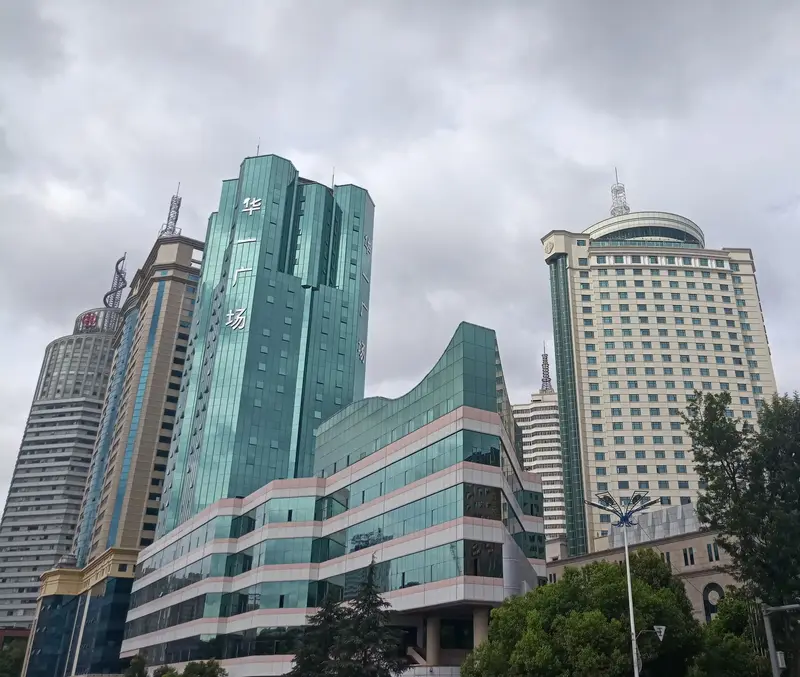
Kunming Industry: A Provincial Capital's Industrial Breakout
Kunming is an industrial city hidden behind its 'Spring City' image: in 2024 its GDP reached 827.5 billion yuan, a quarter of Yunnan's total. This report dissects this provincial capital's industry: from its Third Front equipment base, petrochemicals, and metallurgy, to a 'City of Medicine' (Yunnan Baiyao, Winona, Walvax) and Asia's largest flower market at Dounan, to the China-Laos Railway hub—and its breakout paths toward the high end, green, openness, and reform.
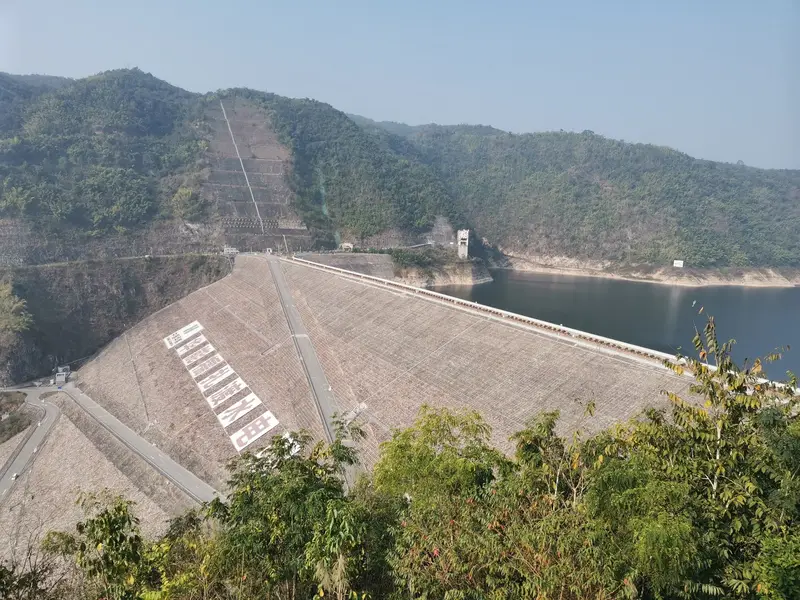
Yunnan Manufacturing: A Resource-Rich Province's Green Breakout
In 2024 Yunnan's GDP reached 3.15 trillion yuan, 18th in China, yet its industry has long been defined by three things: tobacco, nonferrous metals, and phosphate rock. This resource-based province now holds an enviable card: green power, with clean energy at 86.3% of generation. It examines how Yunnan is moving from tobacco dominance and resource dependence toward green manufacturing—hydropower aluminium and silicon, PV, and new-energy batteries—the green breakout of a resource-rich province.
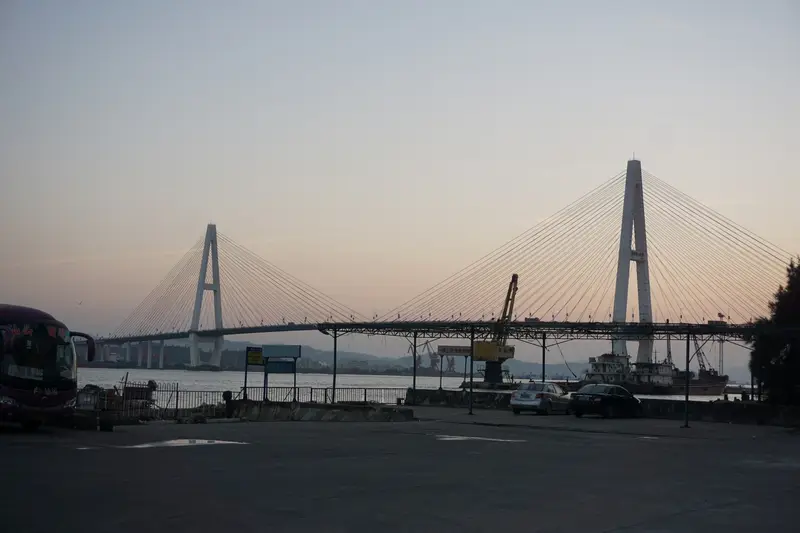
Shantou 1992–2026: The Decline and Restart of a Special Economic Zone
In 1980, Shantou had the highest starting GDP of China's four Special Economic Zones; by 2024, with 316.8 billion yuan and just 0.02% growth, it ranked last in Guangdong—under one-eleventh of Shenzhen. A century-old trading port and hometown of tycoons like Li Ka-shing and Pony Ma, why did it fall behind? This report dissects the causes—the 1991 split, the late-1990s tax-fraud case and collapse of credit, the 'blossoming outside the wall' paradox—and the hopes and risks of its restart.