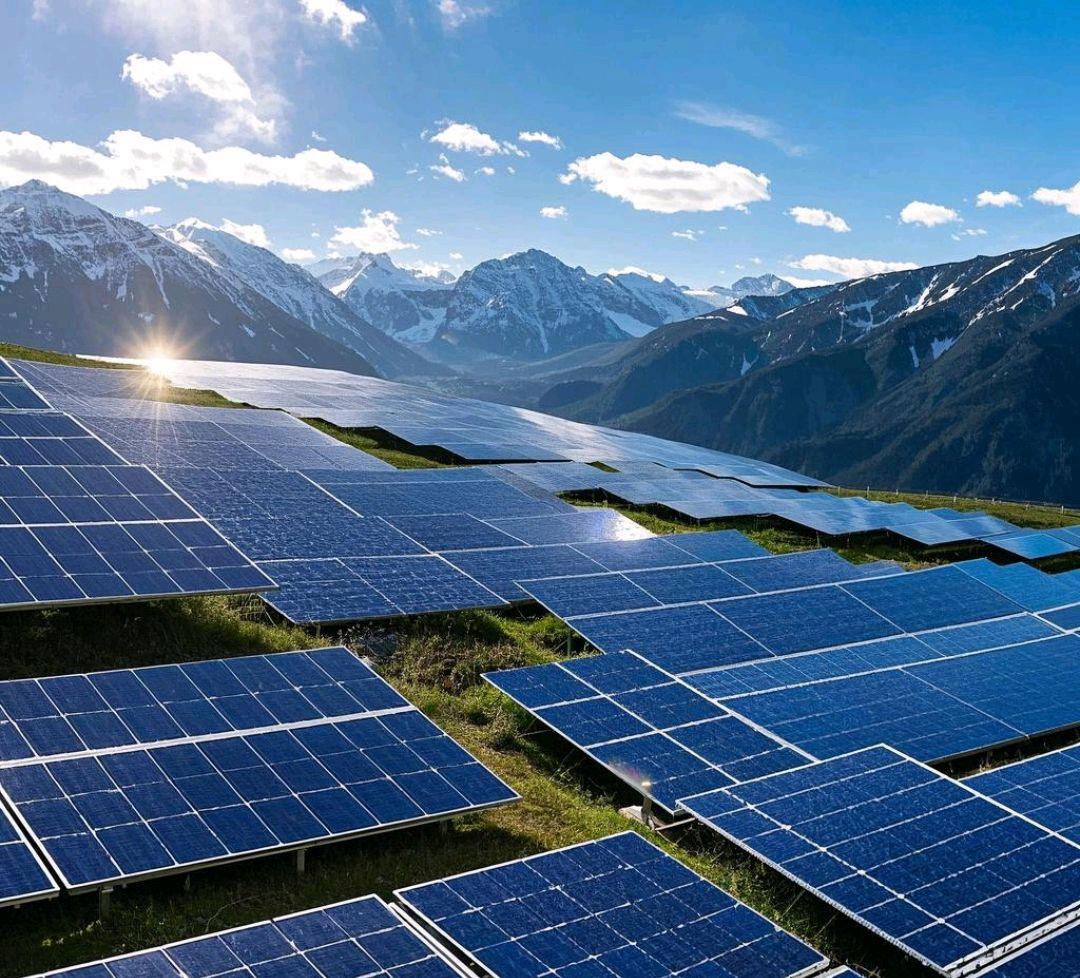

2026 China Solar Module Industry: Market Scale and Competitive Landscape Deep Research Report
Author: factory data platforms Industrial Research Institute Published: May 2026 Disclaimer: Data sourced from public information, listed company annual reports, and industry association statistics. For professional reference only; does not constitute investment advice.
Abstract
China's solar module industry entered a historic paradox in 2024–2025: it is the manufacturing sector with the highest global market share, fastest technology iteration, and largest shipment volume — while simultaneously recording the most devastating and sustained losses in any major manufacturing industry.
Key metrics (FY2025 full-year actuals):
- China's 2025 solar module output: approximately 620 GW, ~80% of global production
- China's 2025 new solar installations: 317 GW (up ~14% YoY), the world's largest single-country market (per China National Energy Administration)
- Module prices stabilized in the 0.65–0.75 RMB/W range in 2025, with raw polysilicon prices recovering in H2 2025 but limited pass-through to finished modules
- Among the six major module giants (LONGi, Tongwei, Trina, JinkoSolar, JA Solar, Canadian Solar), five continued posting losses in 2025; only Canadian Solar turned profitable (net income ~1.016 billion RMB) on the strength of its storage and power plant businesses
- TCL Zhonghuan lost ~9.264 billion RMB in 2025; industry-wide losses conservatively exceeded 150 billion RMB (down from 200 billion+ in 2024, but still at a historically extreme level)
- Global cell capacity (2025): TOPCon
967 GW (83% share), BC ~83 GW (7.1%), HJT ~74 GW (6.4%); TOPCon output ~580 GW (85% market share), BC output ~60 GW (9%), HJT output19 GW (2.7%)
Three core narratives:
First, the triple death spiral of overcapacity + price floors + overseas anti-dumping duties. The 1,000+ GW of domestic module capacity from the 2021–2023 expansion wave is slowly clearing; the US finalized anti-dumping rulings against four Southeast Asian nations in April 2025 (peak rate >3,500%), blocking the circumvention route, and launched new investigations against India, Indonesia, and Laos in July 2025; the EU CBAM officially took effect January 1, 2026. The industry remains in a war of attrition, but 2025 showed early signs of supply-demand improvement.
Second, choosing sides in the TOPCon vs BC vs HJT technology race enters the critical validation phase. N-type cell penetration exceeded 80% in 2025; TOPCon commands 85% of output; BC output reached ~60 GW (9% share), growing steadily in premium distributed markets; HJT output ~19 GW, with copper-plating technology as the 2025–2026 key breakthrough test. Technology route selection will determine strategic positioning through 2030.
Third, downstream-service integration massively outperforms pure-manufacturing vertical integration. Canadian Solar's profitable 2025 — the only major player to turn a profit — demonstrates that module + storage + power plant integration generates far more durable value than polysilicon + wafer + cell + module manufacturing integration. This is the most important strategic conclusion from two years of extreme stress-testing.
Core judgment (updated with 2025 actuals): Effective capacity clearance is expected to be largely complete by 2026–2027; a module price recovery window to 0.80 RMB/W+ is likely to emerge in H2 2026. Global installations of 617 GW in 2025 (well above consensus forecasts) increases the probability of this timeline. On technology, TOPCon will remain dominant in 2026–2028 (market share slowly declining from 85% toward 70%), BC will likely reach 30%+ share in distributed markets by 2027, and HJT copper-plating breakthrough remains a key wildcard.
Chapter 1 Definitions, Classifications, and Industry Chain Overview
1.1 What Is a Solar Module
Photovoltaics (PV) refers to the photovoltaic effect, discovered by Becquerel in 1839. Today, it underpins one of the largest clean energy manufacturing industries in the world.
A solar module (PV module) is the core power-generating unit of a solar system. It consists of solar cells connected in series or parallel, encapsulated between tempered glass and backsheet with encapsulant film, and framed in aluminum alloy. A standard 540–550W module measures approximately 2.28m × 1.13m and weighs ~28 kg. Under Standard Test Conditions (STC), it converts ~22–23% of incident solar radiation into electricity.
Modules cannot grid-connect independently. Multiple modules form strings, which connect through inverters to convert DC to AC, then feed into the grid via combiner boxes and transformers. The module is the "heart" of the entire system, accounting for ~35–40% of system total cost (this share has declined somewhat after the 2024 price collapse).
1.2 Technology Classification
1.2.1 P-type vs N-type
P-type PERC (Passivated Emitter and Rear Cell) was the dominant technology for the past decade, with market share exceeding 80–90% before 2023. Its efficiency ceiling of ~24% has been largely reached, triggering mass migration to N-type.
N-type technologies include three main routes:
- TOPCon (Tunnel Oxide Passivated Contact): Compatible with PERC line upgrades; lower capex for conversion. Mass-production efficiency ~24–25%; 60%+ share of new installations in 2024–2025. Led by JinkoSolar, Trina Solar, JA Solar, and Tongwei.
- HJT (Heterojunction Technology): Combines amorphous silicon film with crystalline silicon; laboratory efficiency 26.8%; high silver paste consumption (3–4× TOPCon), high equipment cost. Main player: Huasun Energy (Jinshi Energy). Facing deep losses in 2024.
- BC (Back Contact): All electrodes on the rear face, eliminating front shading; all-black appearance; favored in premium distributed rooftop markets. LONGi's HPBC 2.0 is the flagship product. Efficiency ~24.5–25.5%; expected to reach 15–20% market share in 2025.
Perovskite tandem cells: Laboratory efficiency >33% (perovskite/silicon tandem); commercial production at scale requires 3–5 more years. Key obstacles: long-term stability, lead toxicity, large-area uniformity.
1.2.2 Module Form Factors
- Single-glass vs dual-glass: Dual-glass modules replace the backsheet with a second glass layer; superior anti-PID performance; preferred for N-type and ground-mount projects.
- Half-cell: All modern modules; splits cells to reduce resistive losses and hot spots.
- Multi-busbar (MBB): More busbars reduce silver consumption and resistive losses.
- BIPV (Building-Integrated PV): Modules integrated into building envelopes (roofs, facades, glazing).
1.3 Full Industry Chain
Upstream: Metallurgical silicon → polysilicon (6N purity) → wafers; plus ancillary materials (glass, encapsulant, backsheet, silver paste, aluminum frames, junction boxes, ribbons).
Midstream: Wafers → solar cells → modules. The module segment is the primary battleground for the six major integrated players.
Downstream: Inverters, energy storage systems, EPC contractors, grid-connected power plant operators.
2024 reference prices (approximate):
- Polysilicon: ~55–65 RMB/kg (down 80%+ from 2022 peak)
- Wafers (182mm): ~1.3–1.5 RMB/piece
- TOPCon cells: ~0.28–0.32 RMB/W
- Modules: ~0.65–0.70 RMB/W (some bids below 0.60 RMB/W)
- Full cost (incl. depreciation): ~0.70–0.80 RMB/W
This means 2024 shipment prices were at or below the fully-loaded cost for most producers.
1.4 Value Chain Shifts
Historical value migration: 2005–2012 (polysilicon scarcity era, upstream captured most profit) → 2013–2019 (module technology differentiation, profits spread) → 2020–2022 (demand surge, upstream polysilicon profits soared again) → 2023–2025 (full-chain oversupply, industry-wide losses). The pattern confirms: in commoditized manufacturing, no segment is permanently "safe" during oversupply cycles.
Chapter 2 Global Solar Landscape and Overseas Competition
2.1 China's Dominant Position
China dominates every major segment of the solar supply chain in 2024:
- Polysilicon: ~158 million tonnes, 85%+ of global output
- Wafers: ~608 GW (electricity equivalent), 95%+ global share
- Solar cells: ~541 GW, 85%+ global share
- Modules: ~600 GW, 80%+ global share
China exported 211.7 GW of modules in 2023 (up 37.8% YoY), supplying ~60–65% of global incremental installations. Global solar additions reached ~390 GW in 2023 and an estimated 500+ GW in 2024, with China alone accounting for ~277 GW (55%).
2.2 Overseas Competitors
First Solar (USA, Nasdaq: FSLR): The world's leading thin-film (CdTe) PV manufacturer. 2024 revenue ~USD 4.42 billion; protected by IRA manufacturing subsidies in the US domestic market. Its CdTe technology is a niche alternative to crystalline silicon, not a replacement.
Hanwha Q CELLS (South Korea/Germany): Established brand in US and European markets; manufacturing in Georgia, USA under IRA benefits.
Maxeon Solar (Singapore, Nasdaq: MAXN): Spun off from SunPower; specializes in premium IBC modules. Near-bankruptcy in 2024, illustrating the limits of high-end positioning under price war conditions.
REC Group (Norway): Now majority-owned by Chinese capital (GCL), but still operates independently in Western markets.
Meyer Burger (Switzerland): Committed to European manufacturing (HJT); retreating from Europe due to cost pressure, pivoting to US factories.
2.3 Structural Sources of China's Dominance
- Industrial cluster effects: Complete supply chain within short logistics radius
- Scale economics: JinkoSolar alone shipped 92.87 GW in 2024 — equivalent to ~254 MW/day
- Technology iteration speed: PERC to TOPCon transition executed faster than any overseas competitor
- Capital intensity: Trillion-RMB-scale investment in 2021–2023 created near-insurmountable capacity barriers
2.4 Geopolitics and Trade Barriers
USA: 201 tariffs (14.25%) + 301 tariffs (raised to 50% in Sep 2024) + anti-dumping/countervailing duties (36.5%/8.47%). Direct Chinese exports to the US were essentially zero (USD 1.14 billion in 2024, just 0.65% of total module exports).
Southeast Asia double anti-duties (2025): The US imposed up to 3,500% anti-dumping and countervailing duties on Vietnam, Thailand, Malaysia, and Cambodia (April 2025), effectively blocking the Southeast Asian circumvention route. Companies are now pivoting to Indonesia, Laos, Turkey, and India.
EU: Exited the Minimum Import Price (MIP) mechanism; now applying CBAM (Carbon Border Adjustment Mechanism, full implementation 2026) and ESPR (Ecodesign for Sustainable Products Regulation). Non-tariff barriers rising, but direct trade barriers remain lower than the US.
India: 25–40% Basic Customs Duty (BCD) on Chinese PV products; pushing domestic manufacturing (PLI scheme).
2.6 First Solar: America's Thin-Film Moat
First Solar (Nasdaq: FSLR) is the most notable exception in the global solar industry: a module manufacturer that uses no crystalline silicon, yet turned a profit in 2024 while Chinese giants collectively bled red ink.
First Solar uses cadmium telluride (CdTe) thin-film technology. CdTe absorbs sunlight at just 3–4 microns (versus 100–200 microns for silicon), and its vapor-deposition manufacturing process is highly automated and continuous. CdTe modules achieve ~19–22% mass-production efficiency — below TOPCon's 24–25% — but outperform silicon in high-temperature and low-irradiance environments typical of the US Southwest.
2024 financials: Revenue USD 4.42 billion (+26% YoY); net profit ~USD 912 million (net margin ~20.6%) — exceptional in a year of industry-wide losses. Primary manufacturing base: Ohio, USA (3.5 GW), plus India (3.3 GW) and Malaysia (1.2 GW). By 2026, US domestic capacity is planned to reach 14.1 GW, with IRA manufacturing credits of ~USD 0.17/W making domestic production highly profitable.
Strategic moat: First Solar's dual advantages are technology differentiation (CdTe is the only commercially scaled non-silicon thin-film route) and policy protection (IRA). However, its scale (~25 GW planned) is ~4× smaller than JinkoSolar's 2024 shipments, and CdTe's efficiency ceiling limits penetration of efficiency-sensitive distributed markets.
2.7 Hanwha Q CELLS: The Limits of Brand Premium
Hanwha Q CELLS (Korea/Germany) represents an alternative overseas strategy: relying on brand recognition premiums and policy protection in Western markets rather than competing on cost with Chinese manufacturers.
Q CELLS operates 1.7 GW of crystalline silicon module capacity in Cartersville, Georgia (launched 2023), protected by IRA credits. Malaysian capacity (1.6 GW) was significantly impacted by the 2025 US Southeast Asia double anti-dumping duties. Hanwha Group's 2024 solar revenue (~KRW 2.8 trillion, ~USD 2 billion) declined YoY as module prices collapsed; profitability was thin to negative.
Strategic advantage: Q CELLS' original German brand carries "trusted quality" premium recognition in Germany, US, and Japan. Alongside First Solar, it is one of very few non-Chinese manufacturers with material US domestic manufacturing capacity under IRA requirements. However, Q CELLS' US factory all-in cost (~USD 0.22–0.28/W) remains far above Chinese competitors (cost advantage gap ~USD 0.10–0.12/W), and brand premium cannot bridge the full cost difference.
2.8 Maxeon Solar: The Premium Positioning Trap
Maxeon Solar (Nasdaq: MAXN) illustrates the harsh lesson of 2024: premium positioning cannot resist a cost-driven price war without a policy or technology moat.
Spun off from SunPower, Maxeon specializes in IBC (back-contact) high-efficiency modules (~22.8–24.9% mass-production efficiency) serving premium residential markets in the US, Australia, and Japan.
2024 financial crisis: Revenue USD 800 million (-28% YoY); gross margin turned negative (-12%); net loss ~USD 230 million; facing liquidity crisis and debt restructuring negotiations approaching bankruptcy. The collapse illustrates: when module prices fall to USD 0.09/W (0.65 RMB/W), no brand premium can overcome a cost gap when a competitor's all-in cost is USD 0.30–0.40/W.
2.9 Anti-Dumping Timeline: 2012–2025
| Year | Event |
|---|---|
| 2012 | US imposes first anti-dumping/countervailing duties on Chinese crystalline silicon PV (AD ~30%, CVD ~15%); China pivots to Taiwan circumvention |
| 2014 | EU-China Minimum Import Price (MIP) agreement (~EUR 0.56/W) |
| 2015 | US expands duties to cover Taiwan-sourced cells |
| 2018 | US Section 201 tariffs (30%→15% over 4 years); EU exits MIP, reverts to free trade |
| 2022 | US IRA passes; Biden administration grants 24-month Southeast Asia circumvention reprieve |
| Sep 2024 | US Section 301 tariffs on Chinese silicon cells rise from 25% to 50% |
| Apr 2025 | US imposes up to 3,500% anti-dumping/CVD duties on Vietnam, Thailand, Malaysia, Cambodia; Southeast Asia circumvention route blocked |
| 2026E | EU CBAM full implementation; mandatory carbon footprint disclosure for imports |
This timeline illustrates how Chinese solar companies' export strategy has evolved through four phases: Taiwan circumvention → direct export + Southeast Asia transit → deep Southeast Asia relocation → global factory network. Each policy tightening forced another round of supply chain restructuring.
Chapter 3 PEST Macro Environment Analysis
3.1 Political / Policy
China's dual-carbon targets (carbon peak 2030, neutrality 2060) are the most fundamental policy driver. Solar is designated as the primary clean power source.
Whole-county distributed PV rollout: 676 pilot counties for rooftop PV (residential, commercial, industrial buildings).
"Sand-Gobi-Desert" (沙戈荒) wind/solar mega-bases: National plan for 455 GW of large-scale wind and solar in desert/Gobi/barren land by 2030. Ground-mount project bidding (using lowest-price-wins tendering) is the primary trigger for price wars.
Industry self-discipline accord: CPIA issued cost guidance in October 2024; 33 enterprises signed a production quota accord in January 2025, attempting to halt price decline through coordinated output restrictions.
US IRA: Manufacturing tax credits of USD 0.07/W for US-produced modules; 30% Investment Tax Credit. Attracting Chinese companies to build US factories.
EU CBAM and ESPR: Require carbon footprint disclosure and ecodesign compliance for imports. Companies with water-powered manufacturing (Sichuan hydro) have inherent carbon advantages.
3.2 Economic
Global energy transition makes solar the lowest-LCOE new power source in many regions. IRENA data shows 90%+ reduction in solar LCOE over the past decade. The extreme losses of 2024–2025 are not a demand problem — global installations continue growing — but a supply-side self-inflicted crisis.
Polysilicon prices dropped from ~300 RMB/kg (2022 peak) to ~55–65 RMB/kg (2024), a decline of 80%+. The cost savings were passed entirely to downstream customers rather than retained as manufacturer margins.
3.3 Social
Broad social consensus on clean energy transition. Solar manufacturing directly and indirectly employs over 1 million people in China; local governments resist closures, prolonging oversupply.
3.4 Technological
- N-type replacing P-type PERC is the most certain near-term trend; N-type penetration expected to exceed 80% by 2026.
- Large-format wafers (G12, 210mm) and high-power modules (600–650W) continue advancing.
- AI vision inspection and digital twins improving yield and equipment utilization — key differentiators between leading and lagging manufacturers.
- Carbon footprint tracking becoming a competitive dimension in European markets.
Chapter 4 China Market Scale and Industry Operations
4.1 Production Volume: China's Global Manufacturing Base
China's module output reached ~518 GW in 2023 (up 75%+ YoY), ~600 GW in 2024, and approximately 620 GW in 2025, according to industry research data — representing ~80% of global production. Growth momentum is decelerating but the absolute scale continues to set new records.
Upstream segment production in 2025:
- Polysilicon: Tongwei alone sold 38.48 million tonnes in 2025 (per Tongwei 2025 annual report), maintaining a >30% domestic market share
- Solar cells: Tongwei sold 103.03 GW of cells in 2025, holding ~15% global market share (per Tongwei 2025 annual report)
- Wafers: TCL Zhonghuan's wafer revenue fell 26.5% in 2025 as prices continued declining
From 2020 to 2025, China's module output grew more than 6× in six years — driven by the 2021–2023 capital expenditure wave in which listed companies collectively announced more than 1,000 GW of new capacity additions.
4.2 Domestic Installations: 317 GW in 2025, New Record Again
China's 2024 new solar installations reached ~277 GW (up 43% YoY). In 2025, the record was broken again: per the National Energy Administration's "2025 Renewable Energy Grid Integration" report (published February 2026), China added 317 GW (3.17 billion kW) of solar capacity in 2025 — up ~14% YoY. Of this, centralized (ground-mount) solar accounted for 164 GW and distributed solar 153 GW.
By end-2025, China's cumulative solar installed capacity reached 1,200 GW (1.2 billion kW), up 35% YoY. Full-year solar generation reached 1.17 trillion kWh, up 40% YoY; national solar utilization rate was 95%.
Distributed solar's share remains at ~48%, reflecting ongoing growth in commercial/industrial and residential rooftop installations. Grid absorption constraints continue to affect large ground-mount projects in northwest China.
4.3 Exports: Volume Up, Value Down in 2025
Per China Chamber of Commerce for Import and Export of Machinery and Electronic Products (CCCME) and industry data, China's 2025 solar exports:
- Module exports: ~267.1 GW, up 6.4% YoY
- Cell exports: ~116.2 GW, up ~97.6% YoY
- Combined cells + modules: ~383.3 GW, up 23.7% YoY
- Total solar product export value: ~USD 29.4 billion, down ~8.3% YoY — reflecting the sharp decline in average selling prices
The surge in cell exports reflects rising overseas demand for locally-assembled modules, and reflects Chinese manufacturers' strategy of shifting portions of the value chain abroad to mitigate anti-dumping exposure. Module export values fell ~15% YoY to USD ~23.7 billion despite volume growth.
4.4 Prices: Bottom in 2024, Tentative Recovery in 2025
2024 Mid-to-Late Year: Module prices touched historical lows; some bids below 0.60 RMB/W, well below full-cost including depreciation. In October 2024, CPIA issued a minimum cost guidance price of ~0.68–0.70 RMB/W and called for industry self-discipline.
2025 H1: "Anti-involution" industry self-discipline progressed; 33 photovoltaic enterprises signed a self-discipline convention with production quota mechanisms. Compliance was uneven; average prices stabilized in the 0.65–0.72 RMB/W range without meaningful recovery.
2025 H2: Price recovery signals emerged but with sharp differentiation by supply chain tier. Per PV InfoLink data, N-type re-cast polysilicon spot prices rose from ~34,400 RMB/tonne in late June to ~53,200 RMB/tonne by December (+55%); wafer prices rose ~19–40%; cell prices ~15%; module prices only ~2%, with full-year average remaining in the 0.68–0.75 RMB/W range. Datang's 2025–2026 framework procurement tender saw TOPCon modules quoted at 0.692–0.705 RMB/W.
2026 Early Trend: Dual-glass TOPCon module prices have risen to ~0.70–0.72 RMB/W; analysts discuss a potential "return to 1.00 RMB/W," but consensus expects 2026 average prices in the 0.72–0.85 RMB/W range, contingent on supply-side capacity reduction accelerating.
4.5 Overcapacity: Slowly Clearing
In 2024, global module demand was ~500–550 GW against China's effective capacity of ~1,000 GW+. By 2025, with partial small/mid-player shutdowns and global installations reaching ~617 GW, the supply-demand ratio improved to approximately 1.4–1.6× — progress, but not yet resolved.
Industry estimates suggest ~100–150 GW of effective capacity exited in 2025 (China's effective capacity contracted to ~850–900 GW). Accelerating retirement of P-type PERC lines was the dominant "soft exit" mechanism; some smaller module producers have become insolvent.
4.6 Industry-Wide Losses: 2025 Somewhat Narrowed but Still Extreme
The 2024 Chinese solar industry sustained the largest collective loss in any manufacturing sector in modern history. The six major module giants alone combined for losses exceeding 140 billion RMB; with TCL Zhonghuan adding ~9.8 billion RMB, total industry-chain losses conservatively exceeded 200 billion RMB.
In 2025, losses continued but showed early signs of narrowing. Per company annual reports:
- LONGi: net loss ~6.42 billion RMB (narrowed from -8.618 billion in 2024; per 2025 annual report)
- Tongwei: net loss ~9.553 billion RMB (worsened from -7.039 billion; per 2025 annual report)
- Trina Solar: net loss ~6.994 billion RMB (per 2025 annual report)
- JinkoSolar: net loss ~6.786 billion RMB (per 2025 annual report; first annual loss in 12 years)
- JA Solar: net loss ~4.5–4.7 billion RMB (per 2025 performance pre-announcement)
- Canadian Solar: net profit +1.016 billion RMB (turned profitable; per 2025 annual report)
- TCL Zhonghuan: net loss ~9.264 billion RMB (narrowed slightly from -9.818 billion; per 2025 annual report)
Combined 2025 industry-chain losses conservatively exceeded 150 billion RMB — still roughly 3× the industry's all-time peak annual profit in 2022.
4.7 Capital Investment History: The Trillion-RMB Expansion Wave
The 2020–2023 solar capital expenditure wave was among the largest single-industry investment cycles in Chinese manufacturing history.
Listed solar companies collectively spent approximately 800–1,000 billion RMB in capex from 2021–2023; including non-listed companies and local-government-supported projects, total three-year investment reached approximately 1.2–1.5 trillion RMB. The "construction lag" (12–18 months from decision to first production) meant capacity additions made in 2021–2022 entered the market in 2023–2024, precisely when demand growth was decelerating and prices were falling.
4.8 Grid Absorption Constraints and Structural Challenges
Despite record installation volumes, China's west-to-east power transmission infrastructure cannot absorb all generated solar power. Curtailment rates in some northwest regions exceed 10% seasonally, dampening investment returns for ground-mount developers. Solutions — storage co-location, ultra-high-voltage DC transmission, demand-side flexibility — require years to build out.
Storage demand linkage: China's new energy storage additions reached approximately 94.91 GWh in 2025 (per government data), a major growth year, directly driven by co-located storage mandates for new solar projects. This is the market logic behind Canadian Solar, JinkoSolar, and others extending into storage — solar and storage are increasingly inseparable in the new power system.
4.9 Local Government Policy: Accelerator and Delay Factor
Local government competition for solar manufacturing investment — via subsidized land, concessional loans, tax incentives — contributed significantly to the 2021–2023 expansion. Conversely, in the 2024–2026 clearance cycle, the same local governments face pressure to protect employment, creating incentives to delay plant shutdowns via extended credit lines and implicit subsidies. This "local government soft-support" dynamic is a key reason why actual clearance pace may lag market expectations.
Chapter 5 Industry Chain Deep Dive
5.1 Cost Structure (TOPCon module, 2024 reference)
- Polysilicon: ~0.10–0.13 RMB/W
- Wafer processing: ~0.08–0.12 RMB/W
- Cell processing: ~0.05–0.08 RMB/W
- Ancillary materials (glass + encapsulant + backsheet + silver paste + frame + junction box): ~0.20–0.25 RMB/W
- Module assembly (labor + depreciation + overhead): ~0.06–0.10 RMB/W
- Total (incl. depreciation): ~0.70–0.80 RMB/W
5.2 Polysilicon
Modified Siemens method dominates (90%+); GCL's FBR (granular silicon) is gaining share. Big three: Tongwei (600438), GCL Technology (3800.HK), Daqo New Energy (688303), with combined domestic market share exceeding 60%.
Polysilicon prices fell from ~300 RMB/kg (2022 high) to ~55–65 RMB/kg (2024), down 80%+. The entire sector entered deep losses. High-purity manufacturing has meaningful technical barriers (6N purity control, exhaust gas treatment), helping leaders maintain relative competitive positioning.
5.3 Wafers
Two major size standards: M10 (182mm) and G12 (210mm). LONGi Green Energy (601012) and TCL Zhonghuan (002129) are the duopoly, with combined domestic capacity share exceeding 50%. Both suffered massive losses in 2024; TCL Zhonghuan's ~98 billion RMB loss was primarily driven by inventory write-downs and fixed asset impairments.
5.4 Solar Cells
The most technically dynamic midstream segment; the primary battleground of the TOPCon vs HJT vs BC war. Tongwei is the world's largest cell manufacturer (capacity 100+ GW); Aiko Solar (600732) pursues its differentiated ABC (All-Back-Contact) technology. Huasun Energy (the leading HJT specialist) fell into severe financial distress in 2024, a cautionary example of the cost disadvantage at current technology maturity.
5.5 Solar Glass
Dual-glass modules are driving glass demand growth. Flat Glass Group (601865) and Xinyi Solar (0968.HK) are the global duopoly, with combined global share exceeding 60%. Continuous furnace economics (high shutdown cost) slow supply-side adjustment vs. module manufacturers.
5.6 Encapsulant Film
EVA (Ethylene Vinyl Acetate): Lower cost, traditional dominant material; PID susceptibility makes it less ideal for N-type modules in high-humidity climates. POE (Polyolefin Elastomer): Superior anti-PID performance; preferred for N-type modules; costs ~1.5–2× EVA. Foster (603806) holds ~40–45% global market share; Hiuv New Materials (688680) is #2.
5.7 Silver Paste
HJT cells consume 3–4× more silver paste than TOPCon, the core cost bottleneck for HJT scale-up. Dico (300842) is China's leading solar silver paste manufacturer. Copper metallization (replacing silver electrodes) is under active development for HJT.
5.8 Backsheet and Junction Boxes
Backsheet (TPT/PPE/KPE materials): Jolywood (300393), Lucky Film (600135). Junction boxes: commoditized, many suppliers. Dual-glass modules partially cannibalize backsheet demand.
5.10 Polysilicon Deep Dive: The Extreme Cycle
Polysilicon pricing has experienced three major boom-bust cycles: 2007–2008 (>USD 400/kg peak), 2010–2013 (crash to USD 15–20/kg), 2020–2022 (>RMB 300/kg peak), and 2023–2024 (crash to RMB 55–65/kg). This extreme cyclicality correlates with capacity expansion's 18–24 month construction lag: high prices attract capital, new supply floods the market after the demand growth inflection has passed.
2024 capacity and market structure: Total China capacity 2 million tonnes/year; actual output ~1.58 million tonnes (70–75% utilization). Big Three (Tongwei 35mt, GCL Technology 30mt, Daqo 15mt) hold ~65–70% of effective 2024 production. As mid-small producers shut down (30–40% of capacity), CR3 is trending toward 80%+ post-clearance.
Price transmission mechanism: The polysilicon price collapse (from RMB 300/kg peak to RMB 55–65/kg) reduced module material cost by ~RMB 0.40–0.50/W — but this saving was entirely passed through to module buyers (project developers) rather than retained as manufacturer margins. Every segment suffered simultaneously.
5.11 Wafer Deep Dive: The Duopoly Under Pressure
Wafer production involves Czochralski (CZ) crystal growth, diamond wire slicing, and cleaning/inspection. LONGi and TCL Zhonghuan hold >50% combined domestic market share, but both suffered massive losses in 2024.
2024 price trajectory: M10 (182mm) P-type wafer prices fell from ~RMB 2.0/piece to ~RMB 1.2–1.3/piece (-35–40%); N-type slightly higher at ~RMB 1.3–1.5/piece. At ~RMB 0.09–0.12/W, prices approached or fell below variable costs.
TCL Zhonghuan's specific challenge: Its RMB 9.8 billion loss stemmed from layered impacts: revenue collapse from ~40% price decline; inventory write-downs (RMB 3–4 billion) as wafer values were marked to market; fixed asset impairments on retiring PERC/P-type lines; and rising financing costs. Management explicitly signaled intent to enter cells/modules via M&A to achieve vertical integration and diversify away from pure-wafer exposure.
Technology roadmap: Wafer thickness is progressively thinning: 180μm (2018) → 130–150μm (2024); G12 (210mm) format is now mainstream for ground-mount. Diamond wire kerf continues to narrow (~40–45μm), reducing silicon waste per slice by ~10–15%.
5.12 Solar Glass Deep Dive: Flat Glass and Xinyi's Duopoly
Solar glass requires high transmittance (≥91.5%), impact resistance (25mm hail at 88km/h), UV stability, and low iron content (for minimum light absorption). Unlike standard glass, solar glass needs anti-reflection (AR) coating.
Tank furnace economics: Once lit, glass furnaces are prohibitively expensive to shut down — cooling costs several weeks and tens of millions of RMB in losses. This structural constraint means glass capacity exits far more slowly than module or wafer capacity during downturns, explaining why glass producers maintain positive (if compressed) margins even during industry-wide stress.
- Flat Glass Group (601865): Daily melting capacity ~22,000 tonnes, global share ~25–30%; 2024 revenue ~RMB 14.2 billion, net profit ~RMB 1.5–2 billion (positive even in the worst year for the solar chain)
- Xinyi Solar (0968.HK): Daily melting ~18,000–20,000 tonnes; 2024 revenue ~HKD 17.6 billion, net profit ~HKD 1.1 billion
Dual-glass modules (using glass on both faces, replacing backsheet) grew to >65% of new shipments in 2024 (from ~30% in 2020), effectively doubling per-module glass consumption and providing structural demand support independent of overall module volume growth.
5.13 Encapsulant Film Deep Dive: EVA-to-POE Migration
EVA vs POE performance comparison:
- EVA: Lower cost (~RMB 7,000–9,000/tonne); mature supply chain; susceptible to PID (potential-induced degradation) via acetic acid hydrolysis in high-humidity environments — more problematic for N-type cells
- POE:
1.5–2× EVA cost (RMB 12,000–15,000/tonne); superior water vapor barrier (1/5th EVA's transmission rate); excellent anti-PID; required for N-type modules; key raw material (ethylene-octene copolymer) primarily imported from ExxonMobil and Dow (US) — a strategic supply chain vulnerability
POE/EPE (POE+EVA composite) penetration in N-type modules reached ~55–60% in 2024 (from ~25% in 2022). Foster (603806) holds ~40–45% global share; Hiuv New Materials (688680) is #2. China's m-POE domestic production rate remains ~15–20%, creating ongoing import dependency risk.
5.14 Silver Paste Deep Dive: Saving Silver, Racing to Copper
Silver paste is the most precious-metal-sensitive cost item in PV manufacturing. Key consumption differentials:
- TOPCon: ~80–100mg/cell → ~RMB 0.012–0.018/W
- HJT: ~250–350mg/cell (3–4× TOPCon) → ~RMB 0.04–0.06/W — the primary HJT cost bottleneck
- BC: ~100–150mg/cell → ~RMB 0.018–0.025/W
Dico (300842) leads Chinese PV silver paste with ~30–35% market share; 2024 revenue ~RMB 6–6.5 billion. TOPCon silver paste roadmap: narrower lines (50μm → 35–40μm), multi-busbar/MBB designs, copper-silver hybrid; target ~60–70mg/cell by 2026.
HJT copper metallization (ECM): Electroplated copper can theoretically reduce HJT silver cost from ~RMB 0.05/W to ~RMB 0.005–0.01/W (90% reduction). Technical hurdles: copper-ITO adhesion, copper diffusion into silicon, large-area uniformity. First 100+ MW commercial scale ECM validation expected 2025–2026; ~40–50% probability of volume production breakthrough by 2027.
Chapter 6 Competitive Landscape and Key Enterprises
6.1 Industry Concentration: Oligopolistic Competition Solidifies
The solar module industry is a rare "rapid concentration" case in manufacturing. From 400+ Chinese module makers around 2015, CR5 now exceeds 60% of global market share, CR10 ~75%. In 2025, among the six major players, five continued to post losses while only Canadian Solar turned profitable — the moat is "surviving longer," not "earning more."
6.2 LONGi Green Energy (601012)
FY2024: Revenue 82.582 billion RMB (-36.2% YoY); net loss -8.618 billion RMB, the first annual loss since its IPO.
FY2025 (per 2025 annual report): Revenue 70.347 billion RMB (-14.8% YoY); net loss -6.42 billion RMB (loss narrowed 25.3% from 2024). Operating cash flow turned positive: +4.359 billion RMB vs -4.725 billion in 2024 — a meaningful operational recovery signal. Impairment losses were lower than the large FY2024 charges; HPBC 2.0 BC product shipments increased with some ASP premium providing limited cushion.
2026-Q1 (per 2026 Q1 report): Revenue 11.192 billion RMB (-18.0% YoY); net loss -1.920 billion RMB, worsened 34.2% YoY, primarily due to ~700 million RMB FX loss (hedging gain reversed to loss).
LONGi's BC strategy bet remains the industry's most watched single-company narrative for 2025–2028.
6.3 Tongwei (600438)
FY2024: Revenue 91.994 billion RMB (-33.9% YoY); net loss -7.039 billion RMB, Tongwei's first annual loss since its 2004 IPO.
FY2025 (per 2025 annual report): Revenue 84.128 billion RMB (-8.6% YoY); net loss -9.553 billion RMB (loss deepened 35.7% YoY). Solar business revenue 54.138 billion RMB; aquaculture/feed revenue 29.259 billion RMB. Gross margin 2.70%; net margin -12.96%. High-purity polysilicon sales 38.48 million tonnes (>30% domestic share); cell sales 103.03 GW (~15% global market share). The aquaculture "firewall" weakened in 2025, with the integrated entity's profitability worse than in 2024 despite agricultural diversification.
6.4 Trina Solar (688599)
FY2024: Revenue 80.334 billion RMB (-29.2% YoY); net loss -3.455 billion RMB.
FY2025 (per 2025 annual report): Revenue 67.279 billion RMB (-16.2% YoY); net loss -6.994 billion RMB (loss roughly doubled vs 2024). Energy storage emerged as a bright spot: 2025 storage shipments exceeded 8 GWh with overseas share >60%. Trina Tracker subsidiary remains a top-3 global tracking mount supplier, with margins ~15–20%, providing material gross profit offset to module losses.
6.5 JinkoSolar (688223)
FY2024: Revenue 92.471 billion RMB (-22.1% YoY); net profit 0.099 billion RMB (the sole profitable major player; non-recurring adjusted was -0.932 billion RMB).
FY2025 (per 2025 annual report): Revenue 65.492 billion RMB (-29.2% YoY); net loss -6.786 billion RMB, Jinko's first annual loss in 12 years. The primary driver: the US April 2025 final anti-dumping/CVD rulings against Vietnam and Malaysia (peak combined rate >3,403%) materially impaired the value of Jinko's ~7–8 GW Vietnam and ~5 GW Malaysia capacity, triggering related asset impairments. Jinko's US domestic manufacturing (IRA manufacturing credit protection) remains a near-term profit bright spot.
6.6 JA Solar (002459)
FY2024: Revenue 70.121 billion RMB (-14.0% YoY); net loss -4.656 billion RMB.
FY2025 (per 2025 performance pre-announcement): Net loss approximately 4.5–4.7 billion RMB, modestly narrowed from 2024. JA Solar's relatively conservative financial structure (lower leverage ratio) provided somewhat better financial buffering capacity. Its diversified overseas channel network (Europe, Middle East, South America) mitigated single-market concentration risk.
6.7 Canadian Solar (688472 / CSIQ)
FY2024 (US GAAP): Module shipments 31.1 GW; storage shipments 6.6 GWh; net income ~USD 35 million.
FY2025 (per 2025 annual report): Revenue 40.256 billion RMB; net profit +1.016 billion RMB (non-recurring adjusted: +0.921 billion RMB) — the only profitable major player in 2025. Module shipments 24.3 GW (reduced, consistent with "anti-involution" discipline). Utility-scale storage shipments: 7.8 GWh, up 20% YoY; cumulative deliveries since inception exceeded 18 GWh by end-2025. Storage backlog: ~91 GWh / ~USD 3.2 billion. Operating cash flow: 7.075 billion RMB, up 191% YoY.
The storage + power plant development model provided the gross margin foundation (storage ~20–25% GM) that offset module losses and delivered full-chain profitability.
6.8 TCL Zhonghuan (002129)
FY2024: Revenue 28.419 billion RMB (-52% YoY); net loss -9.818 billion RMB, one of the largest losses among solar listed companies.
FY2025 (per 2025 annual report): Revenue 29.050 billion RMB (+2.2% YoY); net loss -9.264 billion RMB (loss narrowed 5.6%). Module business revenue grew 60.4% YoY to 9.324 billion RMB, shipments up 80%+. Wafer business revenue fell 26.5% to 12.238 billion RMB — the primary drag. Operating cash flow: 1.144 billion RMB, down 59.7% YoY. TCL Zhonghuan is actively expanding its module business to reduce reliance on the commoditized wafer segment.
6.9 Ancillary Suppliers: The "Profitable Exceptions"
Unlike the integrated module/wafer/polysilicon players, several ancillary and equipment suppliers maintained relative stability in 2024–2025:
- Flat Glass (601865): Leading solar glass supplier; remained profitable on scale and cost advantages.
- Foster Electric (603806): ~45% share in encapsulant film; relatively stable margins.
- Sungrow (300274): Leading inverter maker; significantly more profitable than module players in 2024–2025, benefiting from storage inverter demand growth and ~25–30% gross margins.
6.10 LONGi Strategic Deep Dive: The BC Technology Bet
LONGi's management concluded that TOPCon's conversion advantages are "certain but temporary" (low barrier to entry, leads to commodity competition), while BC's manufacturing complexity creates a more durable moat — particularly through its all-black aesthetic in premium distributed and residential markets. The HPBC 2.0 product carries ~0.05–0.10 RMB/W premium over TOPCon. By 2025, the bet was beginning to generate some traction — operating cash flow turned positive, losses narrowed — but full validation awaits the 2026–2027 period when BC's distributed market share trajectory becomes clearer.
6.11 Tongwei Strategic Deep Dive: Dual-Business Logic and Module Extension Challenges
Tongwei's unique structure — aquaculture + solar — provided a partial buffer in 2024 but proved insufficient in 2025 (losses widened). Its 2023 decision to enter the module segment remains contested: despite commanding global-leading scale in polysilicon and cells, Tongwei lacks the brand and channel infrastructure for module selling. 2024–2025 module shipments remain well below plan, and the module extension debate continues.
6.12 JinkoSolar Strategic Deep Dive: TOPCon First-Mover at the Limits of Tariff Disruption
Jinko's TOPCon early mover advantages (2021 conversion) created real cost and yield differentiation. But the 2025 US anti-dumping final ruling against Vietnam/Malaysia fundamentally changed the risk profile of Jinko's Southeast Asian manufacturing network. The pivot to US domestic manufacturing (IRA credits) is the key strategic response for 2026–2028.
6.13 Trina Solar Strategic Deep Dive: G12 Standard Ownership and Downstream Extension
Trina's G12 (210mm) standard-setting gave it a durable brand differentiator but not profit protection in a commodity price war. Its tracking mount subsidiary (Trina Tracker) and expanding energy storage business represent the higher-value extensions that partially offset module margin compression.
6.14 JA Solar and Canadian Solar: The Resilience Playbooks
JA Solar: Conservative balance sheet, diversified overseas channels. FY2025 losses modestly narrowed; asset impairment is largely in the past; improved price recovery in 2026 would translate to meaningful earnings rebound.
Canadian Solar: The 2025 profitable exception validates the model — storage backlog of 91 GWh provides multi-year revenue visibility; power plant development sales provide additional one-time project income. Risk: US interest rate environment affecting power plant asset valuations.
6.15 Key Financial Comparison (FY2025)
| Company | 2025 Revenue (bn RMB) | 2025 Net Profit (bn RMB) | Operating CF Trend |
|---|---|---|---|
| LONGi | 70.3 | -6.42 | Turned positive (+4.4bn) |
| Tongwei | 84.1 | -9.55 | Under pressure |
| Trina Solar | 67.3 | -6.99 | Under pressure |
| JinkoSolar | 65.5 | -6.79 | Scale supports coverage |
| JA Solar | ~48–52 (est.) | ~-4.7 | Relatively stable |
| Canadian Solar | 40.3 | +1.02 | Strongly improved (+7.1bn) |
| TCL Zhonghuan | 29.1 | -9.26 | Significantly weaker |
Note: JA Solar FY2025 revenue estimated from Q1-Q3 2025 (368 billion RMB annualized); per company annual report for others.
Chapter 7 China's Solar Industrial Belt Geography
7.1 Formation Logic
Solar industrial clusters reflect the "upstream moves west, midstream/downstream stays east" structure:
- Western China (Sichuan, Inner Mongolia, Qinghai, Xinjiang, Yunnan): Abundant hydropower and low industrial electricity costs attract polysilicon and wafer production.
- Eastern/Central China (Jiangsu, Anhui, Zhejiang, Guangdong): Complete supply chain ecosystem, logistics advantages, manufacturing talent concentration — the hub for cells, modules, and inverters.
7.2 Leshan, Sichuan: "China's Green Silicon Valley"
Leshan's core advantage is abundant cheap hydropower (~0.30 RMB/kWh). Current capacity: ~188,000 tonnes/year polysilicon, ~50 GW ingot/slicing, ~17 GW wafer production. Tongwei and GCL Technology both have core operations here. The water-power cost advantage gives Leshan polysilicon a relative edge vs. coal-powered Inner Mongolia capacity during downcycles.
7.3 Inner Mongolia, Qinghai, Xinjiang
Inner Mongolia: Daqo New Energy's main base (~150,000 tonnes/year); Shuangliang Energy Saving (688481) has large-scale wafer capacity. Qinghai: Smaller polysilicon cluster, benefiting from hydro/solar mix. Xinjiang: Historically low-cost polysilicon; US UFLPA scrutiny has driven some capacity relocation or supply chain auditing.
7.4 Jiangsu: The Midstream Manufacturing Hub
Changzhou: Trina Solar's home base; strong module manufacturing ecosystem. Wuxi: Historical home of Suntech (now restructured); residual module and energy equipment cluster. Suzhou: Niche ancillary materials. Jiangsu's advantages — skilled manufacturing workforce, Shanghai port logistics, downstream customer and EPC network access — make it difficult to fully displace.
7.5 Hefei, Anhui: Full-Chain Coordination
Tongwei (polysilicon + cells), Sungrow (inverters/storage), and GCL Technology all have major operations in Hefei. Hefei's proactive industrial policy ("Hefei model") has supported effective full-chain coordination from polysilicon to inverters — rare among Chinese cities.
7.6 Zhejiang and Guangdong
Zhejiang: JinkoSolar's Haining manufacturing base; distributed across Huzhou, Jiaxing, Taizhou. Guangdong: Inverter and storage density hub — Sungrow (Shenzhen R&D), Goodwe (688390), Growatt, and Huawei Digital Energy (Shenzhen). Guangdong leads in smart equipment and inverters rather than module manufacturing per se.
7.7 Tianxia Gongchang Perspective: The Identification Challenge for Mid-Size Suppliers
Media coverage focuses on the six giants, but the true depth of the solar industrial belt lies in thousands of mid-size ancillary manufacturers: aluminum frame profile processors, junction box makers, solar ribbon fabricators, EVA/backsheet cutting shops, mounting structure steel fabricators, and EPC installation service companies.
These suppliers' business licenses often read "aluminum alloy / metal processing / mechanical manufacturing / construction installation" — not "solar." Their products flow directly to module factories or EPC contractors without their own brand. Firms range from 50 to 500 employees, dispersed across Changzhou, Wuxi, Jiaxing, Hefei, and Leshan.
Identifying this layer is precisely where conventional databases (relying on official statistical categorization) fall short. factory data platforms, with its database of ~4.8 million verified active factories, deploys factory-identification algorithms that cut through "aluminum profile processor" industry codes to locate the actual downstream destination — enabling upstream sales teams and equipment vendors to precisely reach these thousands of mid-tier suppliers, not just the handful of publicly known module giants.
7.8 Clearance and Restructuring
In the 2024–2025 downturn: Western polysilicon belts see rising idle rates, some older capacity decommissioned but major players haven't fully exited. Eastern module belts: smaller module factories shutting down, with head players at 60–70% utilization vs. tail players at 30–40%. Ancillary material suppliers (aluminum frames, ribbons, junction boxes) see mixed impacts; concentrated leaders (Flat Glass, Foster) maintain relative stability.
7.9 Changzhou-Wuxi Deep Profile: China's Highest New-Energy Manufacturing Density
Changzhou hosts Trina Solar's HQ and core manufacturing (~50–60 GW/year capacity including overseas), plus dense ancillary clusters: junction box manufacturers (Changzhou Wujin district: ~30–40% of China's junction box production, ~200–300 factories, annual value ~RMB 5–8 billion), PV ribbon fabricators, and aluminum frame processors. The overlap with EV manufacturing (Ideal Auto, BYD Yangtze Delta) creates shared supply chains in aluminum and electrical connectors.
Wuxi is more complex historically. Suntech (founded Wuxi 2001) was once the world's largest module manufacturer (2010–2012) before its 2013 debt-crisis bankruptcy — China's first major solar company failure. Post-restructuring, Wuxi's direct module capacity largely migrated elsewhere; today Wuxi's solar-related industry concentrates in electrical equipment, energy storage control systems, and some encapsulant film processing. The Suntech saga remains the industry's definitive cautionary tale about overleverage and overcapacity.
7.10 Hefei Deep Profile: Closest Thing to a Full-Chain Solar City
Hefei's "Hefei Model" industrial policy (government strategic equity investments, as applied to BOE, NIO, and CXMT) has been applied to the solar sector with remarkable success:
Tongwei Hefei: Major TOPCon cell base (~20–25 GW capacity); plus the "fishing + solar" (渔光互补) model demonstrating agri-solar co-deployment around Hefei suburban fish ponds.
Sungrow (300274): Headquartered in Hefei High-Tech Zone; world-leading inverter and BESS supplier. 2024 revenue ~RMB 72.6 billion, net profit ~RMB 7.5 billion (+6% YoY) — the standout financial performance in the entire solar supply chain. Inverter global market share ~25–30%; utility-scale BESS share ~10–15%. Gross margins ~28–32% — vs. module companies at 4.67% (Tongwei) or deep negative.
Supply chain closure rate: ~90% of the solar value chain can be completed within Hefei and a 200km radius (polysilicon → cells → modules nearby in Jiangsu → inverters/BESS → project development). This density is unique among Chinese solar cities.
7.11 Leshan Deep Profile: The Green Silicon Valley's Energy Logic
Leshan's water-power advantage is precisely quantifiable: industrial hydro electricity ~RMB 0.28–0.32/kWh vs. Inner Mongolia coal power ~RMB 0.35–0.45/kWh — a ~RMB 0.05–0.15/kWh differential. Modified Siemens polysilicon requires ~50 kWh/kg; at 50 kWh and RMB 0.10/kWh differential, Leshan saves ~RMB 5/kg vs. coal-powered plants — meaningful against a spot price of RMB 60/kg (8% cost advantage), and structural.
CBAM implication: Sichuan hydro electricity has 10–15 g CO₂/kWh; Inner Mongolia coal has ~700–800 g CO₂/kWh — a 50× carbon intensity difference. Under EU CBAM (EUR 70/tonne CO₂), this translates to ~EUR 3–5/kg polysilicon cost advantage for green-powered production — a material and growing premium for European market access.
Cluster maturity: The Leshan cluster spans quartz sand → metallurgical silicon → polysilicon → ingot/slicing → wafer within a ~50–100 km logistics radius. This integrated proximity cannot be replicated by distributed supply chains elsewhere and represents a durable geographic competitive advantage.
7.12 factory data platforms: Full-Spectrum Factory Intelligence in the Solar Belt
Solar industry media coverage fixates on the six giants' quarterly earnings, but the real industrial depth of China's solar belt lies in thousands of mid-size ancillary producers: aluminum frame profile processors, junction box makers, solar ribbon fabricators, EVA/backsheet cutting shops, mounting structure steel fabricators, and local EPC installation service companies. These firms' names never appear in industry research reports, yet their operational tempo — whether shutting down, expanding, or switching customers — faithfully mirrors the entire industrial belt's health.
factory data platforms, with its database of 4.8 million verified active Chinese factories, deploys proprietary factory-identification algorithms that cut through business license classifications ("aluminum alloy processing," "metal stamping," "construction installation") to locate the actual PV ancillary suppliers — from the junction box factory clusters in Changzhou's Wujin district (200–300 enterprises, ~RMB 5–8 billion annual value) to EVA/POE film cutting shops in Jiaxing and Huzhou, to silicon equipment maintenance service providers around Leshan (30–50 firms), to aluminum frame die-pressing workshops in suburban Hefei.
For solar industry upstream equipment vendors, ancillary material sales teams, and EPC material procurement managers, this full-spectrum factory intelligence fills the critical gap that conventional business registration databases leave open — the gap between "six publicly known giants" and "the thousands of mid-tier factories with real procurement needs and supply capabilities" that form the true foundation of China's solar industrial ecosystem.
7.13 Yunnan, Guangxi, and Emerging Nodes
Yunnan Baoshan/Qujing: Rich hydropower (~80 GW installed, China's largest, avg. grid price ~RMB 0.25–0.30/kWh) attracts polysilicon and wafer capacity. LONGi has a monocrystalline ingot base in Baoshan. Yunnan's green-power advantage is real, but lack of full midstream supply chain ecosystem (cells, modules) requires logistics cost tradeoffs.
Guangxi Laibin/Liuzhou: Major aluminum processing base, highly relevant to PV aluminum frames. National PV aluminum frame consumption 2–2.5 million tonnes/year; Guangxi supplies ~30%. As PV installations grow (450–500 tonnes of aluminum frame per GW), Guangxi's aluminum processing industry is a growing PV supply chain node.
7.14 Industrial Belt Logistics and Testing Services
Specialized PV logistics: Modules' specific requirements (2.3m×1.1m, 25–30 kg, fragile) have spawned specialized PV logistics providers — custom packaging material suppliers, module-specific transport operators, specialist warehouses with proper racking and handling. These invisible services are fundamental infrastructure for PV manufacturing clusters.
Third-party testing and certification: In major PV industrial belts (Changzhou, Jiaxing, Hefei, Leshan), CGC (Certification Center of China), TÜV Rheinland (Shanghai/Shenzhen labs), and TÜV SÜD have established local certification service centers that compress certification time from 2–4 weeks (shipping to Beijing/Shanghai) to ~5–7 days. Shorter certification cycles reduce inventory holding costs and time-to-market for module producers, providing material competitive advantages for factories in well-served clusters vs. those in remote locations.
Chapter 8 Subsector Deep Dives
8.1 Technology Route Showdown: TOPCon vs BC vs HJT
The most important internal narrative in solar in 2024–2026 is not shipment rankings but the outcome of the three-way N-type technology competition.
8.1.1 TOPCon: Mainstream Dominance Consolidated
TOPCon's 2025 data confirms total domination: 967 GW of installed capacity (83% of industry total), ~580 GW output (85% market share), with N-type penetration exceeding 80% of all new installations. The advantages remain (lower capex conversion path, mature supply chain), but so do the limits — overwhelming supply scale is itself the primary downward pricing driver.
2025 market position: TOPCon output ~580 GW (85% share). Ground-mount utility-scale installations are almost entirely TOPCon. However, commodity-level margin compression in this segment has been severe.
8.1.2 BC: Premium Distributed Market Gains Traction
2025 market data: BC capacity 83 GW (7.1% of industry), output ~60 GW (9% market share), up from ~5–8% in 2024. BC is gaining measurable share in premium distributed and residential markets, where the all-black aesthetic and performance advantages (better low-light performance, +2–3% generation in equal area) command price premiums of 0.03–0.08 RMB/W over TOPCon.
LONGi's HPBC 2.0 mass-production efficiency: ~24.5–25.5%; laboratory: ~26.6%. Manufacturing cost premium over TOPCon: ~0.05–0.10 RMB/W. BC remains uncompetitive in ground-mount price-war markets, but distributed market share is on an upward trajectory toward a projected 25–30% by 2027.
8.1.3 HJT: Highest Efficiency, Narrowest Commercialization Path
2025 market data: HJT capacity 74 GW (6.4%), output ~19 GW (2.7% market share), with a capacity utilization rate well below TOPCon and BC. Huasun Energy remained in deep losses in 2024–2025, illustrating the survival challenge for pure-play HJT producers.
HJT's path to competitiveness runs through copper electroplating (ECM) — replacing silver paste with electroplated copper grids to cut metallization cost by ~90%. Technical hurdles include copper-ITO interface adhesion, copper diffusion into silicon, and large-area uniformity. Validation tests at 100+ MW scale are expected from 2025–2026; if lifespan (85°C/85% RH 1,000 hours) and PID testing pass mainstream certification thresholds, HJT will enter a new competitive window with cost structure approaching TOPCon while maintaining ~1–1.5% efficiency advantage.
8.1.4 Three-Route Comparison (2025 Data)
| Dimension | TOPCon | BC | HJT |
|---|---|---|---|
| 2025 Capacity | ~967 GW (83%) | ~83 GW (7.1%) | ~74 GW (6.4%) |
| 2025 Output Share | ~85% | ~9% | ~2.7% |
| Mass Production Efficiency | 24–25.5% | 24.5–25.5% | 25–26% |
| Cost vs TOPCon | Baseline | +5–10% | +15–25% |
| Primary Market | Utility-scale ground mount | Premium distributed/residential | Premium niche |
| Key Players | Jinko/Trina/JA/Tongwei | LONGi/Aiko | Huasun/Risen Energy |
8.2 Vertical Integration vs. Specialization: Diverging Results
The 2024–2025 stress test delivered a clear verdict on integration models:
- Storage + power plant integration (Canadian Solar): Most effective; storage gross margins (~20–25%) offset module losses to deliver full-chain profitability in 2025. The only model that generated positive returns.
- Polysilicon + cell dual integration (Tongwei): Limited buffer; agricultural business acted as partial cash flow stabilizer in 2024, but weaker in 2025; losses worsened.
- Pure manufacturing vertical integration (LONGi: wafer + module): Minimal protection; large impairment exposure without downstream service revenue buffer.
The strategic conclusion: downstream service integration (storage, power plants) creates far more durable profitability than upstream-to-midstream manufacturing integration during periods of commodity price wars.
8.3 Overseas Trade Barriers: Major 2025–2026 Developments
United States: Anti-Dumping/CVD Final Rulings (April 2025)
In April 2025, the US Commerce Department finalized anti-dumping and countervailing duty determinations against four Southeast Asian countries (Vietnam, Malaysia, Cambodia, Thailand). Anti-dumping rates: 6.1%–271.28%; countervailing duty rates: 14.64%–3,403.96% (Cambodia ~3,521% for non-cooperation). This effectively closes the Southeast Asian transhipment route and directly impaired the asset values of JinkoSolar's Vietnam/Malaysia facilities, driving Jinko's first annual loss in 12 years.
In July 2025, the US initiated AD/CVD investigations against India, Indonesia, and Laos. Preliminary determination tax rates of 104%–125% were published in H1 2026, further compressing the list of viable offshore manufacturing locations.
EU CBAM: Officially in Effect from January 1, 2026
The EU Carbon Border Adjustment Mechanism entered its transitional phase in October 2023 and officially commenced carbon tax collection on January 1, 2026, initially covering steel, aluminum, cement, fertilizers, electricity, and hydrogen. Solar modules are not in the first tranche, but aluminum (module frames) and steel (racking) used in solar systems are subject to CBAM levies, indirectly raising European system costs. More importantly, CBAM creates a carbon footprint certification premium for "green polysilicon" produced with hydropower (Sichuan/Yunnan), providing a quantifiable cost advantage at ~70 EUR/tonne CO₂ carbon prices.
Indonesia/Laos: Shifting Manufacturing (Window Now Compressed)
Some Chinese manufacturers shifted capacity from Vietnam/Malaysia to Indonesia and Laos during 2024–2025. But with the US initiating investigations against both countries in July 2025 and preliminary rates of 104%–125% announced in early 2026, this relocation window has been largely closed. Long-term circumvention strategies require US domestic manufacturing (IRA credits) or technology licensing to non-Chinese entities.
8.4 BIPV: Small Scale but Clear Direction
China's BIPV market installed ~3–5 GW/year in 2024–2025, with accelerating growth driven by building energy efficiency mandates, rooftop utilization policies, and the natural aesthetic alignment between BC all-black modules and BIPV applications. BIPV remains a high-ASP niche market.
8.5 TOPCon Cost Reduction Roadmap
Four parallel dimensions of TOPCon cost reduction converge to drive ~0.08–0.12 RMB/W cost reduction by 2026 (from ~0.65 to ~0.55–0.60 RMB/W for leading producers):
- Fine-line / low-silver: Busbar width reduction from 40–50 μm to 30 μm; silver paste per cell from ~90–100 mg to 60–70 mg (-0.004–0.006 RMB/W)
- Efficiency improvement: From ~24% toward 25.5%+ mass production; each +0.1% efficiency → ~-0.002–0.003 RMB/W effective cost
- Power consumption reduction: TOPCon ~0.7 kWh/W vs PERC ~0.5 kWh/W; targeting 0.6 kWh/W by 2026 (-0.002–0.003 RMB/W)
- Wafer thinning: 130–150 μm → 110–120 μm → -0.005–0.008 RMB/W silicon content
At 0.80 RMB/W price and 0.55 RMB/W full cost, gross margins would recover to ~27%, restoring sector health.
8.6 HJT Copper Electroplating: Technical-Economic Analysis
The case: Replacing silver paste with electroplated copper could cut HJT metallization cost by ~90% (from ~0.04–0.06 RMB/W to ~0.003–0.006 RMB/W), closing 60–70% of the cost gap with TOPCon. This would enable HJT's efficiency advantage (25–26% mass production) to become commercially meaningful.
The challenges: Cu-ITO interface adhesion; copper diffusion barriers; large-area uniformity. Companies including Huasun Energy, Tongwei, and equipment maker Maysun Solar are advancing copper-plating pilot and small-scale production lines.
If breakthrough occurs by 2026–2027: HJT full cost could fall from ~0.85 RMB/W to ~0.70–0.75 RMB/W, approaching TOPCon parity with higher efficiency. Market share could rise from ~2.7% (2025) to 15–20% by 2027–2028.
8.7 Integrated Enterprise Stress Test: 2024–2025 Results
Tongwei (600438) — Polysilicon + Cell dual-chain: FY2025 solar revenue 54.1 billion RMB; net loss -9.553 billion RMB; gross margin 2.70%. Polysilicon sold below cost; cell business maintained thin positive margins on processing fees. Agricultural business weakened as "firewall." Integration did not protect against losses and actually worsened YoY.
Canadian Solar (688472) — Module + Storage + Power Plant: FY2025 net profit +1.016 billion RMB. Storage shipments 7.8 GWh at ~20–25% gross margins; power plant project sales provided one-time income. Module shipments ~24.3 GW at thin positive margins. Verdict: downstream-service integration is the winning model.
LONGi (601012) — Wafer + Module (with BC technology bet): FY2025 net loss -6.42 billion RMB, narrowed from -8.618 billion. Operating cash flow turned positive; HPBC 2.0 shipments increasing with premium. Pure manufacturing vertical integration provides limited buffer, but improving trajectory validates the BC strategy is beginning to yield results.
8.8 Domestic vs. Export Market Structural Divergence
China's large state-owned utility procurement tenders (NEA, Three Gorges, SPIC, etc.) remain the primary price-floor drivers, with lowest-bid-wins rules. 2024 centralized procurement prices fell from ~0.82 RMB/W to 0.65 RMB/W; 2025 tenders (e.g., Datang's framework procurement) showed TOPCon modules priced at 0.692–0.705 RMB/W, a modest recovery.
Export market price premiums persist: Europe (Germany/Netherlands/Spain) CIF ~0.85–1.05 RMB/W; Middle East ~0.75–0.90 RMB/W; Japan/Australia high-end distributed (including BC premium) ~1.0–1.2 RMB/W. The six major players target 30–45% export share to maintain margins above domestic utility procurement levels.
8.9 Residential and C&I Distributed: Differentiated Product Strategy
The distributed market (~317 GW in 2025 installations, split roughly 50/50 centralized/distributed per NEA data) creates two distinct competitive sub-segments:
Residential (~50–60 GW/year): Premium aesthetics (BC all-black), system reliability, and ease of installation are key decision factors. BC's 0.05–0.10 RMB/W ASP premium over TOPCon is consistently realized.
Commercial & Industrial (C&I) rooftop: Power density and brand reliability dominate; TOPCon's cost-per-watt advantage is more relevant than aesthetics. Top brands (Jinko, Trina) maintain channel preference among C&I buyers seeking reliability and after-sales coverage.
G12 (210mm) modules dominate utility-scale; M10 (182mm) remains preferred in distributed due to lighter weight (~25–27 kg vs G12's ~35–38 kg), with lower rooftop load requirements.
Chapter 9 Technology Evolution Trends
9.1 N-type Full Replacement of P-type: Irreversible
N-type penetration surpassed 30% in 2023, expected to exceed 60% in 2024, and project to exceed 80% by 2026. PERC line accelerated retirement is a primary driver of the massive asset impairments at TCL Zhonghuan and Tongwei in 2024. Retired PERC equipment flows to Southeast Asia, India, and Africa — a form of technology diffusion.
9.2 Perovskite Tandem: The Industry's "Tesla Moment"
Perovskite tandem cells (perovskite top cell + silicon bottom cell) demonstrated >33% laboratory efficiency in 2024, far beyond single-junction silicon's theoretical limit (~29.4%). Commercial production remains 3–5 years away due to:
- Stability: 25-year module lifetime requirements; perovskite degrades far faster under UV/heat/humidity
- Lead toxicity: Regulatory concerns around lead-containing absorbers; lead-free alternatives (tin, bismuth) lag in efficiency and stability
- Large-area uniformity: Lab efficiency (1 cm²) far exceeds large-format module (2.5 m²) achievable efficiency
- Process integration: Coating/vapor deposition compatibility with existing silicon production lines
Earliest realistic timeline for limited commercial production: 2027–2028 (efficiency ~28–30%, lifetime ~15–20 years, price premium ~20–30% vs. crystalline silicon).
9.3 Large-Format and High-Power: Steady Incremental Progress
Module power has risen from ~330W (2019) to ~540–580W (2023) to a projected ~600–650W (2025). G12 (210mm) is now the mainstream large-format size. Benefits: lower non-silicon BoS (Balance of System) costs per watt; higher installation efficiency. Drawbacks: heavier modules (30–34 kg) requiring higher structural loads; higher string currents requiring compatible inverters.
9.4 Smart Manufacturing: The Next Margin Differentiator
AI vision inspection (real-time defect detection: microcracks, hot spots, color variance) and digital twin technology (predictive maintenance for PECVD chambers and tube furnaces) are becoming key differentiators between tier-1 and tier-2/3 manufacturers within the same technology route.
9.5 Carbon Footprint and Green Supply Chain
EU CBAM (2026 full implementation) and ESPR require importers to quantify and disclose product carbon footprints. Water-powered polysilicon manufacturing (Sichuan hydro) carries a ~70–80% lower carbon footprint vs. coal-powered production. Leading producers are pursuing EPD (Environmental Product Declaration) certifications. Module recycling systems (for the 2005–2010 installation cohort reaching end-of-life by 2030–2035) are under policy development.
Chapter 10 Risks and Challenges
10.1 Overcapacity: The Largest Endogenous Threat
2024 global module demand ~500–550 GW vs. China's effective capacity 1,000+ GW — a 2–3× overcapacity ratio. Three clearance paths: voluntary shutdown/bankruptcy (fastest, but local government job protection slows it), technology obsolescence (PERC retirement ongoing), and demand acceleration (requires global annual additions reaching 800 GW+). Main scenario: effective clearance completion in 2026–2027.
10.2 Price Floor and Cash Flow Crisis
Modules selling below the fully-loaded cost line (including depreciation) means every unit shipped depletes cash reserves. The rational trap: stopping production means losing market share and unable to absorb fixed costs; continuing means negative cash flow. Most producers choose to continue shipping, extending the price war.
Three balance sheet impacts: inventory write-downs (polysilicon bought at 300 RMB/kg, valued at 60 RMB/kg = 80% write-down); fixed asset impairments (PERC lines, underutilized capacity); rising financing costs (banks tightening credit to the sector).
10.3 Overseas Anti-Dumping: Triple Trade Barriers
US multi-layer tariff system has essentially closed direct Chinese exports to the US. The 2025 Southeast Asia double anti-duties are the bigger 2025 shock, eliminating the primary circumvention route. EU non-tariff barriers are rising but remain manageable. India's BCD creates costs but doesn't fully block supply.
Strategic implication: mandatory "China+N" global manufacturing network, with higher capex, dispersed management complexity, and reduced scale economics. Long-term, this "passive globalization" is building a more diversified global manufacturing footprint.
10.4 Financial Stress
2024 industry-wide losses of 200+ billion RMB represent real cash consumption (inventory write-downs, operational losses, debt interest). Survival capability splits along three dimensions: cash flow thickness, technology route correctness, and integration depth. Companies with low leverage, positive operating cash flows (even with net losses), and multi-segment exposure have the foundation to endure.
10.5 Technology Route Risk
Betting on the wrong technology route (wrong-way capex) triggers large asset impairments and strategic adjustment costs. LONGi's BC bet cost market share in 2024 but may pay off by 2026–2027 if BC validates in distributed markets. Technology route risk is inherent — any choice before the outcome is known carries a speculative element; once capex is committed, the adjustment cost is high.
Chapter 11 2026–2030 Outlook
11.1 Supply-Demand Rebalancing Timeline
Using 2025 actuals as the new baseline (317 GW China installations, ~617 GW global, ~850–900 GW China effective capacity), the rebalancing assessment is updated:
2025 (Transition / Early Clearance): Industry self-discipline maintained with partial compliance (~70–80% by top players, widespread violation by smaller producers). Global installations of ~617 GW exceeded most institutional forecasts, validating demand resilience. ~100–150 GW of effective capacity exited. The supply-demand ratio improved from ~2–3× (2024) to ~1.4–1.6× — meaningful progress, but clearance incomplete.
2026 (Tipping Point Approaches): Accelerating PERC retirement (80–100 GW), continued small/mid-player shutdowns (50–80 GW), plus some large-player capacity discipline (20–30% voluntary curtailment) could reduce China's effective capacity to ~700–770 GW. If global installations reach 620–670 GW, supply/demand ratio falls to ~1.1–1.3×, approaching the historical normal operating range. Module prices: ~0.75–0.85 RMB/W, with leading-company gross margins recovering toward 10–15%.
2027–2028 (Relative Equilibrium): Capacity utilization returns to 75–85%; top-tier producers fully recover to profitability; industry CR5 rises to 70%+; M&A consolidation among survivors.
Has 2025 crossed the "critical mass" threshold for clearance? The evidence leans toward "significant progress but not yet complete" — the supply-demand ratio improved materially, but five of six major players still posted losses, indicating clearance has not fully landed. Whether 2026 becomes a genuine inflection point depends on whether global installations sustain 650 GW+ and whether industry leaders restrain pricing competition as prices begin recovering.
11.2 Price Recovery Path and Margin Restoration
Current fully-loaded module cost: ~0.65–0.70 RMB/W for the industry; ~0.60–0.65 RMB/W for leading producers. Recovery to 0.80 RMB/W would restore ~25–30% gross margins for cost leaders.
Price recovery drivers:
- Supply contraction: Small/mid-player exits reduce effective supply; pricing power shifts to leaders
- Cost floor rising: H2 2025's polysilicon price recovery (N-type recast polysilicon from ~34,400 to ~53,200 RMB/tonne) establishes a cost floor — if sustained, it prevents further module price erosion
- Demand resilience confirmed: 617 GW global installations in 2025 validates the demand thesis; IEA COP28 target (3× renewable capacity by 2030) supports continued growth
Updated price timeline: Recovery to 0.80 RMB/W most likely in H2 2026 to H1 2027 (consistent with prior assessment, but probability increased given 2025 demand outperformance). Pre-conditions: effective capacity net exit exceeds 200 GW cumulative (2025 ~100–150 GW + 2026 ~80–100 GW); global installations ≥600 GW/year (2025 617 GW confirms).
11.3 Technology Routes: 2030 Landscape Projection
TOPCon: Still dominant in 2025 with ~85% output share. Through 2030, share will gradually decline toward 50–55% as BC and perovskite tandem grow. The ~967 GW of installed TOPCon capacity (with 8–10 year depreciation cycles) ensures physical asset dominance of supply through the mid-2030s.
BC: ~9% output share in 2025, growing. Distributed market share projection: ~30–40% by 2027. Ground-mount penetration depends on cost closing to within 0.02–0.03 RMB/W of TOPCon — likely by 2026–2027 at LONGi's pace of technology iteration. Total market share projection: 20–25% overall by 2030.
HJT: ~2.7% output share in 2025, limited by silver-paste cost. Copper-plating breakthrough in 2026–2027 could push share to 15–20% by 2027–2028; without breakthrough, long-term share stays ~5–10%.
Perovskite tandem: First small-scale commercial production lines (efficiency ≥28%, lifespan ≥20 years, scale 10–50 MW, price ~1.5–2.0 RMB/W) expected 2026–2027; GW-scale production by 2028–2030 at ~0.90–1.10 RMB/W; crystalline silicon dominance is not threatened before 2030, but the technology trajectory shift begins forming market expectations.
11.4 Overseas Manufacturing: Global Network Restructuring Accelerates
United States: Post-2025 AD/CVD final rulings (Southeast Asian 4-country tax rates >3,500%) and the July 2025 initiation of investigations against India/Indonesia/Laos effectively eliminate viable offshore circumvention options. US domestic manufacturing (IRA manufacturing credits: USD 0.07/W) is the only sustainable path. Estimated Chinese enterprise US domestic capacity: ~10–15 GW by 2026–2027.
India: Indirect participation (technology licensing, equipment export) is the viable path given FDI restrictions. Indian domestic manufacturers (Adani, Reliance, Waaree) will scale significantly; Chinese ancillary supply chain (encapsulants, silver paste, equipment) will maintain relevance.
Middle East: Gulf Cooperation Council countries (Saudi Arabia, UAE) are accelerating domestic PV manufacturing; joint ventures with Chinese manufacturers are the preferred structure. The region's solar resources (highest irradiance globally) and cheap renewable energy make it a potential low-carbon polysilicon production hub.
Indonesia/Laos (window largely closed): Relocation from Vietnam/Malaysia during 2024–2025 is now being preempted by the July 2025 US investigation (preliminary rates 104–125% in early 2026). Long-term viability of this route is minimal.
11.5 China Solar Landscape: Post-Clearance Oligopoly
By 2030, the Chinese solar industry will likely feature fewer companies, each substantially larger, with significantly higher concentration:
- Module CR5: >75% (vs ~60–65% in 2024–2025)
- Polysilicon CR3: >80% (Tongwei/GCL/Daqo structure consolidated)
- Technology: clearer (TOPCon + BC mainstream; HJT and perovskite supplements)
- Business model: leading module companies increasingly participating in power plant operation, green electricity sales, and integrated storage — transitioning from pure manufacturers to energy solution providers
11.6 Global Solar: From Energy Supplement to Energy Pillar
By 2030, solar's role will shift from "energy supplement" to "primary power source" in multiple countries:
- Global cumulative installations: China alone reached 1,200 GW by end-2025; global total ~3,000–3,200 GW. Projection for 2030: 5,000–6,000 GW
- Annual new additions: ~800–1,000 GW by 2030, the highest annual installation of any single generation type in human history
- LCOE: ~USD 20–30/MWh in high-irradiance regions — 1/3 to 1/2 of traditional coal power economics
11.7 Capacity Clearance CAGR and Pace Analysis
Updated quantitative framework (2025 baseline): China effective capacity ~850–900 GW in 2025; global demand ~617 GW. Excess: ~230–280 GW (improved from ~450–500 GW in 2024). Clearance pathways:
- Natural exits: Small/mid-tier players (~150–200 GW combined) facing insolvency — ~80–120 GW/year exit rate in 2026
- PERC phase-out "soft exit": ~50–80 GW utilization decline
- Voluntary large-player capacity control: ~100–150 GW effectively removed from competition
By end-2026: effective capacity ~700–770 GW; supply/demand ratio ~1.1–1.3× (near historical "healthy utilization" range of ~70–80%).
Global demand CAGR (2025–2030, from 617 GW base):
- Bear case (trade war escalation + macro downturn): ~5–8%/year; 2030 demand ~800–900 GW
- Base case (steady energy transition): ~10–12%/year; 2030 demand ~1,000–1,100 GW
- Bull case (new markets + storage-enabled absorption improvement): ~15–18%/year; 2030 demand ~1,200–1,300 GW
11.8 Price Recovery Timing: Quarterly Forecast Framework
2025 Actual (Price Floor, Partial Stabilization): Industry self-discipline partially effective; module average ~0.68–0.73 RMB/W range; polysilicon rebounded but limited pass-through to modules; no further deterioration but insufficient recovery momentum.
2026 H1 (Mild Recovery Phase): PERC retirements accelerate (~80–100 GW effective exit); seasonal installation demand surge (Q1-Q2 large project tendering). Modules: 0.70 → ~0.75–0.80 RMB/W; leading-company gross margins from ~5% toward ~10%; entering the "micro-profit" zone.
2026 H2 (Critical Inflection Window): If global annual installations confirm ~620–670 GW and cumulative capacity exit exceeds 200 GW (including 2025 retirements), supply-demand rebalancing will be substantive. Modules: potential breach of 0.80 RMB/W; leading companies (Jinko/Trina/Tongwei) return to positive net income; "price recovery → margin recovery → financing improvement → investment recovery" virtuous cycle initiates. The 2025 demand outperformance makes this inflection slightly more probable than the assessment made in early 2025.
2027 (Normalized Profitability): Prices stabilize at 0.80–0.90 RMB/W; net margins ~5–8% for top-tier producers; technology differentiation (BC gaining share, HJT copper-plating breakthrough) creates new price stratification.
Positive catalysts: India/Brazil/Middle East demand outperformance; EU CBAM-driven "green polysilicon" premium; government-backed production volume discipline.
Negative risks: US/European macro recession; leading companies price-war on early recovery; government support for loss-making capacity extends clearance timeline; US anti-dumping spread to additional geographies disrupts global supply.
11.9 Technology Race: 2030 Forecast
TOPCon's durable moat is not the technology itself but the physical asset stock (~967 GW, depreciating 8–10 years), mature supply chain, and accumulated process knowledge — ensuring dominance through at least the early 2030s.
BC's path: "Distributed market ~35–40%, ground-mount ~10–15%" by 2030. LONGi's HPBC 2.0 needs to close the cost gap to ≤0.02–0.03 RMB/W over TOPCon by 2026–2027 for ground-mount penetration; otherwise, total market share stays ~20–25% (distributed-focused).
Perovskite tandem milestones before 2030: 10–50 MW commercial lines by 2026–2027 (efficiency ≥28%, price ~1.5–2.0 RMB/W); GW-scale by 2028–2030 (price ~0.90–1.10 RMB/W); enters premium distributed market. No threat to crystalline silicon dominance before 2030.
11.10 α/β Investment Logic and Five Key Risks
β thesis (industry-wide recovery): Recovery trade when effective capacity clearance nears completion (H2 2026); module price approaching 0.80 RMB/W; industry leaders at historical P/B lows (1–2×); earnings trajectory turning from deeply negative to positive. Price upside ~50–100% on net margin recovery from -3% to +8%.
α thesis (individual winner selection):
- JinkoSolar: TOPCon lowest cost + global largest scale + US IRA manufacturing credit → highest earnings recovery elasticity
- Canadian Solar: Storage backlog (91 GWh) + power plant development → downside protected, validated profitable 2025; lower upside than pure-module peers
- LONGi: Highest β volatility; BC validation = largest upside; TOPCon commoditization = largest downside
- Sungrow (300274): Non-module proxy; inverter + storage maintains stable cash flow across cycles; defensive solar allocation
Five key risks:
Risk 1: Clearance pace significantly slower than expected. Trigger: persistent local government support for loss-making capacity → extends clearance from 2026–2027 to 2028–2029; extends industry loss duration, deteriorates balance sheets.
Risk 2: Trade barriers further expand. Trigger: EU imposes direct anti-dumping/anti-subsidy tariffs on Chinese modules post-CBAM; US anti-dumping investigations against India/Indonesia/Laos result in high final rates; Chinese export volume further compressed, worsening domestic oversupply.
Risk 3: Technology route disruption ahead of schedule. Trigger: Perovskite tandem achieves unexpectedly rapid stability breakthroughs by 2026–2027, triggering systematic re-evaluation of crystalline silicon (TOPCon) asset values; potentially triggers another wave of impairment.
Risk 4: Macro recession compresses installation demand. Trigger: US/European GDP contraction, rising financing costs → reduced project IRRs → delayed solar investment decisions → global 2026 installations fall from 650 GW baseline to 500–550 GW → rebalancing delayed 1–2 years.
Risk 5: Critical material/equipment supply chain disruption. Trigger: Geopolitical restrictions on high-purity indium (ITO targets for HJT), German CVD reactor components (polysilicon equipment), or POE feedstock (ExxonMobil/DOW) — cost increases and technology-route differentiation.
11.11 Green Premium and Carbon Markets: Additional Economic Value
Green electricity premium: Corporate RE100 procurement driving ~0.02–0.05 RMB/kWh green power premium in China, ~0.05–0.15 RMB/kWh in Europe. Power plant operators and solar developers capture this premium; it will expand as more corporates make ESG commitments.
EU CBAM effects (formally in effect from January 1, 2026): Solar modules are outside the first tranche but CBAM creates a measurable cost advantage for "green polysilicon" produced with hydropower (Sichuan/Yunnan) vs. coal-fired polysilicon. At ~70 EUR/tonne CO₂ carbon price, the cost saving in CBAM fees is ~3–8 RMB/kg for hydropower vs. coal-fired production — a quantifiable competitive advantage that should support pricing differentiation in European markets.
Carbon credits: As lifecycle carbon accounting matures in the solar industry, premium low-carbon modules will qualify for voluntary carbon market credits (Gold Standard, VCS). Current per-GW values are modest, but growing mandatory carbon markets and rising carbon prices will make this economically material by 2027–2030.
Chapter 12 Conclusions and Research Institute Judgment
12.1 Historic Convergence of Three Pressures
In 2024, China's solar module industry faced the simultaneous convergence of overcapacity, price floors, and overseas anti-dumping duties — three extreme pressures that have rarely appeared together at this intensity in Chinese manufacturing history.
Overcapacity stemmed from the 2021–2023 expansion wave — a mix of rational scale-seeking and collective overreach when profits were high. Price floors followed directly from the overcapacity, amplified by the "lowest-price-wins" bidding system in Chinese state utility procurement. Overseas anti-dumping duties represent the geopolitical backdrop, from US protectionist legislation to European carbon regulations to the 2025 Southeast Asia double anti-duties that eliminated the primary circumvention route.
These three pressures converging simultaneously is not the result of any single company's strategic error, but a systemic price of the industry's lack of effective coordination mechanisms during high-speed expansion.
12.2 Core Technology Route Judgment
In the TOPCon / BC / HJT competition, the Research Institute's core judgment is: do not bet on a single winner; understand each route's market boundaries.
TOPCon will dominate ground-mount markets through 2028+: lowest cost, most mature supply chain. BC will steadily expand its share in distributed rooftop markets (especially residential), reaching 30%+ of the distributed segment by 2027 — aesthetic differentiation, better low-irradiance performance, and all-black appearance have irreplaceable product value in residential applications. HJT's future hinges on silver paste cost breakthroughs: copper metallization success in 2026–2027 would reopen HJT's competitive window; without it, HJT remains a premium niche.
Perovskite tandem cells are the most likely game-changing technology, but their disruptive commercial impact will not arrive before 2030. Companies investing in perovskite now (GCL, LONGi, Nanophoton) are planting stakes for the next generational competition, not addressing current survival pressures.
12.3 Who Survives: The Logic of Endurance
The war of attrition's outcome is ultimately determined by three dimensions:
Cash flow depth: Companies with low leverage and positive operating cash flows can sustain normal operations longer, waiting for the price recovery moment. JinkoSolar's 2024 relative advantage lies here — highest shipment volume amortizes unit fixed costs; cash flows are the most favorable in the peer group.
Technology route correctness: Betting on the right route at the right time provides first-mover advantages when competitors must update production lines. LONGi paid a market-share price in 2024 for its BC bet, but if BC validates in 2026–2027, this cost will prove worthwhile.
Integration depth: Possessing a complete chain from upstream feedstock to downstream applications allows profit capture at different value chain stages, not concentrating risk in a single segment. Canadian Solar's storage + power plant businesses provided a profit buffer against module losses in 2024 — effective validation of the integration thesis.
12.4 Tianxia Gongchang: Full-Spectrum Factory Intelligence for the Solar Belt
Solar industry media coverage fixates on the six giants' quarterly earnings, but the true depth of the solar industrial belt lies in the thousands of mid-size ancillary producers supporting these giants — aluminum frame profile manufacturers, junction box makers, solar ribbon fabricators, EVA/backsheet cutting shops, mounting structure fabricators, and EPC installation service companies distributed across Changzhou, Hefei, Leshan, and Wuxi.
factory data platforms, with its database of ~4.8 million verified active Chinese factories, covers not just the six listed companies, but the full-spectrum factory ecosystem across the entire solar supply chain — from mid-size aluminum die-casting shops making frames to local EPC companies installing distributed rooftops, to encapsulant film converters supplying module factories. For upstream sales teams and equipment vendors serving the solar sector, this full-spectrum factory intelligence precisely fills the gap that traditional databases (which can only surface the giants, but miss the real industrial ecosystem) leave open.
12.5 Research Institute Final Judgment
Solar's current moment is a peculiar coexistence of "the worst of times" and "the eve of the longest era."
The extreme losses of 2024–2025 are not the industry's end, but a brutal clearance cycle triggered by severe overcapacity — as has occurred in every other mature manufacturing industry. After each clearance, surviving enterprises emerge stronger, and industry structure becomes healthier. The ~600 GW of modules shipped by Chinese manufacturers in their worst financial year will generate electricity for the next 25 years, displacing fossil fuels, accumulating real physical progress toward global climate targets.
From a longer historical arc: what the solar industry endures in 2024 is structurally identical to what semiconductors experienced in 2001, automotive in 2009, and Chinese steel in 2015–2016 — different specific details, same industrial logic. After each clearance cycle, the landscape resets, and competitively superior enterprises enter their next growth phase.
Solar's next growth phase: the Research Institute's starting point estimate is H2 2026.
12.6 Long-Term Global Solar Map: Chinese Dominance and Multi-Polar Trends
From a longer historical arc, the 2024–2025 extreme loss cycle marks a watershed: not an endpoint, but a transition from "Chinese hyper-dominance" toward "Chinese leadership + global multi-polar manufacturing."
Formation logic of the hyper-dominance era: China's 80%+ global manufacturing share built between 2010–2023 represents a rare simultaneous resonance of policy support, scale economics, technology iteration speed, and capital intensity. No other sector — not Chinese steel (55%), aluminum (58%), or chemicals (~40%) — approaches PV's 80%+ concentration. PV's hyper-dominance reflects the sector's highly cumulative nature (first-mover scale advantages self-reinforce) and concentrated policy bet on a single technology (crystalline silicon).
Limits of manufacturing multi-polarization: Under policy incentives in the US (IRA), India (PLI), parts of Europe, and the Middle East, local PV manufacturing is accelerating. The Research Institute's judgment: even with technology feasibility and policy support, these regions' combined manufacturing capacity will reach at most ~20–30% of global PV production by 2030 (from ~15–20% today). China will maintain 60–70% global manufacturing share. Replicating China's full supply chain ecosystem (polysilicon-to-module) in any Western economy would cost 2–4× China's production costs at current technology maturity.
Green certification as a third competitive dimension: CBAM, RE100, and carbon-pricing mechanisms are establishing carbon footprint as a distinct competitive dimension alongside cost and technology. Companies in water-powered manufacturing locations (Sichuan, Yunnan) gain quantifiable EU market advantages as carbon prices rise — green manufacturing geography becomes a durable strategic asset.
12.7 Research Institute Methodology Statement
Data and evidence first: All financial data from official listed company annual reports; all industry data from authoritative institutions (CPIA, IEA, BNEF, IRENA). For forward-looking content (2026–2030 price and market share projections), the report explicitly marks these as "Research Institute projections" or "industry consensus expectations," providing interval estimates rather than point forecasts to reflect the inherent uncertainty.
Multi-scenario analysis: For key uncertain variables (clearance pace, technology route competition, trade policy), the report employs bear/base/bull three-scenario framework with explicit implications for prices and market share in each scenario. This acknowledges that solar's key drivers (policy, technology breakthroughs, macroeconomics) carry substantial uncertainty that single-point forecasts would obscure.
Independence statement: This report is independently authored by the factory data platforms Industrial Research Institute, representing no listed company or investment institution interests. The Research Institute holds no equity positions in any covered company. All cited data is from public sources; forward-looking content is explicitly labeled. The analysis is intended to provide independent industry judgment for professional readers and does not constitute investment advice in any form.
Data Sources
This report is independently authored by the Tianxia Gongchang Industrial Research Institute based on cross-validated public data. Data cut-off: April 2025; where company annual reports are in preliminary disclosure form, final figures supersede. All projections are the Research Institute's independent judgments and do not constitute investment advice.
Corporate financial data
Listed company 2024 annual reports (A-shares: Shanghai/Shenzhen Stock Exchange; H-shares: HKEX; US-listed: SEC EDGAR). Financial data cited for LONGi, Tongwei, Trina Solar, JinkoSolar, JA Solar, Canadian Solar/Atlas, TCL Zhonghuan, Flat Glass Group, Foster, and Dico are sourced from official annual reports or preliminary earnings disclosures as of the publication date.
Industry statistics
China Photovoltaic Industry Association (CPIA) monthly and annual industry operation reports; National Energy Administration (NEA) installed capacity statistics; General Administration of Customs PV trade statistics; BloombergNEF (BNEF) Solar Energy Market Outlook series; Wood Mackenzie Global Solar PV Supply Chain Tracker; IEA Renewables 2024 and Solar PV Global Supply Chains special reports; IRENA Renewable Power Generation Costs 2024; InfoLink Consulting and TrendForce weekly PV reports.
Technical data and research
PV efficiency tables: Fraunhofer ISE Photovoltaics Report (quarterly updates); perovskite technology: peer-reviewed articles in Nature Energy, Joule; equipment and material costs: InfoLink Consulting and TrendForce PV weekly; capacity data: company capacity announcement disclosures (via CNINFO, HKEX Disclosure Easy).
Industrial belt factory data
Chapter 7 data on mid-size ancillary manufacturers' scale and distribution is partly sourced from the factory data platforms factory database (www.tianxiagongchang.com), covering ~4.8 million verified active Chinese factories, cross-validated with business registration records and industry association statistics. factory data platforms is a B2B factory intelligence platform specializing in identifying genuinely active manufacturing enterprises, with proprietary algorithms that distinguish real factories from traders and shell companies — providing unique identification capability for the solar supply chain's mid-tier ancillary layer.
Disclaimer: All data cited is from public sources. Numerical ranges reflect the Research Institute's synthesis of multi-source cross-validation; predictive figures ("approximately X–Y GW") are reasonable estimates based on available information, not precise forecasts. Readers are encouraged to evaluate all projections against the latest data from the cited institutions.