
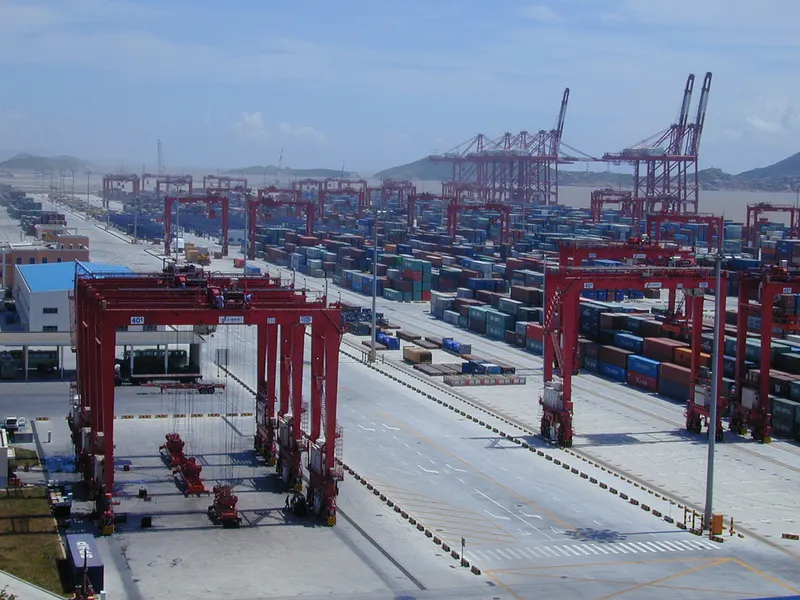
Symbiosis and Rebalancing: 48 Years of China–US Industrial Engagement (1979–2026)
From the 1979 thaw to the competitive rebalancing of 2026 — how China–US manufacturing went from complementary symbiosis to rivalry, and how that history built the factory landscape China has today.
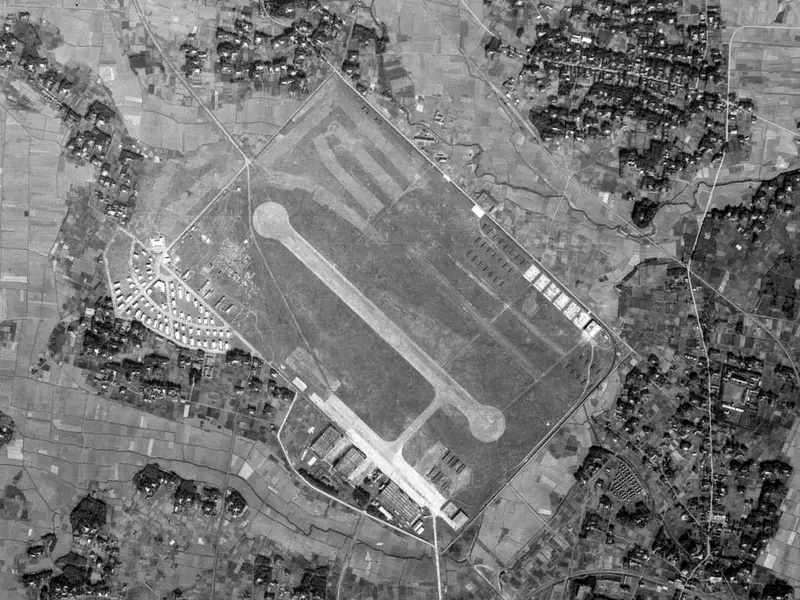
The Afterlife of the Zero: Eighty Postwar Years of Japan’s Aviation and Shipbuilding Defence Firms
In December 1945 the occupation authorities closed Japan's skies. Eighty years on, the firms that built the Zero and the battleship Musashi are still on the Ministry of Defense procurement tables: Mitsubishi Heavy Industries, Kawasaki Heavy Industries, IHI, ShinMaywa and SUBARU. Renamed, split up, turned to civilian work, not one disappeared. Working from US Strategic Bombing Survey records and the firms' own filings, this report asks how far a machine built for aggression was ever dismantled.
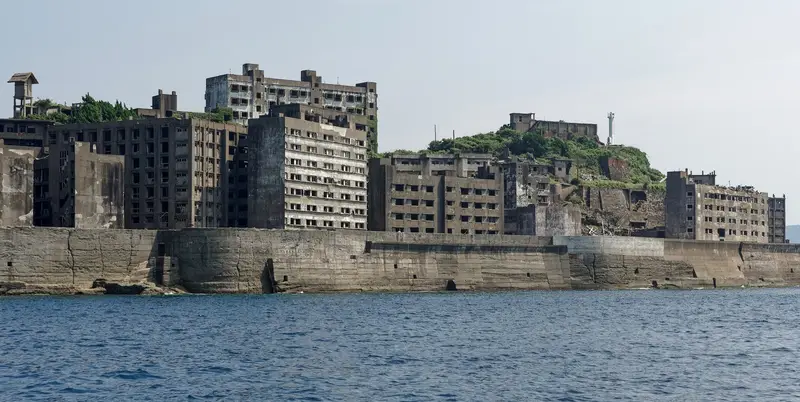
Iron and People: The Resource Chain and the Labour Chain of Imperial Japan’s War Industry
An ore-supply contract signed in 1899 locked the iron of Daye to the state-run Yawata Steel Works. Over the half-century that followed, China's iron, coal and people were fed systematically into the armaments production of a war of aggression. This report follows two threads, the resource chain and the labour chain, working from the Foreign Ministry report quoted in the Fukuoka High Court judgment, corporate documents and original settlement terms.
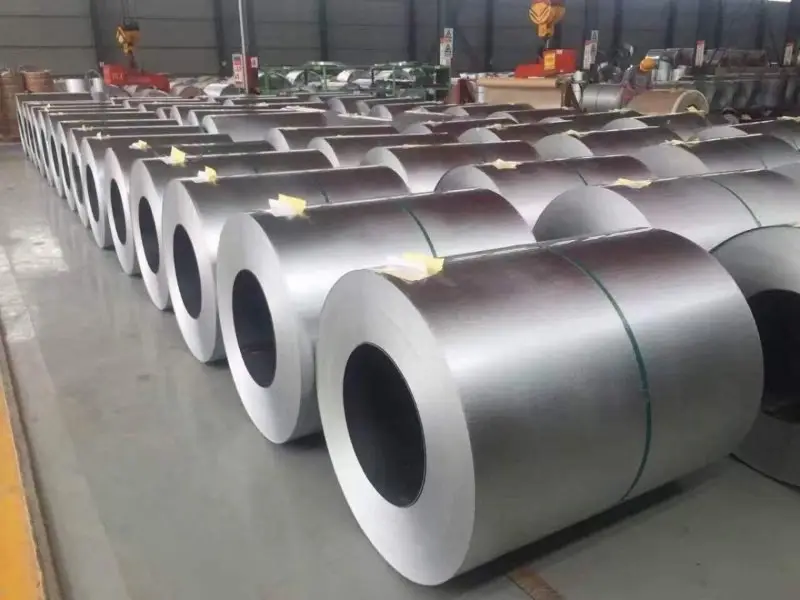
The Weight of Capacity: A Contemporary Comparison of Chinese and Japanese Manufacturing
How far apart are Chinese and Japanese manufacturing, and in what? This report puts shipbuilding, steel, machine tools, equipment and the supplier base onto a single table on consistent definitions, stating the source, year and definition behind every figure. It compares no armaments and speculates about no conflict. Its argument is narrower: the same facts, measured differently, support opposite conclusions, so the scale itself must be shown first.
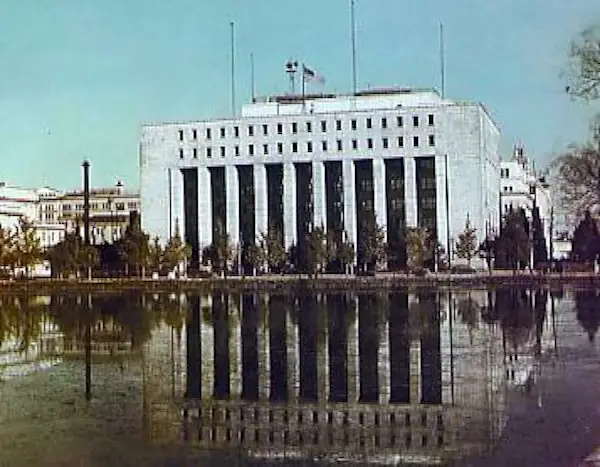
Dissolution and Revival: The Wartime Industrial Past Behind Japan’s Civilian Brands
In autumn 1945 the occupation authorities began dismantling Japan's zaibatsu, starting from a share register. Three years later the reckoning stopped, overtaken by the Cold War. This report follows four threads, organisation, family, ownership and law, showing how each was loosened, and how Korean War procurement revived Japanese heavy industry wholesale. Toyota, Nissan, Toshiba, Yamaha, Matsushita and Sumitomo were all part of that machine.