


HistoryA Chronicle of Chinese Manufacturing2026 Clear all
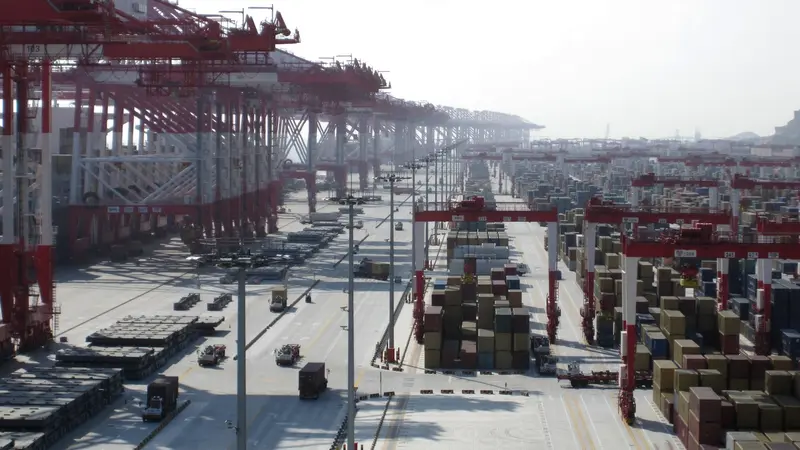
The Tax-Sharing Reform and Chinese Manufacturing: The Thirty-Year Industrial Tail of a Fiscal Overhaul
The 1994 tax-sharing reform was designed to rescue central finances - and ended up shaping the geography of Chinese manufacturing for three decades. VAT sharing tied local governments to factories; land-based finance bred 2,500-plus development zones and an inter-county investment tournament; fiscal transfers underwrote industry's move inland. This study traces the reform's design, its transmission channels, its evolution, and the rewrite now under way.

Zhu Rongji and Chinese Manufacturing: Institutional Foundations and Industrial Legacy, 1987-2003
Zhu Rongji died on August 12, 2026, at 98. This 41-chapter study traces his sixteen years of institution-building for Chinese manufacturing: Santana localization and Pudong; the 1994 tax-sharing and exchange-rate reforms; the SOE turnaround, spindle cutting, the 1998 ministerial restructuring, and WTO accession - mapped onto the ground beneath China's 4.8 million factories today. With a chronology, notes on statistics, and verified quotations.
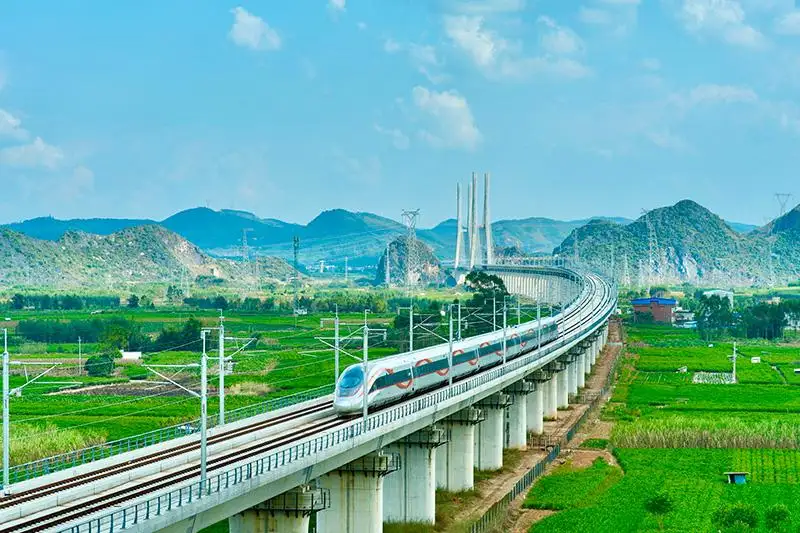
High-Speed Rail: China's Two Decades of Acceleration (2003-2026)
In 2003, the average commercial speed of China's passenger rail was still only 48 km/h; two decades later, China has built a network of more than 50,000 km of high-speed rail — longer than the rest of the world combined. What it won was not a single train, but an entire system, from traction motors, IGBTs, train control to aluminium-alloy car bodies. This is the story of how China grew that whole system, segment by segment, into its own industrial clusters.
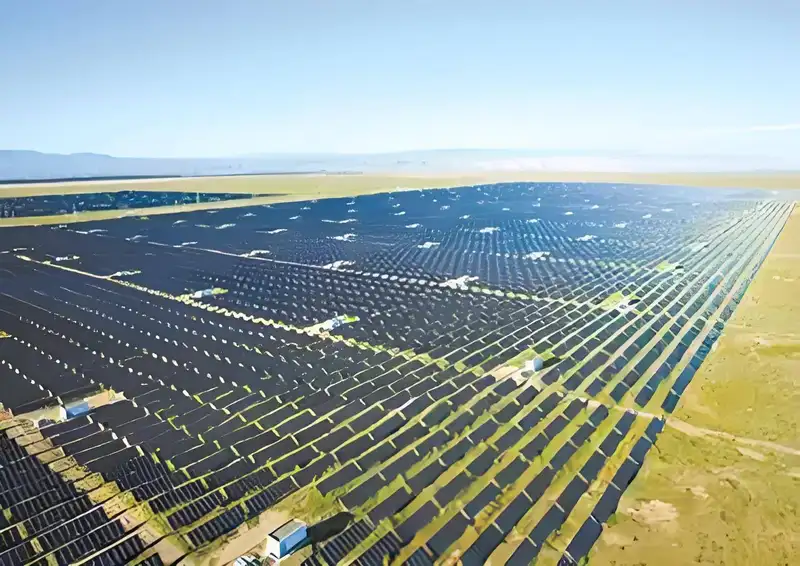
Photovoltaics: How China Made Sunlight the Cheapest Electricity (2001-2026)
In 1954 the solar cell was invented in the United States, yet for decades sunlight stayed the most expensive electricity there was. A country that two decades ago imported even its polysilicon now makes 85% to 97% of the world's solar supply chain, and has driven the cost of solar power down by 90%. This is the story of that climb.
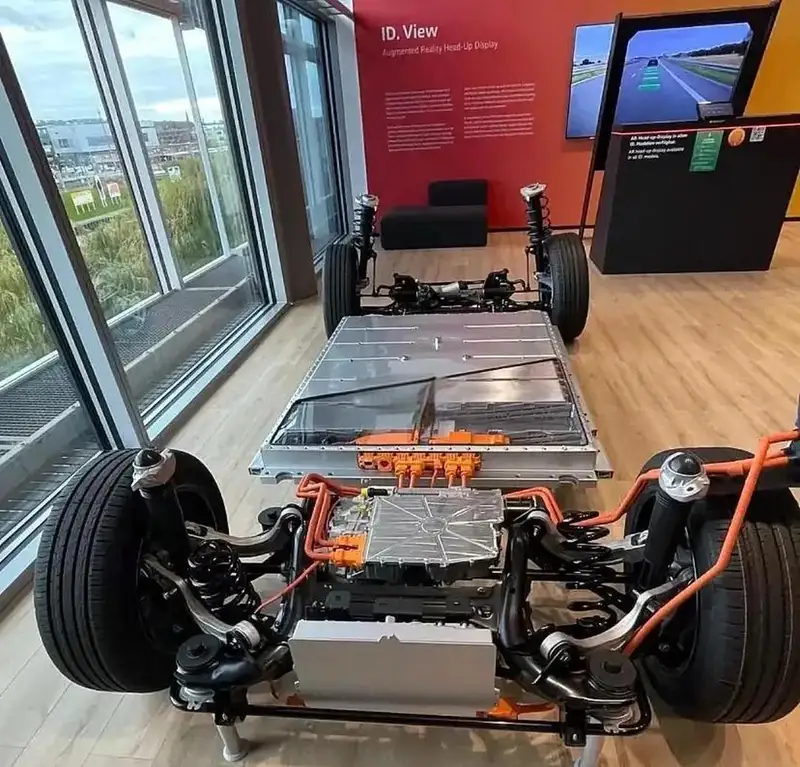
Power Batteries: China's Thirty-Year Comeback in Manufacturing (1995-2026)
In 1991, China imported even consumer batteries from Japan by the crate; thirty years on, two of every three power batteries in the world come from Chinese companies. This contest was decided not by a single cell, but by the supply chain behind it. This is the story of that comeback.
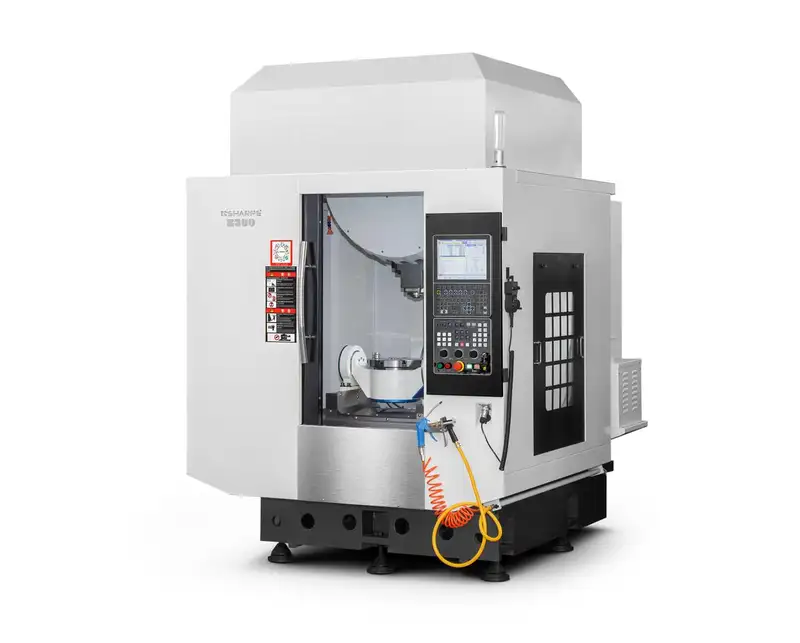
The Mother Machine: Seventy Years of China's Climb in Machine Tools (1953-2026)
In 1949, China built just 1,582 machine tools in an entire year; seventy years later, one in every three machine tools on Earth is made in China. The machine tool is called the "mother machine of industry" - it sets the ceiling on what every factory in a country can build. This is the story of that climb.
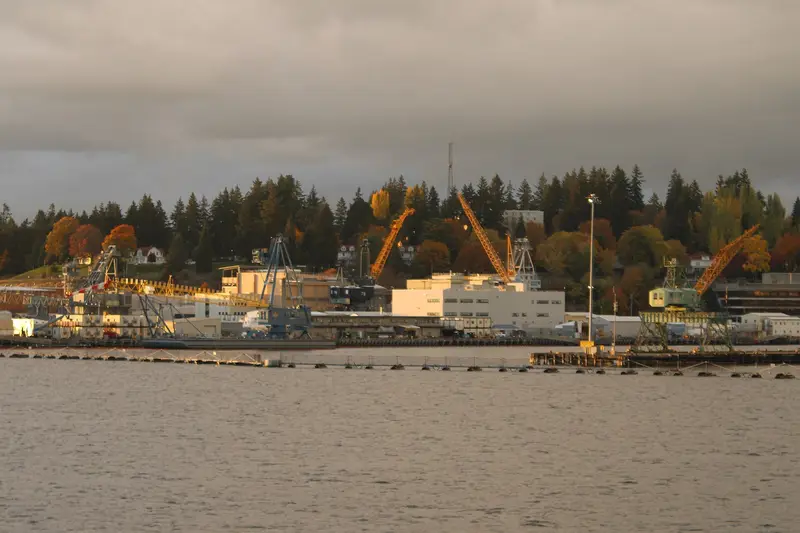
Built, But No One Dares Use It: The Four Gaps in China's Marine-Equipment Industry
“Marine equipment is the weak link” — a verdict repeated for years about China’s shipbuilding. But it is not one gap; it is four, of different kinds: design, craftsmanship, electronics, and trust. The first three are capability problems that time will close. The fourth is the hardest — it lies not in the workshop, but in the shipowner’s ledger of risk.
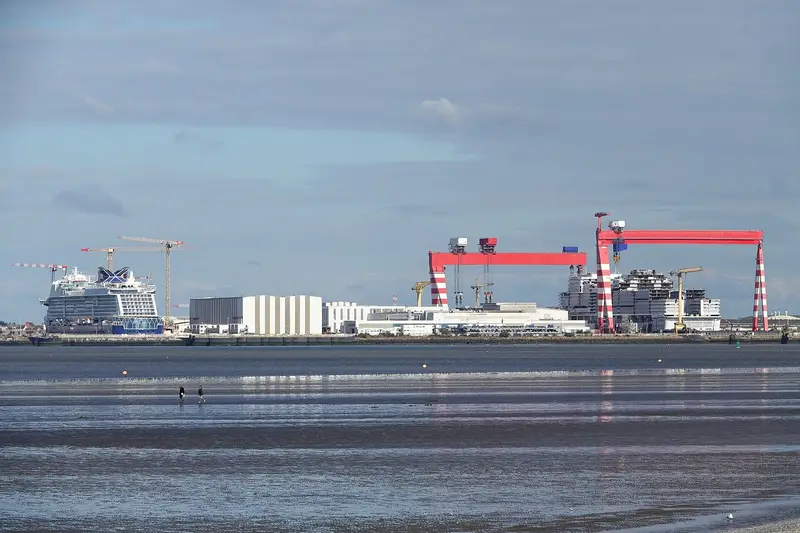
A Ship Is a Map of an Industry Chain: Anatomy of China's Shipbuilding, Upstream to Downstream
A ship is the convergence of parts from a thousand suppliers. This piece dissects China’s shipbuilding industry chain tier by tier — upstream materials, midstream marine equipment, downstream final assembly — arriving at one structural reality: final assembly has reached the summit, while marine equipment is still catching up.
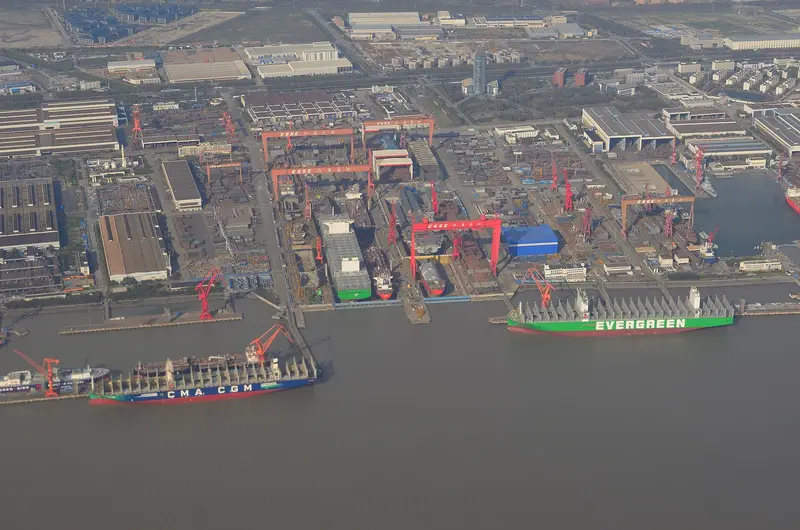
One Bloodline: From the Jiangnan Arsenal to the Three Pearls (1865–2026)
From the Huiji of 1868 to the carrier Fujian of 2022, the institutional bloodline of Jiangnan Shipyard has run unbroken for 160 years. What a nation can build at sea is, roughly, a measure of how far its industry has come — this is a history of how a complete industrial system grows.