
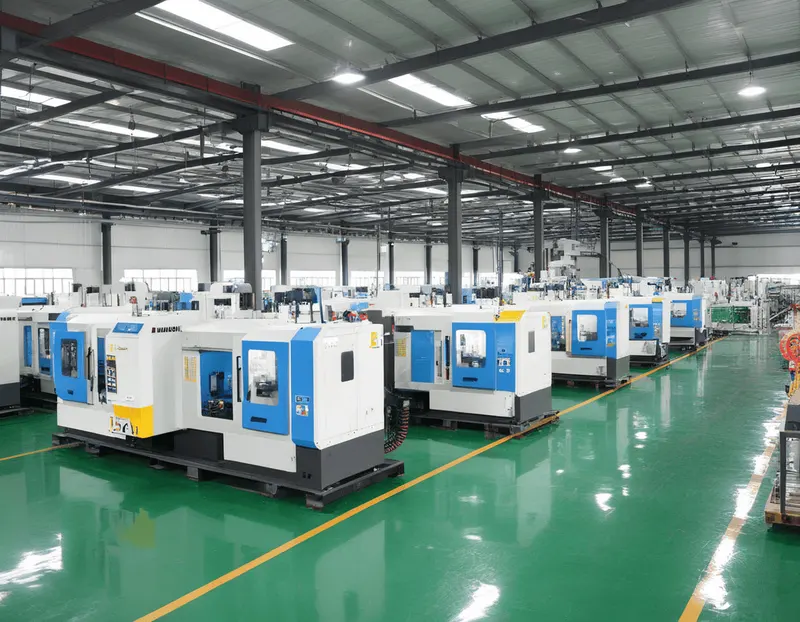
China's Injection Molding Industry 2026: Market Size and Competitive Landscape
A systematic analysis of the market size, value chain, and competitive landscape of China's injection molding industry in 2026: a highly concentrated machine segment (Haitian leads at home with 30%+ share, first worldwide) versus an extremely fragmented midstream of roughly 5 million molders. Chinese machines have moved from import substitution to export leadership, yet all-electric, precision, and large-tonnage high-end still belong to Japan and Germany.
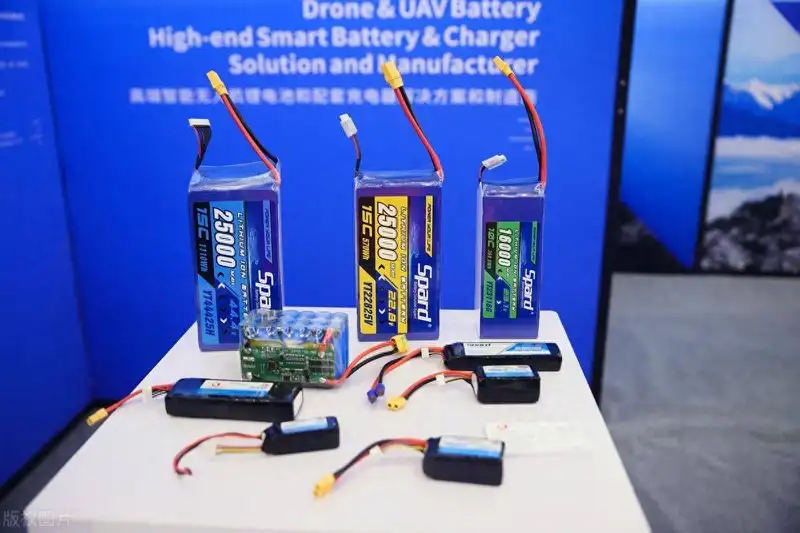
Sodium-Ion Battery 2026: How China Built the Industry's Second Card Alone After Lithium Crashed
From 2024 to 2025, foreign sodium-ion pioneers (UK's Faradion acquired by India, Sweden's Northvolt bankrupt, US's Natron shut down) collapsed almost entirely — while China's sodium-ion shipments grew from 0.7 GWh in 2023 to 3.7 GWh in 2024, then another 3.5 GWh in H1 2025, with energy storage taking 62%. This is a research-institute analysis on why the sodium-ion battery supply chain has consolidated to China and where it heads in 2026-2027.
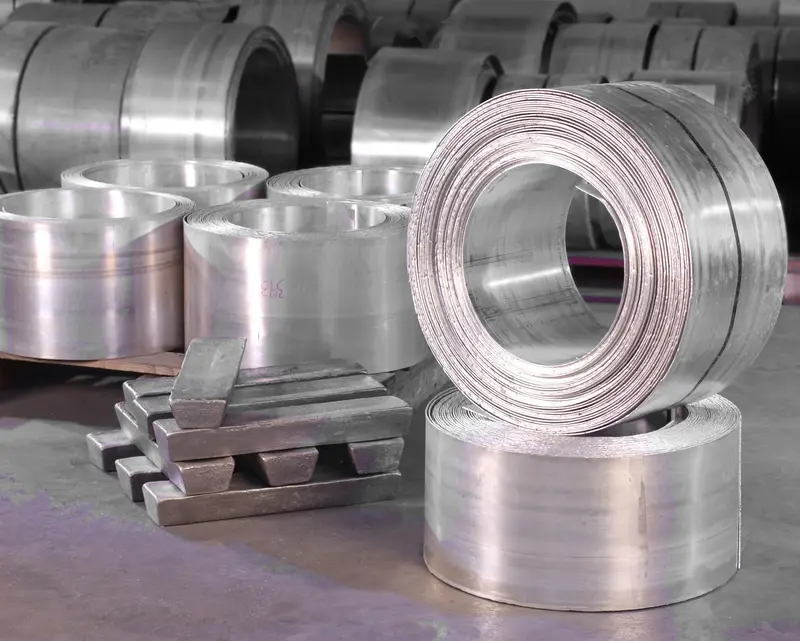
The Lightest Metal Waited Eighty Years: Sichuan Laiweimet and the Industrial Inflection Point of High-Strength Wrought Magnesium Alloys
From Pidgeon's process in 1941 to China's rare earth export controls in 2025, magnesium alloy — the lightest engineering metal — has never become a mainstream structural lightweight material. Sichuan Laiweimet uses solidification-strengthening plus continuous production to produce B91C2, a high-strength wrought magnesium alloy with yield strength 340–400 MPa, free of heavy rare earth dependency and SF₆, pushing the global high-strength wrought magnesium alloy landscape to a new tipping point.
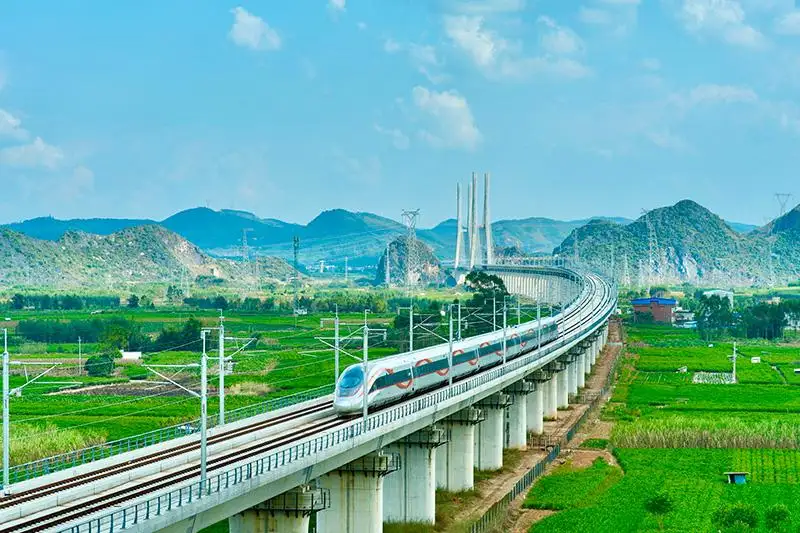
High-Speed Rail: China's Two Decades of Acceleration (2003-2026)
In 2003, the average commercial speed of China's passenger rail was still only 48 km/h; two decades later, China has built a network of more than 50,000 km of high-speed rail — longer than the rest of the world combined. What it won was not a single train, but an entire system, from traction motors, IGBTs, train control to aluminium-alloy car bodies. This is the story of how China grew that whole system, segment by segment, into its own industrial clusters.
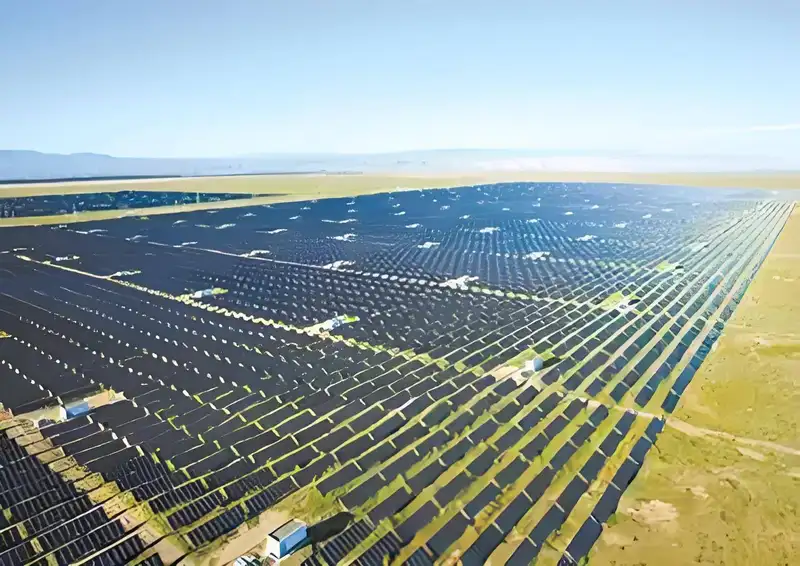
Photovoltaics: How China Made Sunlight the Cheapest Electricity (2001-2026)
In 1954 the solar cell was invented in the United States, yet for decades sunlight stayed the most expensive electricity there was. A country that two decades ago imported even its polysilicon now makes 85% to 97% of the world's solar supply chain, and has driven the cost of solar power down by 90%. This is the story of that climb.
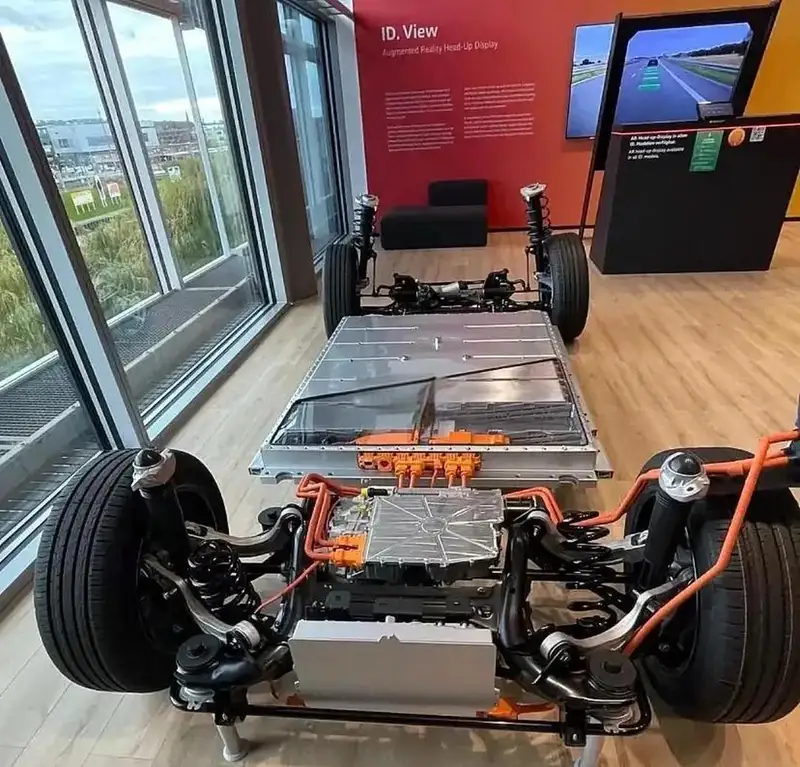
Power Batteries: China's Thirty-Year Comeback in Manufacturing (1995-2026)
In 1991, China imported even consumer batteries from Japan by the crate; thirty years on, two of every three power batteries in the world come from Chinese companies. This contest was decided not by a single cell, but by the supply chain behind it. This is the story of that comeback.
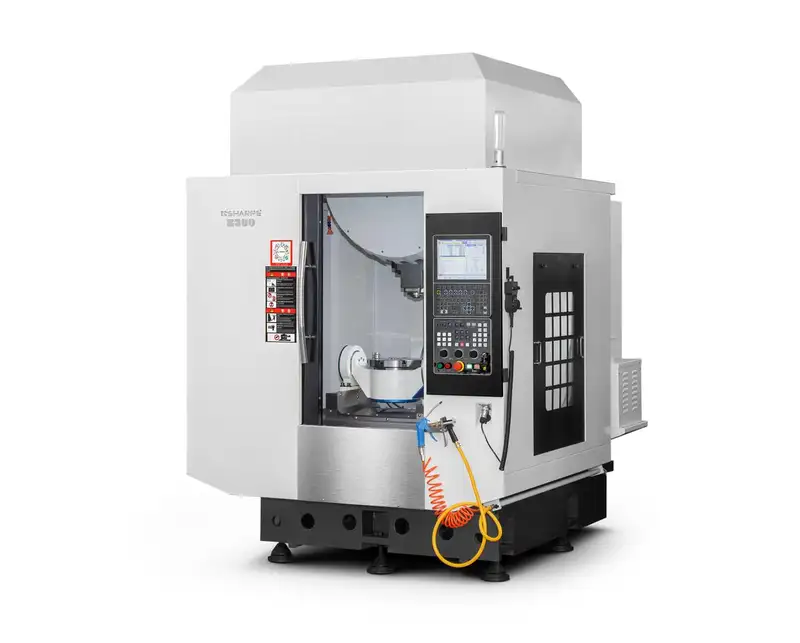
The Mother Machine: Seventy Years of China's Climb in Machine Tools (1953-2026)
In 1949, China built just 1,582 machine tools in an entire year; seventy years later, one in every three machine tools on Earth is made in China. The machine tool is called the "mother machine of industry" - it sets the ceiling on what every factory in a country can build. This is the story of that climb.
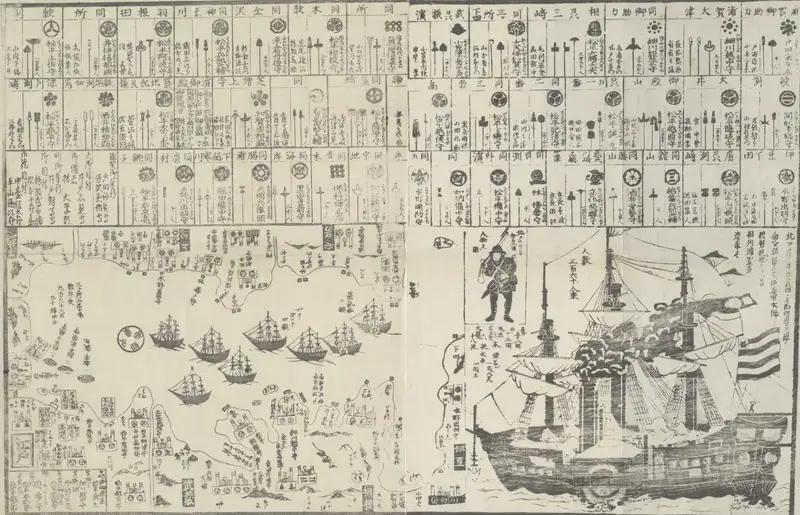
Returning to the Order That Ought to Be: One Hundred and Eighty Years of Industry Between China and Japan
The Opium War of 1840 and the Black Ships of 1853 were the same starting gun, pushing China and Japan onto the track of industrialization together. In the hundred and eighty years since, East Asia has tried three times to become a single industrial whole — by extraction, by conquest, by exchange; the first two collapsed. This is a history of how steel, railways, home appliances, and semiconductors moved between two neighbours — and an inquiry into what kind of whole East Asia ought to be.
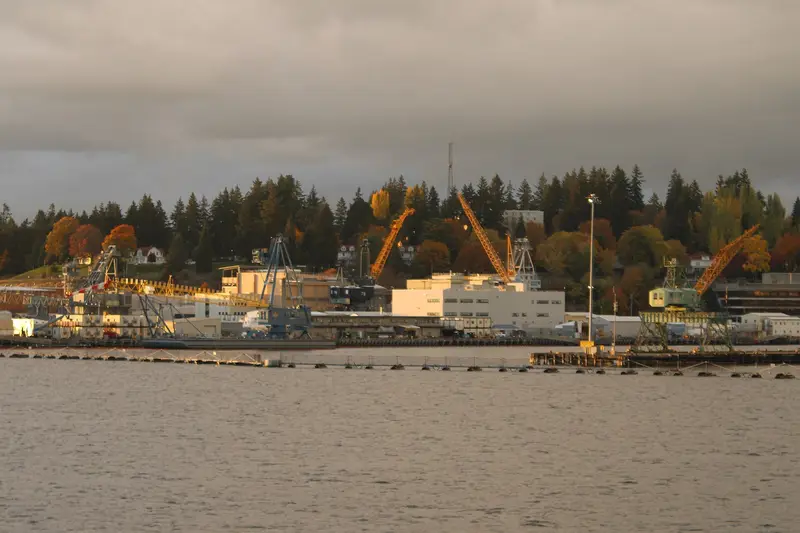
Built, But No One Dares Use It: The Four Gaps in China's Marine-Equipment Industry
“Marine equipment is the weak link” — a verdict repeated for years about China’s shipbuilding. But it is not one gap; it is four, of different kinds: design, craftsmanship, electronics, and trust. The first three are capability problems that time will close. The fourth is the hardest — it lies not in the workshop, but in the shipowner’s ledger of risk.
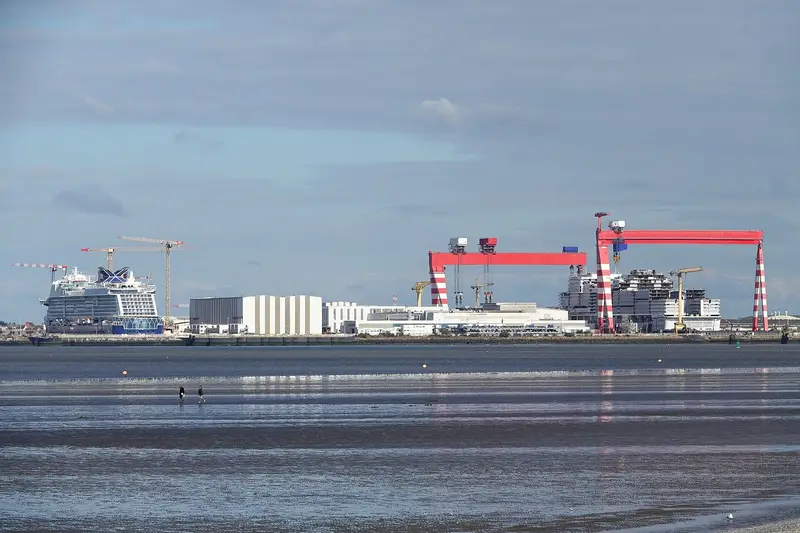
A Ship Is a Map of an Industry Chain: Anatomy of China's Shipbuilding, Upstream to Downstream
A ship is the convergence of parts from a thousand suppliers. This piece dissects China’s shipbuilding industry chain tier by tier — upstream materials, midstream marine equipment, downstream final assembly — arriving at one structural reality: final assembly has reached the summit, while marine equipment is still catching up.
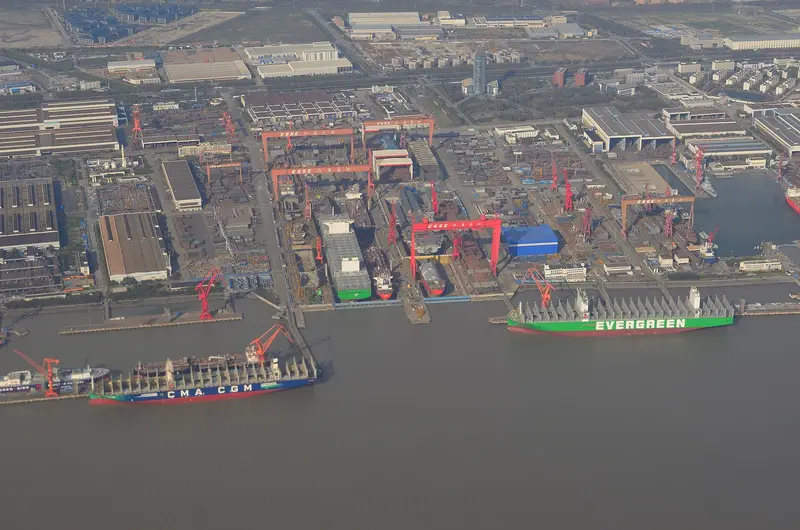
One Bloodline: From the Jiangnan Arsenal to the Three Pearls (1865–2026)
From the Huiji of 1868 to the carrier Fujian of 2022, the institutional bloodline of Jiangnan Shipyard has run unbroken for 160 years. What a nation can build at sea is, roughly, a measure of how far its industry has come — this is a history of how a complete industrial system grows.
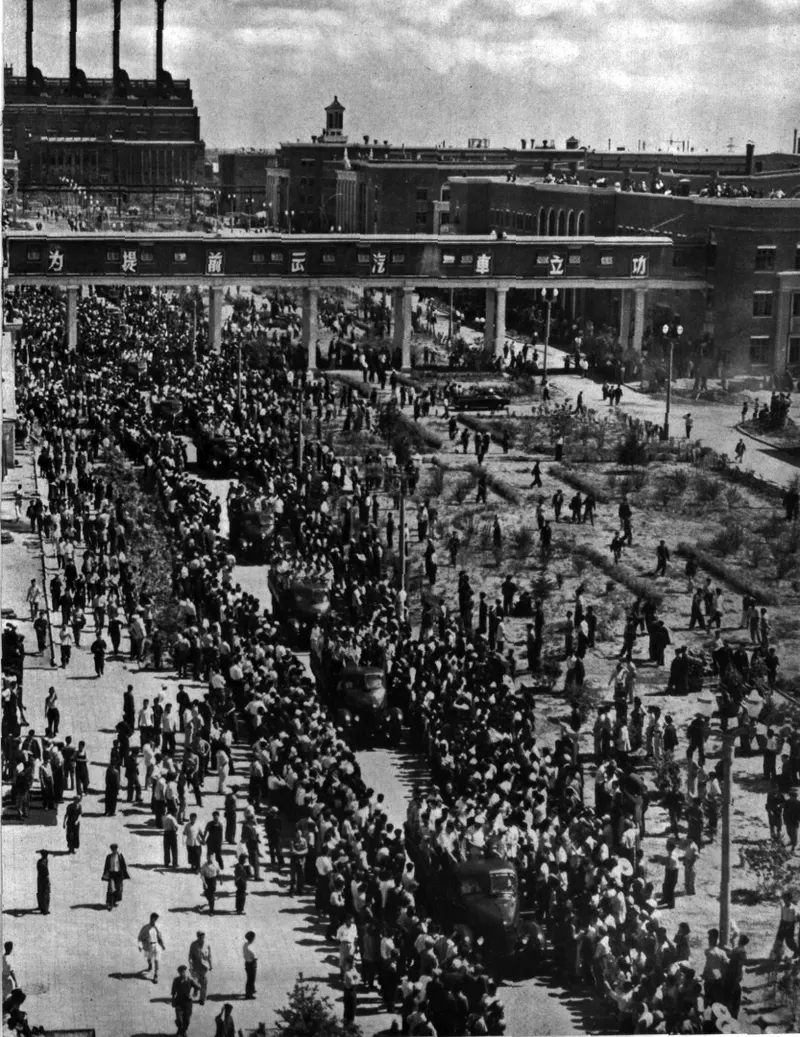
The Reversal of Teacher and Student: Seventy-Seven Years of China-Russia Industrial Interaction (1949–2026)
From the 156 Projects to the pipelines of Siberia, China and Russia have, across seventy-seven years, completely traded their industrial places.